
Last updated November 17, 2026
 Raised-panel steel
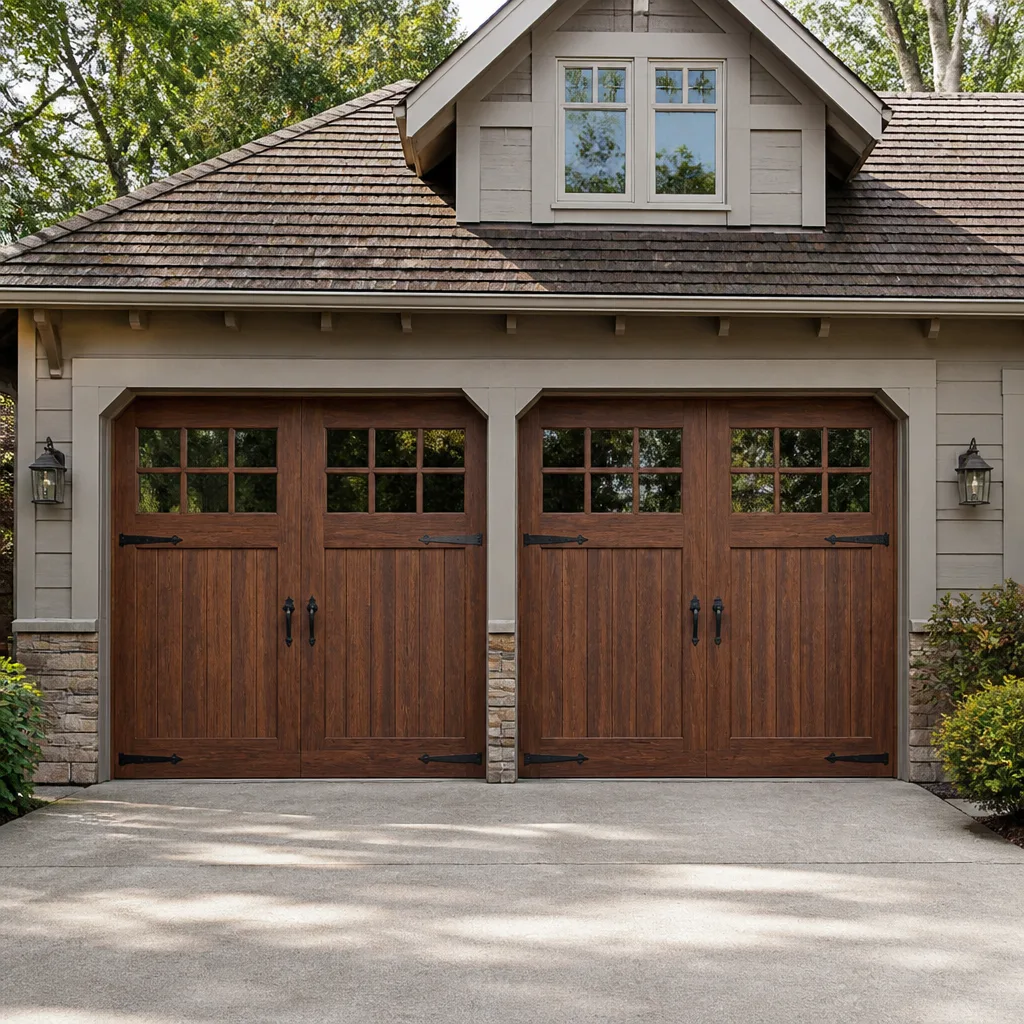 Carriage house
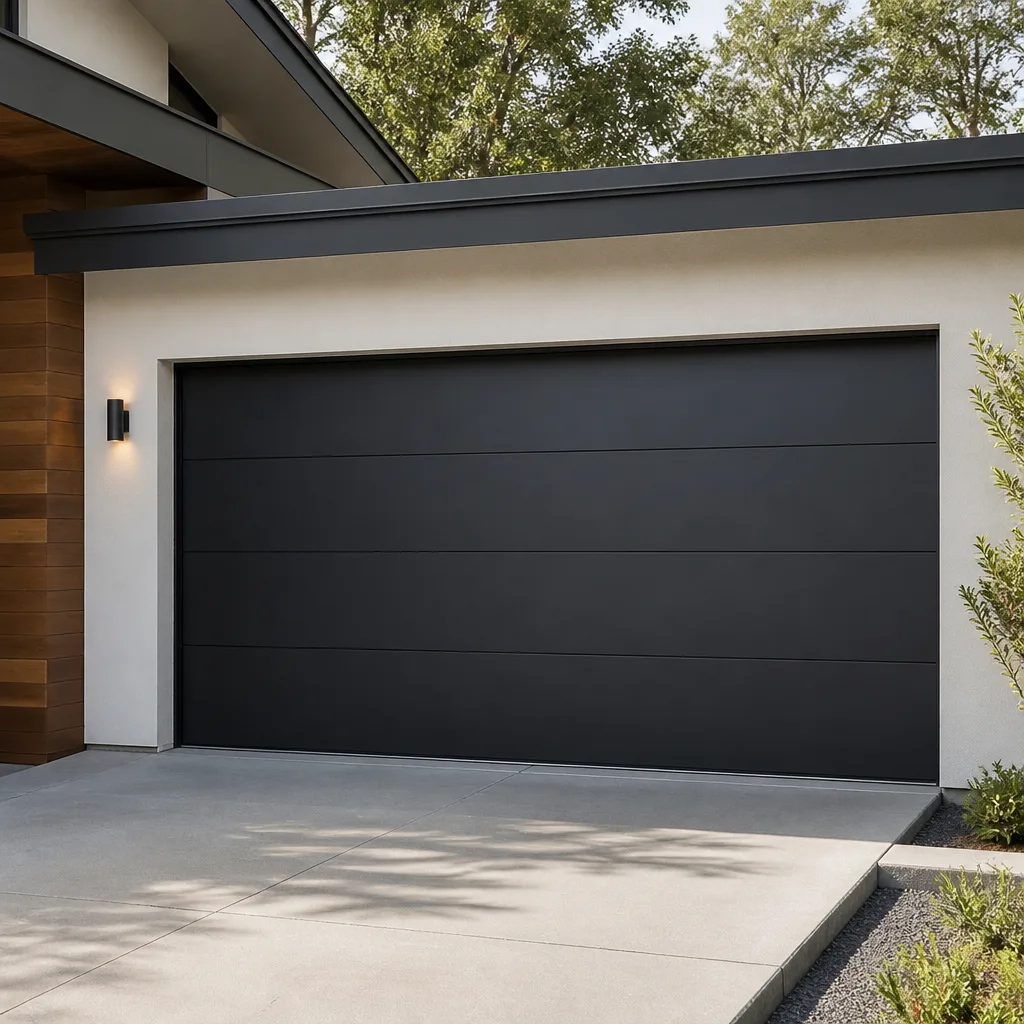 Modern flush
 Full-view glass
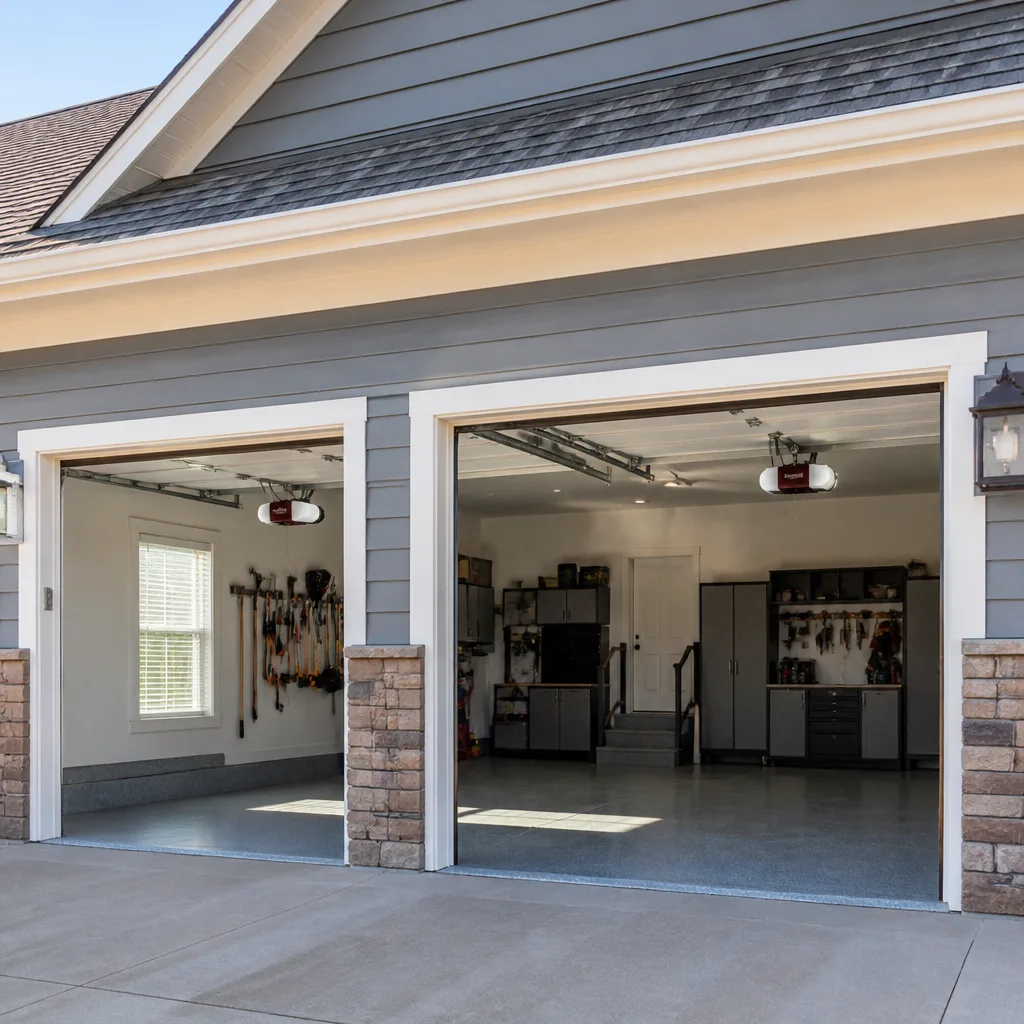 LiftMaster openers
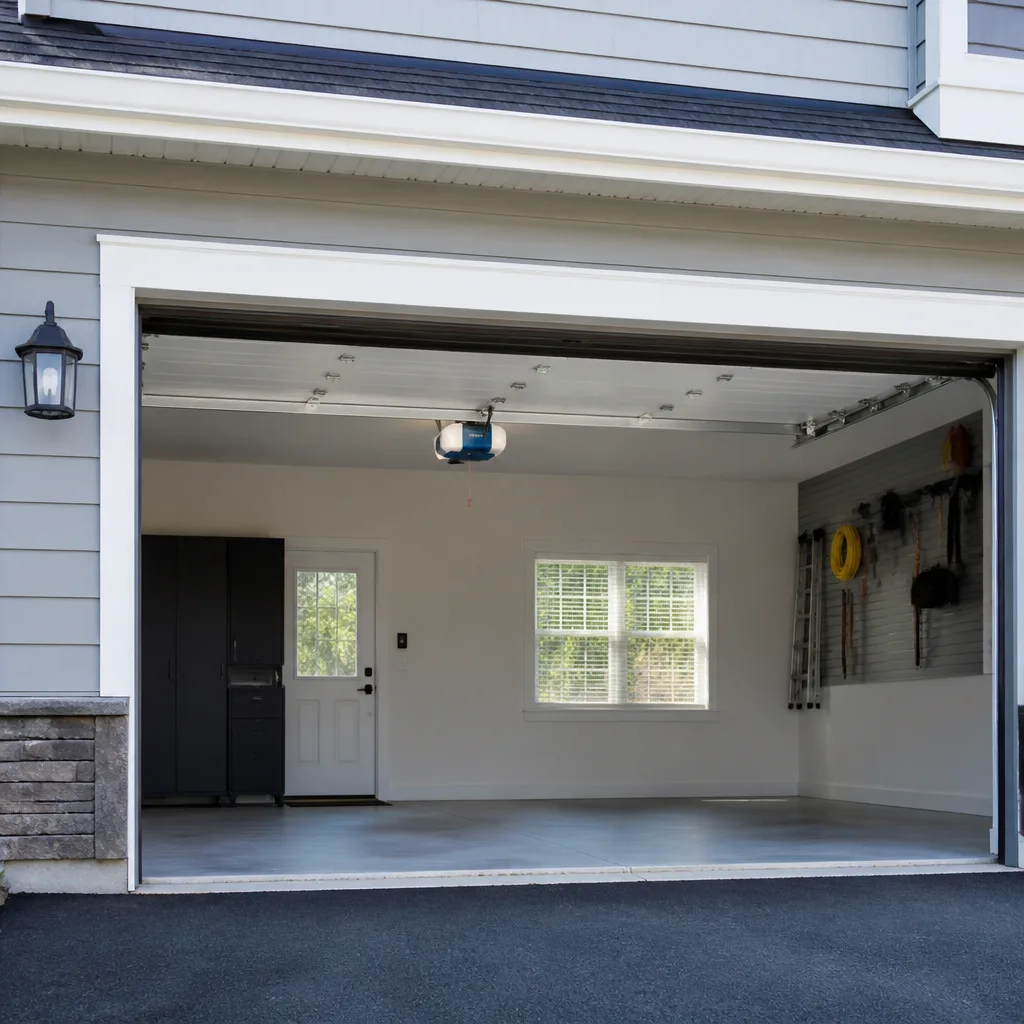 Chamberlain openers
Full 25-point door and opener safety check with every visit - springs, cables, rollers, tracks, and your LiftMaster or Chamberlain opener included
You get a price before we start. It does not change when the pro arrives.
Get your free estimateDIY vs Professional Garage Door: The Enterprise Homeowner’s Decision Guide
Torsion springs store enough energy to break a wrist or take out an eye when they release wrong. That’s not a scare tactic – it’s physics. A standard double-car door is 200 pounds riding on two springs. We’ll tell you the same thing we’d tell our own brother: change your lightbulb, replace your keypad, lube your rollers. Leave the springs alone. This guide draws a hard line between the garage door jobs an Enterprise homeowner can handle with basic tools and the jobs that belong to someone with training, insurance, and the right winding bars. You’ll get a real DIY-safe list, the mechanical reason behind every do-not-touch item, and the hidden costs most “DIY saves money” advice skips entirely.
Quick Answer
Light maintenance – lubricating rollers and hinges, replacing a wall keypad, swapping a bulb, adjusting a photo-eye, resetting a remote – is genuinely DIY-friendly and safe. Anything involving torsion springs, cables, bottom brackets, or the counterbalance system is not: those parts store lethal force and require specific training and tools. New door installation and opener replacement sit in the middle and are best left to a professional unless you have real mechanical experience. When you’re unsure, call (833) 620-7107 before you start – a straight answer costs you nothing.
Styles & brands we work with
- Raised-panel steel
- Carriage house
- Modern flush
- Full-view glass
- LiftMaster openers
- Chamberlain openers
Table of Contents
- Quick Answer
- What’s Genuinely DIY-Safe (With Real Instructions)
- The Do-Not-Touch List and the Mechanical Reason for Each
- The Hidden Cost of DIY: When It Actually Saves Money
- What Happens to Your Warranty
- Why Enterprise Doors Age the Way They Do
- How to Decide: A Step-by-Step Framework
- Before You Call Anyone
- When to Call a Professional
- Frequently Asked Questions
What’s Genuinely DIY-Safe (With Real Instructions)
Plenty of garage door upkeep belongs in your own hands, and doing it yourself keeps the door quieter and the opener healthier. Here’s the work any capable homeowner can take on with a screwdriver, a wrench, and a tube of lubricant. We’ve walked hundreds of Enterprise homeowners through these over the phone, and none of them should cost you a service call.
- Lubricate rollers, hinges, and tracks. Use a silicone-based or white lithium lubricant, not WD-40 (it attracts grit and gums up). Apply to each hinge pivot, each roller stem, and the torsion spring coils, then run the door up and down twice. Twice a year is plenty.
- Replace the wall keypad or remote. Most LiftMaster and Chamberlain keypads pair in under two minutes. Match the brand and frequency, follow the pairing button on the opener head, and you’re done. No door adjustment involved.
- Swap the opener light bulb. Use the wattage the label on the opener head specifies; over-bulbing a Chamberlain with an oversized bulb is a common and easy-to-avoid failure.
- Adjust or clean the photo-eye. If the door won’t close or reverses on its own, check the two sensors at the bottom of the tracks. Wipe the lenses, confirm the indicator light is solid, and nudge a crooked one straight. Nine times out of ten, that’s the whole fix.
- Reset and re-sync remotes. Dead batteries, erased memory, and mismatched frequencies cause the vast majority of “my remote quit” calls. Start there before you suspect the opener.
- One-inch balance check. Pull the release cord to disconnect the door, lift it halfway, and let go. A healthy door holds its position. If it slams down or drifts up on its own, the springs are out of balance – stop and call.
None of these require adjusting spring tension, touching a cable, or moving the counterbalance. That’s exactly why they’re safe. If a door is a Craftsman or a Raynor and you can’t find a pairing manual, our garage door opener repair and installation page has brand notes, or just call and we’ll talk it through with no trip charge inside the county.
The Do-Not-Touch List and the Mechanical Reason for Each
This is the section most DIY guides skip, replacing it with a vague “leave it to the professionals.” That’s not useful. Here’s why each item is dangerous, and what’s actually stored in those parts.
- Torsion springs. A wound torsion spring holds stored rotational force under hundreds of pounds of tension. Releasing it without the right winding bars and the correct technique can throw a bar hard enough to break bone. The spring itself can fracture and launch. This is the single part that sends homeowners to the emergency room. Leave it alone.
- Extension springs. Same energy, different geometry. If one fails without a safety containment cable, it whips across the garage. Even a “simple” replacement means handling a loaded spring, and getting the stretch measurement wrong loads a new spring wrong from day one.
- Cables. The lift cables run at high tension and are under load whenever the door is closed. Snapping one loose can slice a hand or worse. Cables are also what hold the door’s weight in balance, so a wrongly set cable can drop the door.
- Bottom brackets. The bottom bracket is where the cable attaches to the door under load. Loosening it without releasing tension first is like pulling a pin on a loaded spring. Never touch it with the door down.
- Track re-alignment on a loaded door. A bowed track might look bent back with a hammer, but the track holds a weighted door in line. Forcing it can bind rollers and shear a cable.
- Rewinding or re-tensioning a spring. Even experienced techs use two winding bars and count turns. Doing it with one bar, a screwdriver, or a pipe wrench is how DIYers get hurt most often.
We count spring cycles the way you count tire miles. A torsion spring gives roughly 10,000 cycles, and in a household that opens the door four to six times a day, that’s a predictable life. When it’s near the end, we’ll tell you what’s left on yours so you can plan instead of panicking. Our garage door repair in Enterprise page covers what spring replacement involves.
The Hidden Cost of DIY: When It Actually Saves Money
DIY usually looks cheaper on paper because the parts and the tools are the visible cost. The invisible costs are travel, tool rental, parts markup, and the value of a learning curve you may only climb once. Run the real numbers before you commit.
- Lubrication, keypads, remotes, bulbs, photo-eyes: genuine DIY wins. Parts run under $20 at a big-box store, the tools are what’s already in your garage, and the job takes minutes. This is where DIY saves real money.
- Roller replacement: often DIY-friendly on a door that’s already in balance. A set of nylon rollers can run $30-$60 at retail, versus a professional replacement that carries a labor charge. Worth doing yourself for a handy homeowner with a step ladder and no fear of heights.
- Spring, cable, and bracket repair: DIY “savings” evaporate fast. Rental of winding bars, the risk of redoing the job, and the cost of an emergency room visit dwarf the price of a professional spring replacement. The parts markup on a spring at a big-box store isn’t the real cost; the risk of doing it wrong is.
- Opener replacement: a LiftMaster or Chamberlain swap looks simple in a video. In practice, wiring the safety sensors, balancing the force settings, and confirming the door reversal all take judgment. A bad install can leave the door reversing at the floor or the opener straining against a door that’s out of balance. The price savings rarely cover the risk of a redo.
- Time value. If a job takes you four hours and a professional two, and your Saturday is worth something to you, a $180 professional hour can be a genuine bargain. Here in Enterprise, where we spend our weekends running errands and walking kids around the neighborhood, four hours in the garage isn’t free.
The rule of thumb: if the part stores energy, hire out. If it’s a wear item or an electronic accessory, DIY wins.
What Happens to Your Warranty
This is what nobody tells you before you start. Working on a door or opener outside the manufacturer’s specified parameters can void the warranty on the affected parts, and the manufacturer’s fine print is specific.
- Clopay: Door warranties typically require installation and service by a professional installer, and any alteration or improper adjustment – especially to springs or tension – can void the affected component. Clopay is one of the most common door brands on Enterprise homes, so this bites locally.
- LiftMaster and Chamberlain: Opener warranties typically exclude failure caused by improper installation, unbalanced doors, or unapproved wiring. Swap an opener on a door that’s out of balance and the opener’s longevity suffers regardless of whose name is on it – and the warranty may not cover it.
- Bottom line for warranty: before you tear open a new install or adjust a spring on a recently installed door, read the warranty paperwork that came with it. We keep brand notes ready in the shop; if you tell us the serial number, we’ll look it up.
A warranty voided on a $1,800 door is a costly DIY lesson. If the door is new, keep it under warranty. Call first; we’ll tell you whether the work is covered or whether it’s something you can safely do yourself.
Why Enterprise Doors Age the Way They Do
Enterprise is a high-desert town, which changes what fails and when. Summer heat bakes doors and tracks; winter temperature swings cause metal to expand and contract; seasonal dust and dust storms push grit into every hinge and roller. That’s why our spring failures don’t cluster the way they do in cooler places. In Enterprise, we regularly see spring failures happen faster than the national number suggests, and doors that sit unused through August often come back to life stiff and noisy in October. A door that is rarely used in summer still cycles its springs, and dust finds its way into the rollers.
Lubrication is the highest-value DIY task out here because it costs almost nothing and protects the parts that fail most in this climate. It’s also why we tell homeowners to do the one-inch balance check every fall. If a door on a Craftsman opener is straining in the heat, the problem is almost never the opener; it’s a door that’s overdue for a tune. Our garage door installation in Enterprise page covers what a new door and a proper new-install balance look like for the climate.
How to Decide: A Step-by-Step Framework
Here’s the decision path we walk homeowners through on the phone. Go down the list; the first “no” usually settles it.
- Does the job involve a spring, cable, or bracket? If yes, call. If you’re not sure, call anyway, that’s what the phone is for.
- Is the door in balance and moving freely by hand? If not, don’t open the door to start any job – the door needs attention first.
- Is the door under manufacturer warranty? If it’s a recent install, protect the warranty and have work done properly.
- Do you have the right tools and a safe way to reach the work? No ladder on a slope, no reaching over an operating door. Safety first.
- Is it a wear item or an accessory (rollers, keypad, bulb, photo-eye)? DIY. Go ahead.
- When in doubt, call. We’ll tell you straight whether it’s a job you can handle or one you shouldn’t, with no upsell and no runaround. If you’re not in Enterprise, don’t worry – Otto’s Garage Door Enterprise home will point you to the right county.
Before You Call Anyone
A few minutes of homework saves phone tag and keeps you from getting quoted one price and billed another – the exact thing we hear about from folks who called a national outfit and got a surprise at the door. Have these ready:
- The door’s brand and the opener’s brand (Craftsman, LiftMaster, Chamberlain, Raynor, Clopay, Amarr, Wayne Dalton). The label is on the opener head and the door panels.
- Whether the door moves smoothly by hand and holds position at the halfway point.
- What the door is doing – hitting the floor and reversing, straining, making noise, or stuck.
- Any written estimate you’ve already been given, so we can offer a free second opinion on it.
- Whether anyone in the home is a senior or a veteran; our standing 10% Senior & Veteran discount applies to every job, always.
What you won’t need to do is wait on a call center three states away. We answer live, we quote on that call, and we hold the number when we arrive.
Common Mistakes to Avoid
- Wind the spring with a screwdriver or pipe wrench. This is the classic way a quick fix turns into a hospital visit. A winding bar exists for a reason; it’s not a suggestion.
- Loosen the bottom bracket while the door is down. The cable is loaded and the bracket is what holds it. This is among the fastest ways to get hurt on the job.
- Grease the tracks. Tracks aren’t meant to be lubricated – the rollers roll, and grease on the track collects desert dust and grinds the rollers. Lube hinges and rollers instead.
- Ignore the manufacturer’s warranty terms. Working on a Clopay door or a LiftMaster opener outside the spec can void the affected parts, especially on a recent install.
- Try to rebalance a loaded door by “feel”. A door that’s 200 pounds out of balance can drop fast. If the one-inch check fails, stop and call.
- Take the cheapest bid. On a garage door, the cheapest bid often means a national dispatch center and a surprise at the door. Verify the license and the address before the truck arrives.
- Assume a strained opener is the opener’s fault. It’s almost always the door – a binding roller, a weak spring, or a bent track. Replace the opener on a bad door and the new one goes bad too.
When to Call a Professional
Call a professional for spring, cable, or bracket work, for any door that won’t balance, for new door installation, for opener replacement on a door you don’t trust, and for anything involving height on a slope or a heavy door. Also call when a door that’s been sitting makes noise or reverses unexpectedly. Those are the jobs where the risk isn’t worth the savings. This is where training and insurance matter, and where a professional save you a hospital visit or a voided warranty. Calling before you start on any job you’re unsure about costs nothing, and we’ll tell you straight. Otto’s Garage Door Enterprise offers free estimates in Enterprise – call (833) 620-7107. A live person answers, often the owner himself, and the price is quoted before the visit and never revised upward at the door.
Frequently Asked Questions
No – not safely, and not without the right tools. A wound torsion spring stores lethal force, and a single slip can break a wrist or worse. This is the one job we strongly urge every homeowner to leave to a trained professional, no exceptions.
Lubricating rollers, hinges, and springs; replacing keypads, remotes, and opener bulbs; and cleaning or adjusting photo-eyes are all safe and simple with basic tools. In Enterprise’s dust and temperature swings, lubrication twice a year and a fall balance check are the highest-value things you can do yourself.
It can. Clopay door warranties and LiftMaster and Chamberlain opener warranties often exclude damage from improper adjustment, unbalanced doors, or unapproved wiring. Always read the included paperwork first, and if you’re not sure, call and we’ll look it up for you.
A professional torsion spring replacement typically runs $180-$340 depending on door size and spring type, with the exact price quoted before we start and held at the door. Doing it yourself saves the labor charge but risks the parts cost and an injury, so the math rarely works. Call (833) 620-7107 for an exact quote – estimates are free.
Often yes. We answer live around the clock, and a door stuck open or a vehicle sealed inside is the kind of call we get at nine at night. Call (833) 620-7107; we’ll quote on that call and confirm a time.
For wear items and accessories, yes – lubrication, keypads, bulbs, and photo-eyes are genuine DIY wins. For springs, cables, brackets, opener swaps, and new installs, DIY rarely saves money once you count tool rental, parts markup, redo risk, and the value of your weekend. Call for a straight answer on your specific job.
The Bottom Line
The DIY-versus-professional question about garage doors has a real answer, and most guides dodge it. Maintenance and accessories are yours to handle, and doing them keeps your door quiet and your wallet intact. Springs, cables, bottom brackets, and the counterbalance system belong to someone trained to handle stored energy. New doors and opener replacement are judgment calls best answered by a phone call. If you’re ever unsure, call first. That’s not a sales pitch; it’s the same advice we’d give our own family. Your door is 200 pounds riding on two springs. Respect it, and let us handle the parts that can hurt you.
Have a door that’s making you nervous, or want a second opinion on an estimate before you spend a dime? Otto’s Garage Door Enterprise is locally owned and owner-operated, background-checked technicians are on the job, and your written 90-Day Done Right Promise rides on every invoice. Call (833) 620-7107 for a free estimate, and if you’re ready for a new door, a free measure gets you a written price.
Written by the team at Otto’s Garage Door Enterprise.
See the difference
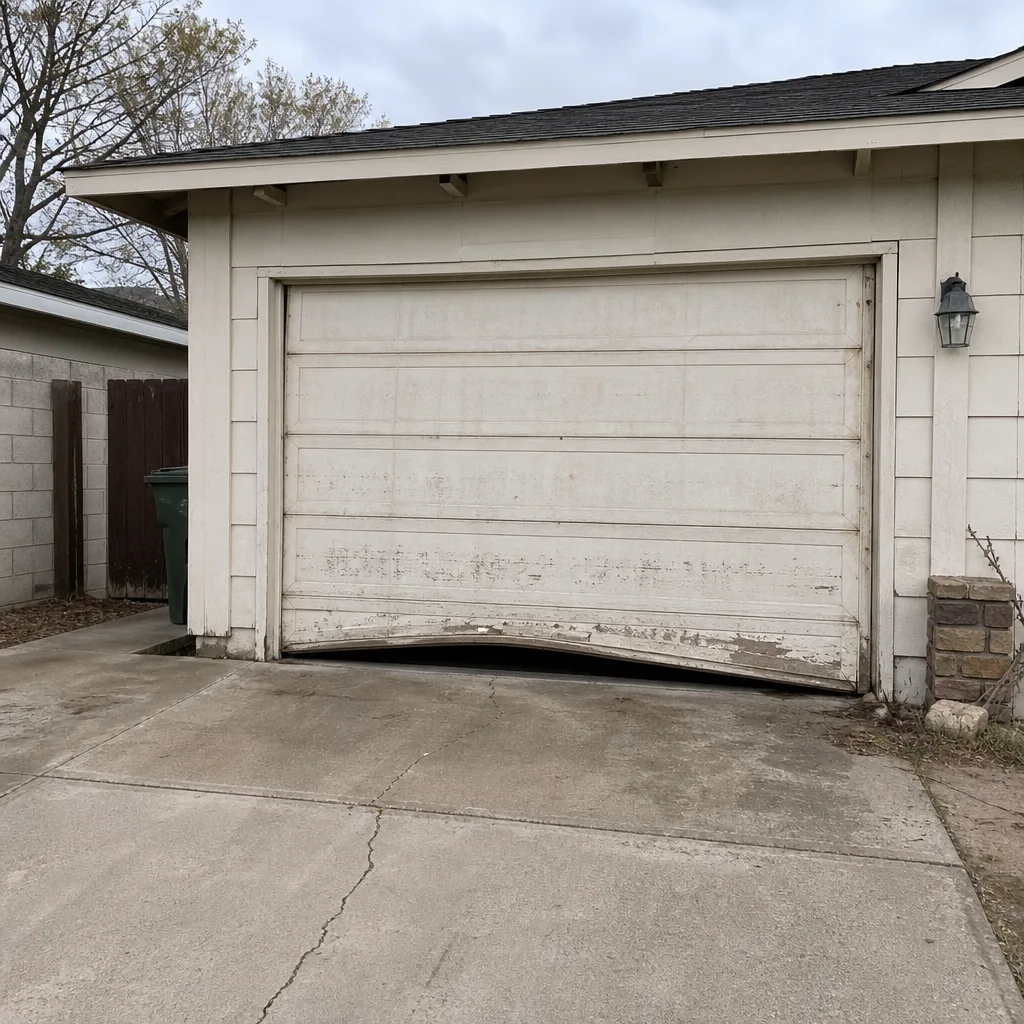 Before
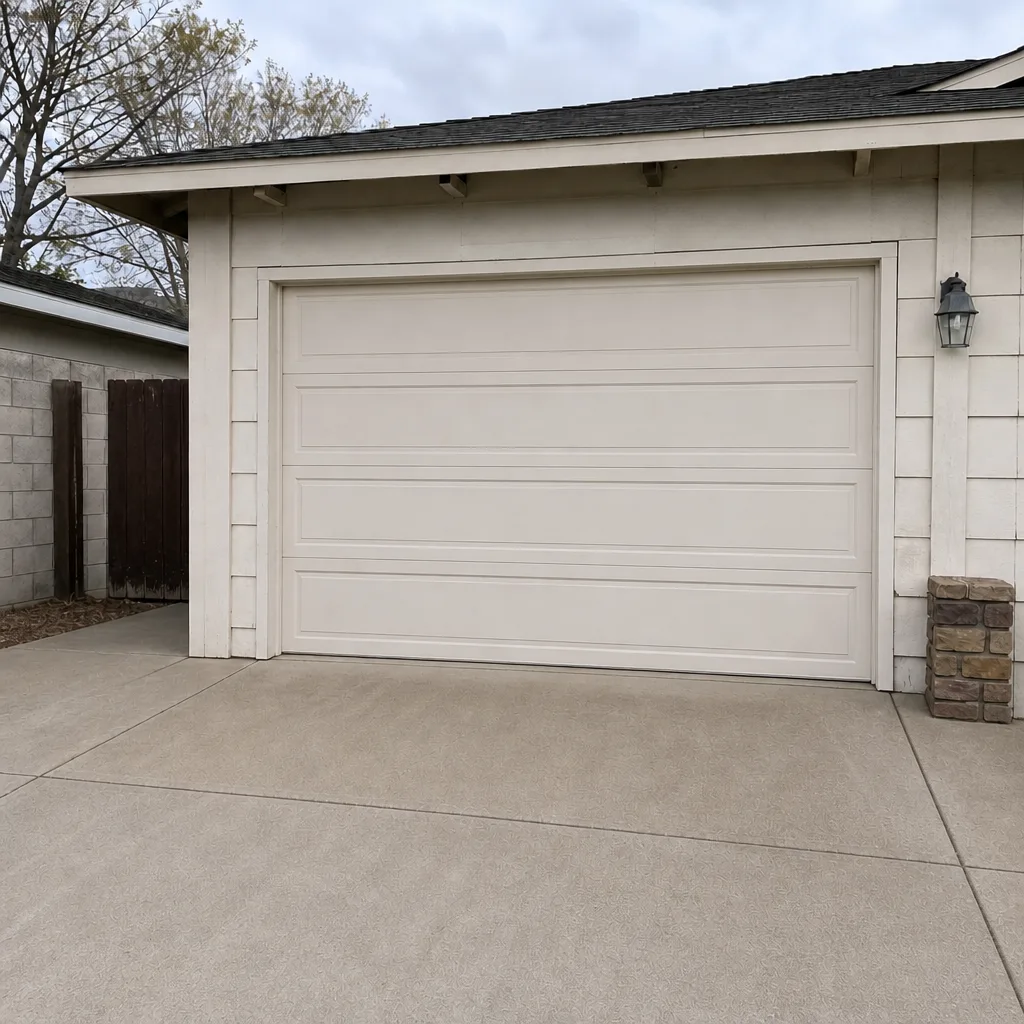 After
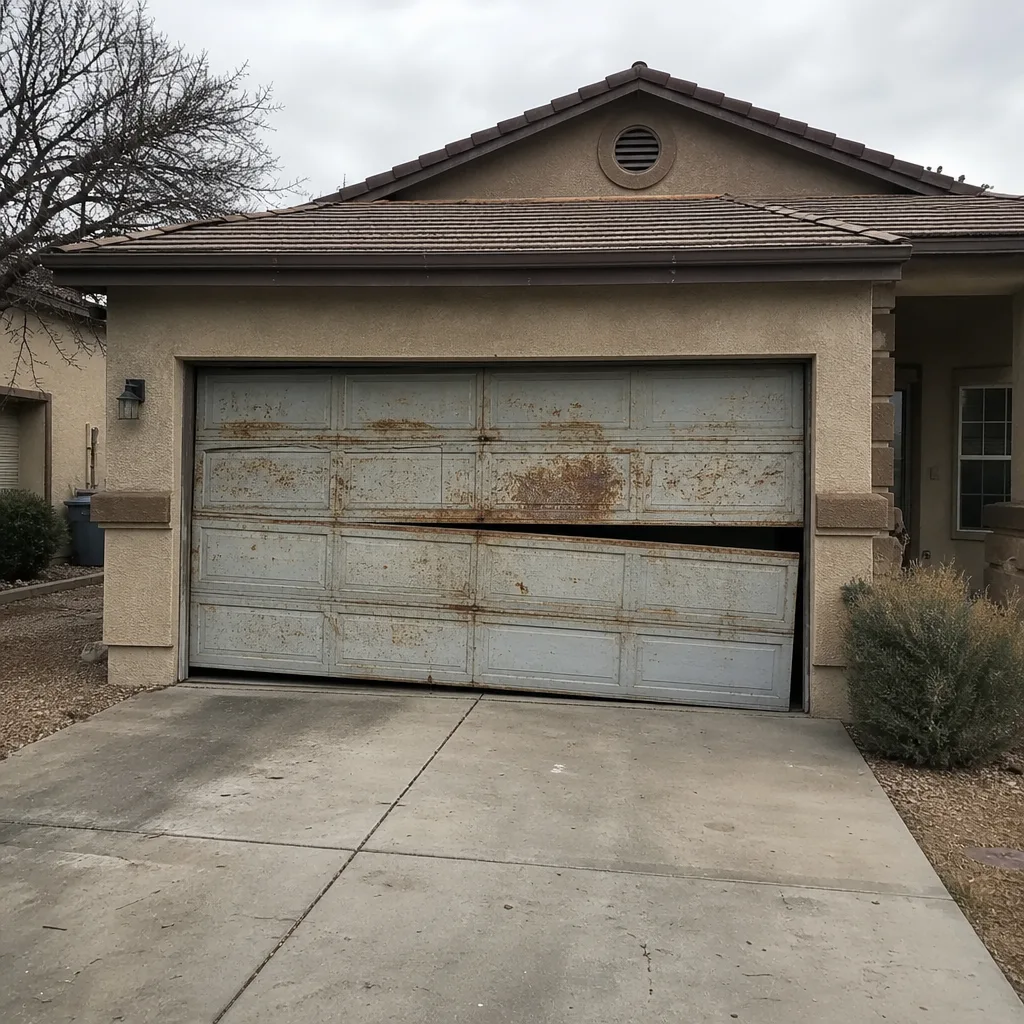 Before
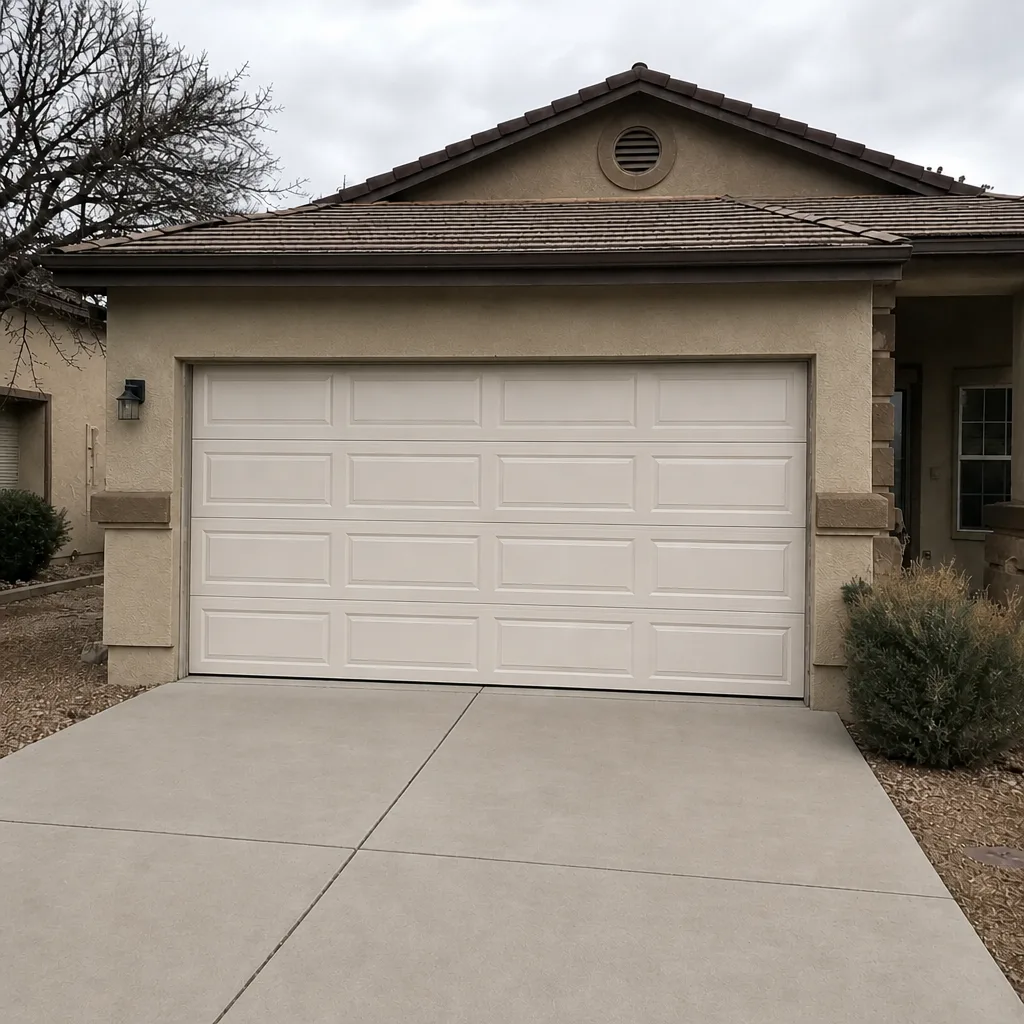 After
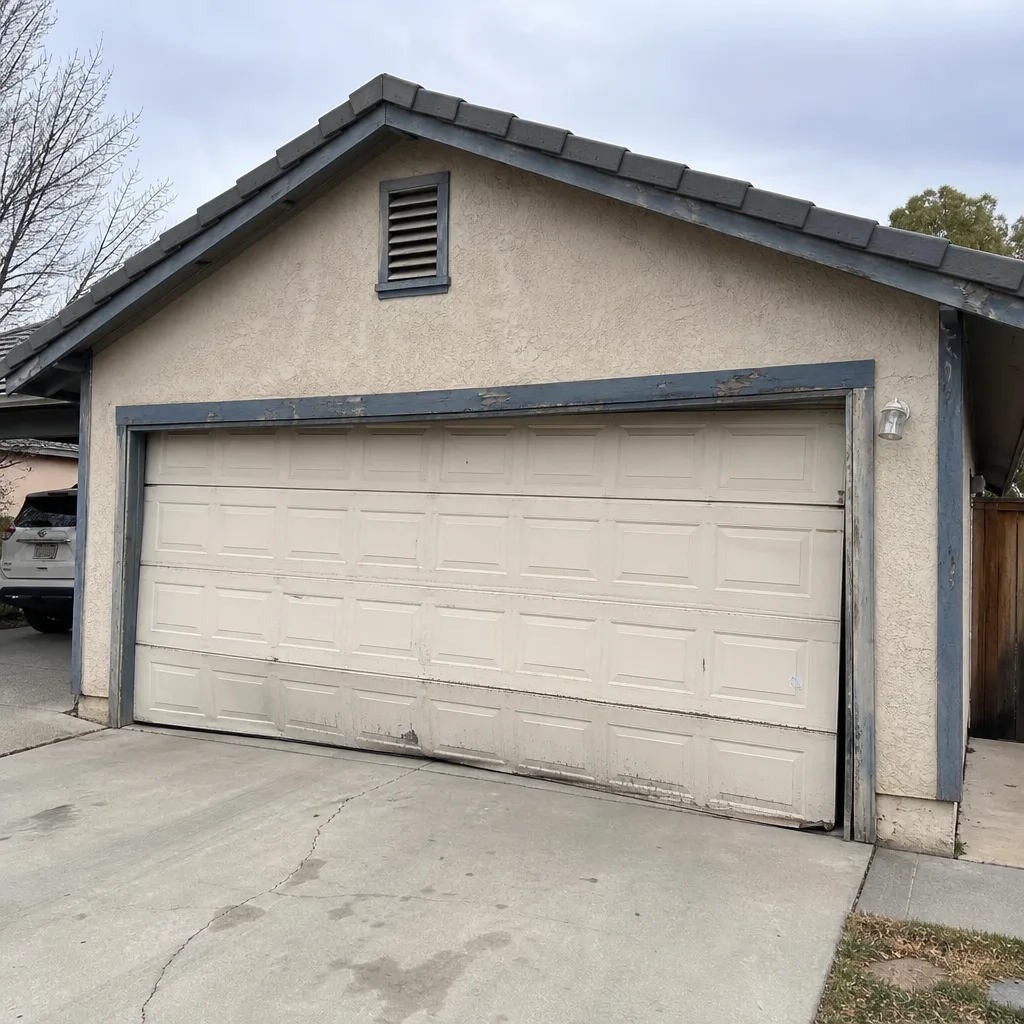 Before
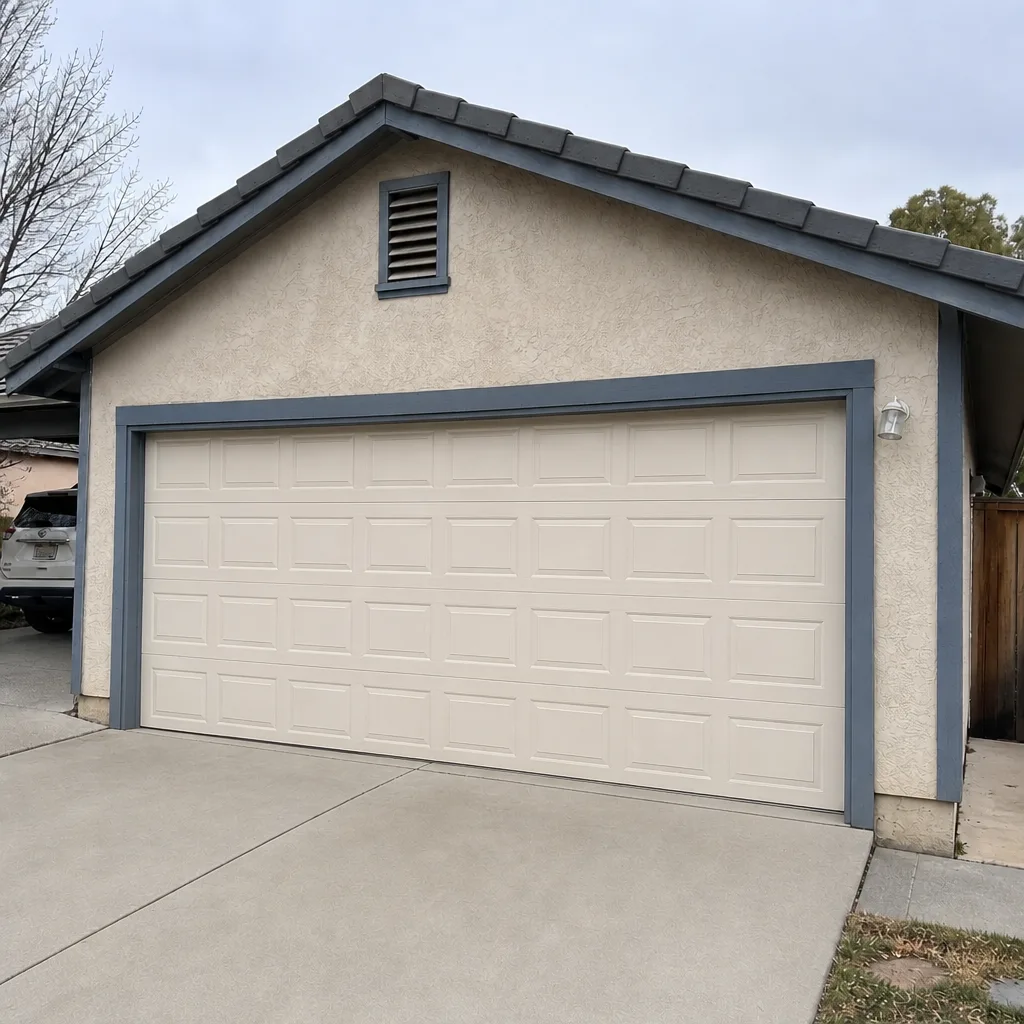 After