
Last updated November 17, 2026
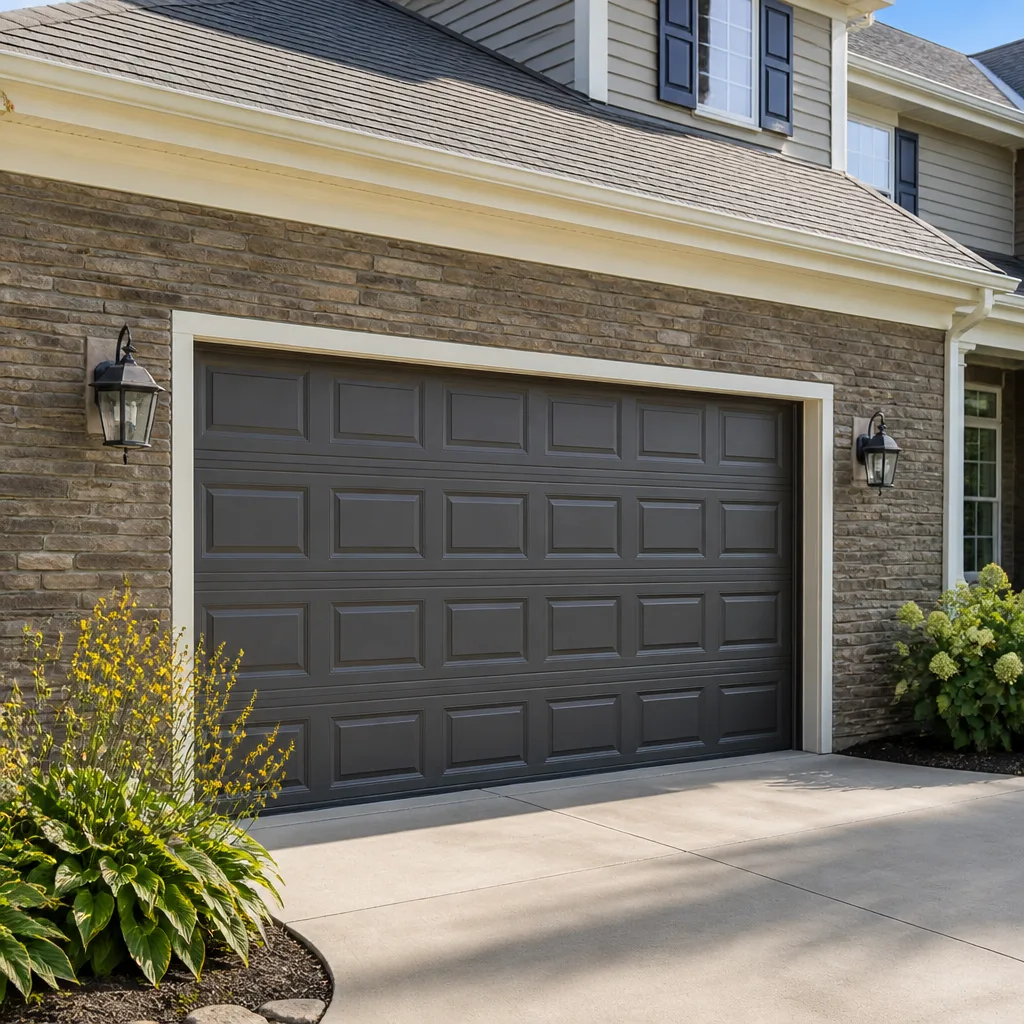 Raised-panel steel
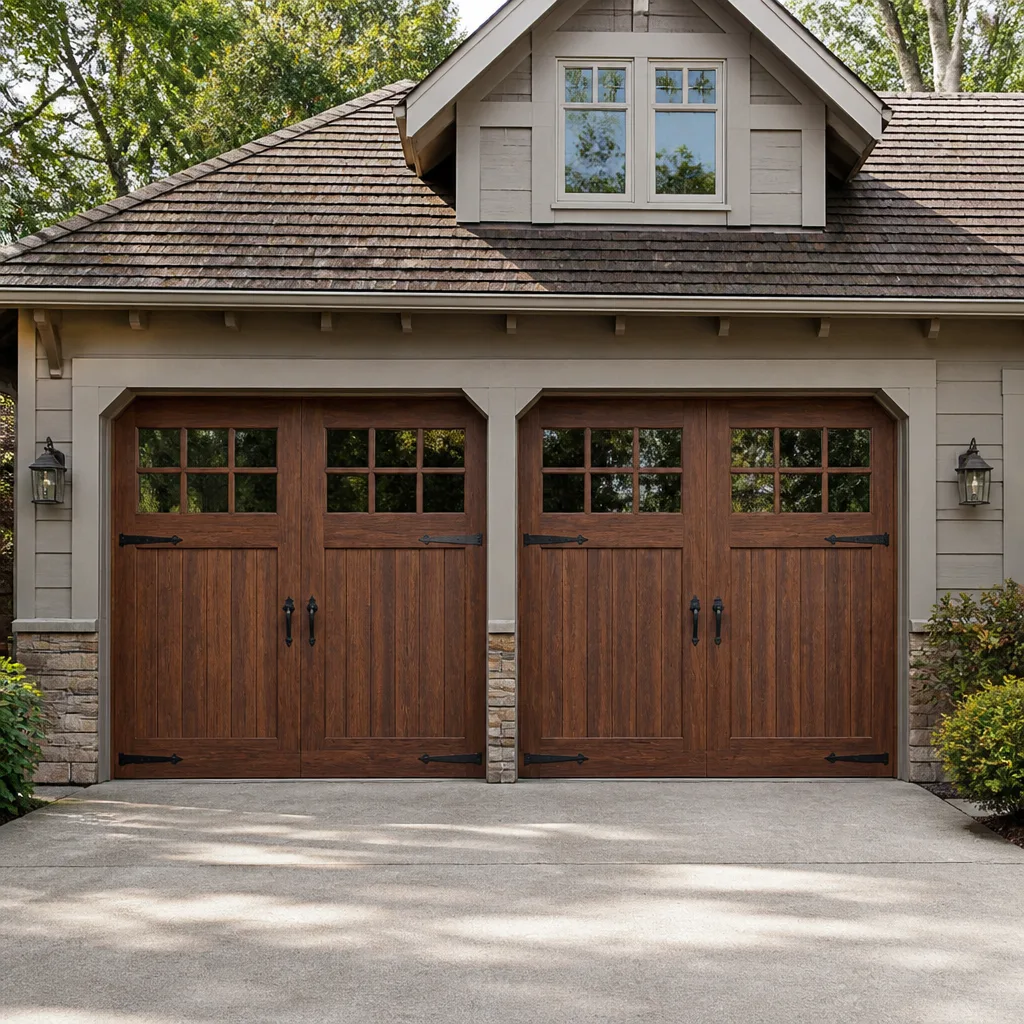 Carriage house
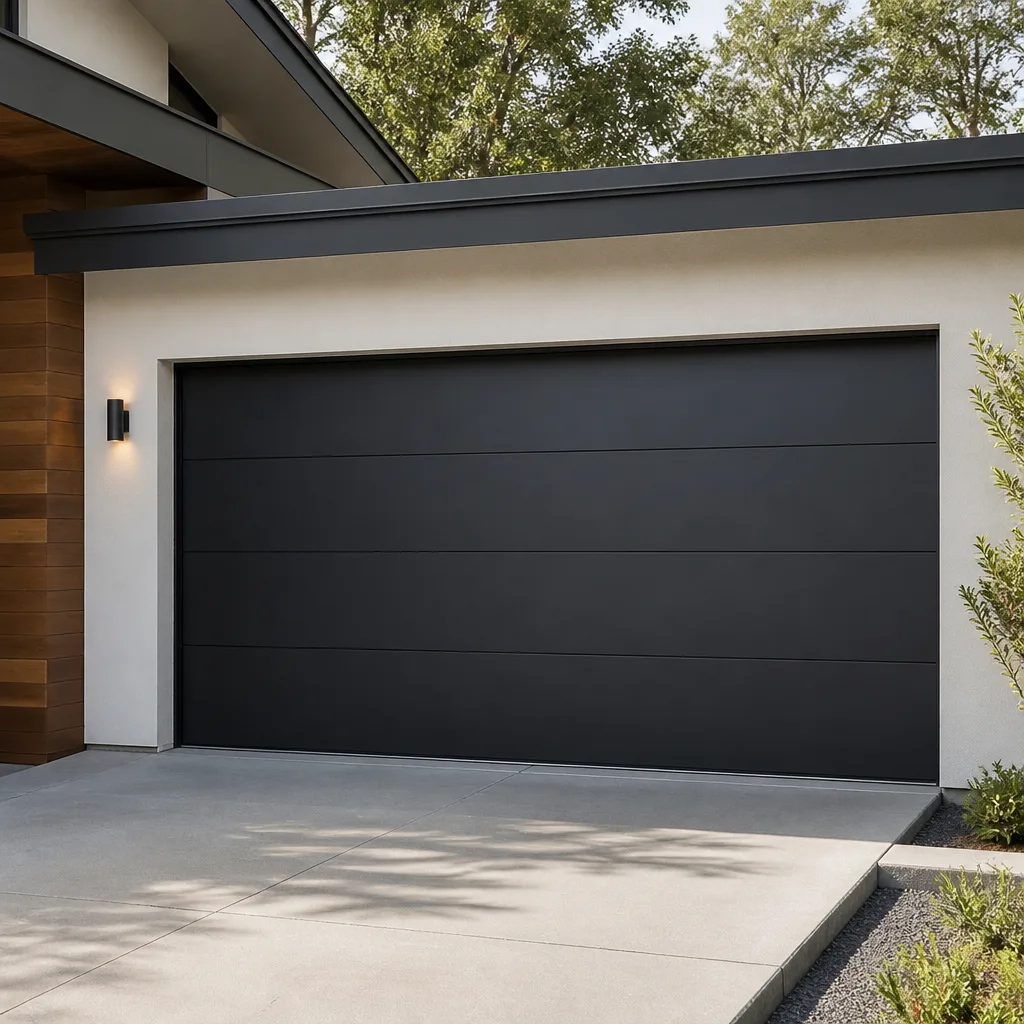 Modern flush
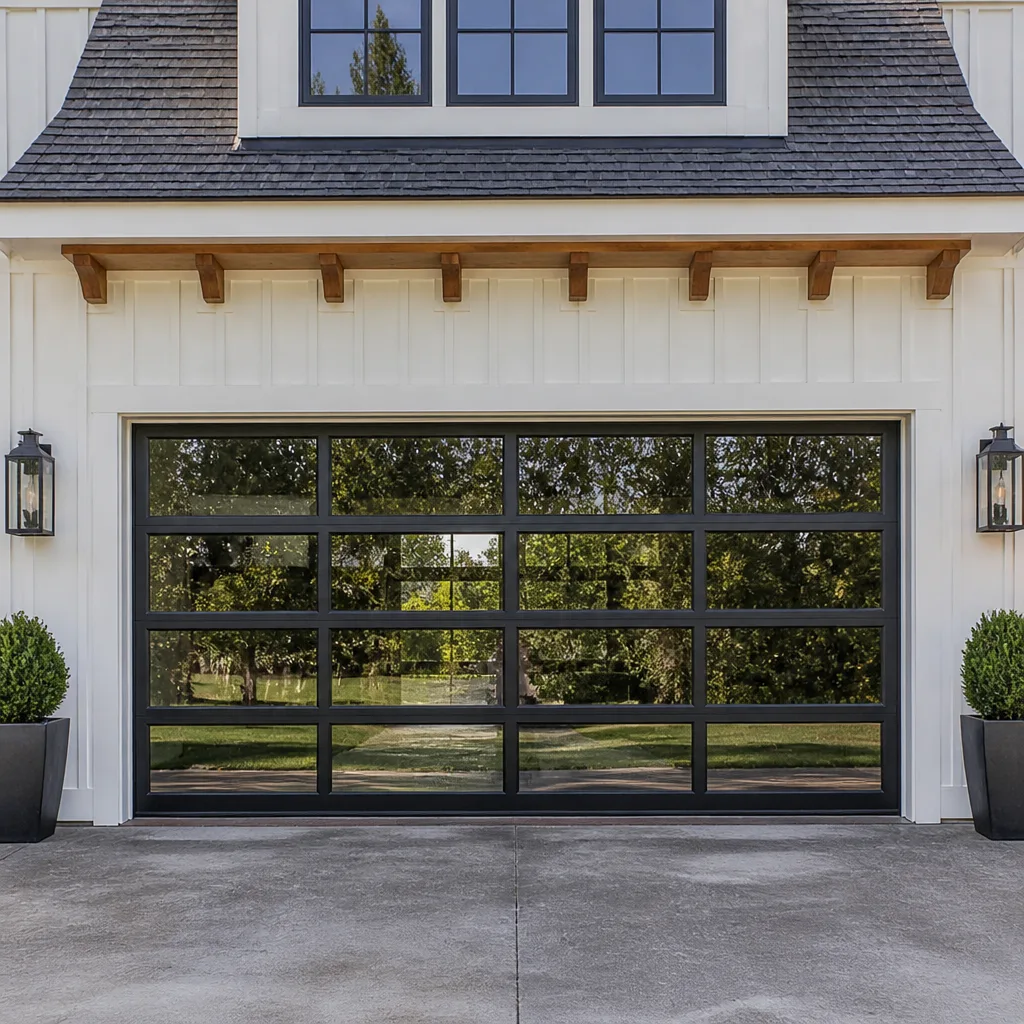 Full-view glass
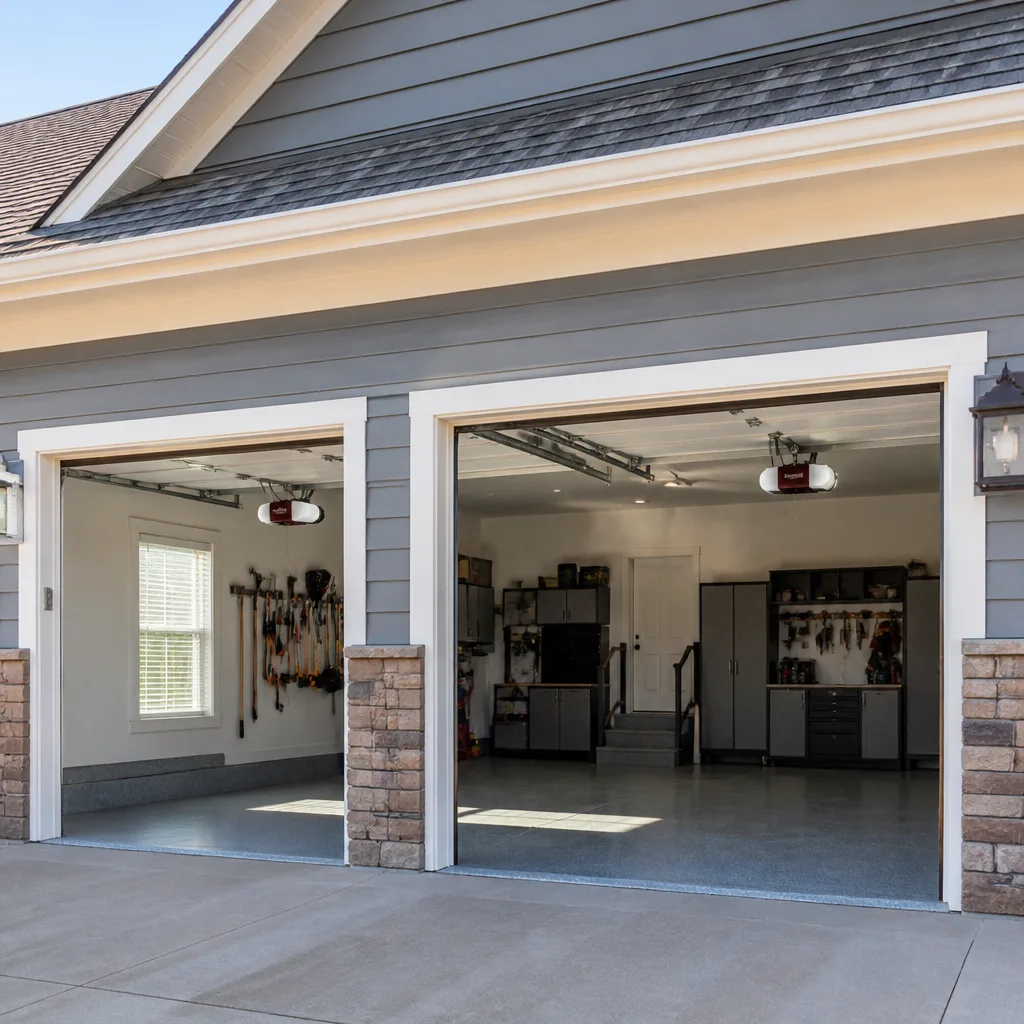 LiftMaster openers
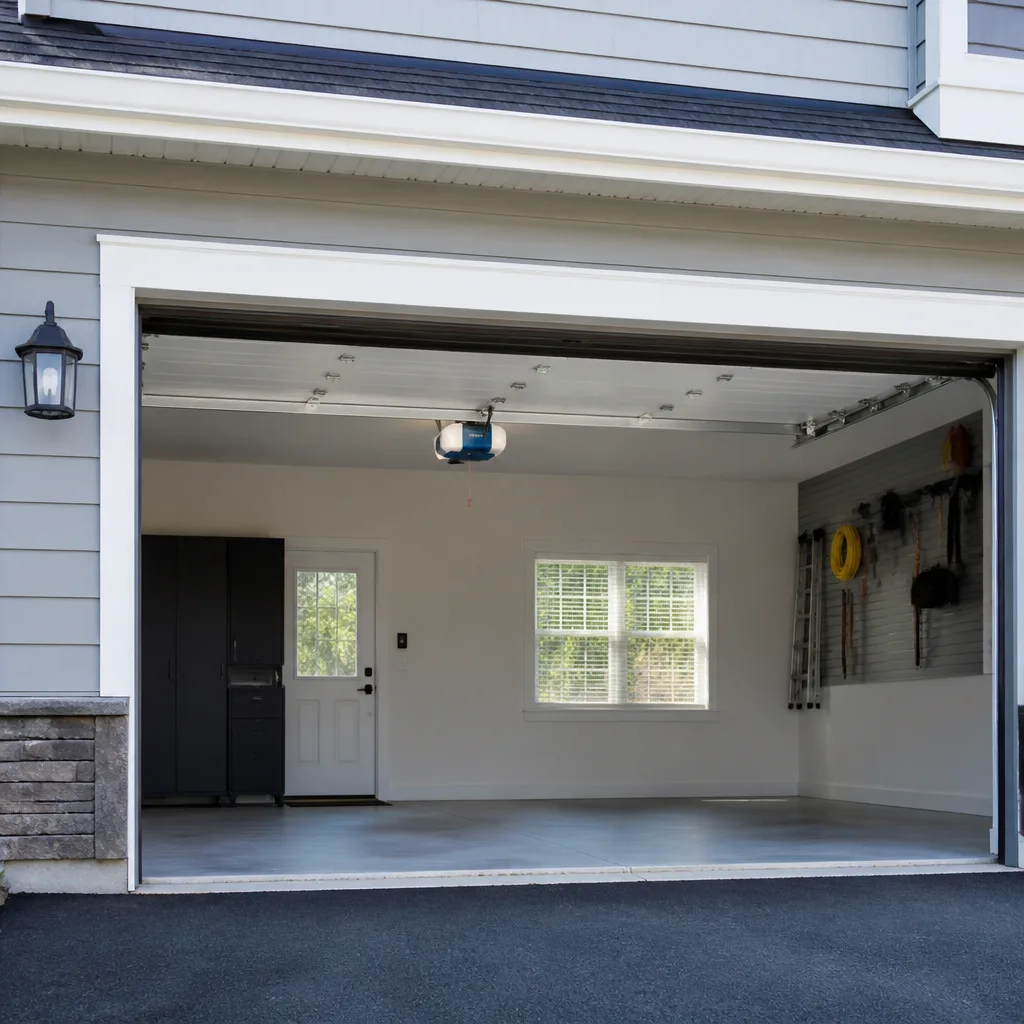 Chamberlain openers
Full 25-point door and opener safety check with every visit - springs, cables, rollers, tracks, and your LiftMaster or Chamberlain opener included
You get a price before we start. It does not change when the pro arrives.
Get your free estimateDIY vs Professional Garage Door Opener Repair & Installation: What’s Safe to Do Yourself
The most dangerous DIY garage door job isn’t the one that looks scary. It’s the spring adjustment, because it looks like just turning a bolt, and the stored energy in a wound torsion spring is enough to take off a finger or crack a wrist before you even realize what happened. We’ve been in this trade a long time, and the injury calls we hear about almost never come from the job people were nervous about. They come from the one that looked easy. This guide draws the line where it actually belongs, not where the YouTube tutorials draw it: what a careful homeowner can safely handle on an opener, what belongs to a trained tech, and how the real numbers stack up here in Enterprise.
Quick Answer
Safe DIY opener tasks are limited to low-voltage, low-risk work: reprogramming remotes and keypads, cleaning the safety photo-eyes, lubricating an opener’s moving parts, swapping the backup battery, and replacing a wall button on its low-voltage line. Everything involving the springs, the motor itself, the main power wiring, or heavy tracks and panels under load should go to a professional. A torsion spring holds hundreds of pounds of stored force, and a mistake there injures people fast. For anything past the basics, call us at (833) 620-7107 and we’ll quote it on the spot, free.
Styles & brands we work with
- Raised-panel steel
- Carriage house
- Modern flush
- Full-view glass
- LiftMaster openers
- Chamberlain openers
Table of Contents
- What’s Actually Safe to Do Yourself
- What Belongs to a Pro (and Why)
- Why Springs Are the Deadliest Thing in Your Garage
- The Warranty Clause Nobody Reads
- DIY Kit vs Professional Install: The Honest Math
- The One Question to Ask Before You Start
- Common Mistakes to Avoid
- When to Call a Professional
What’s Actually Safe to Do Yourself
Here’s the honest list of opener tasks a careful homeowner can handle without risking a finger or voiding a warranty. These are the jobs we happily walk Enterprise homeowners through over the phone, because they’re genuinely low-risk and they save you a service call.
- Reprogramming remotes and keypads. Clearing old codes and pairing a new remote is a button-press sequence. If your neighbor’s remote opens your door, this is your fix, and you can do it in five minutes.
- Cleaning the safety photo-eyes. The little sensors at the bottom of each track are the most common cause of a door that won’t close. Dust, cobwebs, and spider nests block them constantly out here. Wipe the lenses, realign them so the indicator lights stay solid, and you’re done.
- Lubricating the opener’s moving parts. A few drops of a proper garage-door lubricant on the opener rail, rollers, and hinges quiet a screaming door. Do not use grease on the tracks themselves; that just collects grit and grinds things down.
- Replacing the backup battery. When the opener beeps during a power outage, that’s the battery telling you it’s tired. Pop the cover, swap the pack, done.
- Wiring a wall button on the low-voltage line. The wire between the wall station and the opener carries low voltage, not household current. If you’re comfortable and the breaker’s off anyway, this is within reach for a handy homeowner.
Notice what all five have in common: none of them touch the springs, the motor’s internals, or the 120-volt feed. That’s the boundary. If you find yourself eyeing the tension rod, stop and call. Our crew works on every major opener brand, so whether you’ve got a Chamberlain or a Genie under the hood, we’ve seen your model before and can tell you what’s wrong fast.
What Belongs to a Pro (and Why)
The “call a pro” list is shorter than the DIY list, but each item carries real risk of injury, property damage, or a warranty you can’t get back. We’ve seen what happens when a determined homeowner takes these on, and it usually costs more to undo than to have hired out in the first place.
- Any spring work, torsion or extension. This is the big one. Springs are the counterweight holding your entire door; they are under constant, enormous tension. Never touch them.
- Motor replacement or internal opener repair. The motor and its gear assembly require specific torque specs and alignment. A misaligned motor chews through the rail and leaves you worse off.
- Main power wiring on the opener itself. Anything at the 120-volt feed is licensed-electrical territory. That’s not a screwdriver job.
- Track realignment under load. A door hanging on bent or shifted tracks is a door waiting to come down on something, including you. Straightening a loaded track takes the right tools and two sets of hands.
- Replacing panels, cables, or the door itself. Cables are under the same tension as springs. Panels are heavy and awkward. Leave it.
One more thing worth saying: if the opener is straining, groaning, or reversing for no reason, the problem is almost never the opener. It’s the door’s balance or a spring that’s gone weak, and no amount of tinkering with the opener fixes that. That’s the kind of thing a trained eye catches in two minutes. Our technicians have up to 22 years of experience, and they’ll tell you straight what’s actually failing. For everything beyond the basics above, we offer garage door repair in Enterprise, and the estimate is free.
Why Springs Are the Deadliest Thing in Your Garage
We want to make the risk concrete, because “handle with care” is meaningless. Here’s the actual mechanism.
Your torsion spring is a coiled steel bar, wound tight enough to counterbalance the full weight of the door, which is often 150 to 200 pounds. When it’s wound, it’s storing enough energy to do serious work in a fraction of a second. The danger isn’t the spring sitting there. It’s what happens when that energy releases all at once, or when a homeowner winds or unwinds one without the right rods and knows exactly what they’re doing. The wind-up rods can slip and the spring can whip. People have lost fingers, cracked wrists, and broken jaws. This isn’t rare. It’s the standard failure mode.
Extension springs on older doors are even less forgiving. They run along the sides over the tracks and typically have no safety containment, so when one snaps it launches across the garage with no warning. On any door we service that still uses extension springs, we recommend safety containment cables, and we’ll tell you honestly when a torsion conversion is the smarter long-term move. A door is 200 pounds riding on two springs. Respect it. This is not a job you learn from a video in a cold garage at 9 p.m.
Out here in Enterprise, we get dry, dusty summers and cold snaps that swing fast, and that temperature cycling works springs hard. We’ve seen springs in neighborhoods like Silverado Ranch and Southern Highlands fail on the first hot day after a cold night, when the metal’s been stressed both ways. If you’ve got an older door, that’s worth knowing before it lets go with your car parked underneath.
The Warranty Clause Nobody Reads
Here’s a cost that doesn’t show up on the receipt: the warranty you void. Most opener and door manufacturers, Chamberlain and Genie included, have a clause that voids or limits coverage if installation or repair is done by someone who isn’t a licensed technician. Open that little booklet that came with the unit and look for the words. They’re usually in there.
What that means in practice is that the money you “save” on a DIY motor swap can vanish the moment the unit fails three months later and the manufacturer asks who installed it. Suddenly you’re buying a whole new opener instead of getting a replacement under warranty. On a door, the same applies to spring and hardware failures. A homeowner-installed part can void the manufacturer’s coverage on the whole assembly.
When we install or repair in Enterprise, the work is done by licensed, insured technicians and it’s covered by our 90-Day Done Right Promise, in writing on every job. If something isn’t right, one call brings us back. That’s the trade: you’re not paying for the pleasure of our company, you’re paying for the coverage that survives past the first month.
DIY Kit vs Professional Install: The Honest Math
The savings on a DIY opener install are real, but they’re smaller than the YouTube margins suggest, because the kit is only part of what you’re buying. Here’s how it actually shakes out for a typical single-car opener replacement in the Enterprise area.
- Opener kit (box store): roughly $180 to $350 for a belt or chain drive, depending on brand and whether it has a battery backup or smart features.
- Rails, hardware, and hauling: often bundled, but plan on another $30 to $80 for a longer rail or extra brackets on a high-lift door.
- Your weekend: four to six hours if it goes smoothly, and most first-timers hit a snag with the rail length, the header bracket, or the safety sensor alignment.
- Professional install, parts included: typically $450 to $800 all-in for a standard install, and the tech brings the right rail, brackets, and torque settings with them.
- Warranty difference: on a DIY job you own the risk; on a licensed install, the manufacturer’s coverage stays intact and the installer stands behind the work.
So the true DIY savings is often $200 to $400 in labor, not the $500-plus some videos suggest, and that’s before you count a second trip to the hardware store or a busted opener you’re stuck with. For a new door rather than just the opener, the gap matters even more. If you’re weighing a full replacement, see our garage door installation in Enterprise page, and we’ll do a free measure and hand you a written price so the number is real, not a guess. We install Clopay and Amarr doors, and we’ll walk you through the options without upselling you into a model you don’t need.
The One Question to Ask Before You Start
Before you pick up a tool on any opener job, ask yourself this: if this goes wrong in the next ten seconds, what breaks or who gets hurt? That single question sorts almost every task into the right pile. Run through it honestly.
- If the worst happens in ten seconds, could someone get hurt? If yes, stop. That’s a spring, a cable, a loaded track, or a live wire. Call a pro.
- If it goes wrong, what breaks? If the answer is “the remote pairing, and I just redo it,” you’re fine. If the answer is “the door comes down,” stop.
- Does it involve stored energy or household current? Springs and 120-volt wiring both do. Low-voltage buttons and a fresh battery don’t.
If you can answer all three without a knot in your stomach, proceed. If any one of them makes you hesitate, that hesitation is your answer. You’re not being timid; you’re being the person who still has all their fingers at the end of the afternoon. And if you’re not sure, that’s exactly what a free phone quote is for. Call (833) 620-7107 and describe what you’re seeing. We’ll tell you straight whether it’s a Saturday job or a call-us job. For opener-specific questions, our garage door opener repair & installation in Enterprise page covers the full picture, and we’re happy to take a look.
Common Mistakes to Avoid
We’ve walked into garages in Enterprise where these exact mistakes had already been made, and fixing them often costs more than the original job would have. Here’s what to steer clear of.
- Winding a torsion spring yourself. It looks like turning a bolt, but the stored energy is lethal, and home wind-up rods slip. This is the mistake that sends people to the emergency room.
- Using grease or WD-40 on the tracks. Grease turns the tracks into a grit magnet and the door starts grinding. Use a proper garage-door lubricant, and only on the moving parts, never the track itself.
- Ignoring a reversing door. If your door bounces back up before closing, the photo-eyes or the safety reverse is failing. That’s a safety device, not a nuisance, and it needs a look.
- Replacing the opener when the door is the problem. Nine times out of ten, a straining opener means the door is out of balance or a spring is weak. You’ll buy a new opener and still have the same symptom.
- Letting extension springs go without containment cables. In an older Enterprise garage with side-mounted springs, a snapped spring with no cable is a projectile. Get containment, or get a torsion conversion.
- Trusting a phone quote from a national outfit. We’ve heard from plenty of homeowners who were quoted one price and billed another. The price shouldn’t change between the phone and the driveway, and any honest shop will put it in writing.
When to Call a Professional
Call us when anything on the “pro” list is involved: springs, cables, tracks, the motor, or the main power feed. Call us when a door has come off its track, when a door reverses or won’t close, when a spring has snapped and the door won’t lift, or when your vehicle is sealed inside and you need out. Call us when an opener keeps tripping its breaker or when the door’s balance is off enough that you can’t lift it by hand. And call us when you’re simply not sure, because a five-minute call is cheaper than a mistake. Otto’s Garage Door Enterprise offers free estimates in Enterprise, no trip charge inside our county, and a standing 10% discount for seniors and veterans. Call (833) 620-7107 and we’ll quote it on the call and hold that number.
See the difference
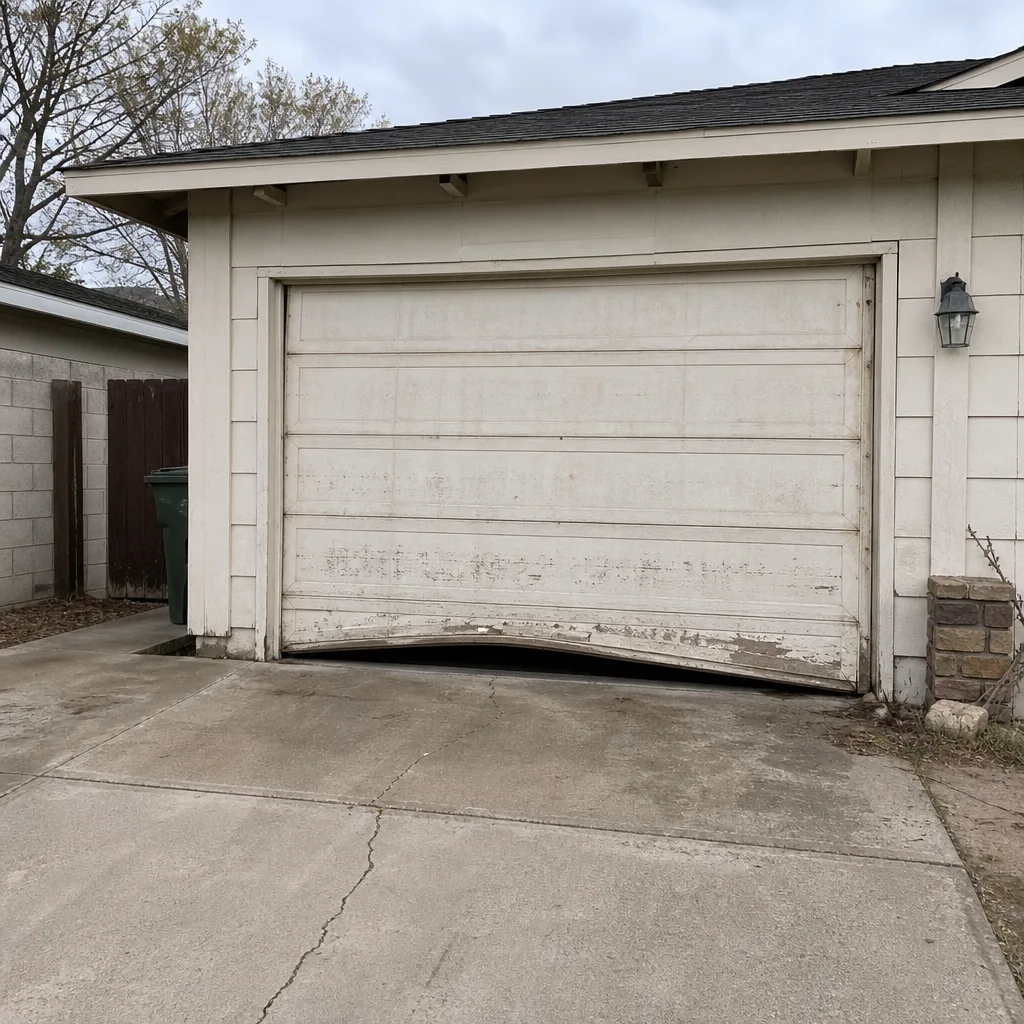 Before
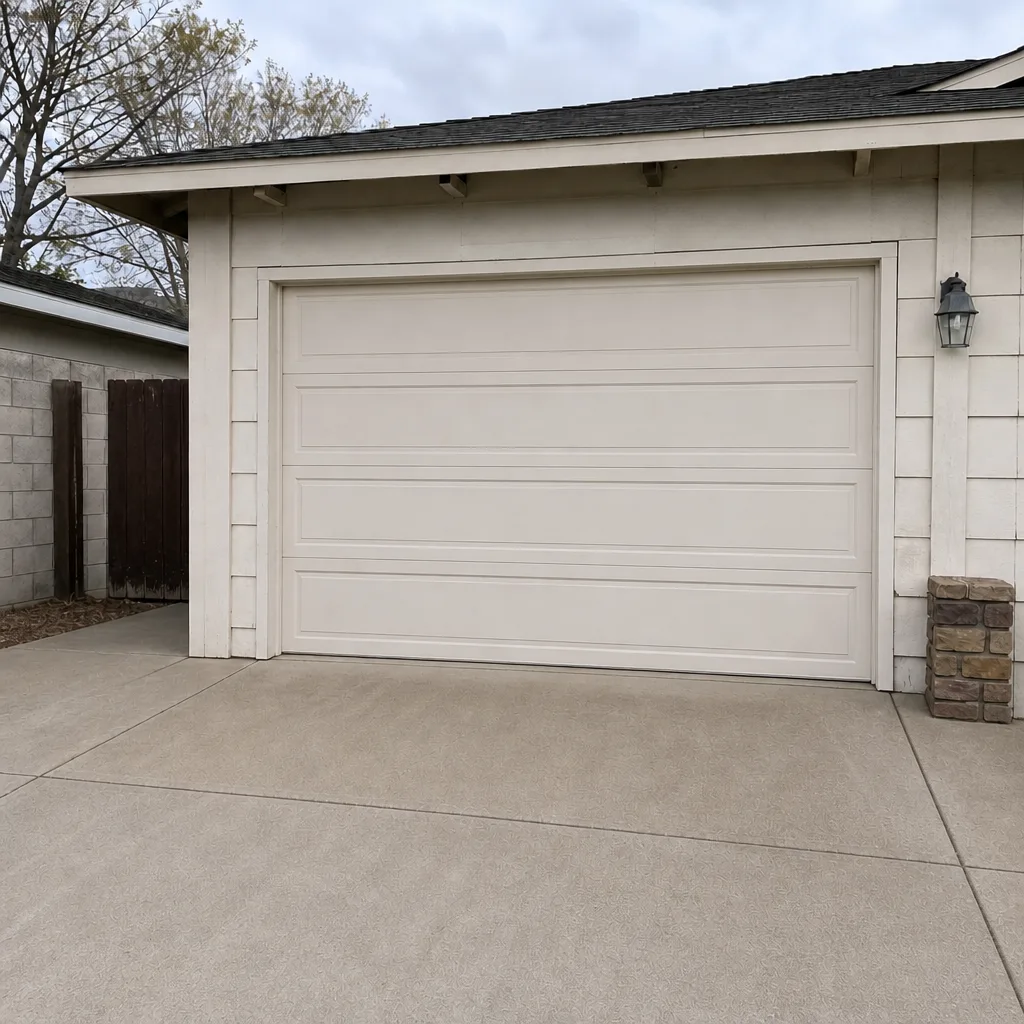 After
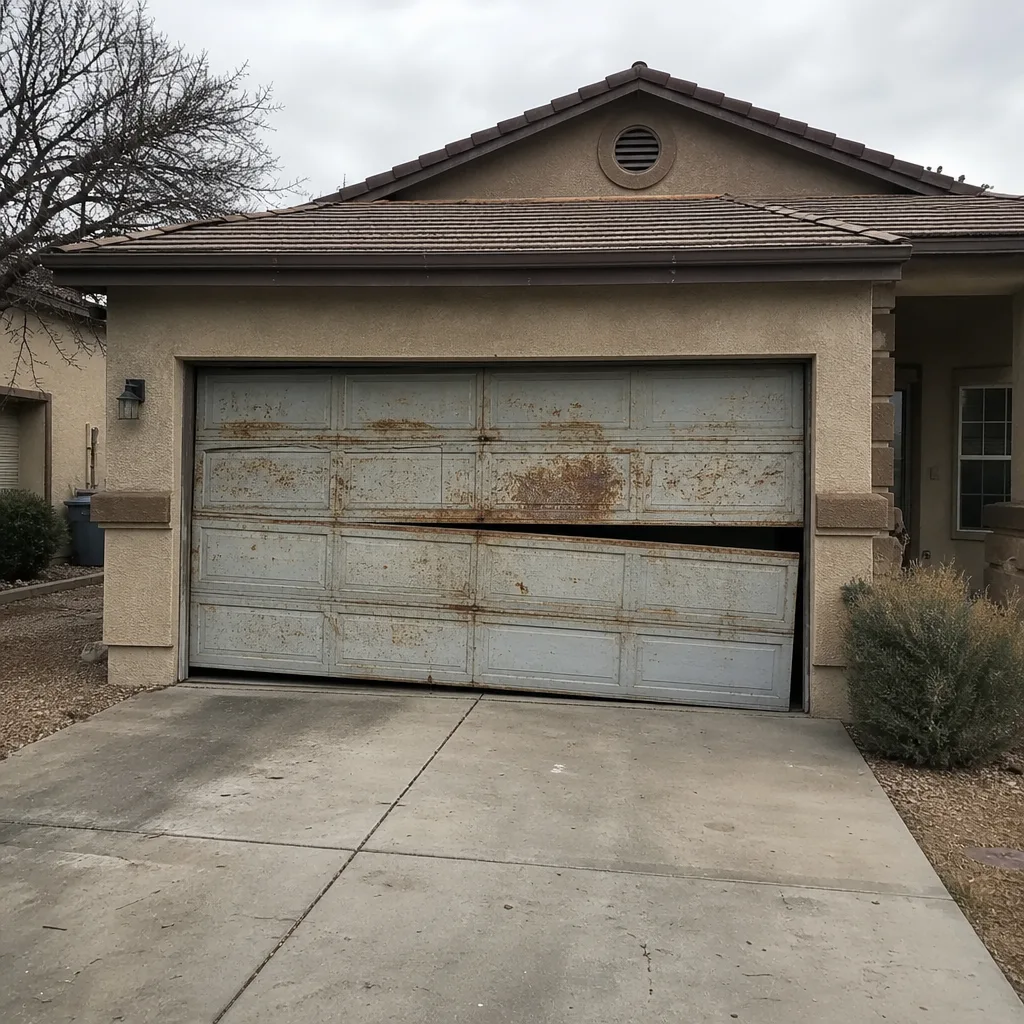 Before
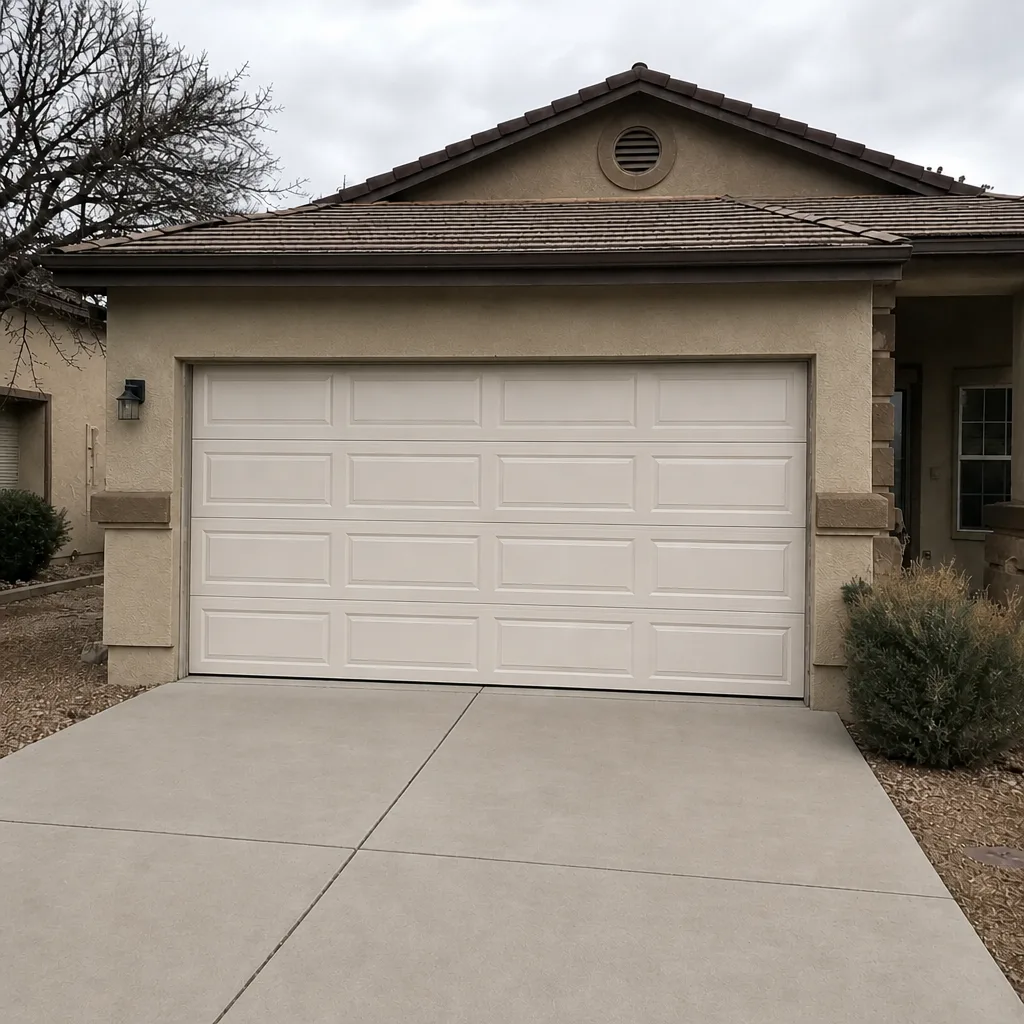 After
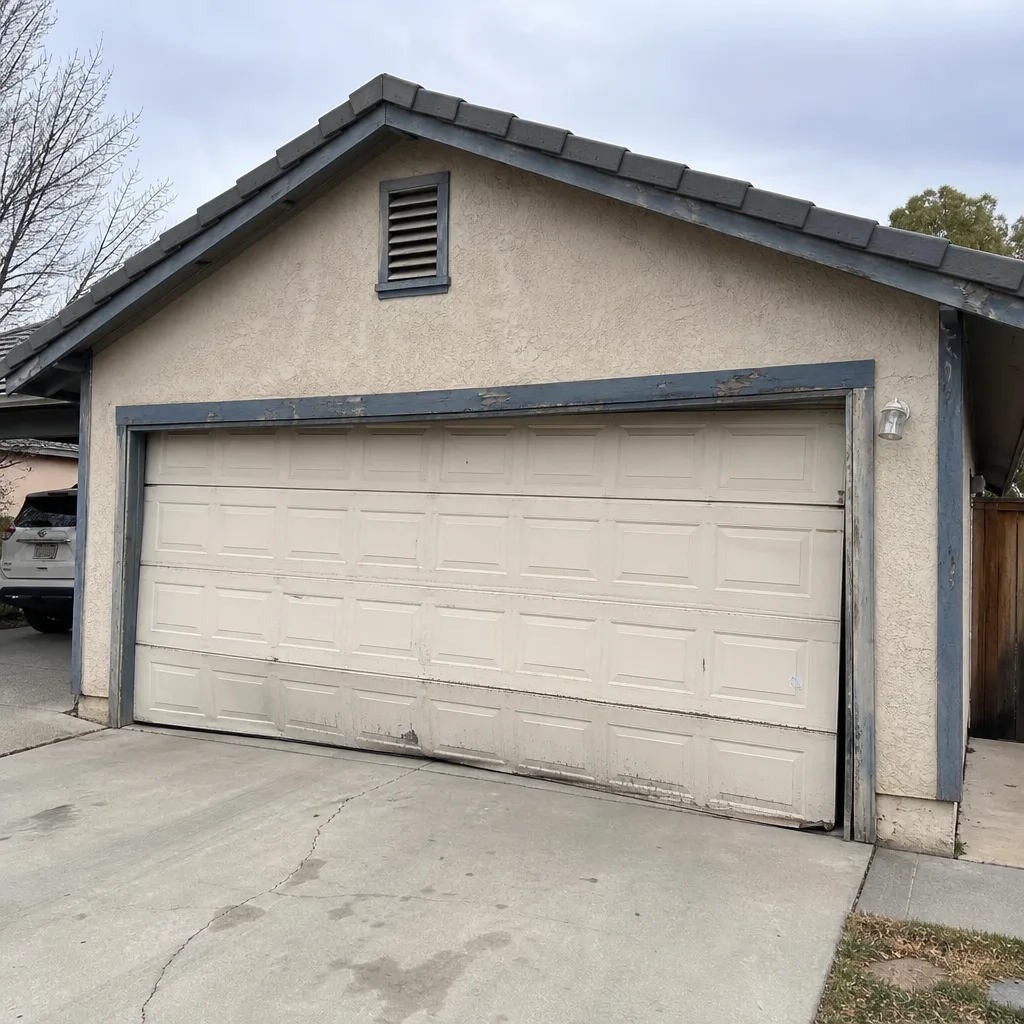 Before
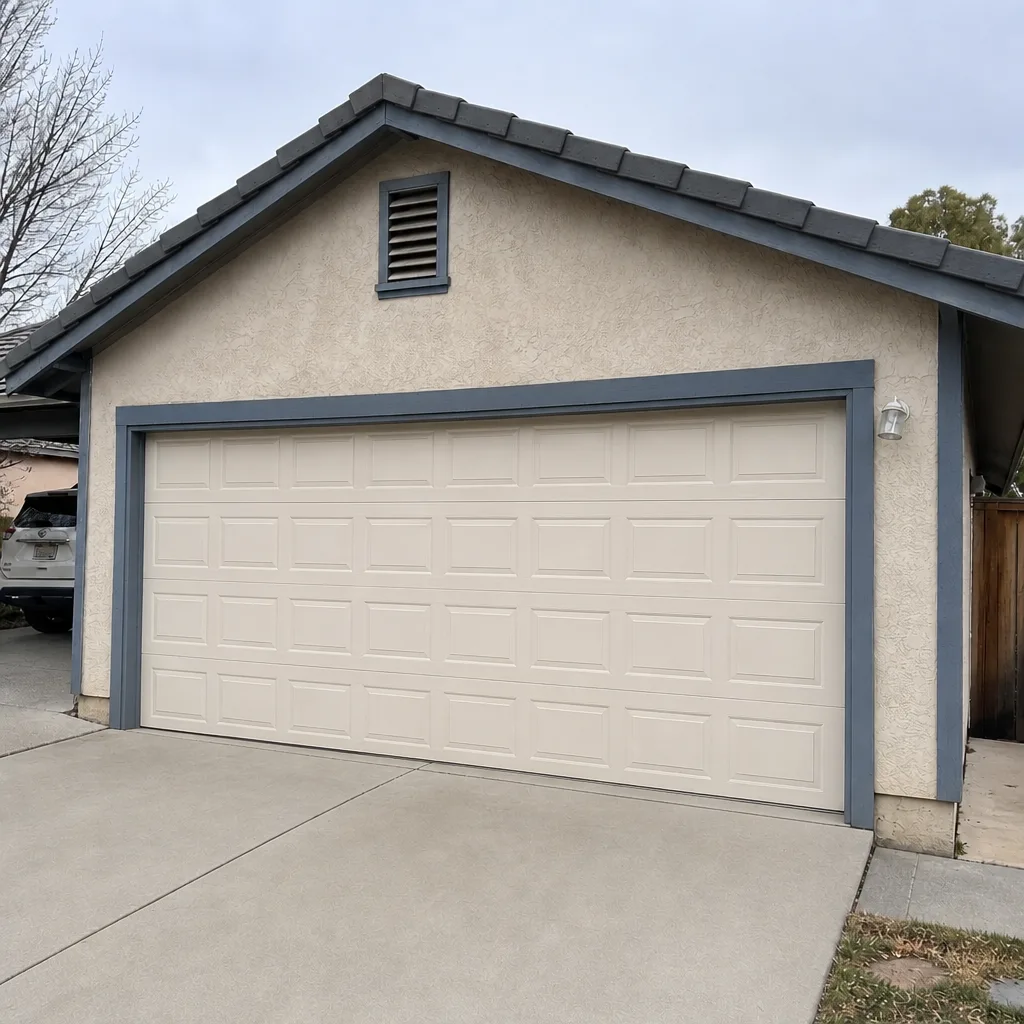 After
Frequently Asked Questions
Usually not for the install itself, because the real DIY savings after the kit, hardware, and a lost weekend lands closer to $200 to $400, and you give up the manufacturer warranty. For the small stuff, like remotes and photo-eyes, DIY is genuinely worth it, and we’ll talk you through it free. For the opener install, call (833) 620-7107 for an exact quote – estimates are free.
Most opener repairs in the Enterprise area run from roughly $100 to $250 depending on the part, and full replacement typically runs $450 to $800 installed. That’s a range, not a final price, because it depends on your door and opener. Call (833) 620-7107 for an exact quote – estimates are free, and the number we quote on the phone is the number we hold at the door.
Often yes, because a door that won’t close is a security and safety issue, and we treat it like one. A live person answers our phone around the clock, including nights and weekends, and can usually get someone out the same day. Call (833) 620-7107 and describe what’s happening.
No, we quote the job before the visit and it doesn’t move upward once we’re there. If we find something unexpected, we tell you and you decide, and we never start work on a number you didn’t agree to. Call (833) 620-7107 for a free second opinion on any written estimate you’ve already got.
Yes, our technicians are licensed and insured, and we’ve got a published address and license number any homeowner can verify before the person shows up. We’re also happy to explain our 90-Day Done Right Promise, in writing on every job. Call (833) 620-7107 to get started.
Yes, both are safe DIY tasks, and they’re the most common fixes for a door that won’t open or close correctly. Dusty photo-eyes and dead remote batteries cause more “broken” openers than any mechanical part. If it turns out to be something deeper, we’re a phone call away: (833) 620-7107.
The Bottom Line
There’s a real list of opener tasks you can safely do yourself, and a shorter list you shouldn’t touch. The line is simple: if it involves springs, cables, heavy tracks, the motor, or the main power feed, it belongs to a trained pro, because those carry the stored energy and the warranty risk. Remotes, photo-eyes, lubrication, batteries, and low-voltage buttons are fair game. The savings on a full DIY install are smaller than they look once you count the kit, the weekend, and the voided warranty. Ask the ten-second question, respect the springs, and when in doubt, call. Back home, see Otto’s Garage Door Enterprise home for the full picture of what we do.
Yes, you can safely handle the small stuff on your garage door opener, but the springs, cables, motor, and main wiring belong to a licensed tech, because the stored energy can injure you in a heartbeat. For anything past a remote and a clean photo-eye, get a written price before you decide. Call Otto’s Garage Door Enterprise at (833) 620-7107 for a free estimate in Enterprise. A live person answers around the clock, we quote it on the call, and we hold that number.
Written by the team at Otto’s Garage Door Enterprise.