
Last updated November 17, 2026
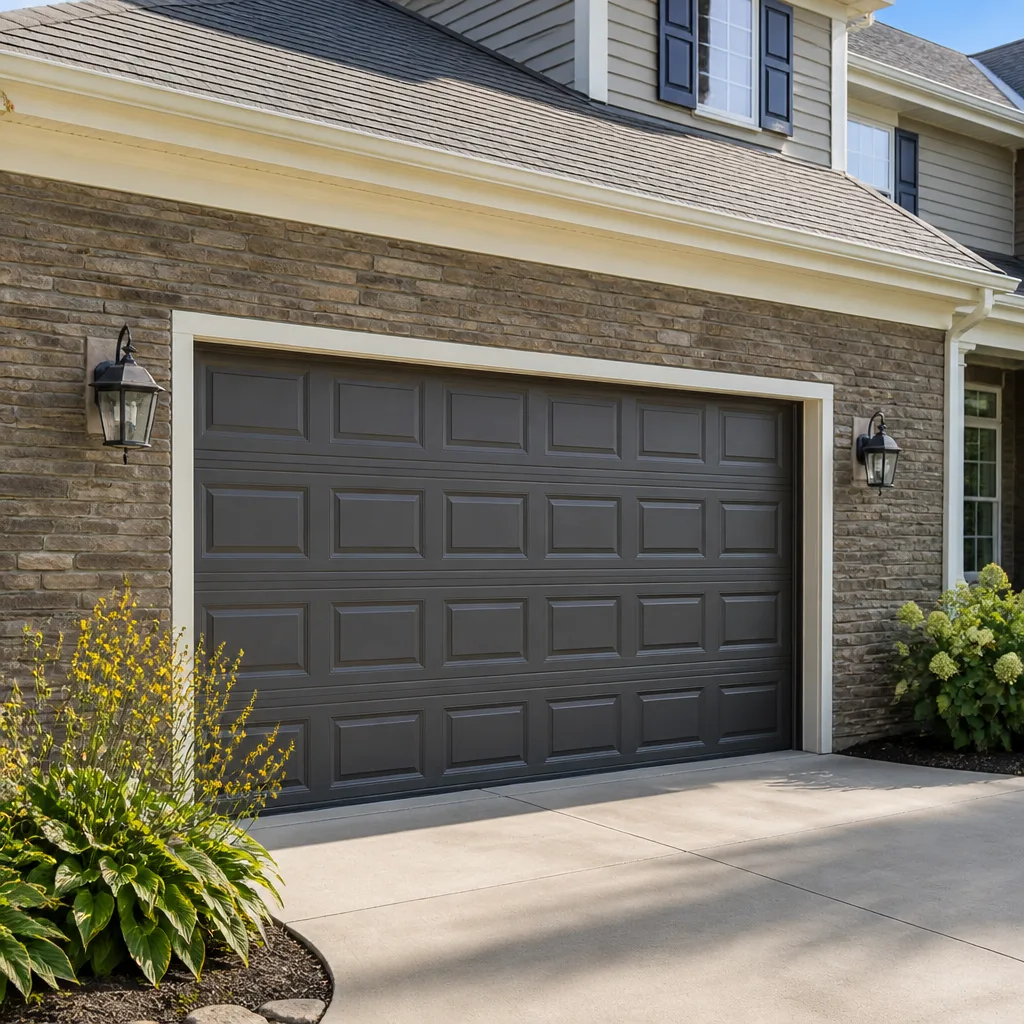 Raised-panel steel
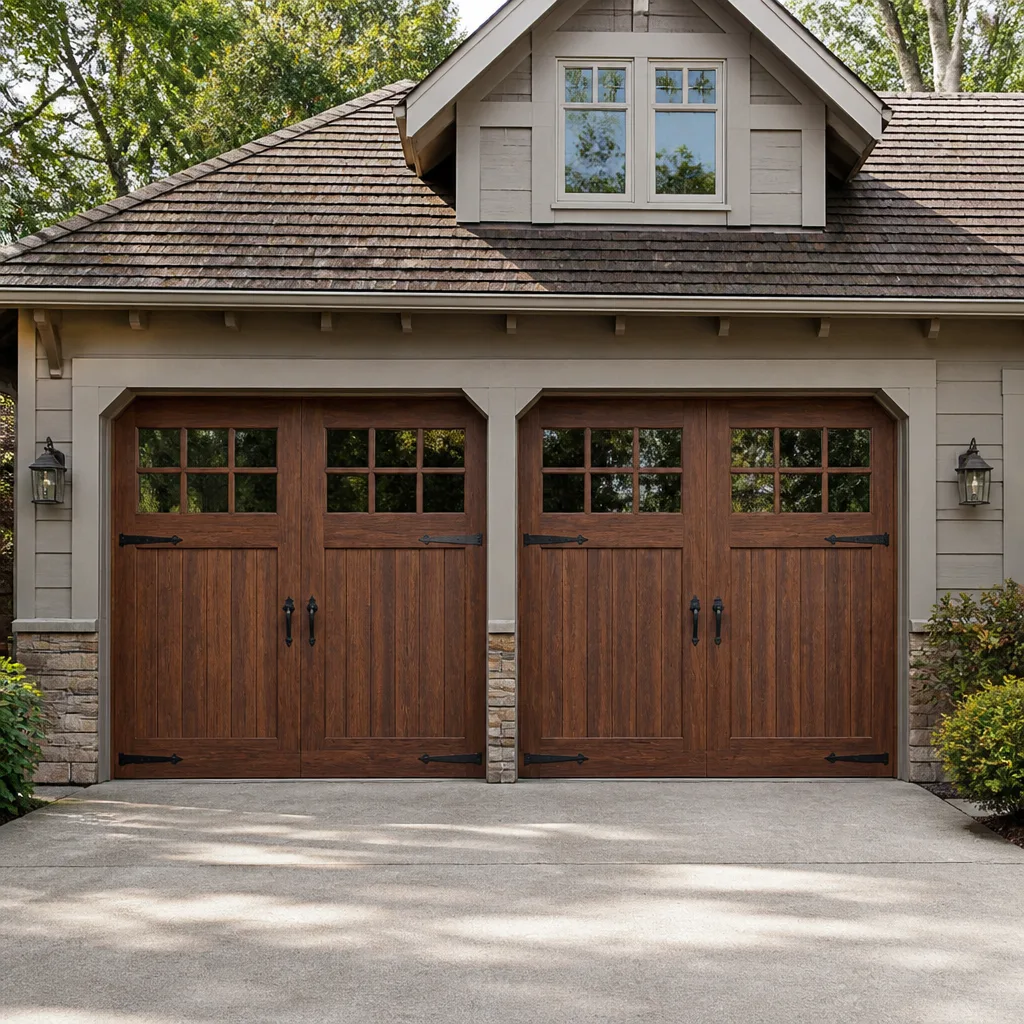 Carriage house
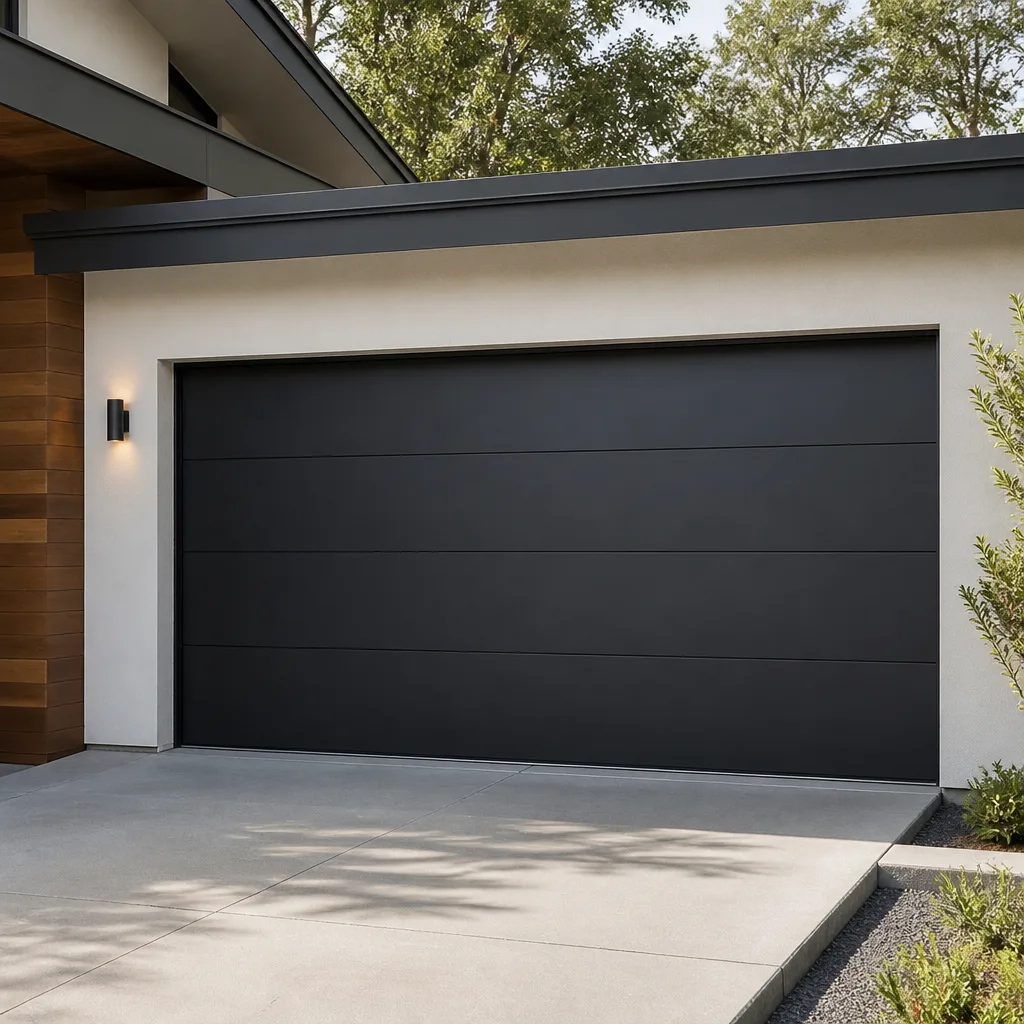 Modern flush
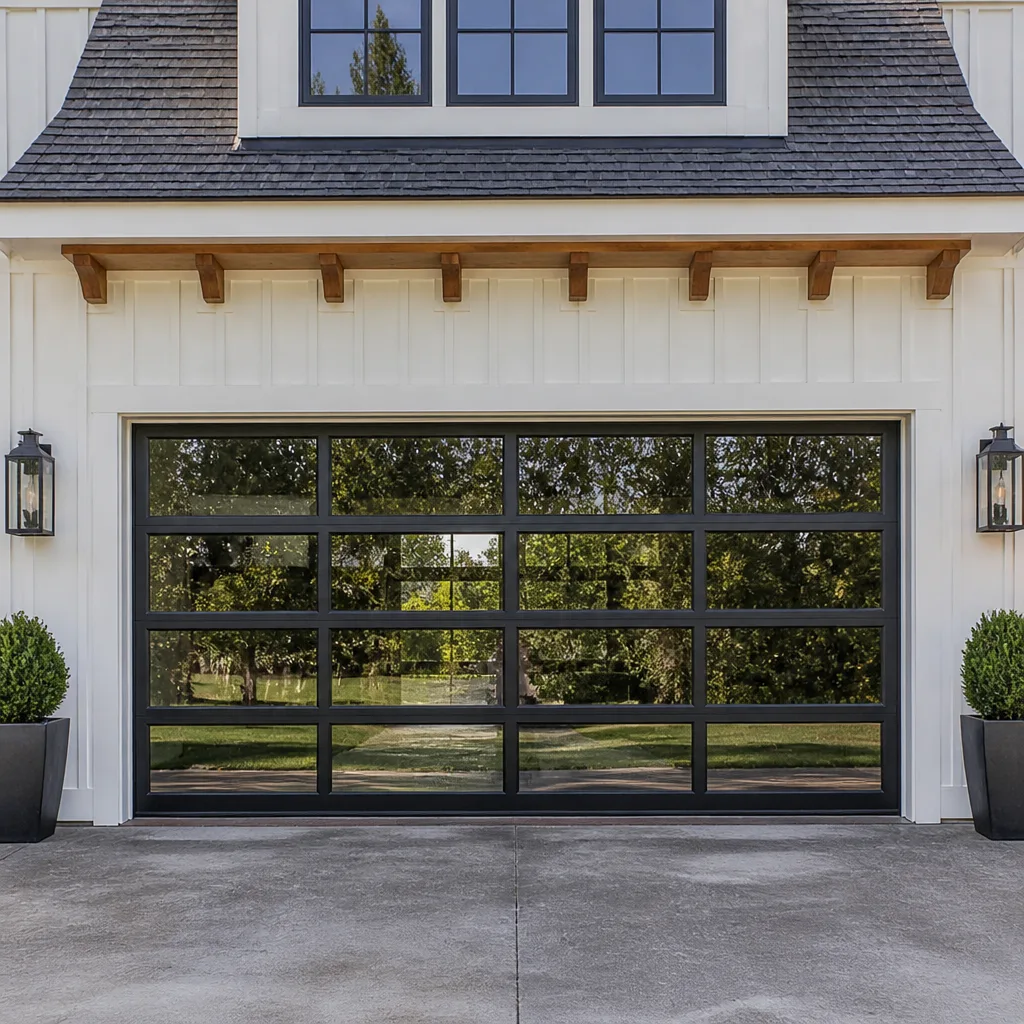 Full-view glass
 LiftMaster openers
 Chamberlain openers
Full 25-point door and opener safety check with every visit - springs, cables, rollers, tracks, and your LiftMaster or Chamberlain opener included
You get a price before we start. It does not change when the pro arrives.
Get your free estimateDIY vs Professional Garage Door Repair: What’s Safe to Do Yourself
We’re not going to talk you out of touching your own garage door. Plenty of the work is safe, cheap, and honestly satisfying to knock out on a Saturday. But here’s the number that settles the whole debate: a standard residential torsion spring holds somewhere around 150 to 200 pounds of tension at rest, and it’s coiled tight every hour of every day. When one lets go, there’s no warning and no pause button. This guide draws the line at physics, not pride. You’ll get a clear safe-to-DIY list, a do-not-touch list with the mechanical reason behind each one, and a way to actually figure out whether doing it yourself saves money. We see a lot of these doors around Enterprise, and the smart homeowners know which jobs are theirs.
Quick Answer
You can safely replace weather seals, clean and align safety sensors, reprogram remotes, paint panels, and lubricate hinges, rollers, and locks yourself. You should not replace torsion or extension springs, wind cables, or realign a track on a door that’s under tension – those involve stored energy that can injure you badly in a fraction of a second. Anything involving springs and cables is a professional job, full stop.
Styles & brands we work with
- Raised-panel steel
- Carriage house
- Modern flush
- Full-view glass
- LiftMaster openers
- Chamberlain openers
Table of Contents
- Why Stored Energy Changes the Whole Conversation
- The Safe-to-DIY List
- The Do-Not-DIY List (and Why)
- Does DIY Actually Save You Money?
- The Middle Ground: What You Can Prep
- What to Tell Your Kids About the Door
- What We See on Enterprise Doors
Why Stored Energy Changes the Whole Conversation
Most home repairs are about force you can see. You push, you turn, you lift. A garage door is different because the dangerous part is invisible. That torsion spring above your door isn’t just a spring – it’s a coiled battery of stored energy, wound up on installation day and holding that charge for years. Push a door up by hand and you’re fighting or working with that energy every inch of the way. That’s the whole reason a 200-pound door lifts with two fingers.
The line between a safe job and a dangerous one almost always comes down to whether you’ll be working on that stored energy or on something that has none. A weather seal has zero tension. A sensor has a low-voltage wire. But a torsion spring under load, or a cable wound tight against it, can release in a way you cannot react to. We’ve taken calls from people who tried and ended up in an emergency room, and every one of those calls involved a spring or a cable, never a seal or a sensor.
The real point is simple: this isn’t a test of your skill or your nerve. It’s a question of what has stored energy in it and what doesn’t. Know which is which and you’ll handle most of your door’s upkeep safely for years. Ignore that distinction and the stakes go up fast.
The Safe-to-DIY List
These jobs involve little to no stored energy and are well within reach for a careful homeowner. Take your time, watch your fingers, and you’ll do them as well as anyone.
- Weather seal replacement. The rubber or vinyl strip along the bottom of the door takes on plenty of wear. Slide the old one out, slide the new one in, cut to length. This is the single most common DIY win we hear about. Replace a cracked seal before the rainy season builds up in Enterprise and you’ll save yourself a wet garage floor.
- Safety sensor cleaning and alignment. Wipe the lenses on the two small eyes near the floor, then check they’re aimed at each other. If the door won’t close, the sensors are the first thing to rule out.
- Remote and keypad reprogramming. Lost a remote or changed the code? The instructions are on the back of the opener head or in the manual for your Genie or LiftMaster unit. It’s a five-minute job.
- Painting or staining panels. Cosmetic work on Clopay or Amarr steel and wood-look doors is fine as long as you prep and use the right exterior product. The door stays put.
- Lubricating hinges, rollers, and the manual lock. A garage-door-specific spray lube on the hinges and metal rollers keeps things quiet. A few drops in the manual lock keeps it from seizing if you use it regularly.
- Visual inspection from the floor. Look for frayed cables, worn rollers, and gaps in the seal. Notice it early and you avoid the bigger bill.
None of that involves getting your hands near the tension. Do all of it and you’ll head off a surprising number of service calls.
The Do-Not-DIY List (and Why)
Here’s where we stop being casual. Every item below involves stored energy, and that’s the exact reason it doesn’t belong in a homeowner’s hands. We’re not being dramatic – we’ve seen what goes wrong.
- Torsion spring replacement. The spring above the door holds its tension across hundreds of pounds of force. The two winding bars needed to safely unwind and rewind it are a professional tool for a reason. Slip one and the bar or the spring can swing with enough force to break a wrist or take out an eye before you understand what happened. There is no safe shortcut here.
- Cable winding. Cables run under tension alongside the spring and can snap back hard if released wrong. Pinched fingers, cut hands, and worse happen here constantly.
- Track realignment on a door under tension. A bent or popped track sounds like an easy straightening job. On a live door, the rollers and panels can shift suddenly while you’re leaning into it. Straightening a track needs the tension relieved first, which is the pro’s job.
- Replacing the opener rail or adjusting travel limits by guesswork. Better left to someone who knows the unit. If your opener is straining, the problem is almost never the opener itself – it’s usually a door that’s gotten heavy.
Respect the door. It’s 200 pounds riding on two springs, and the springs don’t care how careful you think you are. We handle these jobs with the right tools and the right technique, and there’s no shame in making that call.
Does DIY Actually Save You Money?
For the safe-list jobs, yes, clearly. For the do-not-DIY jobs, the math usually flips. Here’s how to run the numbers honestly before you order a part or pick up a tool.
- Estimate the part cost. Springs come in matched pairs with specific wire gauges and lengths. Guess wrong and you’ve bought a part that doesn’t fit your door.
- Add the cost of a wrong order. Wrong gauge, wrong length, a left-wound instead of right-wound spring. The return trip and restocking are real money and real weekends.
- Add the cost of a second service call. If the half-done job makes the door worse – a track knocked out of plumb, an opener thrown off – you’ll pay a pro to fix your attempt and then fix the door. That’s a repair on top of a repair.
- Add your own time honestly. Count the research, the parts runs, the actual labor, and the cleanup. That Saturday has value.
For a spring job, the parts cost and the risk of a wrong order usually eat most of the “savings.” Factor in a possible second call and your time and you’re often at a wash – with a door you’re not sure about. Compare that to an upfront price quoted before anyone shows up, with a written guarantee, and the choice gets easier. A pro’s price in Enterprise for a spring replacement is usually a straightforward line item, not a surprise.
The Middle Ground: What You Can Prep
This is where smart homeowners save real money without touching anything dangerous. The more prep you do, the less time the job takes when a pro arrives, and that can shorten the visit and the bill. Here’s what you can handle before we get there.
- Clear the garage floor and the driveway. A clean workspace means no time spent moving bikes and boxes.
- Remove the old weather seal yourself. Pulling out a worn seal is a safe DIY job. Have the replacement ready and it’s already half done.
- Take photos of the problem. Clear photos of a bent track or a frayed cable help the person on the phone quote it accurately and show up prepared.
- Wipe down the tracks and clear debris. Cleaning out leaves and grit is safe and helps a realignment go faster.
- Note the brand and model. Jot down the make of your opener – Chamberlain, Wayne Dalton, whichever it is – and the door’s approximate size. It helps get the right parts on the first try.
None of this involves stored energy. All of it shortens the professional visit. It’s the best of both worlds, and we recommend it to every homeowner who wants to be involved in the repair.
What to Tell Your Kids About the Door
Kids are curious, and the garage door is a big, moving, fascinating thing. But the danger isn’t obvious to them, so it’s worth explaining plainly, without scaring them. Here’s how we’d put it:
- The door is heavier than it looks. It can weigh as much as two adults. It only moves easily because of hidden springs doing the work, so it can move faster than expected.
- The springs and cables are under huge pressure. They’re the reason the door lifts. Never touch the metal springs, the cables, or the winding bars. Not with a stick, not with a tool, not ever.
- Never stand under a moving door or race it. Wait until it’s fully open or closed before walking through.
- If something looks broken, tell an adult. A hanging cable or a gap in the spring is a “get an adult” moment, not a “let’s investigate” moment.
- Don’t play with the opener or remotes. A door can close on someone who doesn’t know it’s coming.
For younger kids a simple rule works best: the door is for grown-ups to operate, and the parts above it are off-limits. That one sentence covers most of it.
What We See on Enterprise Doors
Doors here live a particular life. The desert swings hard from mild winters to brutal summer heat, and that daily expansion and contraction works on springs, seals, and hardware. In the warmer months we see dried-out weather seals crack and pull away, which lets the summer dust and the occasional monsoon rain right in. That’s a safe DIY job worth staying on top of. We also see a lot of sun-baked panels on the west-facing side, which is a cosmetic fix, not a structural one.
The bigger issue is spring wear. We count spring cycles the way you count tire miles, and a door that gets opened and closed several times a day adds up. When we’re out on a repair around Enterprise, we’ll tell you what’s left on your springs so you’re not guessing. It’s the kind of thing that’s easy to ignore until it lets go on a Sunday night with the car sealed inside. We handle both the everyday repairs and the bigger jobs, from garage door repair in Enterprise to a full garage door installation in Enterprise, and our technicians have up to 22 years of experience across the major brands.
Matching the right spring to your door matters too. Guessing the gauge on a Clopay or Amarr door gets expensive fast, and it’s exactly the kind of mistake the middle-ground approach helps you avoid. If you want the bigger picture on how we work, our home page covers the basics, and if your opener’s the issue, opener repair and installation is its own conversation.
Common Mistakes to Avoid
- Treating a spring like a heavy spring. It’s not like a screen door spring. It’s a wound energy store, and the tension can release instantly. Never wind or unwind one without the right bars and the right training.
- Ignoring a bent track because the door still opens. In Enterprise heat and dust, a track knocked slightly out of plumb will keep working until it doesn’t. Small misalignments turn into stuck doors and damaged panels.
- Skipping the seal until it crumbles. A dried-out bottom seal lets in dust and rain. Replace it the moment it cracks instead of waiting for a wet garage floor.
- Ordering a spring by eyeballing it. Springs are matched by wire gauge, inside diameter, and length. A wrong guess means a return trip and a door that’s still broken.
- Blaming the opener for a heavy door. If the opener strains or reverses, the door has usually gotten heavy from a worn spring or roller, not from a bad opener. Fixing the opener won’t fix the door.
- Letting kids or guests “help” with a repair. Well-meaning hands near a loaded spring are the worst kind of help. Keep the work zone clear.
- Forgetting to test the safety reverse. After any adjustment, check that the door reverses when it meets an object. It’s a one-minute test that protects the people who live there.
See the difference
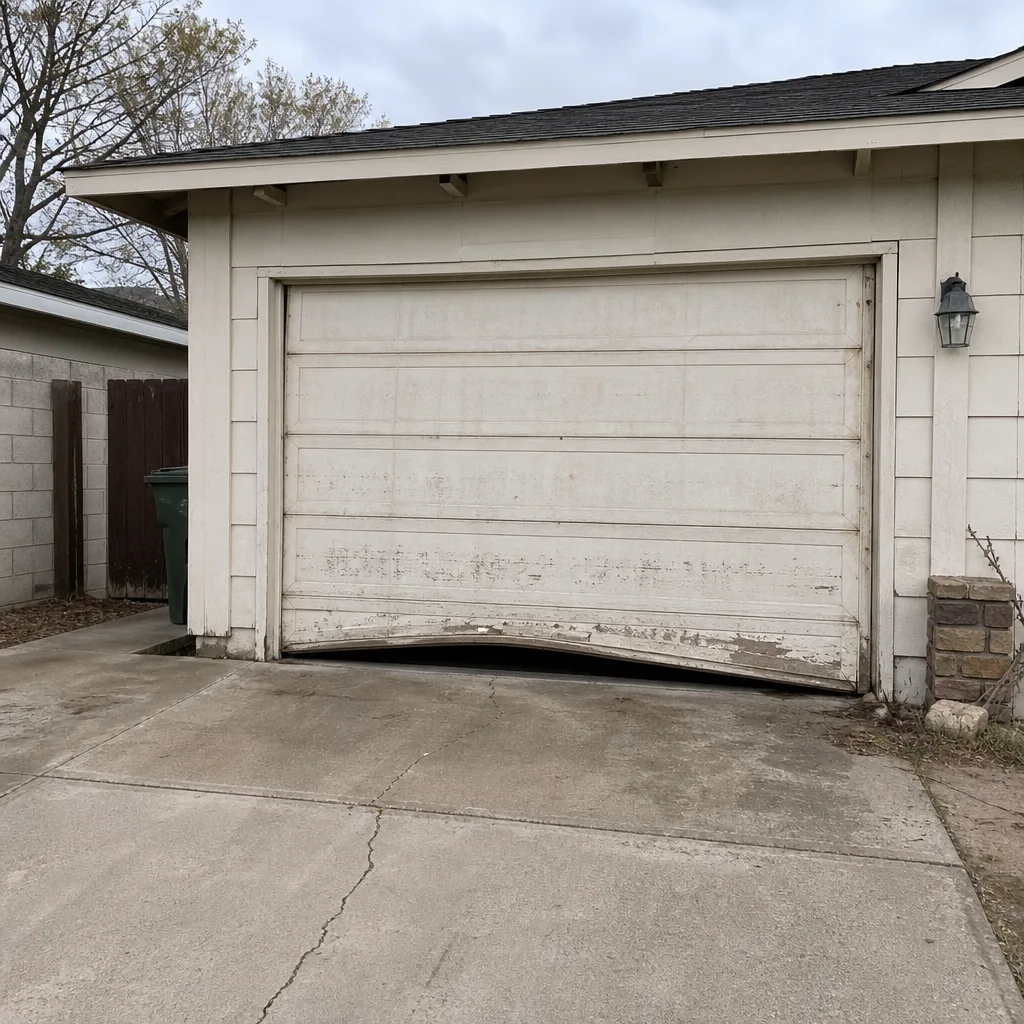 Before
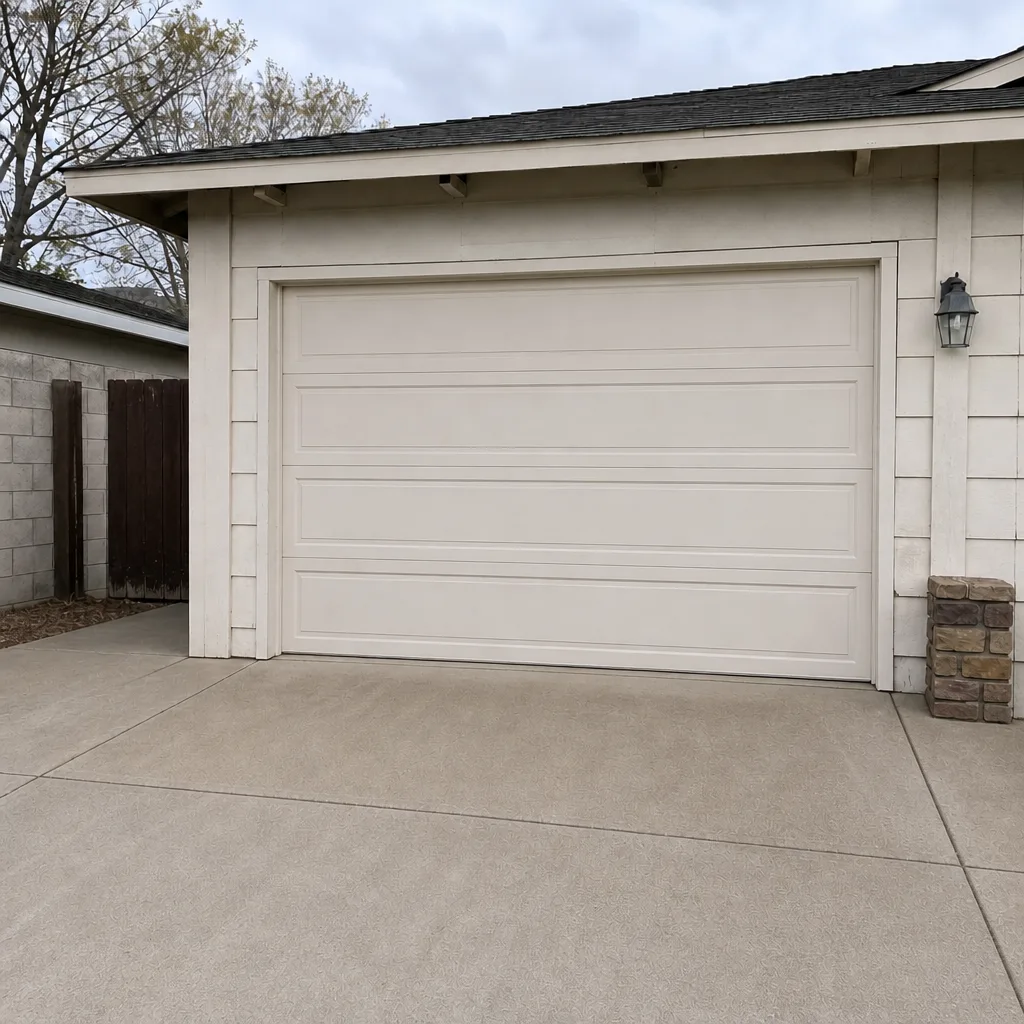 After
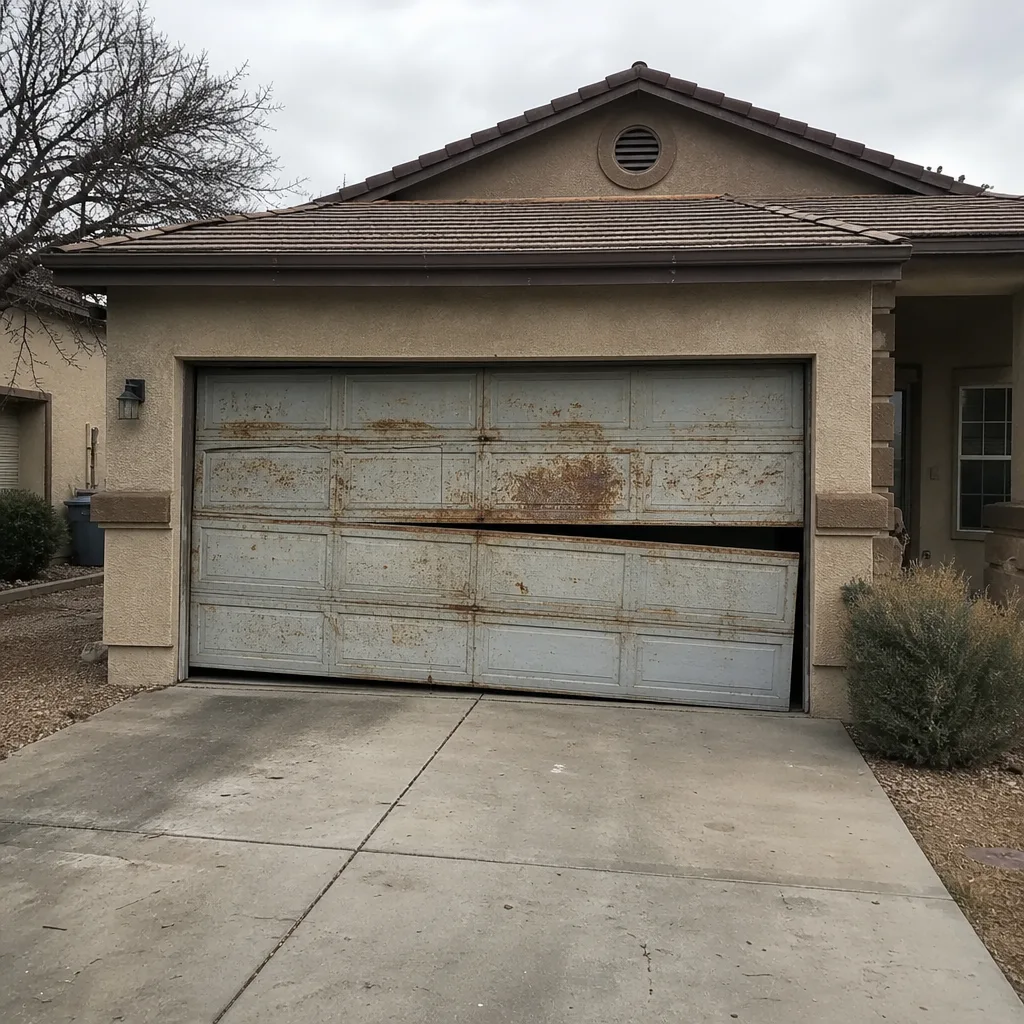 Before
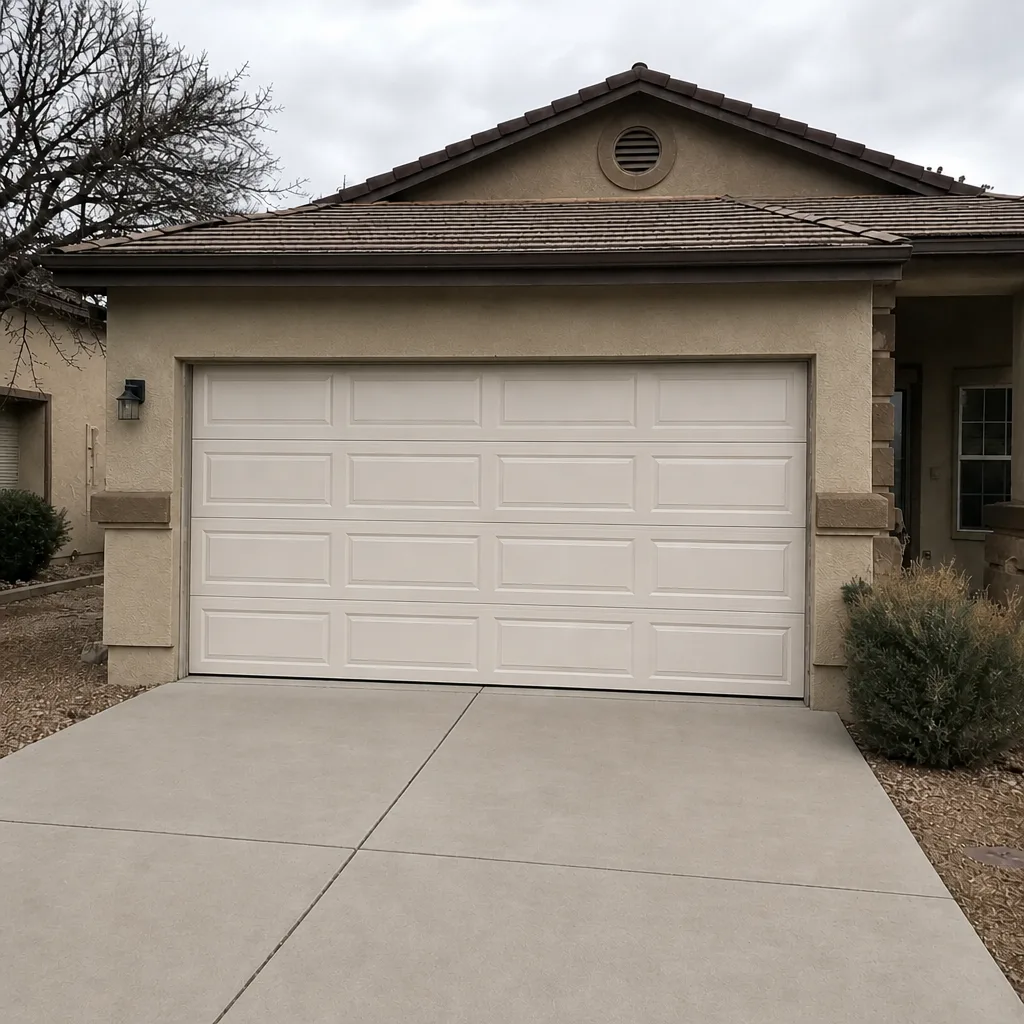 After
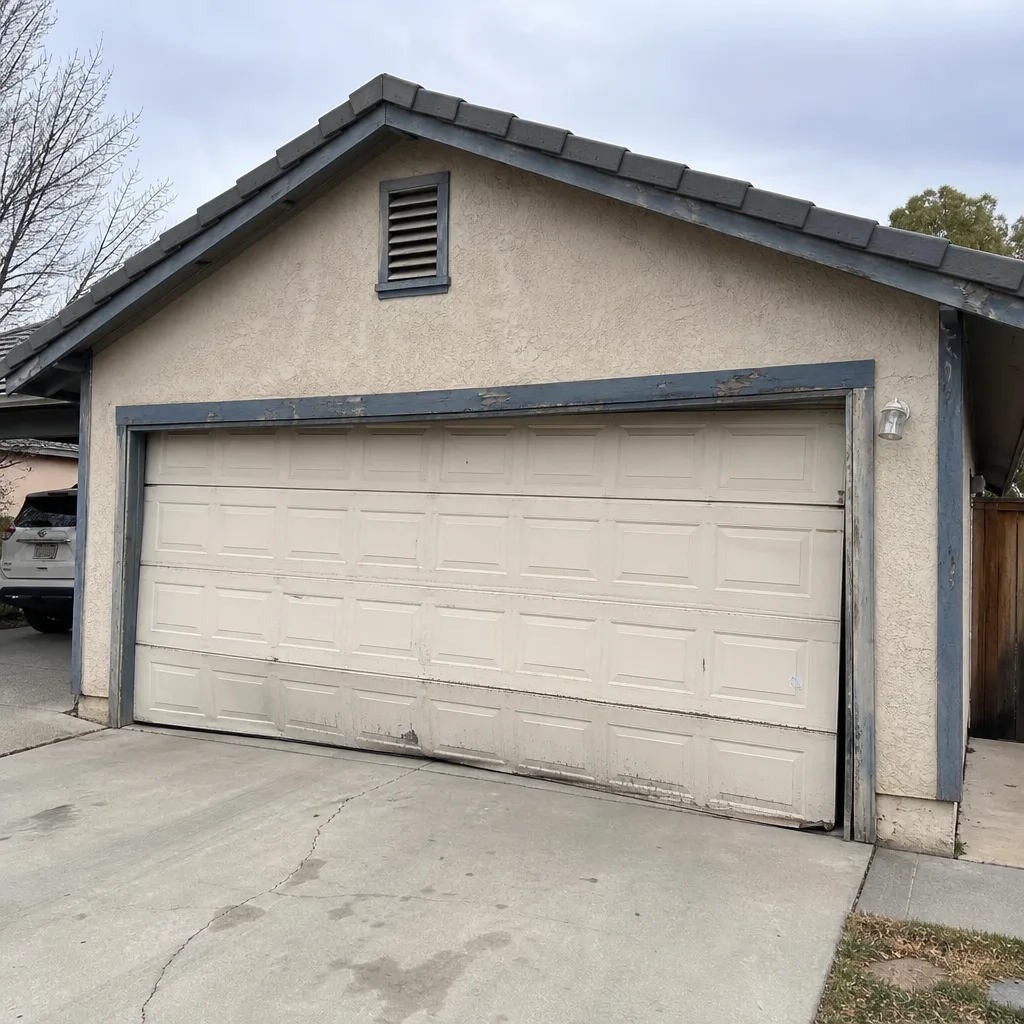 Before
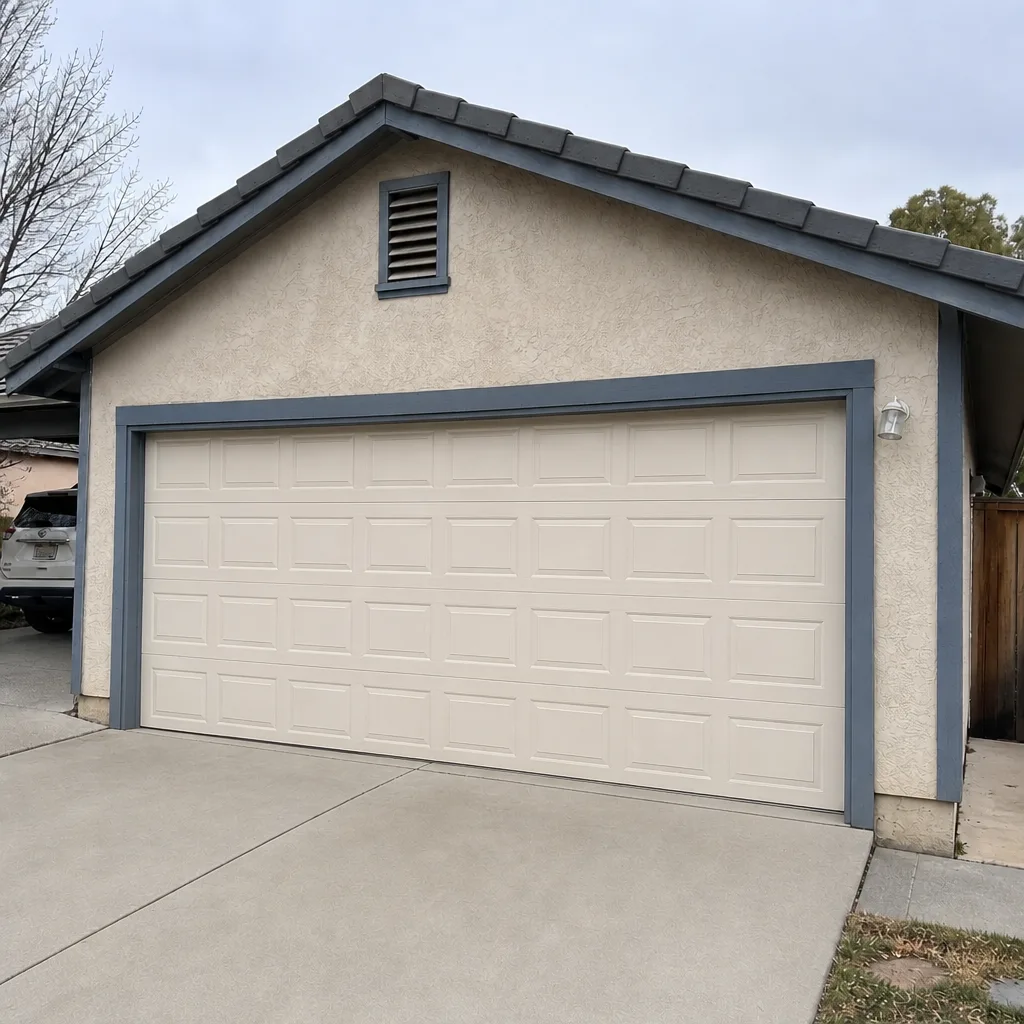 After
When to Call a Professional
Call a pro the moment the job involves a spring, a cable, or a track on a door that’s under tension. If a spring has snapped, a cable is frayed or hanging, or the door won’t open at all, that’s a same-day call, not a weekend project. If your opener is straining or the door feels dangerously heavy, that points to a spring or roller problem a pro should diagnose. When you’re not sure whether a job is safe, that uncertainty is your answer – ask. Our technicians are background-checked and trained across LiftMaster, Chamberlain, Genie, Clopay, Amarr, Wayne Dalton, Craftsman, and Raynor, and we quote the price before the visit so it never changes at the door. Otto’s Garage Door Enterprise offers free estimates in Enterprise – call (833) 620-7107.
Frequently Asked Questions
It’s safe for the jobs that don’t involve stored energy, and unsafe for the ones that do. Weather seals, sensor cleaning, remote reprogramming, painting, and lubricating hinges and locks are all fine for a careful homeowner. Spring replacement, cable winding, and track work on a door under tension are not – those involve 150 to 200 pounds of tension that can hurt you in a split second. Call (833) 620-7107 for the dangerous jobs, and we’ll quote it before we arrive.
No. We don’t recommend it, and we’re not being overly cautious. A torsion spring holds hundreds of pounds of tension, and unwinding or rewinding it wrong can break a wrist or worse in less time than it takes to react. This is the one job on your door that always belongs to a trained professional with the right winding bars and technique.
Replacing the bottom weather seal, cleaning and aligning the safety sensors, reprogramming remotes and keypads, painting panels, and lubricating hinges, rollers, and the manual lock. You can also clear the tracks of debris and do a visual inspection from the ground. None of these involve stored energy, and all of them are worth doing.
It depends on the door and the springs, but we quote the price before anyone shows up and hold that number at the door – no revision upward. We’ll tell you what’s left on your springs and answer questions on the call, day or night. Call (833) 620-7107 for an exact number; estimates are free.
No. We quote the job up front, and it doesn’t change between the phone and the driveway. That’s the whole point of how we work, and it’s backed by the 90-Day Done Right Promise in writing on every job. If you’ve already got a written estimate, we’ll give you a free second opinion on it.
Yes. We’re licensed and insured, and we publish our address and license number so any homeowner can verify before the truck arrives. Questions get answered by a live person around the clock. Call (833) 620-7107 and we’ll walk through it.
The Bottom Line
The DIY-versus-professional call on a garage door isn’t about skill. It’s about stored energy. Do the seals, the sensors, the remotes, the painting, the lubrication, and the prep – those save you real money and keep your door healthy. Leave the springs, cables, and tension-loaded tracks to a trained pro with the right tools. Run the honest math on the riskier jobs and you’ll usually find that DIY doesn’t save what it costs. Respect the physics and you’ll get years out of your door without a scare. When it’s time to call, we’re a phone call away.
Need a hand with the jobs that aren’t safe to do yourself? Call (833) 620-7107 to get a free estimate. We’ll quote you up front, answer the phone any hour, and hold that price when we get there – in writing, with the 90-Day Done Right Promise behind it.
Written by the team at Otto’s Garage Door Enterprise.