
Last updated November 17, 2026
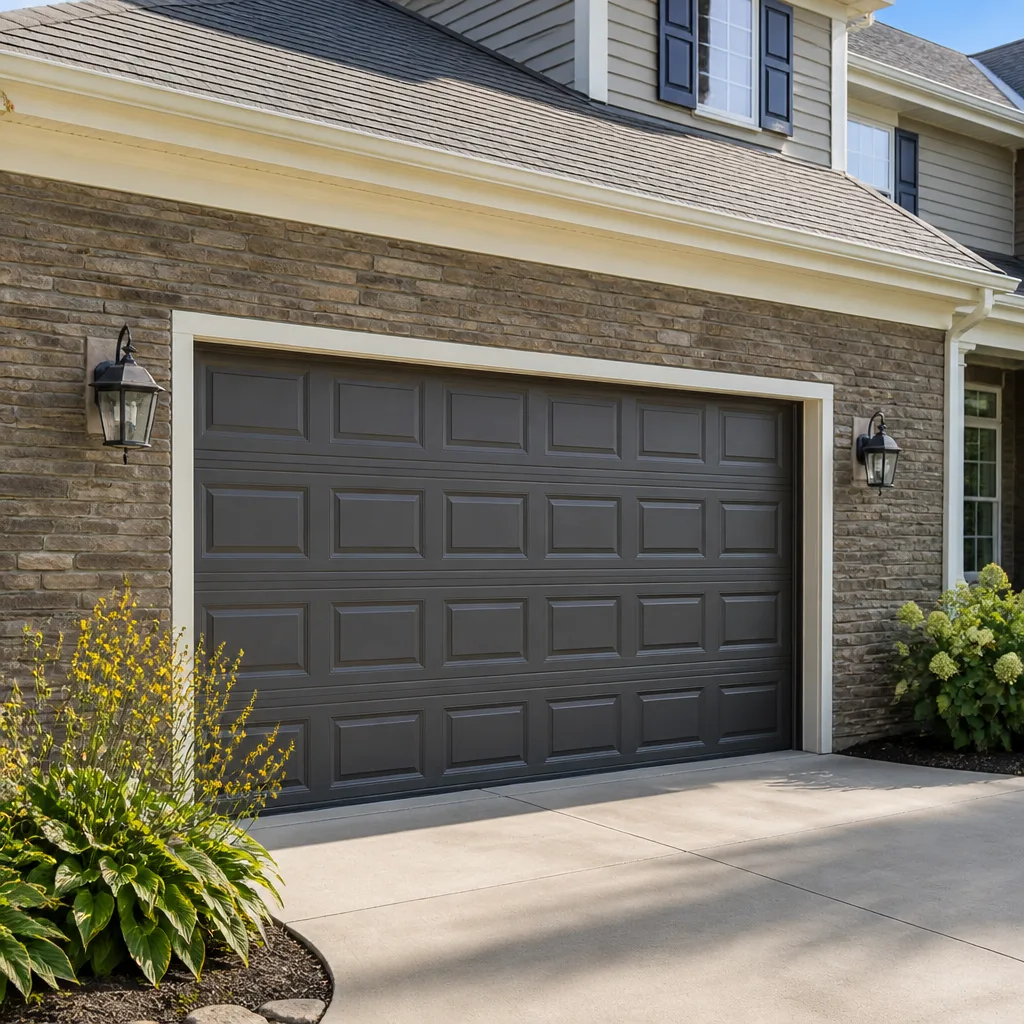 Raised-panel steel
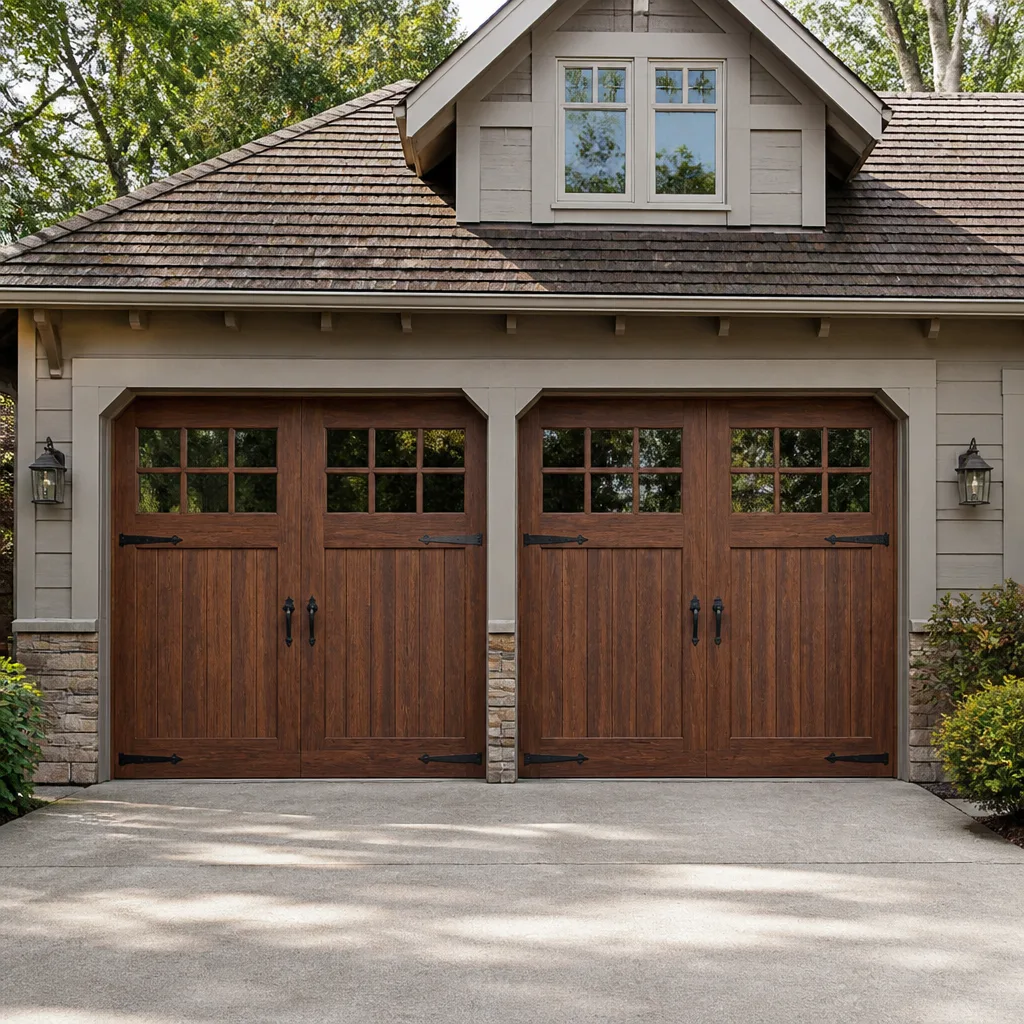 Carriage house
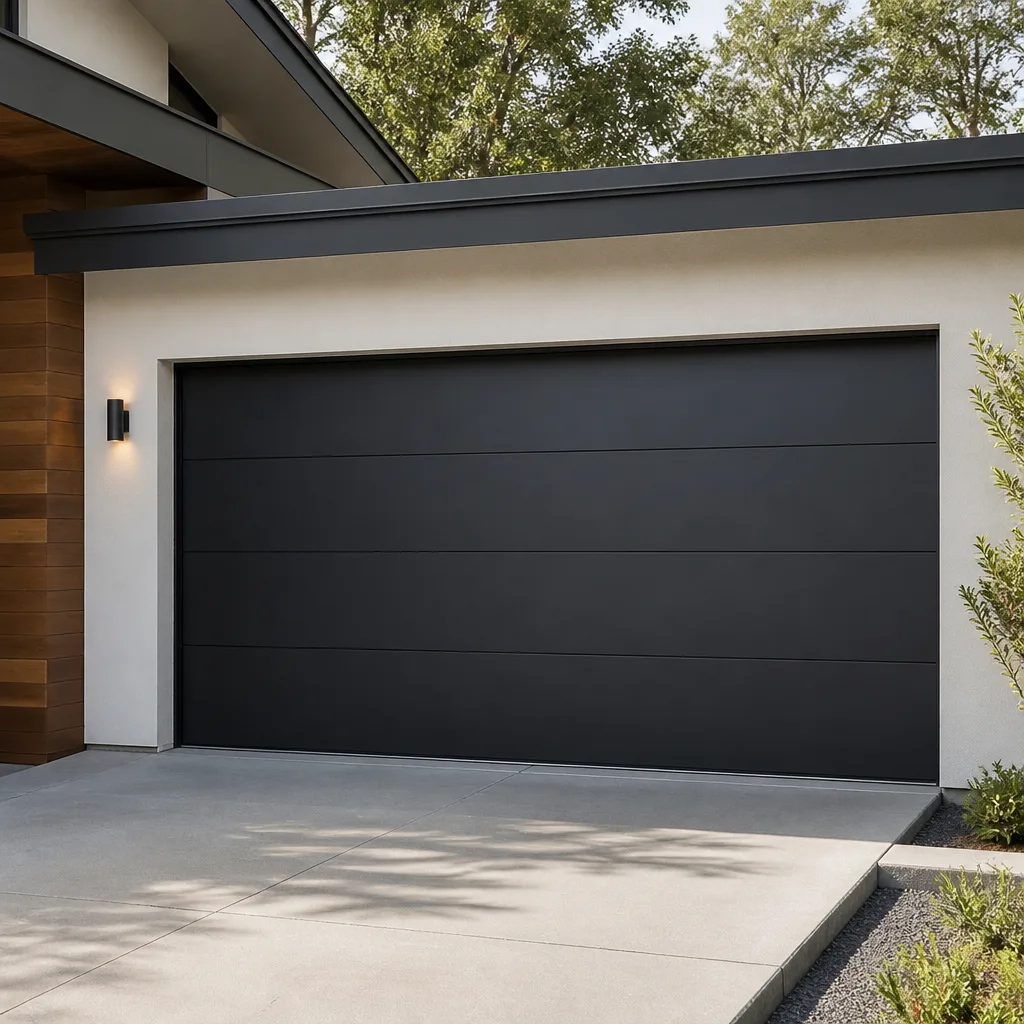 Modern flush
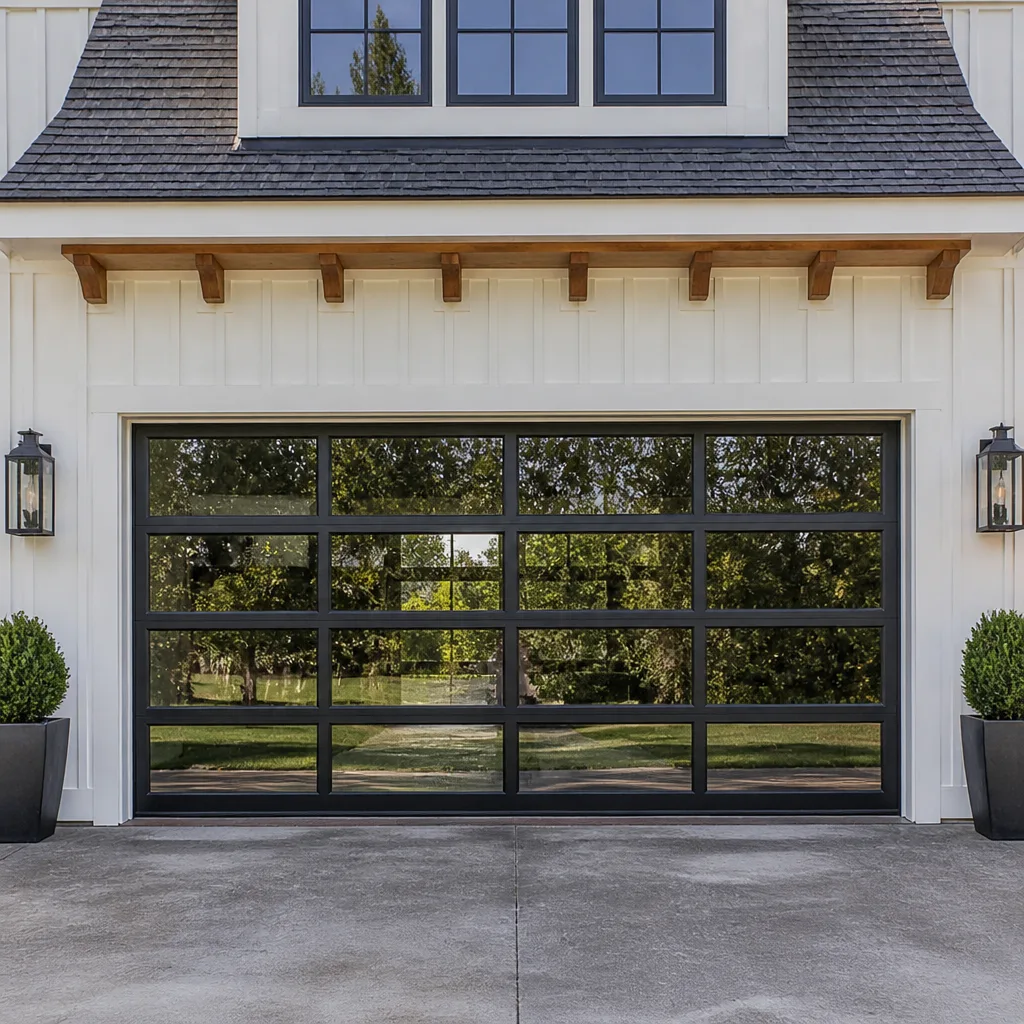 Full-view glass
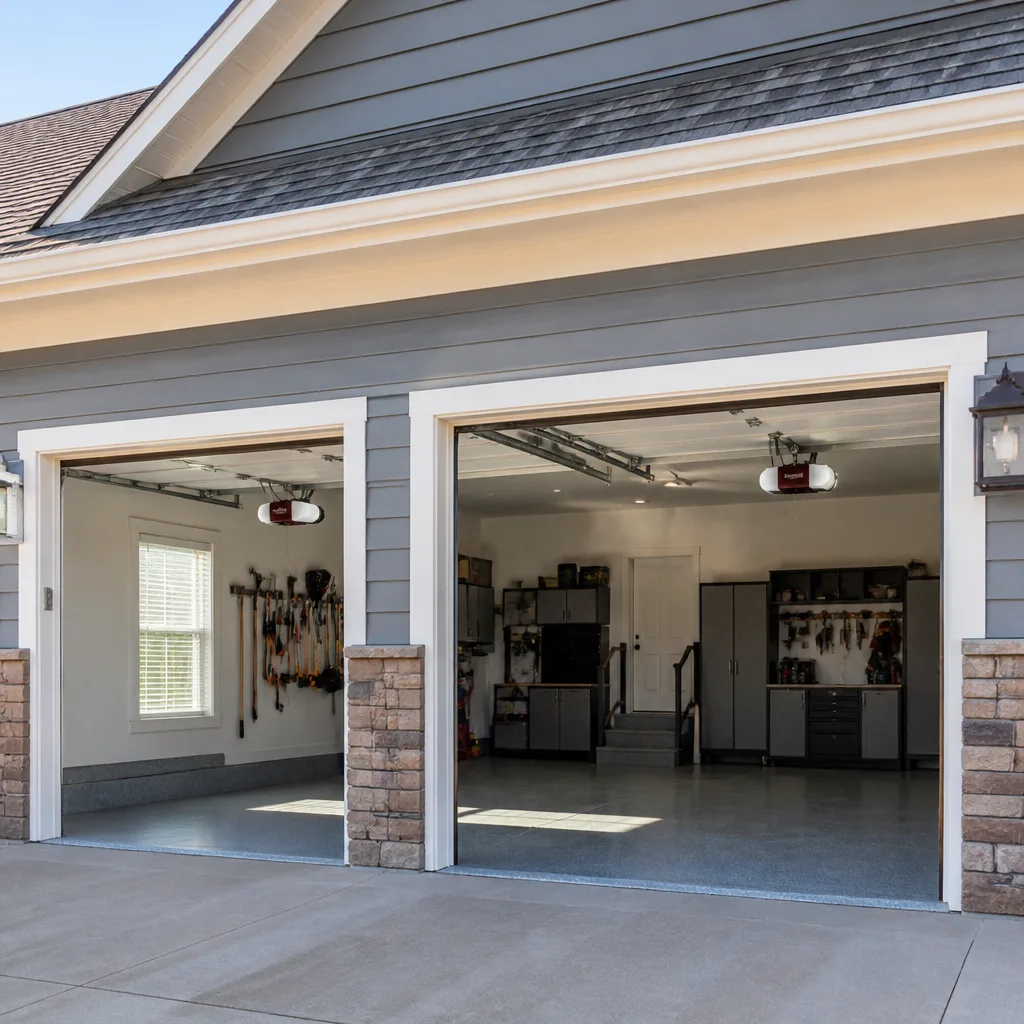 LiftMaster openers
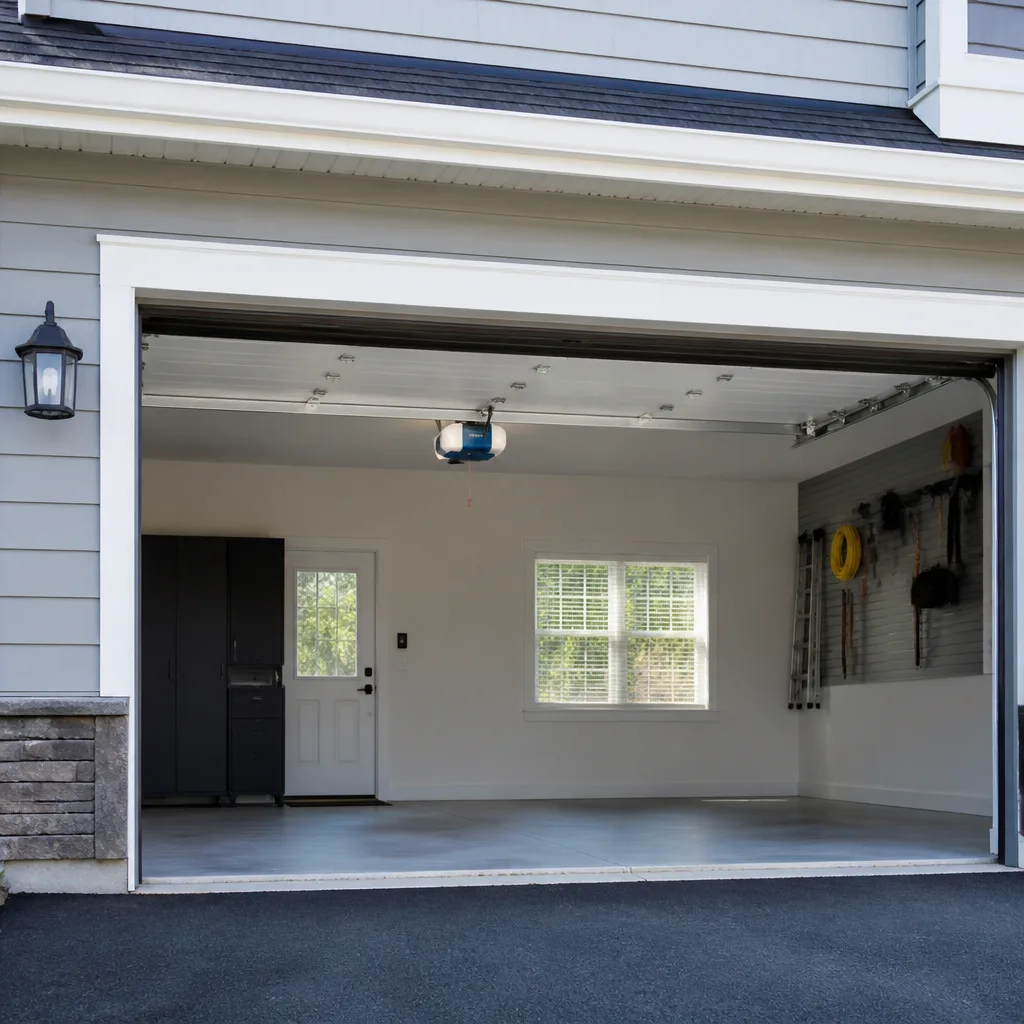 Chamberlain openers
Full 25-point door and opener safety check with every visit - springs, cables, rollers, tracks, and your LiftMaster or Chamberlain opener included
You get a price before we start. It does not change when the pro arrives.
Get your free estimateHow Long Does Emergency Garage Door Take? Timelines and What to Expect
When a company says “24/7 emergency service,” they mean someone answers the phone. How long before a truck with the right parts shows up at your address is a different question entirely. Most garage door outfits hide behind the first promise and never touch the second. We’ve spent years watching homeowners in Enterprise get quoted “fast” and then sit in their driveway for four hours. So here’s the honest answer: an emergency repair in Enterprise usually runs 3 to 8 hours from your call to your working door, and we’ll break down exactly where those hours go. By the end you’ll know what affects your timeline, what you can do while you wait, and what to ask any company before you hire them.
Quick Answer
Emergency garage door repair in Enterprise typically takes 3 to 8 hours from the moment you call until the door is working again, with the repair itself usually taking 1 to 3 hours once a technician arrives. Arrival time depends on your neighborhood’s drive distance, the time of night, and whether the company stocks common parts locally. The biggest variable is not how fast someone shows up. It’s whether the parts are already on the truck when they do.
Styles & brands we work with
- Raised-panel steel
- Carriage house
- Modern flush
- Full-view glass
- LiftMaster openers
- Chamberlain openers
Table of Contents
- Arrival Time vs. Repair Complete Time: Why They’re Different
- Drive-Time Reality for Enterprise Neighborhoods
- Why Locally Stocked Parts Beat Next-Day Shipping
- What Affects Your Timeline: Time of Night, Day of Week, Failure Type
- What to Do in the First 30 Minutes While You Wait
- How to Ask Any Company What “Fast” Actually Means
- Common Mistakes to Avoid
- When to Call a Professional
Arrival Time vs. Repair Complete Time: Why They’re Different
Homeowners hear “we’ll be there in an hour” and assume the job is done in an hour. It isn’t. The clock has two separate hands: how long it takes to get to your driveway, and how long it takes to fix what’s broken. The gap between them can run anywhere from thirty minutes to three hours, and it depends on factors nobody talks about in the marketing.
Arrival time is everything before the truck is in your driveway. That includes how far the technician is from your address, what kind of failure you described on the phone, and whether the company already has parts on hand or has to order them when they arrive. It also includes the honest mess of traffic, weather, and how many other homeowners in Enterprise called the same night.
Repair complete time is everything after arrival. Once the tech is standing in your garage, the clock resets. Some repairs take twenty minutes. Others take two hours. The gap breaks down like this:
- Diagnosis (5-15 minutes): Confirming what failed, and whether something else failed alongside it.
- Parts sourcing (0-30 minutes): If the correct spring, cable, roller, or opener circuit is on the truck, this is instant. If it isn’t, it’s the next morning.
- Repair (30-90 minutes): The actual work. Spring replacement, opener motor swap, track realignment, panel replacement.
- Adjustment and balance test (10-20 minutes): The door has to open and close smoothly, balance under manual force, and reverse on obstruction. This part is not negotiable.
Here’s the number most companies won’t quote you: for a common failure with the right parts on the truck, expect the on-site portion to land between 1 and 3 hours. Anything shorter usually means the tech skipped the safety test. Anything longer usually means a missing part or a hidden second failure.
Drive-Time Reality for Enterprise Neighborhoods
Enterprise sits south of the Strip along the I-15 corridor, and drive times to its neighborhoods swing widely depending on where a tech is starting from and what traffic is doing on the Blue Diamond or Southern Highlands side. We’re not going to pretend every address in Enterprise is the same distance from a truck. Here’s an honest read on what to expect by neighborhood.
- Mountain’s Edge and Southern Highlands: These sit at the western and southern edge of Enterprise. Late-night runs are usually 20-35 minutes. In afternoon traffic on Blue Diamond, add 10-15 minutes.
- Rhodes Ranch and Ardiente: Central Enterprise. Typically 15-25 minutes on a clear road. One of the more consistent zones.
- Silverado Ranch and Bermuda Dunes: East Enterprise, closer to the 15. Usually 20-30 minutes, but the Strip corridor slowdowns push this closer to 40 minutes on a Friday or Saturday night.
- Spring Valley border neighborhoods (off Rainbow and Warm Springs): 15-25 minutes. This is the closest side of Enterprise for most local shops.
- Far southern edges near St. Rose Parkway: 25-40 minutes. Rarely shorter, even at 2 a.m., because the side streets are quiet and long.
That range – 15 to 45 minutes from a local shop to most Enterprise addresses – is the honest baseline. If a company promises fifteen minutes to your door from a call center that couldn’t name a single street in Enterprise, they don’t know your city. They’re guessing. When you call a company that quotes on the phone and holds the number, they already know the drive because they make it every day. You can see our service area on our Otto’s Garage Door Enterprise home page.
Why Locally Stocked Parts Beat Next-Day Shipping Every Time
A spring failure is not a diagnosis problem. Any decent tech knows what broke in the first two minutes. It’s a parts problem. The single biggest factor in whether your door is working tonight or tomorrow morning is whether the company already has the right spring, cable, or opener component on the truck when the tech leaves the shop.
We keep the following in the truck, because these are what fail on doors in Enterprise most nights:
- Torsion springs in the common residential sizes (7-foot and 8-foot doors, standard wire gauges), plus the winding bars to install them safely
- Extension springs for older doors, including the safety cables that should have been there from day one
- Cables, drums, and end plates – the parts that fail second most often after springs
- Nylon rollers, hinges, and bearing plates – the cheap parts that cause loud bangs and rough openings
- Bottom brackets, weather seals, and hinges for Wayne Dalton and Clopay doors
- Common opener components: safety sensors, remotes, wall consoles, and the traveler and belt kits for LiftMaster and Chamberlain units
- Universal circuit boards for the older openers we still see on Enterprise doors
The parts we don’t stock are the ones that need a manufacturer order: unusual spring sizes on an oversized door, custom panel matches, and proprietary control boards for off-brand openers. When that’s the case, we say so on the phone, not after we’ve already driven out. If the tech shows up without the part, that’s a planning failure, and it’s a real reason to look elsewhere. If the company you called is three counties away and stocking parts “at the warehouse,” you’re waiting on a delivery truck, not a repair tech.
What Affects Your Timeline: Time of Night, Day of Week, Failure Type
Two homeowners with the exact same broken spring can wait twenty minutes or three hours depending on when they call. Here’s how the clock actually shifts.
Time of night
Most failures happen between 6 p.m. and 10 p.m. Springs let go when they’re being used, and that’s when everyone pulls into the driveway for the night. Calls between 8 p.m. and 11 p.m. hit the busiest window of the day. If you call at 11:30 p.m., you’re past the rush and usually get a faster truck. If you call at 7 a.m., you’re behind a night of stacked jobs and the tech may be working through them.
Day of week
Weekends are slightly slower than weeknights, and Sunday afternoons are the single slowest window of the week for emergency work because nobody thinks to check their door until Sunday, then everyone calls at once. Holiday weekends – Memorial Day, the 4th of July, Labor Day – run slower still. If your door fails on the Friday of a three-day weekend, call immediately. Don’t wait until Saturday morning.
Failure type
A broken spring is the most common emergency and the most predictable. A snapped cable is often a symptom of a spring failure and gets fixed on the same visit. A door off its track, a door that won’t close because a vehicle backed into it, or a door that’s sagging because a hinge gave way all take longer because the fix is larger and the safe disassembly is more involved. Obscure failures – opener logic board failures on older units, broken springs on a non-standard door size, twisted torsion tubes – are the ones that run overnight.
Door weight and model
A single-car Wayne Dalton door with a standard spring is a fast fix. A double-car door with a heavy steel panel and a high-cycle spring needs heavier springs on the truck, which not every shop carries. A Craftsman opener from the 1990s still running its original drive gear is a common problem in the older neighborhoods of Enterprise and can take extra time to source parts for. Our technicians have up to 22 years of experience and can usually identify the model on sight when you describe the door over the phone. That’s a real advantage on the timeline, because it means we can tell you before we arrive whether the job is tonight and tomorrow morning.
What to Do in the First 30 Minutes While You Wait
The next thirty minutes matter more than most homeowners realize. A few deliberate steps keep the situation stable and a few panicked ones turn a $250 repair into a $700 one. Here’s the order we recommend.
Do these things first
- Stop operating the door. If the door is stuck open, don’t pull it down by hand. If it’s stuck closed, don’t force it up. A door is 200 pounds riding on two springs or cables, and running an opener against a broken spring can strip the opener gear and burn out the motor – a second repair stacked on the first.
- Unplug the opener and pull the emergency release cord. This stops any accidental cycling and removes tension from the drive. Do this from the ground only – not on a ladder, not reaching up over the door.
- Keep vehicles clear of the door path. Park on the street or in the driveway beyond the door’s travel. A door that suddenly drops can crush a hood or, worse, a person.
- Take a photo of the door in its current position and of anything visibly broken – a snapped spring, a hanging cable, a bent track. This makes the phone diagnosis faster and confirms the condition before the tech arrives.
- Tell us the door model, the opener brand, and what you heard when it failed. “A loud bang followed by the opener running but the door not moving” is a spring. “A grinding noise at the top of the door” is usually a travel limit or a gear. What you heard saves five to fifteen minutes on the diagnostic side.
Don’t do these things
- Don’t try to replace a spring yourself. Torsion springs are under extreme tension and can cause serious injury if handled by someone without the right tools and training. There is no safe DIY path for a torsion spring, and no reputable tech will walk you through one over the phone.
- Don’t cut or disconnect a cable. Cables are under tension and can whip with force. They are not a homeowner fix.
- Don’t climb on a ladder to inspect the spring. This is where injuries happen. Look from the ground, and step back, not up.
- Don’t hit the opener remote repeatedly. Every cycle against a broken spring adds wear to the opener and the door. Once is enough.
If you’re unsure whether something is safe, call us at (833) 620-7107 and ask. We’d rather you spend five minutes on the phone with us than five minutes on a ladder you shouldn’t be on.
How to Ask Any Company What “Fast” Actually Means
Every garage door company in Enterprise says they offer 24/7 emergency service. Almost none of them define it. Before you hire, ask these five questions on the phone, and listen for how the answer lands.
- “How far is your tech from my address right now?” A company that answers with a neighborhood name or a rough minute count is real. A company that says “we’ll get someone out to you” is not answering the question.
- “Will the price you quote me on this call be the price I pay at the door?” The quote should hold. If the price is going to change once they see it, they already know that, and you should hear it now, not after the work.
- “Do you have the part on the truck, or does it need to be ordered?” If the answer is “we’ll figure that out when we get there,” you’re gambling on tomorrow morning. If you’re in Enterprise on a Friday night with a broken spring, that gamble is expensive.
- “Is a live person answering this number, or do I go into a dispatch queue?” A call center in another state has no idea what Enterprise traffic does to a Friday night drive. A local tech does.
- “What’s the guarantee on the repair?” Ask for the warranty in writing. The answer should be specific – how long and what’s covered – not “we stand behind our work.”
These are also the questions you should ask about a door replacement, if the repair isn’t worth it. Full installations take a scheduled measure and a written quote, not a same-night emergency call – our Garage Door Installation in Enterprise page covers how that timeline runs.
Common Mistakes to Avoid
- Calling a national call center at 9 p.m. and assuming the price you get is real. National dispatch quotes an average without knowing your door, your opener, or your neighborhood. The price at the door is often 40-60% higher. Ask for a quote from someone who already knows your street.
- Paying for a “tune-up” during an emergency. If your spring just snapped, you do not need an $89 maintenance package. You need a spring. Emergency visits are for emergency repairs – anything else can wait for a scheduled, quoted visit.
- Letting the tech run the door before they’ve tested balance and reversal. The most common shortcut in emergency work is skipping the safety test at the end. A properly balanced door should hold in place half-open. The door should reverse on a light obstruction. If those two checks aren’t done, the job isn’t done.
- Having a friend “help” you prop the door open. A door held up by a broom handle or a two-by-four under tension can come down without warning. Injured homeowners are the most common cause of 911 calls in an otherwise routine spring failure.
- Waiting until morning to call after a cable snaps in Enterprise. Summertime heat and heavy door cycles wear out cables faster than any other season. A snapped cable on a door that’s still cycling can pull the door off the track, which turns a $250 fix into a $900 one. Call the night it happens.
- Assuming every garage door repair is a spring. In Enterprise we regularly see opener failures that get misdiagnosed as spring issues, and sensor misalignments that get sold as opener motor replacements. The right diagnosis is a fifteen-minute test, not a fifteen-minute guess.
- Forgetting to check the opener’s age. An opener past the 12 to 15 year mark is a candidate for failure that costs more to fix than to replace. If your spring breaks and the opener is grinding, that’s a conversation, not a surprise invoice. Our Garage Door Opener Repair & Installation in Enterprise page lays out the honest math on repair vs. replace.
When to Call a Professional
Call a trained professional if the door is stuck, off its track, sagging on one side, or cycling unevenly. Call immediately if you’ve heard a loud bang from the garage and the opener runs but the door doesn’t move – that’s a spring, and it needs handled by someone with the right tools and training, not a homeowner on a ladder. Call if the door reverses on its own mid-travel, if the opener’s safety sensors are misaligned and the door won’t close, or if the door is making a grinding or screeching noise that wasn’t there last week. If a vehicle backed into the door and bent a panel, call – don’t try to bend it back by hand. These are all situations where the cost of waiting is more than the cost of a repair. Otto’s Garage Door Enterprise offers free estimates in Enterprise – call (833) 620-7107. Upfront pricing is quoted on the call and held at the door, and every job comes with the 90-Day Done Right Promise in writing.
Frequently Asked Questions
Most Enterprise addresses see a truck within 20 to 45 minutes depending on the neighborhood and the time of night, with the repair itself usually taking another 1 to 3 hours. Neighborhoods like Rhodes Ranch and Mountain’s Edge are typically on the shorter end, while the far southern edges near St. Rose Parkway run longer. Call (833) 620-7107 and we’ll give you a real arrival estimate before we hang up – not a call center “someone will be in touch.”
Yes, in most cases. Spring failures are the most common emergency call we run and the part is almost always on the truck. The only routine exception is a non-standard spring size on an oversized door, which we’ll flag on the phone before we drive out. Same-night service is realistic when the parts are stocked and we’re not already on another call that stacked the schedule.
No. The price we quote on the phone is the price at the door – if it’s going to be different, we tell you on that call, not after we’ve arrived. The work is inspected before we quote, the quote is confirmed before we start, and the invoice matches. If we find something the phone conversation couldn’t have caught, you’ll hear the number before a single tool comes out of the truck.
Because they’re measuring different things. The 20-minute company is quoting drive time from their shop to your zip code. The 3-hour company is quoting the full job – arrival, diagnosis, repair, safety test. The honest number for any emergency repair is the full range, not a single figure. Any company that tells you “20 minutes” without mentioning on-site time is telling you half the story, and you can expect the other half to show up on the invoice.
For the repair itself, yes – the tech needs access to the garage, the opener, and the door, and you’ll want to sign the work authorization before anything starts. For a follow-up warranty visit inside the 90-day window, we can usually coordinate around your schedule with a scheduled call, not an emergency one. The general rule: the emergency visit needs you on-site, the scheduled visit is more flexible.
Call us. That’s exactly the situation a live-answer line exists for. Two in the morning is usually faster than 8 p.m. because the evening rush of calls has cleared and the tech can get to you without queueing. Give us the door model, the opener brand, and what you heard when it failed, and we’ll quote you on the call and hold the number at the door. The same-night details live on our Garage Door Repair in Enterprise page, or you can just call and we’ll sort it out.
The Bottom Line
Emergency garage door repair in Enterprise takes 3 to 8 hours door to door, with arrival usually in 20 to 45 minutes and the repair itself taking 1 to 3 hours. The variable that matters most is not how fast someone shows up. It’s whether the parts are already on the truck, whether the company is local enough to know Enterprise streets at 9 p.m., and whether the quote you got on the phone is the one you’ll see at the door. The company that answers a live person, quotes on the call, and stocks the common failures is the company that gets you a working door tonight – not tomorrow morning after a warehouse order.
If your door fails – spring, cable, track, or opener – call Otto’s Garage Door Enterprise at (833) 620-7107 for a free estimate. We answer live, we quote on the call, and the price holds at the door.
Written by the team at Otto’s Garage Door Enterprise.
See the difference
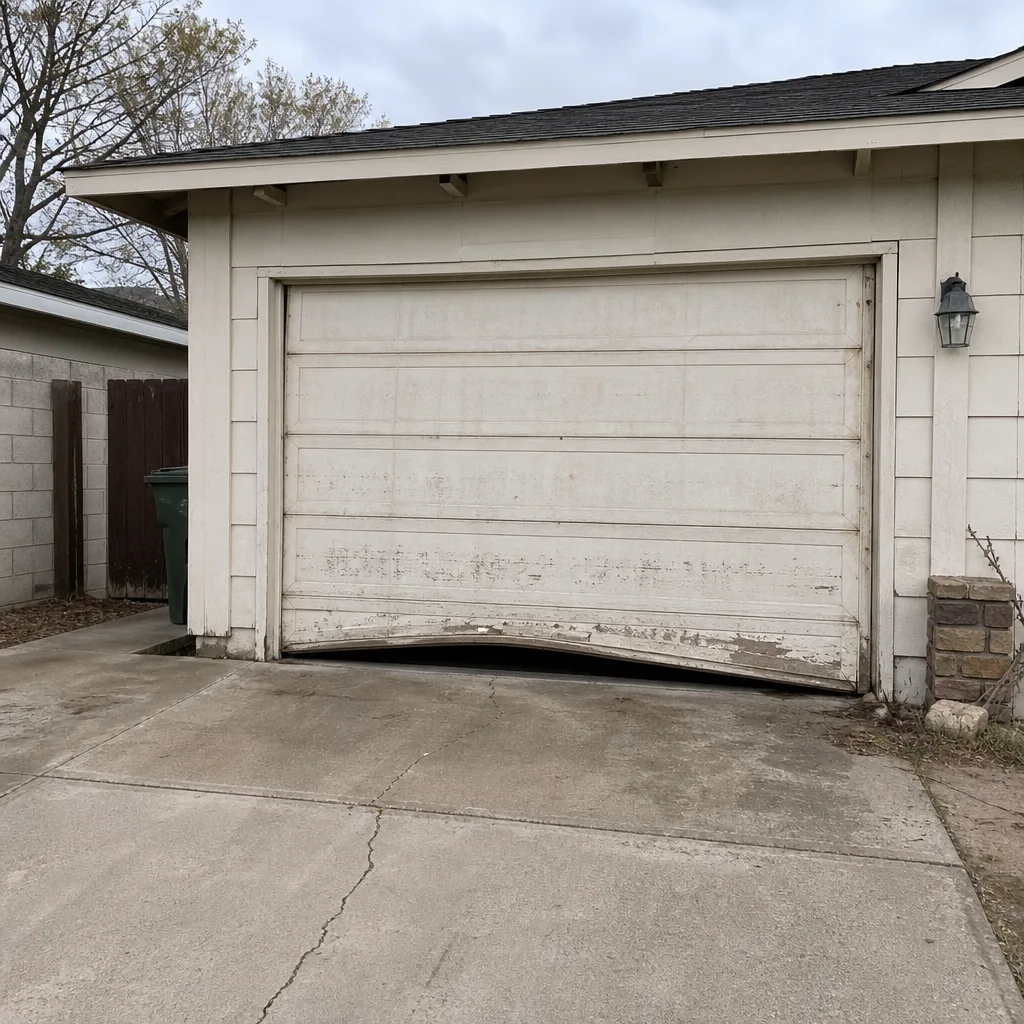 Before
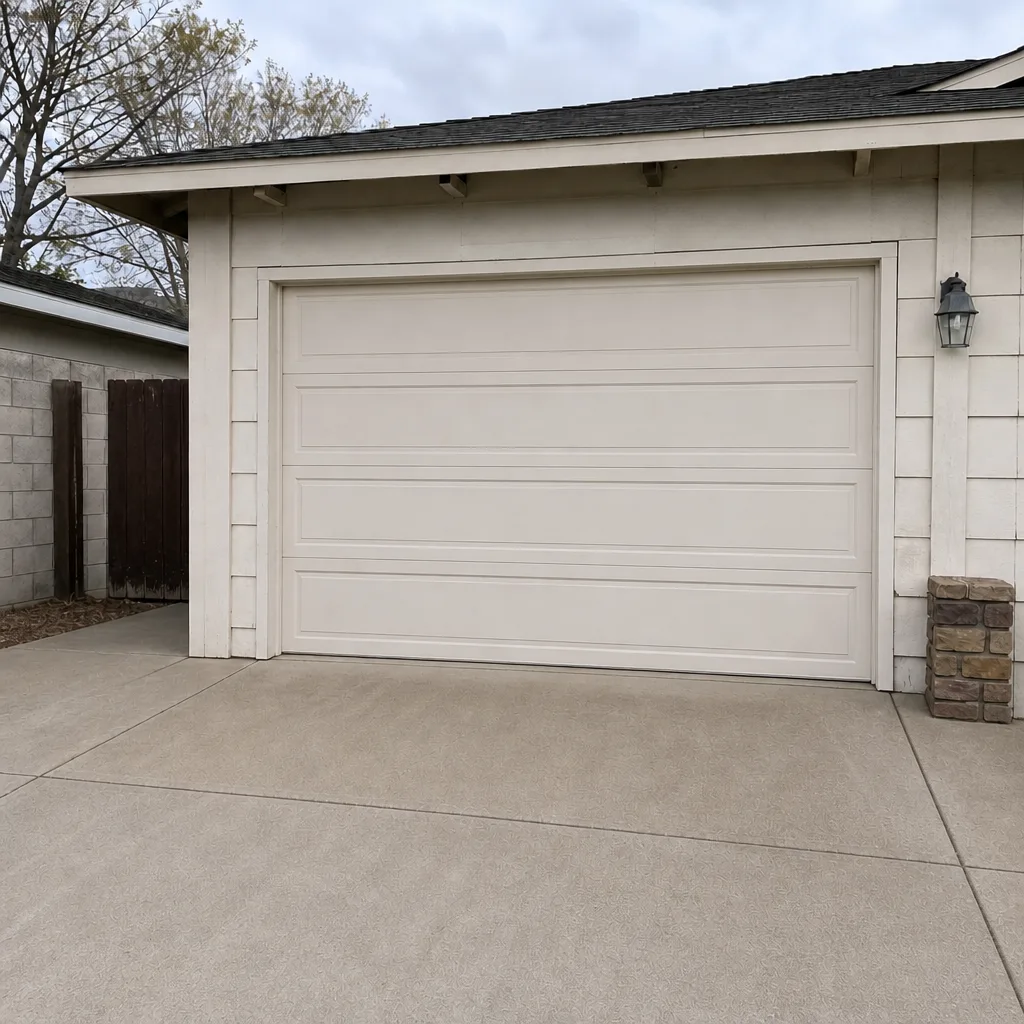 After
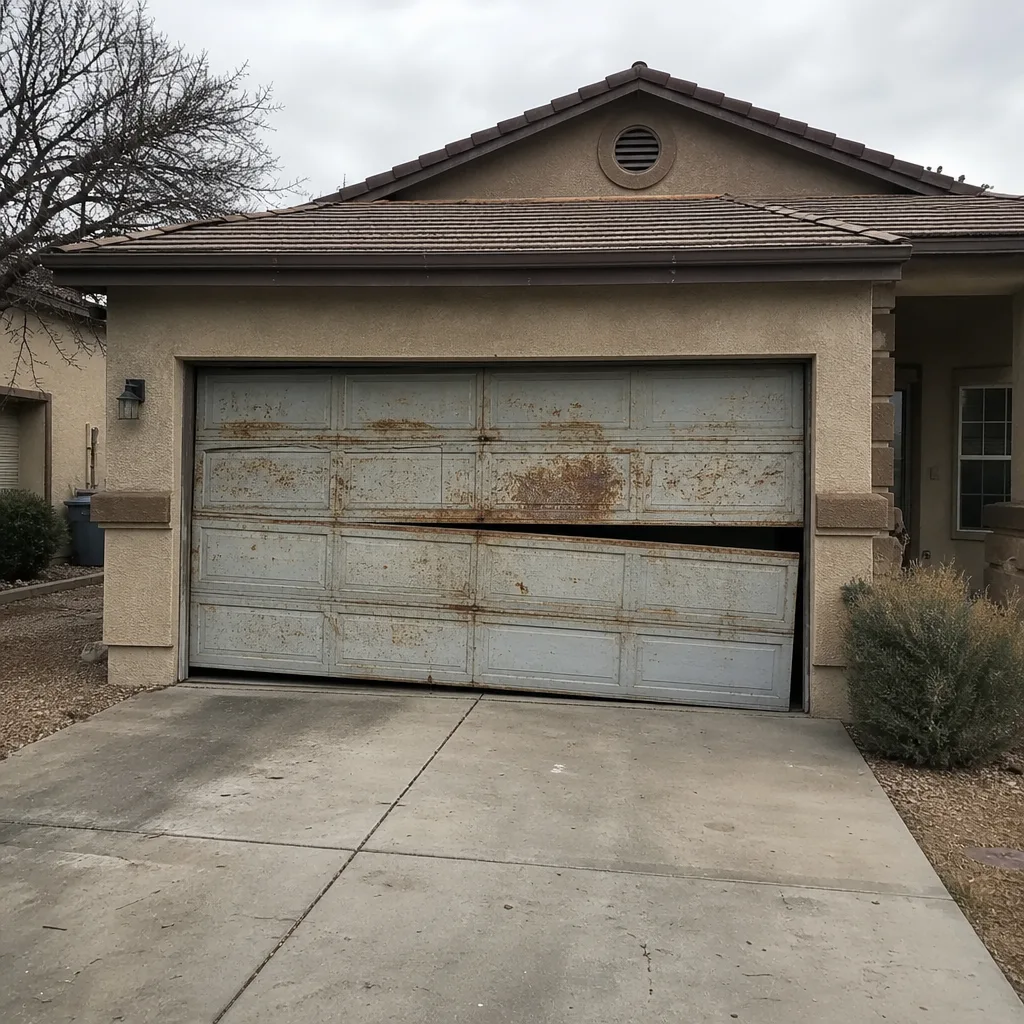 Before
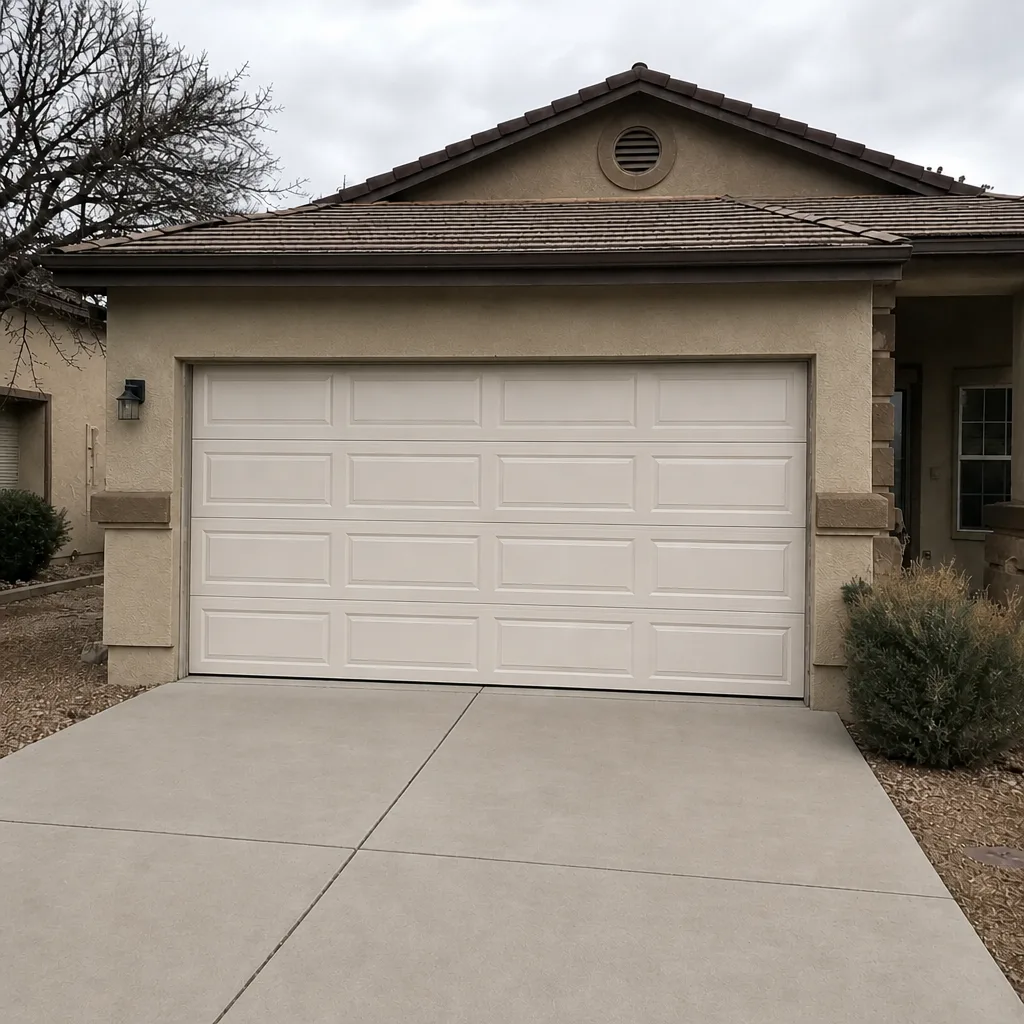 After
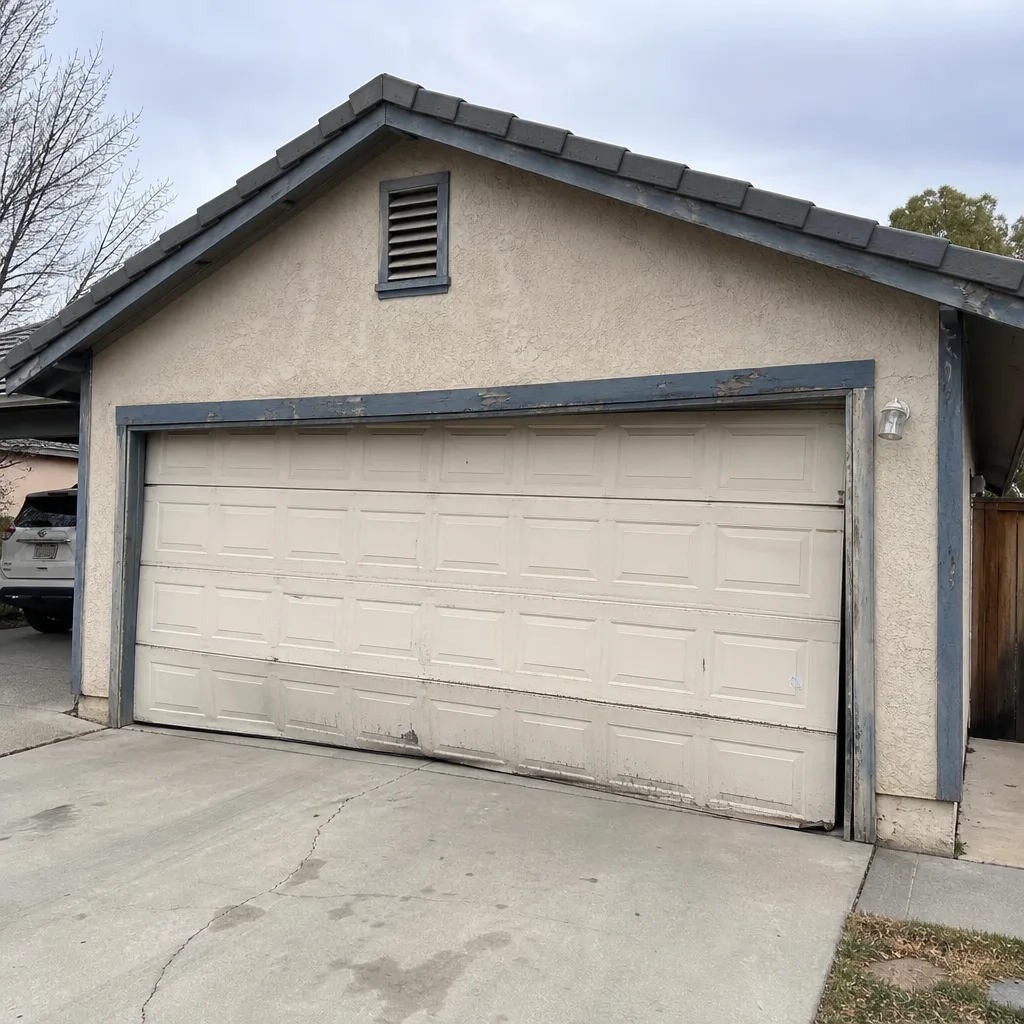 Before
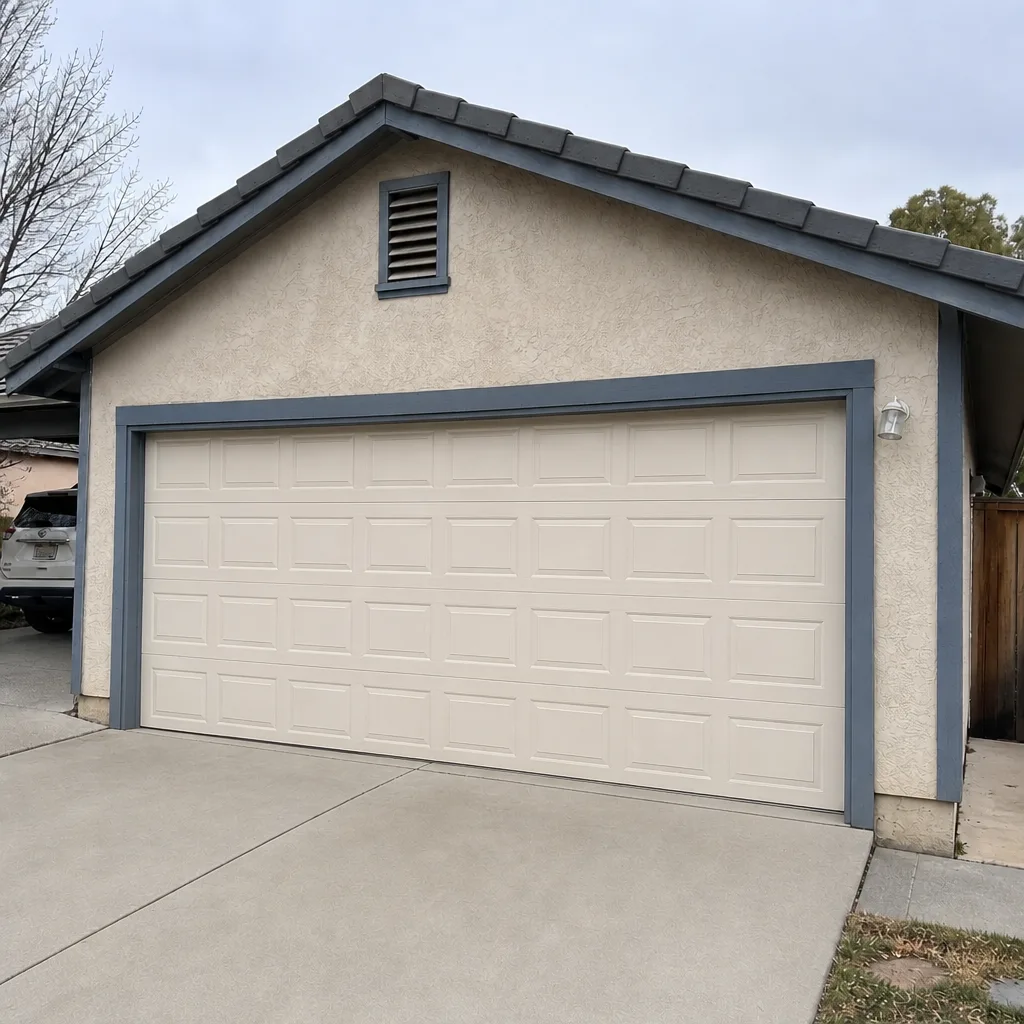 After