
Last updated November 17, 2026
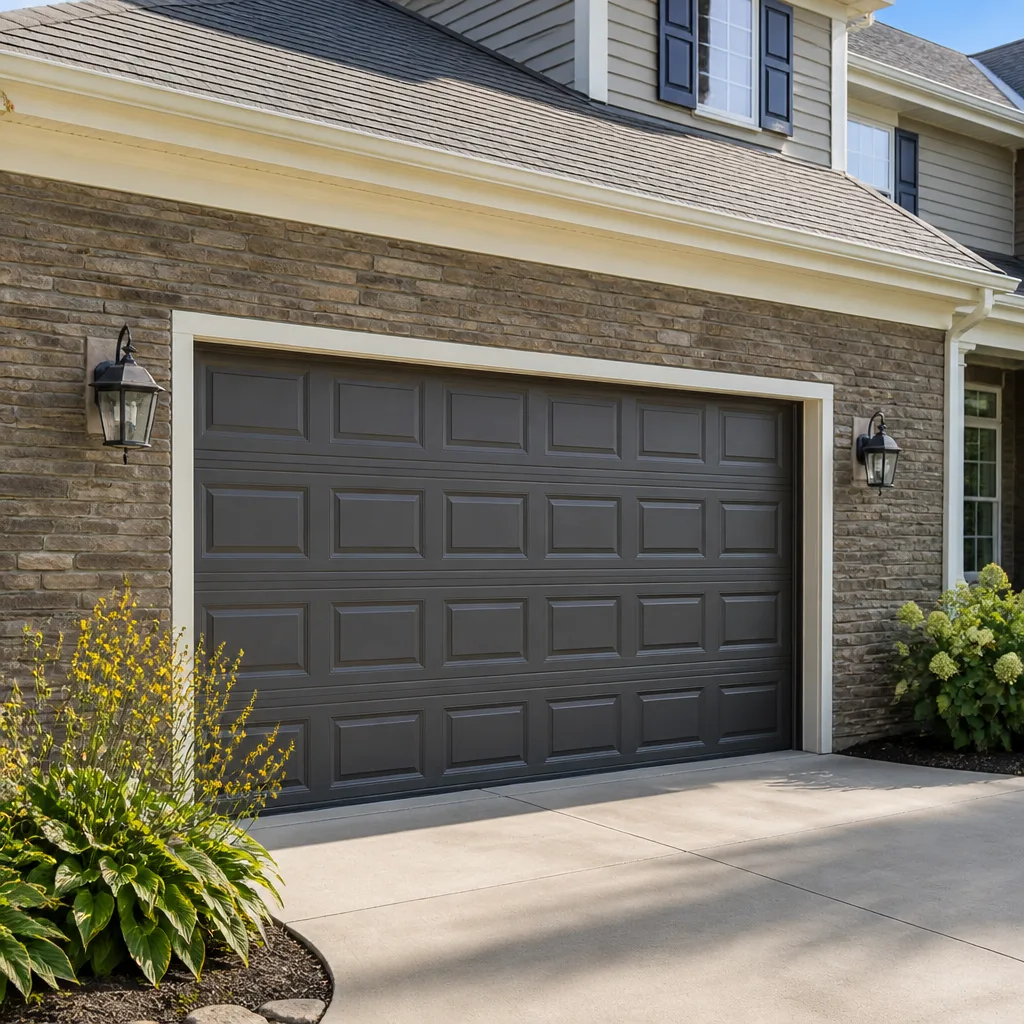 Raised-panel steel
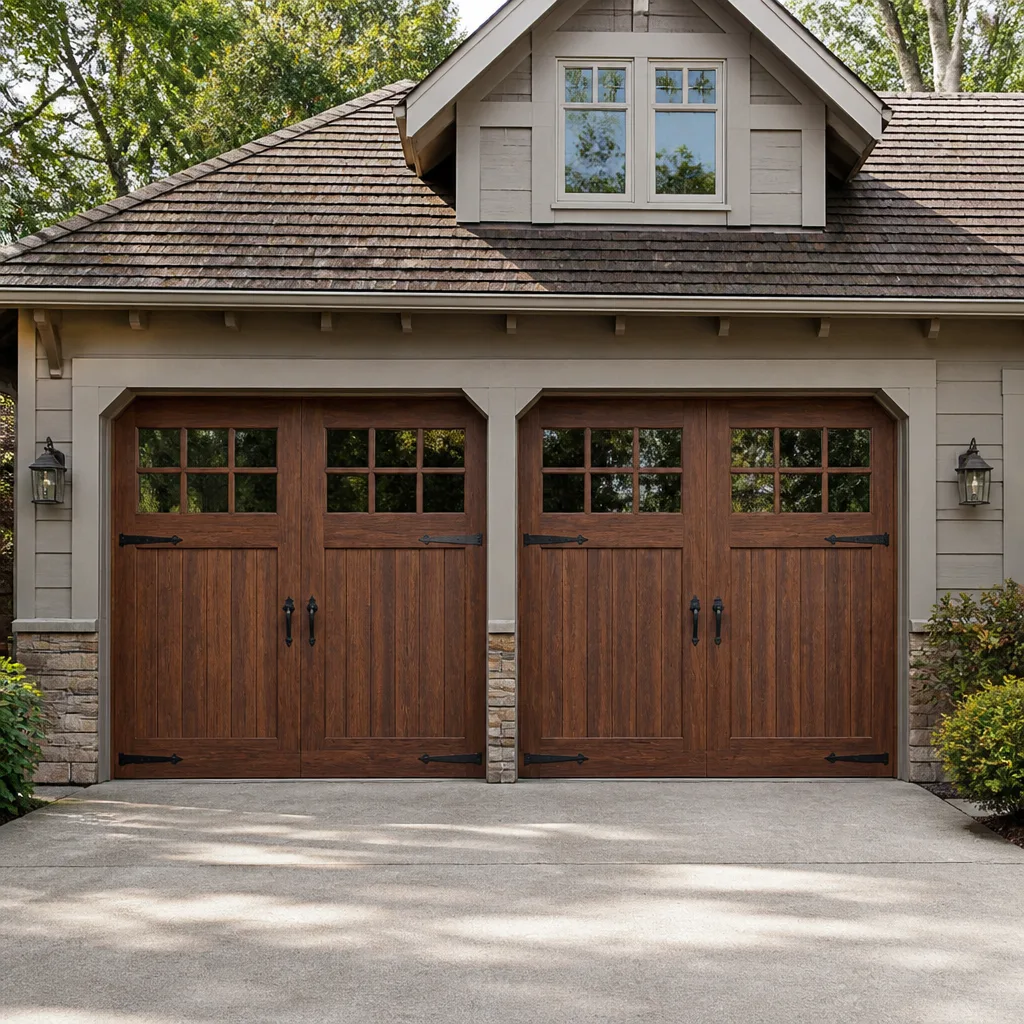 Carriage house
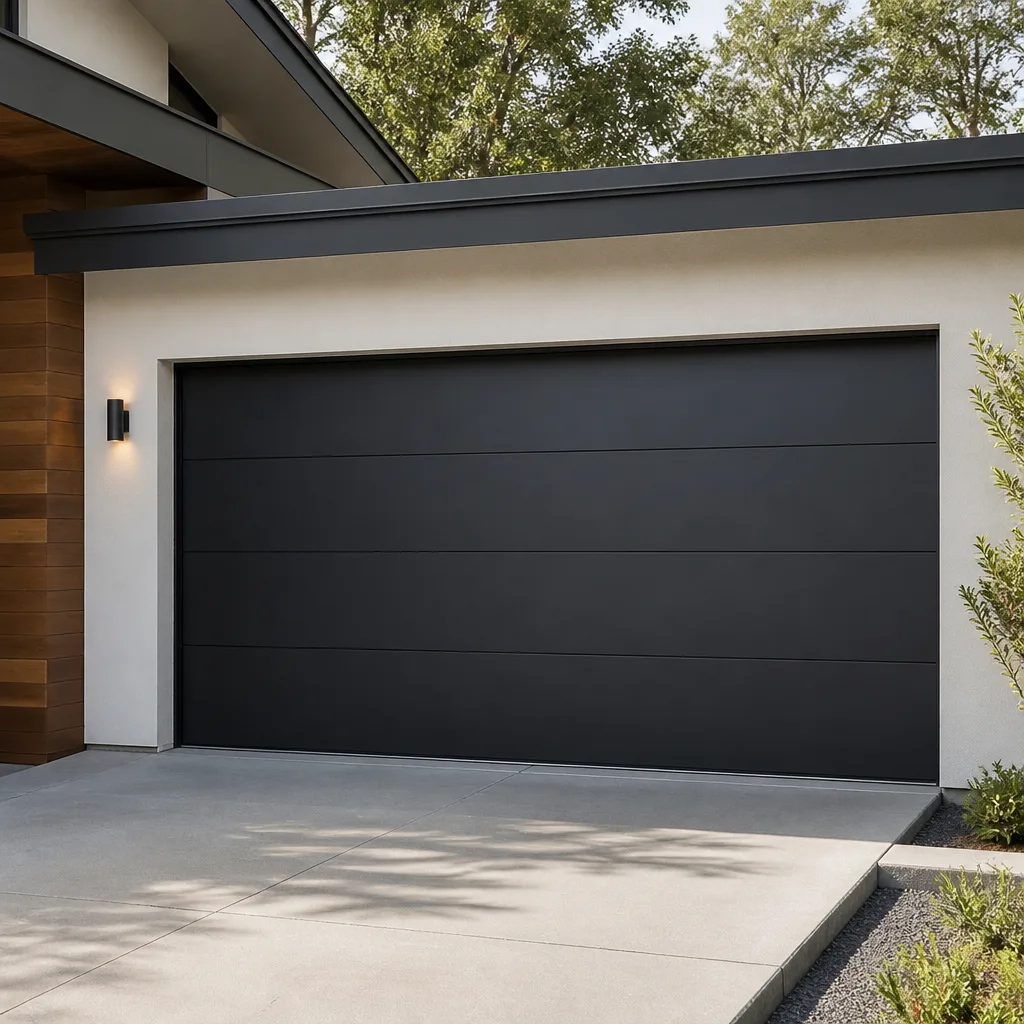 Modern flush
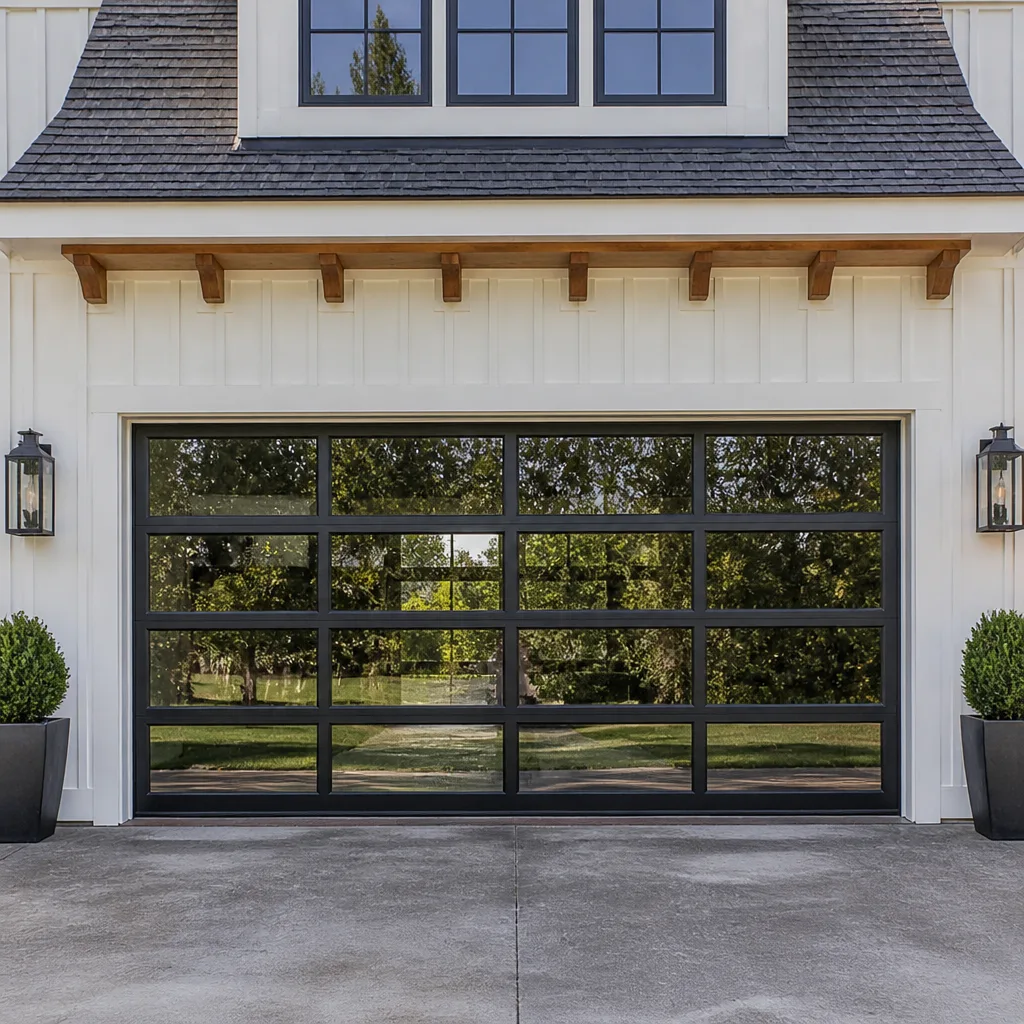 Full-view glass
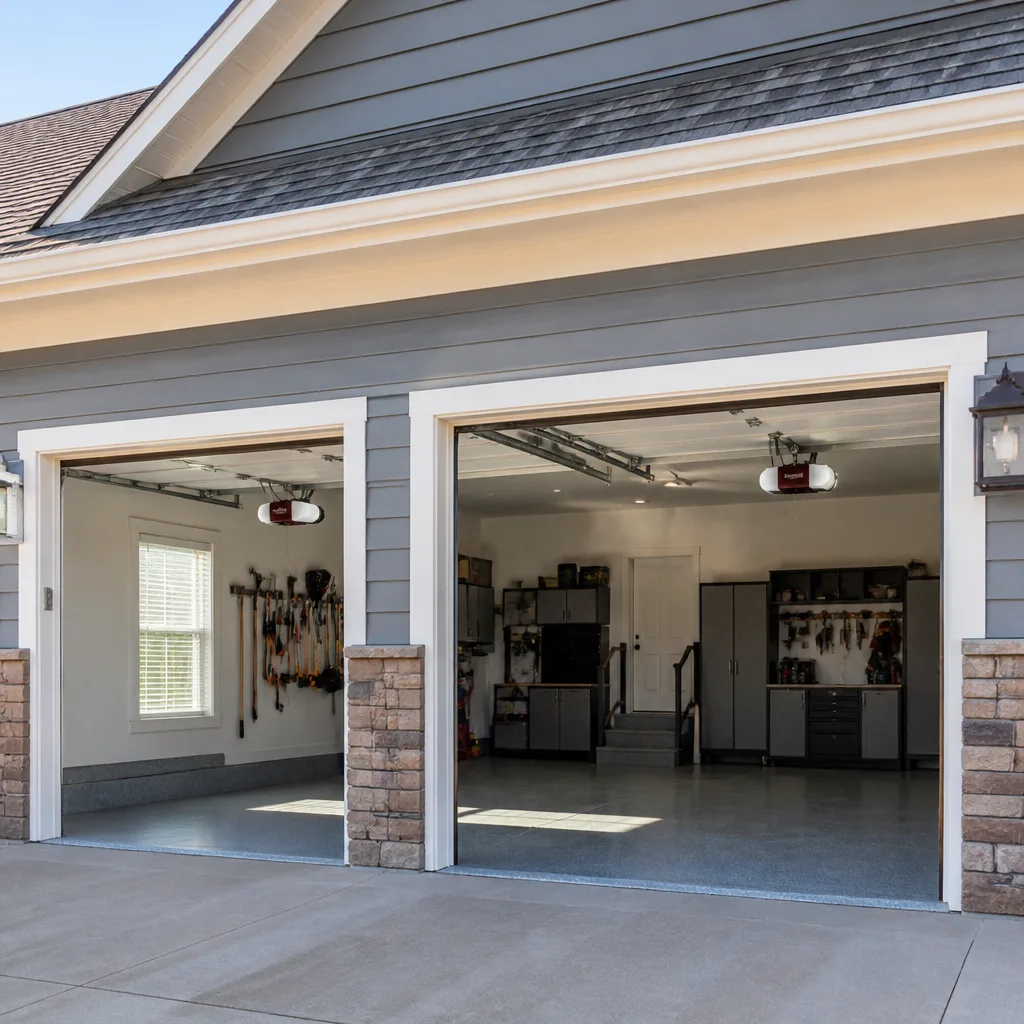 LiftMaster openers
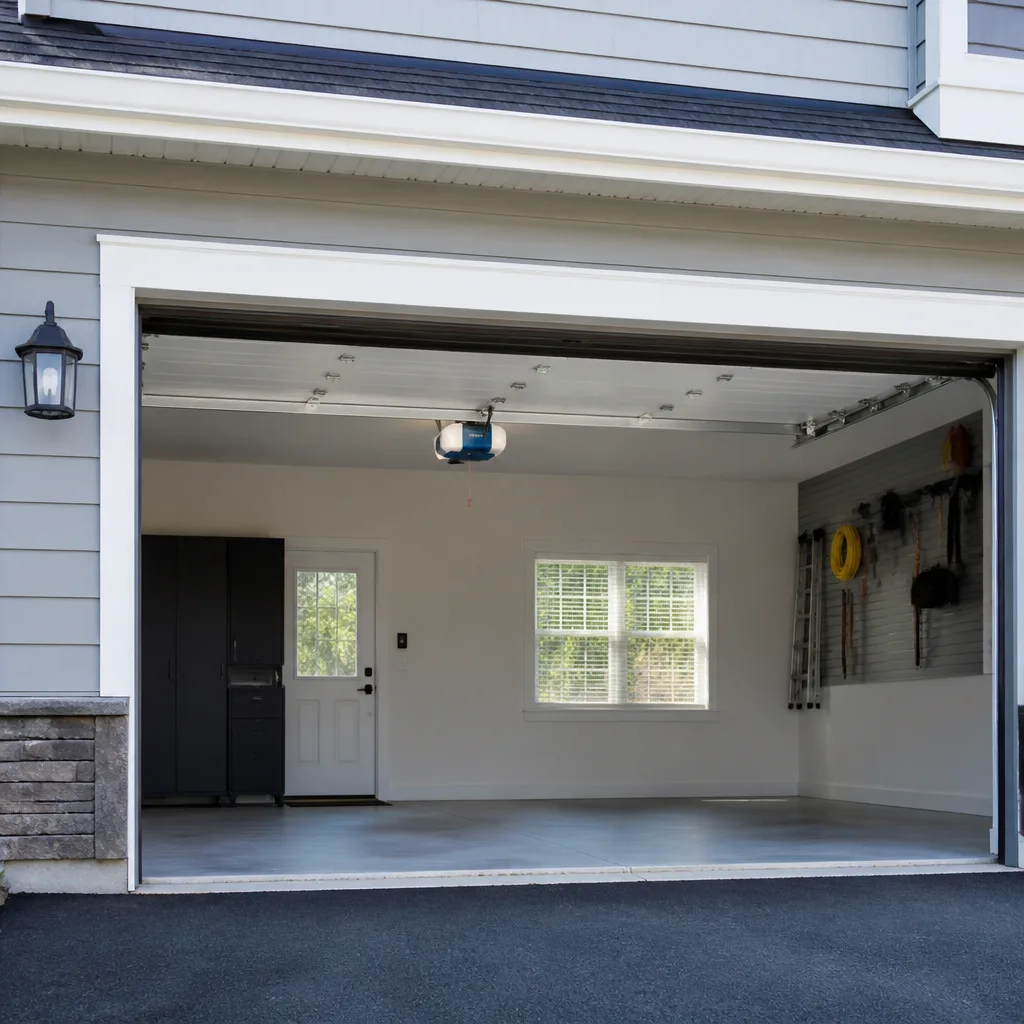 Chamberlain openers
Full 25-point door and opener safety check with every visit - springs, cables, rollers, tracks, and your LiftMaster or Chamberlain opener included
You get a price before we start. It does not change when the pro arrives.
Get your free estimateHow Long Does Garage Door Installation Take? Timelines and What to Expect
Otto has pulled up to jobs where the homeowner already left for work because the last guy said “two hours.” The door wasn’t done by noon. We’ve seen it more than once: a rushed quote that only counted the easy part, hanging the door, and skipped the prep, the haul-away, and the adjustment laps that quietly double the clock. A full replacement on a typical single-car door in Enterprise runs four to six hours when nothing goes sideways. This guide breaks down every phase honestly, so you can plan your day around reality instead of a sales pitch.
Quick Answer
A standard garage door installation takes about four to six hours for a single-car door and six to eight hours for a double-car door, not counting lead time to order the door. If your old door needs hauling away, the framing is damaged, or you’re swapping the opener at the same time, plan on the longer end. “Half a day” is the honest minimum for a full replacement.
Styles & brands we work with
- Raised-panel steel
- Carriage house
- Modern flush
- Full-view glass
- LiftMaster openers
- Chamberlain openers
Table of Contents
- What the Timeline Actually Includes (and What Quotes Skip)
- Phase-by-Phase: How the Hours Break Down
- What Stretches a Job in Enterprise
- Single-Car vs. Double-Car: How Size Changes the Clock
- Door Lead Time: The Part That Isn’t Install Day
- What You Should Be Doing During the Install
- The Hidden Time Costs Homeowners Create Themselves
- Common Mistakes to Avoid
- When to Call a Professional
- Frequently Asked Questions
What the Timeline Actually Includes (and What Quotes Skip)
The “two-hour” quote you hear on the phone almost always covers one thing: setting the panels. It doesn’t cover pulling the old door down, getting it out of your driveway, re-leveling the tracks, setting the springs to the correct tension, tying in the opener, and running the adjustment laps that make a door operate smoothly for years instead of weeks.
Here’s what a real installation timeline includes:
- Removing the old door, tracks, and hardware
- Hauling the old door away (this is labor, and it takes time)
- Inspecting and repairing the framing and header
- Setting the new tracks plumb and level
- Installing and tensioning the torsion springs
- Hanging the panels on the tracks
- Tying in the opener and safety sensors (if you’re swapping the opener)
- Test cycles and adjustment laps
- Final walkthrough with you
Every one of those steps eats minutes. When we quote a timeline to a homeowner in Enterprise, we’re quoting the full list, not the showy middle. Our technicians have up to 22 years of experience, and the veterans will tell you the same thing we will: the adjustment laps are where a good install gets separated from a fast one.
What happens when you call
- 1
A real person answersNo phone trees – you reach a local pro.
- 2
You get an upfront price rangeHonest numbers before anyone is dispatched.
- 3
A background-checked tech heads outLicensed & insured, dispatched right away.
- 4
You approve before work beginsNothing starts until you say go.
Phase-by-Phase: How the Hours Break Down
Here’s the honest breakdown for a standard single-car replacement on a door in decent shape. Add roughly 50% for double-car.
- Old door removal and haul-away (30 to 60 minutes). Pulling the old door down is straightforward until it isn’t. Rusted hinges, stripped bolts, and a door that’s been sagging in desert heat for fifteen years all fight back. Hauling the panels out and loading them takes real time too.
- Framing and header check (15 to 45 minutes). We check the header, jambs, and the concrete the tracks mount to. If something’s out of square, it gets addressed now, not after the door is hung. Skipping this step is how doors come back crooked in six months.
- Track and spring setup (45 to 75 minutes). Tracks get set plumb and level, and the torsion springs get mounted and tensioned. This is the phase that carries the real safety risk, and the one place a rushed job gets people hurt.
- Panel hanging (45 to 90 minutes). The visible part. Each panel gets set, shimmed, and aligned so the seams stay tight and the door seats correctly when closed.
- Opener tie-in (30 to 60 minutes, if swapping). If the opener is staying, this step is short. If you’re moving to a Genie or a LiftMaster, plan on another hour including the safety sensor alignment.
- Adjustment laps (30 to 60 minutes). Cycling the door, checking balance, checking travel limits, checking that the safety reverse works. This is the step most two-hour quotes quietly skip. We don’t.
Add those up. You’re looking at four to six hours for a clean single-car job. See the full scope on our Garage Door Installation in Enterprise page.
What Stretches a Job in Enterprise
Enterprise is a desert community, and desert heat does specific things to garage doors and the framing around them that installers from out of state don’t account for. Here’s what stretches the clock locally:
- Heat-warped framing. Summer temps in Enterprise push past 110, and wood framing around garage openings expands, contracts, and can split over years. When the header is out of square or a jamb is cracked, we stop and fix it before hanging the door. That’s a stretch of thirty minutes to two hours depending on the damage.
- Expansion gaps and concrete spalling. The concrete the tracks bolt to can crack and spall in our climate. A track that won’t hold its anchor is a track we have to re-anchor, and that takes time.
- Door size. Single-car is the baseline. Double-car adds hours, not minutes.
- Opener swap-or-stay. If the existing opener works and you’re keeping it, that saves an hour. If it’s a 1990s unit that needs to come out for a modern one, add that hour back and then some.
- Sloped or uneven driveway approach. Lots on the edges of Enterprise sit on grade, and the door has to seat correctly against a floor that isn’t perfectly flat.
- Access. A single-car garage with a low ceiling and a soffit in the way makes the panel hang slower, and there’s no shortcut for it.
The point isn’t that Enterprise jobs are always slow. The point is that our market has specific realities, and an honest timeline respects them.
Single-Car vs. Double-Car: How Size Changes the Clock
Door width is the single biggest variable after framing condition. A typical single-car garage door is eight to nine feet wide. A double-car is sixteen feet, sometimes eighteen. That extra width shows up in every phase:
- Panels. A double-car door uses wider panels that are heavier and slower to set. Two people handle a single-car door easily; a double-car takes more planning and more hands.
- Springs. Heavier doors need heavier springs, and setting the tension correctly takes longer. This is a safety-critical step; we don’t rush it.
- Tracks and hardware. More hardware, more alignment, more adjustment laps.
- Opener. A double-car door usually wants a heavier-duty opener, and that install takes longer.
Real-world numbers for Enterprise: six to eight hours for a full double-car replacement, versus four to six for a single. If you’re moving from an older steel door to an insulated Clopay or Amarr with a higher R-value, the weight goes up and so does the install time.
Door Lead Time: The Part That Isn’t Install Day
Installation day is only half the story. The part homeowners forget to ask about is lead time, which is how long the door takes to arrive after you place the order.
- Stock sizes in common finishes: often a week or two
- Standard orders in a specific color or window pattern: two to four weeks
- Custom sizes, insulated doors, or specialty finishes: four to eight weeks
In our experience, the doors people fall in love with, the ones with the window configurations that match their house, are usually the ones with the longest lead time. Plan on three to five weeks from order to install as a reasonable working number for a stock or semi-custom door. This is why our new door conversations in Enterprise start with a free measure and a written price, not a same-day promise: the door has to be measured, ordered, and scheduled before anyone touches the old one.
See the difference
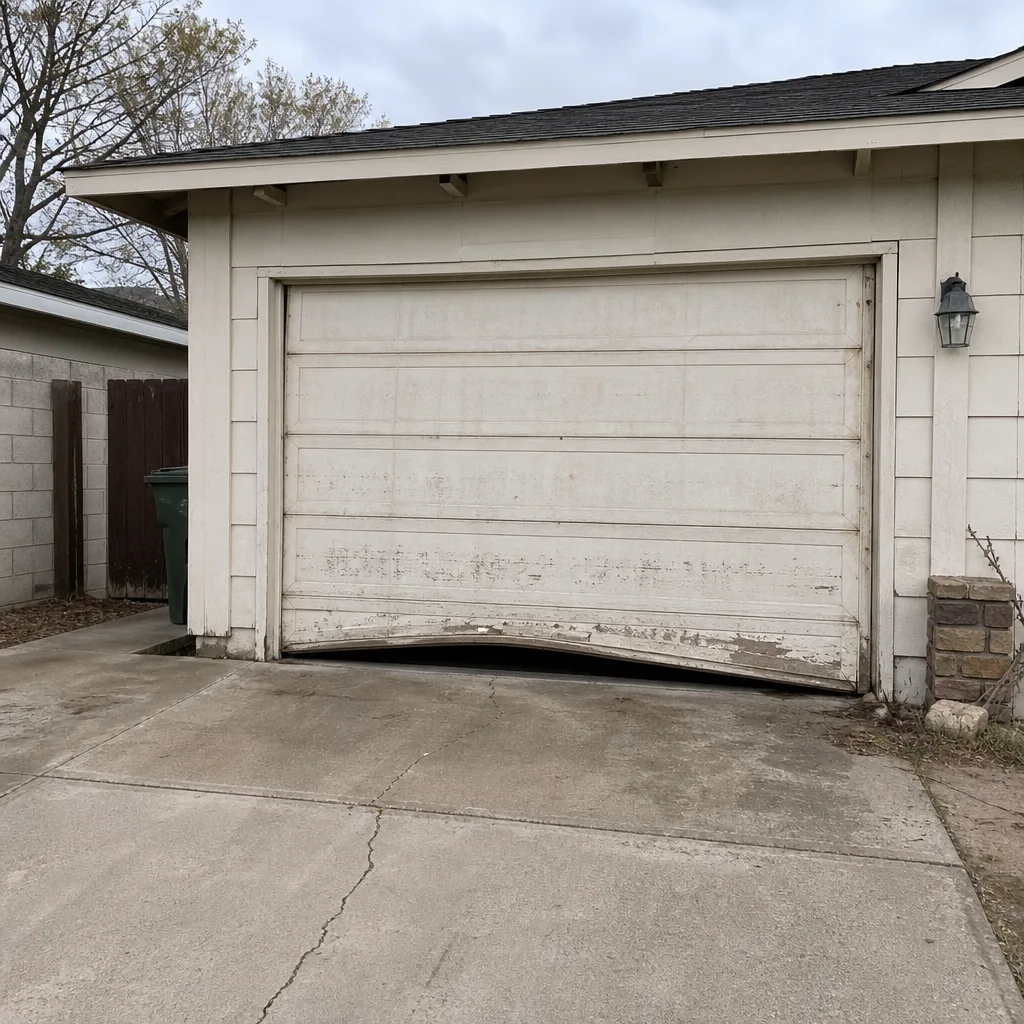 Before
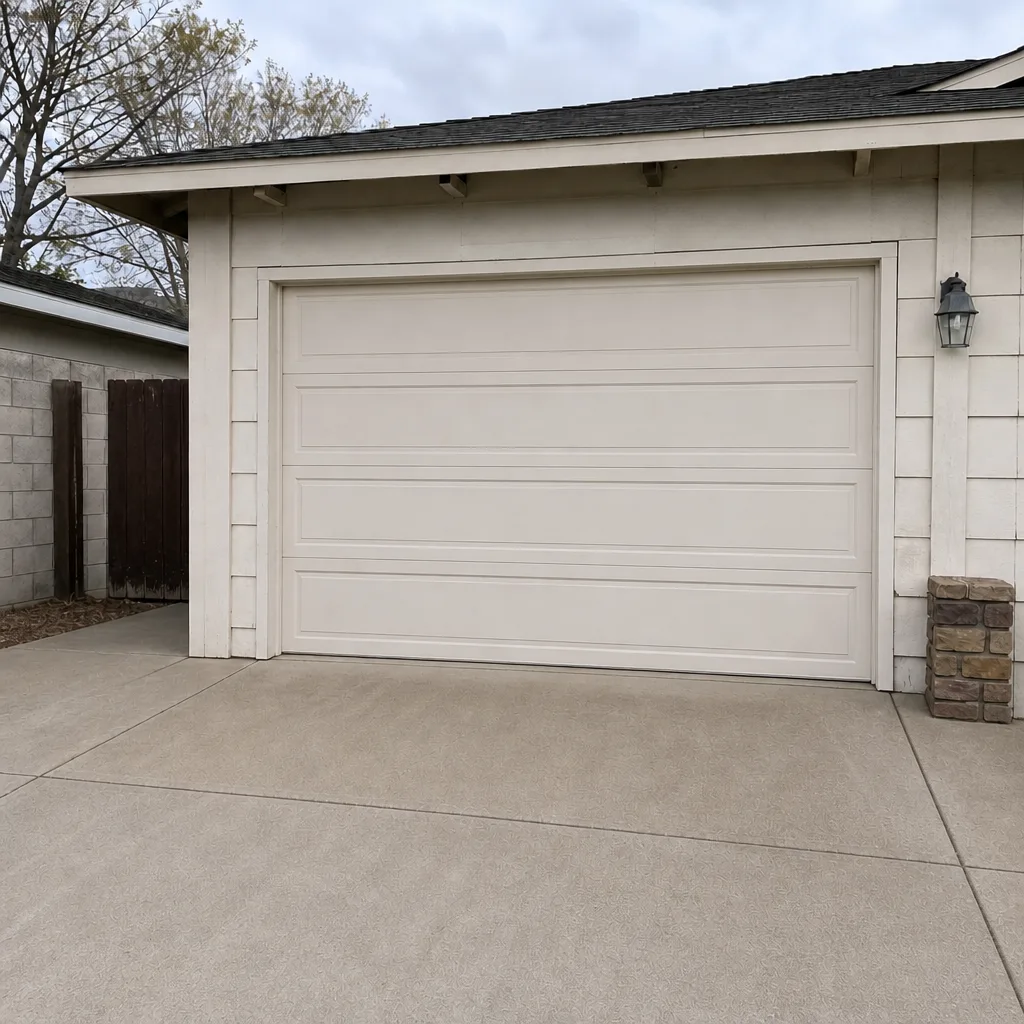 After
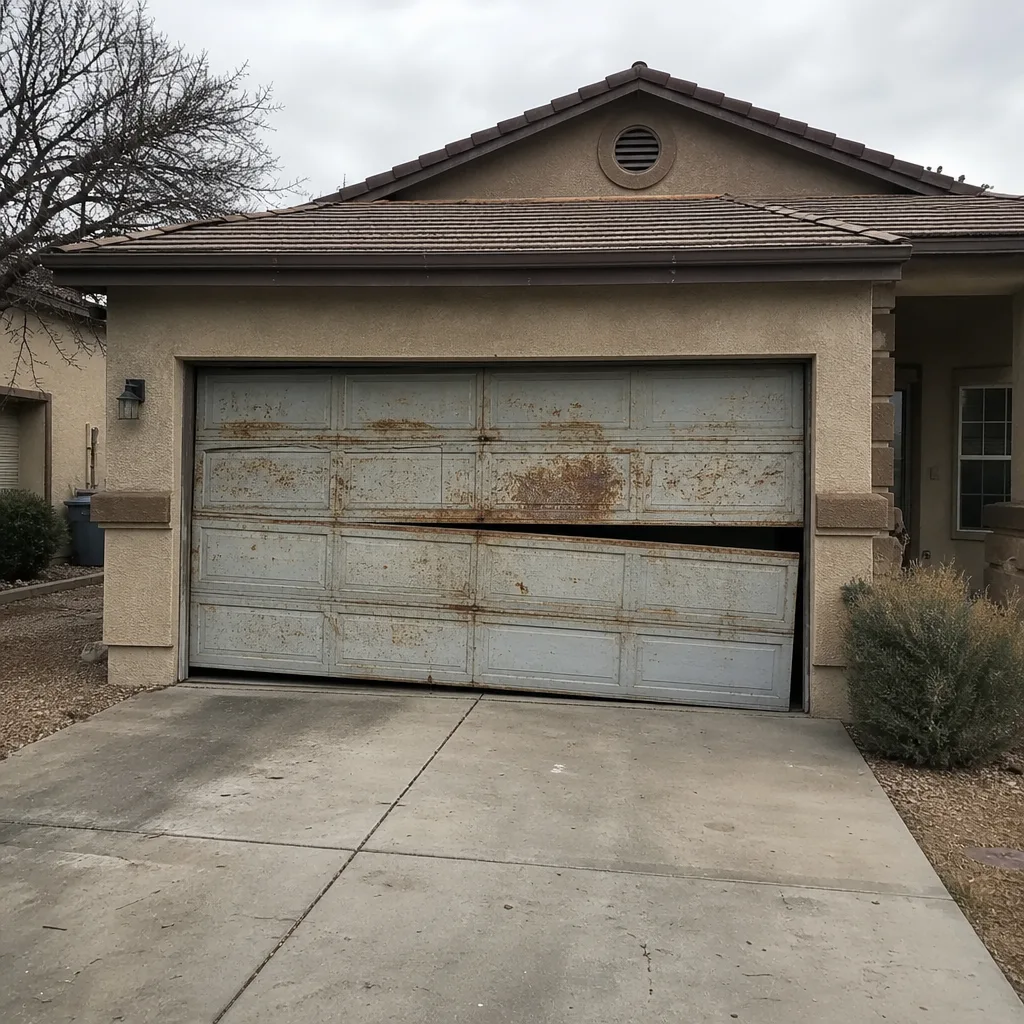 Before
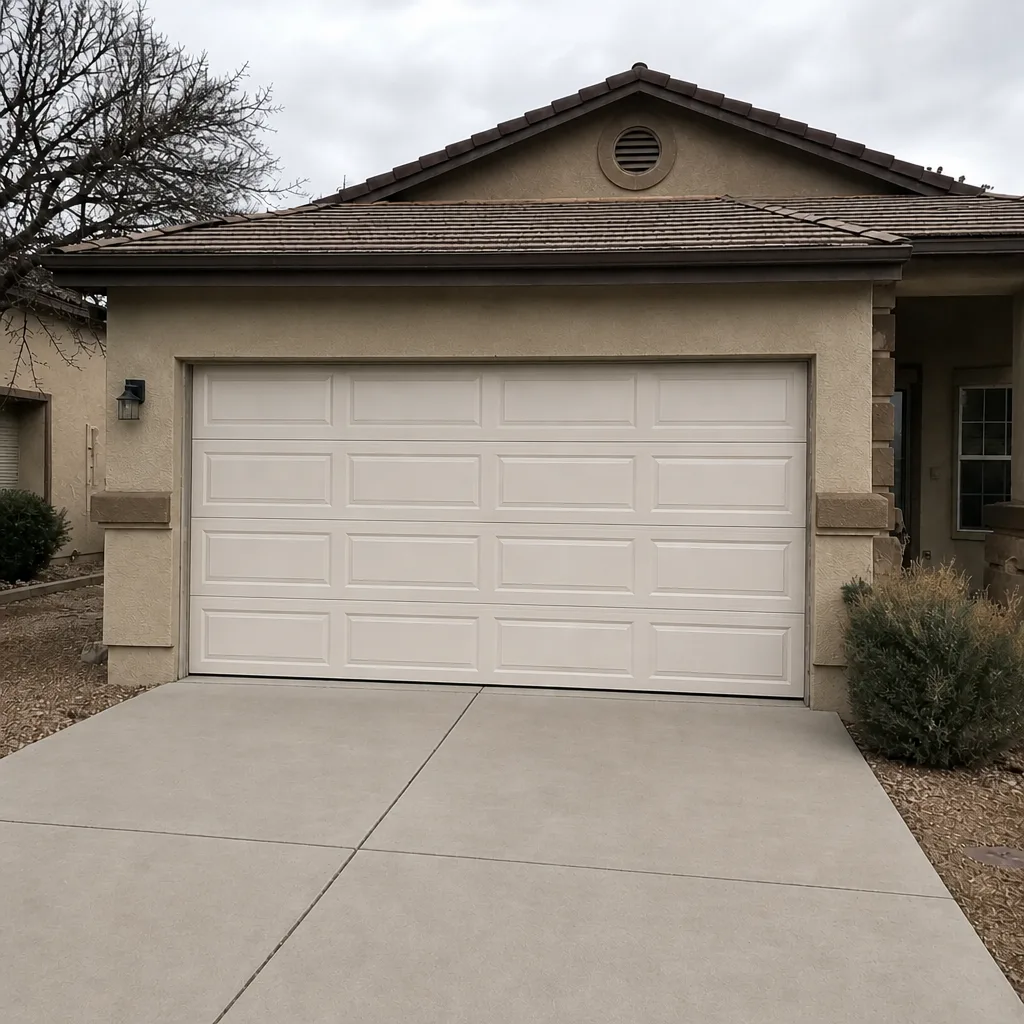 After
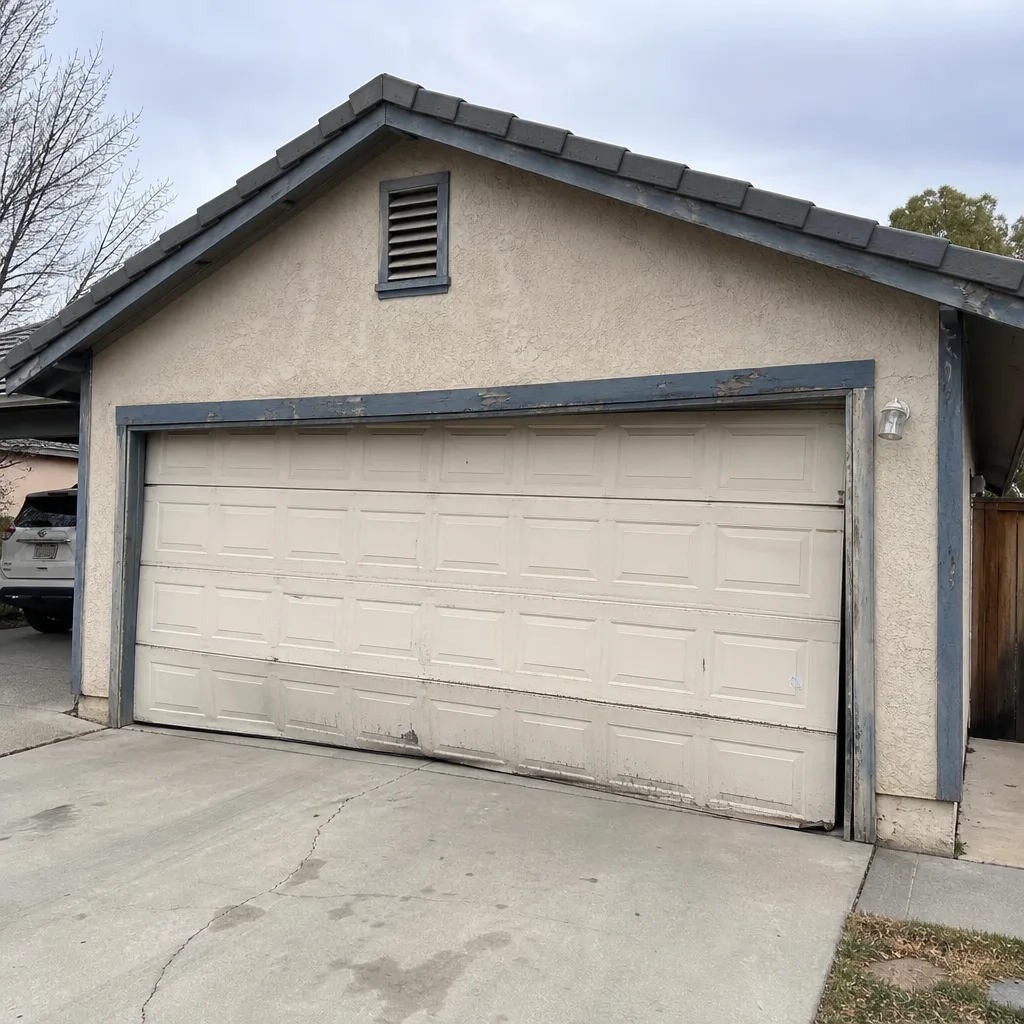 Before
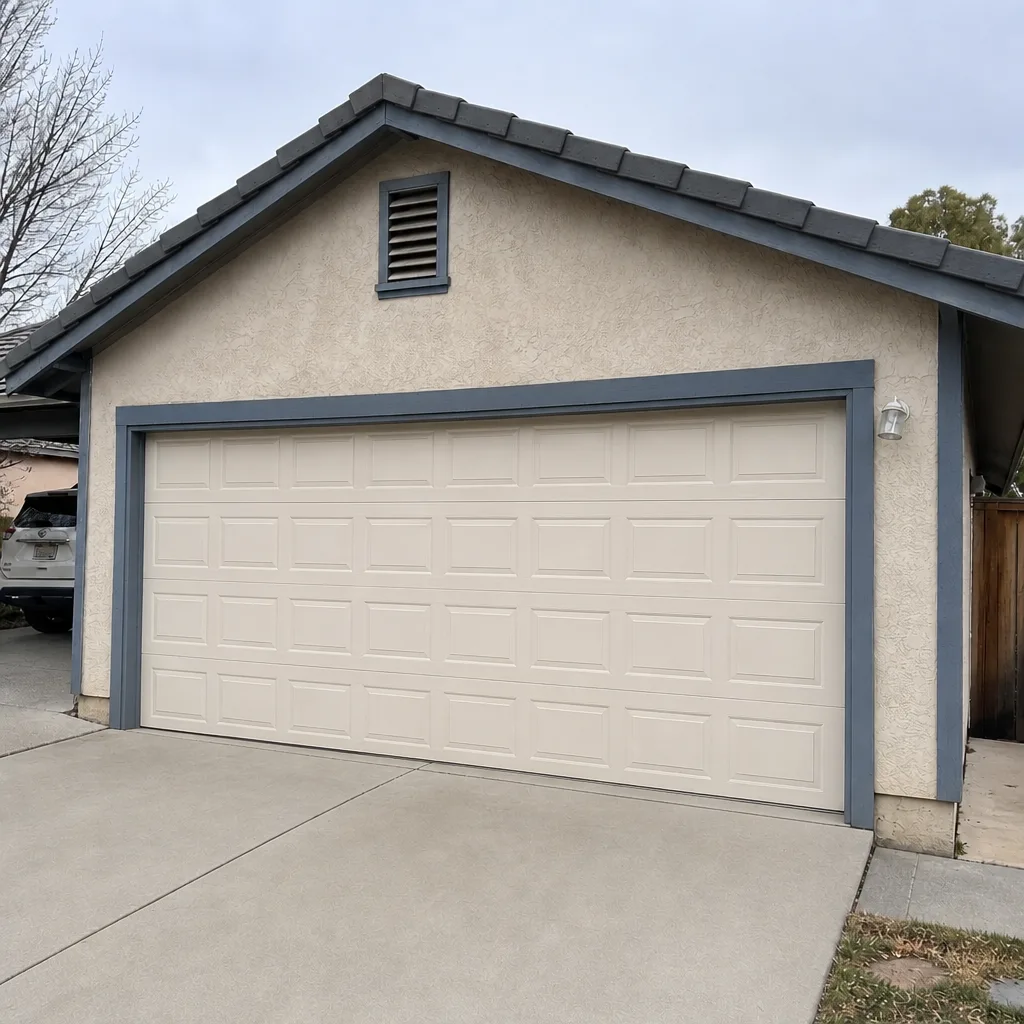 After
What You Should Be Doing During the Install
You hired someone to install a door. You did not hire a project manager. Here’s how to make the day flow.
- Clear the garage floor the night before. The crew needs to walk panels in and out of the opening and lay them down flat. If the floor is crowded with bikes and boxes, that’s twenty minutes of standing around while you move things.
- Move the car out of the driveway, not just out of the garage. The old door has to come down and the new one has to go up, and both need the driveway. A car in the way is a full stop.
- Be reachable for the first fifteen minutes. The first fifteen minutes are when decisions get made: this framing looks rough, do you want us to repair it; the opener has a crack in the housing, do you want to keep it or swap it. If you’re gone, work stops or waits.
- Then go live your life. Once the decisions are made, leave. We’ll call you if we find something that changes the plan, but the door is not going to be safer or better with you standing over it. Our crew is background-checked and trained across every major brand, and a senior tech will walk you through the finished door when you get back.
If you’re having the opener swapped along with the door, see our page on Garage Door Opener Repair & Installation in Enterprise for how that piece runs.
The Hidden Time Costs Homeowners Create Themselves
The most common reason a job runs long isn’t the door. It’s the day-of decision-making. Here’s what actually adds hours:
- Not being available to approve mid-job decisions. When the framing is bad or the old opener needs replacing, we need a yes or a no. A phone call that doesn’t get returned doesn’t stop the clock; it stops the job.
- A car parked in the driveway. This is the single most common slowdown. It turns a five-hour job into a six-hour job because the crew has to maneuver around it.
- Changing your mind about color or window style after ordering. Once the door is ordered, changes mean a new lead time and a new install date. In Enterprise, where doors do their hardest work in summer heat, the wrong choice is expensive to fix later, so we’d rather you nail it down up front.
- Leaving the garage packed with stuff. Old tires, stored lumber, and unpacked boxes in the corners mean slower panel handling and slower track work.
- Wanting to watch the whole install and ask questions. We get it, and the crew will answer anything. But every minute spent explaining a torsion spring is a minute the door isn’t going up.
Common Mistakes to Avoid
- Booking a two-hour quote without asking what’s included. A two-hour install is possible only if the old door is already gone, the framing is perfect, and no opener is involved. That’s not most jobs. Ask what a realistic day looks like and get it in writing.
- Not asking about haul-away. Some installers leave the old door leaning against your house, and the fine for dumping it in the desert is on you. Confirm haul-away is included before the truck arrives.
- Scheduling the install on a 115-degree Enterprise afternoon. Summer installs here are usually scheduled early for a reason: the heat slows the crew and strains the springs. Book the morning slot.
- Ordering a door without a measure. Off-the-shelf sizing is a gamble once the framing has shifted from our climate. A free measure and written price prevents the “door doesn’t fit” conversation.
- Assuming the opener will just work with the new door. An old opener paired with a heavier insulated door is a mismatch. If you’re going to a Wayne Dalton or Amarr insulated door, talk about the opener on the same call.
- Forgetting the annual check. New installations still need spring and roller checks every year. A door that isn’t maintained moves into the “replacement” column faster than it should.
- Hiring someone without a verifiable license and address. In our market, you want a shop with skin in the game and a face you’ll see at the hardware store, not a phone bank three states away. Verify the license before the truck rolls.
When to Call a Professional
Garage door installation is not a homeowner project. The torsion springs and cables are under lethal tension, and a door is 200 pounds riding on two springs. Respect it. Call a professional when:
- The old door is a manual-lift model and you want an opener added
- The framing around the opening shows cracks, rot, or movement
- You’re upgrading to an insulated or double-car door with heavier springs
- The existing opener is failing and you’re pairing it with a new door
- You want the door hung square and adjusted properly the first time
Otto’s Garage Door Enterprise offers free estimates in Enterprise, and our technicians have up to 22 years of experience. Call (833) 620-7107 for a free measure and a written price before any work starts.
Frequently Asked Questions
Plan on four to six hours for a single-car door and six to eight hours for a double-car door on install day, plus three to five weeks of lead time to order the door. If framing repair or an opener swap is involved, count on the longer end. Call (833) 620-7107 for an exact timeline on your particular door and opener.
No. A new door has to be measured, ordered, and scheduled, because the door itself takes days to weeks to arrive. What we can promise is a free measure and a written price, usually within a few days of your call. Call (833) 620-7107 to get on the schedule.
You need to be reachable for the first fifteen minutes to approve any mid-job decisions, then you can leave. Your house, your call, but a full installation runs four to eight hours, and standing over it isn’t going to make the door safer or faster. We’ll ring you if something comes up.
Our upfront pricing is quoted before the visit and never revised upward at the door. If we find damage that genuinely needs fixing, like a cracked header or a worn opener, we stop and give you a number before we touch it. No surprises on the invoice. Call (833) 620-7107 for a firm number.
Otto’s crews are trained across every major brand, including Genie, Clopay, Amarr, Wayne Dalton, LiftMaster, Chamberlain, Craftsman, and Raynor. If you want a specific brand or a specific window pattern, we’ll order it and give you a realistic lead time. Call (833) 620-7107 to talk through options.
Our 90-Day Done Right Promise is in writing on every invoice: if it’s not done right, we make it right, and one call brings Otto back. That’s the difference between a handshake guarantee and a customer-service queue, and it’s why our senior techs take the extra adjustment lap seriously. See more on our Garage Door Repair in Enterprise page, and call (833) 620-7107 with any concern.
The Bottom Line
A real garage door installation in Enterprise takes four to six hours for a single-car door and six to eight for a double, not the two-hour window most quotes advertise. The extra time is prep, framing checks, spring tensioning, haul-away, and the adjustment laps that make the door run right for years. Add three to five weeks of lead time to order the door, plan early for the heat, clear the driveway, and be reachable for the first fifteen minutes. Then let the crew do the work. A door is 200 pounds riding on two springs. Respect it, and hire someone whose name is on the license.
If you’re sorting out the rest of the garage, the Otto’s Garage Door Enterprise home page covers repair, opener service, and parts. For questions before you book, call (833) 620-7107 for a free estimate. We’re locally owned and owner-operated, and a live person answers the phone around the clock.
Written by the team at Otto’s Garage Door Enterprise.