
Last updated November 17, 2026
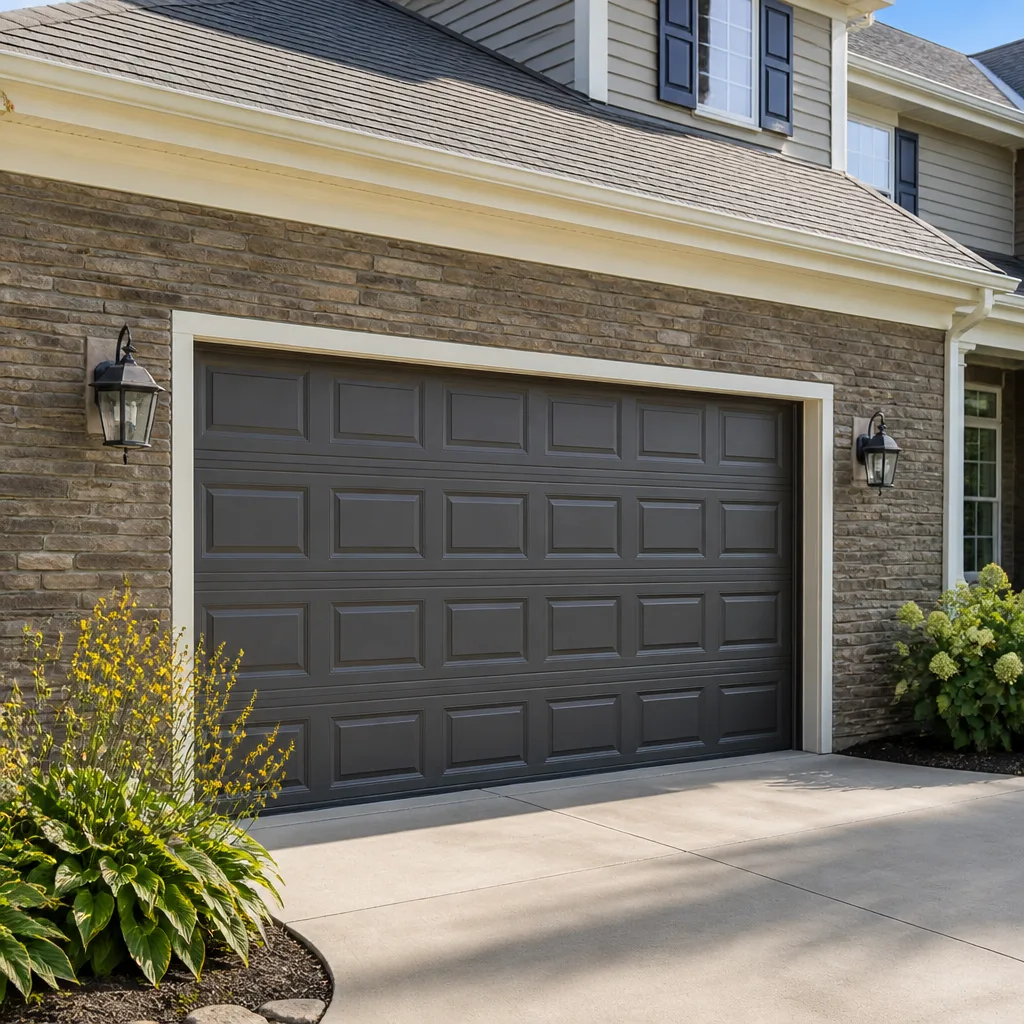 Raised-panel steel
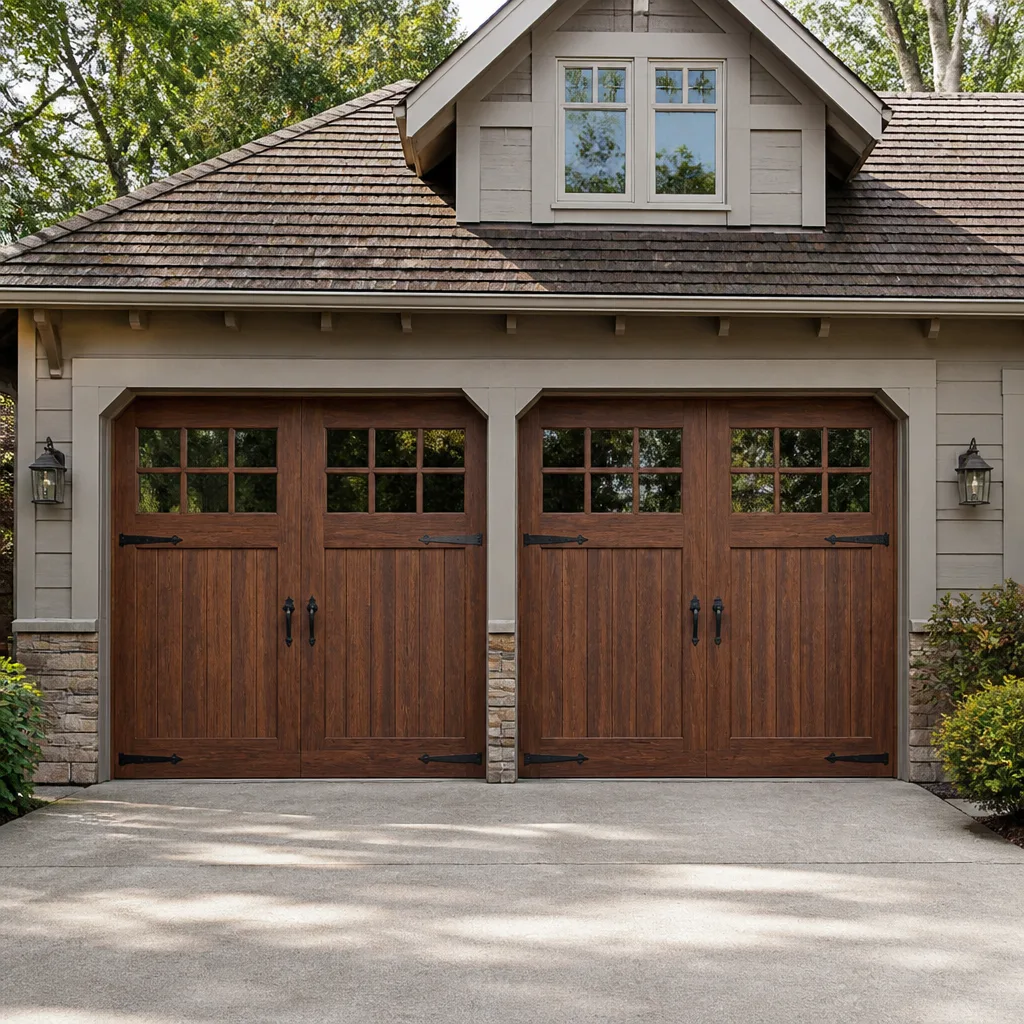 Carriage house
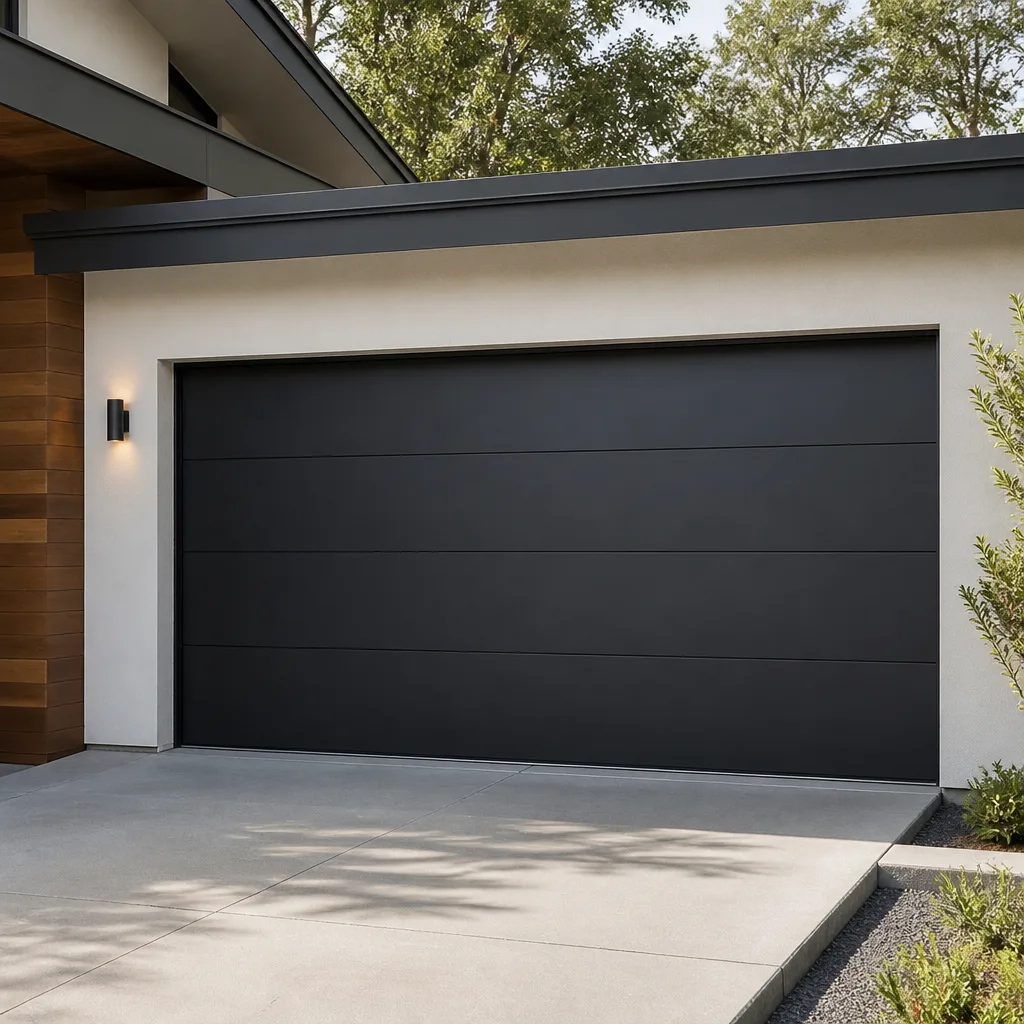 Modern flush
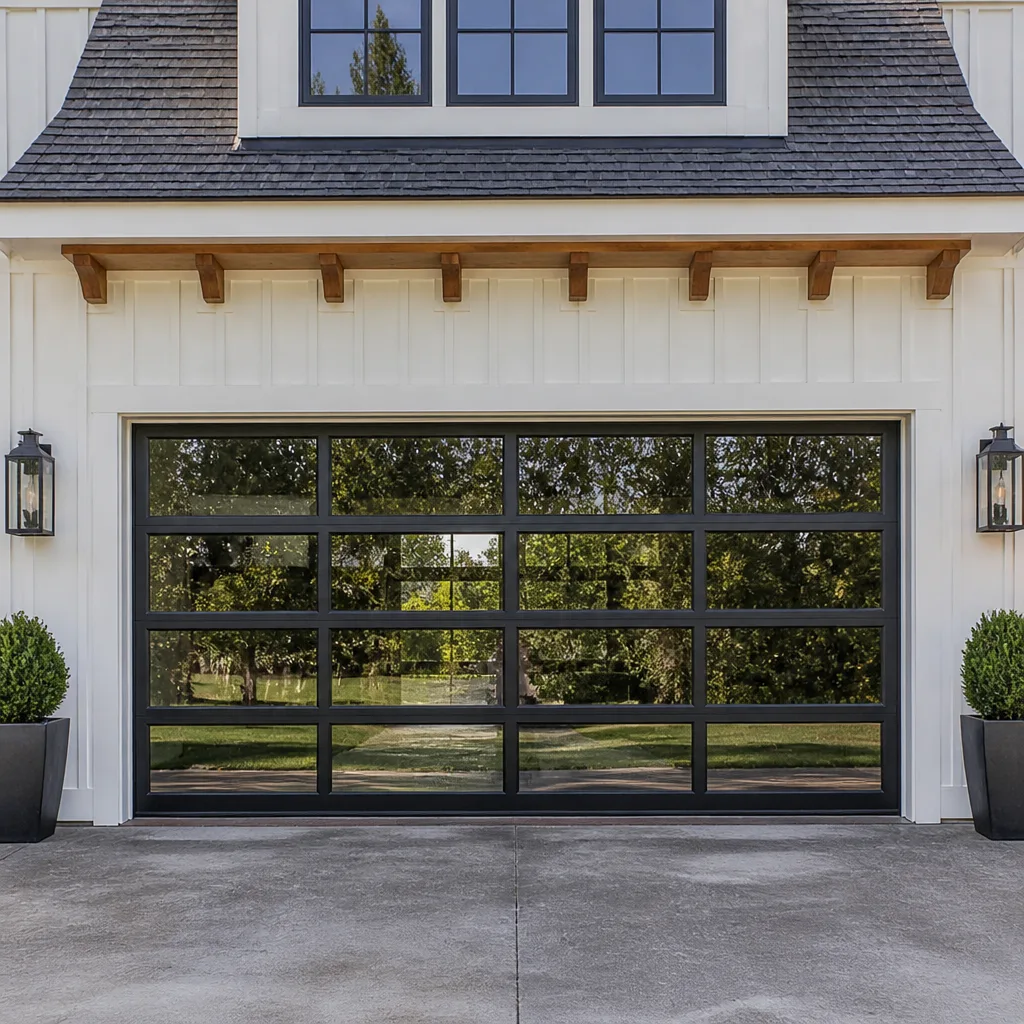 Full-view glass
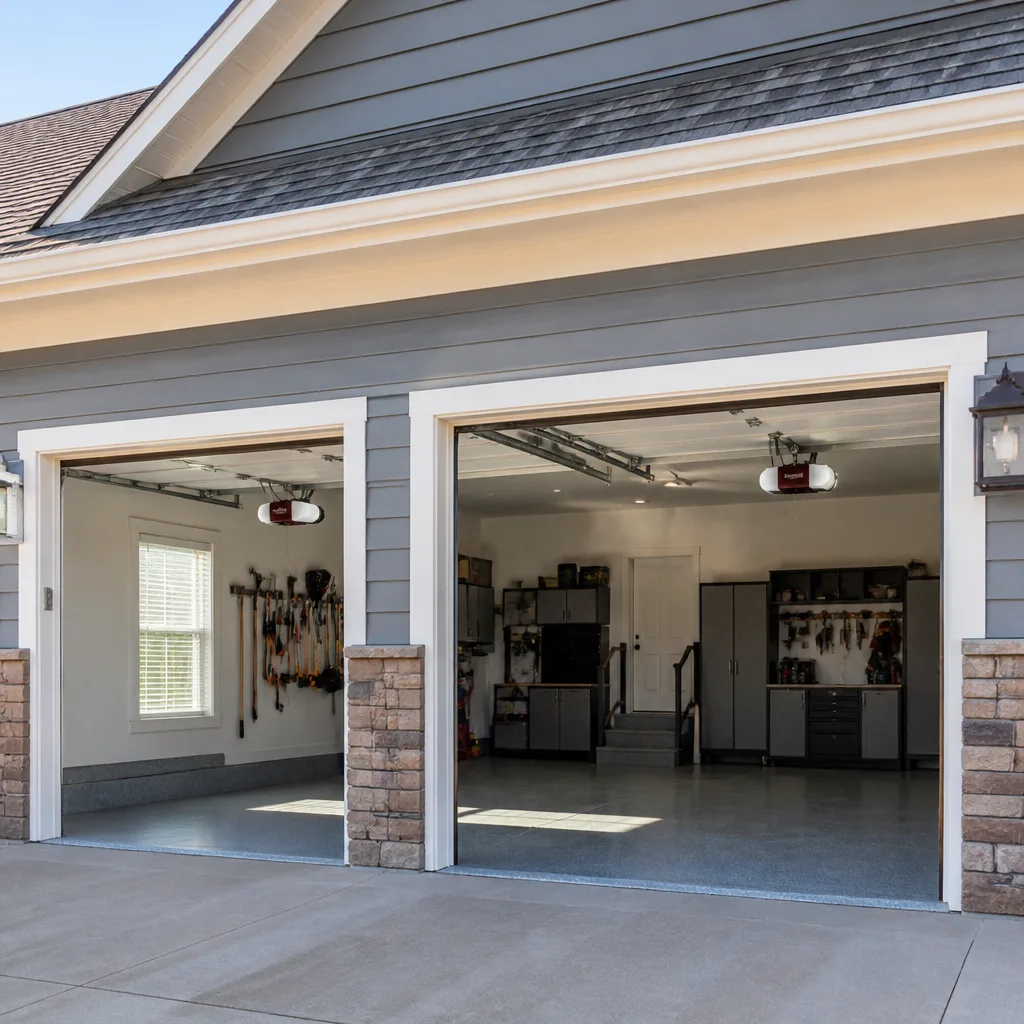 LiftMaster openers
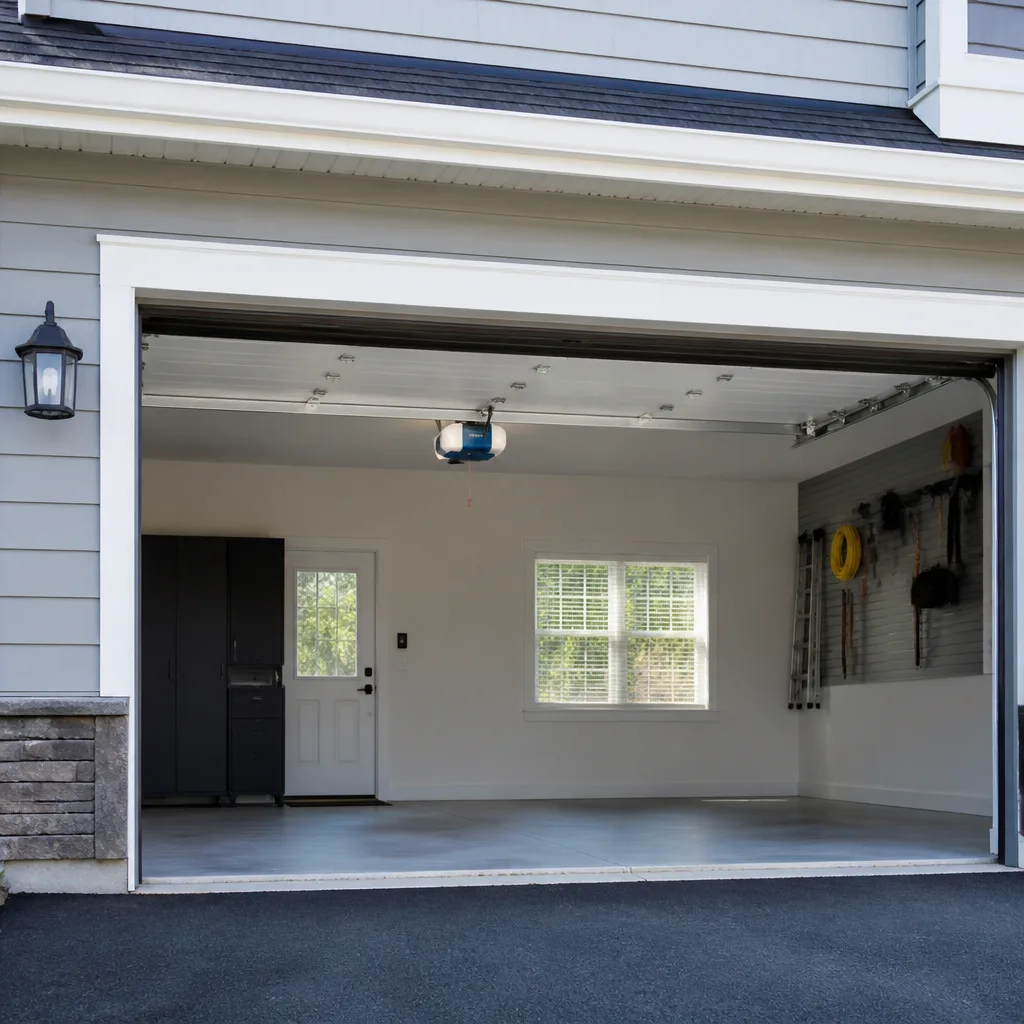 Chamberlain openers
Full 25-point door and opener safety check with every visit - springs, cables, rollers, tracks, and your LiftMaster or Chamberlain opener included
You get a price before we start. It does not change when the pro arrives.
Get your free estimateGarage Door Repair Warning Signs Every Homeowner Should Know
The number-one thing we hear on emergency calls is “it was a little slow for a few weeks but I figured it was fine.” A slow door is a door telling you something. It is not a quirk. In our experience across Enterprise, garage doors almost never fail without warning. They give you three to six months of small signals first, and those signals are easy to dismiss because the door still technically works. This guide names every warning sign we’ve seen precede a failure, ranked by urgency, so you catch the small problem before it becomes the expensive one.
Quick Answer
The most common garage door repair warning signs are a door that moves slower than it used to, an uneven gap at the bottom where one side sits higher than the other, grinding or popping noises during travel, and an opener that reverses unexpectedly or stops short of closing. Any one of these usually means a spring, cable, roller, or safety sensor is wearing out – and catching it early turns a $200 repair into a $600 emergency.
Styles & brands we work with
- Raised-panel steel
- Carriage house
- Modern flush
- Full-view glass
- LiftMaster openers
- Chamberlain openers
Table of Contents
- The “Slow on the Way Up” Signal
- The Uneven Bottom Gap
- Noise as an Early Warning System
- Opener Behavior Tells
- The 30-Second Monthly Visual Check
- Spring and Cable Warning Signs
- Desert Climate and Your Door
- Common Mistakes to Avoid
The “Slow on the Way Up” Signal
A door that has gotten sluggish is the most-reported early warning sign, and it points to three different causes depending on how it behaves. We rank them by urgency because they don’t all cost the same to fix.
- Worn rollers and hinges (low urgency). Plastic rollers flat-spot and bearings dry out. The door still opens but drags. This is a cheap fix and usually the first thing we check on a door doing 200 pounds of work slowly.
- A spring losing tension (medium urgency). Torsion springs lose tension gradually before they snap. A door that gets a little slower each week is a door with a spring near the end of its cycle count. We count spring cycles the way you count tire miles, and we’ll tell you what’s left on yours.
- A failing opener motor or stripped gear (medium-high urgency). If the door is slow and the opener sounds strained or laboring, the problem is almost never the opener alone. A struggling motor is often a symptom of a door that got harder to lift, and forcing it just wears the opener out too.
Here’s the rule of thumb: if the slowdown came on gradually over weeks, it’s likely rollers or spring tension. If it came on suddenly in a day or two, stop using the door and get it looked at. In Enterprise, we see the sudden version more often in summer when a tired spring lets go on a 105-degree afternoon.
The Uneven Bottom Gap
Stand in your garage, look at the gap under the door, and check whether one side sits higher than the other. A door that’s two inches off level on one side almost always means a cable has jumped a drum or a spring is unbalanced – and this is the one warning sign we tell people never to ignore.
When a door is unbalanced, the cables and springs carry uneven load. That load doesn’t stay put. It gets worse every cycle, and when it finally releases, that’s the call where the door is jammed crooked in the track at nine at night and the car is sealed inside. A level gap is normal settling. A lopsided gap is a mechanical problem building toward a failure.
Safety note: do not try to adjust the cables or springs yourself to fix an uneven door. The cables are under extreme tension and the springs hold the full weight of the door. This is the single most dangerous part of the system. A trained technician has the tools to release that tension safely – we won’t walk a homeowner through it over the phone, and neither should anyone else.
What you can do is look. A gap that’s even all the way across is fine. A gap that’s shaped like a wedge, or that’s changed since last month, needs a professional look. That’s a quick call and often a quick fix when it’s caught early.
Noise as an Early Warning System
Your door makes noise every time it moves, and the type of noise tells you what’s happening before it breaks. We listen to a door the way a mechanic listens to an engine – the sound is the diagnosis.
- A light creak or squeak is usually dry hinges or rollers. Harmless, and a little lubrication quiets it. This is the noise to address at your leisure.
- A grind or scraping sound means metal-on-metal contact, and it’s almost always a roller that has failed and is grinding against the track. Left alone, it eats the track itself. Track replacement costs far more than a roller swap, so catch the grind early.
- A popping or snapping sound during travel can mean a cable is slipping off its drum. Stop using the door and call. This one often comes right before a jam or a spring failure.
- A loud bang from the garage – like a firecracker or a shot – is almost always a torsion spring breaking. That’s not a warning sign; it’s the failure. Call us and don’t touch the door.
If your Genie or LiftMaster opener is straining and the door grinds in the same places every cycle, that’s a roller or track issue, not an opener issue. The opener gets blamed for a lot of problems it didn’t cause.
Opener Behavior Tells
The opener is your door’s brain, and when it misbehaves it’s usually showing you a sensor or limit-switch problem before it strands you. Watch for these behaviors.
- The door reverses unexpectedly on the way down. Nine times out of ten this is a safety sensor that’s misaligned, dirty, or has a sun reflection hitting it. The opener thinks something is in the way. It’s a cheap fix, but don’t ignore it – a door that reverses unpredictably is a door that might not close when you need it to.
- The door won’t close all the way, then goes back up. That’s typically a limit switch or travel setting out of adjustment. The opener has lost track of where “down” is.
- The opener runs but the door doesn’t move. A stripped gear or a broken torsion spring. If the motor hums and nothing happens, stop running it – you’re burning out the motor on a door it can’t lift.
- The wall button works but the remote doesn’t (or vice versa). Usually a remote battery or a logic board issue, and it’s the least urgent of the bunch.
If the opener is straining, the problem is almost never the opener. It’s worth having a technician check the door’s balance first. Our Garage Door Opener Repair & Installation in Enterprise service covers diagnostics on Chamberlain and Genie units, and we’ll tell you honestly whether the opener is the problem or just the messenger.
The 30-Second Monthly Visual Check
You don’t need to think hard about your door. You need a routine. Here’s the 30-second check we recommend doing from your car before you pull out – it catches most warning signs without any tools.
- Look at the gap under the door. Even all the way across? Good. Wedge-shaped or lopsided? Note it.
- Listen on the way up. A smooth hum is fine. A grind, a pop, or a bang means it’s time.
- Watch the door travel. It should move at an even pace, top to bottom, with no jerking or stalling.
- Look at the springs above the door. A visible gap in a torsion spring coil, or a rust-colored dust line, means that spring has failed or is close.
- Check the safety sensors at the bottom of the tracks. Look for a solid light on each one. A blinking light is a misalignment.
That’s it. Thirty seconds, once a month, and you’ll catch the slow-rollers and the crooked gaps before they turn into a tow bill or an emergency call. On a Clopay or Amarr steel door, this check is really the whole game.
Spring and Cable Warning Signs
Springs and cables do the heavy lifting, and they’re the parts that fail most dramatically. Here’s what to watch for so you don’t get surprised.
- A visible gap in a torsion spring. That’s a broken spring. The door may still lift an inch or two, but the opener is now fighting 200 pounds. Stop and call.
- Rust-colored dust or a black dust line on the spring. Springs are under tension, and a dust trail often means the metal is fatiguing. It’s an early warning you can see before it breaks.
- A fraying or kinked cable. Cables run along the sides of the door. A cable with a frayed strand or a kink is one cycle from slipping.
- A door that lifts a few inches and stops. Usually a broken spring or a cable that’s off its drum. Don’t keep pressing the button.
Safety note: springs and cables are under extreme tension and store enormous energy even when the door is down. Do not try to replace a spring or rehook a cable yourself. This is not a job for a homeowner with a YouTube video. A trained technician releases that tension with the right tools, and that’s exactly why the license and insurance matter. Our Garage Door Repair in Enterprise team handles spring and cable work every week.
Desert Climate and Your Door
Enterprise sits in the high desert, and that changes how your door wears. The dry heat is hard on these systems in ways folks from wetter climates don’t see.
Summer temperatures push 100 degrees for months, and heat cycles fatigue springs faster than a mild climate. Our dusty spring winds and dry air also dry out rubber seals and strip lubrication from rollers and hinges, so the creaks and grinds show up sooner here. If your door is on a sunny south-facing wall, the metal expands and contracts more through the day, which can loosen fasteners and throw tracks slightly out of alignment over a season. That’s why an Enterprise door that’s been trouble-free for years can start showing warning signs after one hot summer – it’s not your imagination, it’s the climate. A monthly check matters a little more here than it would in a mild place.
Common Mistakes to Avoid
- Ignoring a slow door because it still works. The slowdown is the door telling you a spring or roller is wearing out. Waiting turns a small repair into an emergency.
- Greasing a grind instead of diagnosing it. Lubrication quiets a creak. It does nothing for metal-on-metal contact on your track – that’s a failed roller that needs replacing.
- Assuming the opener is the problem. If the opener is straining, the door is almost always the cause. Replacing the opener won’t fix a door that’s hard to lift.
- Pressing the button on a crooked door. A lopsided, uneven door is a cable or spring problem. Every cycle makes it worse, and it can come down crooked and jam your car in.
- DIY cable or spring work. The most dangerous parts of the system are under the most tension. An evening project here can put you in the ER. Call a pro.
- Skipping the monthly check because the door “seems fine.” The whole point of the check is to see the small stuff while it’s still small. Thirty seconds once a month is the cheapest insurance you have.
- Hiring the first outfit that answers. In Enterprise, that’s how homeowners end up with a quote at the door that’s double the phone price. Ask for a published address and a license number you can check – before the truck arrives.
See the difference
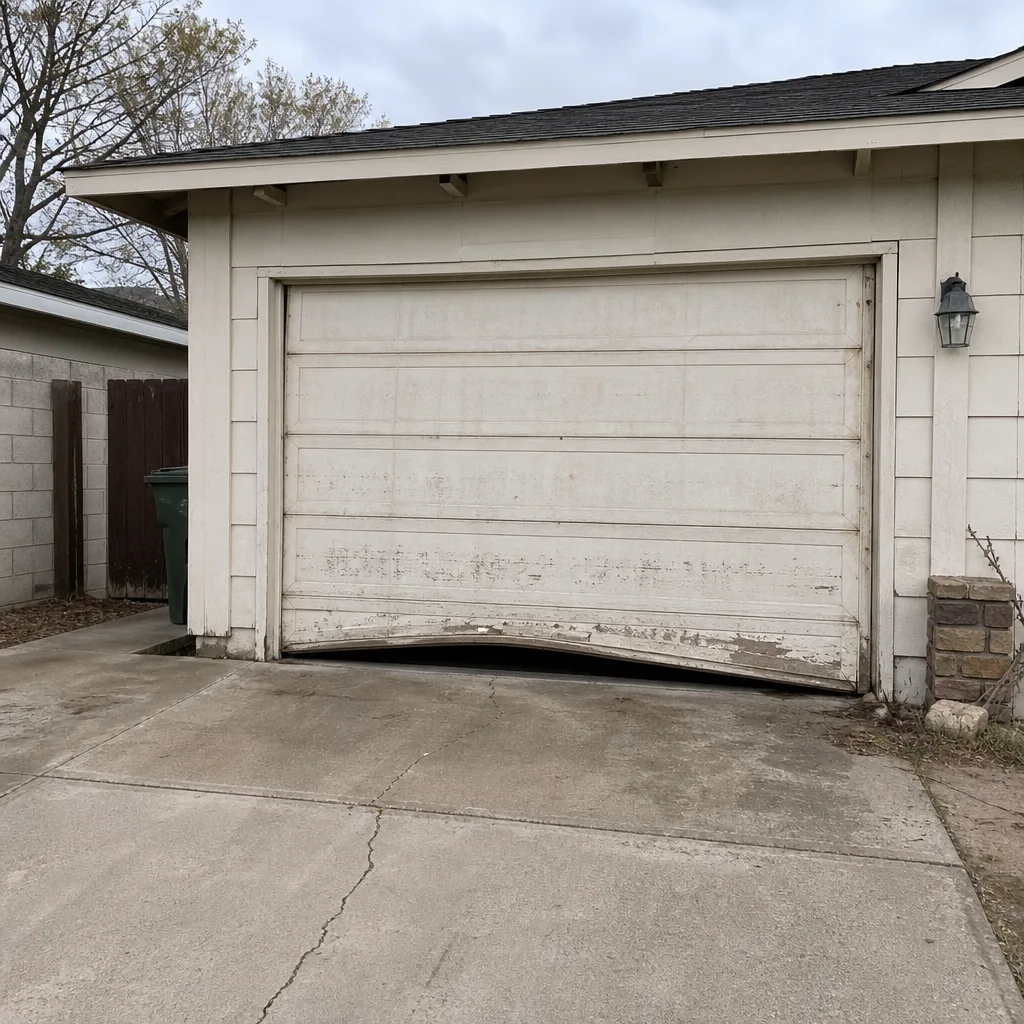 Before
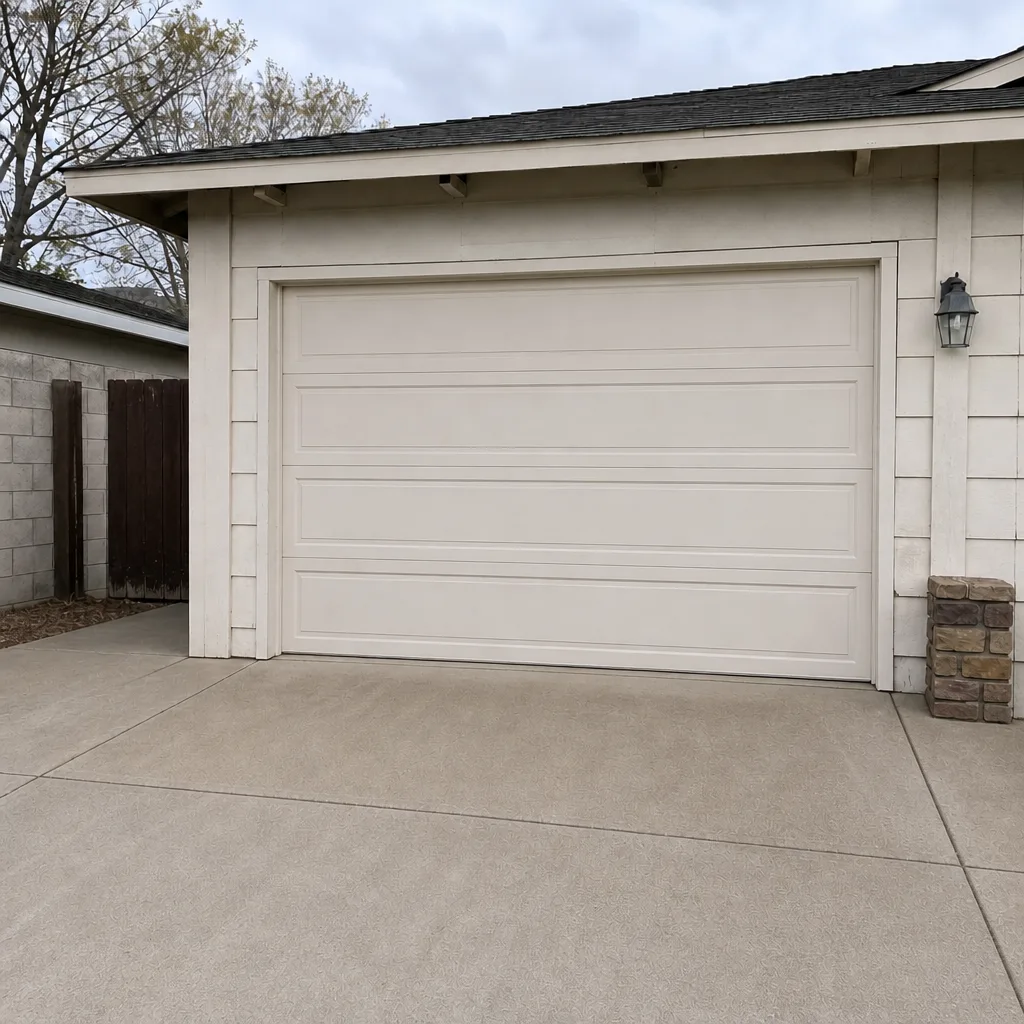 After
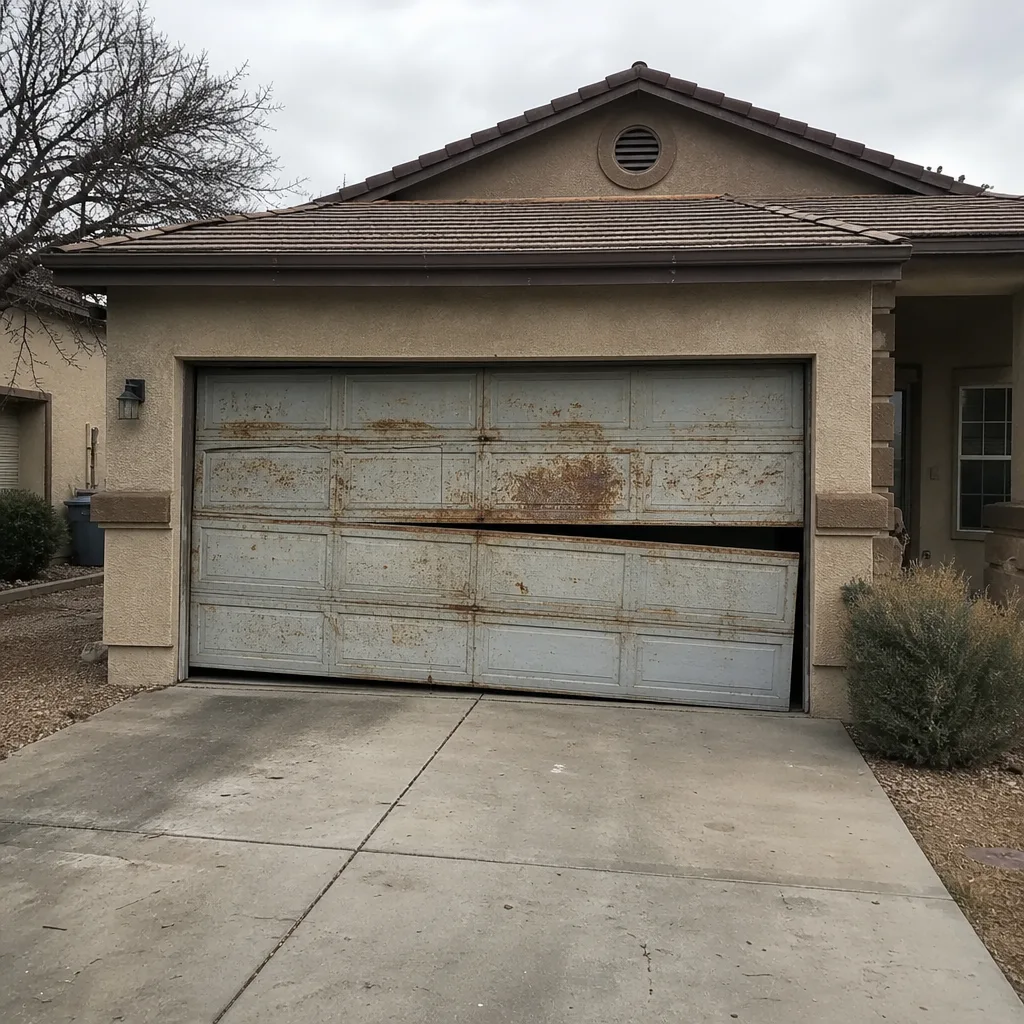 Before
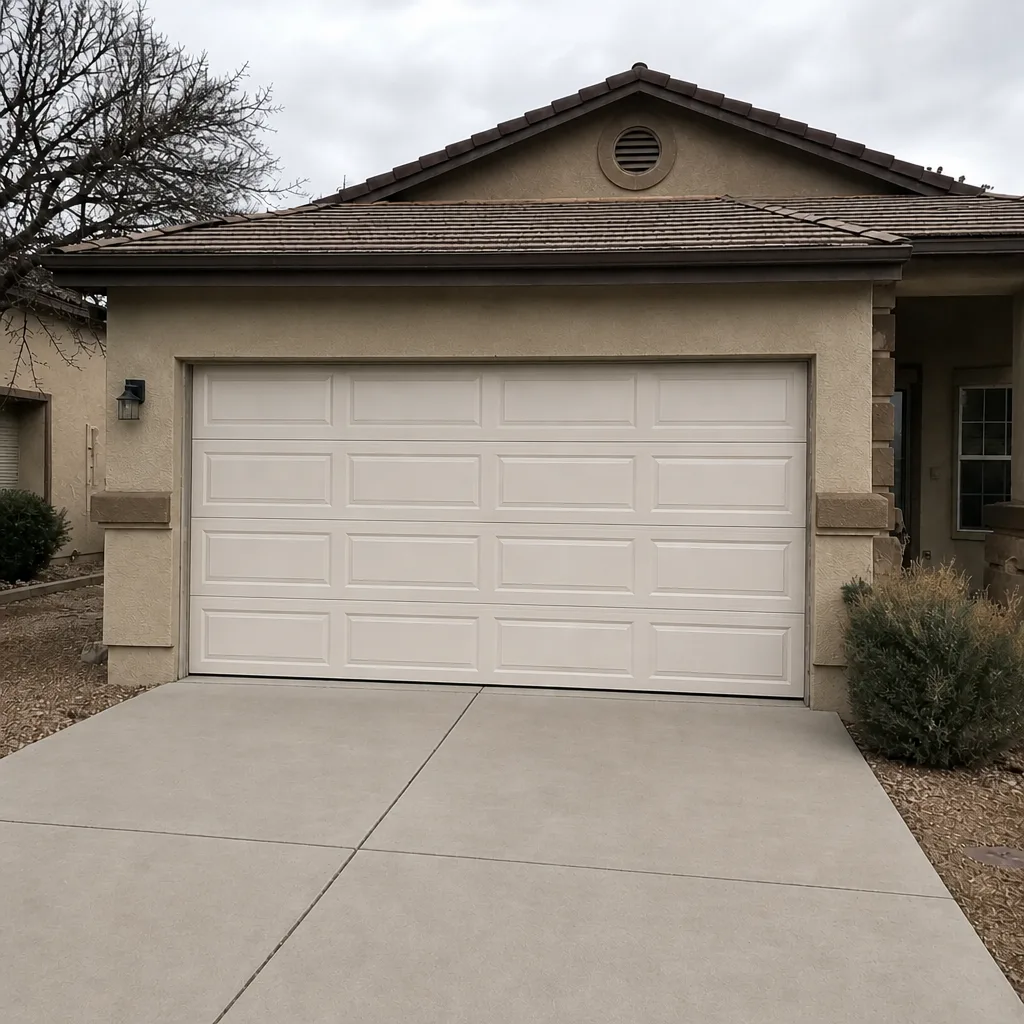 After
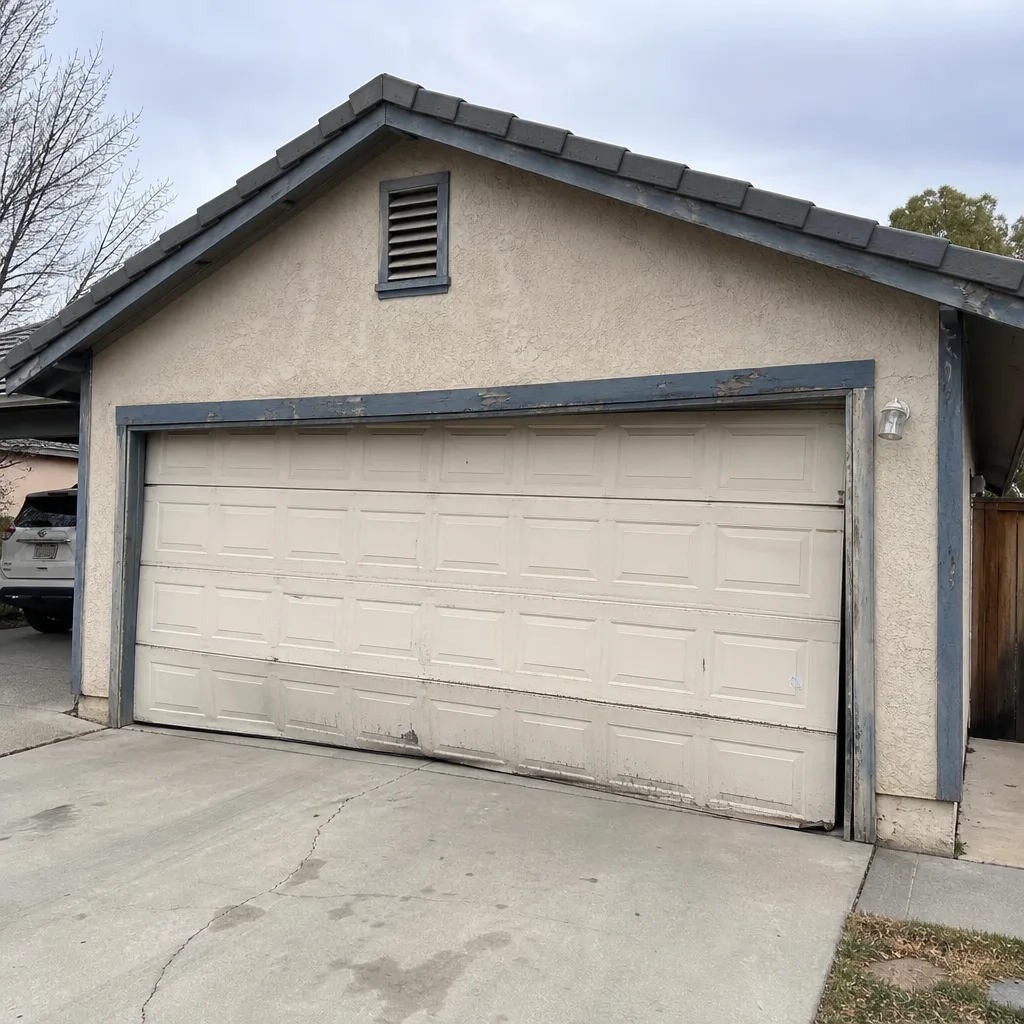 Before
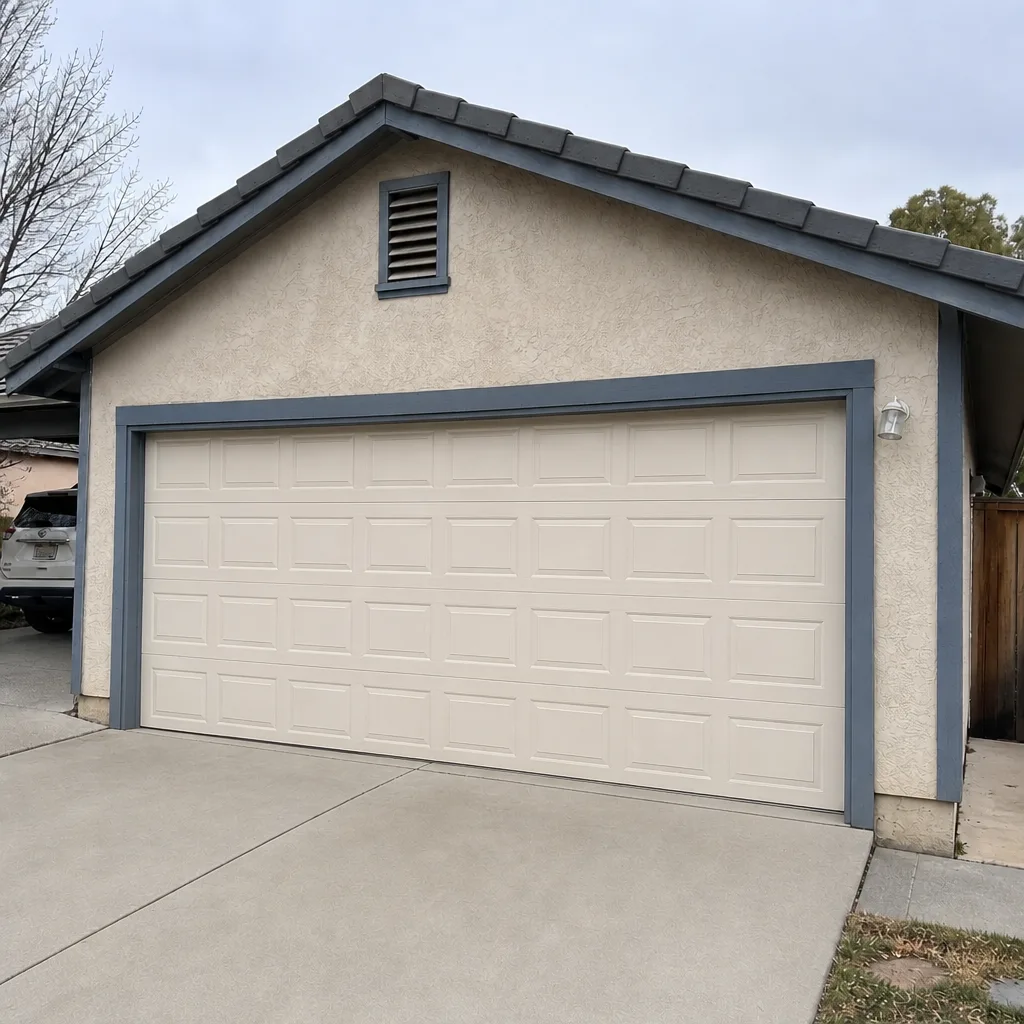 After
When to Call a Professional
Call a professional the moment you see a broken spring, a frayed cable, an uneven gap under the door, or a door that won’t move at all. Those aren’t warning signs anymore – they’re failures waiting to finish. A grinding noise that doesn’t quit after a roller check, an opener that reverses unpredictably, or a door that’s slowed down over the last month all deserve a look too. For any of it, a trained tech can diagnose the problem in one visit and quote the fix before the work starts. Otto’s Garage Door Enterprise offers free estimates in Enterprise – call (833) 620-7107. We’ll tell you honestly what’s wrong and what it takes to fix it.
Frequently Asked Questions
The most common warning signs are a door that moves slower than usual, an uneven gap at the bottom where one side is higher, grinding or popping sounds during travel, an opener that reverses or stops short, and a visible gap in a spring. Catching any one of these early usually keeps the repair small and cheap.
No. An uneven door means unbalanced springs or a cable off its drum, and those carry the full weight of the door under extreme tension. That’s the most dangerous part of the whole system. A trained technician has the tools to release that safely. Call us and we’ll get it level again, usually in one visit.
A slow door is a real mechanical problem, not just age. It usually points to worn rollers, a spring losing tension, or a struggling opener. In our experience, a door that’s clearly slowed over the last few weeks is a door with a spring near the end of its life. We’ll measure what’s left on it and tell you.
A grinding sound almost always means metal-on-metal contact, usually a failed roller scraping its track. Left alone, it wears the track itself, which is a much bigger repair. A creak is harmless and a little lubrication fixes it. A grind means catch it now. Call (833) 620-7107 for a free estimate.
Once a month, thirty seconds, from your car before you pull out. Look at the gap under the door, listen on the way up, and watch the springs. That’s enough to catch most signs while they’re still small – which is the whole point of a warning sign.
Yes. We’re locally owned and owner-operated, and we’ve served Enterprise and the surrounding communities for over 29 years, with a published address and license number homeowners can verify. Otto answers the phone himself, quotes the job, and holds that number when he gets there. Call (833) 620-7107 for a free estimate.
The Bottom Line
Garage doors fail slowly, and the warning signs are there for months before the day the door stops. A slow lift, an uneven bottom gap, a grind that won’t quit, an opener that reverses on its own – each one is your door asking for help while the fix is still small. Do the 30-second check every month, respect the springs and cables, and call when something changes. Catching the warning sign early is the whole game, and it’s the cheapest habit in home maintenance. If you’re not sure what you’re seeing, we’ll take a look and tell you straight.
If your door is showing any of these signs – or you just want a second opinion before the problem gets worse – reach out to Otto’s Garage Door Enterprise. We answer the phone around the clock, quote the job on that call, and hold the price when we get there. Call (833) 620-7107 for a free estimate and no trip charge inside our county.
Written by the team at Otto’s Garage Door Enterprise.