
Last updated November 17, 2026
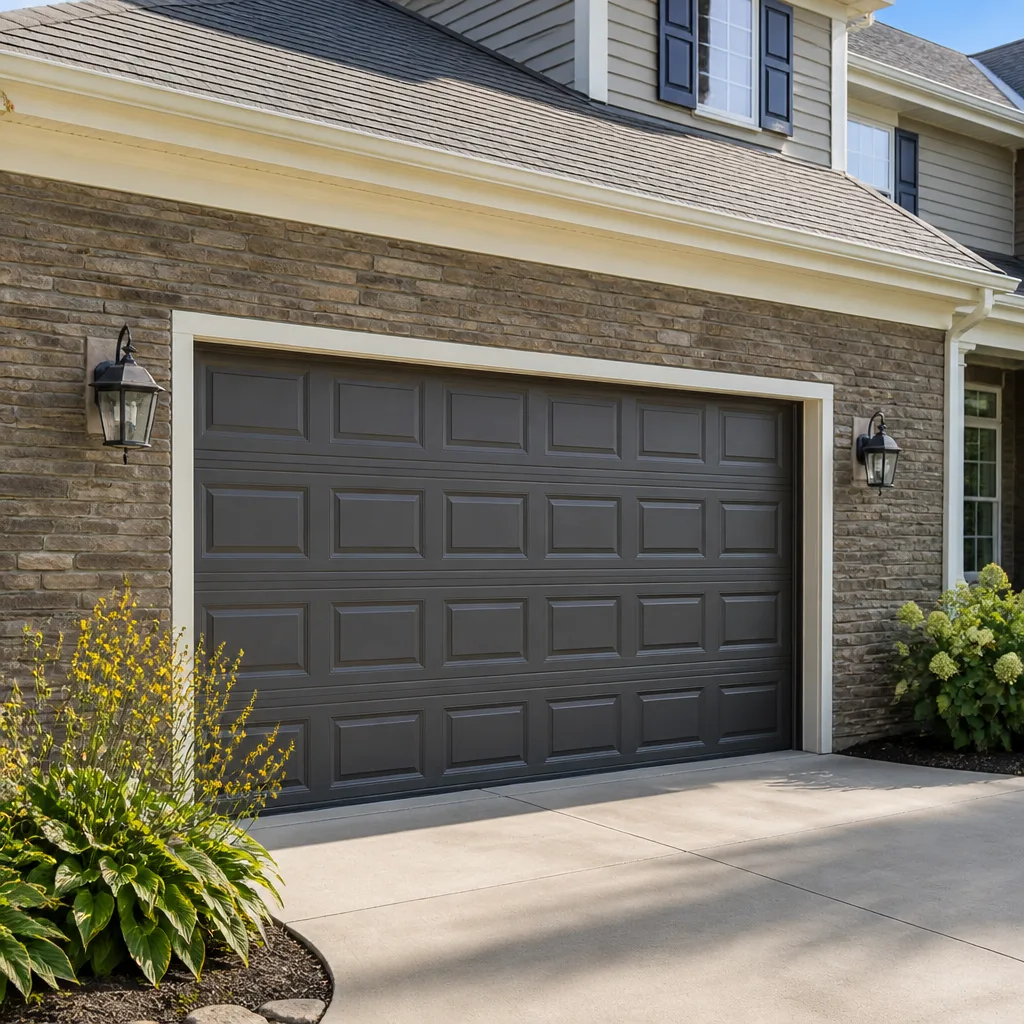 Raised-panel steel
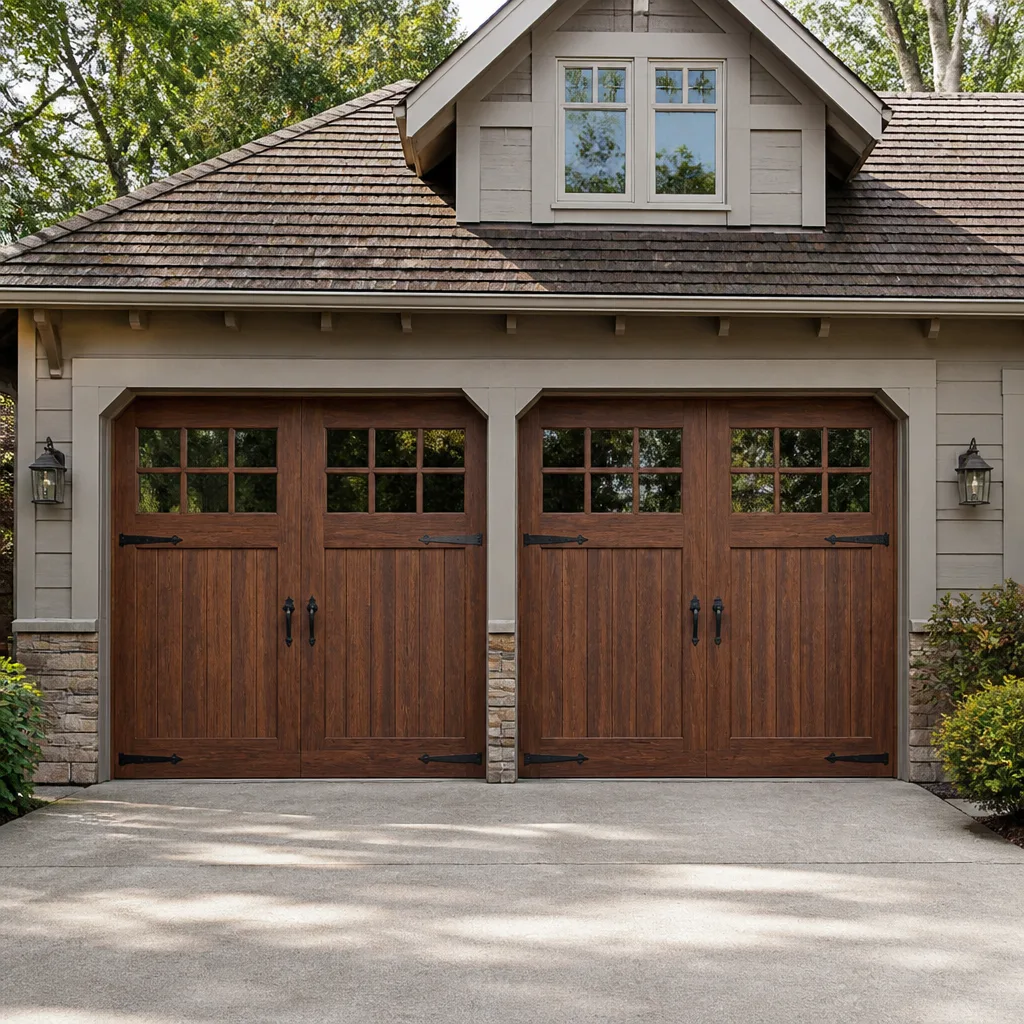 Carriage house
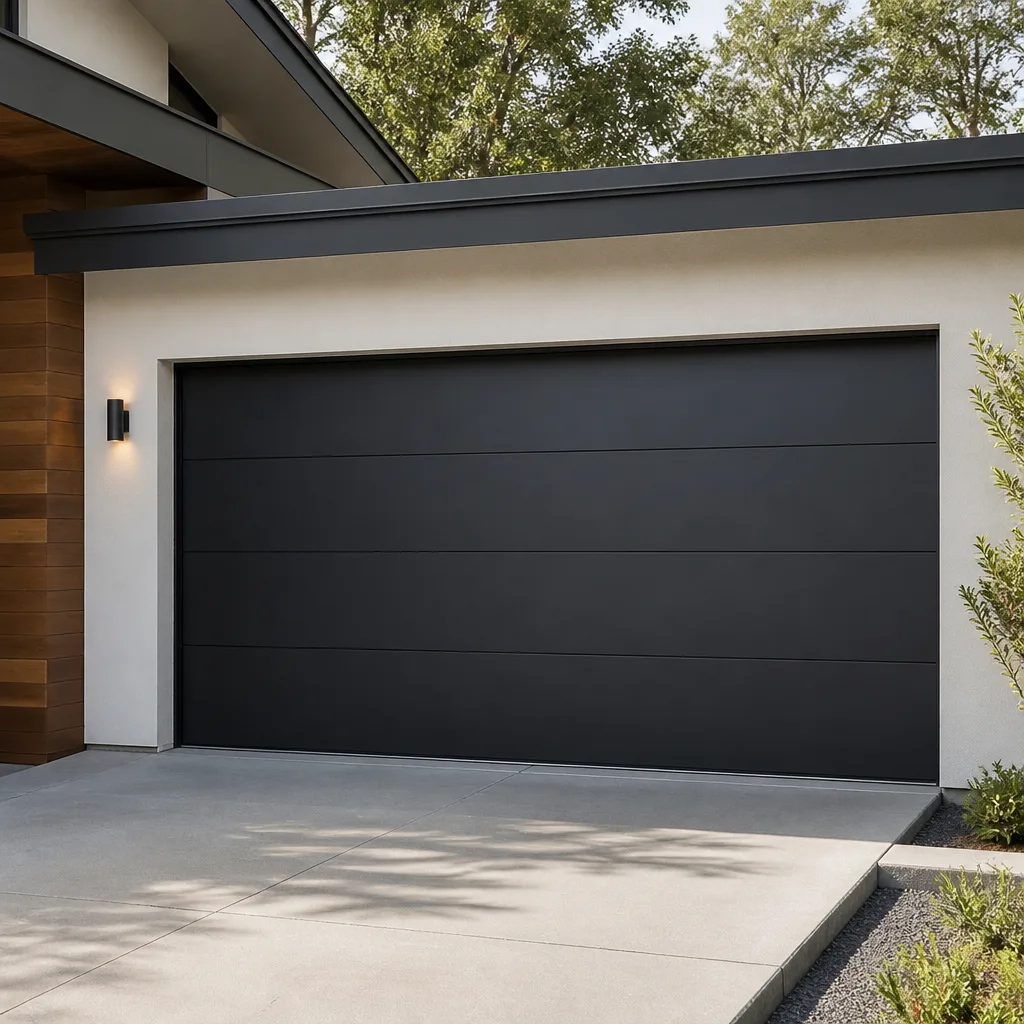 Modern flush
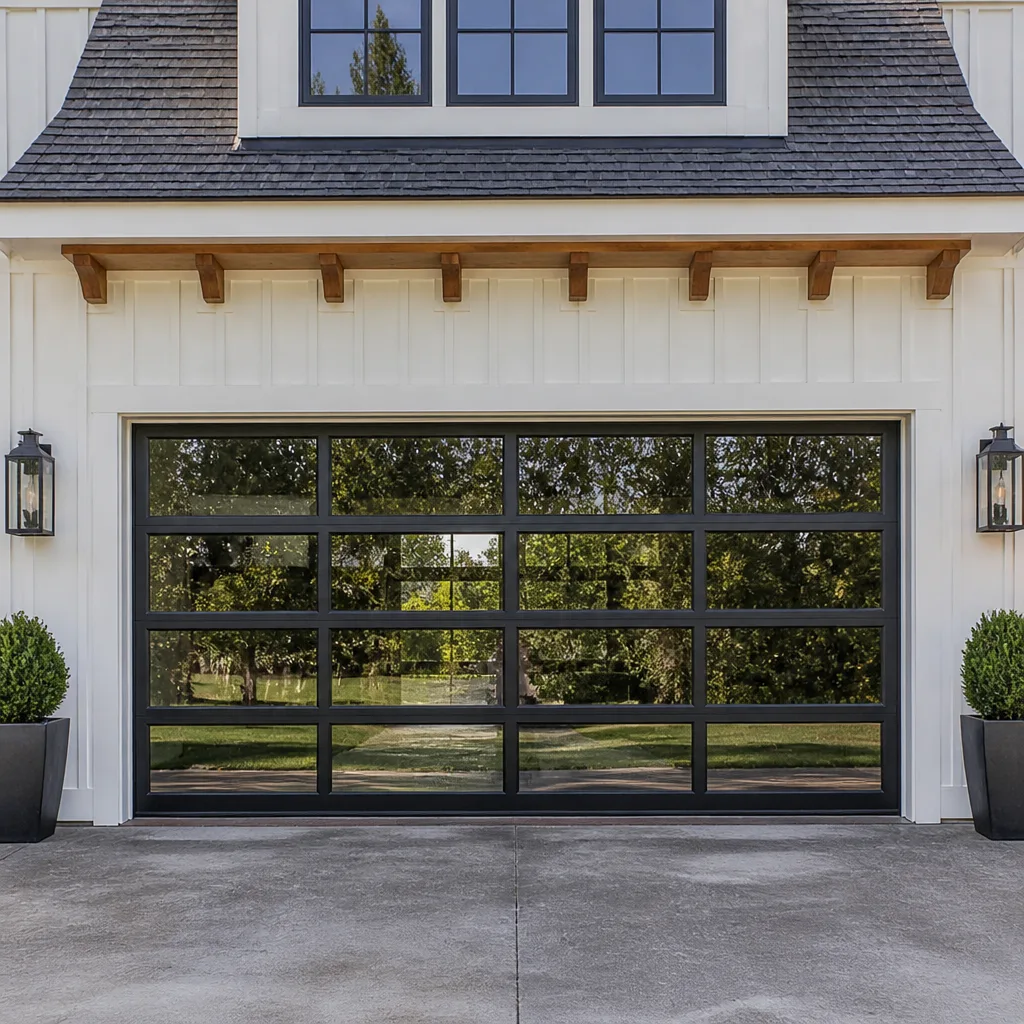 Full-view glass
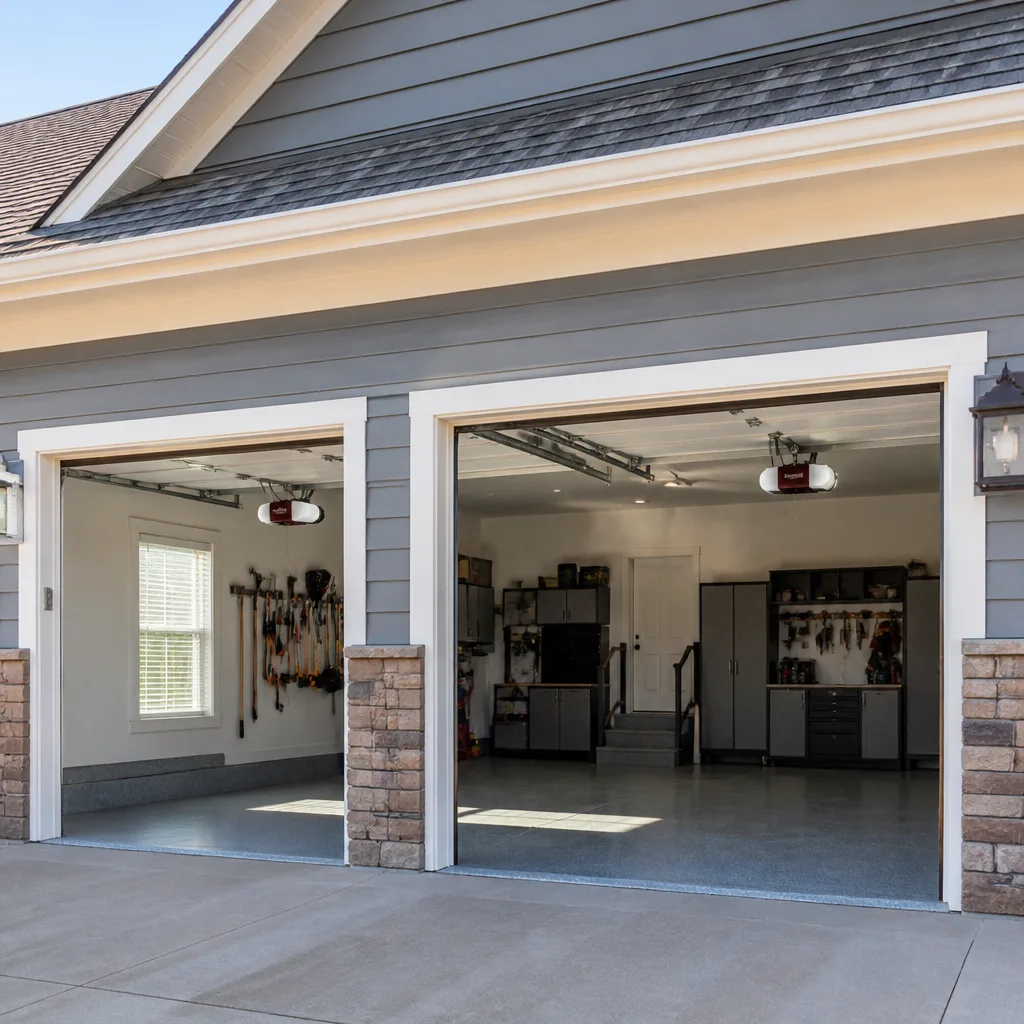 LiftMaster openers
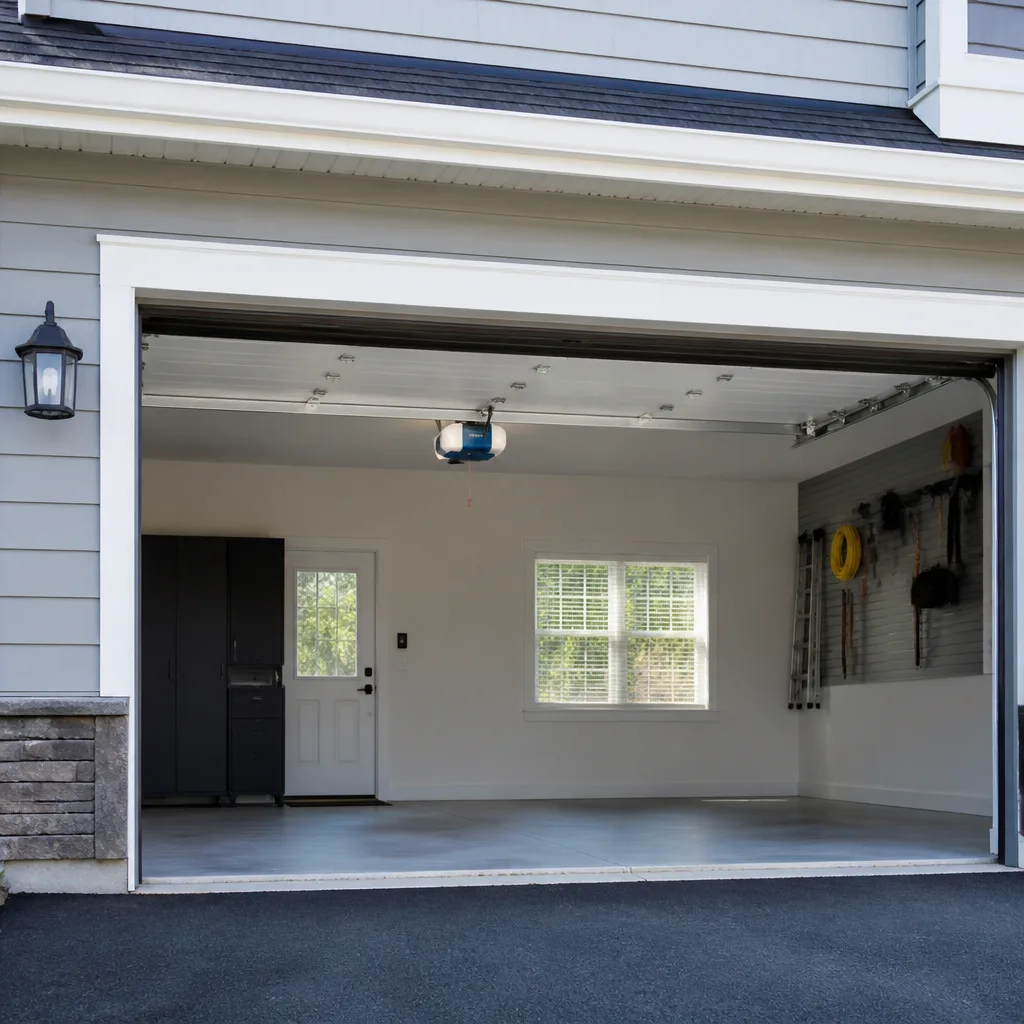 Chamberlain openers
Full 25-point door and opener safety check with every visit - springs, cables, rollers, tracks, and your LiftMaster or Chamberlain opener included
You get a price before we start. It does not change when the pro arrives.
Get your free estimateGarage Door Permits, Codes & Inspections in NV: What You Need to Know
Here’s the thing most homeowners get wrong: a garage door swap in Nevada is usually a no-permit job, and that’s exactly why people stop asking questions. Then the exception shows up. A new header gets framed in, an opener gets wired to a fresh circuit, a door gets upsized past what the opening was built for, and nobody pulled paper. Years later a buyer’s inspector flags it, escrow freezes, and the fix costs more than the permit ever would have. This guide walks through the specific Clark County threshold, what Nevada wind-load code means in plain English, how HOA approval and county permits work on separate tracks, and what to do if you’re inheriting undocumented work. We’re writing it from Enterprise, where we’ve watched this play out on real streets.
Quick Answer
In Nevada, replacing a garage door in the same size and same opening generally does not require a building permit, but any work that alters the structure (a new header, widened opening, changed framing) or adds or relocates electrical for an opener usually does, and Clark County reviews that under its building code. Wind-load and product-approval requirements still apply to the door itself even when no permit is pulled. HOA architectural approval is a separate track from the county permit, and you can have one without the other.
Styles & brands we work with
- Raised-panel steel
- Carriage house
- Modern flush
- Full-view glass
- LiftMaster openers
- Chamberlain openers
Table of Contents
- What Triggers a Permit in Clark County?
- What Nevada’s Wind-Load Requirements Actually Mean
- HOA Approval vs. County Permit: Two Different Tracks
- What Happens at Resale When Work Was Undocumented
- What a Garage Door Inspection Covers in Nevada
- What We Pull Permits For (And When We Tell You Not To Bother)
What Triggers a Permit in Clark County?
This is the question that gets the most phone calls, and the answer is narrower than people expect. In Clark County, a straight replacement of a garage door in the same opening, same size, no structural change, typically doesn’t need a building permit. What flips the job into permit territory is any change to the structure or the electrical. That’s it. That’s the line.
Specifically, in our experience these situations usually mean a permit is required:
- A new or modified header. If the opening is being widened, raised, or the framing above the door is being changed, that’s a structural alteration to a load-bearing element and it needs to be on paper.
- Electrical work for an opener. Adding a new circuit, relocating an outlet, or running new power to a wall-mount opener is electrical work. Swapping a plug-in opener for another plug-in opener isn’t, but the moment a wire gets pulled through a wall, the county wants to see it.
- Changing the door size. A single-car door replaced with a double-car door, or a door that no longer fits the existing rough opening, is a structural change.
- New construction or a converted garage. Turning a garage into living space, or the reverse, is well past garage door work and definitely needs a permit.
- Repairs after structural damage. If a wall was damaged by a vehicle, or the framing was compromised by water intrusion, the repair is structural.
Straight swaps don’t trigger permits because the door itself is a manufactured product with its own labels and approvals (we install Clopay and Amarr regularly, and both carry the required wind-load documentation out of the box). What the county is worried about is the building envelope and the framing around the door, not the door panel itself. If the framing is being touched, the county wants to weigh in. If it isn’t, they usually don’t.
What Nevada’s Wind-Load Requirements Actually Mean
Nevada wind-load code is where the language gets thick and homeowners tune out. Here’s the translation. The International Residential Code and International Building Code, which Nevada adopts with amendments, require garage doors in certain wind zones to be rated for the wind pressure they’ll actually see. In Clark County, that rating is a specific number, and the door you buy needs to be labeled for it or the door doesn’t meet code.
What this means in practice:
- Ask for the wind-load rating in writing. Every door manufacturer publishes a design-pressure rating for each model and size combination. Ask to see it on the spec sheet, not just “it’s rated.”
- Ask whether reinforced struts or hardware are required. Wider doors and doors rated for higher pressure often need additional struts or specific track hardware to meet the rating. The panel alone isn’t the whole system.
- Ask whether the door is approved for your specific opening. A door rated at the right pressure on a small opening may not be rated on a wider one. The approval is model and size specific.
- Ask about the label on the door. Manufactured doors carry a permanent label or documentation identifying the design pressure. Verify it before the installer leaves.
Why does this matter in Enterprise? Because we see real wind events, and we see the difference between a door that was specified correctly and one that was picked off a shelf. A door that meets the pressure rating holds its shape through a gust and keeps its weather seal. A door that doesn’t can bow, jump a track, or lose its seal around the perimeter, and then you’re dealing with water intrusion and a repair bill. This is the part of the code that protects your house, not just your inspection sheet.
HOA Approval vs. County Permit: Two Different Tracks
Homeowners conflate these constantly, and it costs them time. The county permit is a public-safety review by the building department. The HOA architectural approval is a private contract review by your neighborhood association. They have nothing to do with each other, and you can absolutely have one without the other. That’s the whole problem.
Here’s how the two tracks break down:
- County permit: Only required when the work touches structure or electrical. Reviewed by Clark County building officials. Public record. Follows the property at resale.
- HOA architectural approval: Required by your governing documents almost any time the exterior of the home changes, including a garage door replacement, even a same-size one. Reviewed by the architectural committee. Not public record. Doesn’t show up in a county search, and a county inspector won’t ask about it.
Why both matter at different points in your ownership: the HOA approval matters while you live there, because an unapproved door color or style can trigger a notice and, in some associations, a violation assessment. The county permit matters mostly at resale, because an unpermitted structural change is a title problem and title companies and buyer’s lenders do care.
If you’re in a community in the Enterprise area with an active architectural committee, get the HOA approval in hand before you order. We’ve seen doors go in, look great, and then get rejected on a technicality about panel style or color because the committee approval was verbal. Get it in writing.
When we’re planning a replacement, we walk the homeowner through the HOA track first, then we talk about whether the county permit is even in play. Our Garage Door Installation in Enterprise page goes into how we sequence that, and it’s the same conversation we have on every estimate.
What Happens at Resale When Work Was Undocumented
This is the slow-burn problem. An unpermitted structural change can sit quietly for ten years and then surface at exactly the wrong moment: the week before closing, when the buyer’s inspector writes “altered header over garage door – no permit on file” and everything stalls. We’ve seen escrow freeze on it. We’ve seen a seller take a discount larger than the whole job because the buyer wouldn’t budge without documentation.
The good news is that correctly done work can almost always be documented retroactively. Here’s the general process:
- Contact Clark County’s building department and ask about their process for documenting existing or previously completed work. They sometimes refer to it as an as-built permit, a post-construction permit, or a records search, and the terminology varies by jurisdiction.
- Gather whatever records exist. Original contractor invoice, product spec sheets, wind-load documentation for the door, photos taken during the job if they exist.
- Expect a site visit by a county inspector who will verify the work against current code as it applies to existing conditions.
- Ask the inspector what documentation closes the file. In some cases an inspection is enough. In others, a corrective permit is required, and the fix may be minor.
A word of honesty here: retroactive documentation is easier when the work is actually correct. If the structural work was done properly, the county can usually confirm it. If it wasn’t done properly, they’ll tell you what needs to be corrected, and that’s still better to know before a sale than after. If you’re selling in Enterprise and you don’t know whether your garage door work was permitted, ask for a records search early. Not the week before closing.
What a Garage Door Inspection Covers in Nevada
Two different kinds of inspections get confused, and they answer different questions. A county building inspection, when a permit is pulled, verifies that the work meets code. A professional garage door inspection, which we offer independently, verifies the door is safe and functioning. Most homeowners need the second one and only occasionally the first.
A proper door inspection in our shop covers:
- Spring condition and remaining cycle life. We count cycles the way you count tire miles. A torsion spring has a published service life, and we can estimate where yours sits.
- Cable condition and attachment points. Cables fray, and a frayed cable under tension is genuinely dangerous.
- Track alignment and hardware torque. Loose lag screws at the header are a common failure point we find on a lot of doors in the Enterprise area.
- Roller and hinge wear. Worn nylon rollers cause most of the noise complaints we hear.
- Balance and travel. The door should balance manually, and it should close evenly. If it doesn’t, the opener is compensating for a door problem.
- Safety reverse and photo-eye function. Required by code and required by common sense. Every opener we touch gets tested.
- Weather seal and perimeter gap. Especially relevant in Nevada, where wind pushes dust and water under a bad seal.
We’ll flag any of these that relate back to permit or code questions, and we’ll tell you plainly whether the issue is a safety concern, a code concern, or cosmetic. If you want the repair side of this, our Garage Door Repair in Enterprise page walks through common failures. The short version is this: if the opener is straining, the problem is almost never the opener. It’s the door.
What We Pull Permits For (And When We Tell You Not To Bother)
Homeowners ask us all the time whether we pull a permit, and we give them a straight answer, not a sales answer. Here’s how we actually work.
We pull a permit when the work changes the structure. A widened opening, a new header, raised or lowered framing, added or relocated electrical for an opener, or repair after structural damage. In those cases, the county’s review protects you, and skipping it costs more at resale than the permit costs at the time.
We don’t pull a permit for a straight same-size replacement, because the county doesn’t require one and the door itself comes with the wind-load documentation it needs. We’ll still give you the spec sheet and the installation documentation for your records. That’s the paper trail you actually need at sale time.
When a homeowner asks us to pull a permit anyway, even though the job doesn’t need one, we listen to why. Sometimes there’s a reason we didn’t know about: an HOA board asking for proof, a buyer’s lender being particular, or a previous contractor’s mess that needs the paper trail cleaned up. We’ll pull the permit if it buys you peace of mind, and we’ll tell you the cost before we start. Upfront pricing, and it holds between the phone and the driveway. That’s the whole point of having a real name on the license.
For openers specifically, the permit question tracks the electrical question. A straight swap of a plug-in unit for another plug-in unit is not a permit job. New wiring is. Our Garage Door Opener Repair & Installation in Enterprise page covers the details, and we install LiftMaster, Chamberlain, and Genie regularly, all of which come with the documentation the county wants when the electrical work actually needs a review.
Common Mistakes to Avoid
- Assuming a permit is never required. It’s the exceptions that cost, not the rule. A structural change done without a permit surfaces at resale, not at the time of the job.
- Assuming a permit is always required. We see homeowners pay for permits on straight replacements the county didn’t want. Ask before you assume.
- Confusing HOA approval with a county permit. Getting one does nothing about the other. These are separate tracks and both apply to different parts of ownership.
- Ordering the door before the HOA says yes. We’ve seen doors rejected by an architectural committee over a panel style. Get the committee’s written approval before you place the order.
- Skipping the wind-load paperwork. If the door’s design-pressure rating isn’t in your file, you can’t prove the door meets Nevada code at sale time.
- Ignoring a failing spring because the door still opens. It is 200 pounds riding on two springs, and a tired spring is a safety issue, not a convenience one. Get it looked at.
- Waiting until closing to ask about old permits. Records searches take time. Ask the question six months before you list, not six days.
See the difference
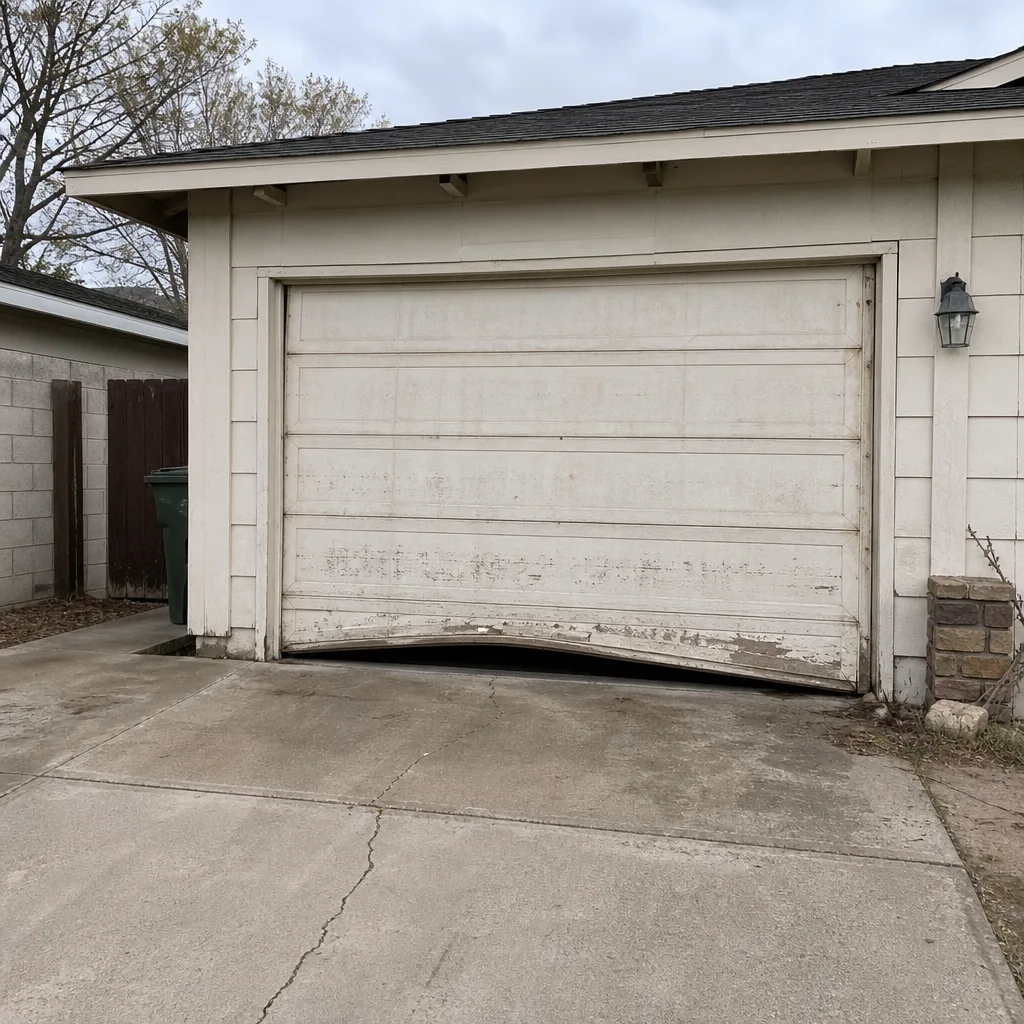 Before
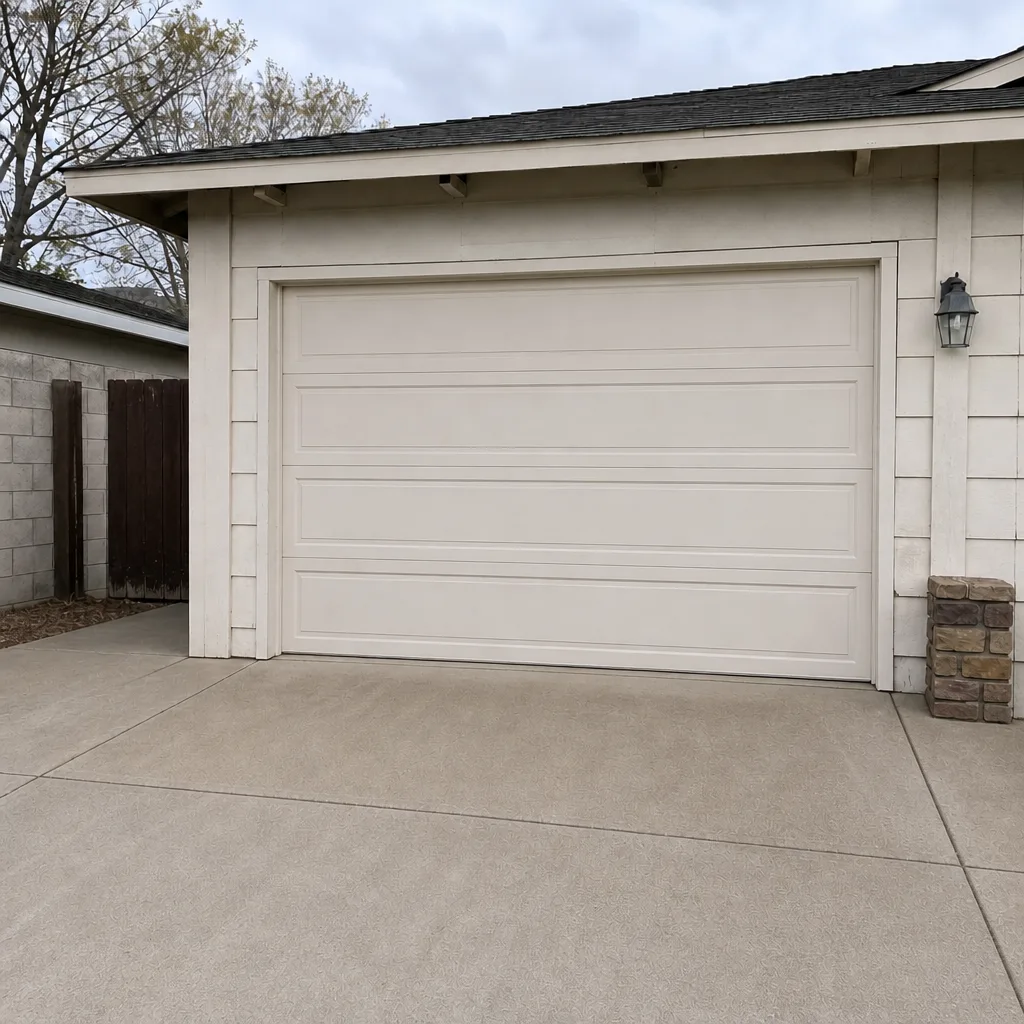 After
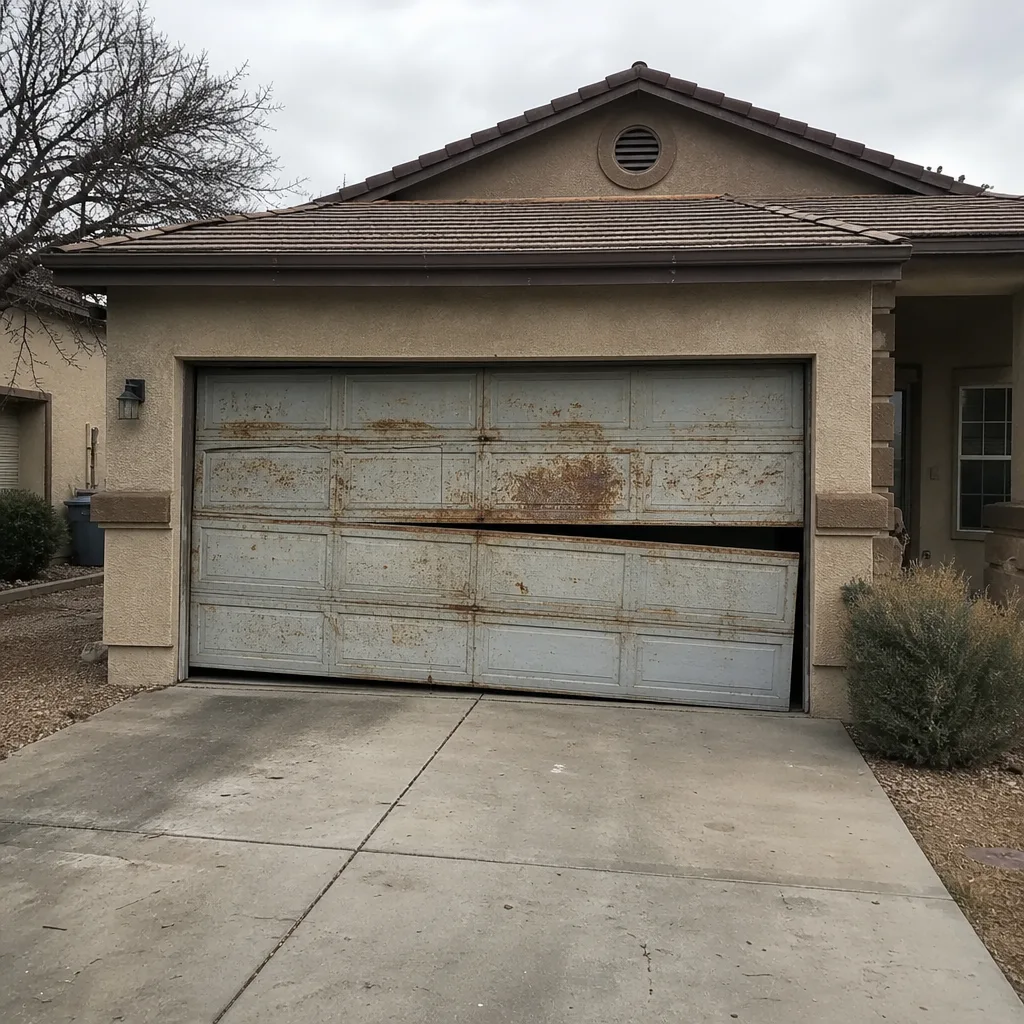 Before
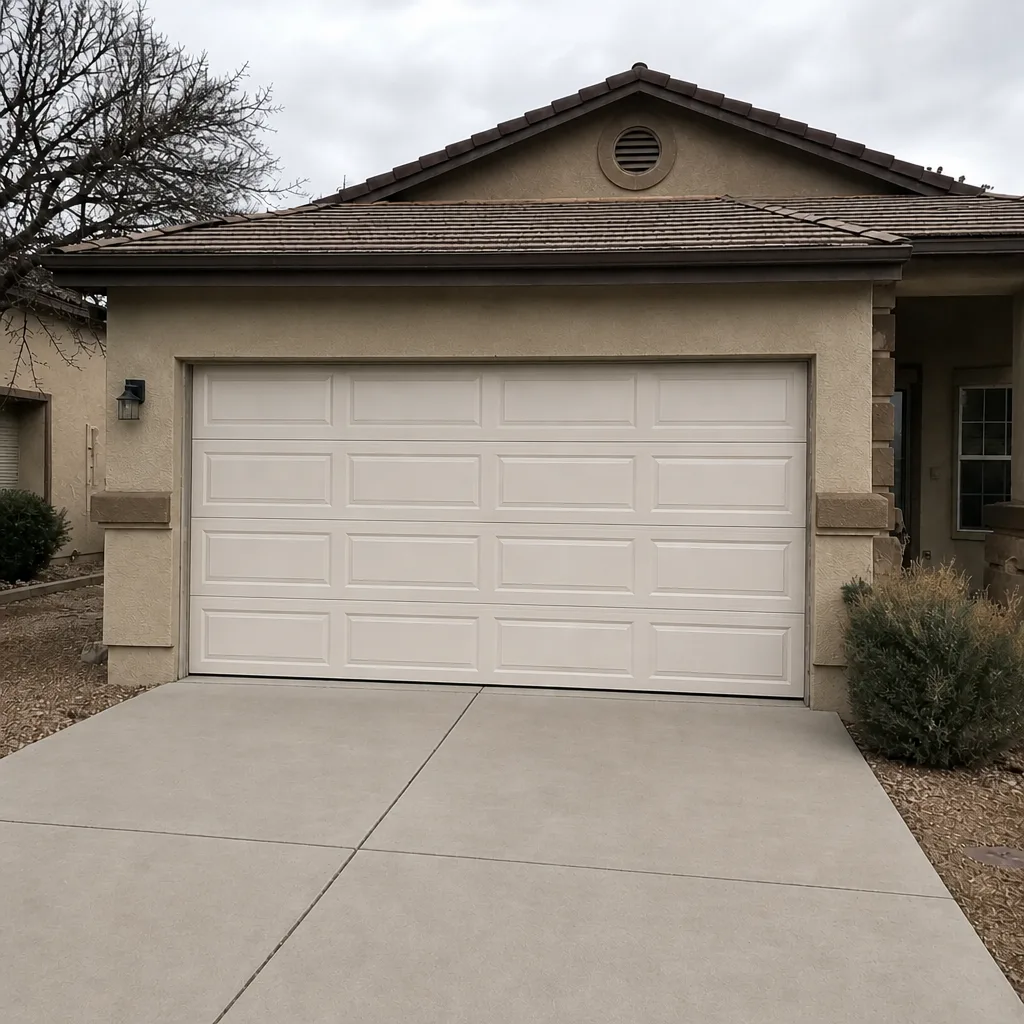 After
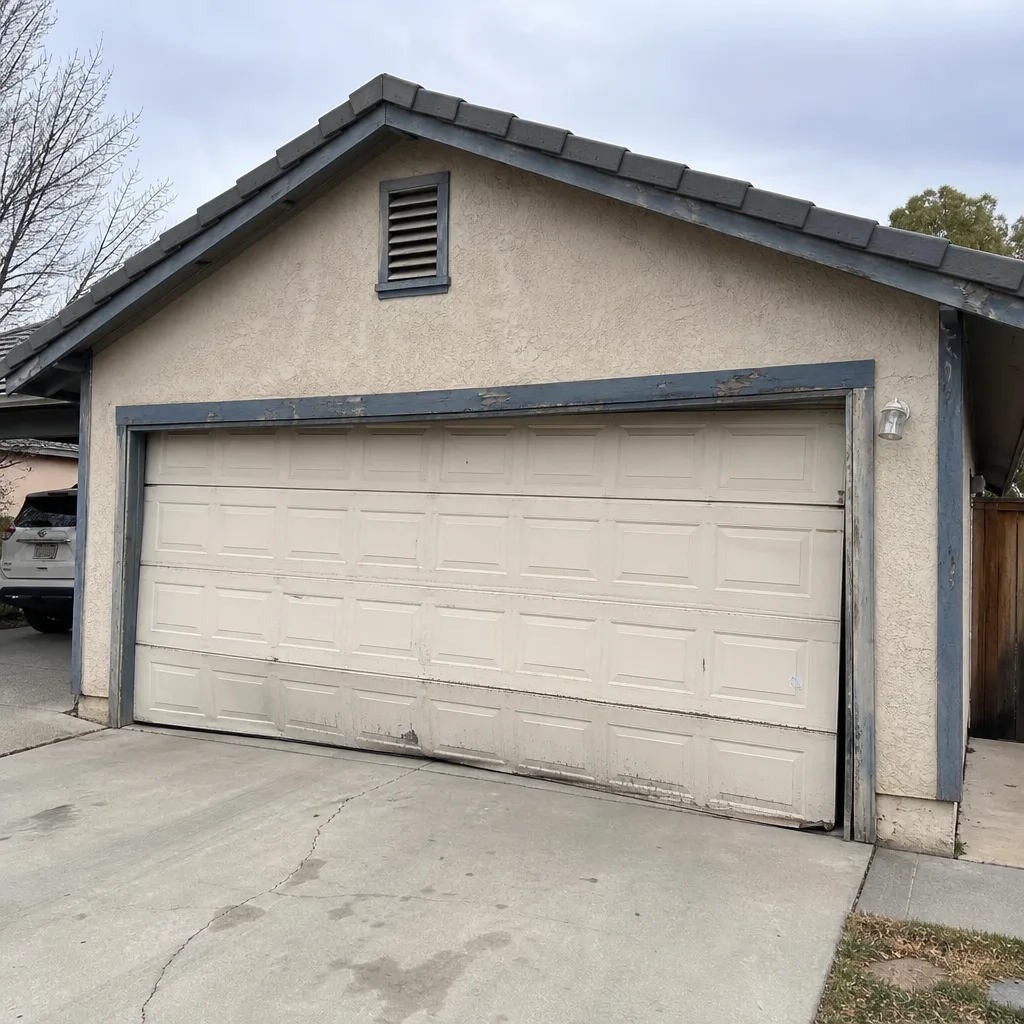 Before
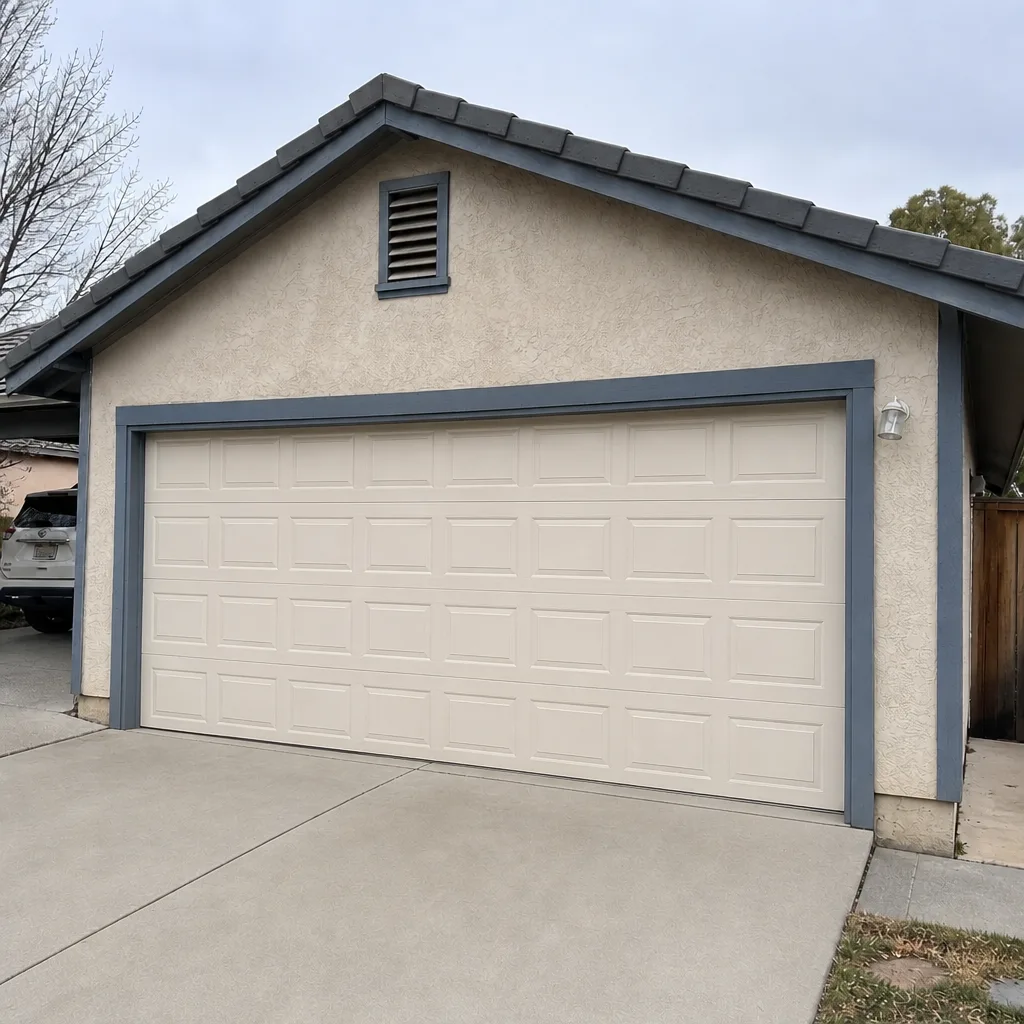 After
When to Call a Professional
Call a pro when the work involves anything structural, any electrical change for an opener, or any question about the wind-load rating of the door you’re considering. Call us the moment a spring breaks or a cable frays, because those are the parts of the system that carry real risk and the ones a homeowner should not handle. Call when you’re planning a replacement and you want someone to tell you straight whether a permit is in play or not. We’re based in Enterprise and we quote on the call, hold that number when we show up, and stand behind it for ninety days in writing. Free estimates, free second opinion on any written estimate, no trip charge in the county. For an exact quote, call (833) 620-7107.
Frequently Asked Questions
Usually not, if it’s a straight same-size replacement in the same opening with no structural or electrical changes. A permit is typically required when the work changes the structure (new header, widened opening, framing changes) or adds or relocates electrical for an opener. Confirm with the county for your specific address, and call (833) 620-7107 and we’ll talk you through whether your job is in permit territory.
Yes. Nevada adopts the International Residential Code and International Building Code with amendments, and Clark County requires garage doors in applicable wind zones to be rated for the wind pressure they’ll see. Ask your contractor for the design-pressure rating in writing before the door is ordered, and verify the label on the door itself. Call (833) 620-7107 for a straight answer on your specific opening.
No, and this is where people get burned. The county permit is a public-safety review, and the HOA architectural approval is a private contract review. Getting one has no effect on the other, and you can have one without the other. Always get the HOA approval in writing before ordering a door, especially in communities in the Enterprise area with active architectural committees.
It can surface in a buyer’s inspection and stall escrow, and it can drop your sale price by more than the job cost. Correctly done work can usually be documented retroactively through a Clark County process (terminology varies), which often involves a site visit and sometimes a corrective permit. Ask for a records search early, not the week before closing. Call (833) 620-7107 if you need help figuring out what documentation you have.
Usually yes. Spring repair is the most common same-day call we get in Enterprise, and the parts are standard. We quote the price on the phone and hold that number when we arrive. Springs are the most dangerous part of the system, and this isn’t a job to take on yourself. Call (833) 620-7107 and we’ll get it moving.
Inspections are typically quoted with the visit, and we don’t charge a trip fee inside the home county. A proper inspection covers springs, cables, tracks, hardware, rollers, balance, safety reverse, photo-eyes, and weather seal. Call (833) 620-7107 for an exact quote on your door.
The Bottom Line
Most garage door swaps in Nevada don’t need a permit, and the ones that do always cost more to fix later than to pull up front. The line is structure and electrical. Wind-load ratings are non-negotiable whether a permit is pulled or not, so get the spec sheet in writing. HOA approval and the county permit are separate tracks and you need the right one at the right time. If you’re selling, do the records search early. If you inherit undocumented work, it can almost always be cleaned up retroactively, and correctly done work is the key. From Enterprise, the whole thing comes down to a simple rule: a written name and a written guarantee, every time. Read more at our Otto’s Garage Door Enterprise home, and call (833) 620-7107 for a free estimate.
Written by the team at Otto’s Garage Door Enterprise.