
Last updated November 17, 2026
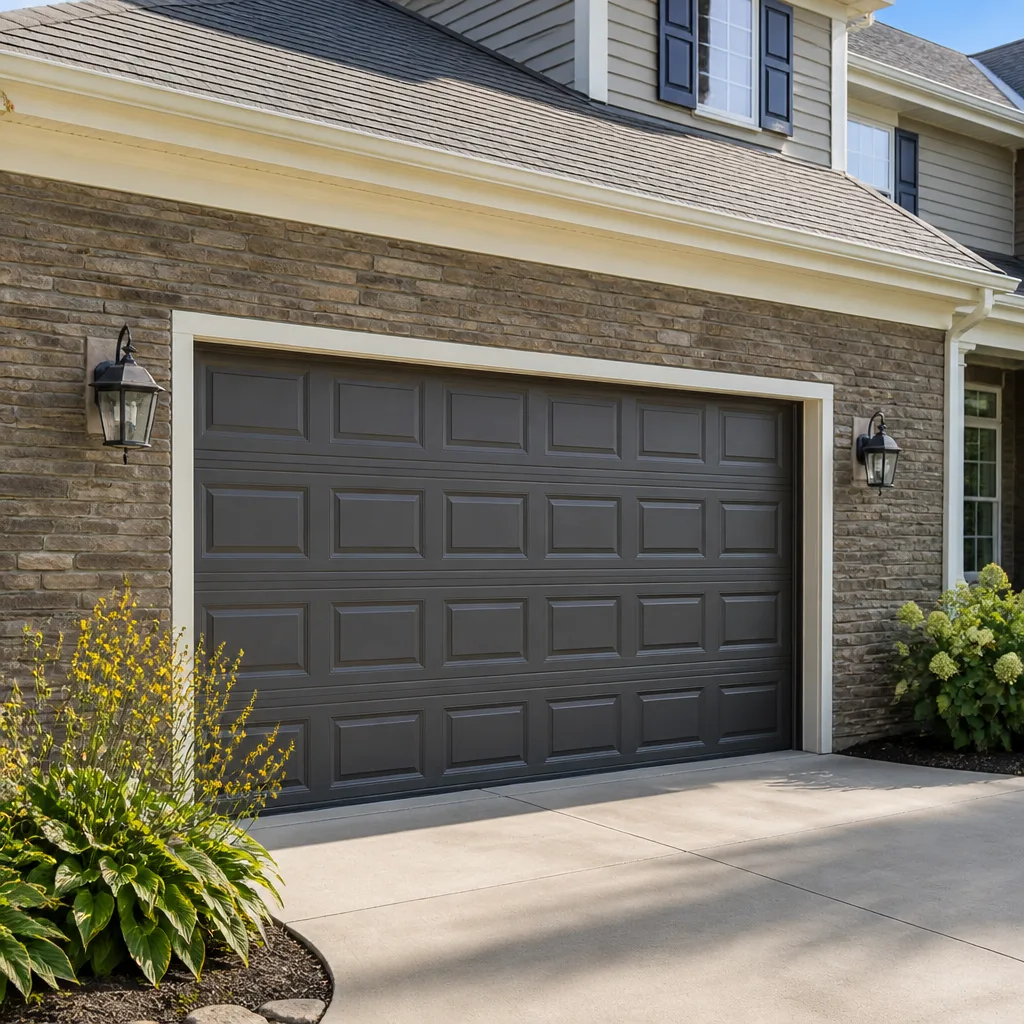 Raised-panel steel
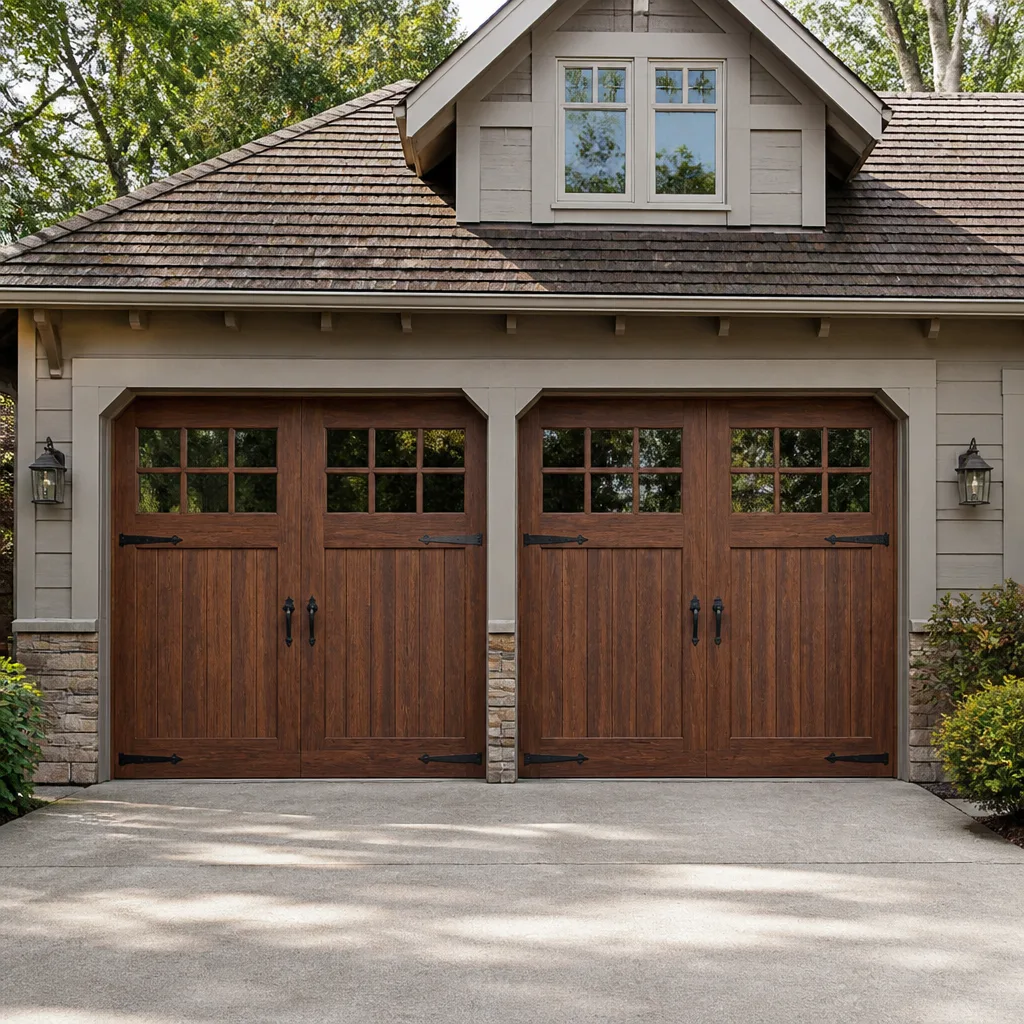 Carriage house
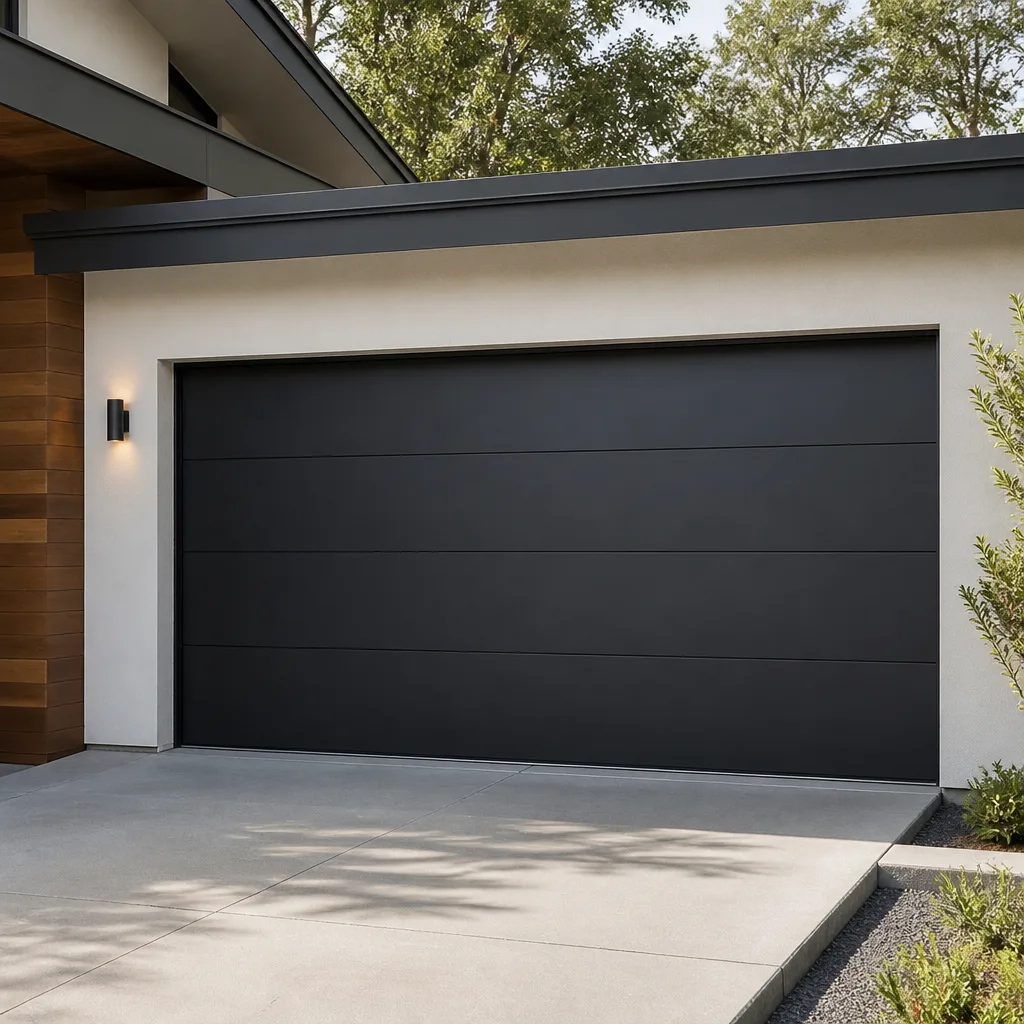 Modern flush
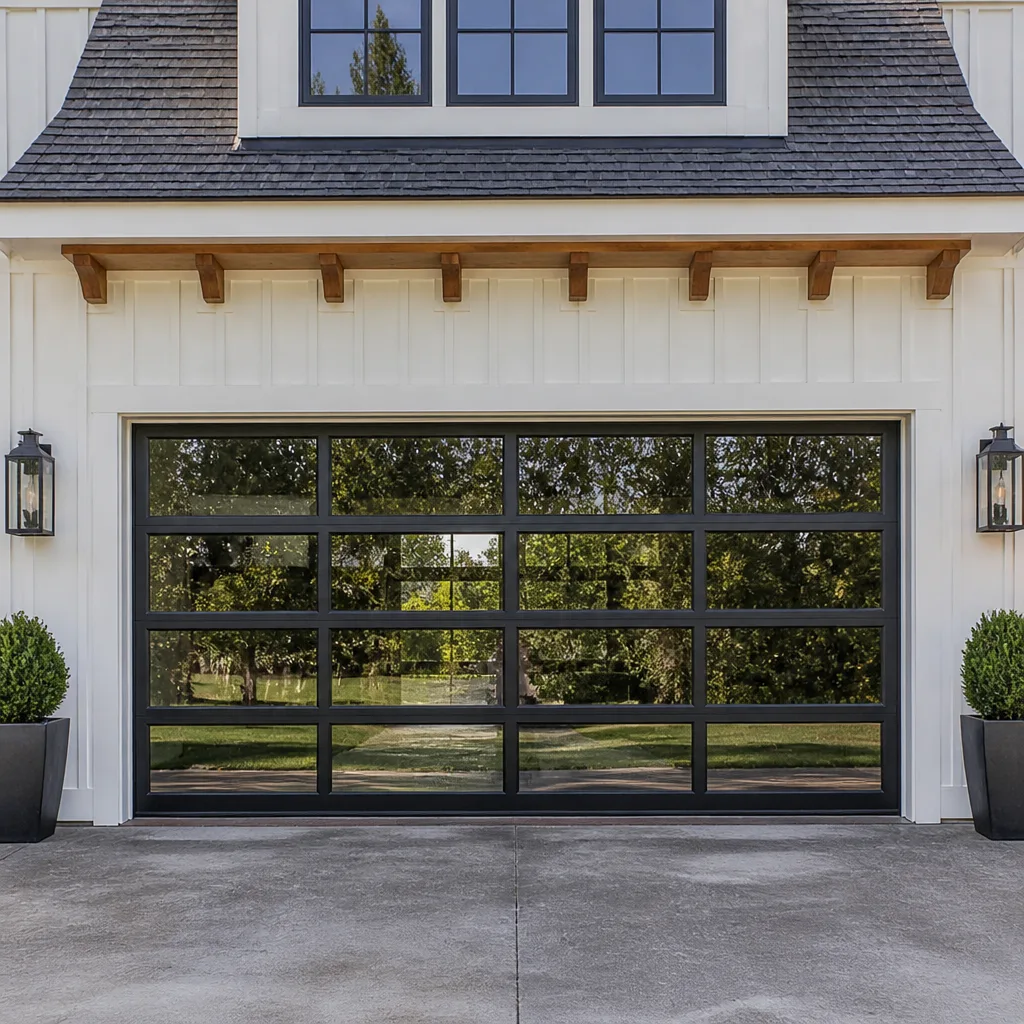 Full-view glass
 LiftMaster openers
 Chamberlain openers
Full 25-point door and opener safety check with every visit - springs, cables, rollers, tracks, and your LiftMaster or Chamberlain opener included
You get a price before we start. It does not change when the pro arrives.
Get your free estimateDIY vs Professional Emergency Garage Door: What’s Safe to Do Yourself
The call we dread most doesn’t come at noon on a Tuesday. It comes at 11:40 on a Saturday night, and it starts with “I tried to force it closed and now there’s a cable hanging.” That’s the moment something that was only inconvenient becomes an injury. A door is 200 pounds riding on two springs, and the five seconds after a homeowner decides they can handle it are the five seconds where people get hurt. So here’s the straight answer, written from Enterprise, on what you can safely touch at midnight and what needs to wait for a human with the right tools.
Quick Answer
You can safely do four things in an emergency: pull the manual release to disconnect the opener, realign a bumped safety sensor, reset the opener by cutting and restoring power, and patch a gap in the bottom weatherstrip. You should never touch a frayed cable, a track that’s bent under load, or a door that has come off its track. Those need a trained technician, and the emergency makes them more dangerous, not less.
Styles & brands we work with
- Raised-panel steel
- Carriage house
- Modern flush
- Full-view glass
- LiftMaster openers
- Chamberlain openers
Table of Contents
- The Safe Emergency DIY List
- The Absolute Stop List
- How to Tell If the Door Is Stuck or the Opener Is
- Interim Solutions That Don’t Make It Worse
- What to Have Ready Before You Call
- Why Enterprise Doors Fail the Way They Do
- Common Mistakes to Avoid
- When to Call a Professional
The Safe Emergency DIY List
These four fixes are the ones we walk homeowners through on the phone in Enterprise all the time. Each one takes minutes, needs no special tools, and carries no real risk when you do it slowly. If your situation matches one of these, you can handle it tonight.
- Pull the manual release. Every opener has a red cord hanging from the carriage. Pull it straight down and the door disconnects from the opener so you can lift and close it by hand. Only do this with the door fully closed and the springs intact. If the door is already halfway up and feels heavier than about 10 to 15 pounds, do not pull it.
- Realign the safety sensors. The two small eyes near the floor on each side of the door need to face each other. If a garbage can, a bike, or a snow shovel knocked one sideways, the door won’t close and you’ll assume something broke. Straighten both, wipe the lenses, and test.
- Reset the opener. Cut power at the wall switch or breaker for a full 30 seconds, then restore it. A Chamberlain or Genie unit that took a power surge after a summer storm – and we get plenty of those in Enterprise – will often come back on its own.
- Patch the bottom weatherstrip. A torn seal lets in rain, dust, and scorpions. A folded strip of rubber or a piece of foam weatherstrip tucked under the bottom edge will hold until we get there. Prop it, tape it, don’t glue it in place yet.
None of these require you to reach above the door, stand under it, or put your hands near a spring. That’s the line, and it doesn’t move.
The Absolute Stop List
There’s a reason the emergency makes these three problems worse, not better. When a door is stuck open at night, your instinct is to force it. That instinct is exactly what turns a $280 repair into a hospital visit and a $900 repair. Here’s what to leave alone.
- A visibly frayed cable. The lift cables are under hundreds of pounds of tension. A cable with broken strands is a cable about to snap, and it snaps without warning. Many snap toward a person’s hands or face. Do not touch it, do not try to hook it back, and do not close the door on it.
- A bent track under load. A track that’s bowed out is holding the door’s weight. Straightening it with a hammer or a pry bar while the door sits in it is how tracks let go and doors fall. Leave it, and keep people and pets clear of the door’s path.
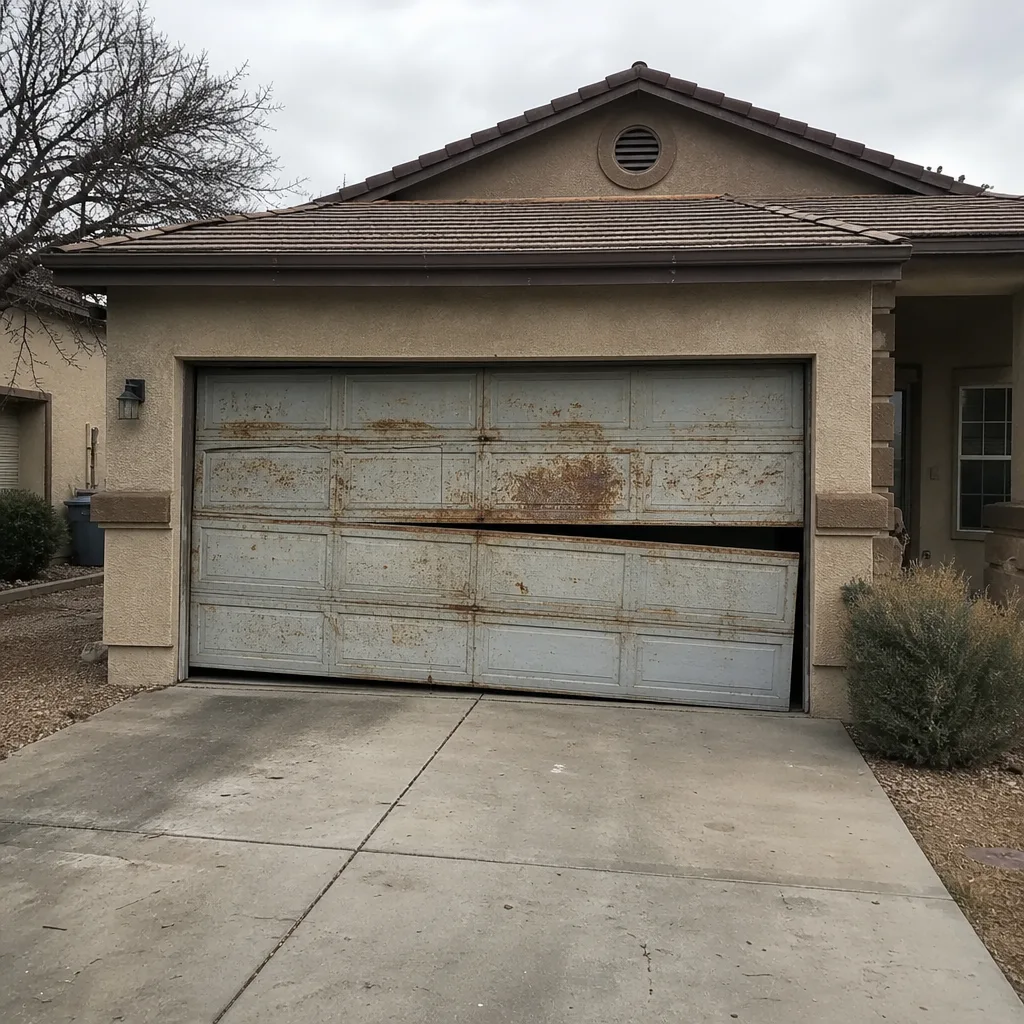
- An off-track door. If a roller has jumped out of the track and the door is crooked, it is one movement away from coming down hard. Don’t run the opener. Don’t lift it. Don’t push it. Get everyone out of the garage and call.
This is the part of the job where our technicians earn their keep. A door is 200 pounds riding on two springs. Respect it. If you’re in doubt about what you’re looking at, call and describe it – a live person answers at Otto’s Garage Door around the clock, and we’ll tell you honestly whether it can wait for morning.
How to Tell If the Door Is Stuck or the Opener Is
This is the single most useful thing you can figure out on your own, because the fix and the risk level are completely different. A stuck opener is a $150 to $260 electrical problem. A stuck door is a mechanical problem, and it can be dangerous.
Here’s the test. Pull the manual release with the door fully closed and try lifting the door by hand. It should come up smoothly and stay put about three feet off the ground when you let go. If it does, the door and springs are fine and the opener is the problem – motor, gear, logic board, or a sensor. That’s a diagnosis a technician can make in minutes.
If the door feels heavy, fights you coming up, or won’t stay up when you let go, the door itself is the problem. Springs, cables, or rollers. Stop there. That’s not an opener issue no matter what the opener thinks. If the opener is straining, the problem is almost never the opener, and forcing it to run against a heavy door will burn out the motor and can snap a cable.
For more detail on what happens after that diagnosis, see Garage Door Opener Repair & Installation in Enterprise. If your opener is a LiftMaster or Chamberlain and it’s making a grinding sound before it quits, that’s the gear set and it’s fixable.
Interim Solutions That Don’t Make It Worse
If your door won’t close and you’re stuck waiting for a technician, you’ve got a security problem for however long that wait is. Here’s what to do and what to avoid while you wait.
Do lower the door by hand if the door is intact and the springs are working. Lift it, guide it down, and hold it there. A door left standing open all night in Enterprise is an open invitation, and we’ve seen it more than once. If the door will close by hand but won’t stay closed on its own, block it from the inside with something solid and low – a wheelbarrow, a stack of stored patio furniture, a trash bin wedged against the bottom edge. Do not prop it with a ladder; a ladder under a garage door is a ladder that gets crushed or falls on someone.
If the door is off-track or a cable is hanging, do not try to close it. Lock the garage door to the house instead. If you have a side-entry door, use it and deadbolt it. That’s your real barrier tonight.
Do not shove a 2×4 into the track to hold the door. Do not run a ratchet strap around the door and the opener rail. Those tricks work until they don’t, and when they fail the door comes down. If your cable is visibly frayed, don’t patch it, tape it, or tie it – call us and we’ll tell you exactly what to do while you wait.
For the half of you who’ll need real repairs, here’s the process: Garage Door Repair in Enterprise.
What to Have Ready Before You Call
This is the step almost nobody does, and it’s the one that cuts your wait time most. When you know these details, the person answering can quote the job on that call, the technician shows up with the right parts, and you’re not paying for a second trip out.
- The door brand and material. Look at the hinges or the bottom panel. Clopay, Amarr, Wayne Dalton, and Raynor are the most common here. Steel doors and wood doors fail differently.
- The opener brand and model. The sticker is on the back of the motor housing. Chamberlain and LiftMaster are the same family of units; Genie has its own. That tells us what parts to bring.
- Where the door is stuck. Open, closed, halfway, crooked, off one side? Take a photo. A photo is worth ten minutes of description.
- What you see and smell. A frayed cable, a bent track, a grinding sound, a burning smell from the opener – all of it matters.
- Whether the opener still has power. Does the light on it come on? Does the wall button click? Do the sensors blink?
- Your address and gate or access code. If you’re in a gated community out near the edges of Enterprise, have it ready. It saves a callback.
We quote the job on that call and hold the number when we get there. No surprises at the door.
Why Enterprise Doors Fail the Way They Do
Enterprise gives garage doors a specific workout. Summer heat bakes the steel and dries out the wood, and it can push a tired spring over the edge on a day when you least want it. The dust from the wind and the summer monsoons works into every roller, hinge, and pivot, and a dry, gritty roller adds strain to the opener and the springs. In the neighborhoods out toward the edges of Enterprise, where the newer builds sit, we see doors installed with builder-grade springs and cheaper tracks – the ones that fail first and fail hardest.
So the failure pattern looks like this: a door that’s been squeaking for a month, an opener that started hesitating, and then one hot afternoon it quits. That hesitation was the door telling you something. If the opener is straining, the problem is almost never the opener.
We count spring cycles the way you count tire miles. A standard torsion spring is good for roughly 10,000 cycles – one cycle is one open and one close – which for most households here is somewhere between seven and ten years. When we come out, we can tell you what’s left on yours. That’s the single best way to avoid an emergency, and the tech will tell you straight.
Common Mistakes to Avoid
- Forcing a door with a frayed cable. A broken strand is a signal, not a hiccup. Forcing the door is how the cable snaps and the door falls.
- Bending a track back with your hands or a hammer. A track under load is storing energy. Let a tech take it down and reset it properly with the door raised.
- Prop the door with a 2×4 in the track. It’s a temporary fix that fails when you least want it to, and it’s how doors come down on people.
- Redoing the opener’s travel limits without checking the door. If you reprogram a Chamberlain unit to force a heavy door closed, you’ll burn the motor and can snap a cable.
- Ignoring a squeak because it’s “just noise.” That squeak is your notice that the rollers or hinges need lubrication, and it’s a $40 fix today versus a $350 call later.
- Calling a national number and getting a quote-by-telephone that changes at the door. Ask for a written estimate and a verifiable local license before anyone touches your door. That’s the whole reason we publish both.
- Waiting to call and finding out the door is off its track. If you’re not sure, call. A live person answers at Otto’s Garage Door 24/7, and a wrong call is a lot cheaper than a wrong repair.
When to Call a Professional
Call us right away if the door is off-track, if any cable is visibly frayed or hanging, if a track is bent under load, if the door slams down instead of closing softly, if a spring is visibly broken, or if the door won’t stay up when you lift it by hand. Those are all cases where someone gets hurt doing it themselves. If you’re not sure which situation you’re in, call and describe it. A photo helps.
Otto’s Garage Door Enterprise offers free estimates in Enterprise – call (833) 620-7107. A live person answers around the clock, we quote on the call and hold the price, and the job is backed by our 90-Day Done Right Promise in writing. Seniors and veterans get 10% off, always.
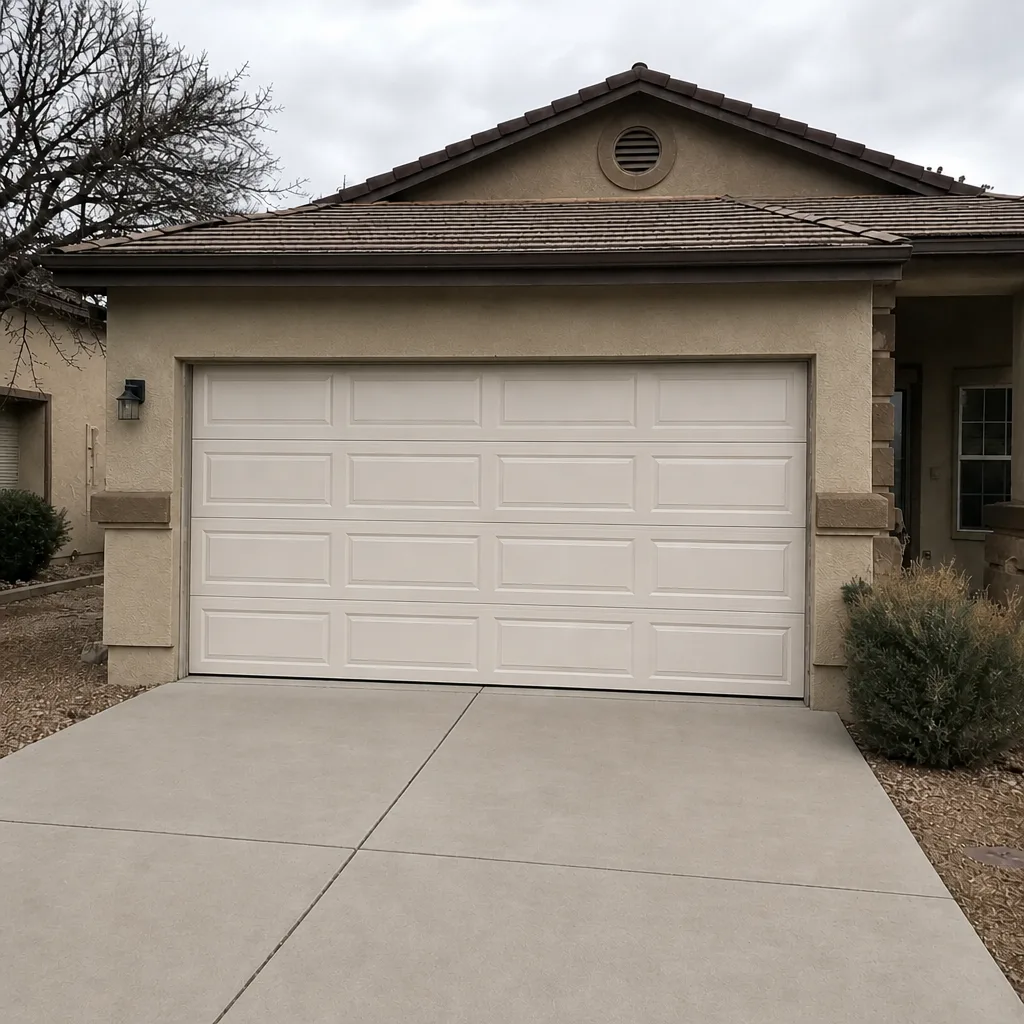
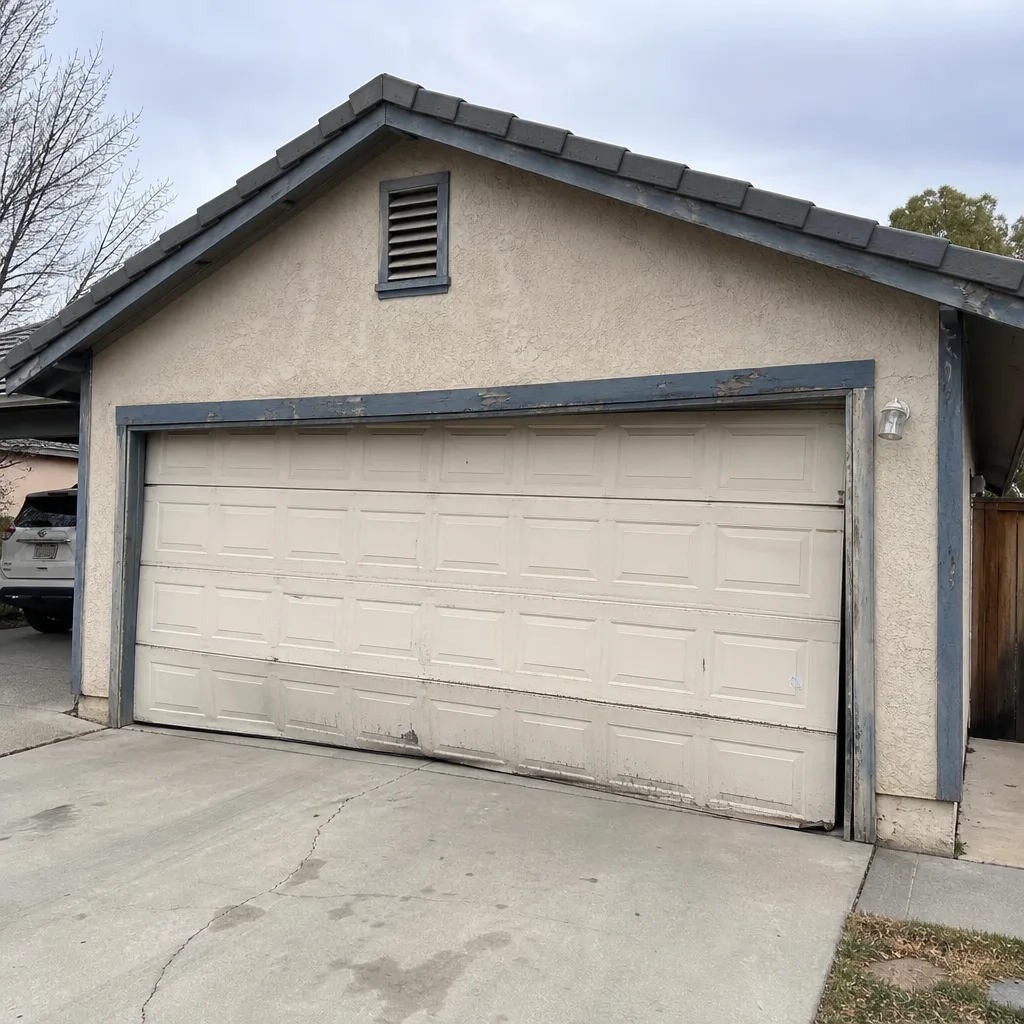
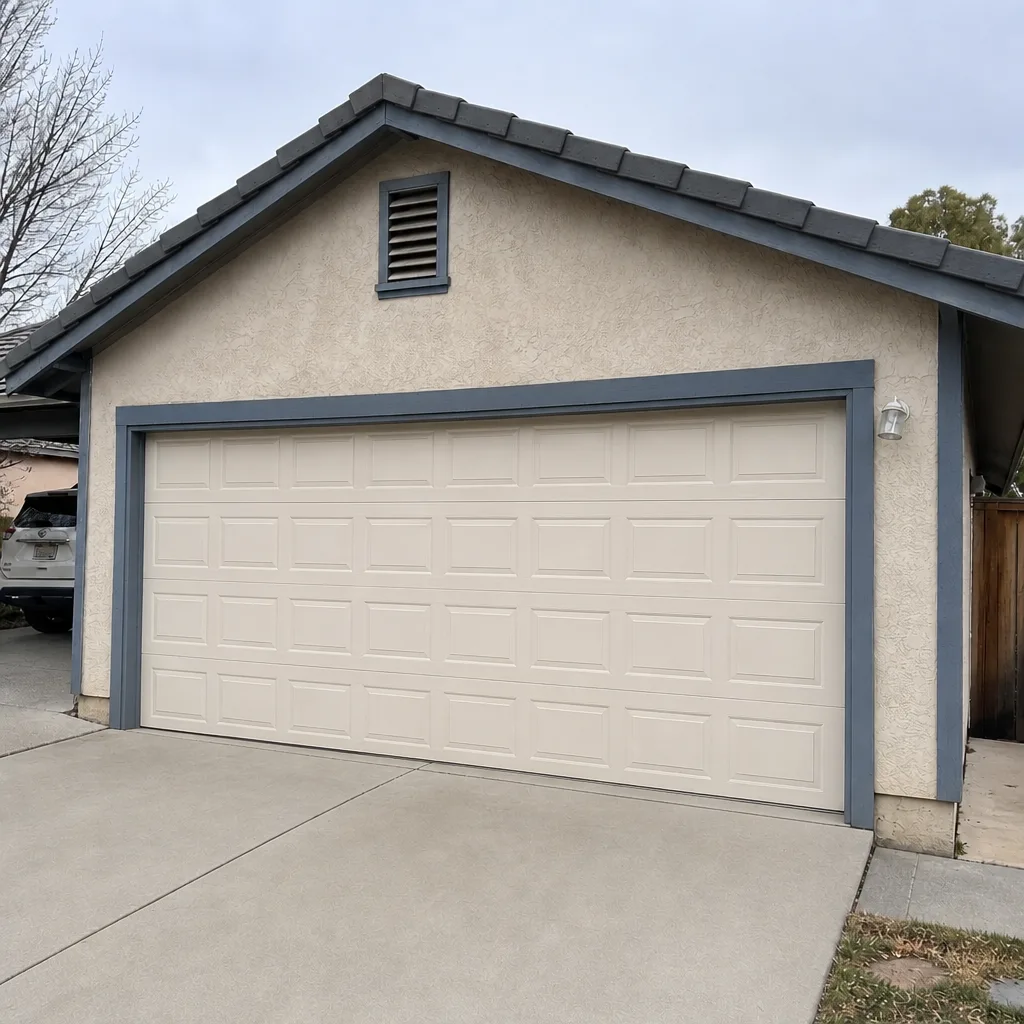
See the difference
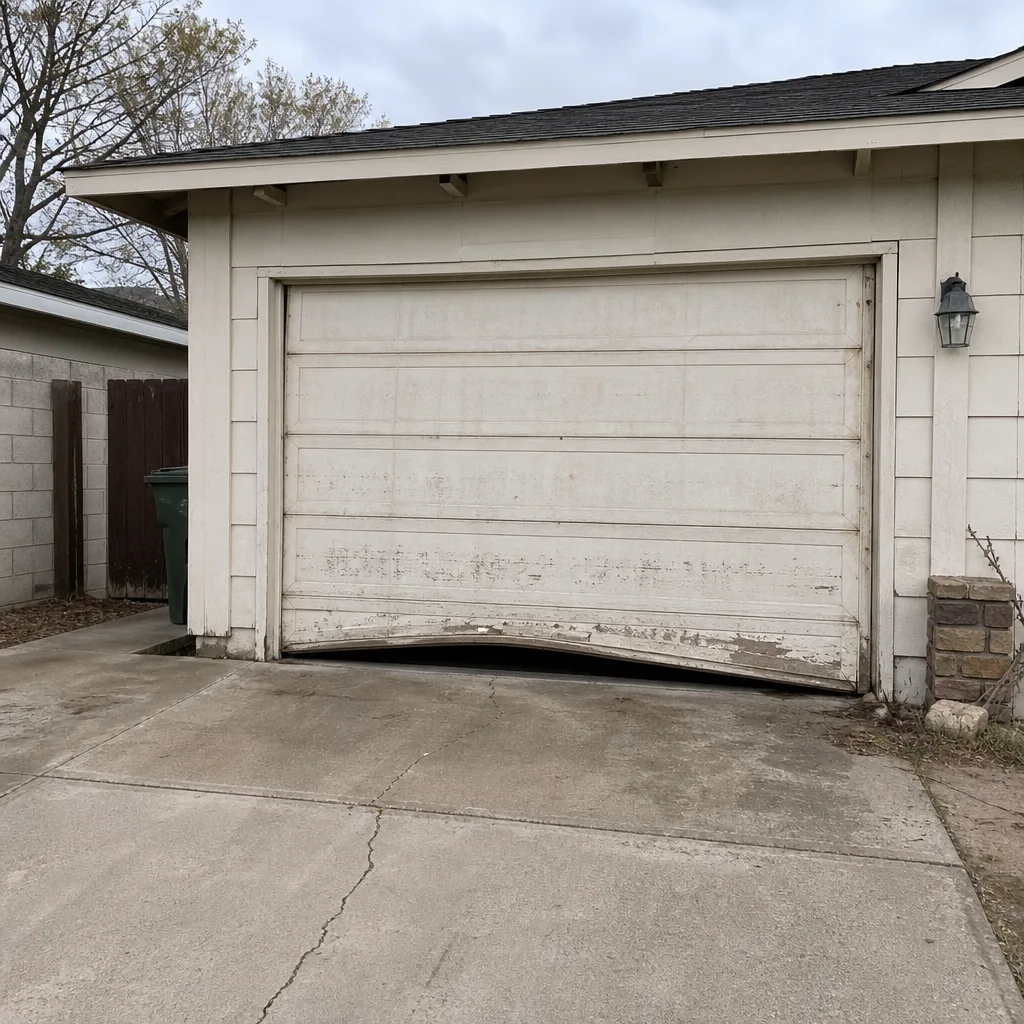 Before
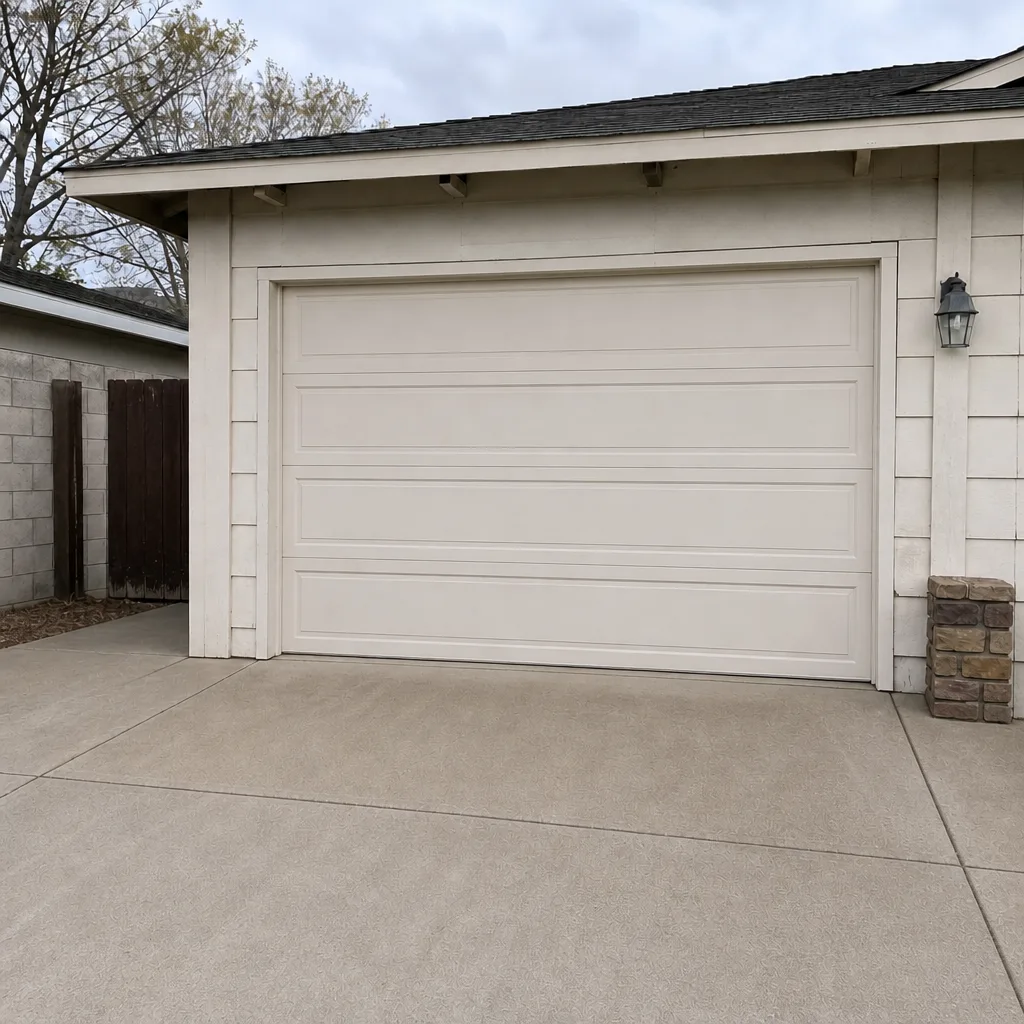 After
 Before
 After
 Before
 After
Frequently Asked Questions
Four things are safe: pulling the manual release, realigning the sensors, resetting the opener, and patching the bottom weatherstrip. Everything involving springs, cables, tracks, or a door off its track is not safe for a homeowner and needs a trained technician. If you’re in doubt, call and describe what you see.
Yes, if the door is intact and the springs are working. Pull the release, lift the door and guide it down, and it should close smoothly. If it feels heavy or fights you, stop, because that means a spring or cable has failed and the door needs to stay open or stay put.
Most emergency repairs run $180 to $340 for a spring or cable, or $150 to $260 for an opener issue, and we quote it on the phone before we head out. That number holds when we get there. Call (833) 620-7107 for an exact quote – estimates are free.
For repair and emergency calls, yes – we answer 24/7 and same-day work is normal. If you’re calling about a new door or a full installation, that’s a scheduled job with a free measure and a written price, so we’ll set a time that works for you.
No. Our upfront pricing is quoted before the visit and never revised upward at the door. We ask the right questions on that first call so we show up with the right parts, and the number you agreed to is the number on the invoice.
Yes. We’re licensed, insured, and background-checked, and we publish our address and license number so you can verify before the truck arrives. That’s the difference between a local shop with skin in the game and a national dispatch center.
Usually fix, if the door panels are sound and the springs are within their cycle life. If panels are dented, the frame is bent, or the door is original builder-grade from the neighborhood’s early days, replacement may cost less than two rounds of repairs. Our Garage Door Installation in Enterprise page walks through the cost comparison.
Often yes – call and read us the code. Some codes are a reset (see the quick fixes above); some point to a gear set or a logic board. We work with Chamberlain, Genie, LiftMaster, and most other brands and can tell you fast.
The Bottom Line
In an emergency, the pressure to fix it yourself right now is real, and that’s exactly when people get hurt. Do the four safe things: pull the release, realign the sensors, reset the opener, patch the weatherstrip. Never touch a frayed cable, a bent track, or a door off its track. If the door is heavy, stop. If you’re unsure, call. When you’re ready for a straight answer from a local shop, call (833) 620-7107 for a free estimate in Enterprise, or start at the Otto’s Garage Door Enterprise home page to see what we handle.
Written by the team at Otto’s Garage Door Enterprise.