
Last updated November 17, 2026
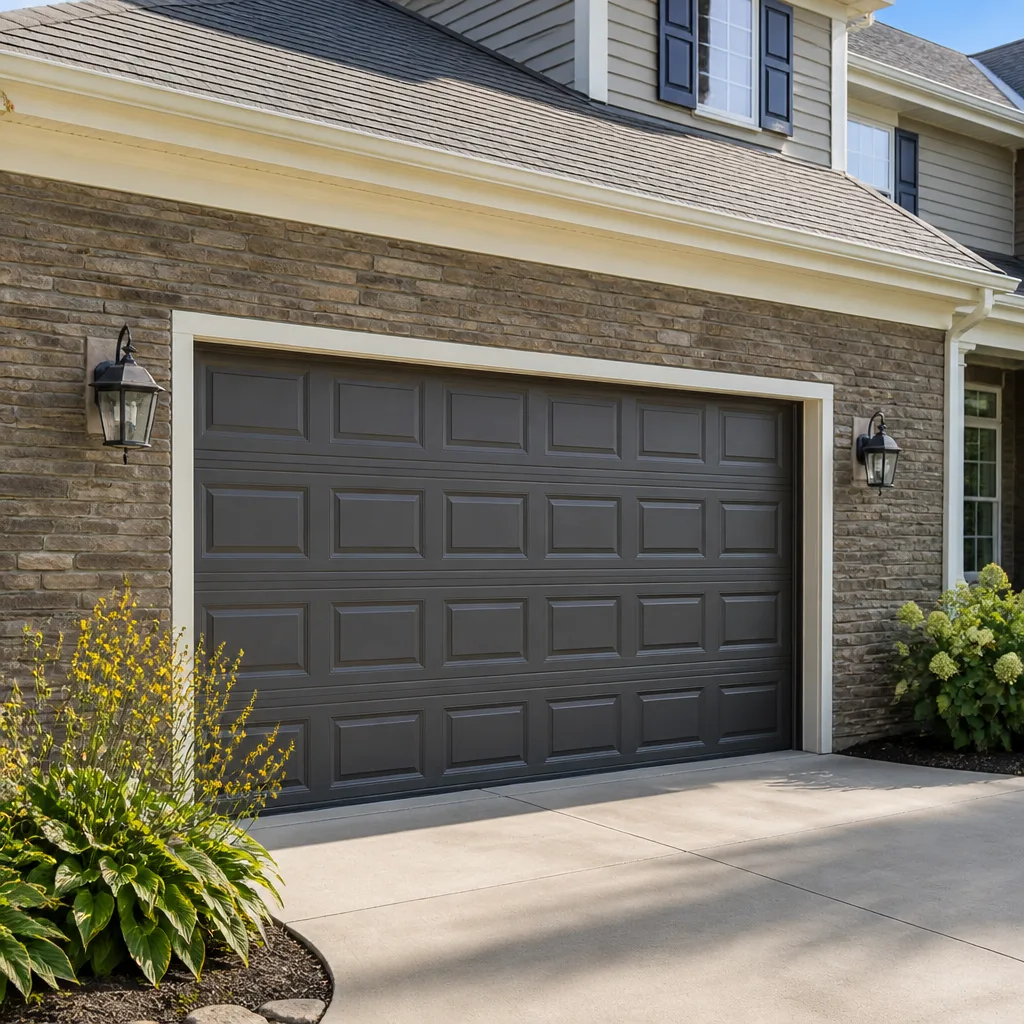 Raised-panel steel
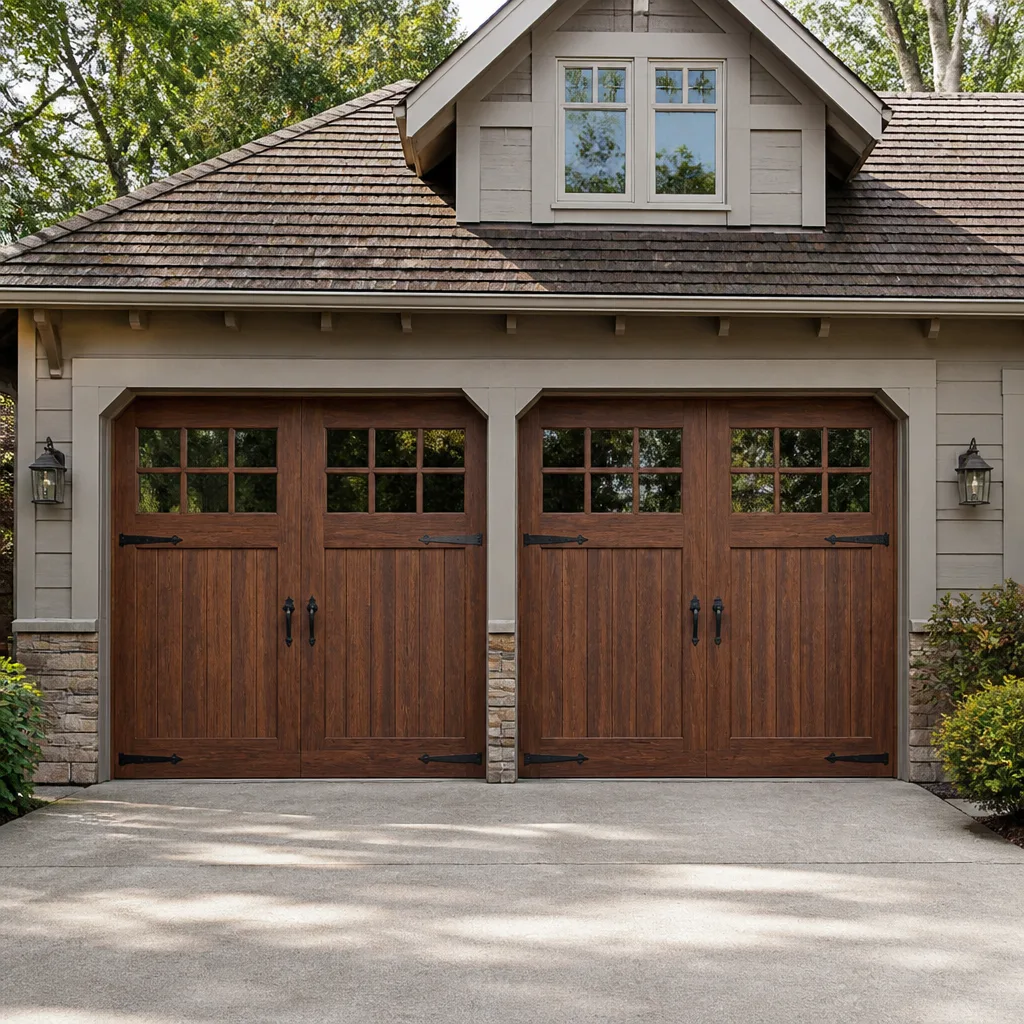 Carriage house
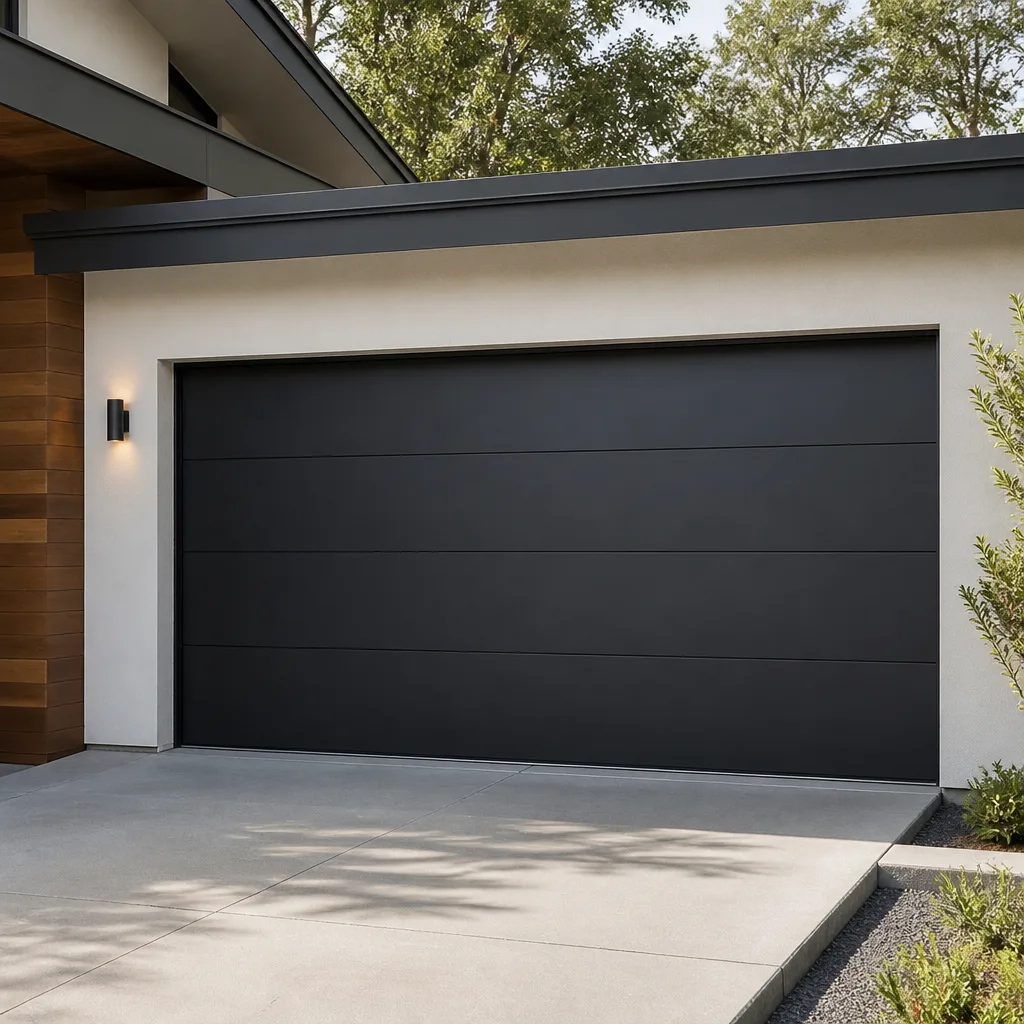 Modern flush
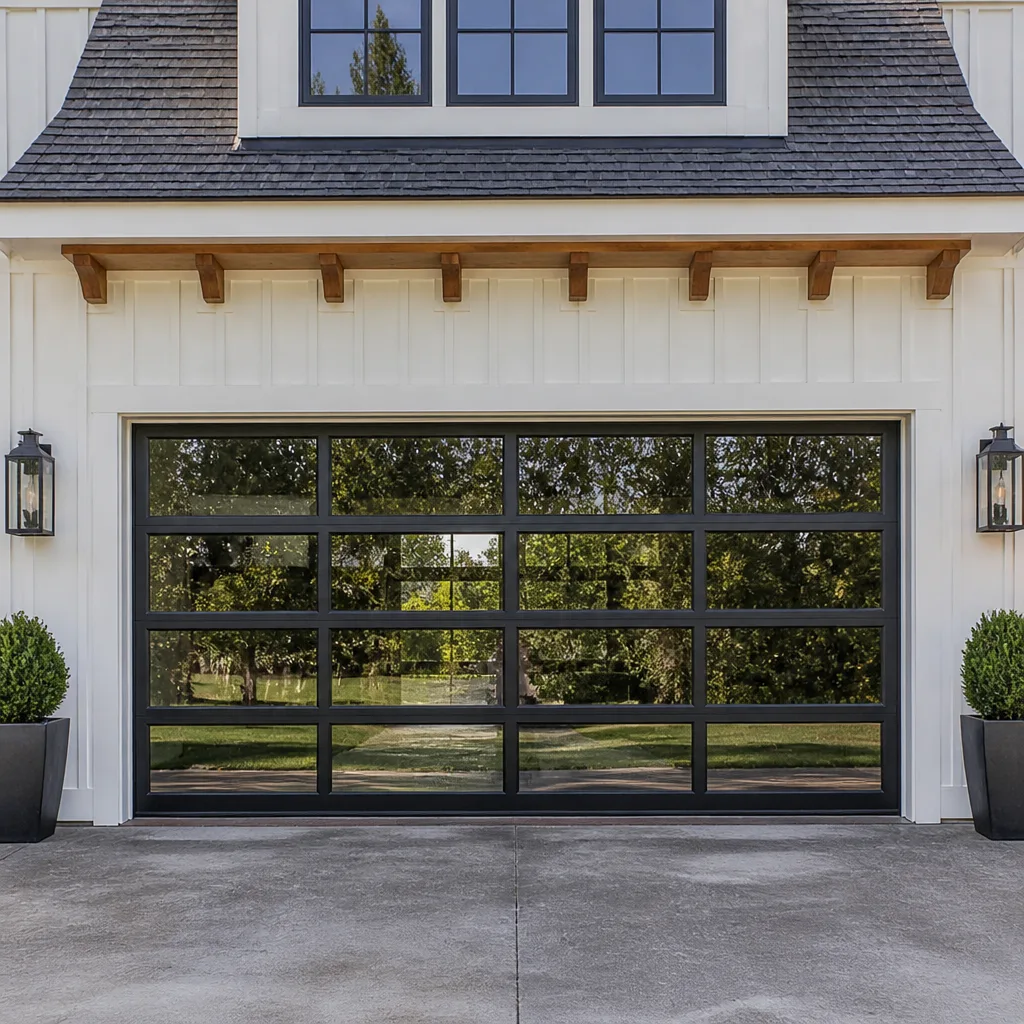 Full-view glass
 LiftMaster openers
 Chamberlain openers
Full 25-point door and opener safety check with every visit - springs, cables, rollers, tracks, and your LiftMaster or Chamberlain opener included
You get a price before we start. It does not change when the pro arrives.
Get your free estimateGarage Door Parts Warning Signs Every Homeowner Should Know
That grinding noise you’ve been ignoring for three weeks isn’t the door “just being old.” It’s a roller bearing that’s seized hard enough to score your track, and what would’ve been a $40 roller swap is now a $300 track-and-roller job. We hear this story in Enterprise constantly, always on the same driveway, always about a month later than it should have been. Garage door parts don’t usually fail without warning. They grind, they pop, they sag, they slow down. The door is telling you something every single time you open it. This guide teaches you to read it the way we do after listening to doors for a long time: which sounds mean stop-now, which squeaks mean next-week, and which visual clues in Enterprise’s heat and dust tell you a part is on its way out.
Quick Answer
The most common garage door parts warning signs are a popping or snapping sound (a spring about to fail), a door that’s slower or heavier than it used to be (spring tension or motor load issues), visible fraying or rust on cables and rollers, and a bottom seal that’s cracked or missing. Any loud pop followed by a door that won’t lift usually means a spring has already broken. If you hear a bang or see a sagging cable, stop using the door and call a professional: torsion springs and cables are under dangerous tension and are not a DIY repair.
Styles & brands we work with
- Raised-panel steel
- Carriage house
- Modern flush
- Full-view glass
- LiftMaster openers
- Chamberlain openers
Table of Contents
- What the Sounds Are Telling You
- The Visual Inspection Checklist
- The Slow Door Diagnostic
- The 30-Second Balance Test
- Enterprise Climate Warnings: UV, Sand, and Summer Heat
- A Parts Map: What Fails First and Why
- Common Mistakes to Avoid
- When to Call a Professional
What the Sounds Are Telling You
Sound is the fastest diagnostic we have, and it’s the one homeowners discount the most. A garage door has five or six moving clusters, and each one fails with a different noise. Learn these four and you’ll know more about your door than most people who’ve lived with it for twenty years.
- A sharp pop, then silence, then the door won’t lift. That’s a torsion spring snapping. It usually happens while the door is closed, and the door is now dead weight. Stop using it, don’t force it, and call us. Garage door repair in Enterprise covers spring replacement same-day when it’s an emergency.
- A grinding or metal-on-metal scrape that gets worse over weeks. A roller bearing has seized. It might be one roller, maybe two. Left alone, the flat steel edge of the roller starts chewing the inside of the track, and the fix grows from a roller swap to a track replacement. This is the $40-to-$300 slide the intro warned you about.
- A twang or snap from one side, with the door pulling crooked. A lift cable has jumped its drum or frayed and is about to let go. Cables are under the same tension as springs. Do not touch them and stop using the door until someone trained looks at it.
- A rattle or clank on every open, especially in summer. Loose hinges, worn rollers, or a torsion tube that’s working its way free of its bearing plates. It’s usually a tightening-and-lube job, but it’s worth a look before the rattle turns into a bind.
Here’s the rule we give homeowners: a squeak is a maintenance reminder, a grind is a this-week call, and a pop is a stop-right-now. The pop is the only one that turns dangerous instantly. A door is 200 pounds riding on two springs, and a broken one on a torsion system means the whole weight is uncontrolled. Respect it.
The Visual Inspection Checklist
Give the door a slow look twice a year, once in spring and once in fall. You don’t need tools, just a flashlight, a rag, and ten minutes. Work top to bottom in this order and you’ll catch the parts that are quietly on their way out.
- Cables, both sides. Look for frayed strands, kinks, or a fuzzy “bird-caged” spot where the wire has started to unravel. A cable with even one broken strand is a replacement, not a wait-and-see.
- Springs at the top (torsion) or along the sides (extension). You’re looking for rust, a visible gap in the coil, or a spring that’s stretched longer on one side than the other. A thin gap means a coil has already cracked.
- Rollers. Steel rollers should be smooth and round. If the bearing seal is dry, cracked, or spitting grease, that roller is a goner. Nylon rollers go flat or egg-shaped on the wear side.
- Hinges and the center bearing plate. Rust streaks running down from a hinge usually mean a worn or dry hinge you can’t see from the front.
- Track. Run a rag down the inside edge. If it snags, the track has a gouge from a seized roller, or a dent from a bump.
- The bottom seal. More on this in the climate section, but check for cracks, tears, or a seal that’s shrunk and pulled away from the door’s edges.
Snap a photo of each side of the door and date it. When you’re not sure if the rust looks worse than last year, the photo will tell you. We’ve walked more than one Enterprise homeowner through exactly this check over the phone before ever coming out, and it saves everyone a wasted trip.
The Slow Door Diagnostic
A door that takes noticeably longer to open than it used to is almost never “getting old.” It’s a load problem dressed up as an age problem. If the opener is straining, the problem is almost never the opener. The opener is doing its job; something downstream is fighting it.
Here’s how to sort a slow door into the right category:
- Slow and the motor sounds labored, especially when cold. The springs have lost tension. The opener is now dragging the full weight of the door instead of just guiding it. This is the most common cause, and it points at a spring will need replacement.
- Slow but the motor sounds normal. A roller or hinge is binding, or the track has a tight spot. Run the visual checklist above.
- Slow only on the way up, not down. Often the springs are close to their cycle limit. A Chamberlain or Genie opener with a modern motor will usually signal this with a force-limit fault code before it fully fails.
- Jittery or jerky. Usually a misaligned track or a bad roller, not the springs. Easy diagnosis with the balance test below.
A slow door isn’t cosmetic. Every extra day of strain runs the opener hotter, and a modern unit with a DC motor and safety sensors isn’t built to fight a door that’s lost half its spring tension indefinitely. The motor burn-out that follows is a much bigger bill than the spring. In our experience, the slow door is the one homeowners wait on the longest, and it’s the one that costs the most when they finally call.
The 30-Second Balance Test
This one test tells you more about spring health than any other thing you can do without tools. You’re checking whether the springs are still doing their job of holding the door’s weight, or whether the opener is dragging it. Do this with the door fully closed and the opener disconnected.
- Disconnect the opener. Pull the red emergency release cord hanging from the opener’s rail. The door should now be free to move by hand. If it’s a jackshaft opener (mounted on the side of the shaft, not the rail), there’s a lever at the unit itself; look for the pull handle.
- Lift the door by hand to about halfway. Use the bottom edge or a handle, not the panels. It should feel manageable; if it feels like dead weight, stop there and don’t lift further.
- Let go at the halfway point. A well-balanced door will hold its position almost still. If it drops, the springs are weak. If it rises on its own, the springs are too strong.
- Reconnect the opener. Press the wall button once to run the door and re-engage the trolley.
If the door drops more than a few inches at the halfway point, your springs are close to the end of their cycle life and you’re straining the opener with every open. You can still do the test safely as described. What you should not do is touch a spring adjustment yourself, because torsion springs and the cables that ride with them hold lethal tension. Call and let us look at it.
Enterprise Climate Warnings: UV, Sand, and Summer Heat
A garage door built in Chicago fails differently than one built here, because Enterprise hands it a different set of problems. If you’ve lived in Enterprise for a few summers, you’ve seen the wear patterns on everything outdoors. The door is no exception.
Heat-expanded metal binding in summer. In July and August in Enterprise, the steel track on a sun-facing door can expand enough to bind where it ran free in April. If the door starts sticking only during summer afternoons, and it’s fine by evening, that’s the track, not the opener. Loosening and realigning the track brackets in the cool morning is the fix.
UV-cracked bottom seals. The rubber seal at the bottom of a west-facing door bakes in our sun. It cracks, shrinks, and pulls away from the frame. That’s a gap where heat, dust, and occasionally a scorpion find their way inside. The seal itself is cheap; the water and pest damage it lets in is not.
Sand-packed rollers and hinges. The desert wind loads dust onto any dry surface, and the roller bearings and hinges on a south- or west-facing door collect it. Grinding that starts after a windy week is almost always grit in the rollers. A proper clean and lube adds years to the parts; a rusty battery of rollers wears the track out.
Bottom bracket rust. The most overlooked part on a desert door. The bottom bracket gets hit by every bit of splash from a hose or a monsoon downpour and rusts without warning. If you see orange streaks coming down from the bottom corner of the door, that’s your cue.
The climate-specific failures we see in Enterprise aren’t exotic, but they’re specific: a door that binds at 3 p.m. and runs smoothly at 7 is showing a track and heat problem, not the door’s personality. Catching that in April saves the track in August.
A Parts Map: What Fails First and Why
Every door has the same handful of failure points, and they tend to go in a fairly predictable order. Knowing the order tells you what to watch and when. Here’s what we’ve seen, roughly from most-frequent to least.
- Springs. The part that fails most often, and the one with the most dangerous failure mode. Torsion springs last roughly 10,000 open-close cycles; extension springs are usually shorter. A door opened 4 times a day reaches that in about 7 years. If your springs are past that, they’re not “about to fail,” they’re on borrowed time.
- Rollers. The wear item you’ll replace most often after springs. Steel rollers on a dusty or dry track seize and grind. Nylon rollers go flat. Either way, the roller is what scores the track when it fails.
- Cables. Lift cables fray where they ride over the drums at the top of the door. Fraying is the leading warning; a full break with a heavy door is the dangerous failure.
- Hinges and the center bearing plate. Wear out quietly, usually with a rattle that shows up first in the middle hinges. Not dangerous, but worth catching before the bind starts.
- Bottom seal and bottom bracket. The desert-sun fails these first. Cheap to replace, expensive to ignore.
- The opener. Last on this list because a healthy door doesn’t tax the opener and a sick door kills it. If a Chamberlain or Genie opener keeps blowing its force-limit adjustment, look at the door, not the motor.
When a door is pushing 8 to 10 years old, we usually recommend replacing the springs, rollers, and cables as a set. It’s a bigger single bill, but it resets the whole system, and you don’t wind up replacing one part every six months until you’ve bought the door twice.
Common Mistakes to Avoid
- Ignoring the grind until the track is scored. A grinding roller that you leave alone for a month will chew a groove in the track, and a $40 roller-and-lube becomes a track replacement. In Enterprise, the desert dust makes this happen faster than most homeowners expect.
- Trying to fix a broken torsion spring yourself. Torsion springs and cables hold tension that can kill or take fingers. This is the one part of the door we beg you not to touch. Watch the DIY videos if you want to understand the door, but don’t buy the winding bars.
- Assuming a slow door just needs a bigger opener. It usually needs tension, not torque. Putting a stronger motor on a door that’s lost half its spring tension just means the motor burns out faster, and you’ve added a bill.
- Greasing the wrong parts. A little lithium grease on hinges and rollers is good. Grease on the spring, the torsion tube, or the track (yes, we’ve seen this) collects grit and causes the exact grinding the grease was supposed to prevent. Wipe off any overspray.
- Rechecking the balance test with the opener connected. The opener overrides the test. A door that “feels fine” with the opener engaged can be a door that can’t hold its own weight with the opener off.
- Skipping the bottom seal because “it’s just rubber.” A cracked seal lets in dust and pests and lets out cool air. On a west-facing Enterprise door, that seal is the first thing to fail and the last thing homeowners check.
- Replacing one spring instead of both. Springs are matched pairs. Both were installed on the same day, both cycled the same number of times, both are near the end. Replacing one leaves you back on the phone in a few months.
When to Call a Professional
Some of what’s on this page you can handle with a rag, a flashlight, and a can of lithium grease. The rest needs someone trained. Call us when any of these are true: you’ve heard a pop or a bang from the door; a cable looks frayed, kinked, or bird-caged; the door drops on its own during the balance test; the door won’t lift, or lifts crooked; a spring shows a visible gap or heavy rust; the track is dented or the door is sagging to one side. Don’t force a door that’s fighting back. A door is 200 pounds riding on two springs, and a part that fails under load doesn’t fail gently. If you’ve already had a quote and you want a second read, we offer a free second opinion on any written estimate, and there’s no trip charge inside our home county. Otto’s Garage Door Enterprise offers free estimates in Enterprise: call (833) 620-7107 for a free estimate.
See the difference
 Before
 After
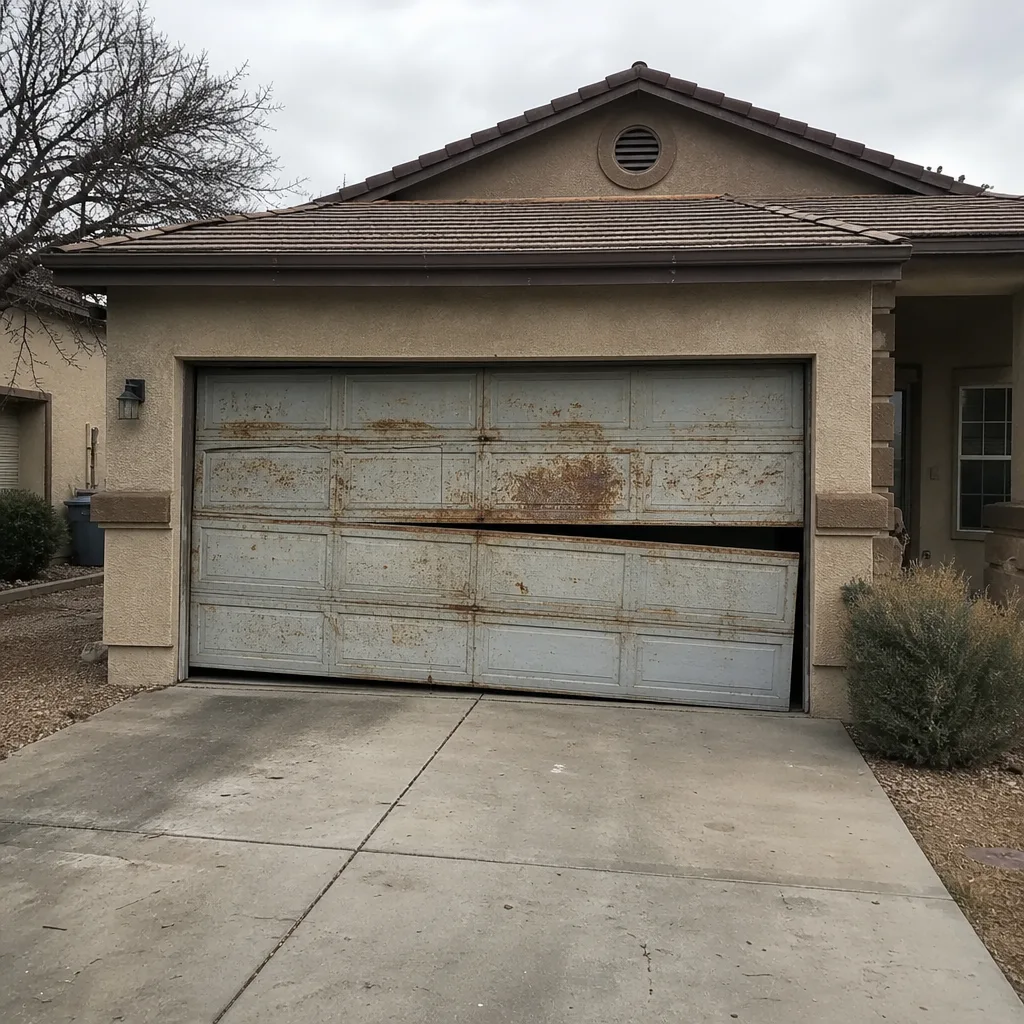 Before
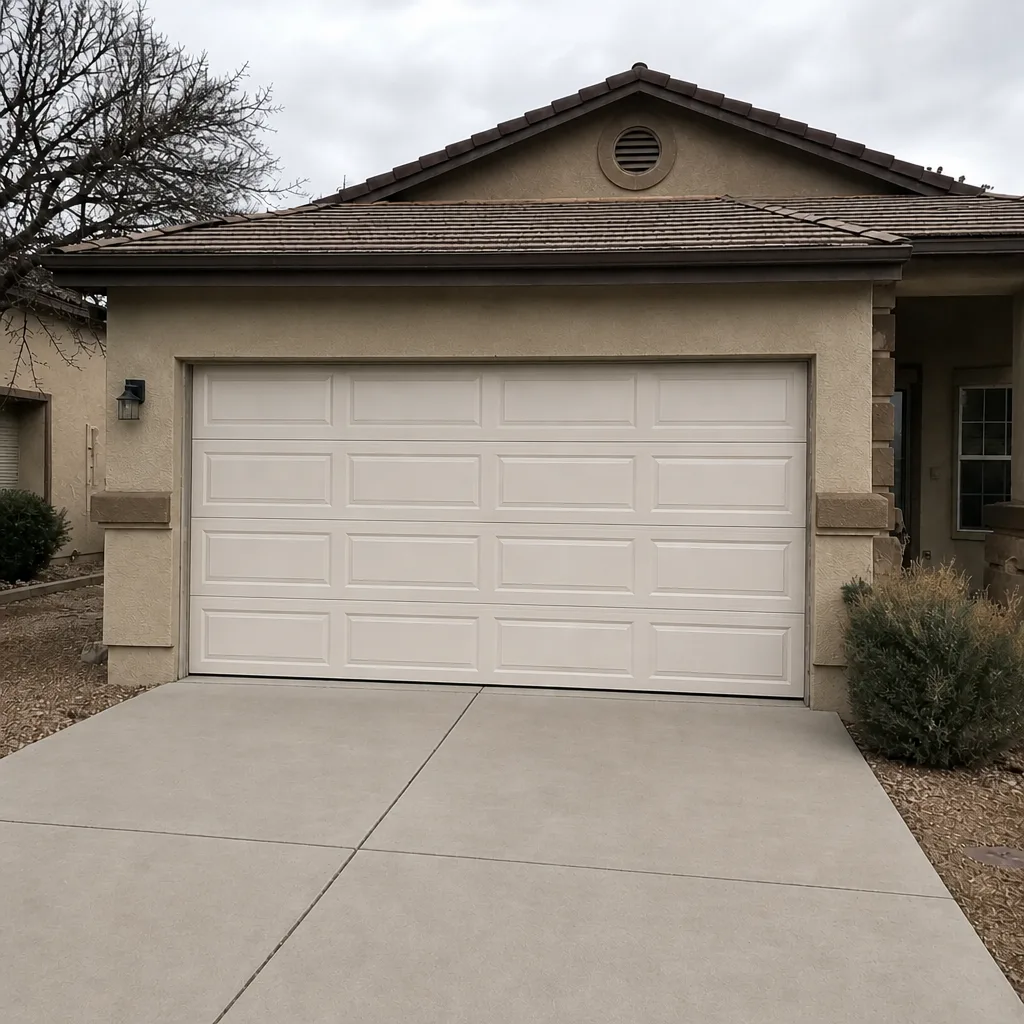 After
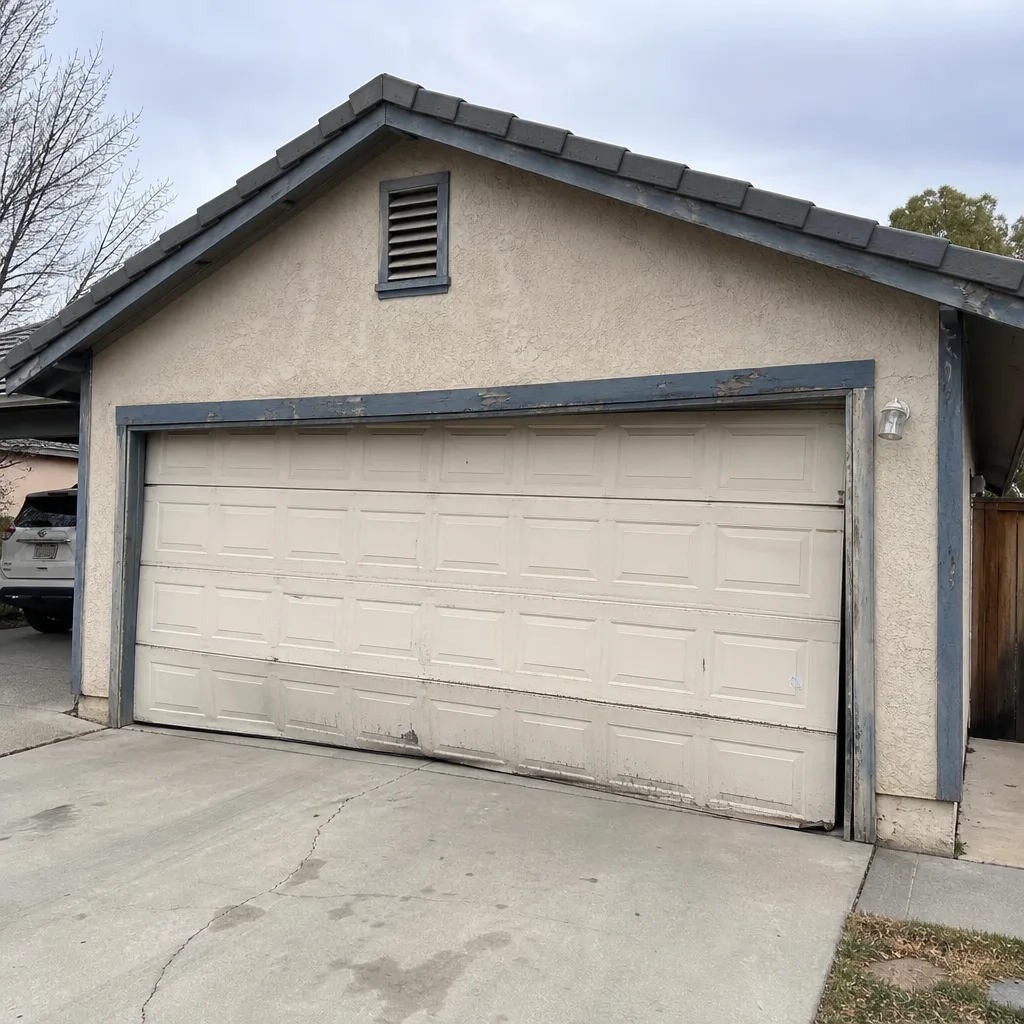 Before
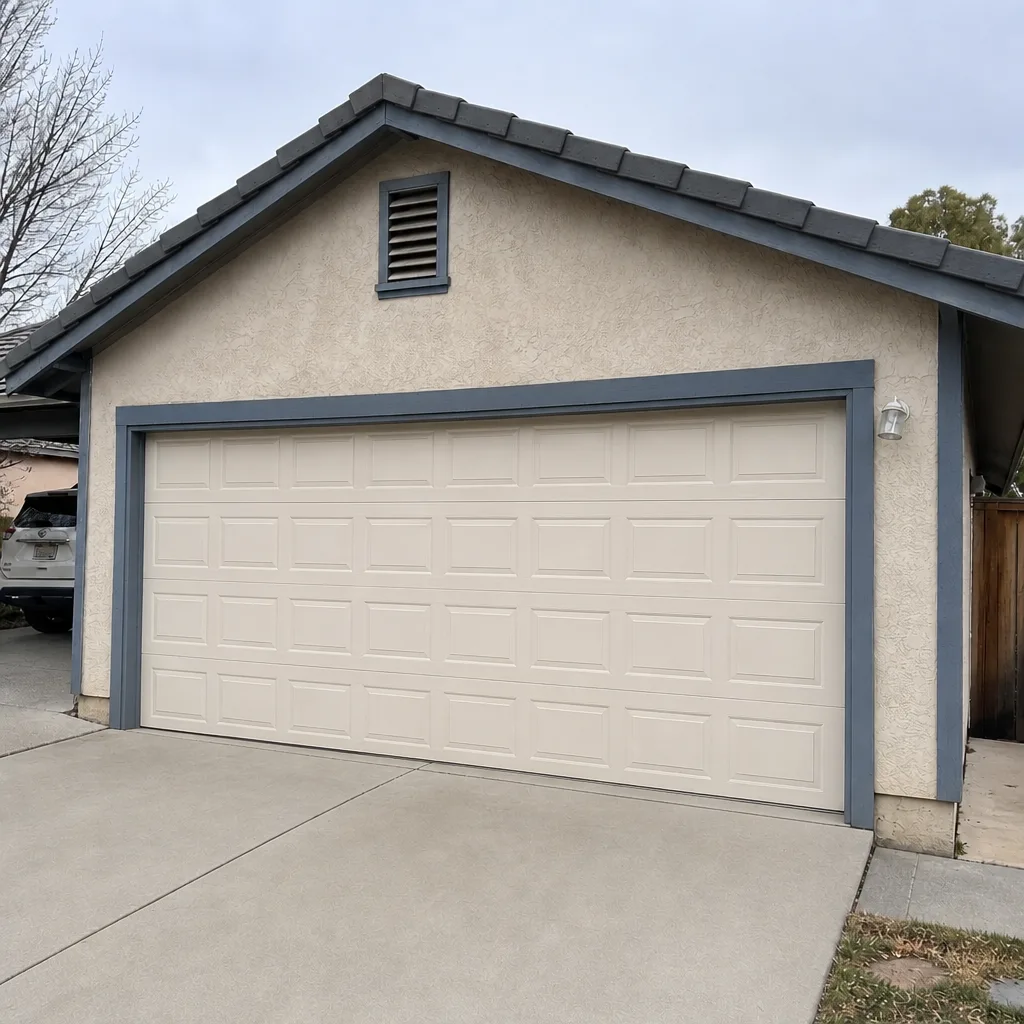 After
Frequently Asked Questions
A grinding or scraping noise as the door moves is usually the first sign, and it almost always traces to a seized roller bearing or dry hinge. Next most common is the door feeling heavier or slower. A popping or snapping sound is the loudest warning and means a spring is failing or has failed, so stop using the door immediately. Catching the grind in week one is why our garage door opener repair and installation in Enterprise calls usually start with a look at the rollers before we touch the motor.
Spring replacement in Enterprise typically runs $180 to $340, depending on whether it’s a torsion or extension spring and the size of the door. Rollers usually add $35 to $80, and a track-and-roller job runs higher when the track has been scored. The number you hear on the phone is the number we hold when we arrive, and it’s quoted and agreed before any work starts. Call (833) 620-7107 for an exact quote – estimates are free.
No. The price we quote on the call is the price we hold at the door. If the broken spring turns out to be the only problem, that’s the bill. If we find a second issue, we’ll show it to you, price it, and let you decide before anyone touches a wrench. Nothing gets added to the invoice without your agreement up front.
No. With a broken torsion spring, the door’s full weight is held only by the opener or nothing at all, so it can come down hard. With a broken extension spring on old doors, the door can drop. Do not use the door, do not try to lift it by hand to force it shut, and call us so we can make it safe. This is not a “wait until Monday” situation.
Twice a year for the visual check on this page, and once every two years for a professional tune-up that includes spring tension, cable, and roller inspection. In Enterprise, the desert sun and dust wear parts faster than most national averages, so we lean toward looking at the door each spring and again in the fall. A 20-minute tune-up is cheaper than a track replacement any day.
Yes. Otto’s Garage Door is licensed and insured, with a published address and license number any homeowner can verify before the truck arrives. Our technicians have up to 22 years of experience and are background-checked and trained across LiftMaster, Chamberlain, Genie, Clopay, and Amarr. You’re getting a name you can check, not a call center. When you need us, call (833) 620-7107 – a live person answers around the clock.
The Bottom Line
Your door has been telling you what it needs for weeks. A grind is a roller. A pop is a spring. A slow lift is tension. A door that binds in July is heat in the track. None of those are “getting old” – each one points at a specific part you can catch early. Get the flashlight out twice a year, run the 30-second balance test, and treat the sound of a pop as the stop sign it is. If you’re not sure what you’re hearing, or you want to know what parts on your door in Enterprise have left – call (833) 620-7107 for a free estimate. A live person answers, Otto quotes it on the call, and the number holds at the driveway. From the team that runs Otto’s Garage Door Enterprise, we’d rather look at your door in April than replace your track in August. And when it’s time for a new door or a new opener, we also handle garage door installation in Enterprise.
Written by the team at Otto’s Garage Door Enterprise.