
Last updated November 17, 2026
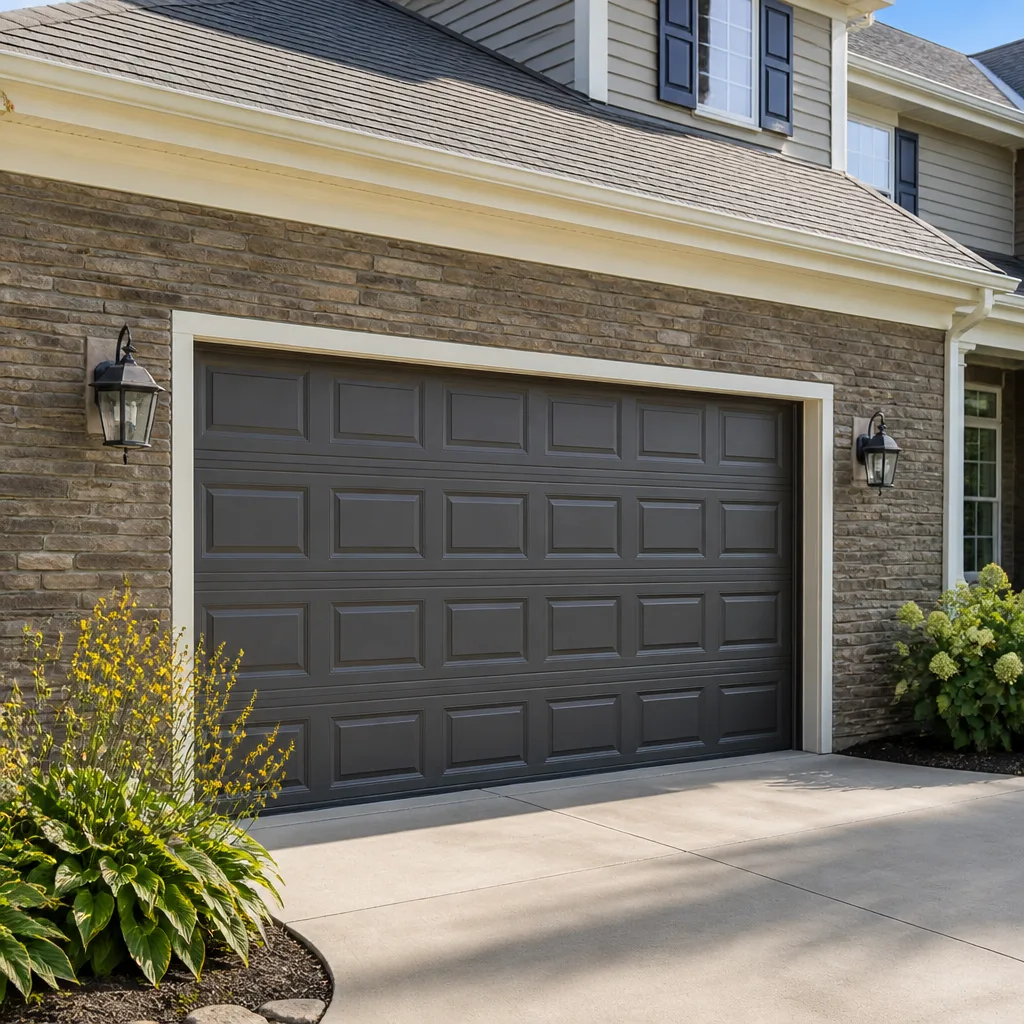 Raised-panel steel
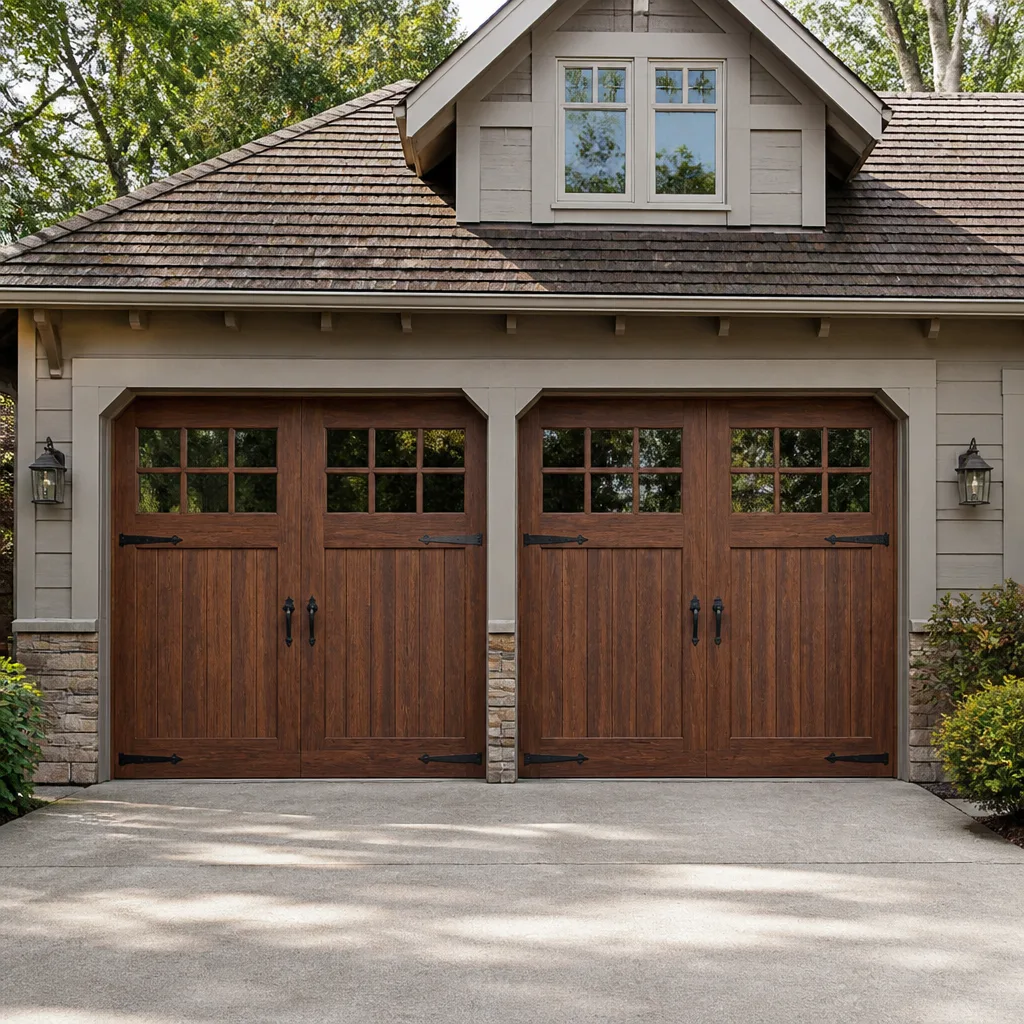 Carriage house
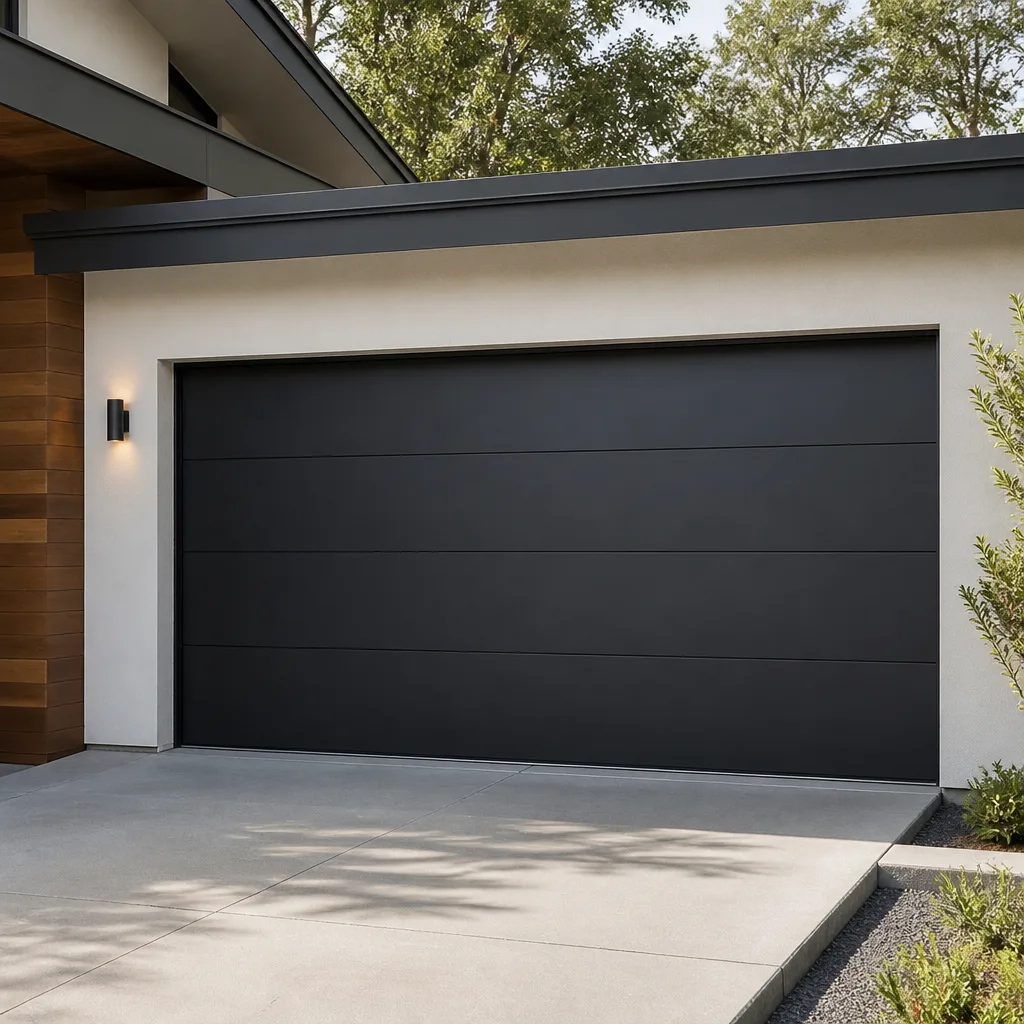 Modern flush
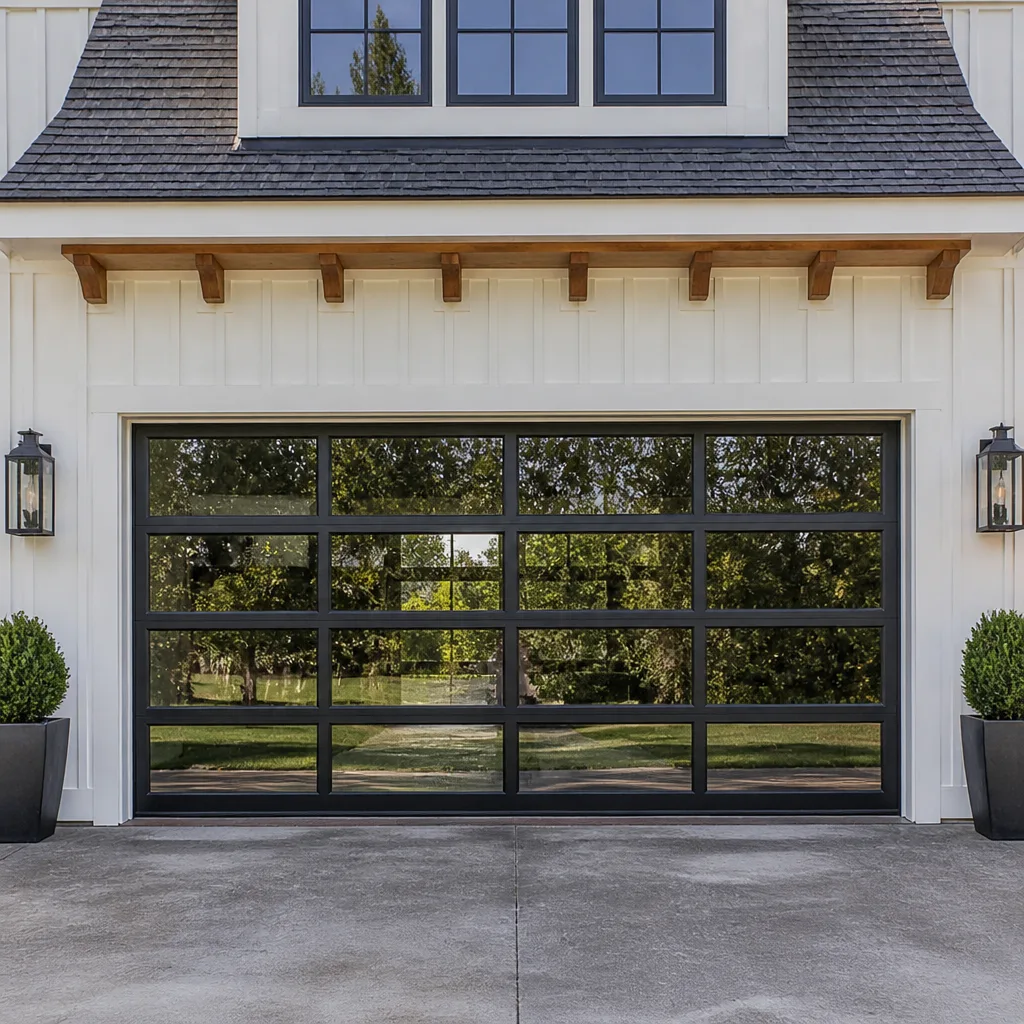 Full-view glass
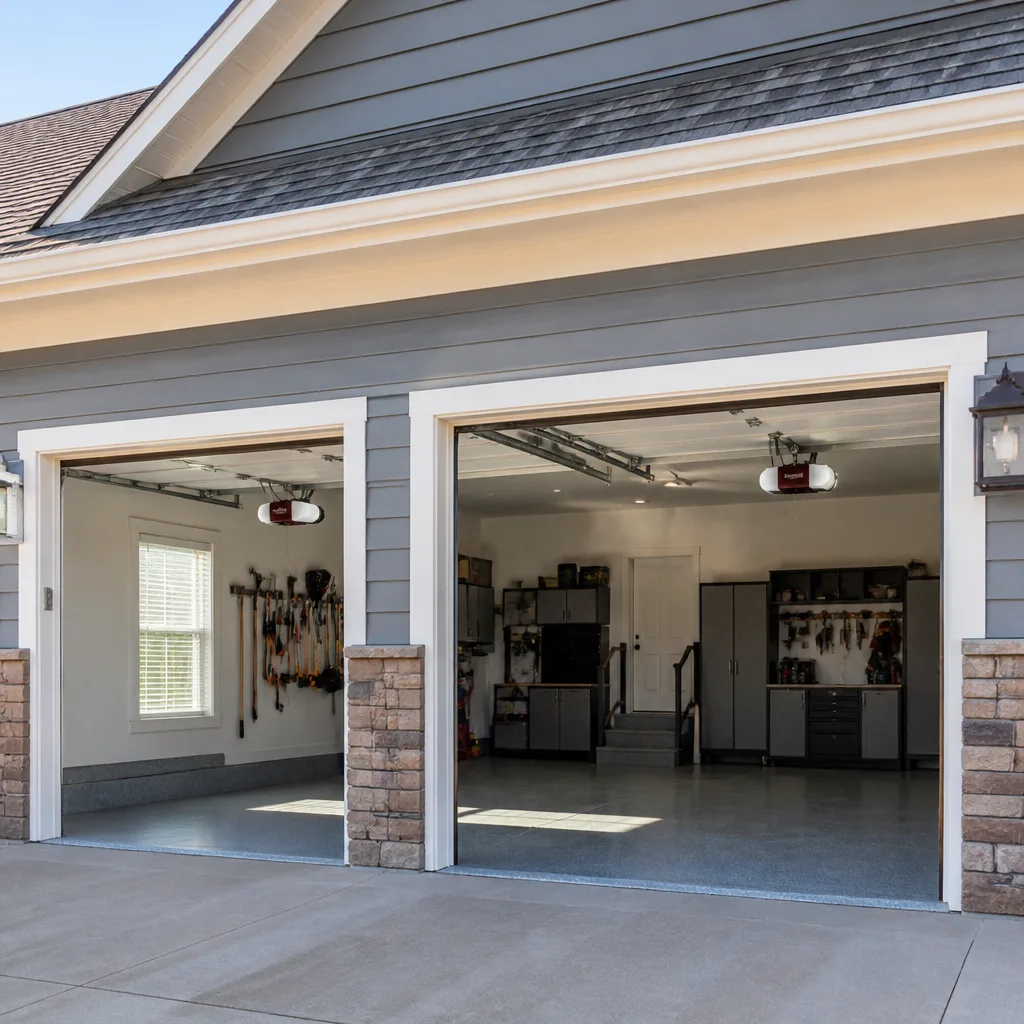 LiftMaster openers
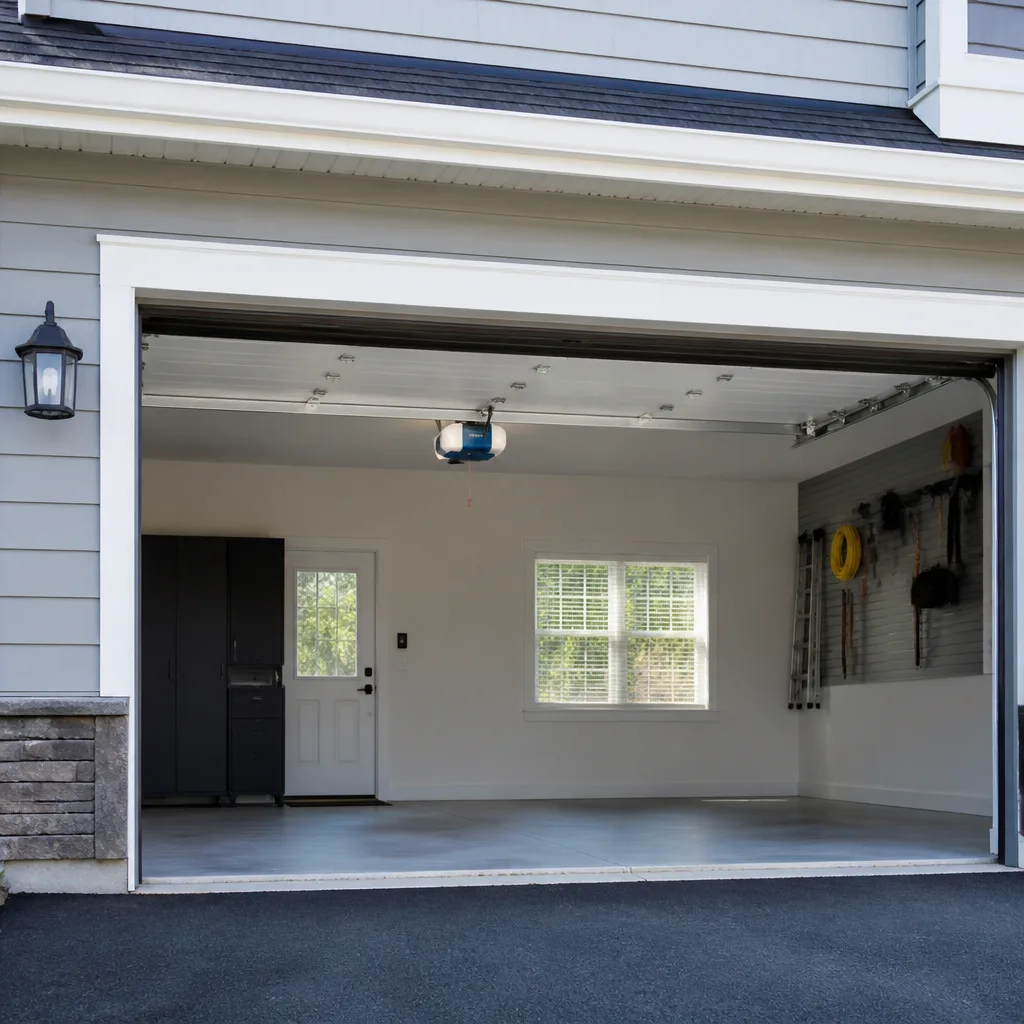 Chamberlain openers
Full 25-point door and opener safety check with every visit - springs, cables, rollers, tracks, and your LiftMaster or Chamberlain opener included
You get a price before we start. It does not change when the pro arrives.
Get your free estimateThe Complete Garage Door Parts Guide for Enterprise Homeowners
Otto has stood in driveways where the invoice listed five parts and the door needed two. The homeowner signed it because they had no way to argue. Nobody ever showed them what’s actually hanging above their car. A garage door is about 200 pounds riding on two springs and a handful of steel parts, and most Enterprise homeowners can name maybe three of them. That gap is where bad quotes live. This guide fixes the gap. By the end you’ll know every major component by name, which parts are cut to your door’s exact weight and which are universal, which ones get sold when they didn’t need replacing, the two parts nobody should ever touch, and how long each piece lasts so a failure stops being a surprise and becomes a line in the budget.
Quick Answer
A garage door is made of springs (torsion or extension), cables and drums, rollers, hinges, vertical and horizontal tracks, a bottom seal, weather stripping, and a top-section tension bracket, plus the opener and its rail. Springs are sized to your specific door’s weight and height, so they are never universal. Most rollers, hinges, and bottom seals come in standard sizes and fit nearly any door. Two components, the torsion spring assembly and the cable drums under load, carry enough stored energy to seriously injure you and have no DIY case at all.
Styles & brands we work with
- Raised-panel steel
- Carriage house
- Modern flush
- Full-view glass
- LiftMaster openers
- Chamberlain openers
Table of Contents
- Springs: Torsion vs. Extension, and Why Yours Are Custom
- Cables and Drums: The Wound-Up Energy
- Rollers and Hinges: The Small Parts That Do the Most Work
- Tracks: Vertical and Horizontal Runs
- Bottom Seals and Weather Stripping
- The Top Section’s Tension Bracket
- Door-Specific vs. Universal Parts
- Parts Lifespan: What to Expect and When to Budget
Springs: Torsion vs. Extension, and Why Yours Are Custom
Springs do the heavy lifting. They store energy when the door closes and release it when the door opens, which is why a 200-pound door feels like it weighs ten. There are two systems, and which one you have depends on your door and your home’s build era.
- Torsion springs mount horizontally on a shaft above the door and twist. They’re the modern standard and usually give a smoother, quieter cycle.
- Extension springs run along the horizontal tracks on either side and stretch. Common on older doors, and they need a safety cable running through the middle in case one lets go.
Here’s the part most guides skip: springs are sized to your door’s exact weight and height. A spring for a nine-foot double door is a different wire gauge and length than one for a seven-foot single. That’s why a spring is never a universal part, and why a quote that names a spring price without measuring your door first is a guess. In Enterprise, our dry desert air and big seasonal temperature swings work springs hard, and we see plenty of failures in the first hot weeks of spring when the metal has cycled through a cold winter and suddenly heats up.
We count spring cycles the way you count tire miles. A standard spring is typically rated for around 10,000 cycles, and a high-cycle spring can roughly double or triple that. One open and close is one cycle, so a busy household burns through them faster than a quiet one. When we quote a spring, we tell you what’s left on yours and what the replacement is rated for.
Cables and Drums: The Wound-Up Energy
Cables run from the bottom corners of the door up around the drums at each end of the torsion shaft. The drums are grooved spools that the cables wind onto as the door moves. Together they keep the door level and transfer the spring’s energy to the door’s edges.
A frayed cable is a warning, not a suggestion. Cables are under constant tension, and one strand at a time is how they fail. If you see fraying, a kink, or a cable that’s jumped its drum, that door should not be cycled until someone trained looks at it.
This is one of the two components we will tell you straight: cables and drums under load have no DIY case. The stored energy in a wound torsion system can release in an instant, and the injury risk is nowhere near proportional to what you’d save. There’s no homeowner repair here worth the gamble. When a cable goes in Enterprise, call and we’ll get the door secured and quoted, usually the same day.
Rollers and Hinges: The Small Parts That Do the Most Work
Rollers are the wheels that ride in the track. Hinges are the joints between door sections. These two take the most cycles of any part on the door, and they’re also the two most often sold when they just needed cleaning.
Rollers: steel vs. nylon
- Steel rollers are durable and cheap, but louder. Fine for a detached shop or a door you don’t hear much.
- Nylon rollers run quieter and smoother and are the better pick for an attached garage where the door is under a bedroom.
Most rollers are a standard size and fit nearly any residential door. If a shop tells you a roller is a special-order part for your brand, ask why.
Hinges: numbered by position
Hinges are numbered, and the number tells you where they go. Hinge #1 sits between the bottom and second section, #2 between the second and third, and so on. The top and bottom corners use different hinge types entirely. Using the wrong number is a common source of a door that binds. Like rollers, standard hinges fit standard doors, and they’re inexpensive.
Before anyone sells you new rollers or hinges, know this: a squeaky or stiff door is often fixed by lubricating the rollers, hinges, and spring with a proper garage door lubricant, not by replacing anything. We’ve seen plenty of Enterprise doors where a ten-minute lube and adjustment was the whole job.
Tracks: Vertical and Horizontal Runs
The track is the rail system the door rides in. It has two parts: the vertical track that guides the door up from the floor, and the horizontal track that carries it back along the ceiling. Curved transition pieces connect them.
Tracks get blamed for a lot of problems they didn’t cause. A door that’s binding or scraping is more often a roller, hinge, or alignment issue than a bent track. But tracks do get damaged, usually from a bumper tap, a ladder leaned in the wrong spot, or a door that’s been forced. A dented or out-of-plumb track should be straightened or replaced before it wears out your rollers.
Track work is alignment work, and alignment is where a door either runs quiet for years or starts eating parts. If your door in Enterprise is scraping, popping, or dragging on one side, that’s a track-and-alignment call, not a parts-shopping trip.
Bottom Seals and Weather Stripping
The bottom seal is the rubber or vinyl strip along the bottom edge of the door. It seals against the floor, keeps out dust, water, and pests, and takes the impact every time the door closes. Weather stripping runs along the sides and top to close the gaps around the frame.
These are wear items, and in Enterprise they earn their keep. Desert dust blows under a worn seal, and summer heat cooks the rubber until it cracks and hardens. A seal that’s cracked, flattened, or leaving a visible gap at the floor is a cheap, fast replacement and one of the few jobs a handy homeowner can often handle with a standard-size seal. Bottom seals come in common widths, so they’re usually universal. If your garage shares a wall with the house and you notice dust or heat sneaking in, the seal is the first thing to check.
The Top Section’s Tension Bracket
The top section carries a bracket where the opener’s arm connects. Some setups also have a tension bracket up top related to the spring system. This bracket is small and easy to overlook, but it’s under load and it matters.
If you hear a clunk or a pop from the top of the door when it opens, that bracket and its fasteners are worth a look. It’s not a part to experiment with, because it’s tied into the spring and opener forces. A loose or failing top bracket is a call-a-professional item. It’s one more reason the opener and the door are a system, not two separate machines.
Door-Specific vs. Universal Parts
Knowing which is which is how you evaluate a quote. Here’s the split:
- Door-specific (sized to your door): torsion and extension springs, cables cut to length, and drums matched to the door’s weight and height.
- Universal (standard sizes fit most doors): most rollers, most hinges, standard bottom seals, and common weather stripping.
When a quote lists a universal part at a premium “custom” price, ask. When a quote names a spring price without measuring the door, ask. These are fair questions, and any shop worth your business will answer them without flinching. Our garage door repair in Enterprise starts with measuring the door, because a spring quote without a measurement is a number pulled from the air.
Parts Lifespan: What to Expect and When to Budget
Exact life depends on cycles, climate, and door weight, but here’s the realistic range we plan around for Enterprise homeowners. Use it to budget instead of getting blindsided.
| Part | Typical lifespan | Notes |
|---|---|---|
| Torsion spring | 7-12 years (about 10,000 cycles standard) | High-cycle springs last longer; heat and heavy use shorten life |
| Extension spring | 7-10 years | Needs a safety cable through the middle |
| Cables | 10-15 years | Watch for fraying; replace in pairs |
| Rollers | 5-10 years | Nylon quieter; steel louder but tough |
| Hinges | 10-15 years | Lubrication extends life |
| Bottom seal | 3-7 years | Desert heat and sun shorten this |
| Tracks | 15-20+ years | Lasts unless damaged by impact |
For reference, spring and cable replacement on a typical single door is the most common repair we run, and most of those are done the same day. If you want the full picture on a specific failure, our garage door opener repair & installation in Enterprise page covers the opener side, since a straining opener is usually a door-and-parts problem, not an opener problem.
Common Mistakes to Avoid
- Letting someone replace all the rollers and hinges when they just needed lube. A stiff door is often fixed by cleaning and lubricating, not swapping parts. Ask what a lube and adjustment alone would cost.
- Accepting a spring price before anyone measures the door. Springs are sized to weight and height, so a quote without a measurement is a guess. Ask them to measure first.
- Cycling a door with a frayed cable or a visible gap in the spring. That’s stored energy waiting to let go. Stop using the door and get it looked at today.
- Buying a “custom” universal part. Most rollers, hinges, and bottom seals are standard sizes. If a quote marks them up as special-order, ask why.
- Ignoring the bottom seal while dust pours in. In Enterprise, a cracked seal lets desert dust and summer heat right into the garage. It’s a cheap fix.
- Letting a straining opener get blamed and replaced. If the opener is struggling, the problem is almost never the opener. Check the door balance and the parts first.
- Forcing a binding door by hand. A door that won’t run smooth is out of alignment, and forcing it wears out rollers and tracks. Stop and call.
See the difference
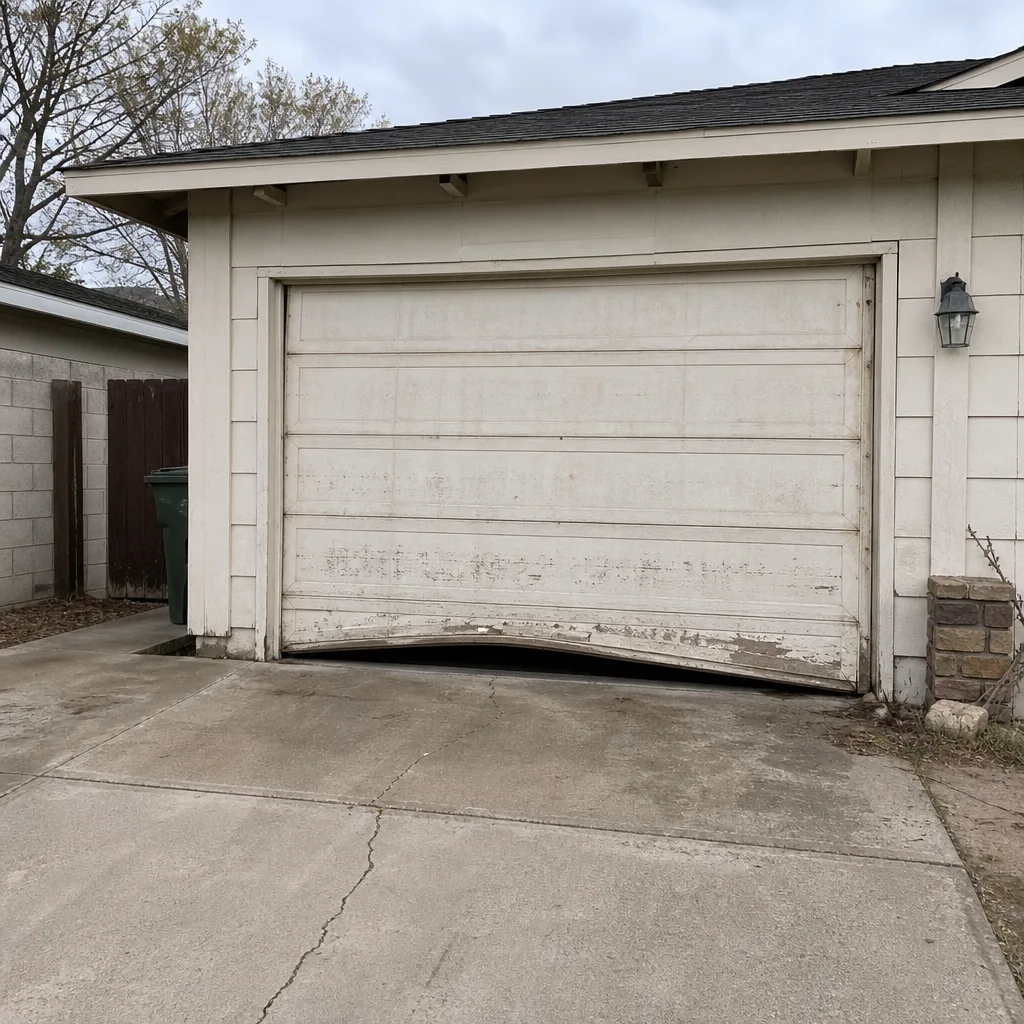 Before
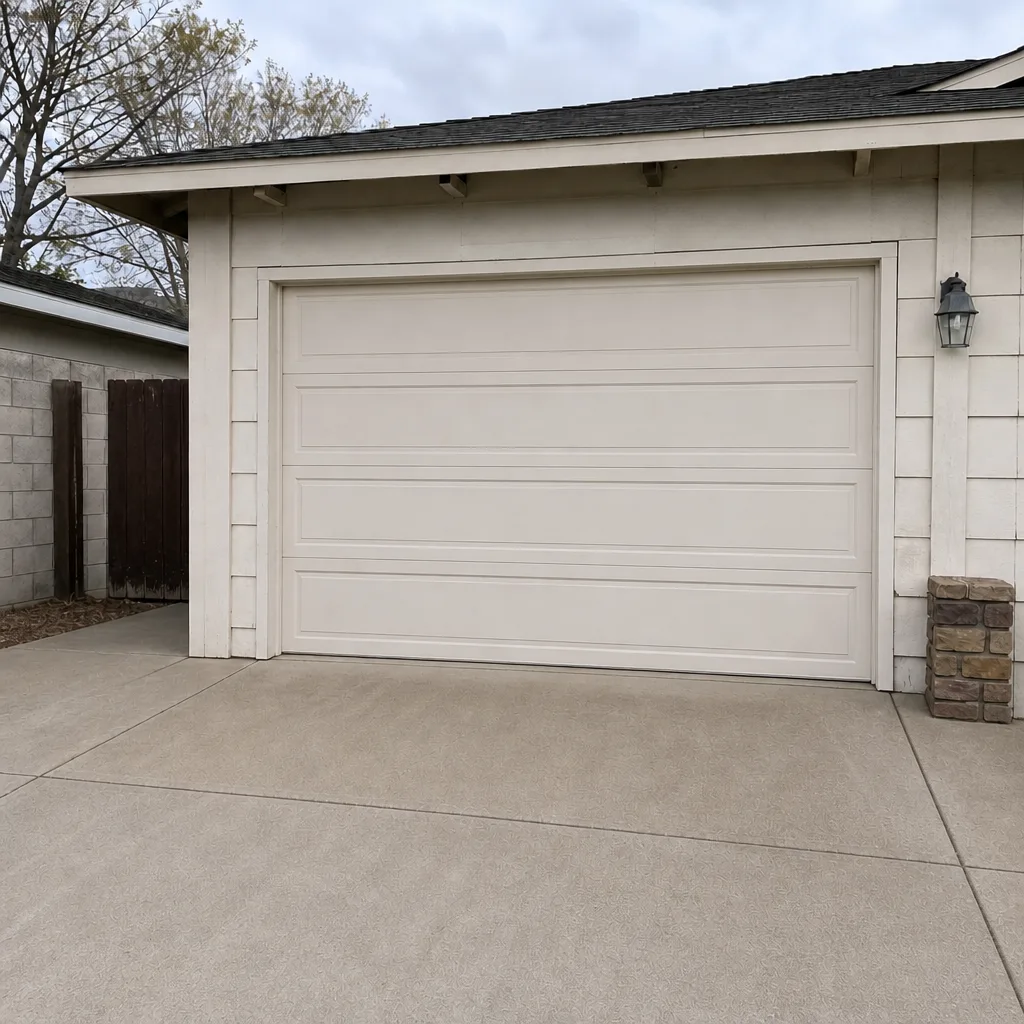 After
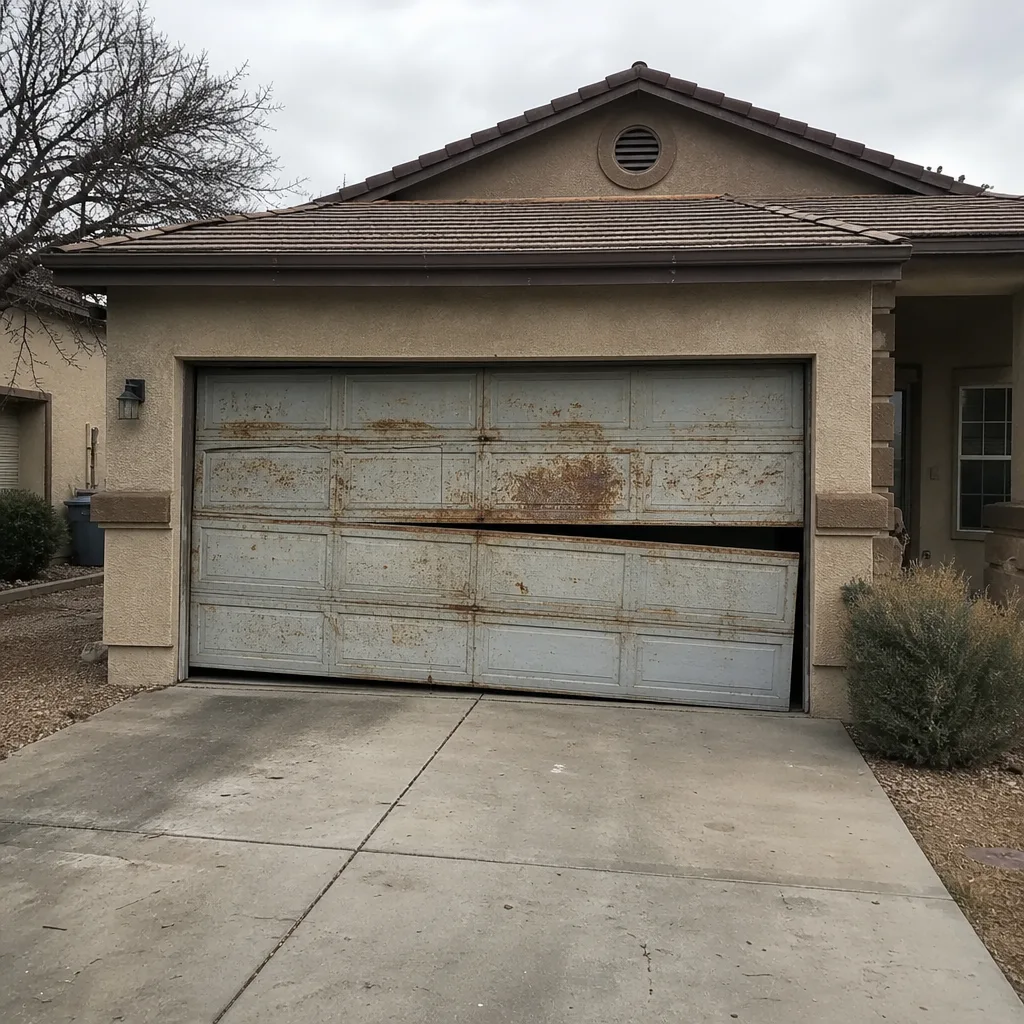 Before
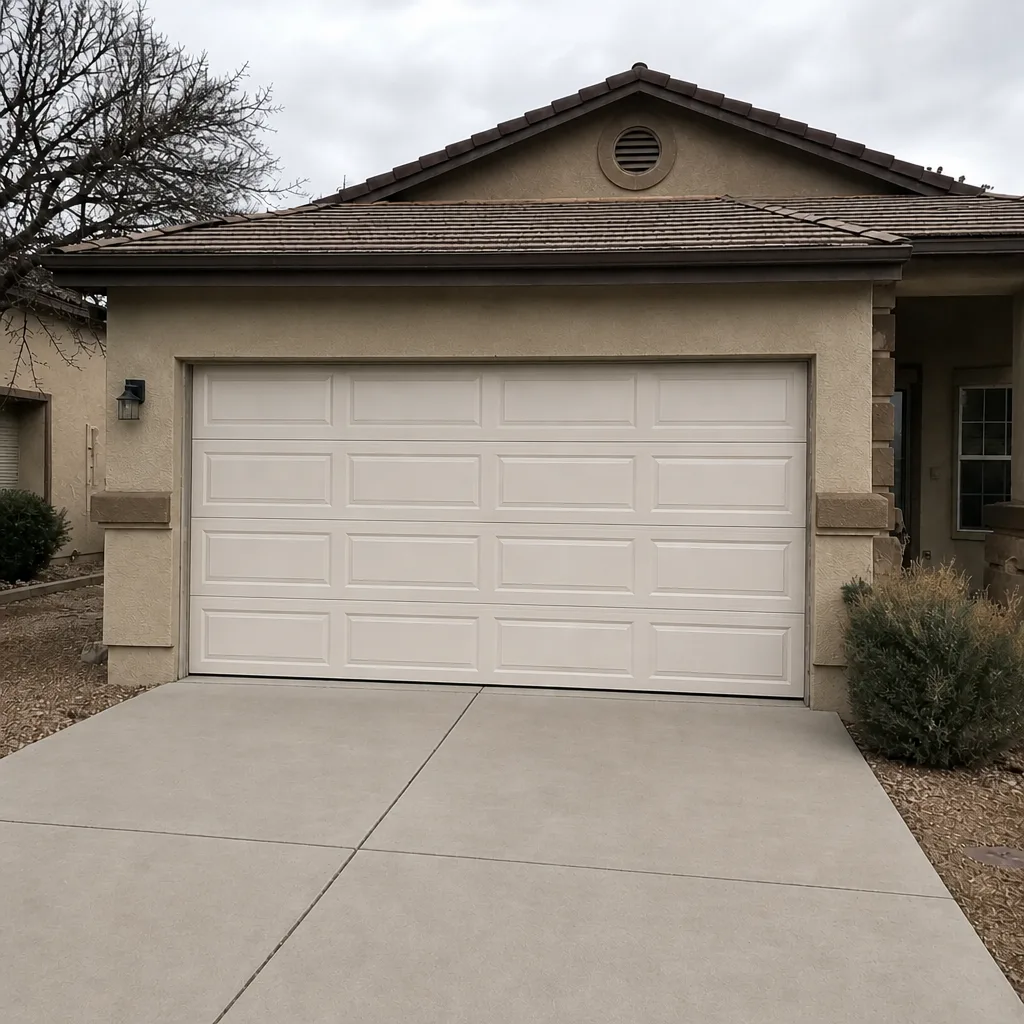 After
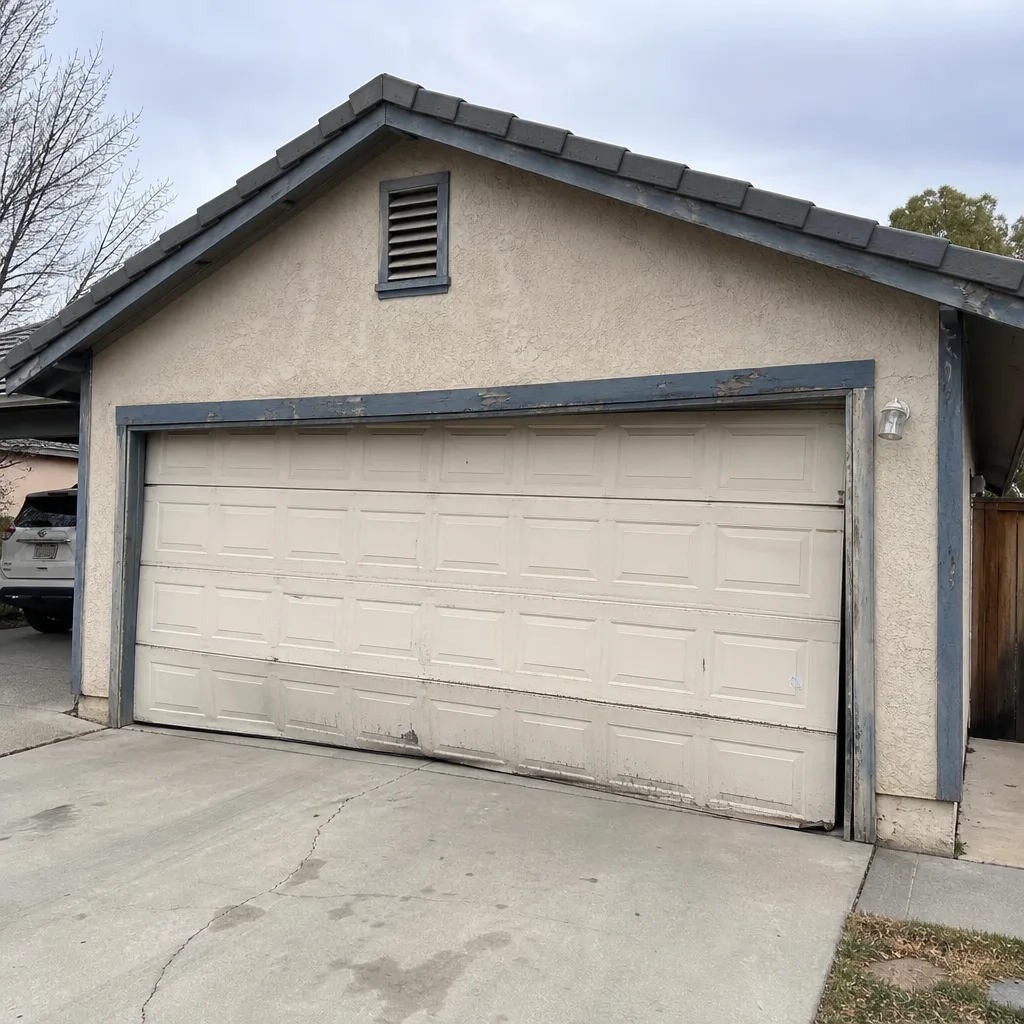 Before
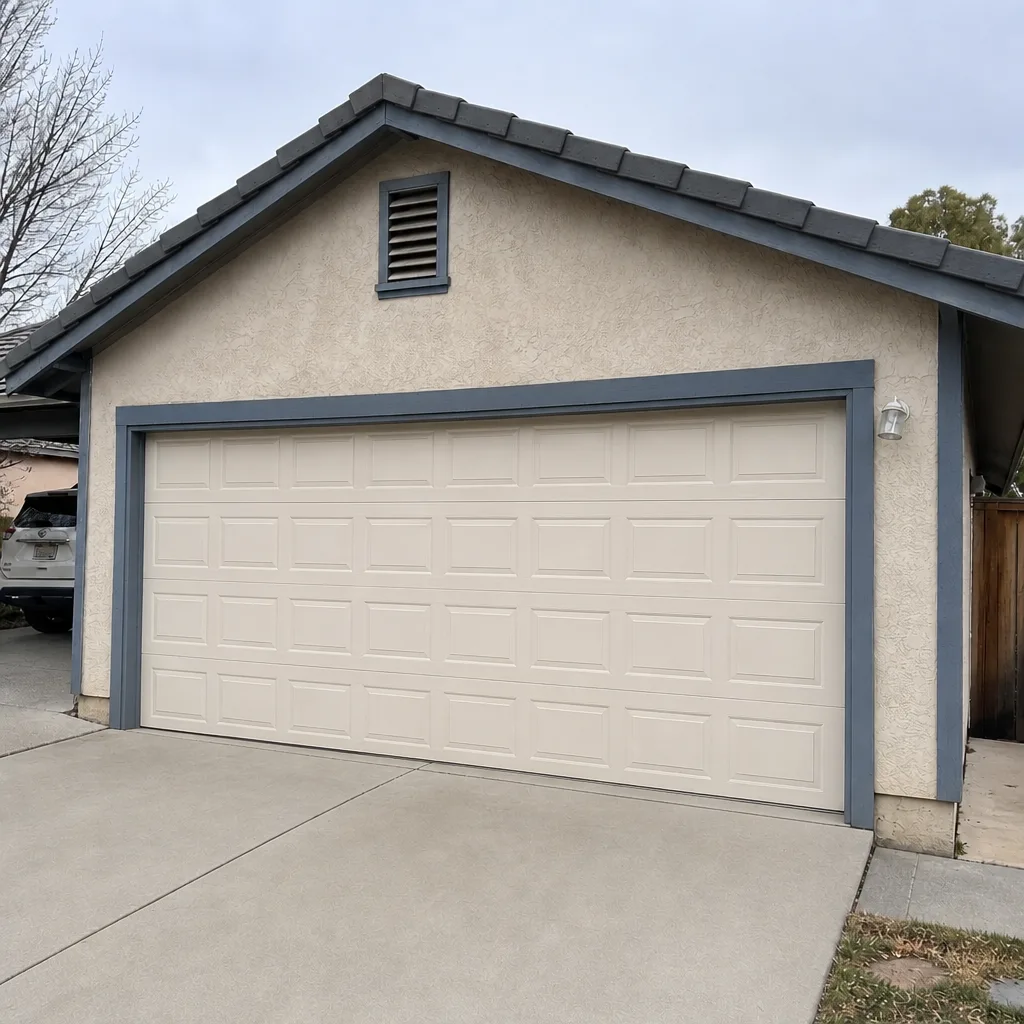 After
When to Call a Professional
Some jobs are a Saturday afternoon. Some are a phone call. Call us for anything involving the torsion spring assembly, the drums, the cables under load, or a top bracket tied into the spring system. Call when a door is off its track, when a cable is frayed, when you hear a loud pop from above, or when the door has become hard to lift or slams down. If you’re an Enterprise homeowner who’s already been told you need a pile of parts, ask for a second opinion before you sign. We’re happy to look at any written estimate, and Otto’s Garage Door Enterprise home lays out how we quote: the price on the phone is the price at the door, and the guarantee is in writing. Free estimates in Enterprise, call (833) 620-7107.
Frequently Asked Questions
Spring replacement on a typical residential door in Enterprise generally runs in the low-to-mid hundreds of dollars per spring, and high-cycle springs cost a bit more because of the heavier wire. The exact price depends on door weight, height, and whether it’s torsion or extension. We measure your door and quote before any work starts, and the number holds. Call (833) 620-7107 for an exact quote, estimates are free.
No. We quote on the call, measure when we arrive, and the price you agreed to is the price on the invoice. If we find something else while we’re there, we tell you and you decide before we touch it. That’s the whole point of a written, upfront number.
Often yes. Spring and cable failures are the most common same-day repair we run in Enterprise, and we keep live people answering the phone around the clock for exactly that reason. Call (833) 620-7107 and we’ll tell you straight whether it’s a today job.
Yes. The team is background-checked and trained across all major brands, including LiftMaster, Chamberlain, Craftsman, and Raynor. Our technicians have up to 22 years of experience, and the name on the van matches the name on the license. You can verify it before anyone shows up.
The torsion spring assembly and the cable drums under load. Those parts hold enough stored energy to cause serious injury in an instant, and the savings don’t come close to the risk. Rollers, hinges, and a standard bottom seal are reasonable DIY jobs for a careful homeowner. Springs and drums are not.
If the opener is straining, the problem is almost never the opener. It’s usually the door: worn rollers, a binding track, or springs nearing the end of their life. Our garage door installation in Enterprise page covers what a healthy door-and-opener setup looks like. Before you buy a new opener, have the door looked at. Call (833) 620-7107.
The Bottom Line
You don’t need to become a garage door mechanic. You need to know the parts by name, which ones are cut to your door and which are universal, which ones get sold when they didn’t need replacing, and the two parts nobody should touch. Springs and drums are the danger zone. Rollers, hinges, and seals are the wear items, often fixed by lubrication before replacement. Keep the lifespan table handy so a failure is a budget line, not a shock. And when a quote comes in, ask the fair questions: measure the door, name the number, show me the part. That’s how an Enterprise homeowner stops being the person who signs what they can’t read.
When you’re ready for a straight answer and a written guarantee, call Otto’s Garage Door Enterprise at (833) 620-7107 for a free estimate. The price quoted is the price agreed before any work starts, and it’s backed by the 90-Day Done Right Promise on every job.
Written by the team at Otto’s Garage Door Enterprise.