
Last updated November 17, 2026
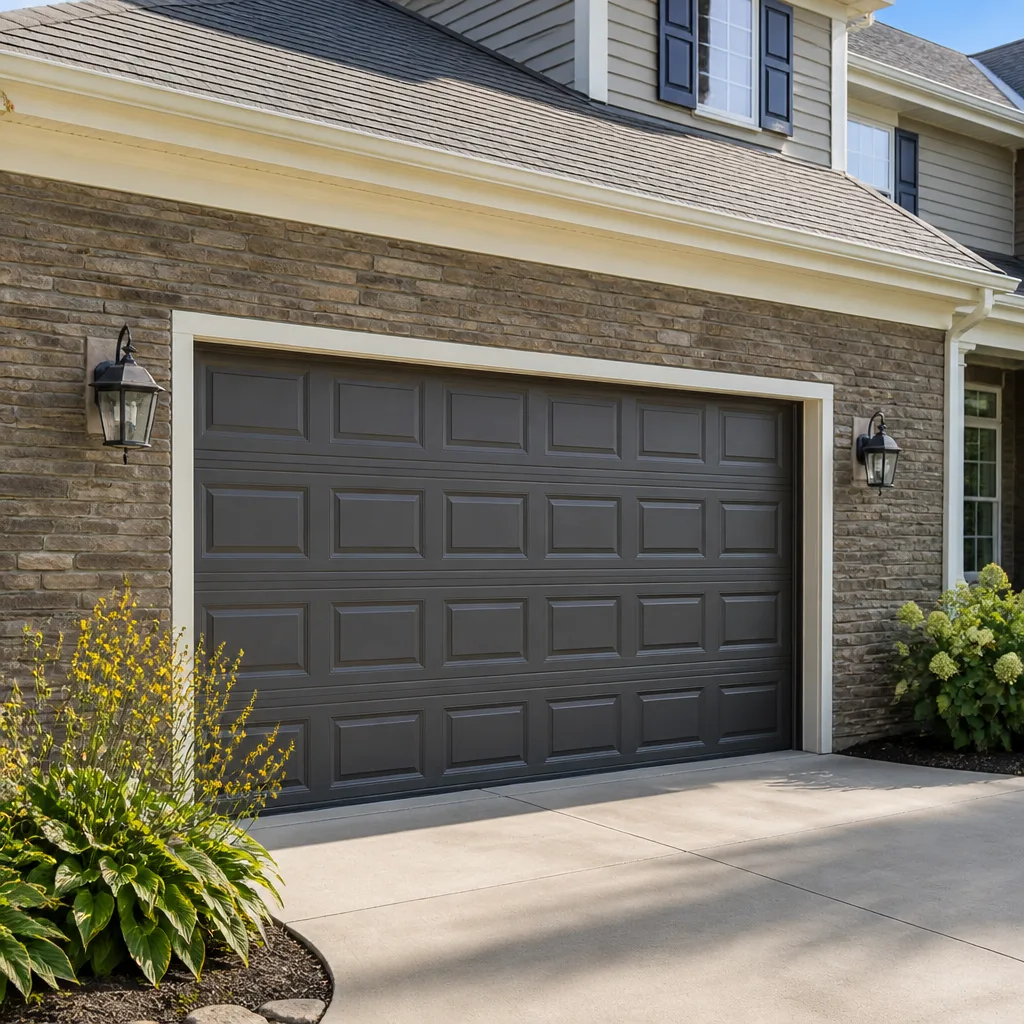 Raised-panel steel
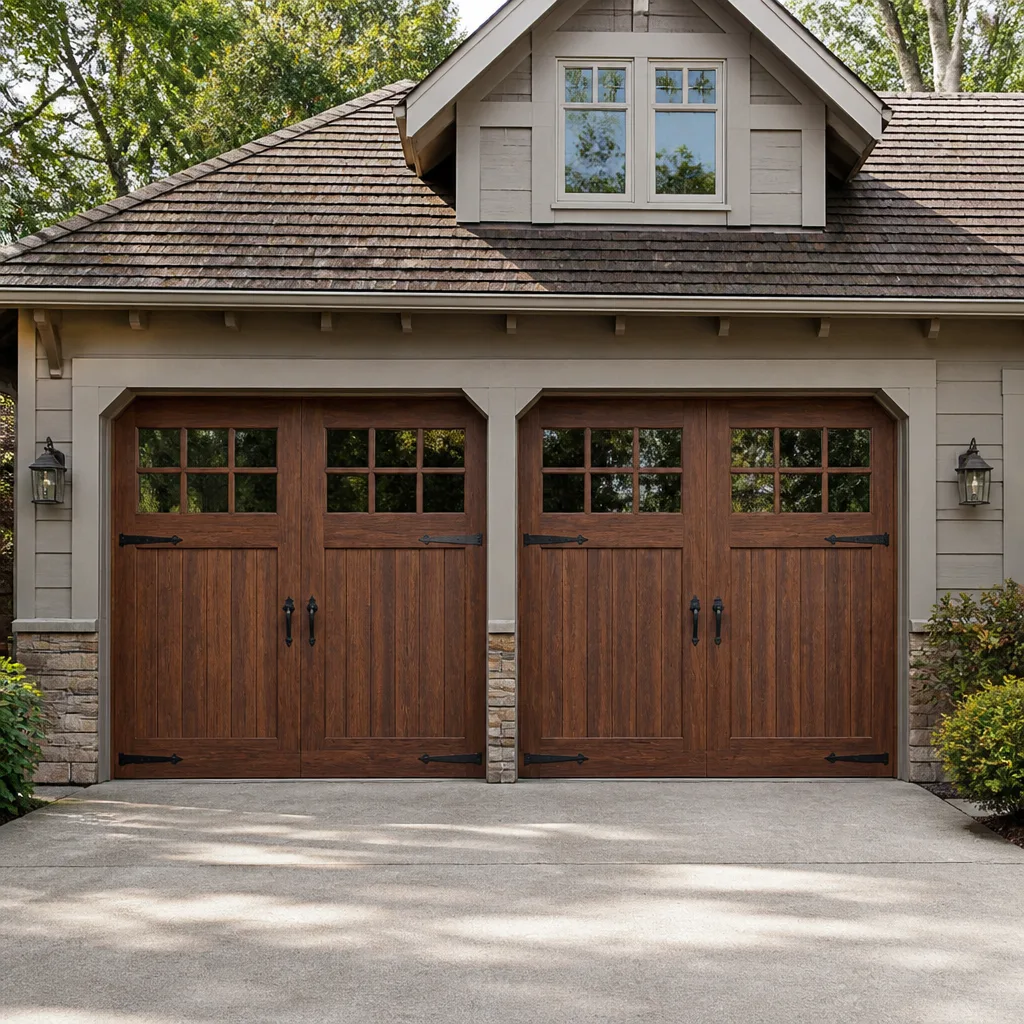 Carriage house
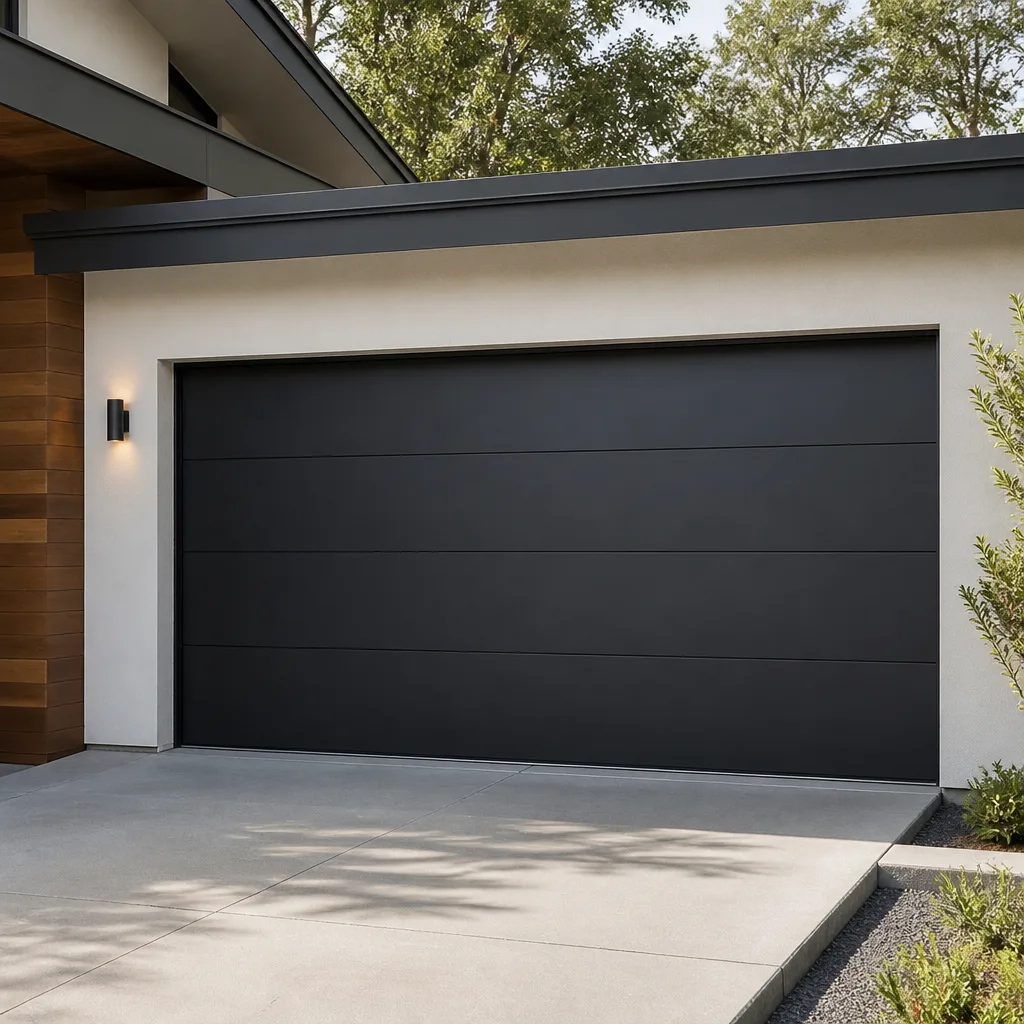 Modern flush
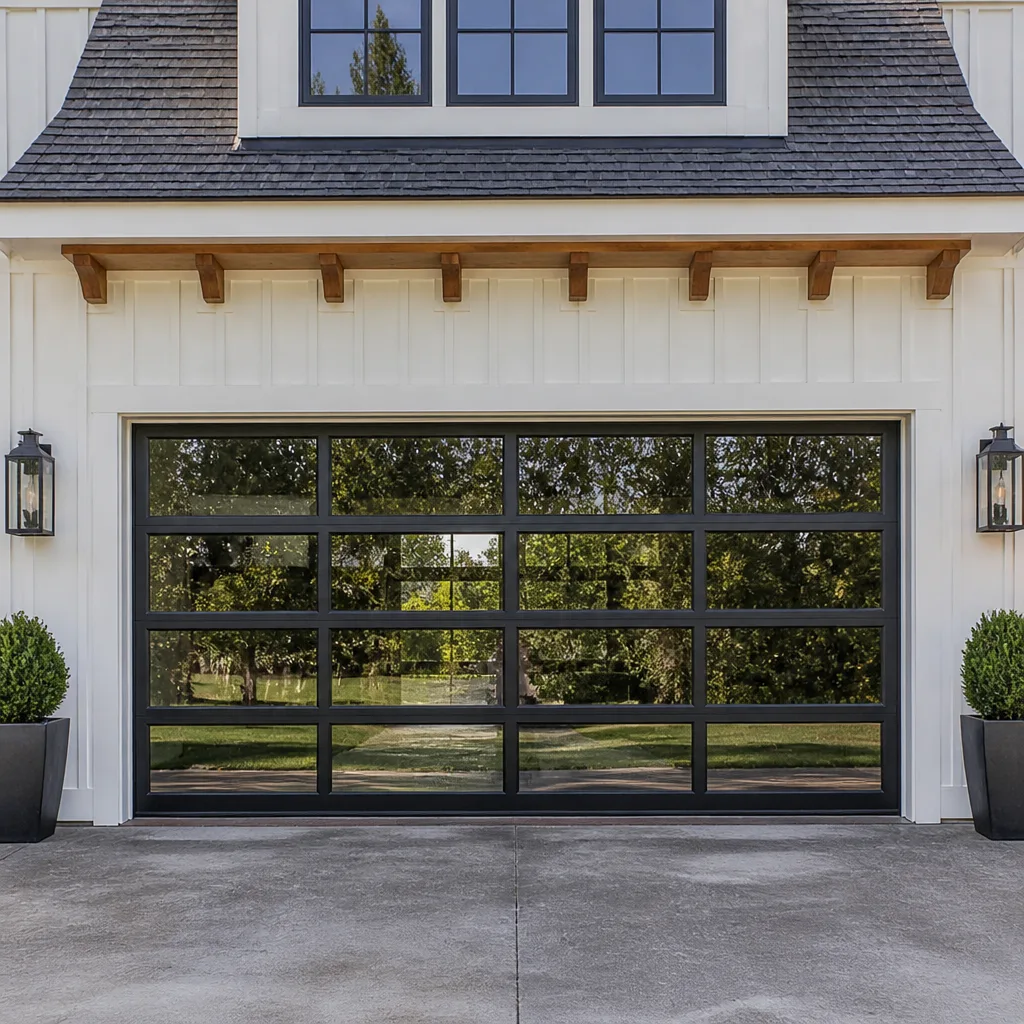 Full-view glass
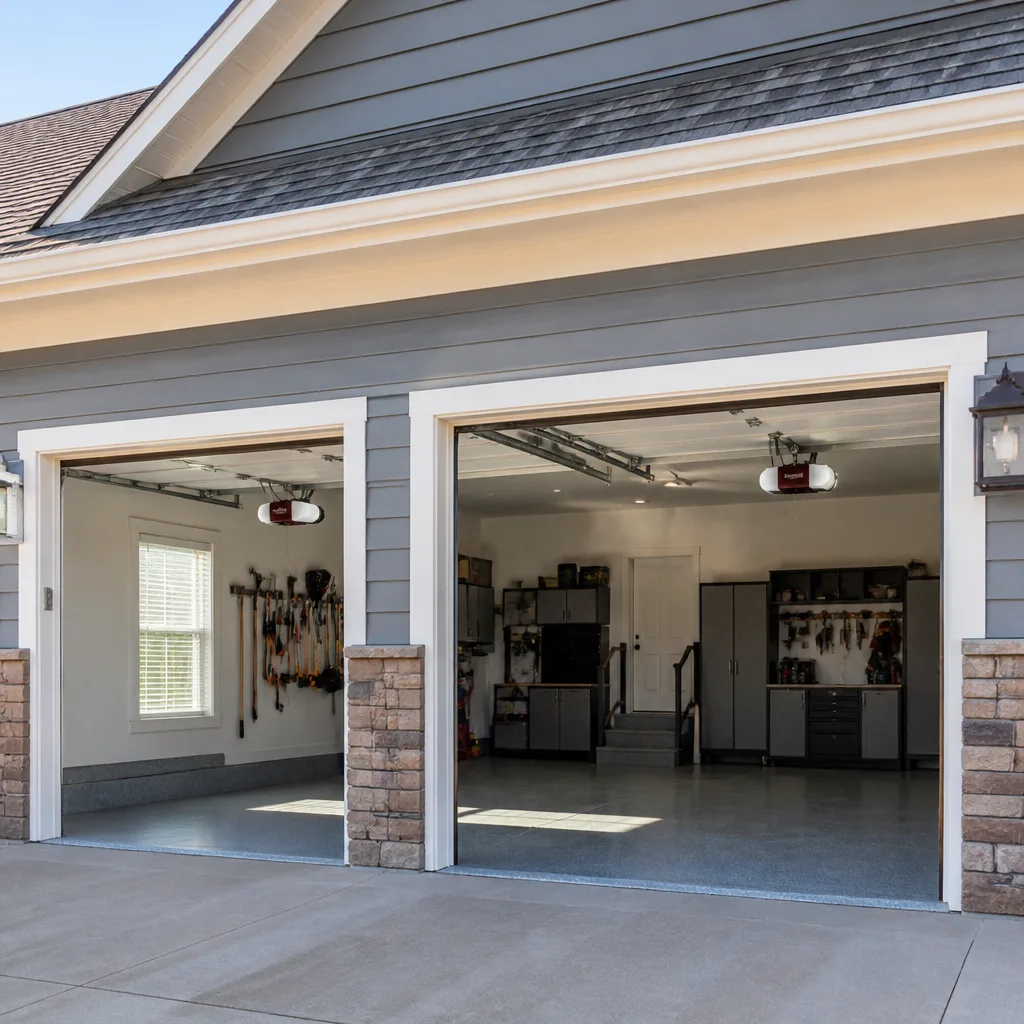 LiftMaster openers
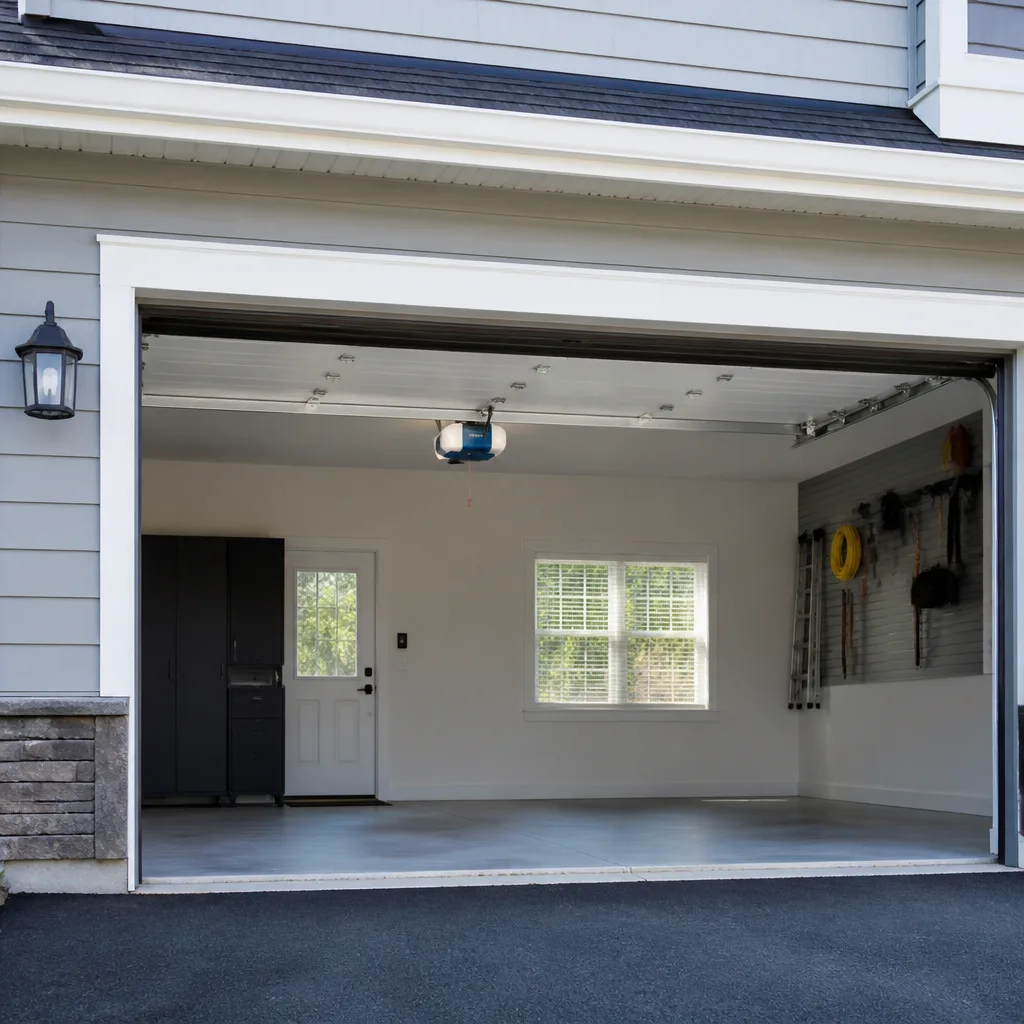 Chamberlain openers
Full 25-point door and opener safety check with every visit - springs, cables, rollers, tracks, and your LiftMaster or Chamberlain opener included
You get a price before we start. It does not change when the pro arrives.
Get your free estimateThe Complete Garage Door Opener Repair & Installation Guide for Enterprise Homeowners
The number one reason we replace openers that are only four years old in Enterprise: the homeowner bought a unit rated for a standard residential door and ran it on a heavy insulated steel door in 115-degree heat. Nobody at the big-box store told them that combination burns out motors early. Out here the heat, the dust, and the power that flickers on a July afternoon put specific stress on an opener that a buying guide written in Ohio won’t mention. This guide covers which drive type survives Enterprise conditions, how horsepower should match your door’s actual weight, the honest answer on permits, and what repair versus replacement really costs before anyone tries to upsell you.
Quick Answer
For most Enterprise homes, a belt-drive opener with 3/4 horsepower (or 1-1/4 HP for a heavy insulated steel door) is the right match, professionally installed with travel limits calibrated and safety reversal tested to UL 325. Opener repair in Enterprise typically runs $150 to $400; full replacement with a new unit installed runs $450 to $900 depending on horsepower, drive type, and door weight. The single most common mistake is under-sizing the motor for an insulated door in this climate, which shortens opener life to a few years.
Styles & brands we work with
- Raised-panel steel
- Carriage house
- Modern flush
- Full-view glass
- LiftMaster openers
- Chamberlain openers
Table of Contents
- Which Opener Drive Type Survives Enterprise Conditions?
- The Horsepower Math for Insulated Doors
- Do You Need a Permit for Opener Work in Enterprise?
- What a Professional Installation Includes
- Repair vs. Replacement: Straight Cost Ranges
- Dust, Heat, and Power Surges: The Local Wear Pattern
- Brands and Parts That Hold Up Here
- Common Mistakes to Avoid
Which Opener Drive Type Survives Enterprise Conditions?
Belt drive is the right default for most attached garages in Enterprise, and it’s not close. The reinforced rubber belt runs quieter than chain, and quiet matters when the garage sits under a bedroom in the two-story plans that dominate neighborhoods off Horizon Ridge and around the older pockets near downtown Enterprise. Chain drive is louder and needs periodic lubrication, but it’s tougher in garages that run dusty year-round. Screw drive is smooth and self-lubricating but struggles in extreme heat over long stretches. Direct drive is quiet and low-maintenance but parts availability can be spotty, which matters when you need a fix fast.
The heat swing here is the real issue. An attached garage in Enterprise can hit 130 degrees in July and drop to the 40s on a January night, and that expansion and contraction works on belts, chains, and lubrication alike. Belt drive handles it well. Chain drive handles it if you keep it greased. Screw drive can get stiff when the temperature climbs and stay stiff. We’ve seen plenty of four-year-old openers fail here that would have run a decade in a milder climate, and the drive type is usually half the story.
If you’re not sure what you have now or what your door can handle, our team handles Garage Door Opener Repair & Installation in Enterprise and can look at the existing setup before recommending a drive type. Matching the unit to the door and the climate is the whole game.
The Horsepower Math for Insulated Doors
Most openers are sold in three ratings: 1/2 HP, 3/4 HP, and 1-1/4 HP. The 1/2 HP unit is the one on the shelf at the big-box store, and it’s rated for a standard uninsulated single-car door, roughly 7 feet tall and around 130 to 150 pounds. Put that same 1/2 HP opener on a heavy insulated double-car steel door pushing 250 to 300 pounds and you’ve asked a light-duty motor to lift nearly double its rated load in 115-degree heat. It will run. It will also burn out early.
The math is simple once you know your door’s weight:
- Standard uninsulated single door: 1/2 HP is fine.
- Insulated single door (steel-backed): 3/4 HP.
- Standard uninsulated double door: 3/4 HP.
- Insulated double door (steel-backed): 1-1/4 HP.
- Any door over 8 feet tall, or a carriage-style with heavy hardware: 1-1/4 HP, and check the spring balance first.
The other half of the math is the springs. An opener doesn’t actually lift the full weight of the door; the springs do most of the work, and the opener handles the balance. If the springs are tired, the opener carries more than it should, and no horsepower rating fixes that. A door that feels heavy when you lift it by hand is a door that’s about to kill a motor. That’s why we check spring condition before recommending a new opener. If the springs are shot, the honest fix might be spring work first, then the opener, not a bigger motor bolted to a struggling door.
Do You Need a Permit for Opener Work in Enterprise?
Here’s the straight answer most people never get: in most cases, replacing an opener on an existing door in Enterprise does not require a separate permit, because it’s an appliance swap on an already-permitted door. But the picture changes when the work is new construction, when the door itself is being replaced along with the opener, or when the electrical circuit is being modified. Those jobs often fall under Clark County building department review, and the electrician or installer handling the circuit needs to know what’s required.
What we tell homeowners:
- Opener-only replacement, same door, same wiring: usually no separate permit. The installer still tests safety reversal and documents the swap.
- Opener replacement with new electrical circuit or outlet relocation: this is electrical work and should be permitted and inspected like any other.
- New door plus new opener: follow the door permit requirements. The opener gets tied to that job.
- New construction or a garage conversion: permit required, and the opener must meet current UL 325 safety standards.
If you’re planning a bigger change, our Garage Door Installation in Enterprise page walks through the door side and how it ties to the opener. And if the question is whether a repair even makes sense versus a swap, Garage Door Repair in Enterprise explains what we look at. The rule of thumb: if the job touches wiring or structure, assume a permit is in play and confirm before work starts, not after.
What a Professional Installation Includes
Bolting a box to the ceiling and calling it installed is how you get an opener that runs for two years and dies. A real installation includes three things a DIY mount skips: travel limit calibration, force adjustment, and safety reversal testing to the UL 325 standard. Each one matters, and each one is easy to get wrong without the right tools and a trained hand.
Here’s what a professional install actually covers:
- Confirm the door is balanced first. Lift the door halfway by hand. It should hold there. If it drops or feels heavy, the springs or cables need attention before any opener goes up. A door is 200 pounds riding on two springs. Respect it.
- Mount and align the rail and unit. The opener head needs to sit square to the door and centered on the rail, or the trolley will bind.
- Set travel limits. The opener must stop at the exact down position and the exact up position. Too far and the door crushes seals or crashes the opener. Too short and it leaves a gap.
- Adjust the force setting. This is the safety trip point. If the door meets an obstruction, the opener reverses. Set it too loose and it won’t reverse. Set it too tight and it reverses on a slightly stiff track. Calibration matters.
- Test safety reversal to UL 325. A 2×4 laid flat under the closing door should make the opener reverse on contact. The photoelectric safety eyes must also be aligned and tested. This is not optional.
- Connect the wall control and program remotes and keypad. Then confirm the manual release works and re-engage the trolley.
That last set of checks is what separates a safe install from a risky one, especially in a household with kids or pets. Testing the reversal and the safety eyes isn’t paperwork, it’s the part that stops a door from closing on someone. We don’t skip it, and we don’t hand off an opener we haven’t tested ourselves. That’s the standard behind our Otto’s Garage Door Enterprise home and every job we take on.
Repair vs. Replacement: Straight Cost Ranges
Here’s the range we quote in Enterprise so you can see if you’re being upsold before you even call. Repair almost always costs less than replacement, and most openers with a single bad component are worth fixing. Replacement makes sense when the motor is burnt, the logic board is dead with no compatible part, or the unit is already on its second or third failure in a year.
- Remote or keypad not working: $75 to $150 (reprogram, replace remote, or swap the receiver).
- Safety eye misalignment or failed sensor: $100 to $200.
- Gear and sprocket kit replacement: $150 to $300.
- Logic board replacement: $200 to $400.
- Full opener replacement, standard 1/2 to 3/4 HP installed: $450 to $750.
- Full opener replacement, heavy-duty 1-1/4 HP belt drive installed: $600 to $900.
Every price is quoted before we start, and it doesn’t change between the phone and the driveway. If we get there and find something different, we tell you before touching a tool, and you decide. That’s how a handshake job works.
One more number worth knowing: if the door itself is failing, that’s a different line item. Spring and cable work runs in its own range because those parts are doing the heavy lifting and the danger is real. Our Garage Door Repair in Enterprise team handles both sides of that call.
Dust, Heat, and Power Surges: The Local Wear Pattern
Enterprise sits on the edge of the Mojave, and that shapes what fails here. Dust infiltration is the quiet killer. It gets into the opener’s gear housing, mixes with the factory grease, and turns it into a grinding paste. Chain drives feel it worst, but every drive type sees it. That’s why a chain opener in a dusty part of town needs lubrication more often than the manual says, and why we recommend belt drive for anyone whose garage faces the open desert wind. We’ve seen gears stripped at four years that the manual says should last fifteen.
Heat is the second factor. The attic space above a garage here gets hot enough to cook a motor that’s already working overtime on too-heavy a door. Motors have thermal protection that shuts them down when they overheat, so the symptom is an opener that works in the morning and quits by afternoon. If that’s your opener, the motor isn’t broken. It’s telling you it’s overloaded or overheating, and the fix is usually spring balance and force calibration first.
Power surges are the third. Grid fluctuations out here can spike a logic board in a single event, and a surge protector on the opener circuit is cheap insurance. If your opener randomly resets, loses its travel limits, or beeps without moving, a surge likely fried the board. We see this most after monsoon season storms, and it’s one of the reasons we keep common logic boards on hand for the brands we install.
Brands and Parts That Hold Up Here
We work on all the major brands, and the ones that hold up best in Enterprise conditions are the ones with parts available locally and serviceable gear trains. LiftMaster and Chamberlain are the workhorses for most homes, and their belt-drive units handle the heat swing well. Genie makes solid mid-range openers with easy-to-source parts. On the door side, we see a lot of Clopay, Amarr, and Wayne Dalton doors paired with these openers, and the door weight drives the horsepower choice as much as the brand does.
Two things to know about parts:
- Availability beats brand loyalty. An opener from a brand whose parts you can’t get locally is an opener that sits broken for a week. We keep the common service parts for the brands we install and service.
- Match the replacement part to the unit, not the door. People buy a remote for the wrong model all the time because the packaging looks similar. Bring the model number off the opener head, not the remotes, and you’ll get the right part the first time.
We’re fluent in LiftMaster, Chamberlain, Genie, Clopay, Amarr, Wayne Dalton, and the rest, so whatever’s on your ceiling, someone who’s seen it before can diagnose it without guessing.
Common Mistakes to Avoid
- Buying the box-store 1/2 HP opener for a heavy insulated door. This is the four-year failure we see most in Enterprise. Check your door weight before you buy, and size up if it’s insulated steel.
- Ignoring the springs. A new opener bolted to a door with tired springs will die early too. If the door feels heavy by hand, fix the springs first.
- Skipping the safety reversal test. A door that doesn’t reverse on contact is a hazard, especially with kids or pets in the house. Test it, every time.
- Assuming a permit isn’t needed when wiring is touched. Opener-only swaps usually don’t need one, but new circuits and new construction often do. Ask before, not after.
- Buying remotes without the model number. The model is on the opener head, not the remote. Wrong remote, wasted trip.
- Running a chain drive dry in a dusty garage. Chain needs lubrication here more often than the manual says, especially if your garage faces open desert wind.
- Letting a national outfit quote one price on the phone and bill more at the door. Ask for the number in writing before they show up, and hold them to it.
See the difference
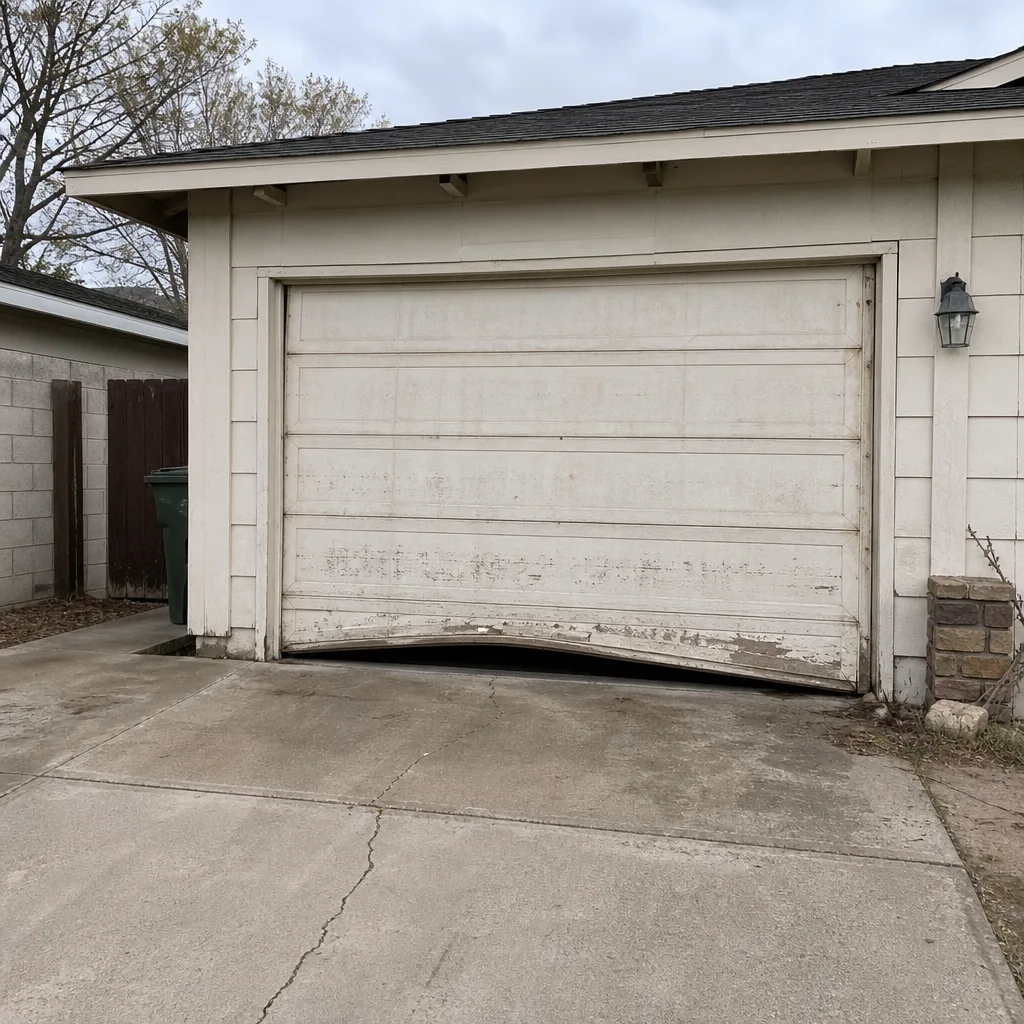 Before
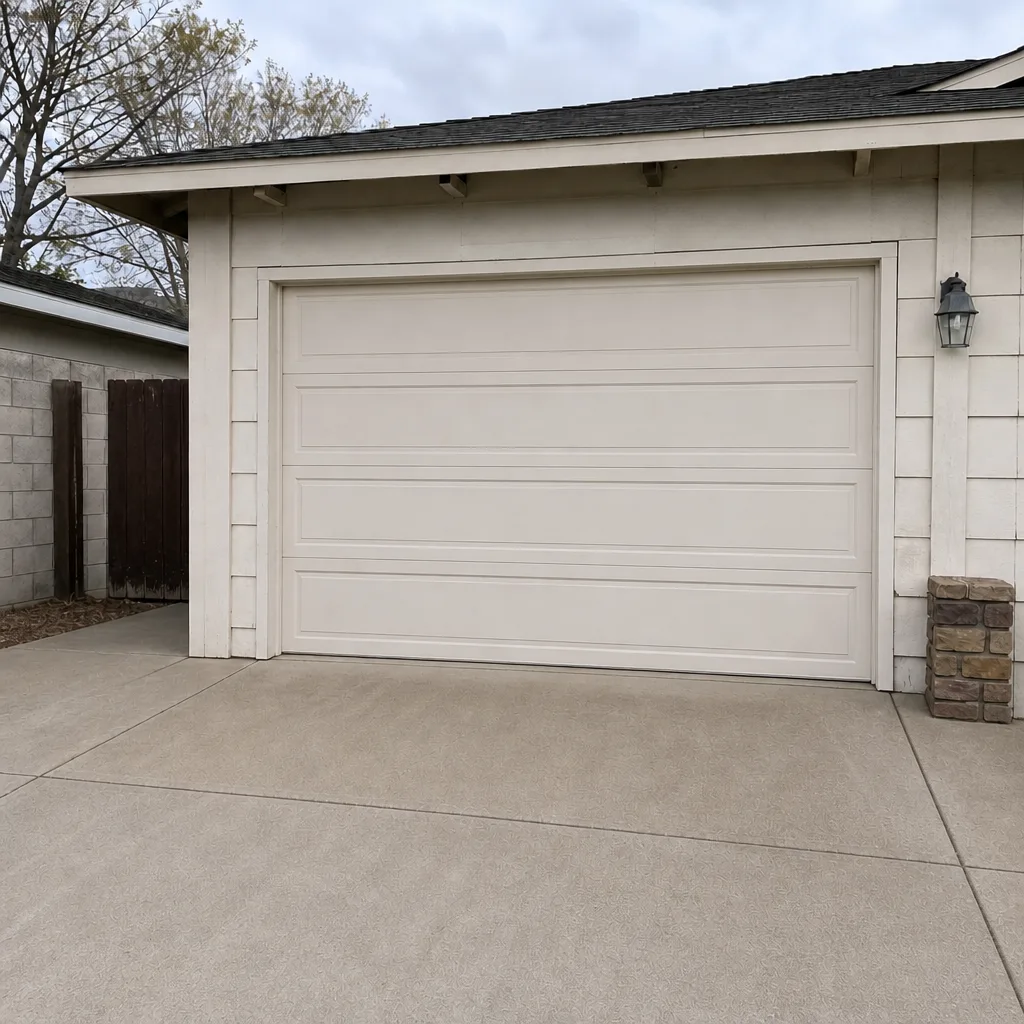 After
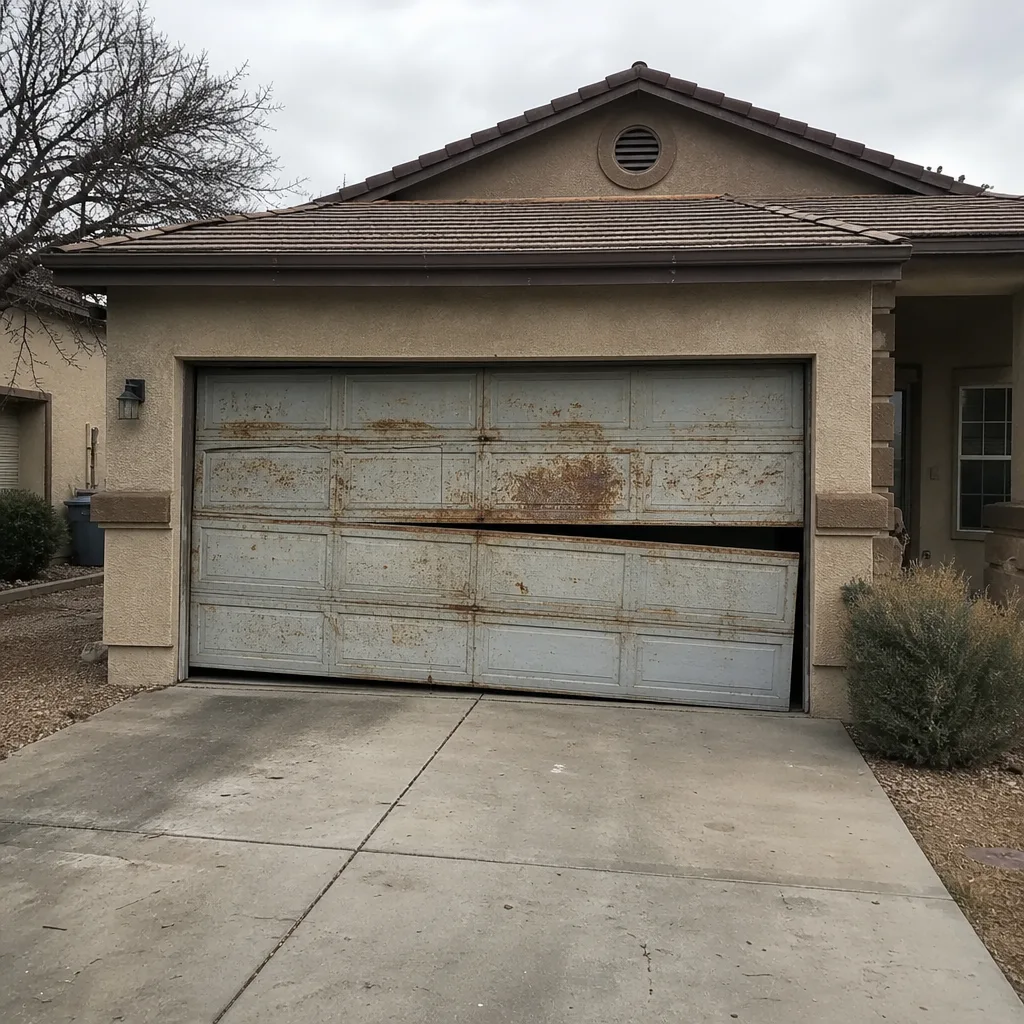 Before
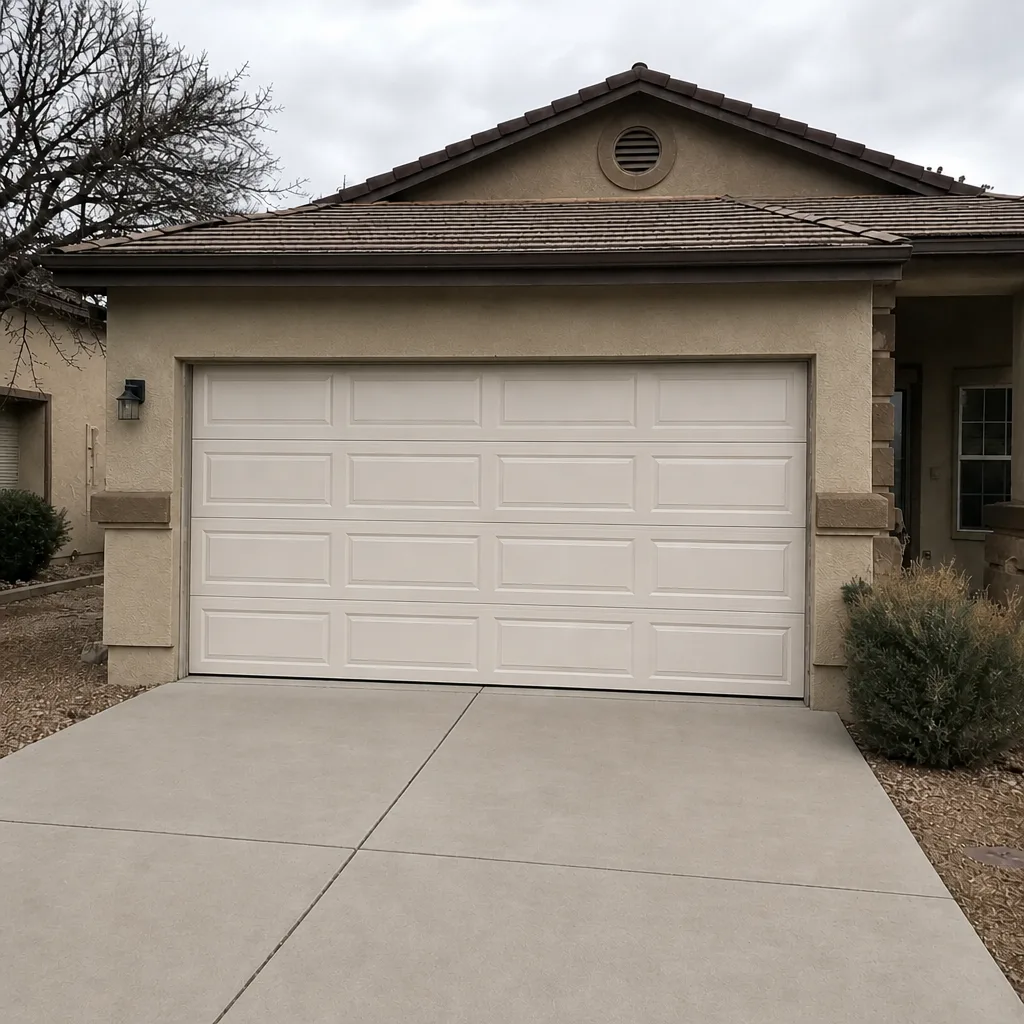 After
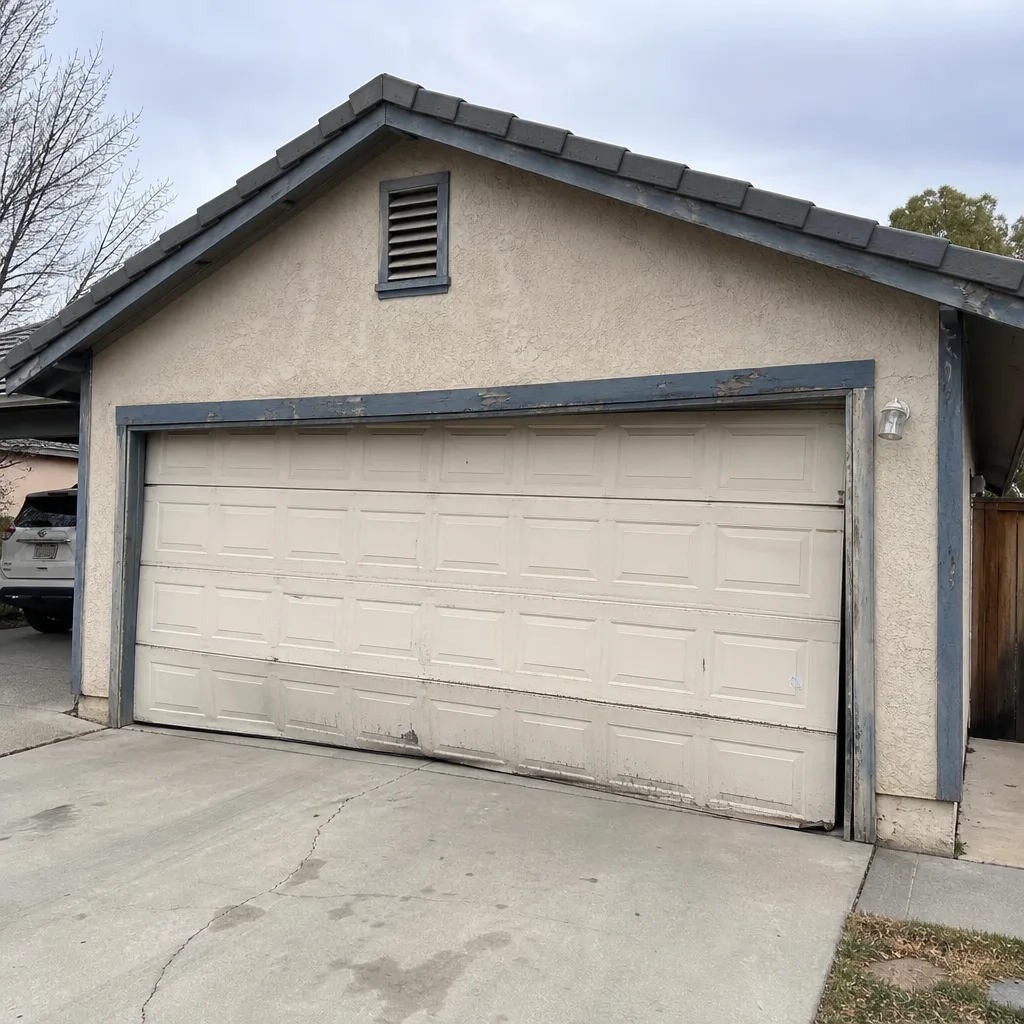 Before
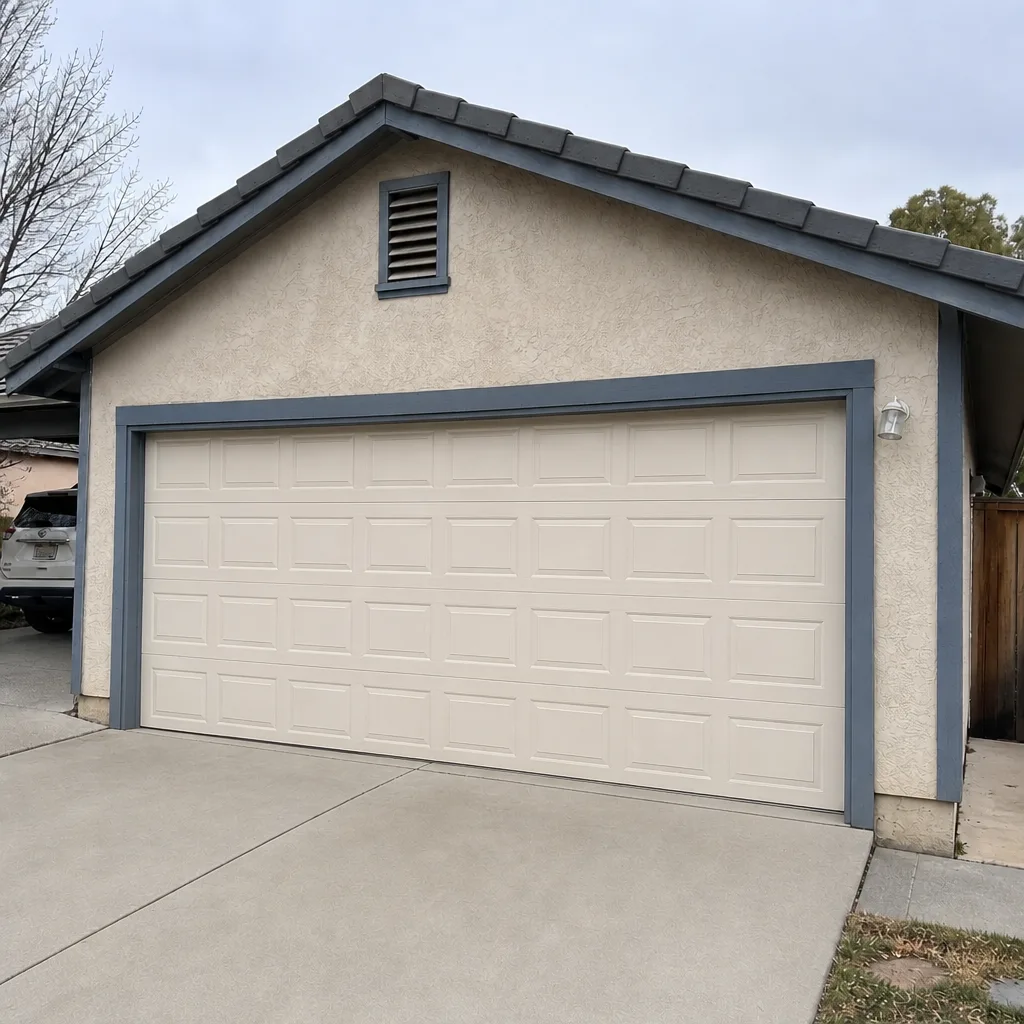 After
When to Call a Professional
Call us when the door won’t reverse on contact, when the opener quits after a few cycles on a hot afternoon, when you hear grinding from the opener head, when the door feels heavy by hand, or when the opener loses its limits and beeps without moving. Call us before you buy a replacement too, so you get the horsepower and drive type right the first time. And call us if a national outfit quoted one price and is billing another, because we’ll give you a free second opinion on any written estimate. Otto’s Garage Door Enterprise offers free estimates in Enterprise, no trip charge inside the county, and a live person answers the phone around the clock. Call (833) 620-7107 and we’ll quote the job on that call and hold the number.
Frequently Asked Questions
Opener installation in Enterprise typically runs $450 to $900 depending on horsepower and drive type, with a standard 3/4 HP belt-drive unit landing around $550 to $750 and a heavy-duty 1-1/4 HP installation around $600 to $900. The price is quoted and agreed before any work starts and doesn’t change at the door. Call (833) 620-7107 for an exact quote, and estimates are free.
Repairs we can often do same day, and an opener swap is frequently a single-visit job when the unit is in stock. Installation is measured and scheduled, so we’ll set a time rather than promise a same-day dispatch. Call (833) 620-7107 and we’ll tell you honestly what your situation allows.
No. We quote the job before we come out, and that number holds when we get there. If we find something different than we expected, we stop and walk you through it before touching a tool, and you decide. Call (833) 620-7107 for a free estimate.
Insulated steel doubles or more than doubles the door weight, so plan on 3/4 HP for a single insulated door and 1-1/4 HP for a double insulated door. Running a 1/2 HP opener on an insulated door in this heat is the most common cause of early motor failure we see. Call (833) 620-7107 and we’ll size it to your door.
Usually not for a straight opener swap on an existing door, but you do when the electrical circuit is modified, when the door is also being replaced, or on new construction. Confirm before work starts, not after. Call (833) 620-7107 if you’re not sure which category your job falls into.
We’re locally owned and owner-operated, background-checked, and we carry a published address and license number you can verify before anyone shows up. Our technicians have up to 22 years of experience and work across all the major brands. Call (833) 620-7107 and a live person answers, often Otto himself.
The Bottom Line
Most early opener failures in Enterprise come down to a motor that’s too small for the door, springs that are tired, or dust and heat working the parts. Match the drive type and horsepower to your actual door, fix the springs before you replace the opener, and make sure the safety reversal test happens every time. Repair in Enterprise runs about $150 to $400; replacement installed runs $450 to $900. Get the number in writing before anyone shows up, and if a quote changes at the door, walk. That’s the whole game.
Call (833) 620-7107 for a free estimate. A live person answers around the clock, Otto quotes the job on the call and holds the number, and every job comes with the 90-Day Done Right Promise in writing. Ask anyone on your street, we’ve been in this county since 2004, and the name on the van is the name on the license.
Written by the team at Otto’s Garage Door Enterprise.