
Last updated November 17, 2026
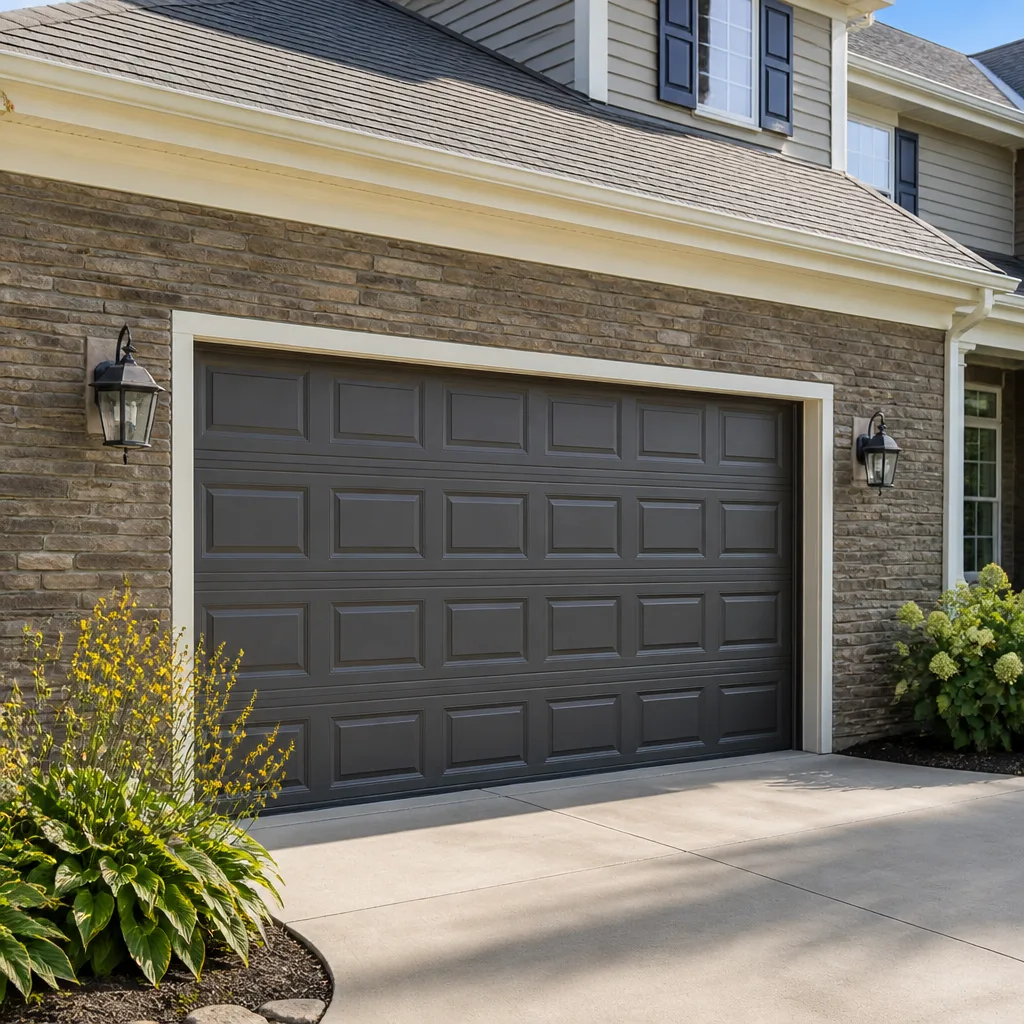 Raised-panel steel
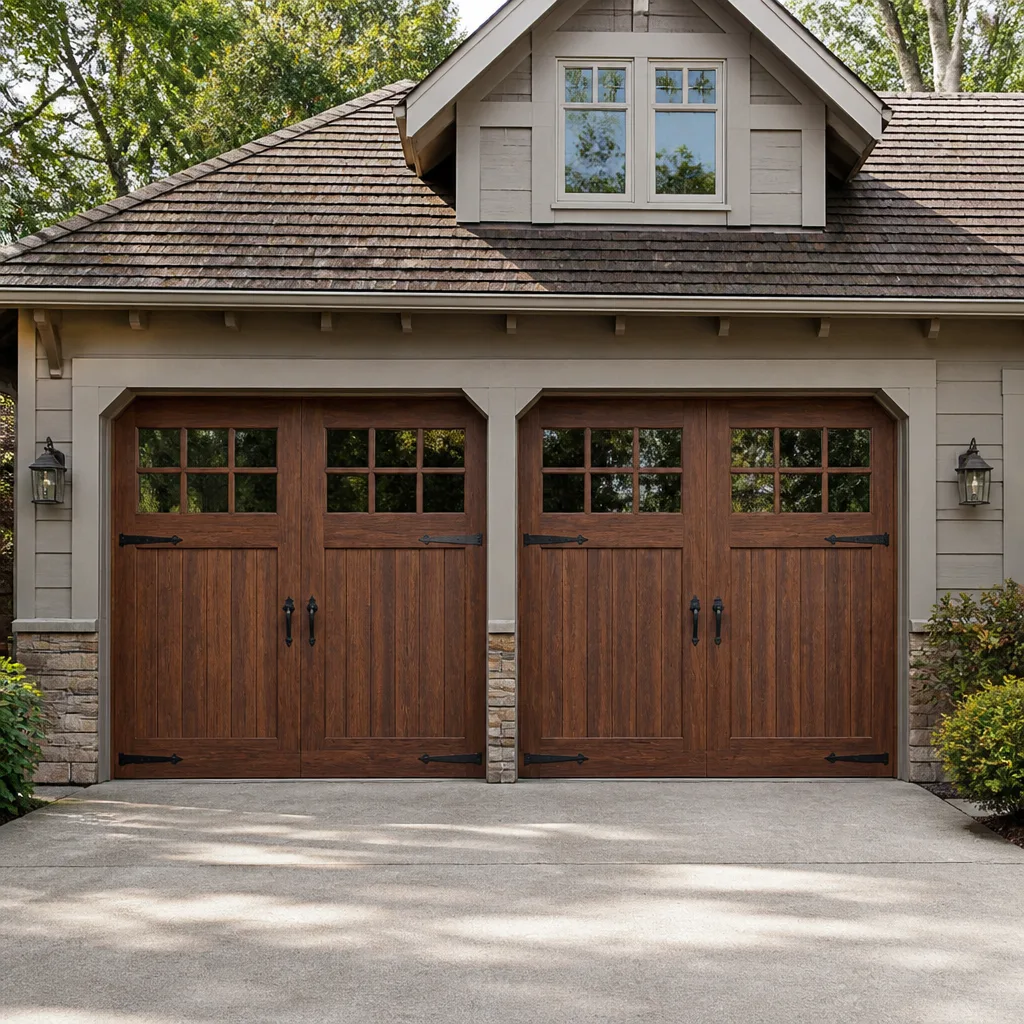 Carriage house
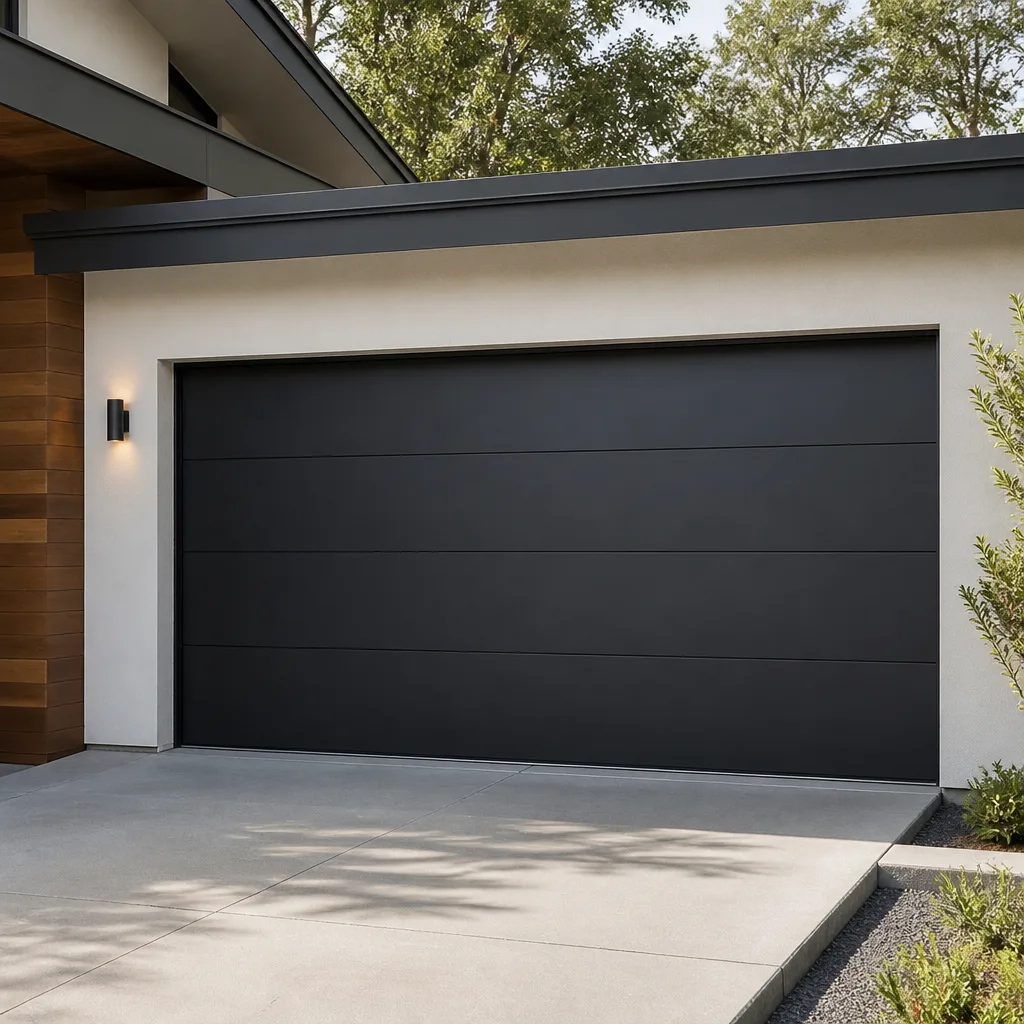 Modern flush
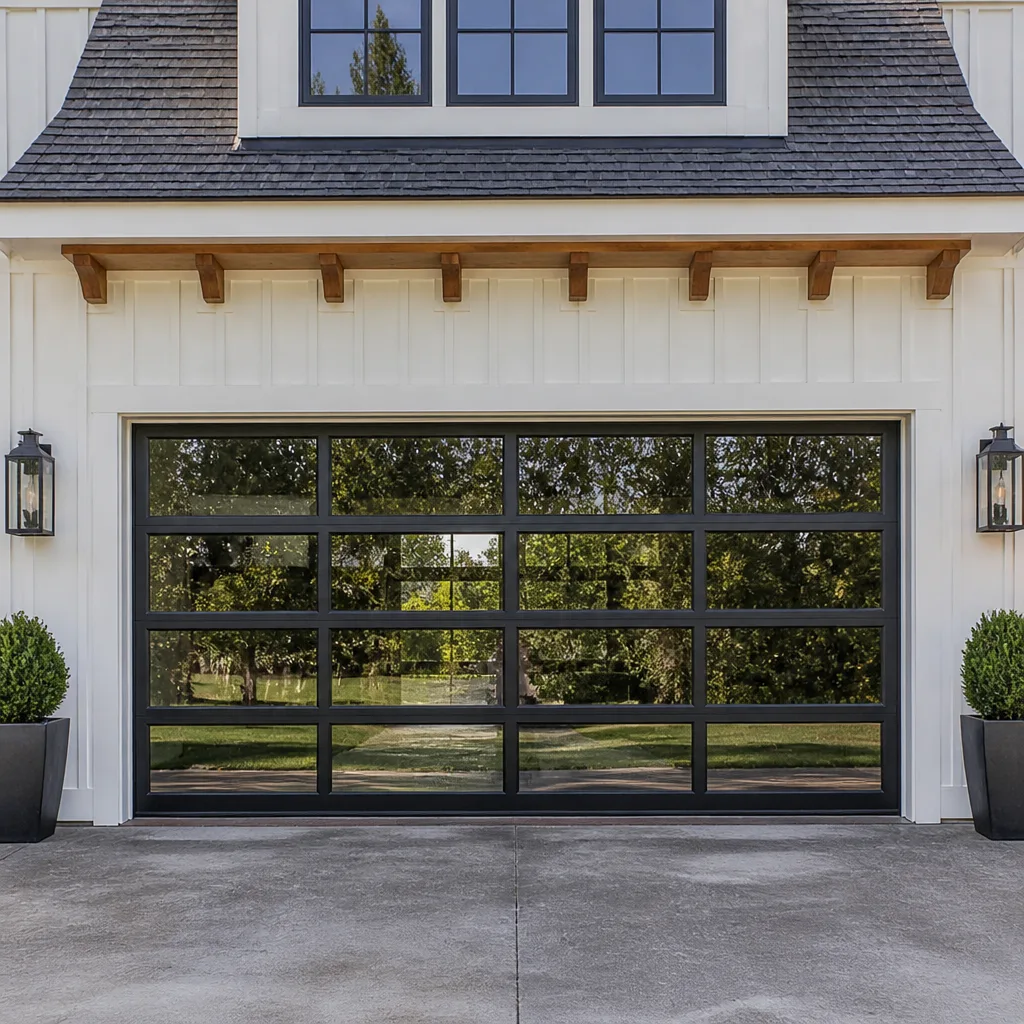 Full-view glass
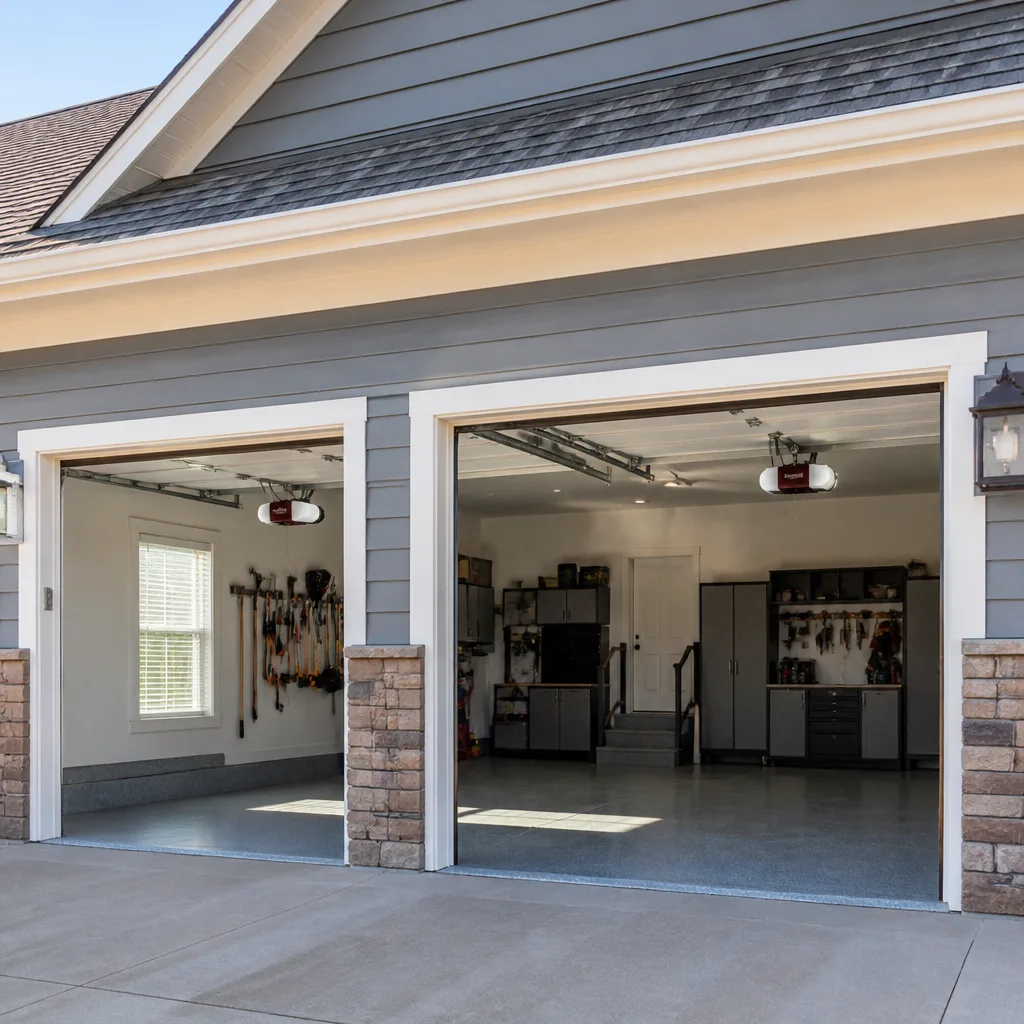 LiftMaster openers
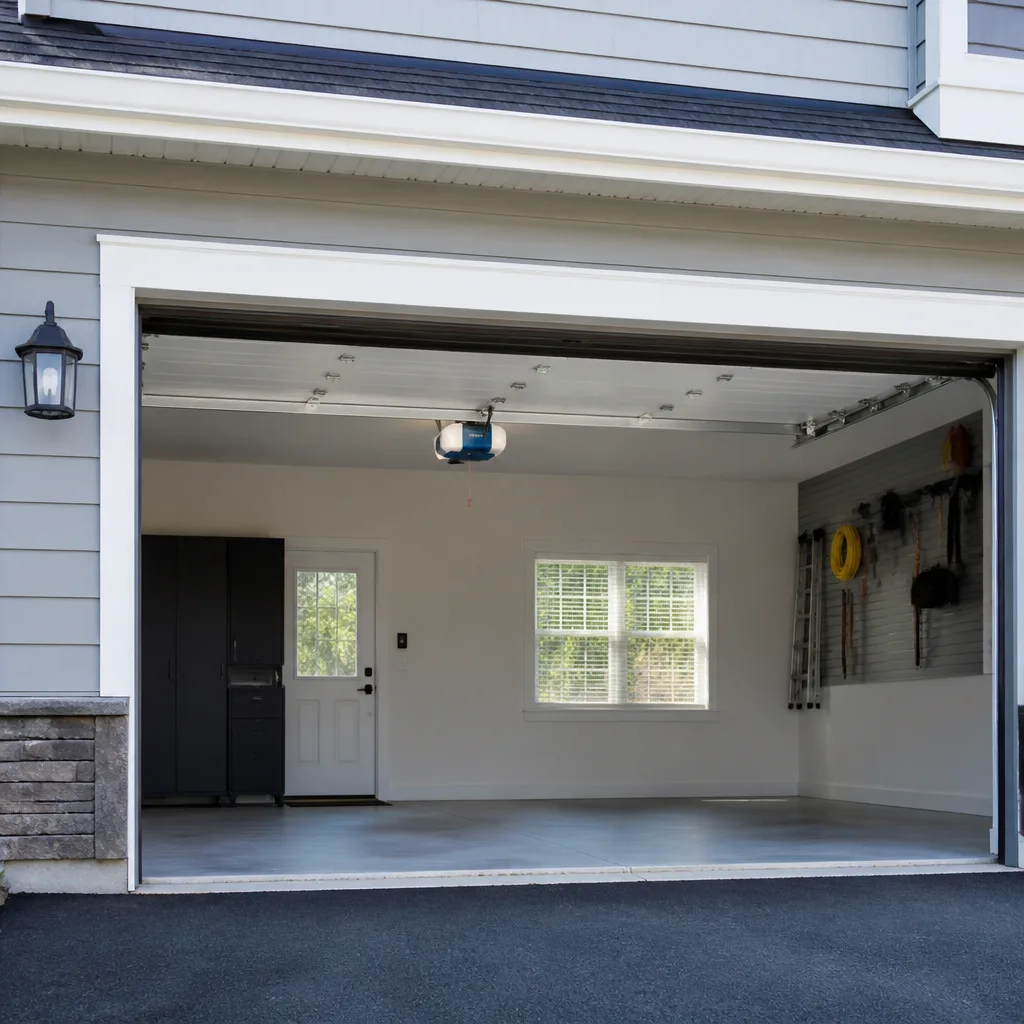 Chamberlain openers
Full 25-point door and opener safety check with every visit - springs, cables, rollers, tracks, and your LiftMaster or Chamberlain opener included
You get a price before we start. It does not change when the pro arrives.
Get your free estimateChoosing the Right Garage Door Brand: A Buyer’s Guide for Enterprise
Otto has replaced panels from three different premium brands that failed before the five-year mark in Enterprise homes. Not because the brands are bad. Because the homeowner, or the installer before us, picked a product spec’d for a moderate climate and hung it facing west on a full-sun lot. In Southern Nevada, the sun does more damage to a garage door than any amount of use or abuse. This guide covers the specs that actually matter out here: insulation ratings, steel gauge, finish durability under UV, and which brands you can actually get parts for in Clark County. We’ll tell you which brands we install and which ones we’ve stopped recommending.
Quick Answer
The best garage door brand for Enterprise, NV is the one whose steel gauge, finish, and warranty hold up in sustained desert heat and whose replacement parts you can get locally within weeks, not months. For most homes here, that means a 24- or 25-gauge steel door with a factory-applied finish rated for high-UV exposure, an R-value matched to your actual cooling load (not a cold-climate number), and a brand with proven parts availability in Clark County. Amarr, Wayne Dalton, and Raynor all have strong track records in Southern Nevada when specified correctly.
Styles & brands we work with
- Raised-panel steel
- Carriage house
- Modern flush
- Full-view glass
- LiftMaster openers
- Chamberlain openers
Table of Contents
- Why Brand Matters More in Enterprise Than Most Buyers Realize
- Insulation and R-Value: What Actually Matters in a Desert Climate
- Steel Gauge: What 24-Gauge vs. 27-Gauge Really Means
- Parts Availability in Clark County: The Hidden Warranty Problem
- Color and Finish: Which Factory Finishes Survive Enterprise UV
- The Brands We Install and the Ones We’ve Stopped Recommending
- A Step-by-Step Process for Choosing Your Door
- When to Call a Professional
Why Brand Matters More in Enterprise Than Most Buyers Realize
Enterprise sits in the Mojave, and a west-facing garage door here can hit 160 degrees surface temperature on an August afternoon. That heat does three things to a door: it expands and contracts the steel, it degrades cheap finishes, and it bakes the insulation. A door that was fine in a mild climate will start to show stress fractures, chalking, and sagging panels within three or four summers. We’ve pulled panels off Enterprise homes where the paint had gone chalky and the insulation had compressed to almost nothing.
Brand matters because brands differ in how honestly they spec their product for hot-arid use. A brand that publishes high-UV finish testing and backs the finish for a decade is telling you something. A brand that only publishes cold-climate performance numbers is telling you something too.
We install and repair all the major brands, and we service doors across the Enterprise area from Mountain’s Edge to Southern Highlands. If you want a free second opinion on a door or a written estimate you’ve already received from someone else, we’re happy to give it. No trip charge inside the county.
Insulation and R-Value: What Actually Matters in a Desert Climate
Here’s where most national buying guides steer Enterprise homeowners wrong. They push high R-value numbers, 18 to 20, because those numbers exist to help doors survive a Minnesota winter. R-value measures resistance to heat flow. In a climate where you’re cooling, not heating, the calculation is different, and once you get past roughly R-9 to R-12, the added cost of a higher R-value door rarely pays back in reduced cooling load for a typical attached garage.
What actually matters in Enterprise:
- Insulation type and density. Polyurethane foam outperforms polystyrene bead board at the same nominal R-value. A polyurethane door rated R-12 will generally outperform a polystyrene door rated R-16 in real-world desert performance because the foam fills the panel and doesn’t sag or absorb moisture.
- Continuous vs. spot insulation. A door with insulation only in the center panels leaves gaps at the hinges and edges. For a garage that shares a wall with conditioned living space, those gaps matter more than the headline R-value.
- Your garage’s actual use. If your garage is a workshop, a gym, or a room you actually use, insulation pays off. If it’s a parking space and a storage bin, a well-built non-insulated or lightly insulated door with a good finish will last just as long.
- Vapor and heat gain on the south and west walls. In Enterprise, the wall the door faces matters more than the door’s R-value. A west-facing insulated door holds up better than an uninsulated one because the foam keeps the panels from cycling through extreme expansion.
Our rule of thumb: an insulated door in the R-9 to R-13 range with polyurethane construction is the practical sweet spot in Enterprise. Anything higher is paying for cold-climate performance you’ll never use.
Steel Gauge: What 24-Gauge vs. 27-Gauge Really Means
Steel gauge numbers work backward: a lower number means thicker steel. A 24-gauge steel door has thicker, heavier skin than a 27-gauge door. The difference sounds small on paper. In practice, it’s the difference between a door that dents when a bicycle handlebar touches it and a door that shrugs it off.
Here’s what the gauge actually determines in Enterprise conditions:
- Denting: 24-gauge takes a real impact before it shows damage. 27-gauge shows dents easily and, in desert heat, dented panels get worse because the steel can’t distribute the stress as well.
- Thermal performance: Thicker steel holds its shape better during the daily 60- to 70-degree swing Enterprise sees between night and afternoon. Thinner steel warps and can pull away from the insulation.
- Wind and cycle fatigue: Every door opens and closes. On a 24-gauge door, that flex is absorbed. On a 27-gauge door, the hinge points and panel edges take more wear over the years.
Where 27-gauge makes sense: a lightweight single-car door on a home that gets light use, or a budget install where the door will never see impact. Where it doesn’t: two-car doors, doors facing any kind of driveway activity, or doors in wind-exposed lots. For most Enterprise homes, 24- or 25-gauge is the right call. It’s not a premium upsell. It’s the minimum we’d spec for a desert install.
Parts Availability in Clark County: The Hidden Warranty Problem
A warranty means nothing if the replacement panel takes eight weeks to arrive. We’ve seen this play out more than once in Enterprise: a homeowner buys a good brand from an installer who ordered from a supplier with no regional stock, a panel dents or a section fails, and the door sits half-broken for a season waiting on a factory order from the Midwest.
When you evaluate a brand, ask the installer these questions:
- Can you get replacement panels and sections locally or regionally, and how long does it typically take?
- Do you stock hardware (hinges, rollers, brackets, spring sizes) that fit this model, or does everything come factory-direct?
- If a section has to be ordered, does the installer handle the order, or do you?
- Does the opener brand that matches this door have a local dealer in Clark County, or is it a mail-only repair path?
Amarr and Wayne Dalton both have solid regional parts availability in Southern Nevada. Raynor, when ordered through a local dealer, is also well-supported. If a brand can’t answer questions 1 and 2 clearly, that’s your signal to slow down. This matters whether you’re replacing a damaged door or considering a fresh install. If you’ve already had a broken door sit for weeks, you know exactly what we’re talking about, and our Garage Door Repair in Enterprise team would rather get you a part in a week than a warranty answer in two months.
Color and Finish: Which Factory Finishes Survive Enterprise UV
Sun exposure in Enterprise is brutal on paint, and the difference between a good factory finish and a cheap one shows up within three years on a south- or west-facing door. The wrong finish chalks out, fades unevenly, and starts to peel at the panel seams. Once it peels, moisture gets in and the steel starts to blister.
What holds up:
- Factory-baked polyester paint with a published UV-resistance rating. This is the standard most major brands use, and it holds up well when applied correctly.
- Textured finishes in darker colors. The texture hides small scratches and resists the chalky fade better than smooth finishes, and darker colors hold their tone under UV where light colors can yellow.
- Wood-grain embossed finishes on the better brands, applied over a proper primer. These cost more but tend to outlast both smooth and standard textured finishes in Enterprise.
What doesn’t hold up: field-applied paint on a door that’s already been factory-finished, cheap powder coats on low-end steel doors, and any white or light cream door facing west without a UV-rated finish. We’ve replaced three-year-old doors in Enterprise that had gone chalky white and started showing rust at the bottom edge. The homeowner didn’t buy a bad brand. They bought a bad finish.
Ask the brand for the finish warranty specifically. A finish warranty of 10 years or more on a steel door in a Southern Nevada climate is a good signal. A one- or two-year finish warranty is not.
The Brands We Install and the Ones We’ve Stopped Recommending
Our position is simple: we install what holds up in Enterprise and what we can service. Not what has the biggest co-op advertising budget. Here’s what that means in practice.
Amarr. We install a lot of Amarr doors. The steel spec is honest, the finish holds up, and parts are available through regional distribution in Clark County. Their insulated doors are a reliable choice for a west-facing install in Enterprise.
Wayne Dalton. Great for homeowners who want a wide range of styles and finishes. The Classic Steel line is a workhorse door for Enterprise, and when you buy one that’s properly spec’d for the climate, it holds. Wayne Dalton is also one of the brands we’ve had the most consistent parts-availability experience with in Clark County.
Raynor. Solid heavier-duty product, and we like it for two-car doors and any install where the door faces a wind-exposed lot. When ordered through a local dealer, Raynor’s parts path is clean.
Craftsman. Their openers are common, and we service plenty of them, but we’re careful about which Craftsman doors we recommend because the steel and finish on some entry-level models don’t hold up the way the Amarr or Wayne Dalton products do under Enterprise sun.
Brands we’ve stopped recommending: any door where the installer can’t tell you the steel gauge, the finish warranty, or the local parts path. That’s not a brand problem. That’s a “not specified for this climate” problem, and in Enterprise we see it over and over. If you’re comparing opener and door together, our Garage Door Opener Repair & Installation in Enterprise team can match a LiftMaster or Chamberlain unit to whichever door you end up choosing.
A Step-by-Step Process for Choosing Your Door
Here’s the process we walk every Enterprise homeowner through before we write a quote.
- Figure out which way the door faces. South and west are the hardest. East and north give you more finish options.
- Measure and decide on the door size and style. Single-car, two-car, or oversized. Style affects nothing structural, but it affects cost and what finish options are available.
- Check the steel gauge on any model you’re considering. Anything less than 24-gauge on a two-car door is a downgrade for Enterprise.
- Pick insulation based on how you actually use the garage. R-9 to R-13 polyurethane is the practical range for Enterprise.
- Ask for the finish warranty in writing. Ten years minimum on a steel door in Southern Nevada.
- Confirm parts availability for your specific model. Ask how long it takes to get a replacement panel in Clark County.
- Get a written quote with the door model, size, gauge, R-value, and finish warranty spelled out. Vague quotes hide substitutions.
If you’re also comparing installers, that step-by-step process is worth following for the Garage Door Installation in Enterprise side as much as for the brand. We’re happy to give a free second opinion on any written estimate you’ve already got. No trip charge inside the county, and we won’t talk you up to a higher-spec door unless the one you’re considering genuinely won’t hold up here.
See the difference
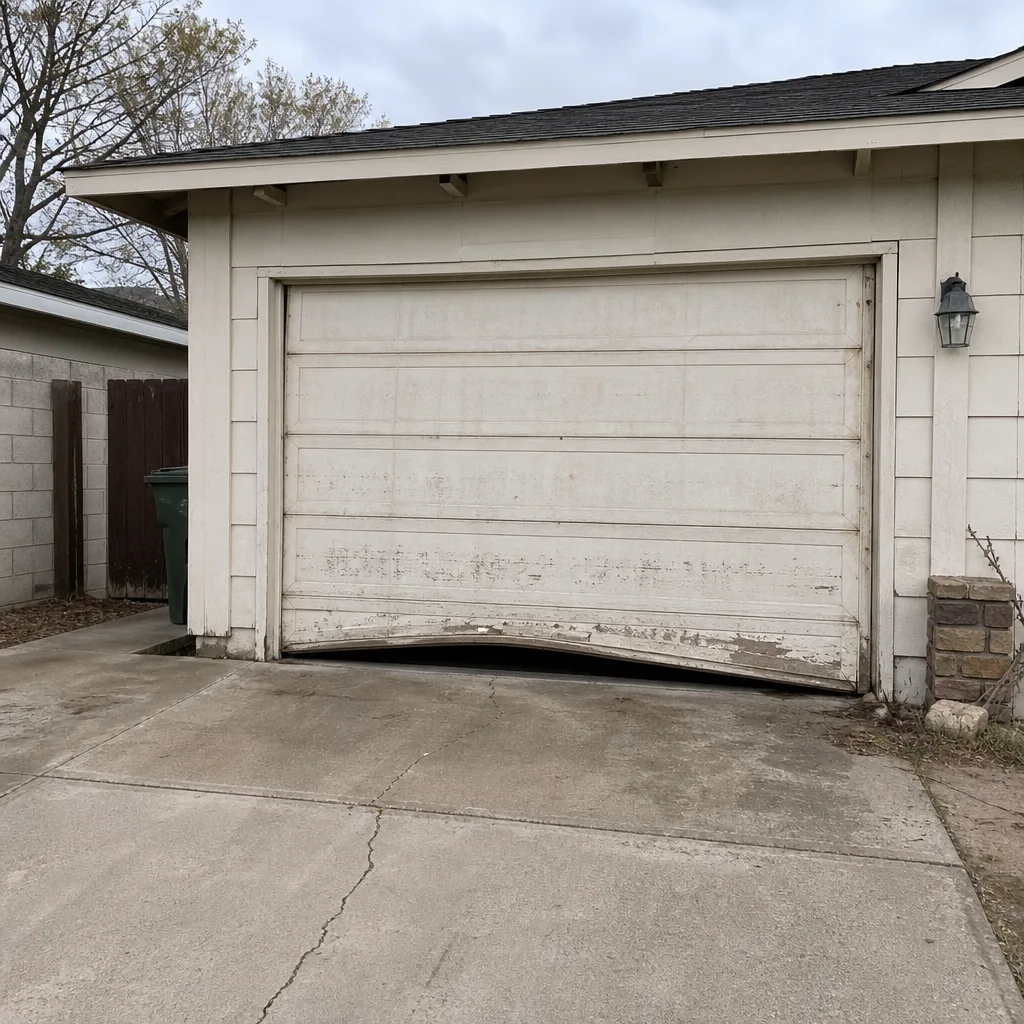 Before
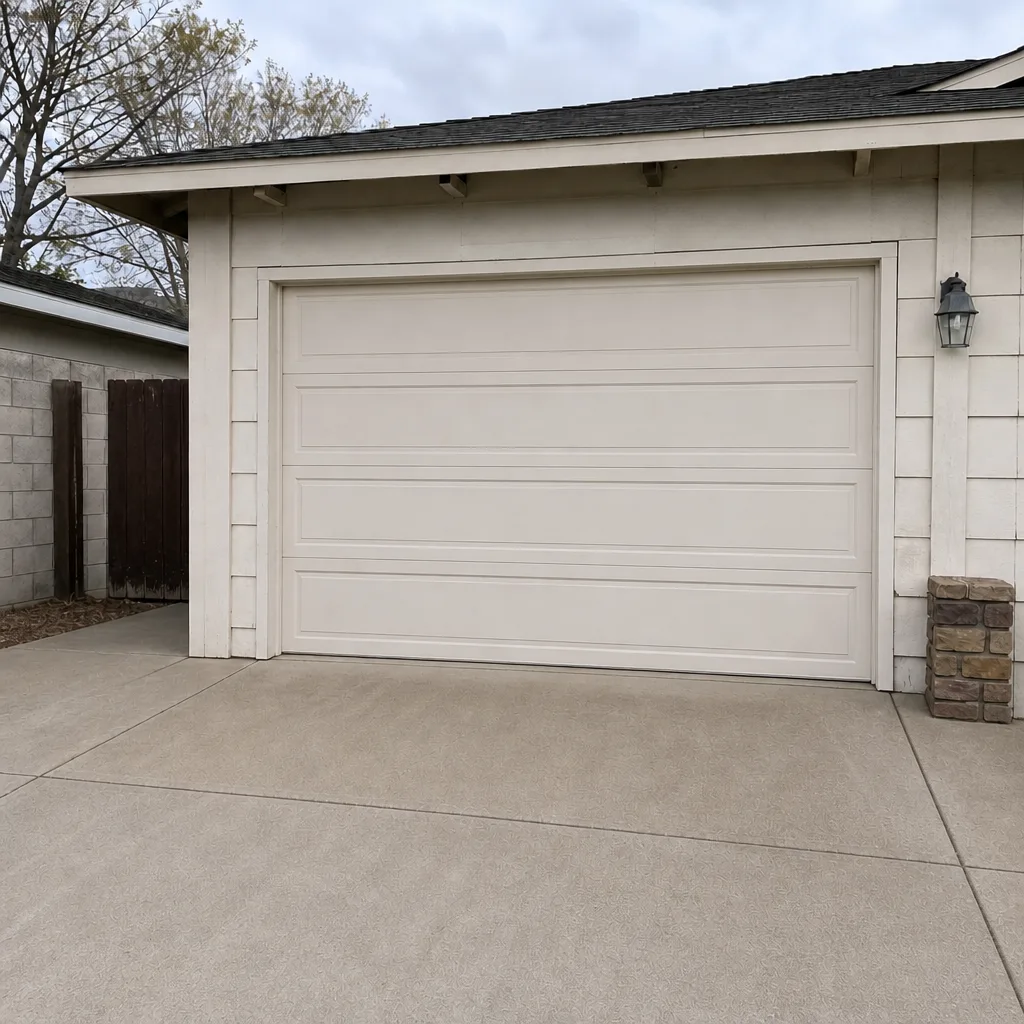 After
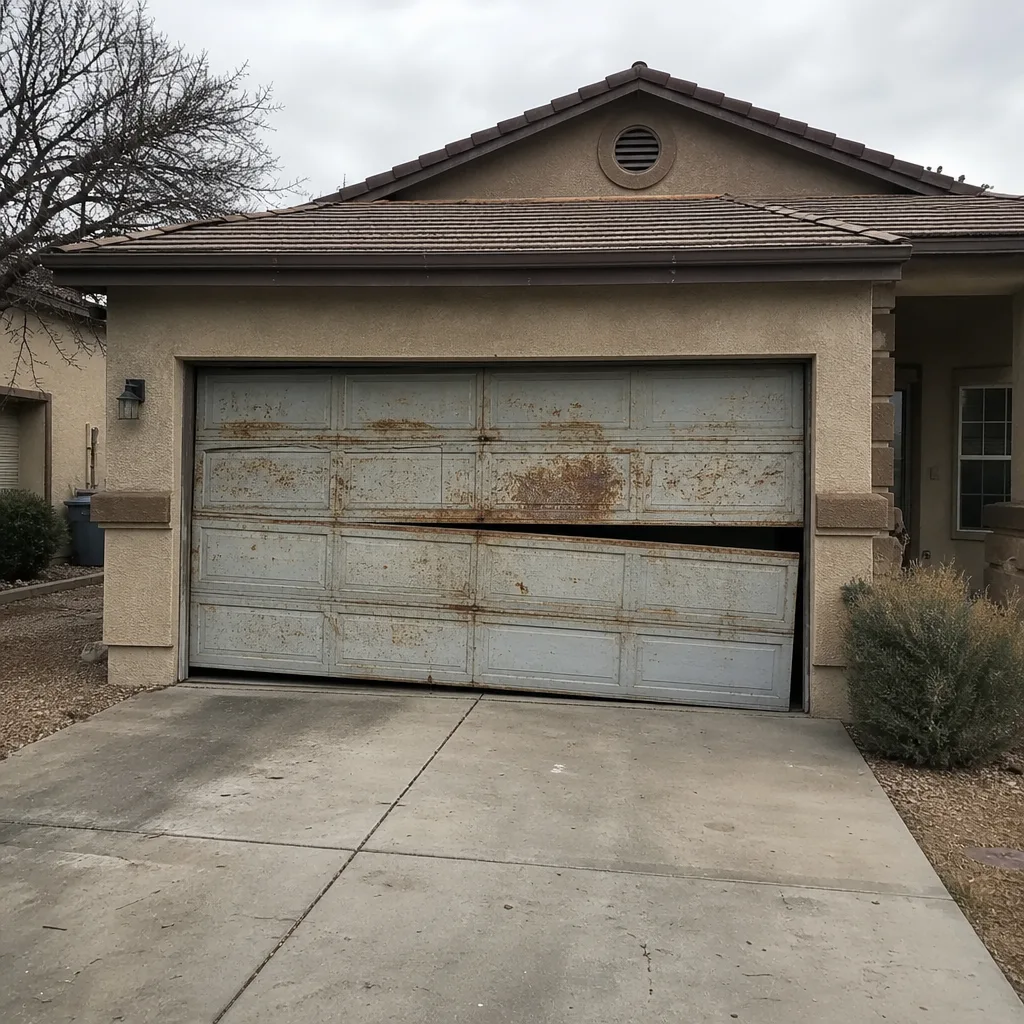 Before
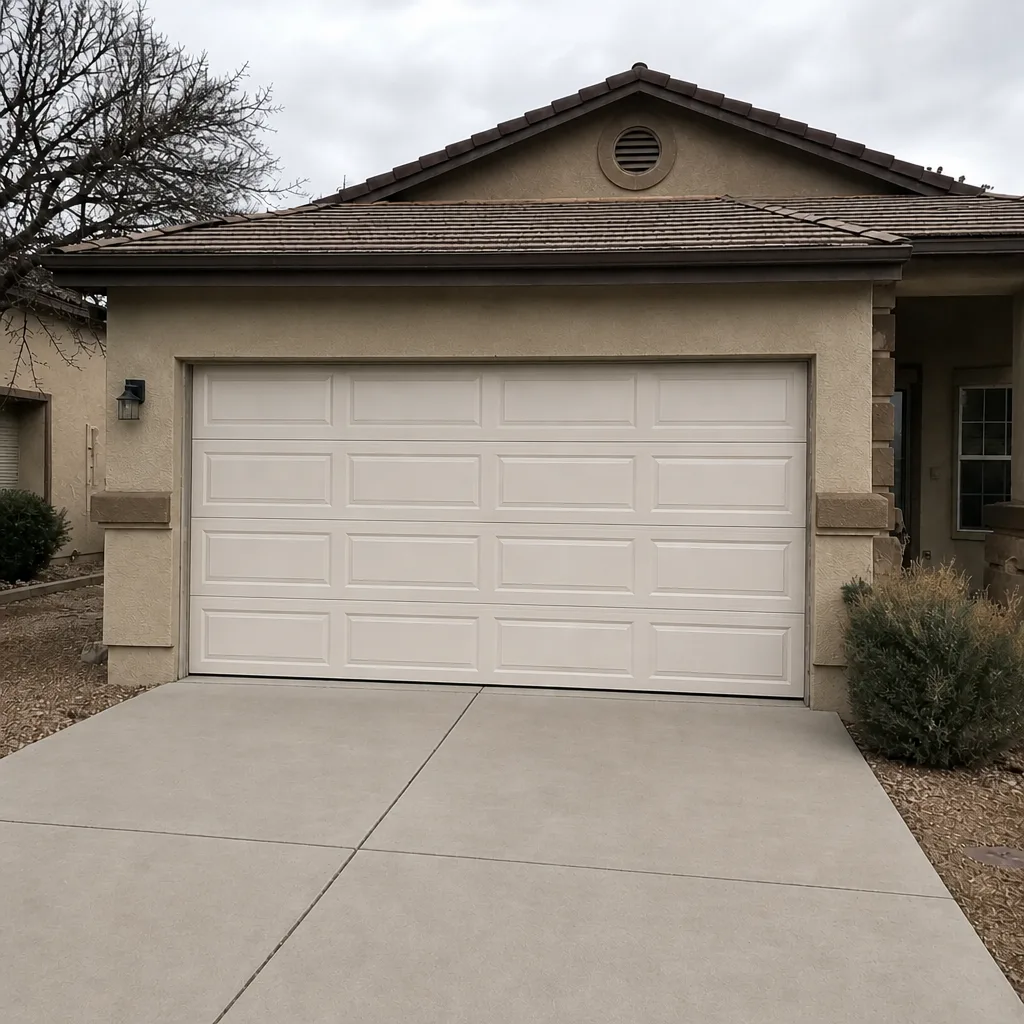 After
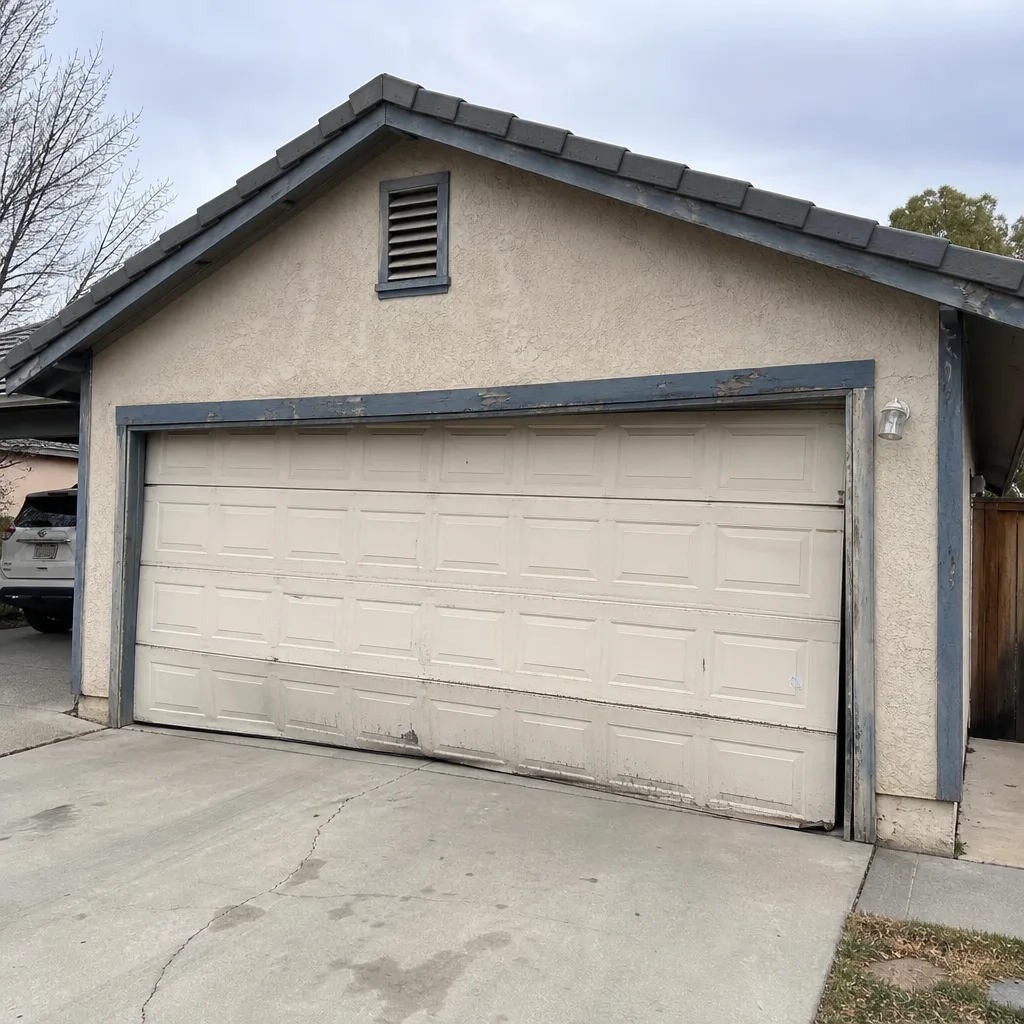 Before
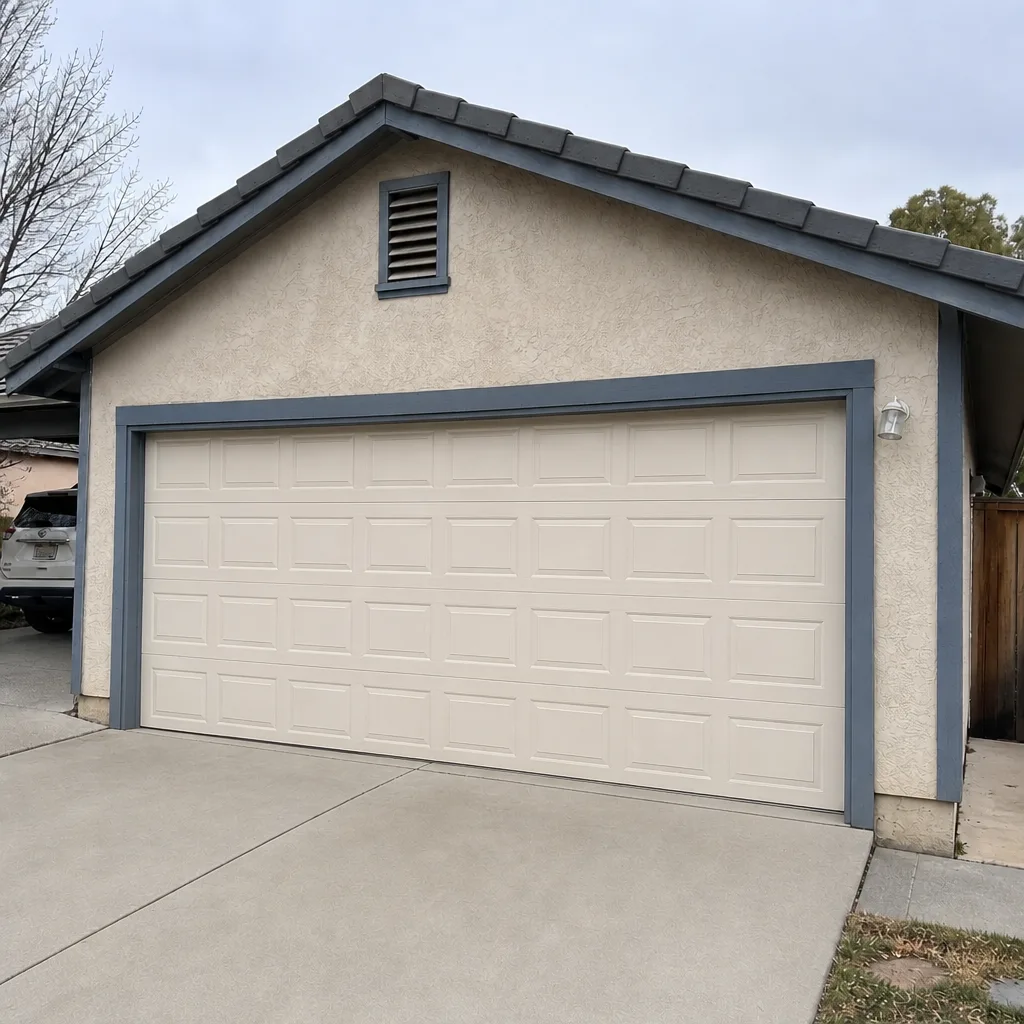 After
Common Mistakes to Avoid
- Buying the R-value on the box instead of the climate. An R-18 door spec’d for Minnesota doesn’t make a better Enterprise door. Match insulation to the Mojave, not a catalog number.
- Buying a 27-gauge steel door for a two-car garage. The savings on the front end show up as dents and wear on the back end, faster in Enterprise heat.
- Choosing a white or cream finish on a west-facing door without checking the UV rating. Three summers in Enterprise sun turns a cheap finish chalky, and once it chalks, the fade is irreversible.
- Not asking where the parts come from. A warranty isn’t worth much if a replacement panel is eight weeks out. Ask the question before you sign.
- Trusting a national “best brand” list written by someone who’s never been to Enterprise. The best door for Vermont is often the wrong door for Southern Nevada.
- Skipping the written quote. If the door model, gauge, R-value, and finish warranty aren’t on paper, you don’t know what you’re buying.
- Buying the door and the opener in separate transactions from separate companies. Match them, or you’ll end up paying someone to make a mismatch work.
When to Call a Professional
If your current door is over 10 years old, showing chalky paint, sagging panels, or stress cracks at the hinges, it’s time for an evaluation. If your opener strains to lift the door, that’s usually a door problem, not an opener problem. If you’re pricing a new door, come talk to us before you sign anything. We’ll tell you what gauge, R-value, and finish to look for based on which way your door faces and how you use the garage. Otto’s Garage Door Enterprise offers free estimates in Enterprise – call (833) 620-7107. We’ll quote on the phone and hold the number when we get there. No trip charge inside the county, and our Senior & Veteran discount is standing, always.
Frequently Asked Questions
There isn’t one brand that wins across the board. Amarr, Wayne Dalton, and Raynor all hold up well in Enterprise when they’re spec’d correctly for desert heat: 24- or 25-gauge steel, R-9 to R-13 polyurethane insulation, and a UV-rated finish with at least a 10-year warranty. The right brand depends on which way your door faces and how you use the garage. Call (833) 620-7107 for a free estimate and we’ll walk through it with you.
Most new garage doors in Enterprise run between $1,200 and $3,800 installed, depending on size, steel gauge, insulation, and finish. A basic single-car non-insulated door sits at the low end. A two-car insulated door with a higher UV-rated finish sits at the top. Every quote we write is fixed before the work starts and doesn’t change at the door. Call (833) 620-7107 for an exact price on your door.
It matters, but not the way most buying guides tell you. In Enterprise, R-9 to R-13 polyurethane insulation is the practical sweet spot. Going up to R-18 or R-20 costs more and rarely pays back in reduced cooling load for a typical attached garage. Match insulation to your actual use of the garage, not a cold-climate catalog number. We can look at your setup and tell you what’s worth paying for.
Amarr and Wayne Dalton both have reliable regional parts availability in Southern Nevada, and Raynor through a local dealer is well-supported too. When you’re comparing brands, ask the installer how long a replacement panel takes to arrive. If nobody can answer that plainly, slow down. We service all the major brands and can tell you what to expect for your model.
Factory-baked polyester paint with a published UV-resistance rating holds up best. Textured finishes in darker colors resist chalking and small scratches better than smooth finishes, and wood-grain embossed finishes on the better brands outlast both. Avoid white and cream finishes on a west-facing door unless the brand specifically rates the finish for high UV. Ask for the finish warranty in writing before you commit.
No. We quote on the phone and hold that number when we get to the driveway. If we discover something on-site that genuinely changes the scope, we tell you before we touch anything and you decide. Nothing gets added to the bill without your agreement first. Call (833) 620-7107 for a free estimate.
The Bottom Line
Brand choice for a garage door in Enterprise is a climate question first and a catalog question second. The door facing west into August sun in Mountain’s Edge or Southern Highlands has different demands than the door under shade in a north-facing lot. Get the steel gauge, insulation type, finish warranty, and local parts availability right on the front end, and the brand will do its job for 20 years. Get them wrong, and you’ll be replacing panels in five. Amarr, Wayne Dalton, and Raynor are the brands we trust most for Enterprise installs. Call us before you buy. We’ll tell you what to look for, in plain English, for free.
If you’re ready to compare written estimates or price a new door, reach out to Otto’s Garage Door Enterprise at (833) 620-7107 – free estimates, upfront pricing quoted before the visit, and a 90-Day Done Right Promise in writing on every job. Serving Enterprise and the surrounding Clark County communities, we’re here when you need us.
Written by the team at Otto’s Garage Door Enterprise.