
Last updated November 17, 2026
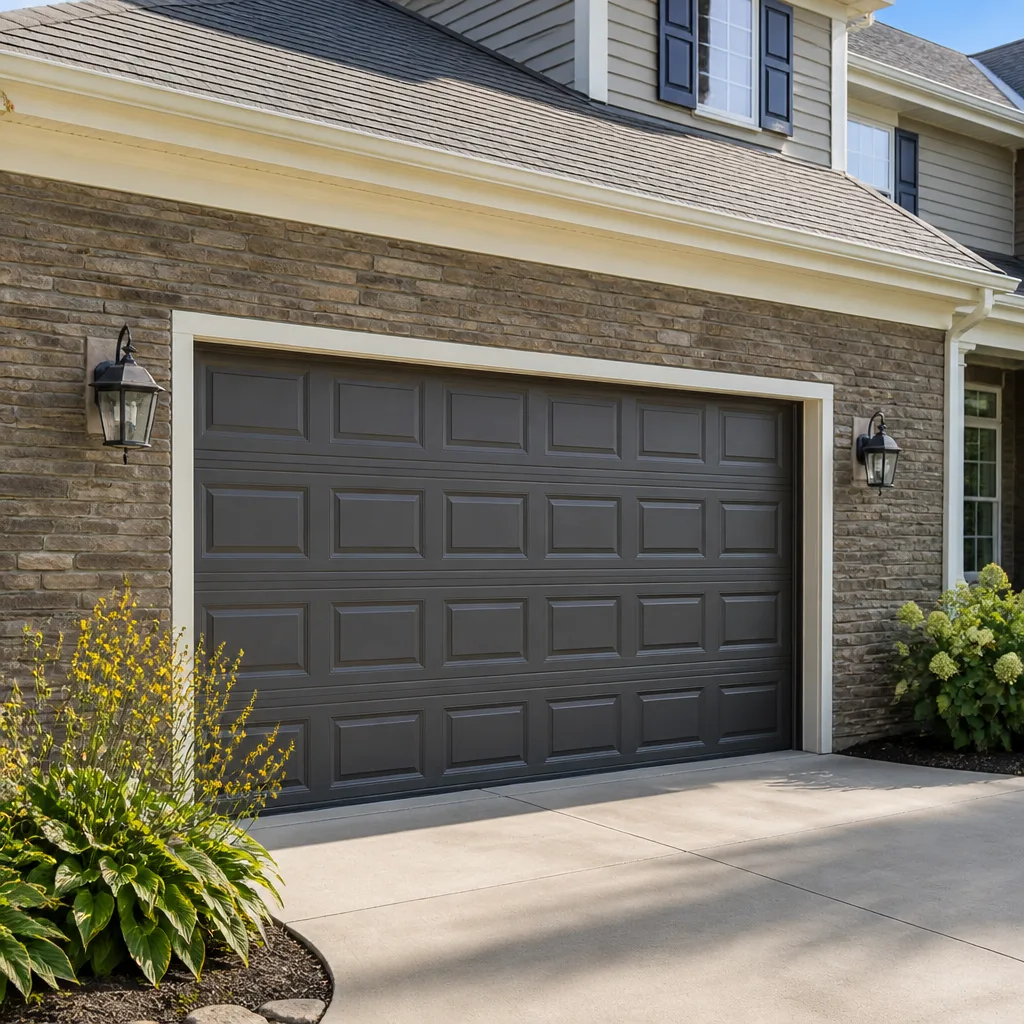 Raised-panel steel
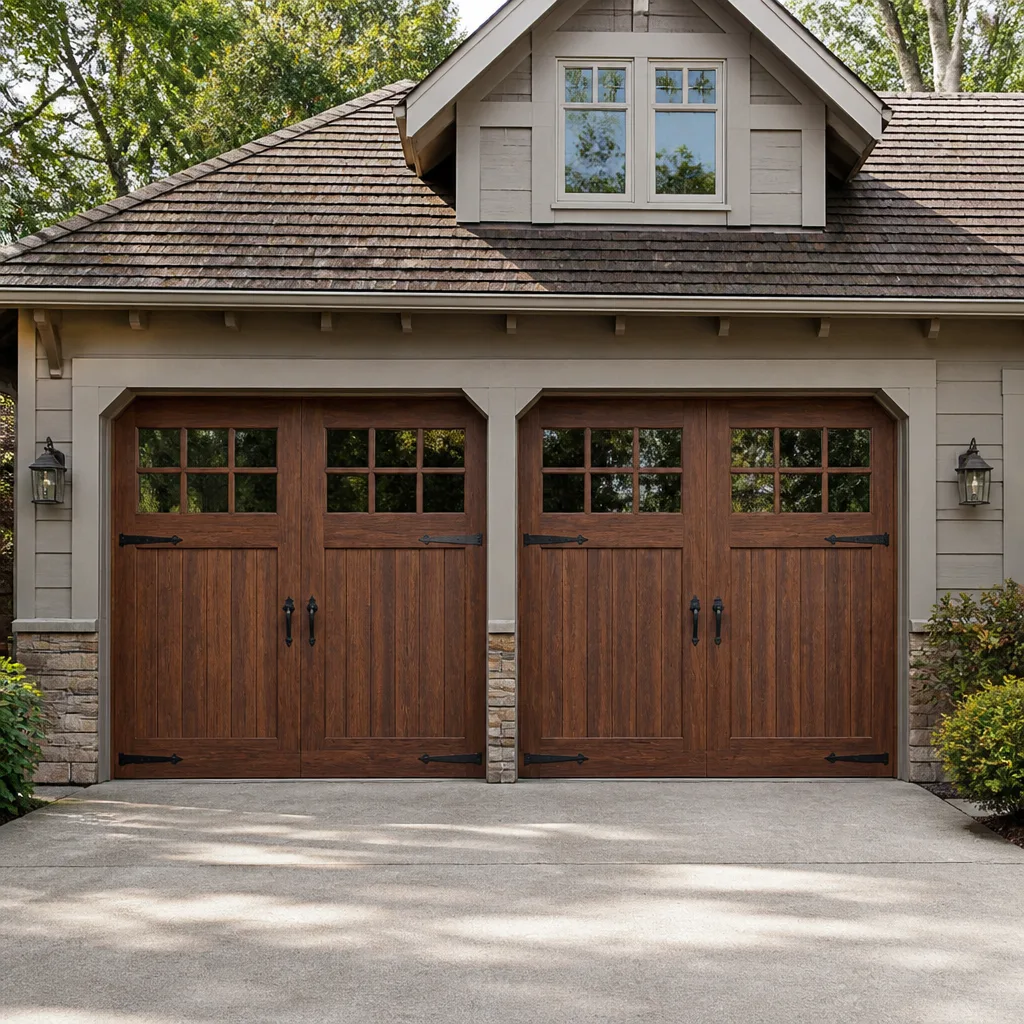 Carriage house
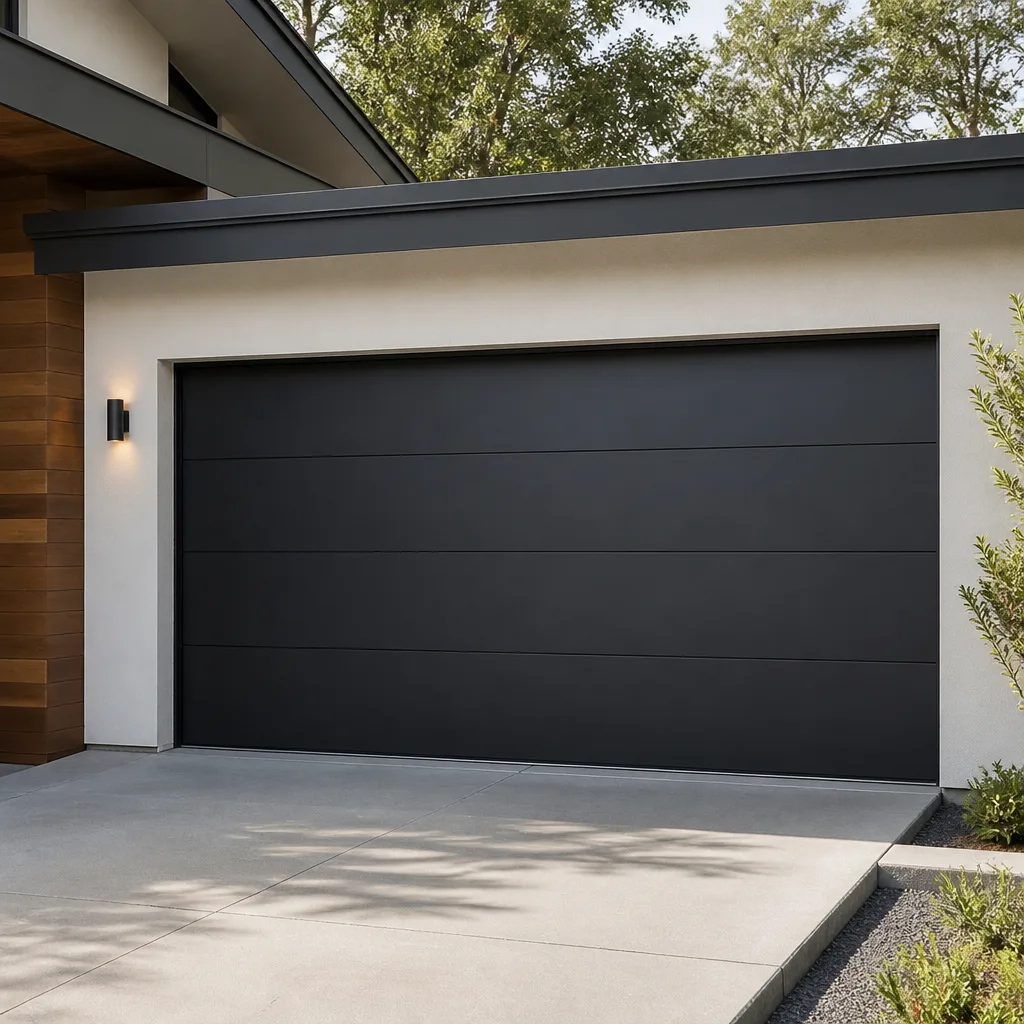 Modern flush
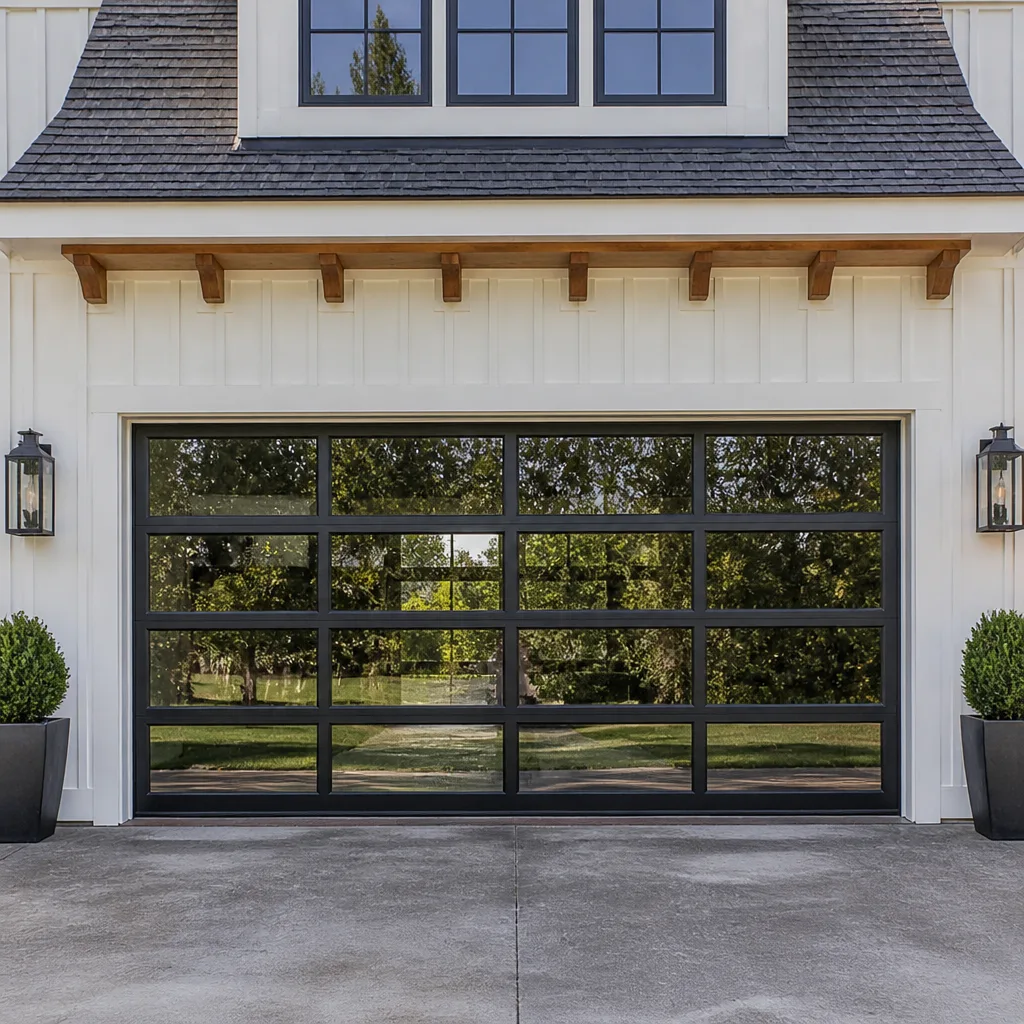 Full-view glass
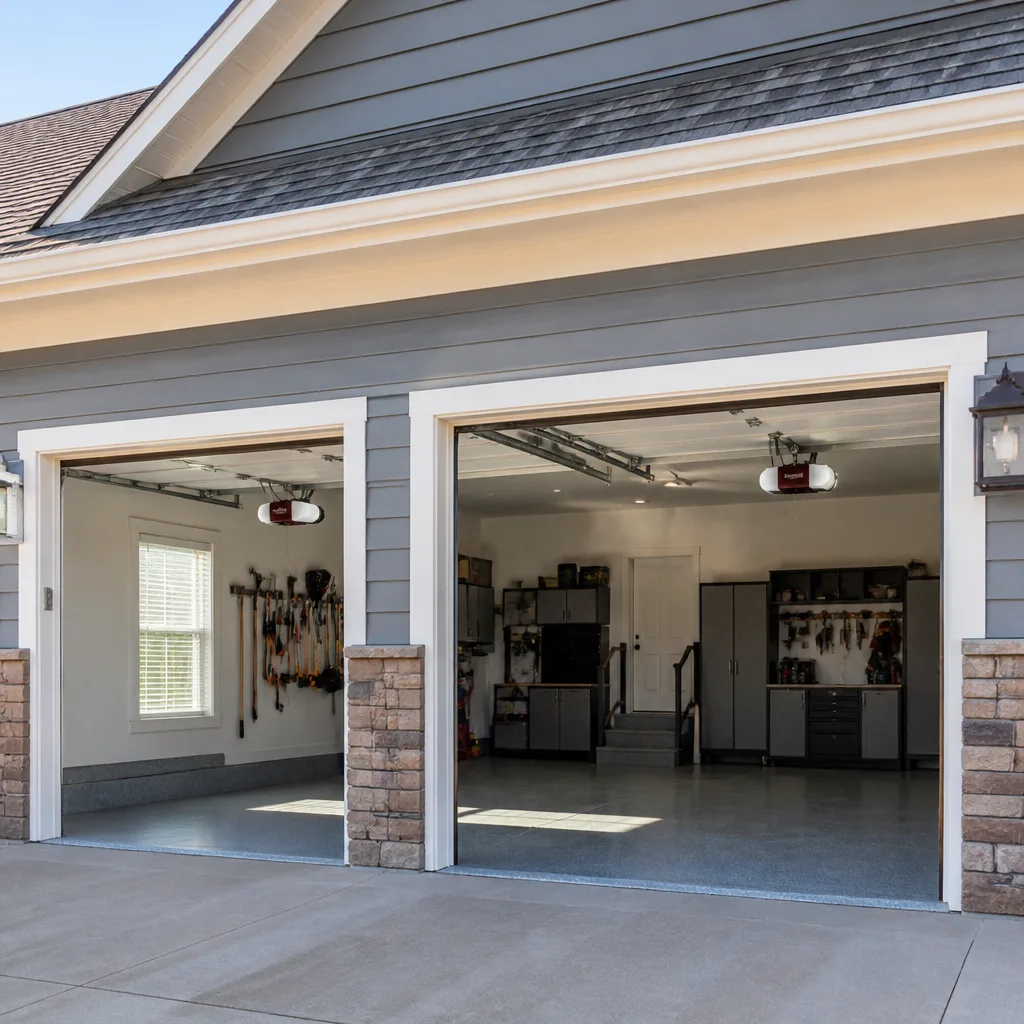 LiftMaster openers
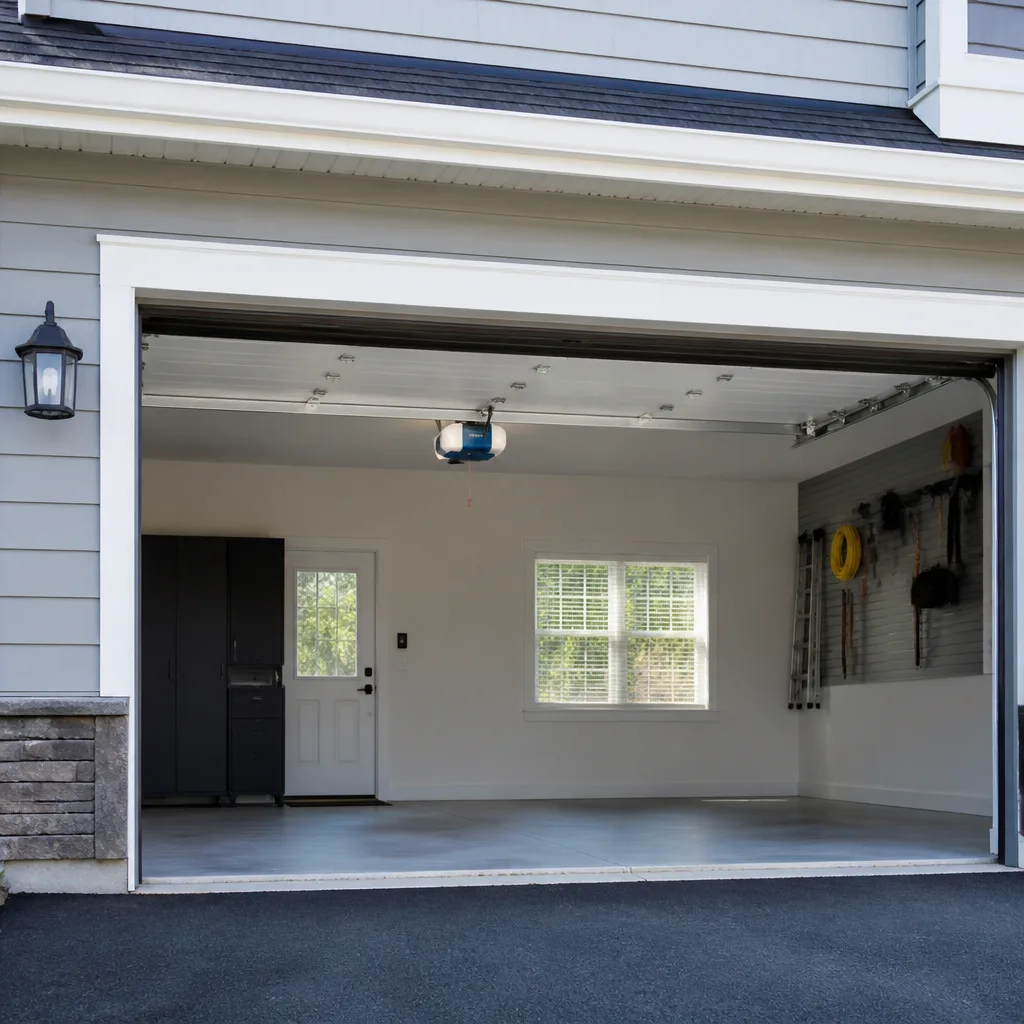 Chamberlain openers
Full 25-point door and opener safety check with every visit - springs, cables, rollers, tracks, and your LiftMaster or Chamberlain opener included
You get a price before we start. It does not change when the pro arrives.
Get your free estimateGarage Door Opener Repair & Installation Warning Signs Every Homeowner Should Know
If your opener hesitates for one full second before the motor kicks in, that pause is not normal. It’s the capacitor struggling to start the motor, and it usually means you’re about two months from a door that won’t open at all – typically at 7 a.m. when you’re already late. We’ve watched this play out hundreds of times across Enterprise, and the pattern almost never changes: the homeowner heard the warning for a year and called it “just how the door sounds.” This guide walks through the seven signals your opener gives before it quits, which ones mean repair this week, and which ones mean stop using it today.
Quick Answer
Your garage door opener gives roughly seven warning signs before it fails, and the most urgent are grinding on startup, a start delay of a second or more, and any door that fails the reversal test. Grinding and hesitation mean repair now; speed and remote-range changes mean schedule it soon; a door that won’t reverse on command is a safety failure and you should stop using it immediately. In Enterprise’s desert heat, most openers hit these signals somewhere between the 12- and 15-year mark.
Styles & brands we work with
- Raised-panel steel
- Carriage house
- Modern flush
- Full-view glass
- LiftMaster openers
- Chamberlain openers
Table of Contents
- Why Your Opener Warns You First
- The Seven Warning Signs, In Order of Urgency
- What Each Sound Is Telling You
- Safety Failures: When to Stop Using the Door Today
- Repair This Week vs. Replace This Year
- Why Enterprise Heat Ages Openers Faster
- What We Look At On Major Brands
- The Ten-Minute Seasonal Check
Why Your Opener Warns You First
A garage door opener rarely dies without notice. The motor, the capacitors, the logic board, and the drive system all degrade on a curve, and each stage leaves a fingerprint – a sound, a timing change, a behavior that wasn’t there last year. The problem is that homeowners learn their door’s normal rhythm and stop hearing the drift. When the opener finally fails on a Tuesday morning, it usually feels sudden. It wasn’t.
We’ve been repairing and installing openers in Enterprise since 2004, and the honest pattern is this: about eight out of ten complete failures we see had at least one visible warning sign for three months or more before the unit quit. The homeowner wasn’t careless. They just didn’t know what counted as a warning.
Here’s what does count. A working opener starts fast, runs smooth, reverses cleanly when the safety beam is broken, and travels the same distance every time it cycles. Any deviation from that – a pause before the motor engages, a grind on startup, a door that stops a few inches higher than it used to – is your opener telling you something is wearing out. It’s the same as a tire that starts humming. You don’t wait for the blowout.
Understanding what you’re looking at starts with knowing how your opener is put together. If you want the deeper mechanical walkthrough, our Garage Door Opener Repair & Installation in Enterprise page covers the components, the brands we work on, and the repair process from diagnosis to test cycle.
The Seven Warning Signs, In Order of Urgency
Not every symptom is equally urgent. We rank these from “stop what you’re doing” down to “you’ve got a few months, schedule it.”
- Grinding on startup. A harsh metallic grind when the motor engages usually points to worn drive gears (common on older Craftsman and Genie chain drives) or a failing bearing. This is the repair-this-week tier. Left alone, the gear strips completely and the opener free-wheels while the door stays shut.
- Start delay or hesitation. A one-to-two second pause between pressing the button and the motor engaging is the capacitor losing its ability to hold charge. In Enterprise’s summer heat – we regularly see 110-plus days – capacitors age faster than the manufacturer’s rating suggests. Repair now; this is the sign most likely to strand you.
- Door reverses without an obstruction. If the door goes down a foot and then reverses on its own with nothing in the way, the travel limits or force settings have drifted, or the logic board is misreading resistance. Don’t keep cycling it hoping it clears. This is both a repair call and a safety concern.
- Inconsistent travel distance. If your door sometimes opens fully and sometimes stops two inches short, the limit switch is failing or the logic board is losing its memory of the open position. This means “schedule within a few weeks,” but if it’s happening daily, treat it as repair this week.
- Remote range shrinking. If you used to open the door from the end of the driveway and now you have to be right at the apron, the receiver or the remote battery is degrading. Often it’s just a battery. If a fresh battery doesn’t fix it, the logic board’s receiver is the next suspect.
- Vibration that rattles wall-mounted items. A door that used to run quiet and now shakes the shelves in the garage is telling you the torsion spring is losing tension, the rollers are worn flat, or the hinges have loosened. This is the earliest warning and the most ignored.
- Door speed changes between cycles. If the door goes up fast one day and labors the next, you’re looking at a motor working against friction – usually a worn roller, a bound track, or a failing gear. Speed inconsistency is the last signal before something stops moving.
If one of these is new and persistent, that’s your cue. If two or three are showing at once on an opener older than 12 years, the math shifts toward replacement – which we cover farther down.
What Each Sound Is Telling You
Sound is the earliest and most-dismissed diagnostic tool a homeowner has. Here’s how we map the noise to the mechanical failure when we walk into a garage in Enterprise.
- A steady metallic grind on every cycle: Worn drive gear or stripped sprocket. Common on older Wayne Dalton and Craftsman units.
- A single loud clunk when the door starts up: Torsion spring tension loss or a loose winding collar. Do not try to tighten a torsion spring yourself – that component is under hundreds of pounds of tension and can cause serious injury.
- A high-pitched squeal during travel: Dry or worn nylon rollers, or a bound hinge. This one is usually the cheapest fix in the book.
- A rattle that gets worse week to week: Loose mounting bolts on the opener head or rail. Left long enough, the rail brackets can pull out of the ceiling joist.
- A rhythmic thumping: A bent or warped door panel, usually from impact. This can distort the whole track over time if left alone.
- Silence, then a hum: Capacitor failure or a burnt winding in the motor. Repair now.
If you can hear the sound changing week to week, that’s a door that’s still repairable. If the sound has become steady, you’ve waited past the warning stage. In our experience, a door making one of these sounds is usually within weeks of a full stop.
Safety Failures: When to Stop Using the Door Today
Some warnings are about convenience. These are about people – kids, pets, a car backing out while the door comes down.
- The board-on-ground test fails. Lay a two-by-four flat under the door and press the wall button. The door should reverse within two seconds of contacting the board. If it presses down and keeps going, the force settings are wrong or the logic board’s resistance sensor has failed. Stop using the door until it’s repaired.
- The photo-eye test fails. With the door closing, wave your leg through the beam path. The door must reverse immediately. If pressing the wall button with a box in the beam path doesn’t stop the door, your safety eyes are dead, misaligned, or wired wrong.
- The photo-eye LEDs don’t blink. Both sensors should have a steady light when aligned. If one is dark or blinking amber, it’s misaligned or failed. This is not a “call next week” item.
- The manual release won’t disengage. If you can’t pull the red cord to release the door, the trolley is jammed and the door has lost its manual escape route. In a power outage, that’s a person trapped in a garage.
These are the cases where we tell the homeowner on the phone: leave the door in the up position and unplug the opener until we get there. A safety failure on a 200-pound door is not worth the risk of “one more cycle.”
If your opener has failed on any of these and you need someone today, our Garage Door Repair in Enterprise team handles safety-failure calls as a priority, and a live person answers the phone around the clock.
Repair This Week vs. Replace This Year
This is the question we get more than any other: “Am I throwing money at an old opener, or is it worth fixing?” The answer depends on age, brand condition, and whether the failure is mechanical or electronic.
- Repair this week: Grinding, start hesitation, safety-eye failures, and inconsistent travel on an opener under 10 years old, or any age if the failure is isolated (a gear, a capacitor, a battery).
- Schedule within a few months: Shrinking remote range, speed inconsistency, or vibration that isn’t yet rattling the wall. These are your “get on the calendar” signs.
- Replace this year: Any opener over 12 years old that’s showing three or more symptoms at once – especially when the motor hums but won’t turn. Once the logic board and motor are both suspect on a unit that old, you’re usually paying repair money for something that’s still 15 years old.
- Stop using today: Any safety failure above, or an opener that has lost its manual release.
In Enterprise’s climate, the 12- to 15-year mark is where we see the cost curve flip. A capacitor or gear repair on a 14-year-old unit is still a good spend. A logic board plus motor on the same unit is not – you’re buying time, not value. When that’s the math, a new opener and the accompanying Garage Door Installation in Enterprise work usually comes out ahead across the next decade.
Why Enterprise Heat Ages Openers Faster
Manufacturers rate garage door openers for a “normal” climate, and Enterprise isn’t that. Summer afternoons routinely push past 110 degrees in the garage, and the attic space above the opener rail collects heat all day. That matters for three reasons.
First, capacitors – the components that start the motor – degrade with heat. A capacitor rated for 10 years at 77 degrees might give you six or seven summers in a hot garage. That’s why the “start hesitation” warning is so common here and why we treat it as an urgent sign, not a curiosity.
Second, the plastic gears inside most residential openers (typical in Chamberlain and Genie units) get brittle faster under heat cycling. We see stripped drive gears in Enterprise on units that would still be running fine in a cooler climate.
Third, the torsion springs and door hinges age faster here. Dry desert air pulls lubricant out of the rollers and hinges, and the metal expands and contracts more violently through the day. That’s why vibration and grinding show up together so often on Enterprise doors – both the opener and the door are working harder against the friction.
If your garage faces west and gets the late-afternoon sun, add a couple of years to the stress on the whole system. What that means practically: don’t wait for the “average” 15-year mark. In Enterprise, 12 years is the honest point to start asking whether the next repair is worth making.
What We Look At On Major Brands
Some warning signs are more common on certain brands. We service and install on all the major systems, and the diagnostic shortcuts are worth knowing if you want a straight answer on the phone.
- Craftsman: Older chain-drive units are prone to stripped drive gears – grinding is usually the first sign, and it’s a fixable one.
- Wayne Dalton: Their idrive and chain-drive systems are reliable, but the torsion assembly tends to reveal wear through vibration first. If your wall shelves are rattling, start there.
- Amarr: We see fewer internal failures and more track and roller issues. Speed inconsistency on an Amarr door usually traces back to the door hardware, not the opener.
- Raynor: Solid units; when they do fail, it’s usually the logic board or the safety-eye wiring rather than the mechanical drive.
- LiftMaster and Chamberlain: Reliable across the board, with the same heat-related capacitor risk as everything else in Enterprise. The MyQ-connected models add a diagnostic feature many homeowners never use – open the app and you can often see the exact travel-limit discrepancy before the door fails.
If you’re not sure what brand is on your opener, take a picture of the label on the back of the motor head. Any shop worth calling can identify it and tell you in one conversation whether the symptom you’re describing is a common one for that unit.
The Ten-Minute Seasonal Check
Run this twice a year – once when the weather first turns hot and once when it cools. It catches most warning signs before they become failures.
- Disconnect the opener (pull the red release cord) and lift the door by hand. It should rise with one hand and stay open. If it’s heavy, the spring is losing tension.
- Reconnect the opener and cycle the door. Listen for any new sound. Note the exact time the door takes to open and close – it should be consistent cycle after cycle.
- Run the board-on-ground test. If it fails, stop and call.
- Wave a leg through the photo-eye path during close. If the door doesn’t reverse, stop and call.
- Press the remote from the far end of the driveway. If the range is shorter than last year, replace the battery first, then note it if the issue persists.
- Walk the rail and the wall brackets. Any bolt that turns by hand is loose.
- Check the sensors. Both LEDs should be steady and lit. A blinking or dark LED is a misalignment or a failure.
Two minutes of listening plus one ten-minute check twice a year will catch nearly every warning sign we see in Enterprise before it becomes a failure call.
Common Mistakes to Avoid
- Ignoring a start delay because the door still opens. A one-second pause is the capacitor’s last word before failure. Waiting for the door to stop working entirely means a 7 a.m. call with a car trapped inside the garage.
- Adjusting the force settings to “fix” a door that’s working harder. In a hot Enterprise garage, upping the force hides the real problem – usually a worn spring or a bound roller – and pushes the motor to failure faster.
- Treating a failed safety reversal as a minor nuisance. It’s a code violation and a real hazard. A door that closes on a child or a pet is a life-safety issue, not a convenience one.
- Greasing the torsion spring itself. The spring doesn’t need grease; the rollers, hinges, and track do. Greasing the spring just attracts dust and grit in our dry climate.
- Replacing a remote when the real issue is the receiver or logic board. If two fresh batteries don’t fix a short range, it’s not the battery.
- Buying a new opener without checking the door and springs first. We regularly see homeowners replace an opener only to find the door still won’t run because the torsion spring was the failing part. Fix the door, then the opener.
- Calling a national dispatch line that quotes a price over the phone and revises it at the door. You can verify a local shop’s address and license number before the truck arrives. Do it.
See the difference
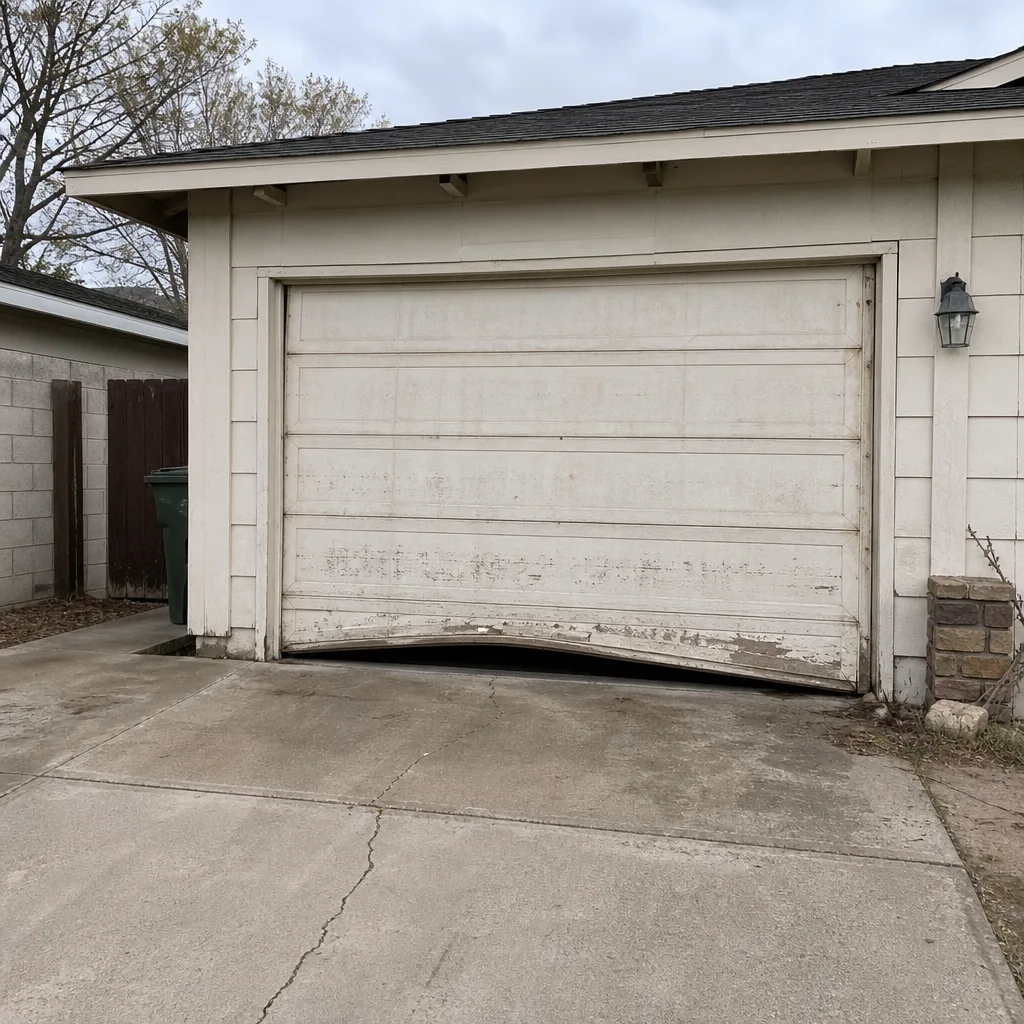 Before
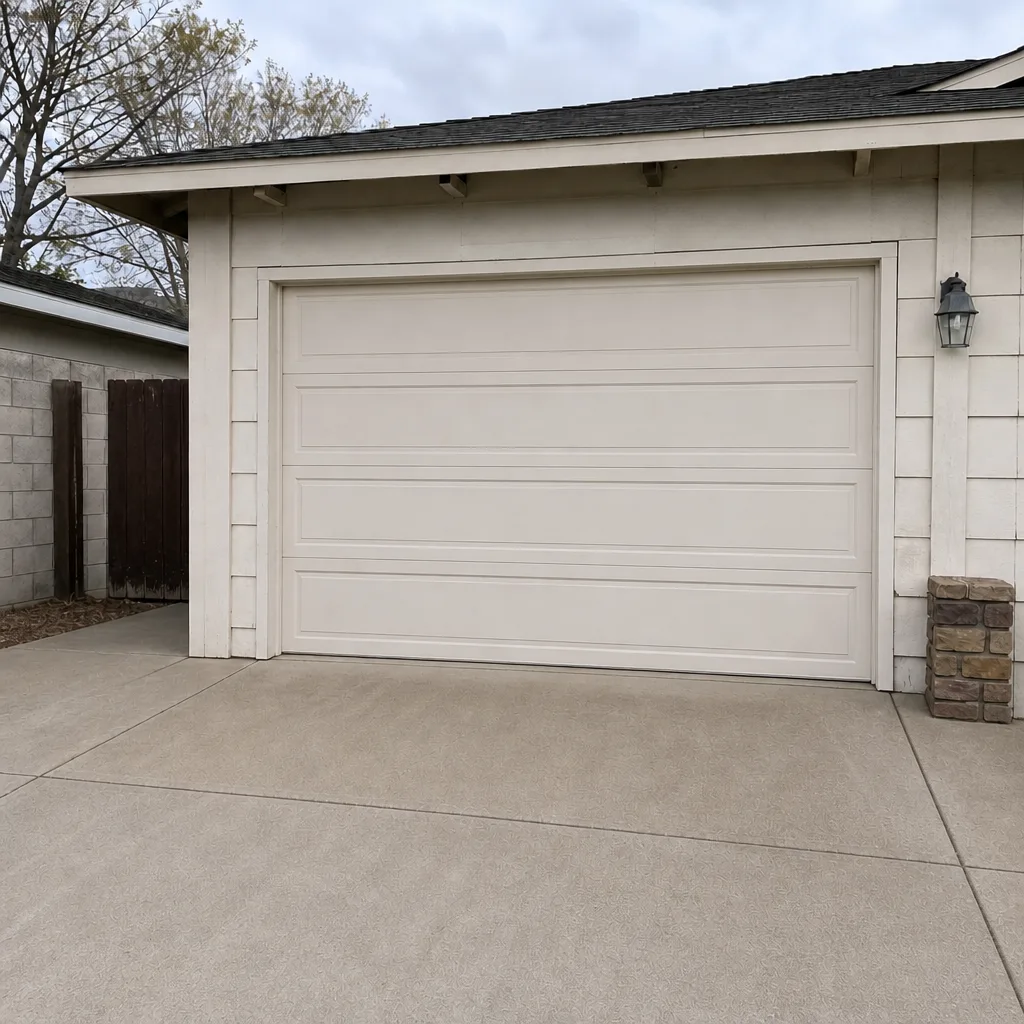 After
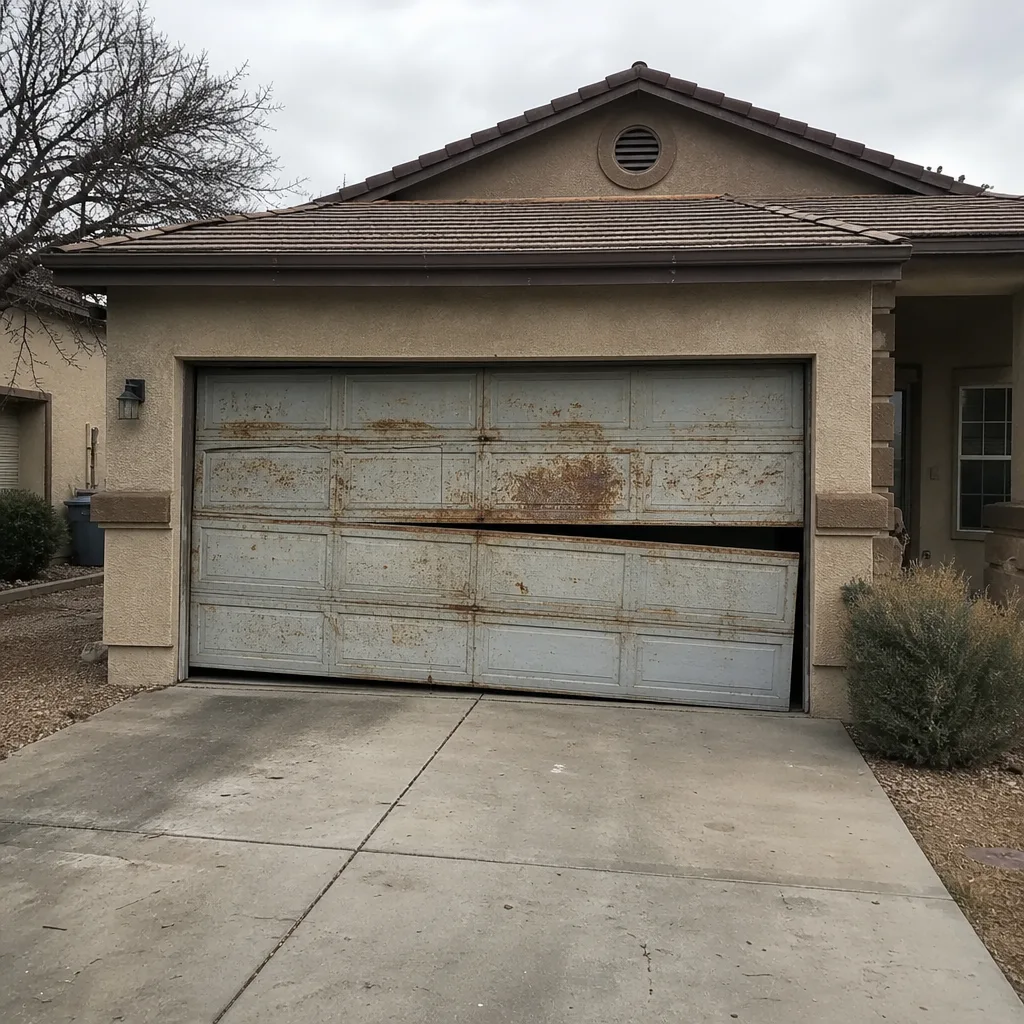 Before
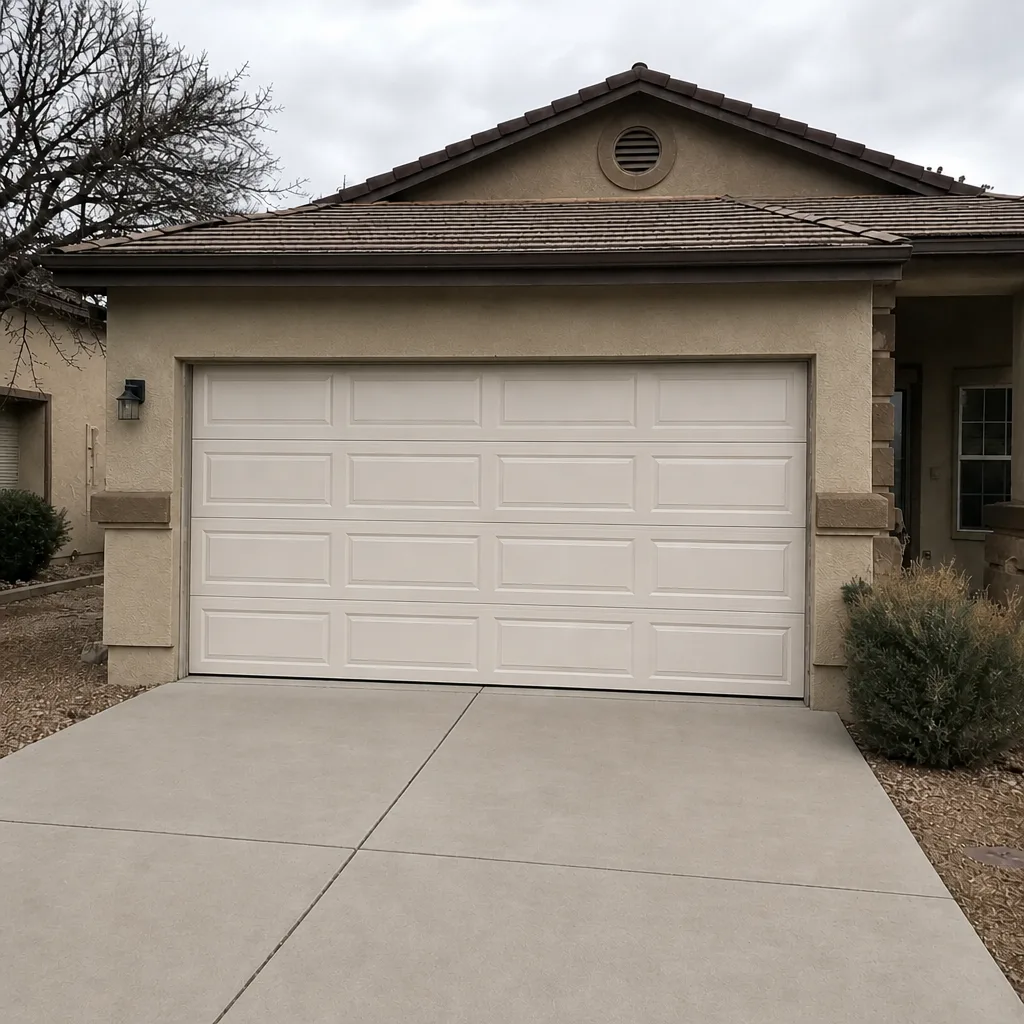 After
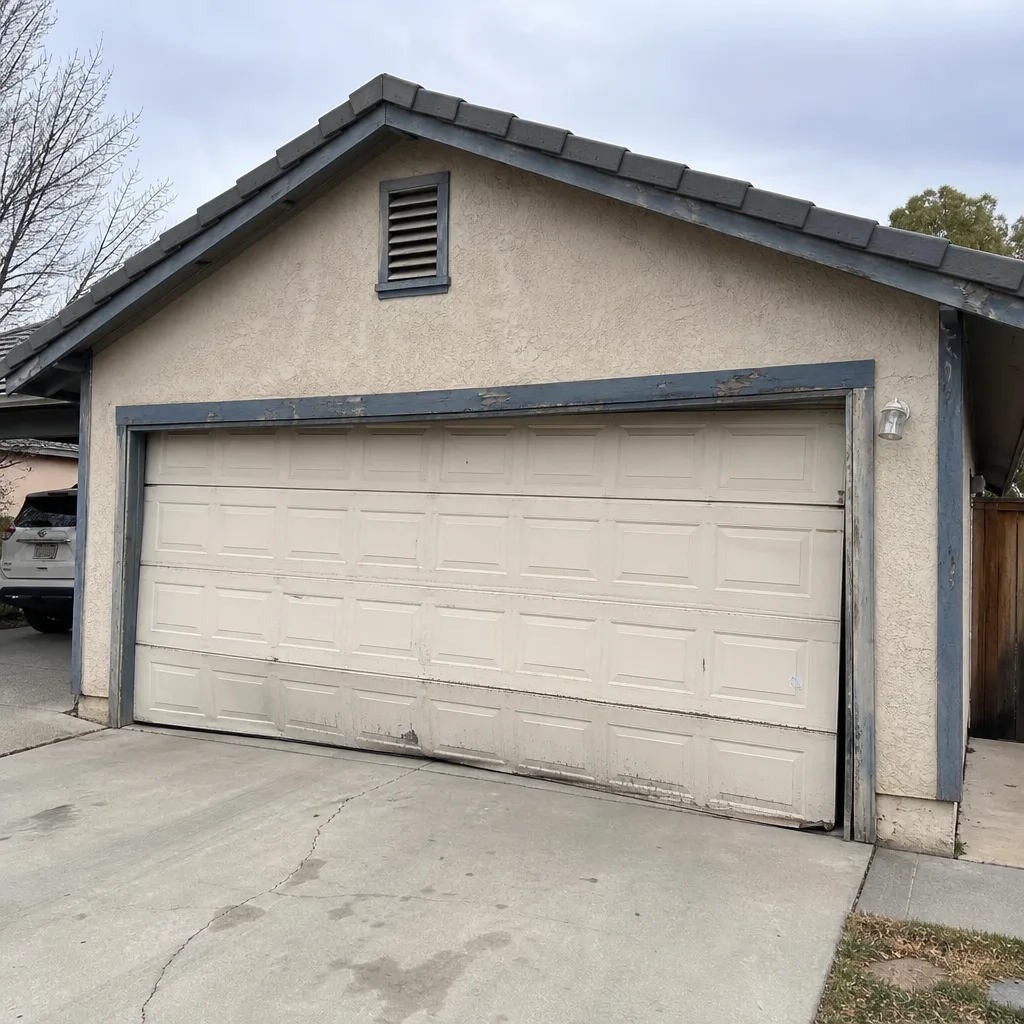 Before
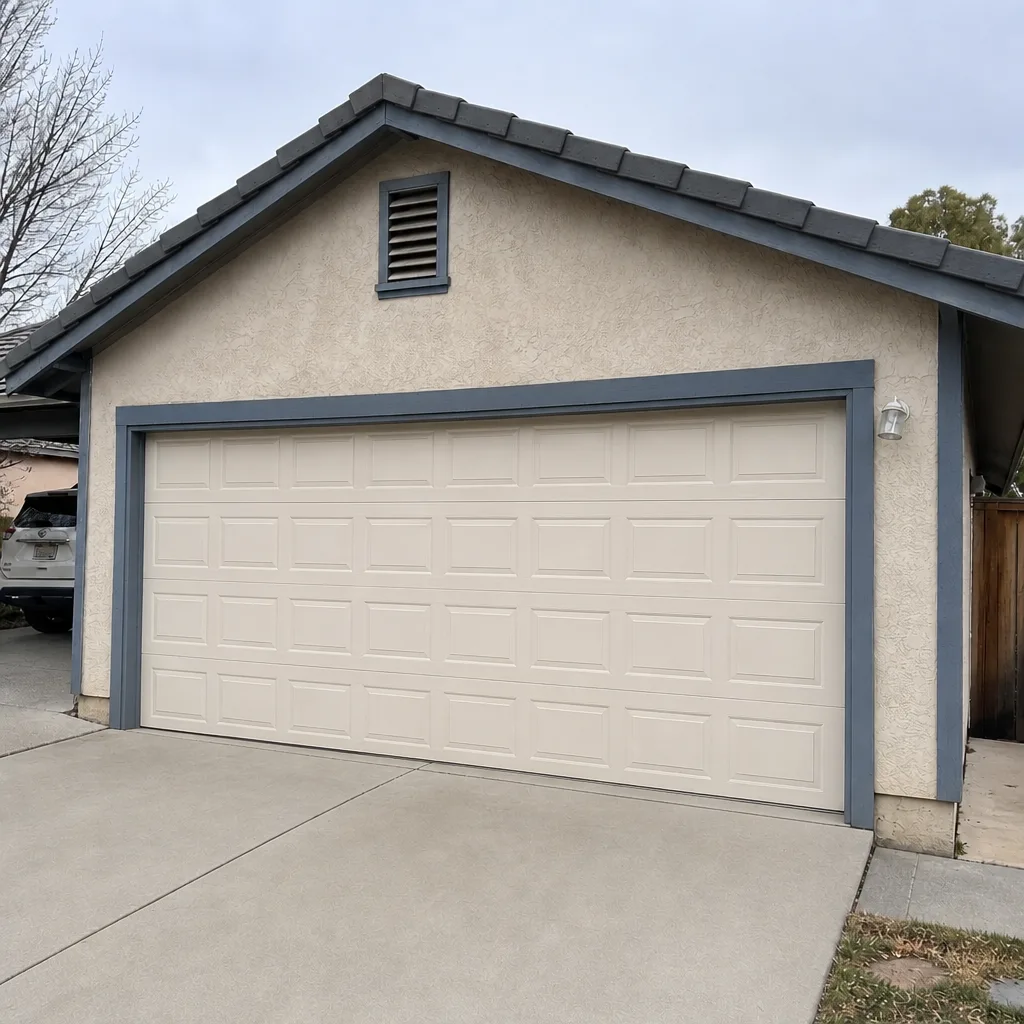 After
When to Call a Professional
Call when the door fails the board-on-ground test, the photo-eyes won’t settle, the opener hesitates before starting, or you hear grinding on every cycle. Call when a torsion spring has snapped – that assembly is under high tension and a DIY repair can cause serious injury. Call when the manual release won’t disengage, or when an opener over 12 years old is showing three or more of the warning signs at once and you need a straight answer on repair versus replacement.
Otto’s Garage Door Enterprise offers free estimates in Enterprise – call (833) 620-7107. A live person answers, including at night when a spring lets go and your car is sealed inside. We quote the job on the call and hold the number when we get there. Every job carries the 90-Day Done Right Promise, and we’ll give you a free second opinion on any written estimate from another shop.
Frequently Asked Questions
Most opener repairs in Enterprise run $150 to $380 depending on the part – a capacitor or gear replacement is on the lower end, a logic board or safety-eye repair is on the upper end. We quote the price before we come out and hold it at the door. Call (833) 620-7107 for an exact quote – estimates are free.
Yes. A live person answers the phone around the clock, and we handle safety-failure and no-open calls as a priority. If it’s a full failure with a car inside the garage, tell us on the call and we’ll get to you. Call (833) 620-7107.
No. We quote on the phone and honor that number when we arrive. If a hidden problem turns up on site that changes the fix – which is rare – we stop and tell you before we do anything. Call (833) 620-7107 for a free estimate.
Yes. Every technician is background-checked and trained across all major brands – LiftMaster, Chamberlain, Genie, Clopay, Amarr, Wayne Dalton, Craftsman, and Raynor. Our address and license number are published so you can verify before the truck arrives. Call (833) 620-7107 with any questions.
Usually yes, if it’s one focused repair like a capacitor or a gear. If it’s showing three or more warning signs at once – grinding, hesitation, and inconsistent travel, for example – replacement is typically the better spend. Call (833) 620-7107 and describe what it’s doing; we’ll tell you which side of that line you’re on.
A door that fails the board-on-ground reversal test. That’s a life-safety failure, not a performance issue. Stop using the door, unplug the opener, and call (833) 620-7107 to schedule a repair today.
The Bottom Line
Your opener telegraphs its failures well before it quits. Grinding and hesitation mean repair this week. Speed and range changes mean schedule it soon. A failed reversal test means stop using the door today. In Enterprise’s heat, most openers hit these signals between 12 and 15 years, and when three of them show at once, replacement is usually the smarter spend. Run the ten-minute seasonal check twice a year. When something changes, listen – and call a shop you can verify, with a name you’ll see again on Saturday.
If your opener is telling you something, or you just want a straight answer on whether the door is safe, call Otto’s Garage Door Enterprise at (833) 620-7107 for a free estimate. A live person answers around the clock, and the name on the van is the name on the license.
Written by the team at Otto’s Garage Door Enterprise.