
Last updated November 17, 2026
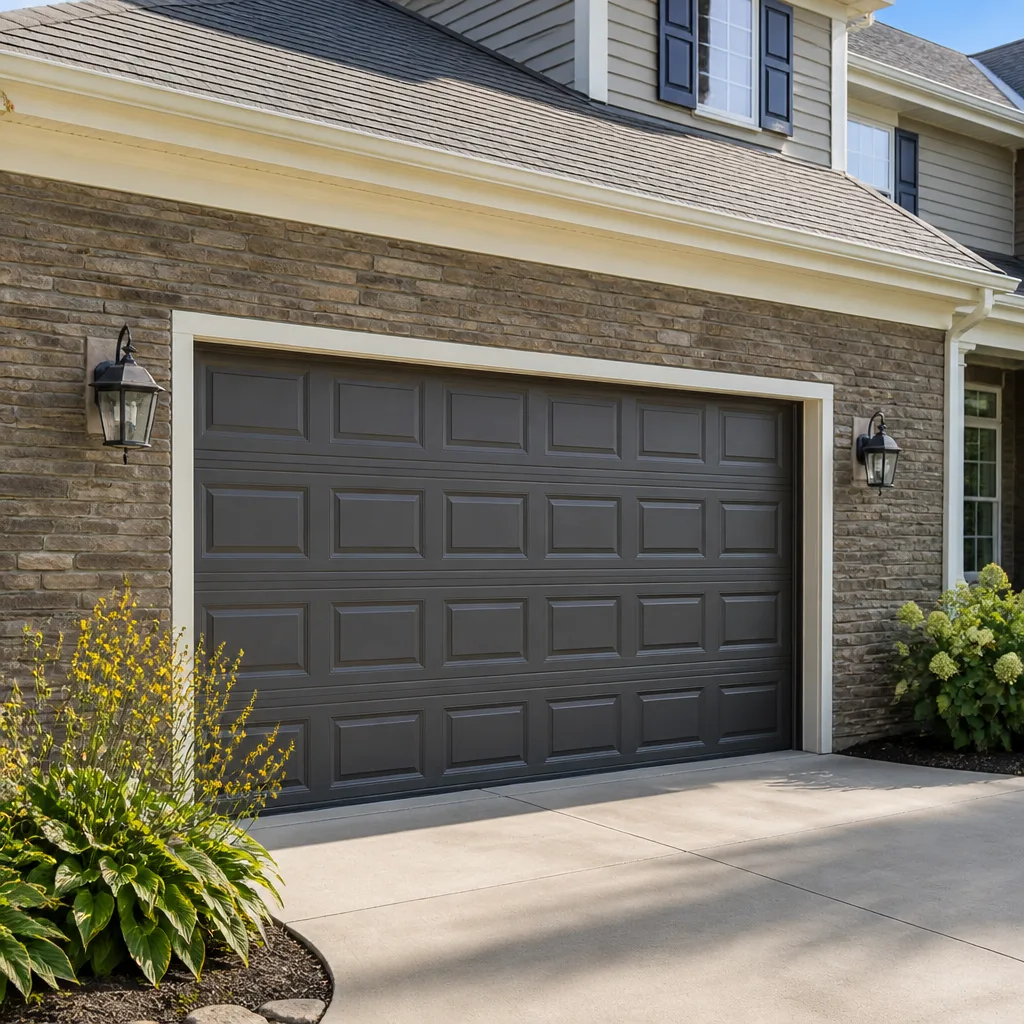 Raised-panel steel
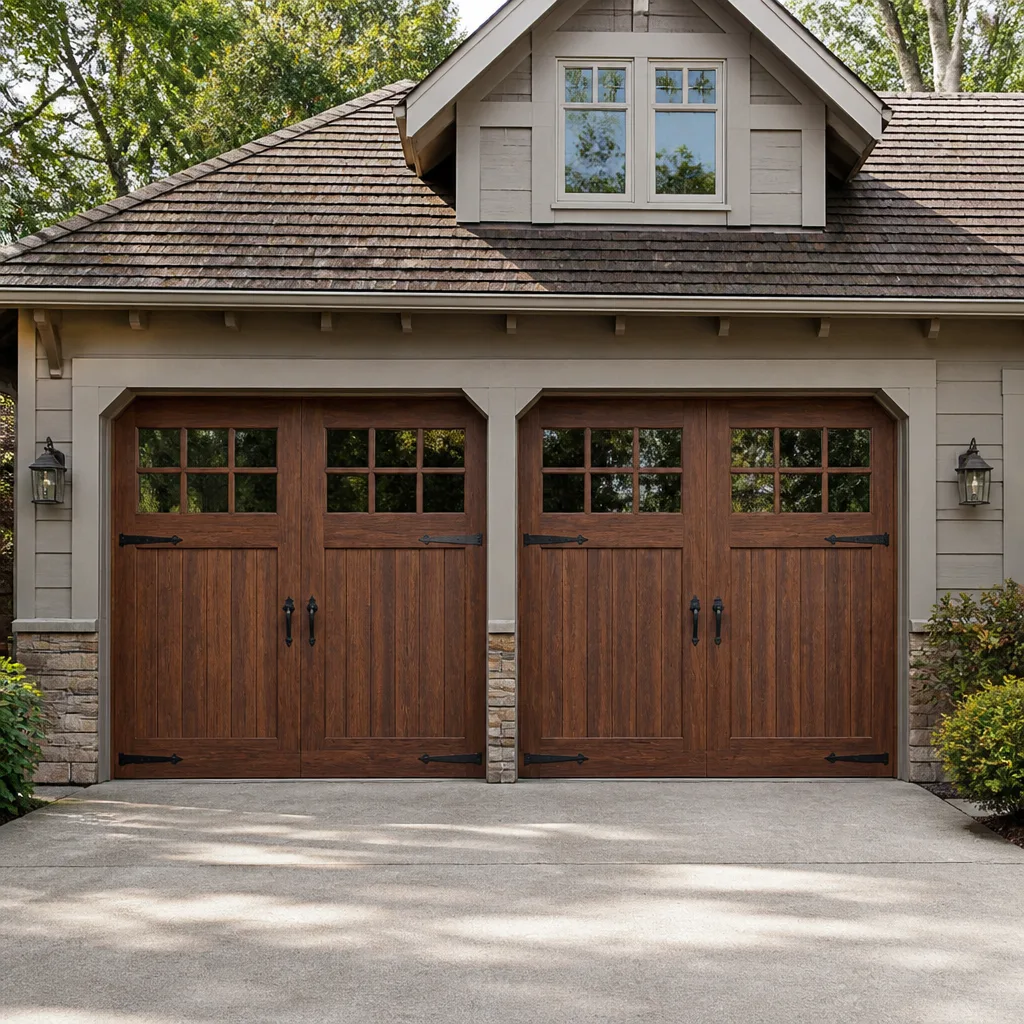 Carriage house
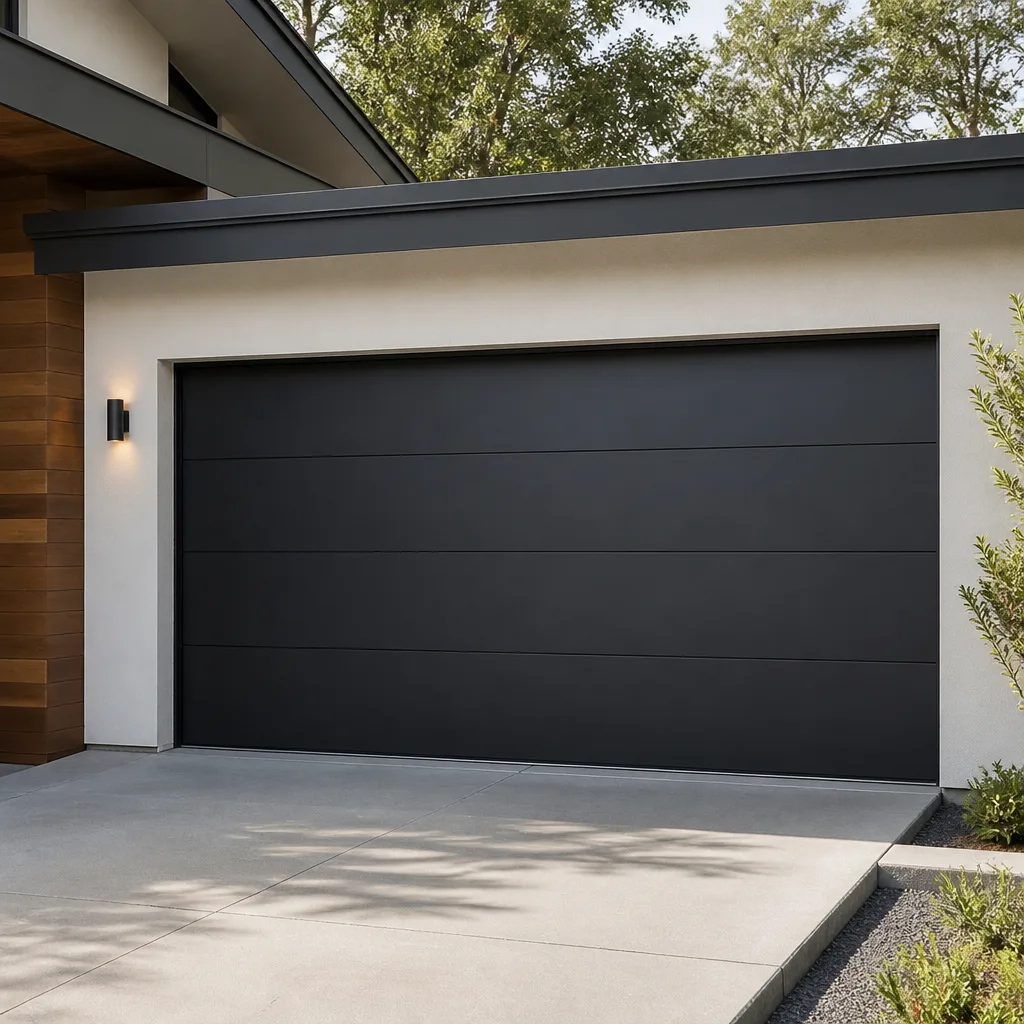 Modern flush
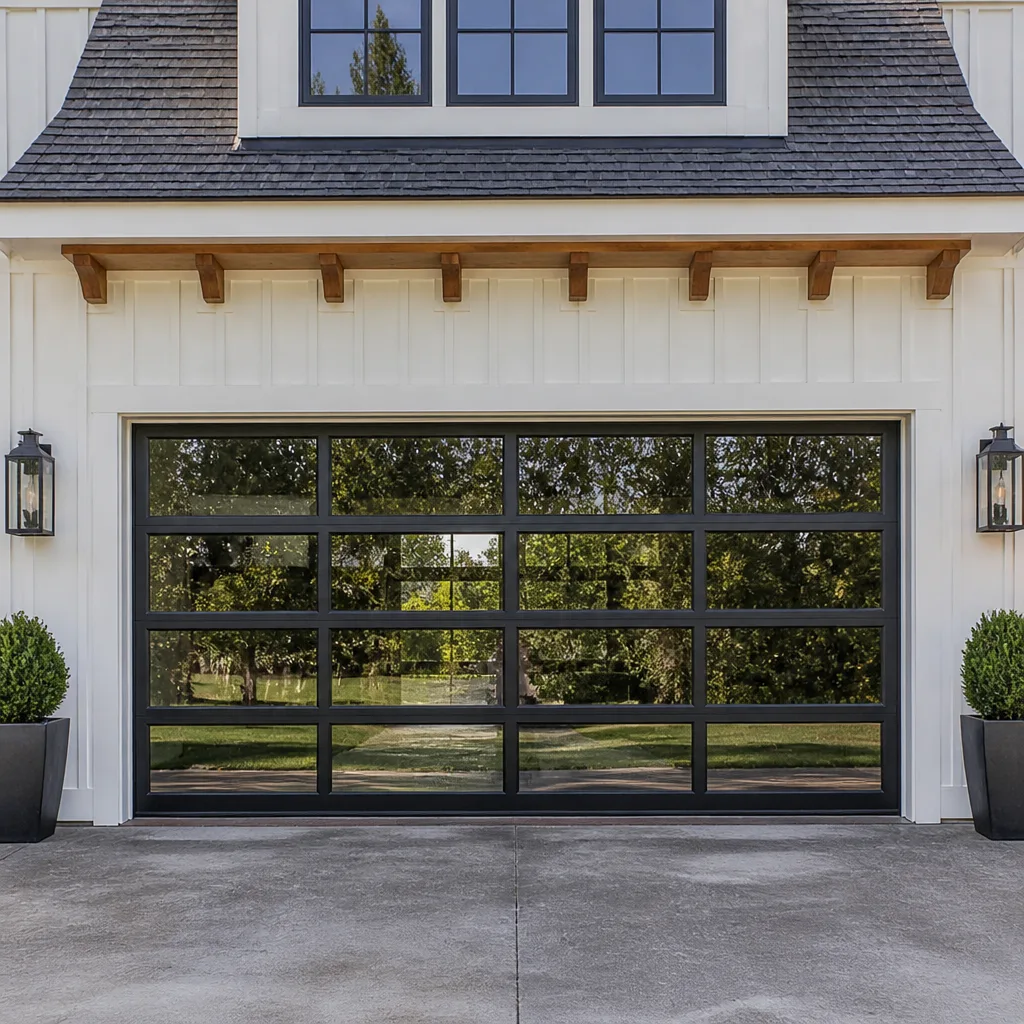 Full-view glass
 LiftMaster openers
 Chamberlain openers
Full 25-point door and opener safety check with every visit - springs, cables, rollers, tracks, and your LiftMaster or Chamberlain opener included
You get a price before we start. It does not change when the pro arrives.
Get your free estimateGarage Door Installation Maintenance Schedule: What to Do and When
Here’s something most installers won’t tell you on handover day: a new garage door does its most important moving in the first 90 days. New springs stretch slightly. New rollers seat into the track. New cables settle into their grooves. That’s all normal – but if nobody re-checks tension and alignment at the 60-day mark, normal break-in quietly becomes permanent misalignment. We’ve watched doors in Enterprise lose three to four years of life because one 20-minute checkup was never scheduled. This guide gives you the Year One schedule: the 60-day adjustment, the first lubrication window, the desert-specific checks that matter before August, and the warranty language decoded. What the manufacturer’s maintenance card doesn’t tell you is exactly what this page will.
Quick Answer
A new garage door needs a 60-day checkup, its first lubrication at 90-120 days (not on installation day), and a full seasonal inspection each spring and fall – with a tighter eye on the seals and hardware through the door’s first Enterprise summer. In Year One, the two must-do windows are the 60-day tension and alignment check, and the first lubrication before day 120. Skip either and the break-in period sets bad habits in the hardware that cost you years down the road.
Styles & brands we work with
- Raised-panel steel
- Carriage house
- Modern flush
- Full-view glass
- LiftMaster openers
- Chamberlain openers
Table of Contents
- Why Year One Is the Most Important Year
- The 60-Day Checkup (The One Most Installers Skip)
- Your First Lubrication: When and Why Not on Day One
- How to Log Your Baseline (Spring Specs, Opener Settings, Install Date)
- Desert Year One: What the First Enterprise Summer Does to a New Door
- What Voids a Manufacturer Warranty (and What Doesn’t)
- The Full Year One at a Glance
- Year Two and Beyond: What Changes
Why Year One Is the Most Important Year
A garage door is not a solid block of steel. It’s a set of moving parts – springs, rollers, hinges, cables, opener rail – that finds its working position in the first few months. A spring that’s wound correctly at installation may still sit a quarter-inch off its ideal after 90 days of daily use. A roller can walk 1/8″ out of the track tolerance. A cable can find a groove that’s a hair off its intended seat. None of that is a failure. It’s break-in.
But break-in becomes permanent geometry if it isn’t corrected. A door that runs out of balance all through Year One wears its opener motor harder, wears its rollers flatter, and wears out its springs sooner. By the time the homeowner notices, they’ve spent hundreds of extra dollars of motor life and cycled thousands of load hours through an uneven spring.
We’ve seen the difference in Enterprise. Doors that get the 60-day checkup run noticeably quieter at year five and typically go 10-12 years on the original spring set. Doors that don’t, in our experience, usually need spring work between years six and eight. Same door. Same brand. Same desert. Different Year One.
When we install a new door – whether it’s an Amarr, a Wayne Dalton, or a Raynor – we treat handover day as day zero, not day done. The Garage Door Installation in Enterprise page covers the install side; this guide covers the 12 months that follow.
The 60-Day Checkup (The One Most Installers Skip)
Here is the biggest gap in the industry: nearly every installer hands over the door and drives away, and no one comes back at day 60. That checkup should be scheduled before the installer leaves the driveway. It’s the single highest-value 20 minutes in the first year. Book it on day one, confirm it on day 50, and hold the date.
At the 60-day checkup, these are the items we look at, in this order:
- Spring stretch. Measure the wound length against the installation spec. A properly wound torsion spring shouldn’t change length by more than a fraction. If it has stretched noticeably, the load is now uneven – rebalance before it becomes a real problem.
- Roller alignment. Look down the track with the door half open. Rollers should sit centered. Any that sit against the top or bottom edge of the track are wearing flat edges into the nylon and will grind all through year two.
- Cable seating. Inspect the drum end. The cable should sit in the groove cleanly, not overlapping. Overlap now is a snap later.
- Track plumb and level. A track that lost a quarter-inch over 60 days will pull the door sideways for the next decade. Track bolts should be re-torqued.
- Hinge tightness. Every hinge should hold firm. Loose hinges squeak, and squeaks have a way of becoming stripped holes.
- Opener sensitivity settings. New openers log force levels based on break-in conditions. Those force levels should be recalibrated at 60 days now that the hardware has settled – otherwise the safety reverse can drift out of spec on the way up.
- Weather seal contact. The bottom seal should touch the floor evenly. Any gap is a desert wind tunnel and a bug and dust entry point.
None of those adjustments should be a big deal. All of them together, over the life of the door, add years. If your installer doesn’t offer a 60-day return visit, that’s not a red flag – it’s the industry default. Which is exactly why we schedule it ourselves on every install. Our technicians have up to 22 years of experience, and the 60-day check is something we call on, not something the homeowner has to remember.
Safety note: springs under tension and cables under load can be lethal. The checkup above is a professional-level inspection. Do the visual look-over yourself – don’t adjust springs or cables. A garage door is 200 pounds riding on two springs. Respect it. If your installer didn’t schedule a 60-day checkup, this is the #1 item to ask about. Garage Door Repair in Enterprise handles these recalibrations routinely.
Your First Lubrication: When and Why Not on Day One
The single most common piece of bad advice we hear is “lubricate a new door right away.” Don’t. Here’s why.
Freshly installed hinges, rollers, and torsion hardware come with factory lubricant already applied for the break-in period. Adding your own grease on day one does two things wrong: it can wash out the correct factory film (especially on nylon rollers, which are self-lubricating and should never be greased), and it can trap desert dust into a paste that thickens the mechanism rather than freeing it. In Enterprise, where a windy week can put a visible haze on every surface, that matters more than it does in a humid climate.
The right timing for the first homeowner lubrication is 90 to 120 days after installation. That’s after break-in has settled, after the 60-day checkup has been done, and before the door has cycled enough to work its way toward dry metal-on-metal contact.
What to use, at that first lubrication:
- Hinges: a light lithium grease or a dedicated garage door hinge lubricant at each hinge pivot.
- Steel rollers: a couple of drops of 10W-30 or dedicated roller lube at the bearing. Nylon rollers: no lubrication – wipe clean only.
- Torsion spring: one light coat across the coils. Do not over-apply. A wet spring attracts dust.
- Opener rail (chain or belt): follow the opener manual. Chain-drive rails usually take a specific low-tack lubricant; belt-drive rails often need none.
- Weather seal: a silicone-based protectant on the rubber keeps it pliable, which is the difference between a seal that lasts four years in the desert and one that lasts eight.
After that first lubrication, plan on repeating it every six to nine months. For most Enterprise homeowners that’s once before summer, once before winter, which lands naturally on the seasonal inspection cycle.
Quick Answer
Don’t lubricate a new garage door on installation day. Wait until day 90-120, after the 60-day checkup has settled the hardware. Grease applied too early traps desert dust and can wash out factory film. After that first cycle, lube every six to nine months.
How to Log Your Baseline (Spring Specs, Opener Settings, Install Date)
Here’s the thing about Year Three problems: they’re only easy to fix if you know what Year One looked like. A sagging door in year three is a five-minute adjustment if you know the original spring spec, and a guessing game if you don’t. That’s why every new door should come with a written baseline. Build yours on day one, keep it with the owner’s manual in a folder or a phone photo, and update it every service visit.
Your baseline should include:
- Installation date (the exact day, not just the month).
- Door brand and model. If it’s an Amarr, Wayne Dalton, Craftsman, or Raynor door, note the model number printed on the inside panel. Model number is what determines the correct replacement spring, panel, and hardware.
- Spring specs: wire size, inside diameter, wound length, and number of springs. Your installer should write these on the handover sheet. If they don’t, ask. This single line saves money on every future spring job.
- Roller type (nylon or steel) and count.
- Opener brand, model, and the settings logged at install: up-limit, down-limit, force/sensitivity, and travel distance.
- Any adjustments made at the 60-day checkup.
In our experience, doors with good documentation cost homeowners noticeably less over a decade than doors without it. Not because the parts are cheaper – because the right parts get ordered the first time and the diagnosis is faster. If the opener’s part of the system, the Garage Door Opener Repair & Installation in Enterprise page has more on how opener settings should be tracked.
Desert Year One: What the First Enterprise Summer Does to a New Door
Enterprise isn’t a mild climate for garage doors. June through August routinely puts 100°+ days in the garage space, and the inside of a closed garage in direct sun can run 20-30° hotter than the outside air. That first summer is a stress test on a brand-new door, and it’s the season where a seal that was fine at 70° can fail at 115°. Here’s what to watch before August peaks.
- Bottom weather seal integrity. Heat softens then hardens rubber faster than in cooler climates. By mid-July of year one, check the bottom seal for hardening, curl, or visible cracks. A hard seal leaks air, dust, and pests, and adds drag to the door on every cycle.
- Panel warp on the sun-facing side. Doors facing west or south get afternoon sun on the same panels day after day. Year one is when you’ll first notice if a panel is bowing – check from the inside with the door closed.
- Metal expansion noises. Some clicking and popping as the door heats and cools is normal, especially on steel doors. Popping on every cycle is not; it’s a sign a hinge is loosening or track is binding.
- Wind and dust intrusion. A spring windstorm through Enterprise can push dust past the perimeter seal. After a heavy wind event, sweep and then check the seal contact all the way around.
- Opener sensitivity drift. Heat expands the rail and stretches the belt or chain. The opener that felt smooth in April can start feeling sluggish by August. If the door reverses on a light contact test, don’t adjust the force yourself – that’s the safety reverse, and it needs a pro.
We tell every Enterprise homeowner we install for: get the seasonal inspection done before the first heat wave, not after. The August inspection is too late. The May inspection is when the year-one desert risks actually get caught. If you’re trying to schedule that inspection, this is the window – not in July when everyone else calls.
What Voids a Manufacturer Warranty (and What Doesn’t)
Manufacturer warranties on doors from Amarr, Wayne Dalton, Raynor and most other brands are written in plain-enough English if you know what to look for. Here’s the decoded version. Warranties generally cover defects in materials and workmanship on the door, panels, and factory hardware. They don’t cover wear items (springs, rollers, seals, cables) past their stated coverage window, and they don’t cover damage from improper installation, improper maintenance, or modification.
What voids the warranty (real examples from the fine print):
- Installing the door on a structure that doesn’t meet the manufacturer’s opening spec, or with the wrong headroom or backroom.
- Painting or coating the door in a way that’s not the manufacturer’s recommended finish (some finishes void on doors where paint is applied within the first 30 days).
- Missing scheduled maintenance you can’t document – some warranties require periodic lubrication and inspection, which is another reason the log from the previous section matters.
- Modifying the door (adding windows, cutting panels, changing struts) without manufacturer approval.
- Overtightening or replacing springs with non-spec springs. This one voids spring coverage and can void opener coverage. Use the exact spec from your baseline.
What does not void the warranty: normal professional inspection, lubrication with the manufacturer’s recommended products, adjusting opener force settings to spec, replacing weather seals, and repair of hinges and hardware. Those are maintenance, not modification. A written service record from any of these visits supports a warranty claim later – so keep every service note.
Two things to always check on your specific door before assuming anything: read the warranty card that came with the door, and call the manufacturer with the model number if any language is unclear. We tell customers this even when it doesn’t lead to work for us. The Otto’s Garage Door Enterprise home page links to how we handle warranty questions on installs.
The Full Year One at a Glance
Print this. Tape it inside the garage door opener cabinet. Here’s the whole of Year One on one schedule.
| When | What to Do | Who Does It |
|---|---|---|
| Day 0 (install day) | Log brand, model, spring specs, roller type, opener settings. Book the 60-day checkup. | You + installer |
| Days 0-60 | Watch the door all the way up and down once a week. Note any change in sound or speed. No lubricating yet. | You |
| Day 60 | Full checkup: spring stretch, roller alignment, cable seating, track plumb, hinge tightness, opener sensitivity, seal contact. | Professional |
| Day 90-120 | First lubrication: hinges, steel rollers, torsion spring, weather seal. Skip nylon rollers. | You or professional |
| Month 4-5 (before first summer peak) | Desert-specific pre-summer inspection: bottom seal integrity, panel warp, opener force calibration. | Professional |
| Month 6 (fall) | Seasonal inspection: full hardware check, second lubrication if needed, weather-strip refresh. | Professional |
| Months 6-12 | Monthly quiet test: run the door by ear. A tone change is the earliest sign of a problem. | You |
| Month 12 | Year-one review: compare against baseline, refresh the log, plan year two. | You + professional |
Year Two and Beyond: What Changes
Once you’re past year one, the door has found its geometry. That’s good news and it changes the schedule. The 60-day checkup is over and done. What stays is the seasonal cycle: a spring and fall inspection, lubrication every six to nine months, and a quiet-test every month or two. What gets added in year two is spring cycle counting.
We count spring cycles the way you count tire miles. Every open and close is a cycle, and a standard torsion spring is rated for roughly 10,000 cycles – which for a two-car garage used two to four times a day works out to somewhere between seven and 14 years, depending on use and climate. In Enterprise, our heat pushes that toward the lower end. That’s why Year One baseline matters: it tells you exactly how many cycles you’re adding per day, and if you have a multi-car household where the door cycles a dozen times daily, you’ll know when to budget for spring replacement well before the spring lets go.
Other year two and beyond adjustments:
- Rollers: steel rollers typically need inspection by year four to five. Nylon rollers often run longer but should be visually checked after every third seasonal visit.
- Weather seals: bottom seal replacement every four to six years in the desert climate, sooner if you catch problems late.
- Opener: belt and chain tension often needs adjustment around years three to five. Opener replacement typically lands at 10-15 years.
- Paint or finish: touch up any chipped spots as they appear, especially on steel doors. One chipped spot in the desert sun becomes rust at that spot faster than colder climates.
If you’re two years in and never got the baseline, it’s not too late. A professional can measure the current state and rebuild the log – it just takes longer and costs a little more than setting it up on day one. When you’re ready for a full inspection, the free estimate is the easy place to start.
Common Mistakes to Avoid
- Skipping the 60-day checkup entirely. The most common and most expensive mistake. Twenty minutes at day 60 prevents years of misalignment.
- Lubricating on installation day. Fresh factory film should be left alone. Early grease traps desert dust and can void roller performance. Wait until day 90-120.
- Greasing nylon rollers. Nylon rollers are self-lubricating. Grease attracts sand and grit, and that grit becomes the sandpaper that wears the roller out.
- Adjusting the opener’s force or travel limit yourself. The safety reverse is the single most important safety feature on the door. If it’s not reversing on a light contact test, call a professional. Don’t set it by guess.
- Keeping no record of spring specs. When a spring goes in year seven, having the wire size, inside diameter, and wound length saves days of waiting for the right part.
- Waiting until August to notice the sun-facing seal. In Enterprise, the pre-summer inspection is in May, not late July. By August the damage has already happened.
- Assuming the warranty covers everything. Read the warranty card on your specific door. Wear items like springs, rollers, and seals usually have short coverage windows; structural defects have longer ones.
See the difference
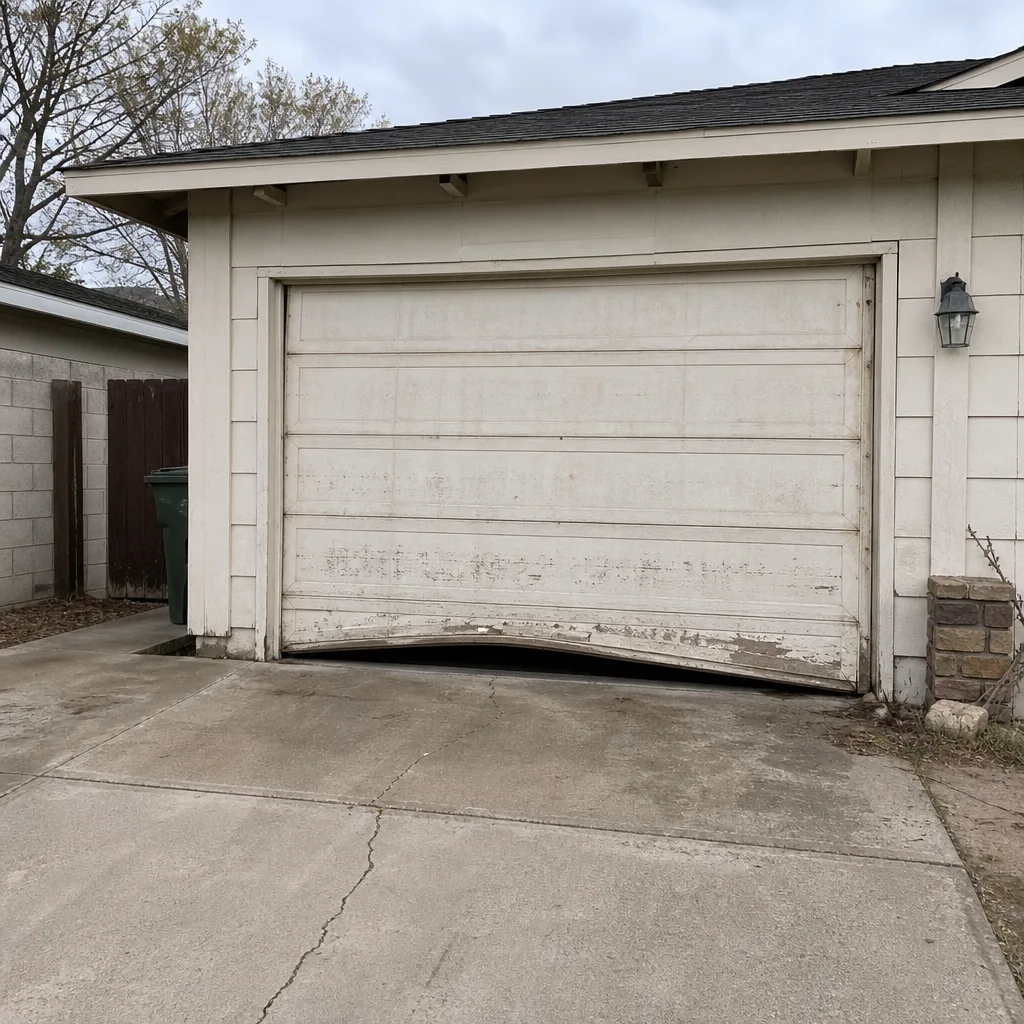 Before
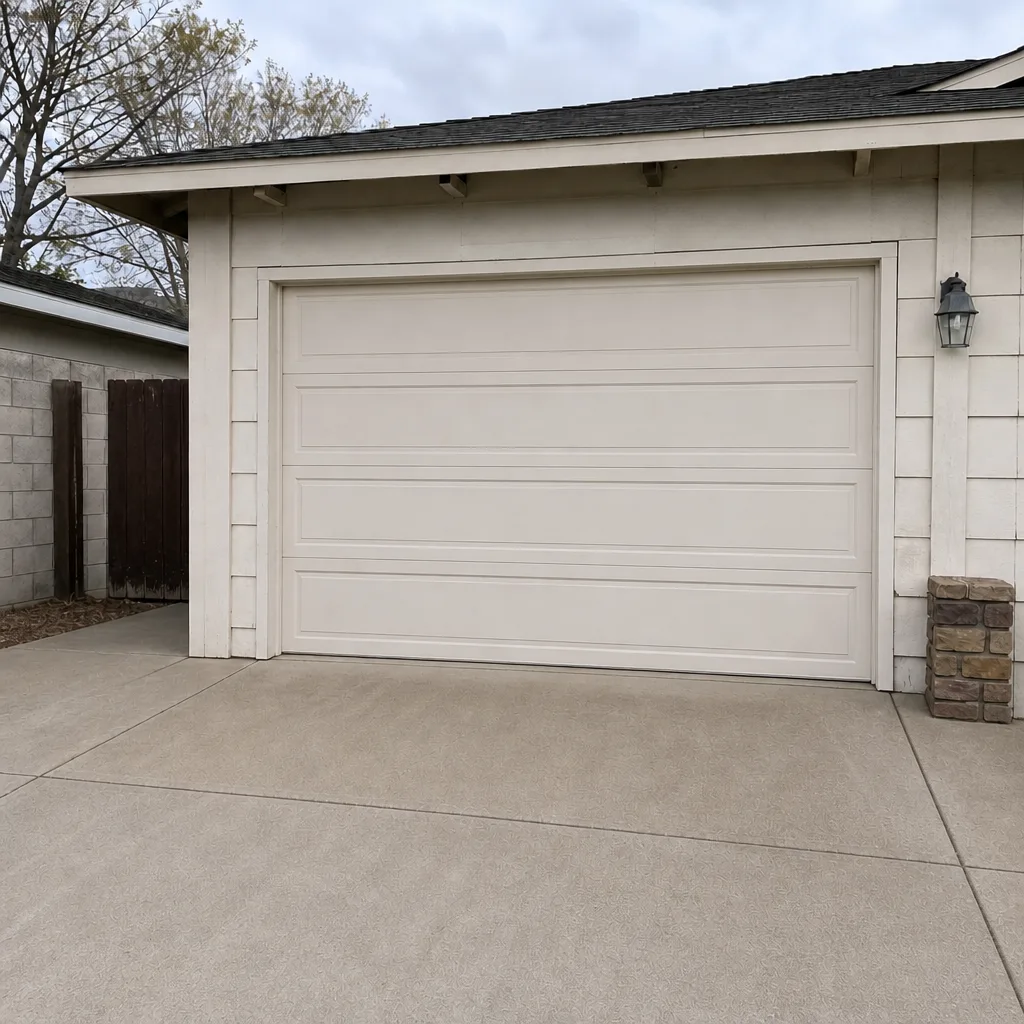 After
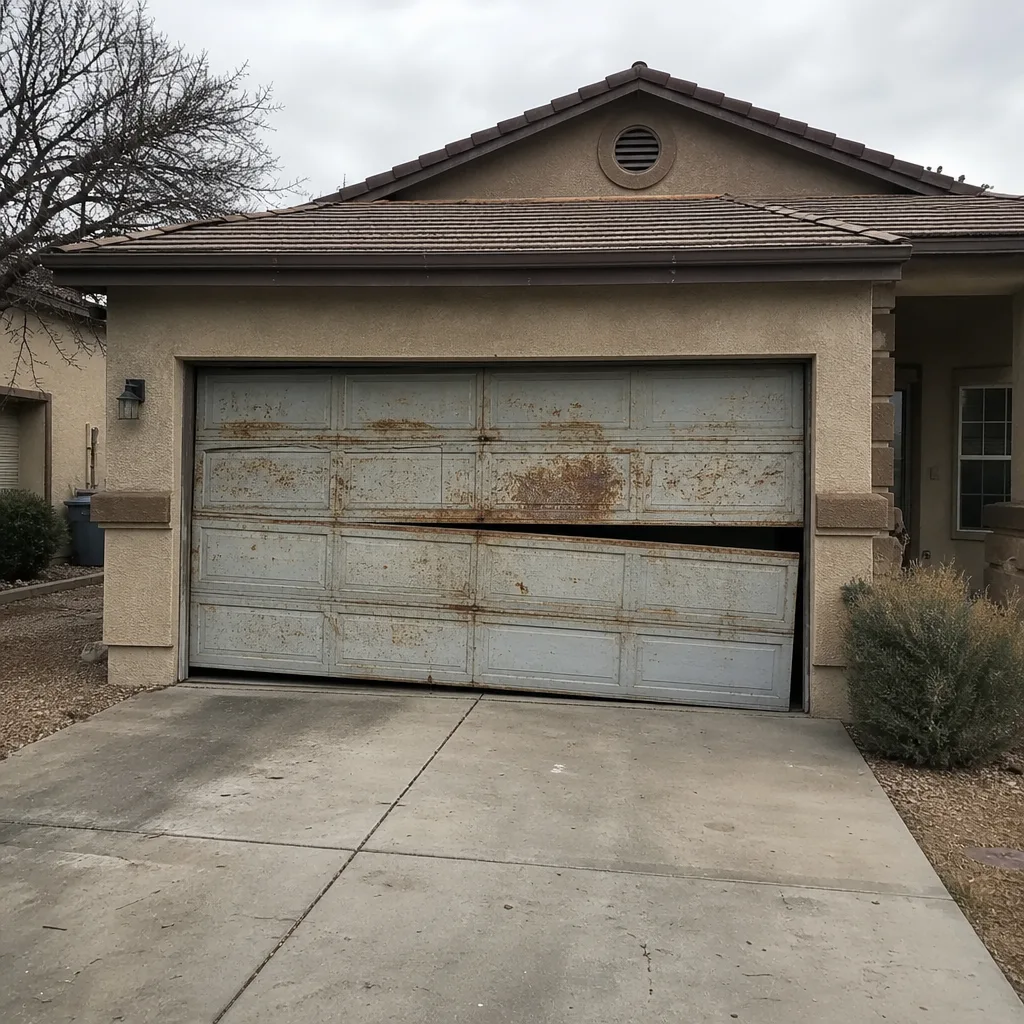 Before
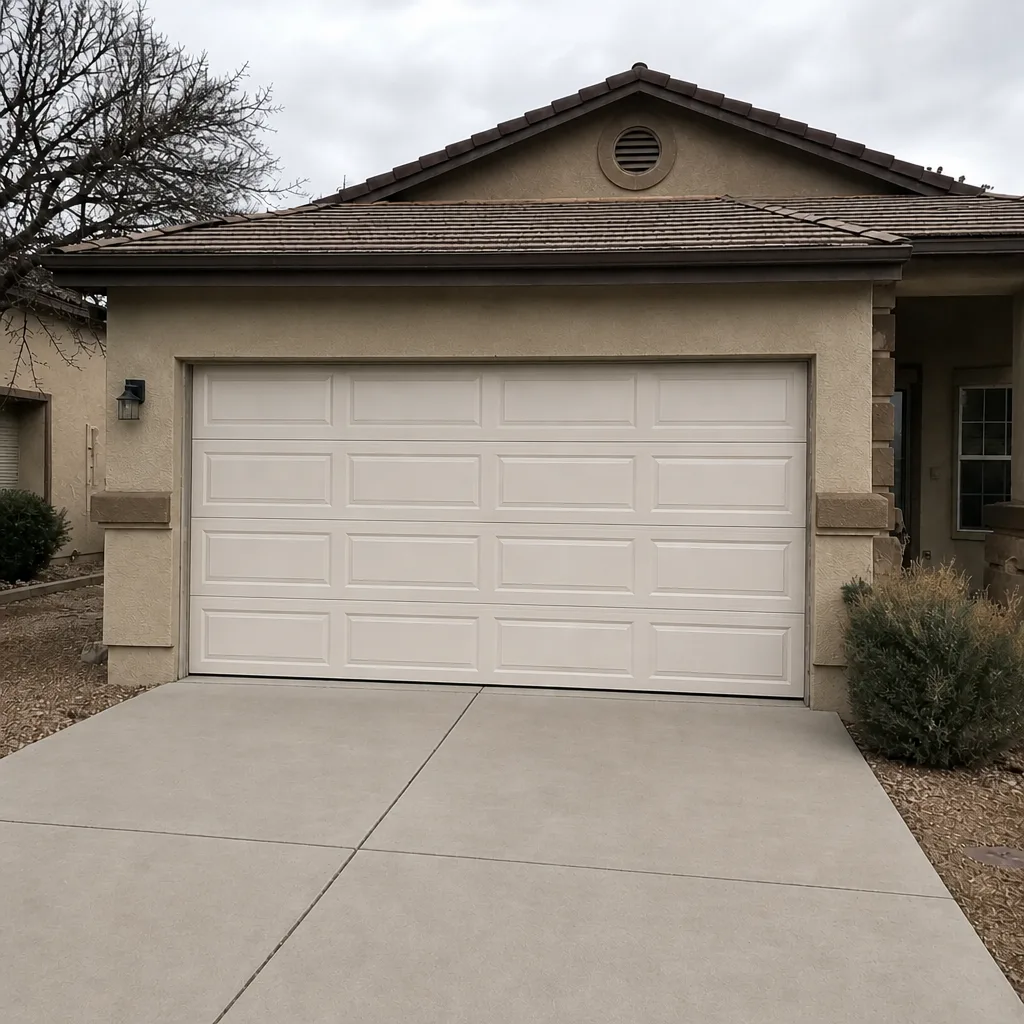 After
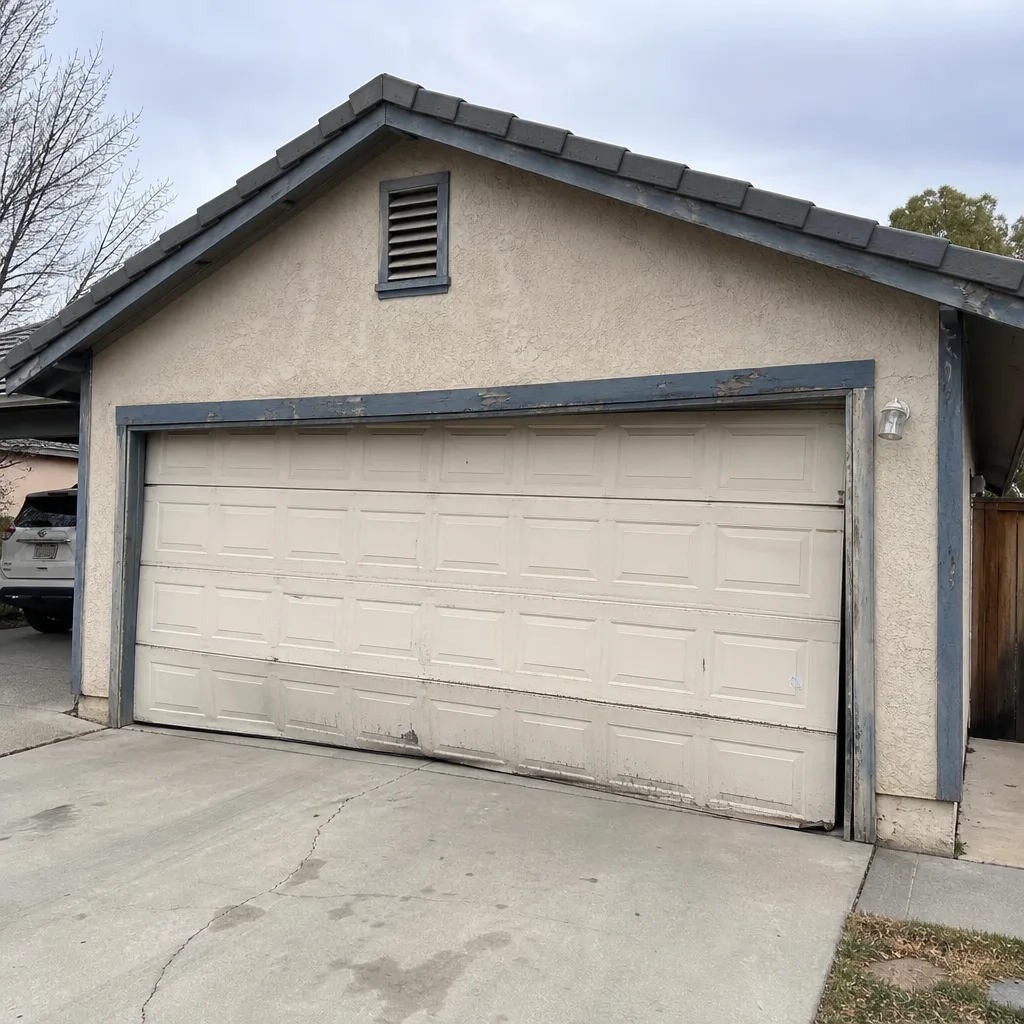 Before
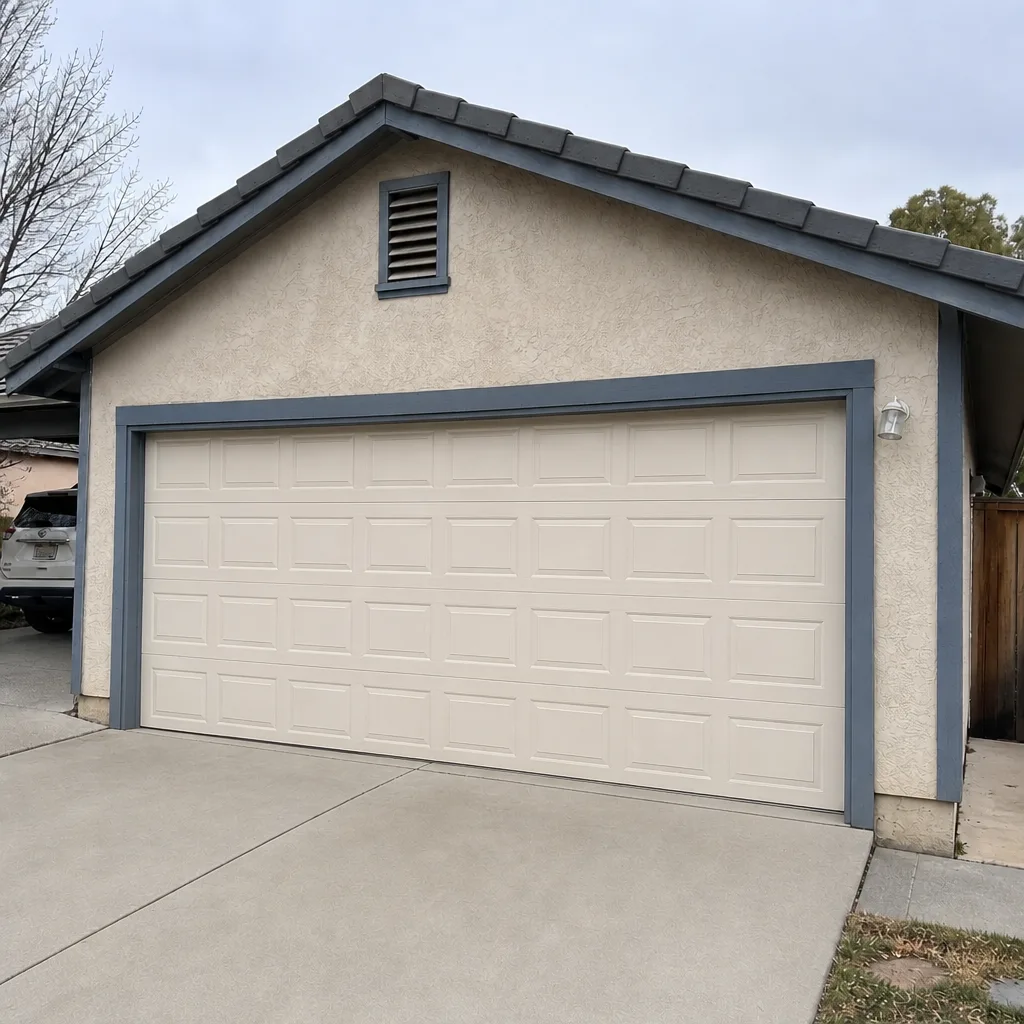 After
When to Call a Professional
Most of Year One is homeowner-friendly: you can run a weekly cycle test, apply your first lubrication at 90 days, and keep the log. There are four situations where we tell every homeowner – even the handy ones – to call us instead of touching it. First, anything that involves the torsion spring or the cables. Those parts kill people when they’re handled wrong, and no YouTube video changes that. Second, any adjustment to the opener’s force or safety reverse. Third, a door that won’t reverse on the light-contact test, or that reverses mid-travel. Fourth, any track that has visibly moved or any hinge that has a stripped hole.
Otto’s Garage Door Enterprise offers free estimates in Enterprise – call (833) 620-7107. We quote the price on the call and hold that number when we walk up the driveway. A live person answers around the clock, including the nine-at-night calls, because that’s when a spring lets go.
Frequently Asked Questions
Three times minimum: once at the 60-day checkup, once for the first lubrication at day 90-120, and once for a pre-summer inspection before the first Enterprise summer peaks. Add a fall seasonal inspection and that’s four touches in Year One. After Year One, twice a year is typically enough.
Yes, but not on installation day. Wait until 90-120 days after install, once the factory film has done its job and the 60-day checkup has settled the hardware. Lubricate hinges, steel rollers, the torsion spring, and the weather seal. Skip nylon rollers. Then repeat every six to nine months. Call (833) 620-7107 if you’d rather have us do the first one – it’s a small visit and worth having on record.
Not usually by itself, but it can hurt a later claim. Some warranties require documented periodic maintenance, and a missing 60-day service note can make a later warranty claim harder to win. The bigger risk is physical: skipping the checkup lets normal break-in harden into permanent misalignment. If you’ve already lost track of the 60-day window, call (833) 620-7107 and we’ll do a catch-up inspection at any point – earlier is better than later.
A 60-day checkup runs typically $85-$150. A seasonal inspection with lubrication runs $95-$175. A pre-summer desert inspection runs in the same range. We quote on the call before we arrive and don’t revise it at the door. Anyone with a written estimate from another company can use our free second opinion – no trip charge – to compare apples to apples. Call (833) 620-7107 for an exact quote.
No door is maintenance-free, though some materials (aluminum, fiberglass) need less than others. What “maintenance-free” usually means is that the manufacturer doesn’t require scheduled service to keep the warranty valid on certain non-mechanical parts. Springs, rollers, cables, and openers all wear regardless – those are the parts the schedule above is about. Call (833) 620-7107 if you’re not sure what your specific door needs.
Often, yes. A live person answers the phone around the clock, and if your door is stuck, off-track, or won’t reverse, we’ll get a technician headed your way. Spring and off-track issues are treated as priority. Call (833) 620-7107 – we’ll quote before we come and hold the number.
The Bottom Line
Year One is the most important year of a garage door’s life. The break-in period sets the geometry the door will run on for the next decade, and the two must-do windows are the 60-day checkup and the first lubrication at day 90-120 – not on installation day. In Enterprise, the first summer is the biggest test, which is why the pre-summer inspection matters more here than it does in a mild climate. Log your install date, spring specs, and opener settings on day one; that log will save you real money by year three. Then settle into the seasonal cycle: twice a year, lube every six to nine months, listen every month. It’s the difference between a 15-year door and an eight-year door.
Contact Otto’s Garage Door Enterprise
If you’ve got a new door that needs its 60-day checkup, a Year One inspection coming due, or you just want a baseline set up so you know what you’re running on, we’re the call. Otto’s Garage Door Enterprise is locally owned and owner-operated in Enterprise, and we’ve been putting our name on every job since 2004. A live person answers (833) 620-7107 around the clock, we quote on the call, and we hold that price when we walk up your driveway. Free estimates, no trip charge inside the county, and a 90-Day Done Right Promise in writing on every job. Call (833) 620-7107 for a free estimate today.
Written by the team at Otto’s Garage Door Enterprise.