
Last updated November 17, 2026
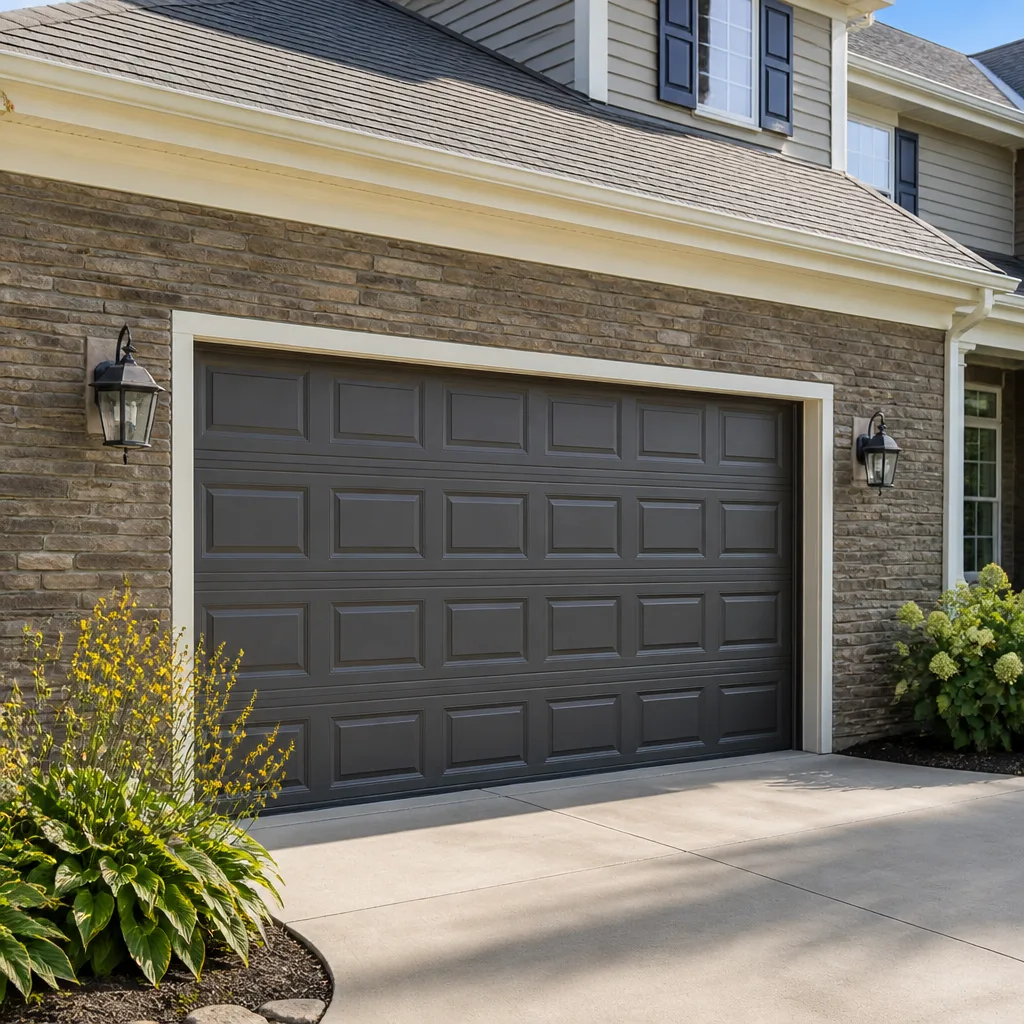 Raised-panel steel
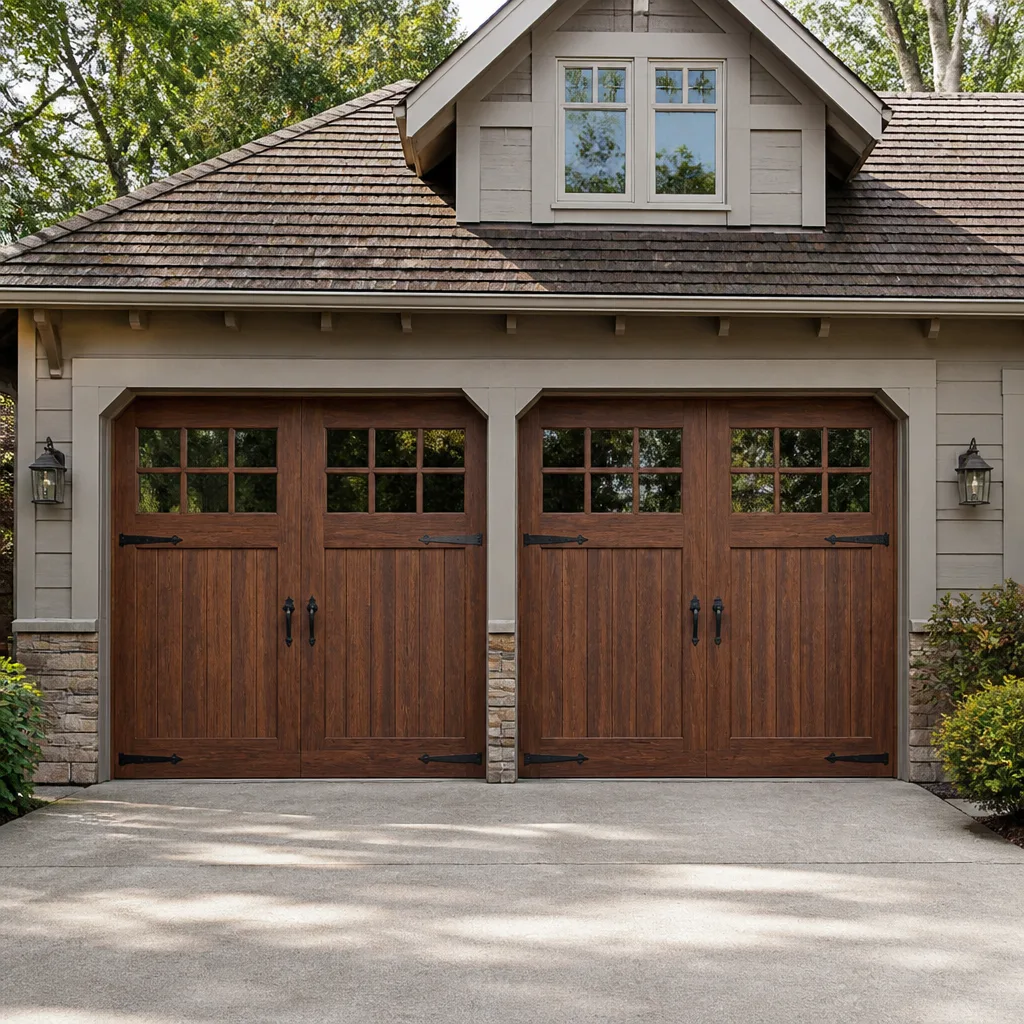 Carriage house
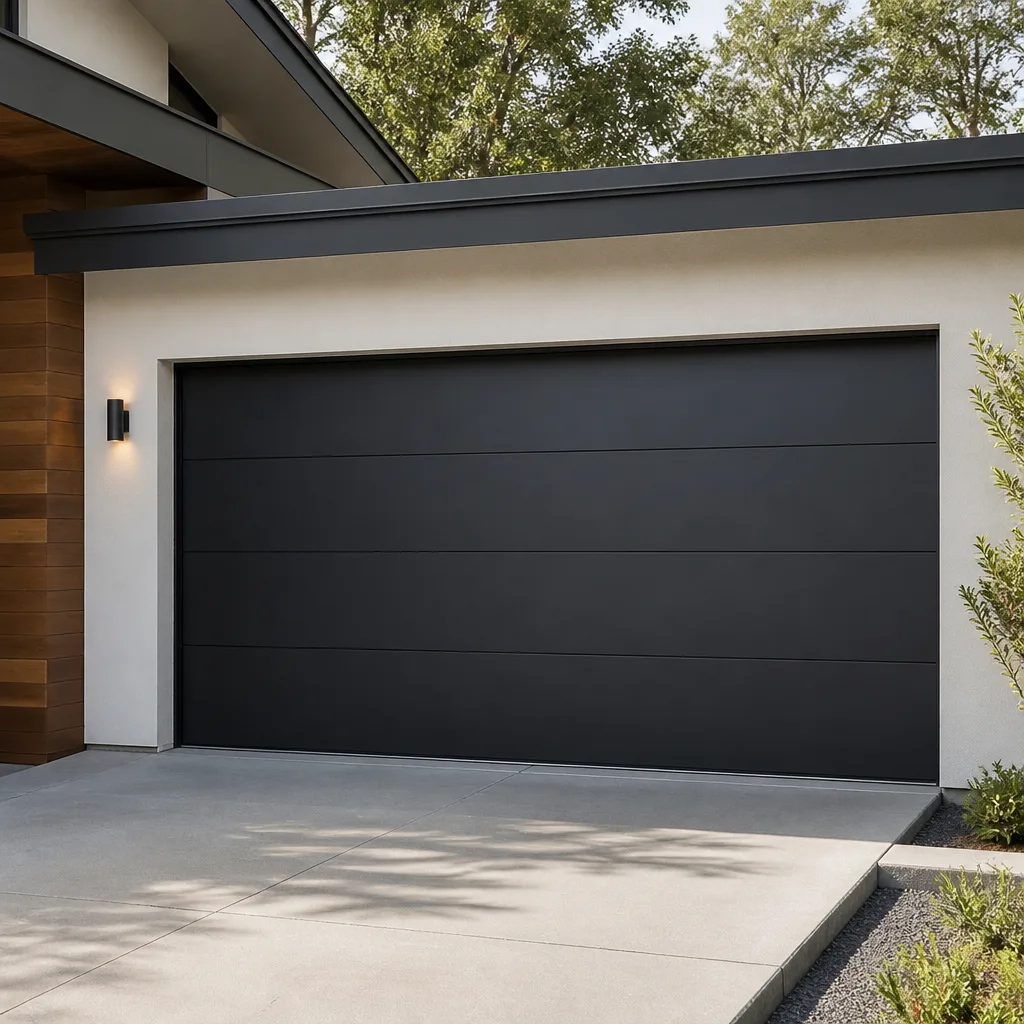 Modern flush
 Full-view glass
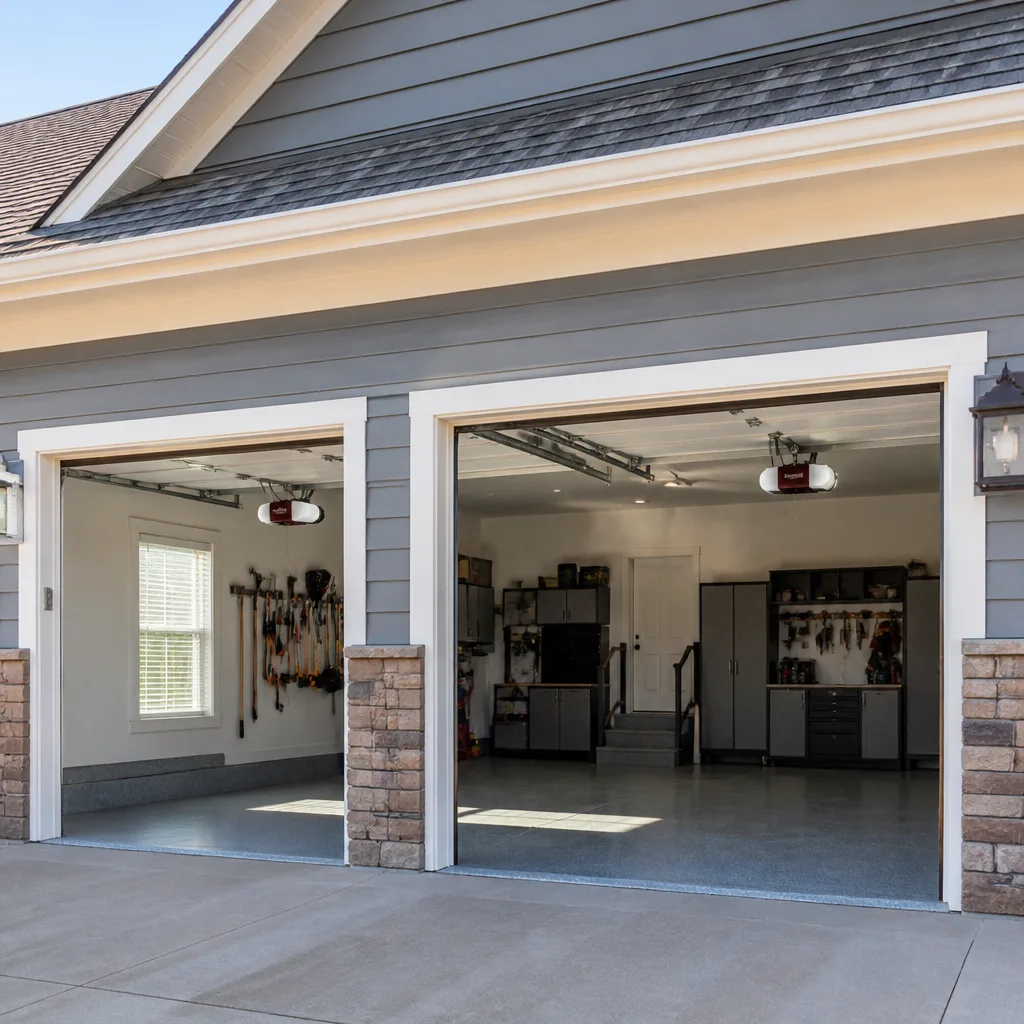 LiftMaster openers
 Chamberlain openers
Full 25-point door and opener safety check with every visit - springs, cables, rollers, tracks, and your LiftMaster or Chamberlain opener included
You get a price before we start. It does not change when the pro arrives.
Get your free estimateGarage Door Installation Troubleshooting: Common Problems and How to Fix Them
Here’s something that surprises most homeowners: the trouble calls we get about brand-new doors almost never come on day one. They come in week two or week three, right after the door has settled, the springs have found their real tension, and the opener has learned the actual travel distance of a door it has never moved before. A new door that runs rough, reverses for no reason, or won’t sit flush on the floor isn’t necessarily defective. It’s usually a new door that needs one more trip from the installer. This guide is about telling the difference before you start making phone calls, and it’s written from what we see in Enterprise driveways every week.
Quick Answer
Most garage door installation problems in the first 30 days are calibration issues, not defective parts: an opener travel limit that needs resetting, a bottom seal that isn’t matching the floor profile, or spring tension that was set slightly under what the finished door weight required. The fix is usually a short follow-up visit, not a full replacement. Document what the door does, in mechanical terms, and call your installer with specifics instead of “it’s broken.”
Styles & brands we work with
- Raised-panel steel
- Carriage house
- Modern flush
- Full-view glass
- LiftMaster openers
- Chamberlain openers
Table of Contents
- The 30-Day Post-Installation Check List
- Why Your New Door Reverses Before Closing All the Way
- The Floor Seal Gap: Why a New Door Won’t Sit Flush
- Why a New Door Feels Heavy to Lift
- Break-In Noise vs. Bad Noise
- How to Describe the Problem to Your Installer
- What Enterprise Heat and Desert Dust Do to a New Door
- Common Mistakes to Avoid
The 30-Day Post-Installation Check List
A new door has a break-in period, and knowing what “normal” looks like keeps you from panicking over nothing or ignoring something real. Here’s what we tell every homeowner after a garage door installation in Enterprise.
What a new door should do in the first 30 days:
- Open and close smoothly, with a little more noise than it will have after a month of use.
- Reverse immediately when it meets an obstruction, every single time.
- Sit level across the opening, within a hair of the floor on both sides.
- Balance at the halfway point when you disconnect the opener and lift it by hand (more on that below).
- Settle quietly into the fully closed position without slamming.
What it shouldn’t do:
- Reverse for no reason on the way down.
- Leave a visible gap under one corner or the center.
- Feel like it’s fighting you when you lift it manually.
- Grow louder over the first few weeks instead of quieter.
- Strain the opener motor on the first or last foot of travel.
If you’re seeing two or more items off the “shouldn’t” list, that’s your signal to schedule a follow-up. One item that comes and goes might just be temperature or a loose bolt. Two that stick around are a pattern.
Why Your New Door Reverses Before Closing All the Way
This is the number one call we get in the weeks after an installation. The door starts down, stops itself a few inches off the floor, and goes back up. Homeowners assume the safety sensors are bad or the door is defective. Nine times out of ten it’s neither. It’s an opener travel limit that was set for a door with slightly different dimensions, or that has drifted as the door settled.
Openers like LiftMaster and Chamberlain learn travel by running the door to a physical stop and recording it. When a brand-new door settles even a quarter inch over the first two weeks, that recorded limit can sit a hair too high. The opener reads the floor as an obstruction and reverses. That’s the safety system doing its job on bad information.
You can check for a genuine sensor problem in ten seconds: look at the two small lights on the sensors at the bottom of the tracks. If both are solid (not blinking), the sensors are fine and the issue is travel programming. If one is blinking, something is blocking the beam or a sensor got knocked out of aim during install cleanup.
Here’s how to describe it when you call:
- Note exactly where the door stops on the way down, in inches off the floor.
- Confirm both sensor lights are solid, not blinking.
- Note whether it happens every time or only sometimes.
That’s a two-minute reset for a trained technician and shouldn’t cost you a service charge on a fresh install. Our team handles opener programming right alongside the door work, so if you’d rather have it looked at than fiddled with, garage door opener repair and installation in Enterprise covers programming and limit resets.
The Floor Seal Gap: Why a New Door Won’t Sit Flush
A gap under a brand-new door looks like a bad install, and sometimes it is. Most of the time it’s one of three things, and two of them are easy to diagnose from a kneeling position with a flashlight.
Cause 1: Floor slope. Concrete garage floors are pitched toward the door for drainage, and in desert builds across Enterprise that pitch can vary more than homeowners expect. A door that sits flush in the center and gaps a half inch at one corner is usually following a floor that isn’t level. The fix is a thicker seal or a shimmed bottom retainer, not a new door.
Cause 2: Wrong seal profile. Bottom seals come in several profiles (U-shaped, bulb, blade), and they’re not interchangeable. If the installer used a flat blade seal on a floor with a pronounced pitch, the seal can’t conform. This is a swap, not a reinstall.
Cause 3: Bottom bracket out of adjustment. The brackets that hold the bottom panel to the cables and tracks can sit unevenly if they weren’t torqued level at install. You’ll see the door itself sit crooked, not just the seal.
Shine a light along the bottom from inside, in a dark garage. If the gap is consistent corner to corner, it’s the seal. If it’s worse at one end, it’s floor slope or a bracket. Either way, bring that detail to your installer’s attention and they’ll bring the right material on the first trip instead of the third.
Why a New Door Feels Heavy to Lift
This is the check most homeowners skip, and it’s the most important one. With the opener disconnected (pull the red release cord), a properly balanced door should lift with one hand and stay put at the halfway point. If you have to put your shoulder into it, the springs are under-wound, and that is a calibration issue, not a door defect.
Installers calibrate spring tension to the finished door weight. A new door’s actual weight can land a few pounds off the spec sheet once panels, glass, and hardware are assembled. When that happens, the springs need another turn or two to match. An under-tensioned door makes the opener work harder on every cycle, which shortens the motor’s life and is exactly what causes the premature opener failures we see.
Safety note: do not adjust torsion springs yourself. A garage door is a 200-pound panel riding on two springs under serious tension, and the hardware that holds it can take a finger or worse if it releases. This is the one call where we mean it: hire a trained technician.
If your door feels heavy, tell your installer the door needs to be rebalanced and that the springs should be checked against the actual door weight. That’s a fifteen-minute adjustment and it saves you an opener later.
Break-In Noise vs. Bad Noise
New doors are louder than broken-in doors, and that’s normal. The rollers are still seating into the tracks, the hinges are still wearing in, and the torsion hardware hasn’t settled. Expect a slight rumble in week one that should taper off by week three.
Watch for these instead:
- Grinding or a metallic scrape – rollers or hinge plates rubbing where they shouldn’t.
- A loud bang at open or close – usually the door hitting a travel limit with force, which signals the opener’s force setting is too high.
- Squealing that gets worse – dry rollers or a torsion bar lacking lubrication.
- A rattle that appears suddenly – a loose bolt or a hinge pulling out.
If the noise is consistent and mechanical (not just “louder than before”), it’s worth having a technician put eyes and ears on it. A Clopay door we installed for an Enterprise homeowner last spring quieted down to a whisper by week four, but only because her installer caught a loose hinge bolt on the follow-up visit that would otherwise have turned into a rattling nuisance.
How to Describe the Problem to Your Installer
You’ll get a faster resolution if you describe the door in mechanical terms instead of “it’s broken.” Installers have to triage dozens of calls, and the ones that come with specifics jump the line because the tech can arrive with the right parts. Here’s the script:
- What the door does: “The door reverses about four inches off the floor on the way down.”
- When it started: “It started about ten days after install and happens every time now.”
- What you already checked: “Both sensor lights are solid; the door lifts by hand but feels heavy.”
- Whether it’s consistent: “Every cycle, not intermittent.”
- What you want: “I’d like a travel limit reset and a spring tension check.”
That’s the whole conversation. Compare it to “my door doesn’t work right” and you’ll see why one gets a same-week visit and the other gets a phone tag loop. A written 90-Day Done Right Promise means your installer is already on the hook to make it right, so give them the information they need to do it in one trip.
What Enterprise Heat and Desert Dust Do to a New Door
An Enterprise installation has to account for climate in ways a lot of national installers don’t. Summer heat in the Valley pushes the metal door panels to expand slightly, and the gap tolerances you set in a cool morning shift by afternoon. Spring tension can read perfect at 8 a.m. and slightly loose by 3 p.m. on a July day.
Desert dust finds its way into track rollers faster than most people expect. A new door that starts grinding within the first month in Enterprise is usually a roller full of grit, not a bad bearing. A quick lube and a wipe-down of the track keeps it quiet; letting it go for a year shortens the roller’s life.
Seasonal temperature swings between morning and afternoon are also why we always recommend a balance check in both temperature extremes. What feels heavy at 6 a.m. in January might feel perfect at noon, and it’s the cold-morning reading that matters for the opener’s strain. If your door struggles in the morning and glides in the afternoon, that’s a spring calibration issue worth flagging on the follow-up visit.
Common Mistakes to Avoid
- Adjusting the springs yourself. Torsion springs store lethal energy, and the tool needed to adjust them safely isn’t sold at a hardware store. A 200-pound door can come down on a person who gets it wrong. Call a professional.
- Turning up the opener’s force setting to compensate for a heavy door. This masks the real problem (spring tension) and burns out the motor faster. Fix the springs, not the opener.
- Ignoring a reverse-before-close for more than a week. Every cycle on a bad travel limit adds stress to the opener’s logic board and to the door hardware. A ten-minute reset saves a hundred-dollar part later.
- Calling your installer without any specifics. “It’s broken” gets a callback. “It reverses four inches off the floor, both sensor lights solid” gets a scheduled visit.
- Silicone spraying the whole track. Lubricate the rollers, hinges, and torsion bar, never the track surface inside. Grease on a track attracts desert dust and causes the door to bind.
- Assuming a gap under the door is a defect before ruling out floor slope. Genuine floor pitch is common in Enterprise builds, and a thicker seal is the correct fix, not a warranty claim.
- Letting a first-month problem slide past the 90-day window. Everything we install is covered in writing for 90 days. Use the warranty while it applies; don’t wait until it’s expired to mention the noise.
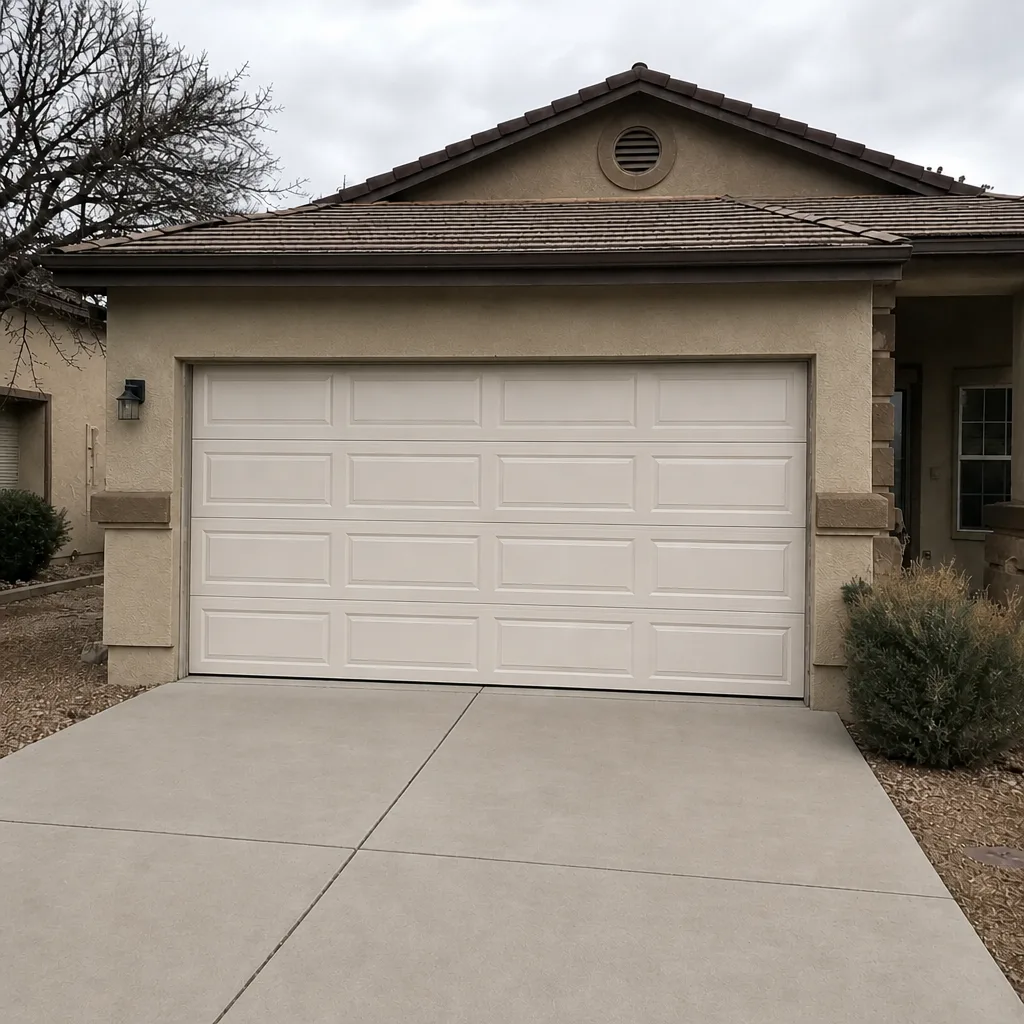
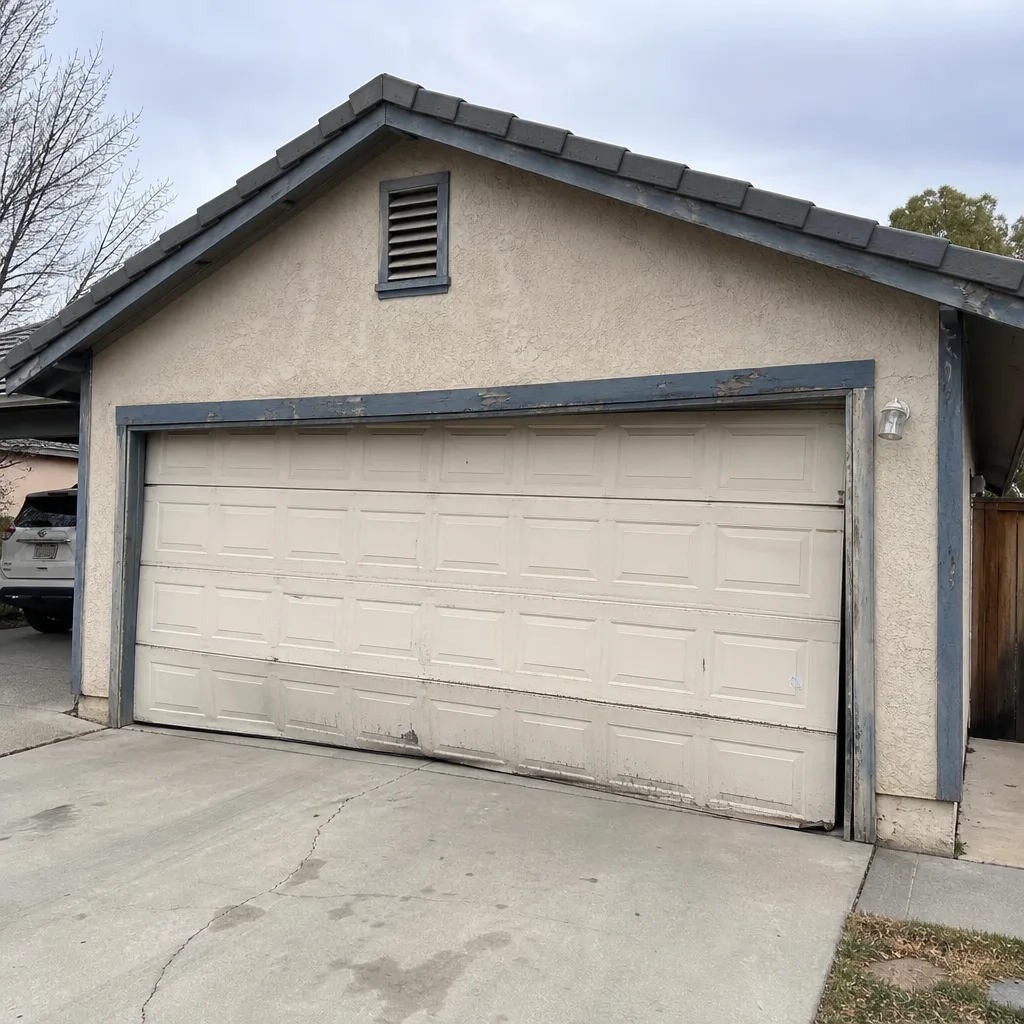
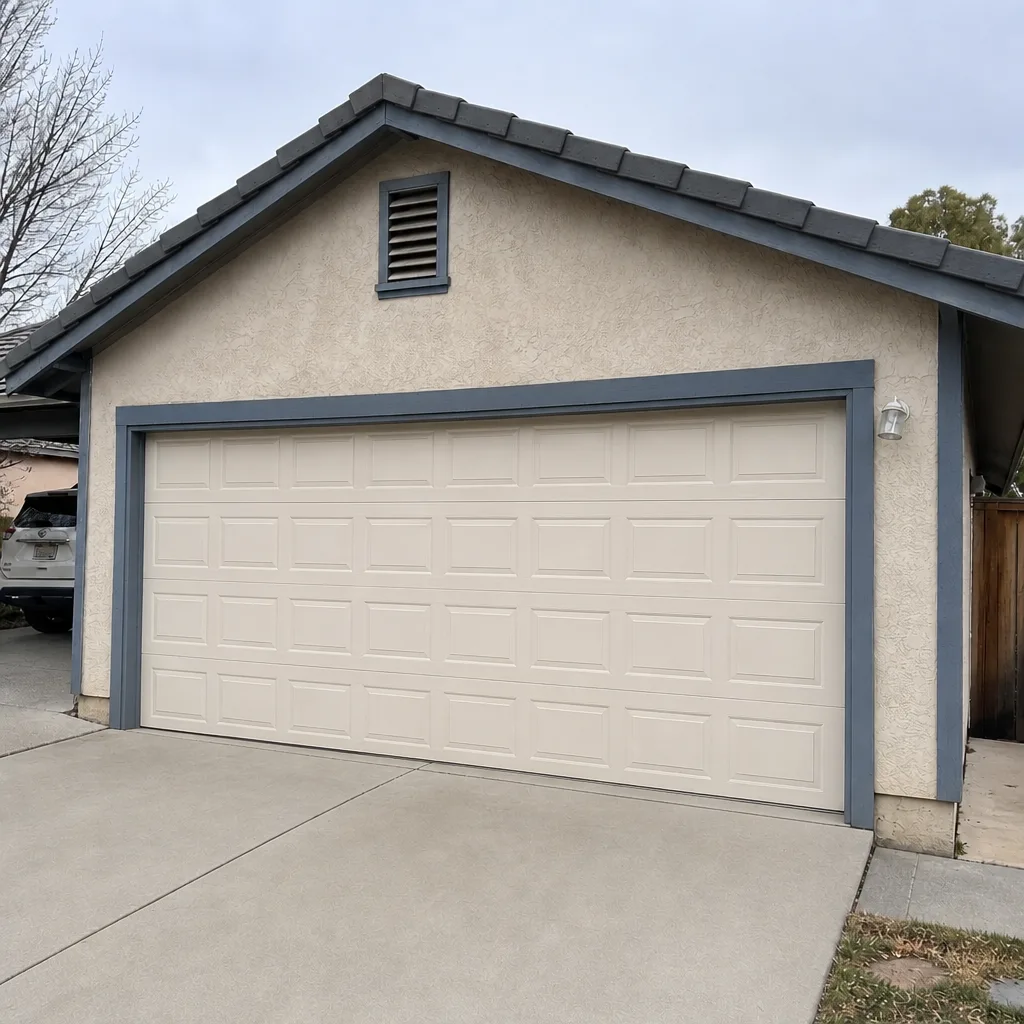
See the difference
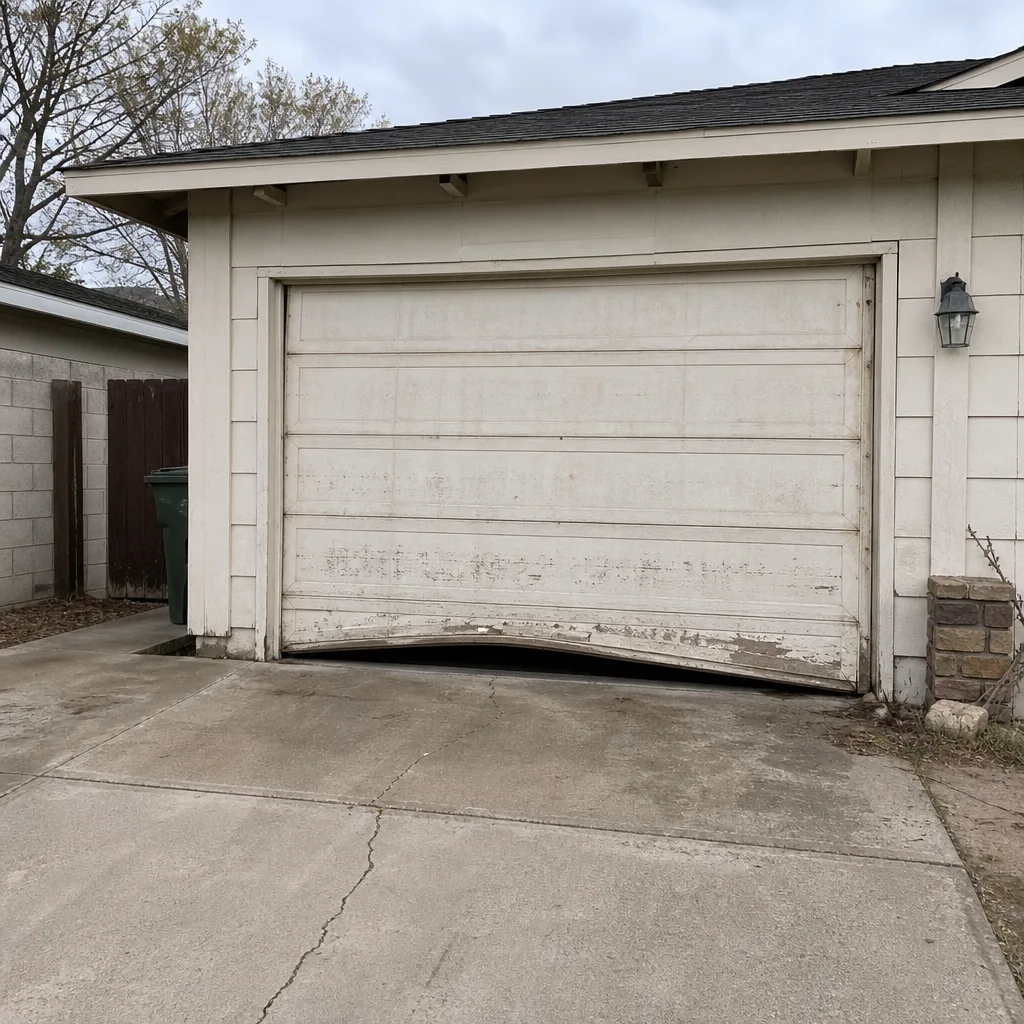 Before
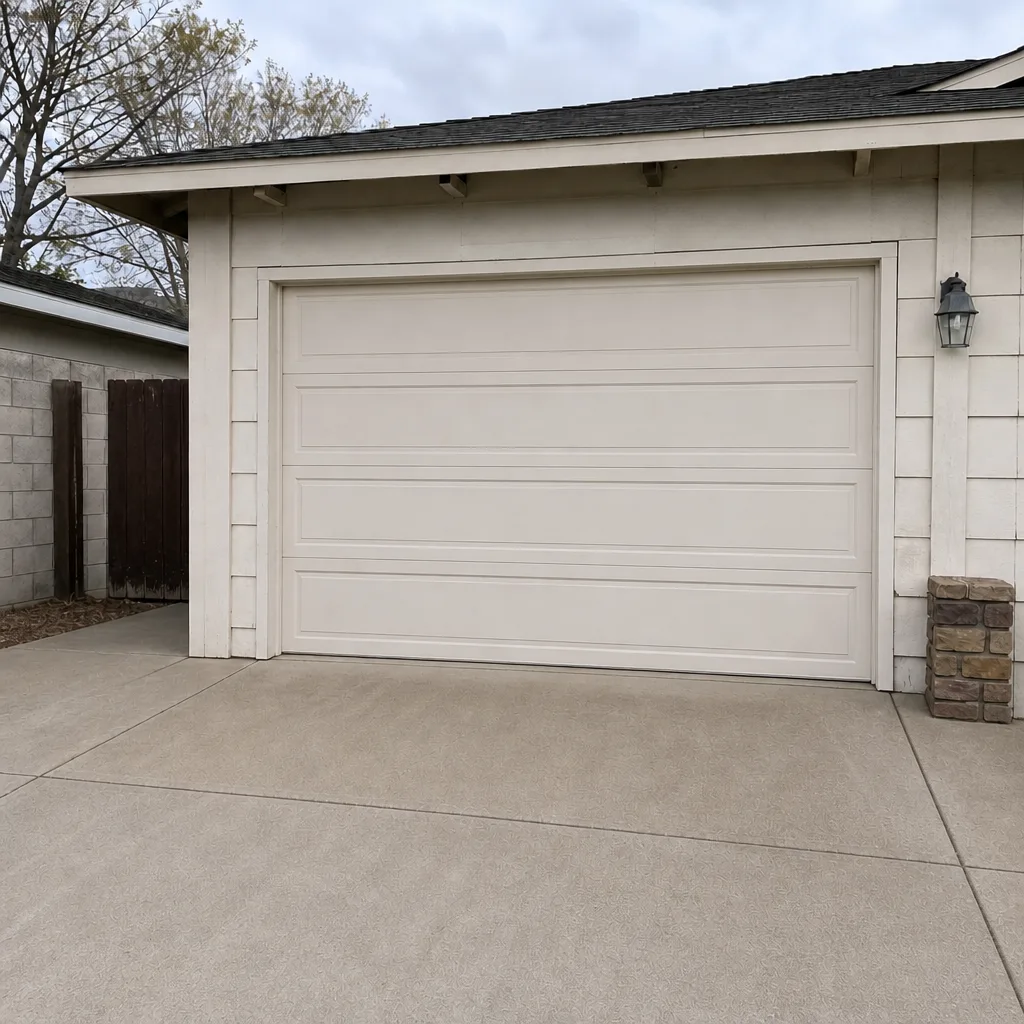 After
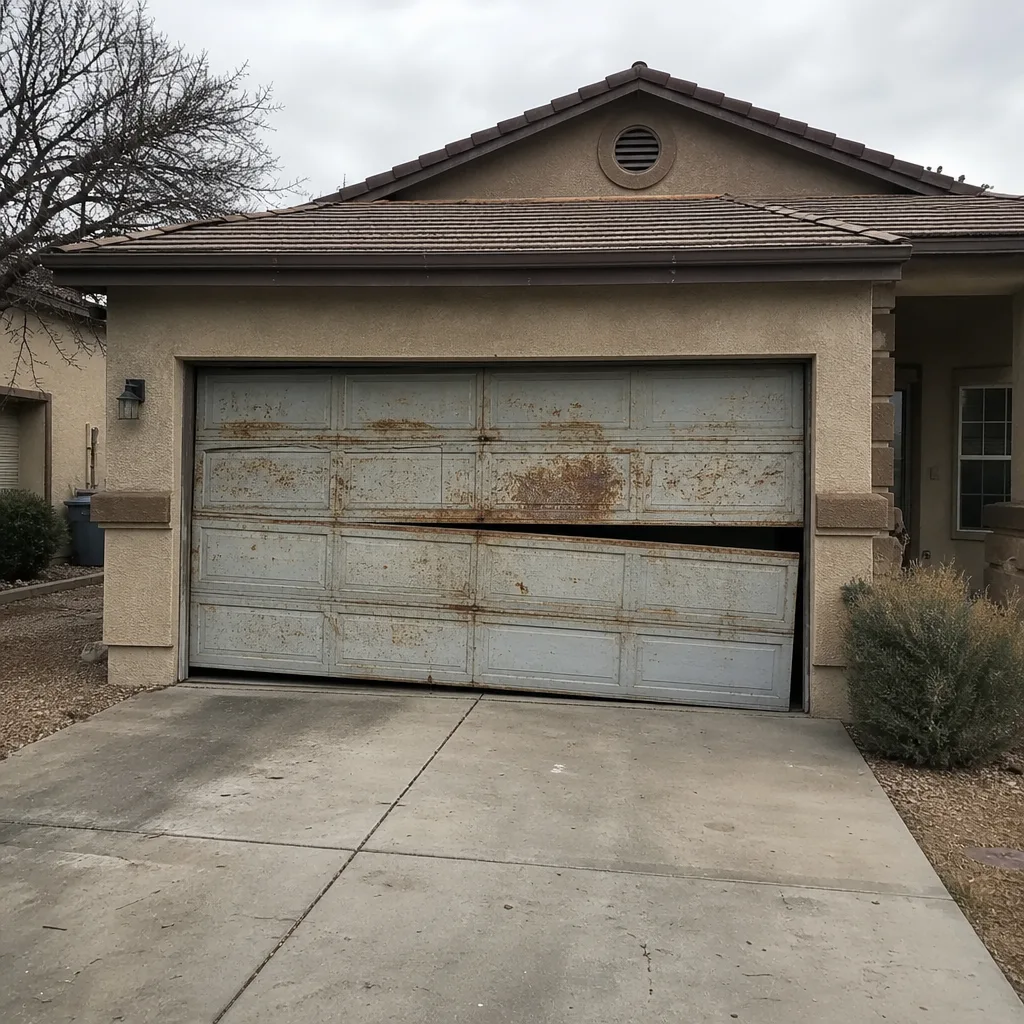 Before
 After
 Before
 After
When to Call a Professional
Some follow-ups are a phone call and some are an emergency. Call a professional right away if the door comes off its tracks, if a cable snaps (you’ll hear it and the door will drop hard to one side), if a torsion spring breaks (a loud crack followed by an unusable door), or if the door is stuck open and your vehicle or your home’s security is compromised. Do not attempt to lift or force a door with a broken spring or cable yourself. For calibration and travel limit issues within the first 90 days, a scheduled follow-up visit is the right move, not an emergency call. Our technicians have up to 22 years of experience with every major brand, and Otto’s Garage Door Enterprise offers free estimates in Enterprise – call (833) 620-7107 and we’ll get a technician out to look at what your door is actually doing.
Frequently Asked Questions
Yes, a certain amount of break-in noise is normal as the rollers seat, the hinges wear in, and the torsion hardware settles. Expect the door to quiet down by week three or four. If the noise is grinding, squealing, or gets louder instead of quieter, that’s not break-in, and it’s worth a technician’s look.
In almost every case, it’s an opener travel limit that needs resetting, not a sensor problem or a defective door. The door settled slightly in the first weeks and the opener is reading the floor as an obstruction. Check that both sensor lights are solid; if they are, call for a travel limit reset. Call (833) 620-7107 for an exact quote on a follow-up – estimates are free.
A gap under a new door is usually one of three things: floor slope (common in Enterprise builds), the wrong bottom seal profile for that floor, or a bottom bracket that wasn’t torqued level at install. Shine a flashlight along the bottom in a dark garage: a consistent gap corner to corner points to the seal, an uneven one points to the floor or bracket.
No. With the opener disconnected (pull the red release cord), a properly balanced door should lift with one hand and stay at the halfway point. If you have to put real force into lifting it, the springs are under-wound and need calibration to the actual door weight. Do not adjust torsion springs yourself; that’s a professional job and it’s genuinely dangerous.
Describe what the door does in mechanical terms, when it started, what you already checked, and whether it’s consistent. For example: “It reverses four inches off the floor, started ten days after install, both sensor lights are solid, and it happens every cycle.” That script gets you a faster, better-prepared visit than “it’s broken.”
Yes. Our technicians have up to 22 years of experience across LiftMaster, Chamberlain, Genie, Clopay, and every other major brand, and we back every job with the 90-Day Done Right Promise in writing. If your new door isn’t running right, call (833) 620-7107 and we’ll get a technician out to look at it.
The Bottom Line
A new garage door that runs rough, reverses before closing, or won’t sit flush is usually not defective. It’s a door that needs one more calibration visit in the first 30 days, once it’s settled and the springs and opener have found their real numbers. Watch the door through that window, check the basics yourself (balance the door by hand, confirm the sensor lights), and describe what you’re seeing in mechanical terms when you call. The Otto’s Garage Door Enterprise home team backs every installation with the 90-Day Done Right Promise, so a calibration issue is a follow-up, not a fight. For garage door repair in Enterprise or a second opinion on a written estimate, call (833) 620-7107. We’ll answer, quote the job on the call, and hold that number.
Written by the team at Otto’s Garage Door Enterprise.