
Last updated November 17, 2026
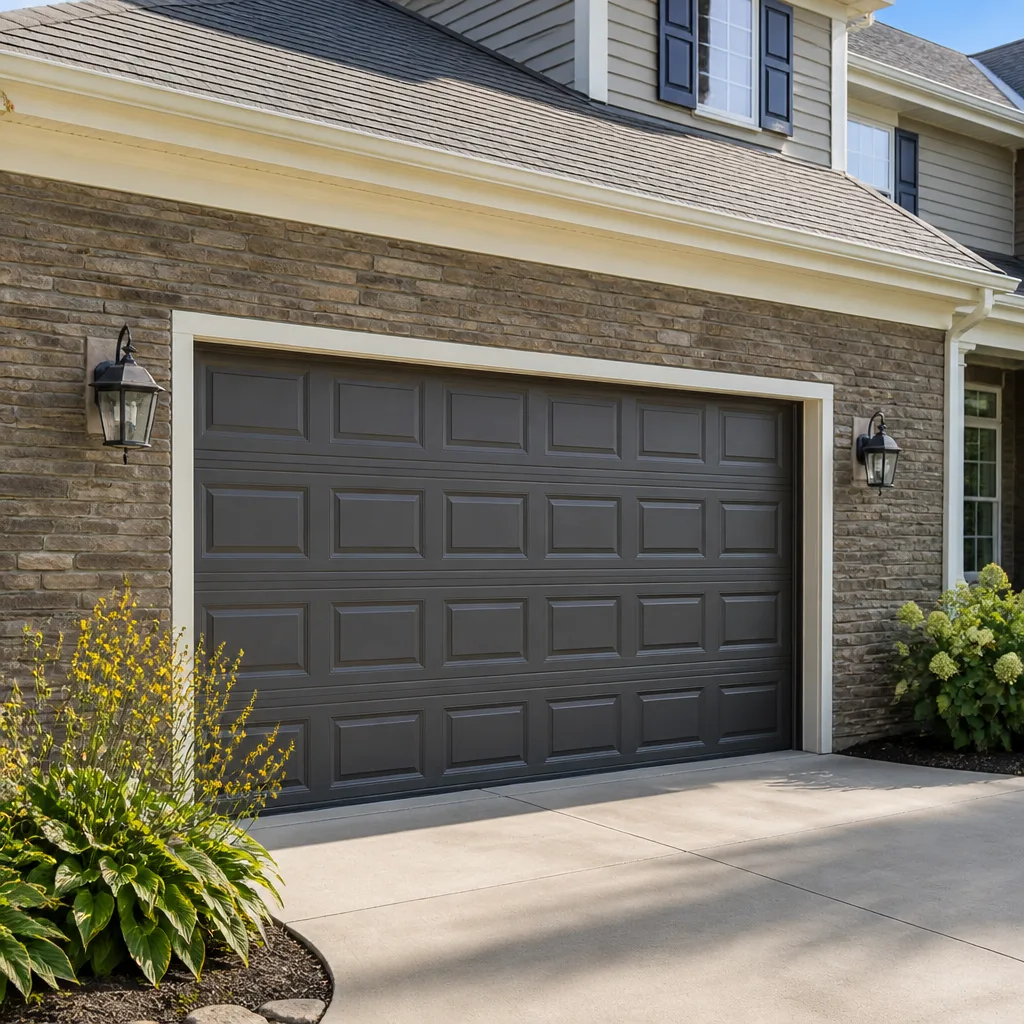 Raised-panel steel
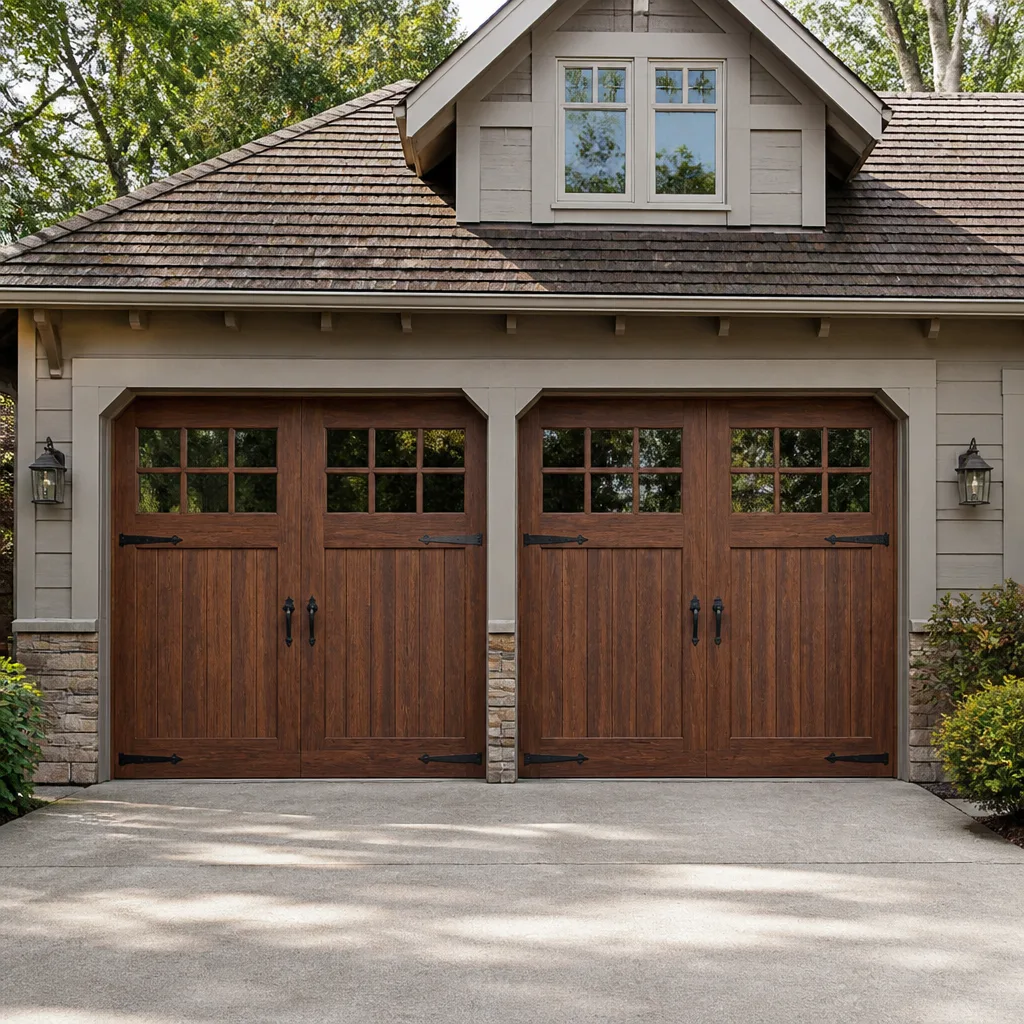 Carriage house
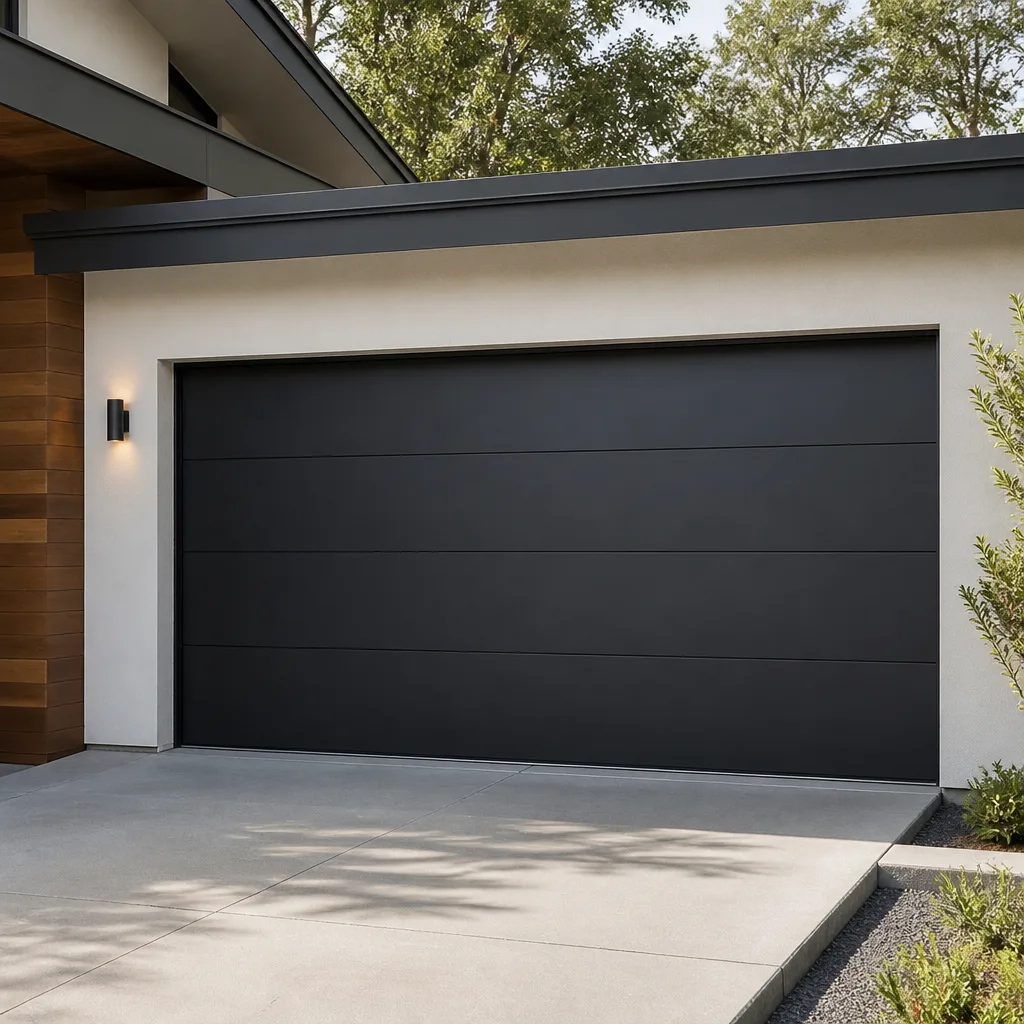 Modern flush
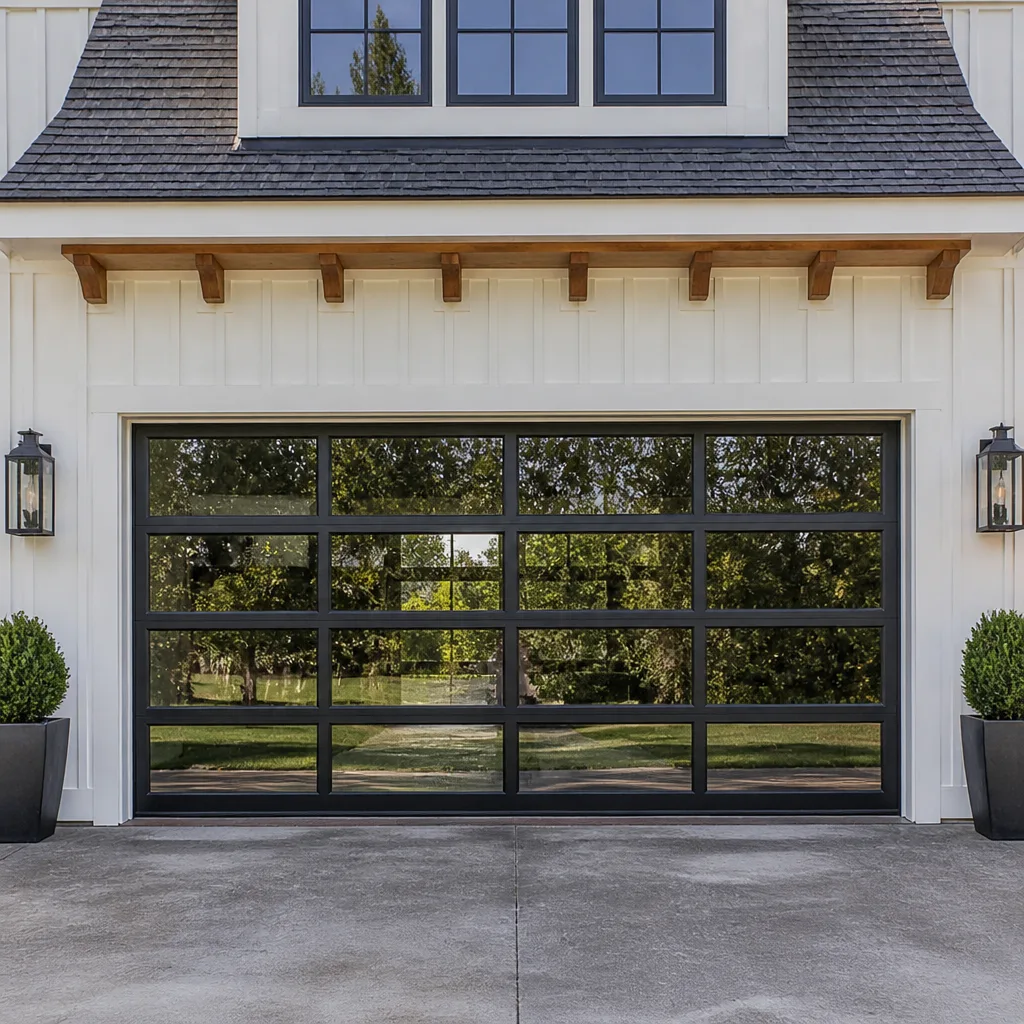 Full-view glass
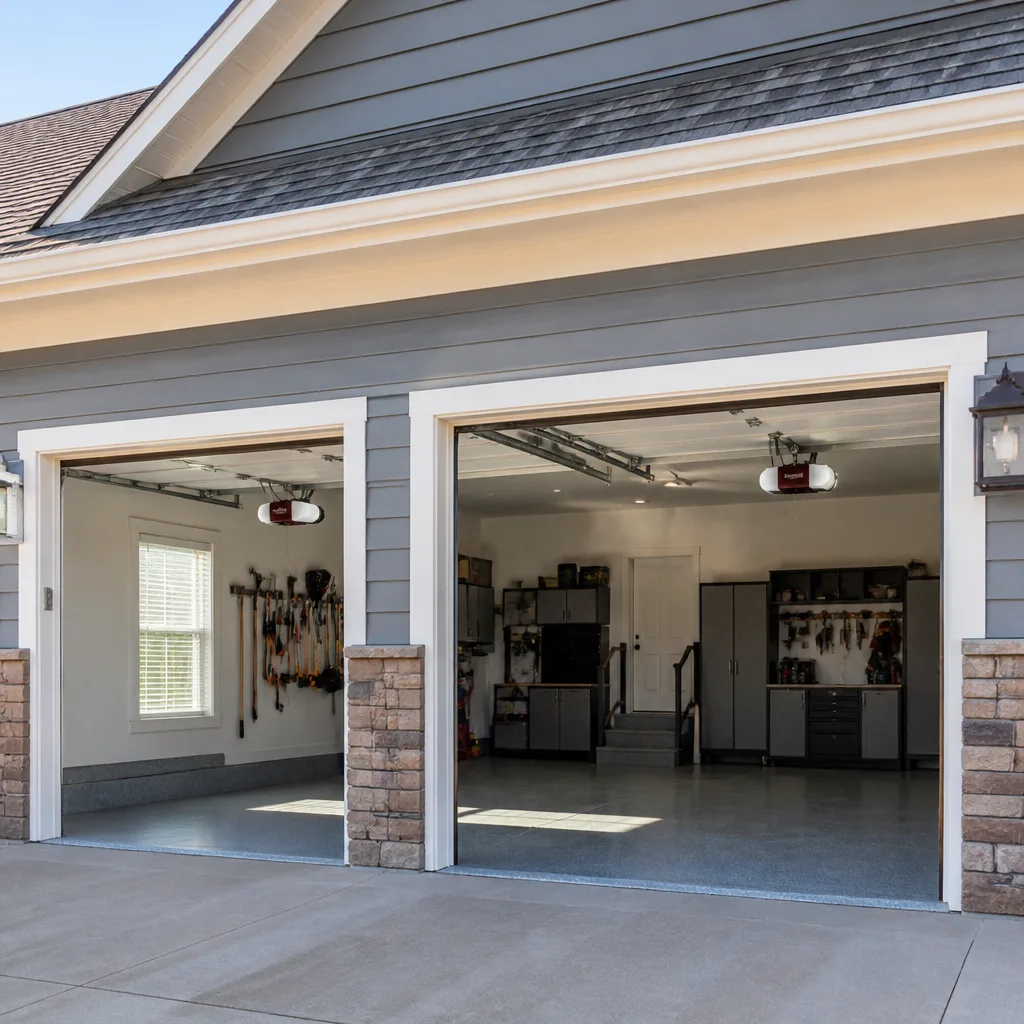 LiftMaster openers
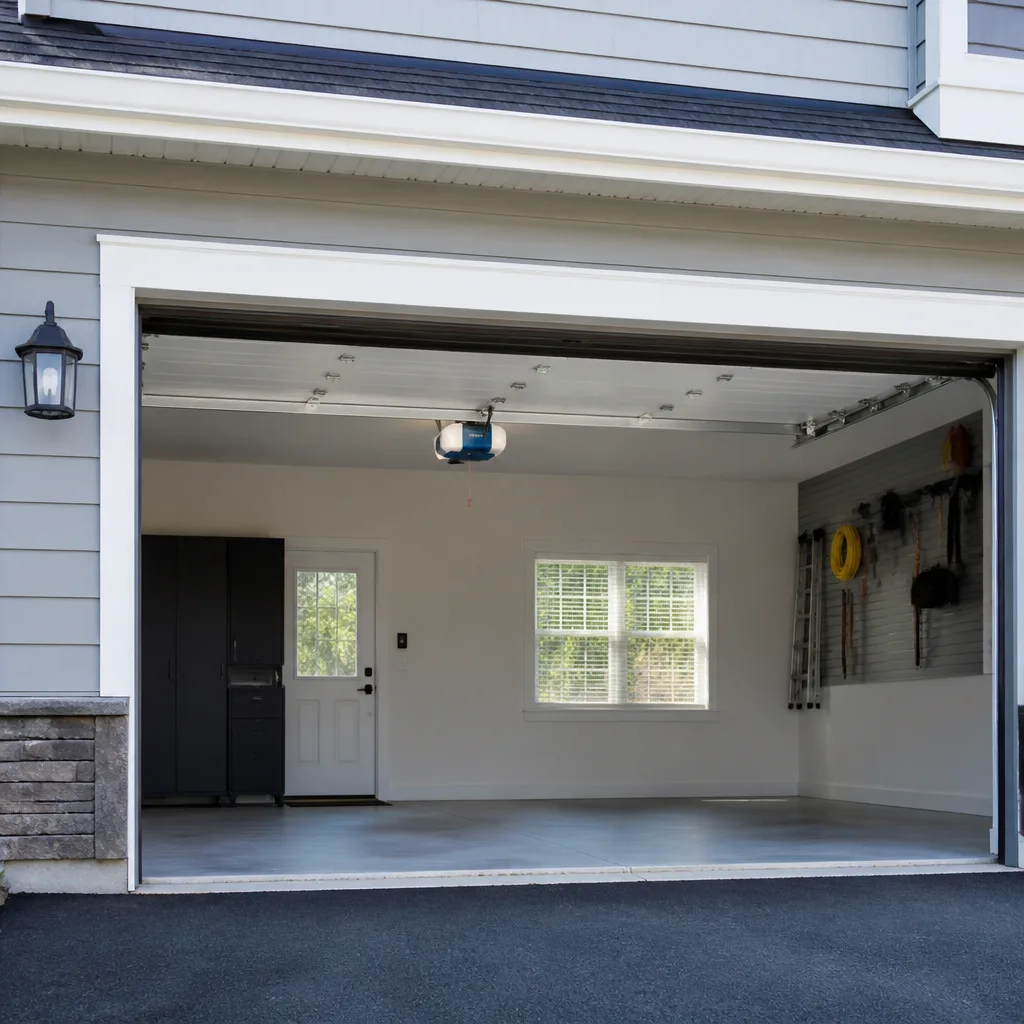 Chamberlain openers
Full 25-point door and opener safety check with every visit - springs, cables, rollers, tracks, and your LiftMaster or Chamberlain opener included
You get a price before we start. It does not change when the pro arrives.
Get your free estimateGarage Door Emergency Preparedness Guide for Enterprise Homes
During the 2020 wind events that rolled through the valley, Otto took 23 calls in 48 hours. Eleven of them were the same problem: a door that wouldn’t close because debris had knocked the safety sensor out of alignment. Every one of those homeowners could have fixed it themselves in about four minutes if they’d known what to look for. That’s the whole reason this guide exists. Emergency prep in Enterprise isn’t about buying a generator or stocking a bunker. It’s about knowing the two scenarios that actually happen here – a door stuck closed when you need to leave fast, and a door stuck open when heat and security are the immediate problem. The fix for each is completely different, and most guides never split them apart. We will.
Quick Answer
Emergency garage door prep in Enterprise comes down to three things: know how to pull the red release cord to disconnect the opener during a power outage, know how to realign a safety sensor that’s blocking the door from closing, and know when to stop touching a door with a broken spring and call a trained professional instead. Most “emergencies” we see in Enterprise fall into one of those three buckets. If you learn nothing else, learn those.
Styles & brands we work with
- Raised-panel steel
- Carriage house
- Modern flush
- Full-view glass
- LiftMaster openers
- Chamberlain openers
Table of Contents
- The Enterprise Double Bind: Stuck Closed vs. Stuck Open
- How to Manually Disengage Your Door in a Power Outage
- The Sensor Alignment Fix That Solves Most “Won’t Close” Calls
- When a Spring Breaks Mid-Operation and the Door Is Stuck Halfway
- Security Protocol for a Door Stuck Open Overnight
- What Otto’s Emergency Line Actually Does (and Won’t Do)
- Why Enterprise Weather Makes This Worse
- The 15-Minute Prep Kit Every Enterprise Home Should Have
The Enterprise Double Bind: Stuck Closed vs. Stuck Open
Every garage door emergency in Enterprise falls into one of two shapes, and they get handled very differently.
A door stuck closed is usually an evacuation or vehicle-access emergency. You need to be somewhere, your car is inside, and the opener isn’t moving. That’s a mechanical release problem, and it has a clean manual solution (we’ll cover it below). A door stuck open is a security and heat problem. In Enterprise, afternoon temperatures from May through September sit in the mid-90s to low-100s, and an open door is a wide, dark invitation to anyone walking past. That’s a locking and safeguarding problem, and the manual release plays no part in it.
We’ve noticed a pattern in our own call log: the stuck-closed calls cluster in early morning and evening (people leaving for work, arriving home), and the stuck-open calls cluster late afternoon and after dark. Different problem, different hour, different fix. If you’re prepping your household for emergencies, write both scenarios down on an index card, tape it inside the door to the house, and move on with your life.
Quick-reference: which problem is it?
- Door won’t open, opener runs but nothing moves. Likely a lock-out or a snapped spring. Check for the red cord scenario below.
- Door won’t close, opener runs, light flashes. Almost always the safety sensor. Fixable in minutes.
- Door stopped mid-travel with a loud bang. Spring failure. Do not touch the door. Call Otto.
- Door is fully open and won’t respond to the remote. Manual lock protocol, not release protocol.
How to Manually Disengage Your Door in a Power Outage
Every residential opener made by LiftMaster, Chamberlain, Craftsman, or Genie includes a manual release. It’s a red cord or red T-handle hanging from the carriage that rides on the rail above the door. Pulling it disconnects the door from the opener so you can lift it by hand.
Here’s the safe sequence, in order:
- Stand clear of the door and have someone spot you. A standard single-car door weighs between 130 and 200 pounds. It’s riding on springs under tension. Never work alone if you can help it.
- Pull the red handle straight down and toward the door. This releases the carriage. You should hear a click.
- Lift the door slowly by the bottom section, straight up. If it fights you, stop. That means a spring is bad and the door is heavier than it should be.
- When the door is fully open, prop it or let the springs hold it. A door in good working order will hold itself open. If it starts sliding down on its own, do not stand under it.
- To re-engage after power returns, close the door fully by hand, then pull the red handle in the opposite direction (away from the door) to snap the carriage back onto the rail. Run the opener by remote from outside the door path.
Common mistakes
The biggest one: pulling the red cord and then running the opener while the door is disconnected. This is called “running the carriage” and it will chew through the rail or throw the opener’s travel limits out of whack. Don’t do it. The second biggest: pulling the cord while the door is already open. The carriage is under tension and you can get a nasty snap or lose your grip. Release with the door closed if at all possible.
If the door won’t re-engage after power comes back, don’t force it. Sometimes the carriage is just slightly off its home position and needs the door opened and closed by hand to reset. If that doesn’t work, that’s a real call. Garage door opener repair and installation in Enterprise is the place to start.
The Sensor Alignment Fix That Solves Most “Won’t Close” Calls
The photo-eye safety sensors sit on each side of the door, about six inches off the ground, and they must “see” each other for the door to close. If anything blocks that line – a leaf, a piece of the Sunday paper, a kid’s soccer ball, or a slight bump that knocks one sensor off its bracket – the opener refuses to close and the light flashes. That’s not a broken opener. It’s a sensor problem, and 90% of the time it’s a two-minute fix.
The four-step sensor reset (no tools required)
- Look at both sensors. Each has a small LED. If one is green and the other is dark or blinking orange, the receiving eye isn’t getting a signal.
- Clear the line between them. Remove debris by hand. Check for cobwebs – a real culprit in our part of Nevada.
- Wipe both lenses. Use your shirt. Desert dust collects on those plastic windows all summer long.
- Gently press each sensor firmly back onto its bracket. If it wobbles, you’ve found your problem. The bracket is probably a little loose. The sensor needs to be aimed straight across at its mate within a quarter inch.
Try closing the door. If the light on the opener stops flashing and the door goes down, you’ve solved it. If the problem comes back the next day, that sensor bracket may need to be re-secured with a driver and a new screw. That’s the one job worth handing off, because a half-tight mounting screw will fail again during the next wind event. When we look at a door that keeps triggering this fault, we also check the wiring where it enters the wall – rodents and sunlight both do a number on that low-voltage wire in Enterprise.
When a Spring Breaks Mid-Operation and the Door Is Stuck Halfway
This is the scenario where our answer is short and firm: a garage door spring is a 200-pound door’s best friend and your worst enemy. When a torsion spring snaps, the door comes down hard under its own weight, and the spring is now a coiled metal whip. We’ve walked into Enterprise garages where a homeowner tried to unwind a broken spring with pliers. Every one of those stories ended with a cut hand and a bigger bill.
The safe procedure, and where to stop:
- Get everyone out of the door’s path. No one stands or kneels under a door that’s partway down with a broken spring.
- Look at the door from the side, never from underneath. If the door is caught at an angle, do not try to force it down.
- Check whether the door is still on its tracks. If it’s jumped the rail, stop right there. That’s a professional call.
- If the door is sitting in the tracks and the opener still runs, use the red manual release cord and lower the door by hand – slowly – to closed. Then secure it and leave it closed.
- Never pull the door up to “test” if the spring looks broken. That door weighs what it weighs, and the only thing holding it back was a spring that just failed.
When you stop and call instead
Stop and call if any of these are true: the door is not sitting evenly in the tracks, any cable is slack or visibly off its drum, the door has dropped at an angle, or you can see the spring is broken in two. All of those mean the door needs to be stabilized by someone with the right tools before anyone touches it again. Garage door repair in Enterprise is designed for exactly this kind of call, and the sooner you make it the smaller the bill tends to be.
Security Protocol for a Door Stuck Open Overnight
A door stuck open is the emergency nobody plans for. It’s 10 p.m. in Enterprise, the door won’t come down, and your whole garage is exposed. Here’s what we recommend, in order:
- Manually close it if you can. Pull the release cord, then lower the door by hand and lock it with the slide bolt most doors have on the inside of the track – the metal L-shaped bar you’ve probably never noticed. Slide it through the track and it will hold.
- If the slide bolt is missing or broken, a C-clamp on the track just above a roller will do in a pinch. Two of them is better.
- If the door cannot be closed at all, back a second vehicle into the doorway (with the parking brake on), or park a car with its rear bumper about a foot from the opening. It won’t stop a determined person, but it discourages the casual one.
- Lock the interior door into the house and turn on exterior lights if you have them. Motion lights on the driveway are worth their weight for this alone.
- Call the garage door tech – not a locksmith – unless a person has already broken in or the door has been tampered with. Locksmiths are for locks. Garage doors are for garage doors.
The exception: if you have a person-sized gap and a sliding or deadbolt lock that’s been forced or removed, call a locksmith first to secure the entry, then call us in the morning. If it’s a functional door that just won’t close mechanically, that’s our call, and we handle it 24 hours a day.
What Otto’s Emergency Line Actually Does (and Won’t Do)
Here’s how our emergency line actually works, because we vet every call that comes in and we want to save you a bill where we can.
A live person answers the phone, day or night, including nine at night when a spring lets go and your car is sealed in the garage. Otto himself answers a lot of those calls. He’ll quote the job on that call and hold that number when he gets to your door. No quote on the phone that becomes a different number at the driveway – that’s the whole reason we exist.
What he’ll come out for same-night: a door stuck open (security), a door that won’t close and can’t be lowered by hand (safety), a door that’s jumped the track, an opener that has failed with the car trapped inside, and any situation where a door is hanging partway and unsafe. What he’ll tell you to wait until morning on: a cosmetic panel dent with no safety issue, a misaligned sensor you can fix in four minutes yourself (we’ll walk you through it), a remote that stopped working (check the battery first), and a door that closes fine but “seems loud” (that’s a tune-up, not an emergency).
We charge a standard emergency call rate for after-hours response, quoted before the visit, and any repair we recommend is backed in writing with our 90-Day Done Right Promise. In Enterprise, Otto’s Garage Door has been the name on the license since 2004, and it’s still the name on the invoice.
Why Enterprise Weather Makes This Worse
Not every garage door problem in Enterprise comes from a poorly maintained door. Some of it is the climate.
The valley’s spring winds carry grit, and that grit gets into every hinge, roller, and sensor lens on a door. We see doors that work fine in March, seize by July, and don’t get looked at until something snaps. The May-to-September heat is harder still: nylon rollers soften, garage door lube evaporates, and springs expand and lose tension a little faster than they would in a coastal climate. The temperature swing from a 45-degree winter morning to an 80-degree afternoon is tough on metal, and it’s tough on the wood or steel panels themselves.
What this means for you, practically:
- Lube the hinges, rollers, and springs once in spring and once in fall. A can of garage door lube costs ten bucks. A snapped spring costs a lot more.
- Clear the sensors and their lenses monthly during wind season.
- Watch the door’s travel – any hesitation, jerk, or grinding that wasn’t there last year is a warning, not a fluke.
- If you live out toward the edge of town where the wind really gets after the doors, check the alignment of the tracks once a year. They can be knocked out of plumb.
Otto counts spring cycles the way you count tire miles. When we come out to look at one door, we’ll tell you what’s left on yours, and we’ll be honest about whether it’s this week’s problem or next year’s.
The 15-Minute Prep Kit Every Enterprise Home Should Have
You don’t need much. Assemble these items, put them in a small bin in the garage, and check them once a year. That’s it.
- A flashlight that works (test it)
- A pair of work gloves
- Two C-clamps sized for your door track
- A can of garage door lube (Silicone or white lithium, not WD-40)
- A rag for wiping sensor lenses
- A printed index card with the two-scenario plan written on it and Otto’s number on it
Total cost: under $40. Total time to assemble: less than half an hour. Total number of spring-break emergencies you can now handle without panic: every one we’ve ever seen. When you’re ready to get a real tune-up – not an emergency, just the yearly once-over – garage door installation in Enterprise and opener repair in Enterprise are where to start. New doors and openers are scheduled work, not same-day, so plan ahead and we’ll give you a free measure and a written price.
Common Mistakes to Avoid
- Pulling the red cord while the door is open. It seems harmless. It isn’t. Release with the door closed.
- Running the opener after disconnecting the carriage. This chews up the rail and throws off the travel limits. The opener will run, the door won’t move, and the next call is bigger than the first.
- Forcing a door down that’s off its tracks. A door that’s jumped the rail is a heavy metal panel waiting to fall. Stop and call.
- Spraying WD-40 on the springs and calling it maintenance. WD-40 is a solvent, not a lubricant. It’ll strip the good grease and leave you worse off.
- Ignoring a “click” or bang when the door operates. That’s the sound of a spring losing tension or a hinge coming loose. It never fixes itself in Enterprise’s climate.
- Calling a locksmith for a garage door that won’t close. Locksmiths work on locks. We work on the door.
- Waiting until 10 p.m. to call about a door stuck open. If it’s a security issue, call when it happens, not when you’ve decided it’s bad enough. We’d rather hear from you at 8.
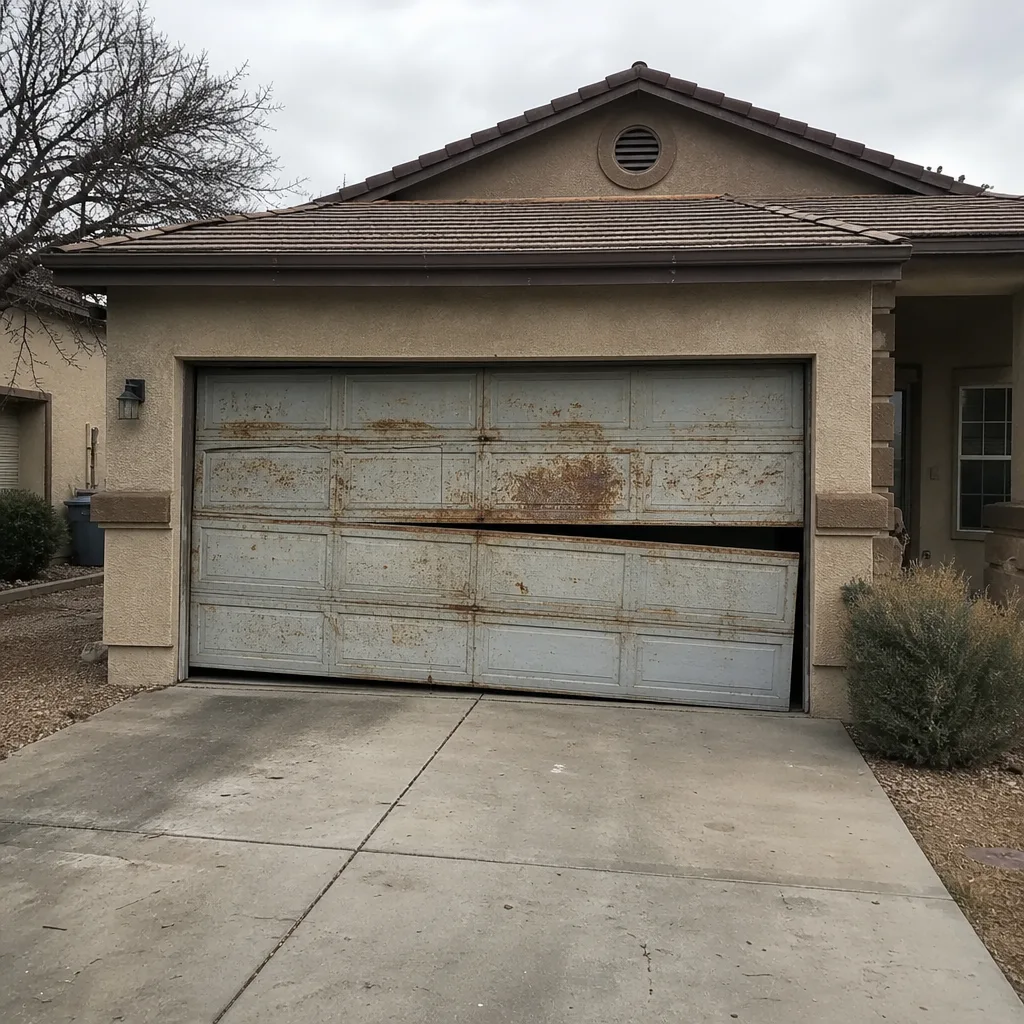
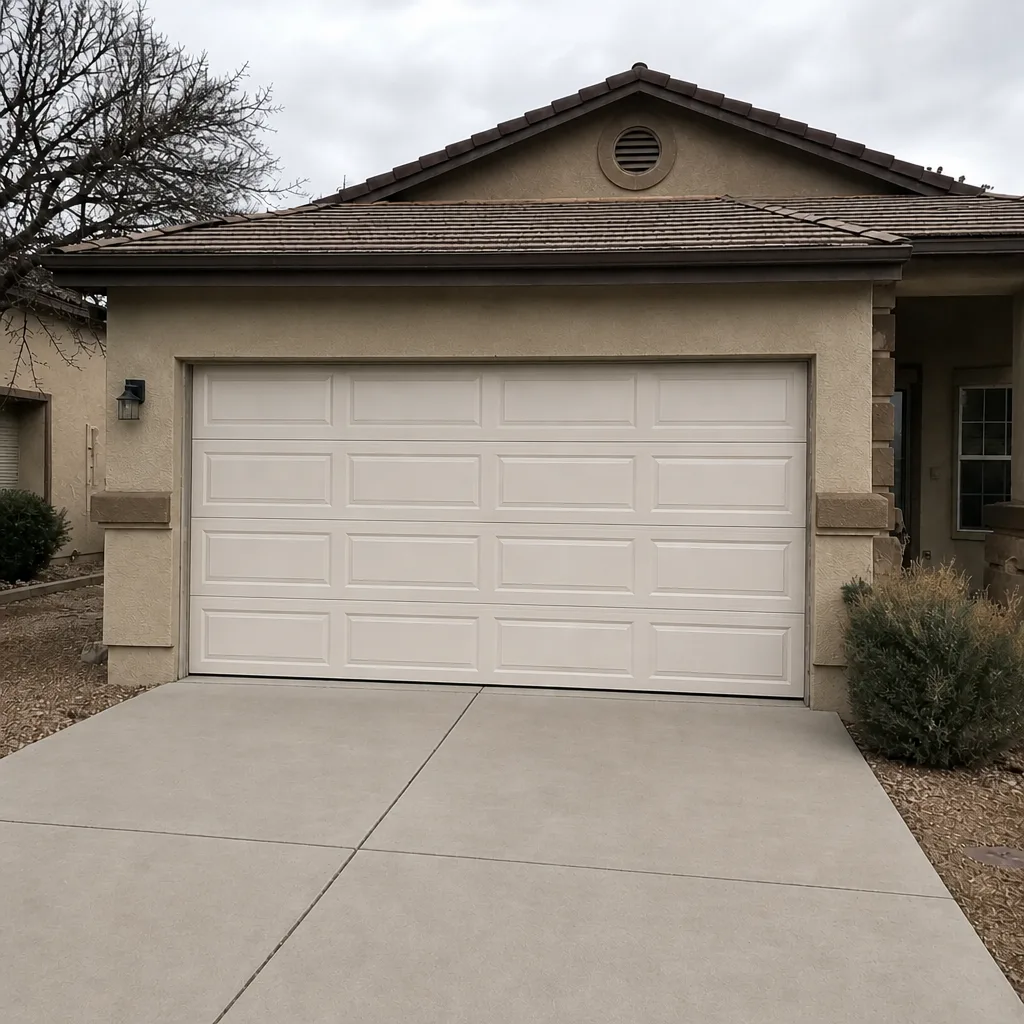
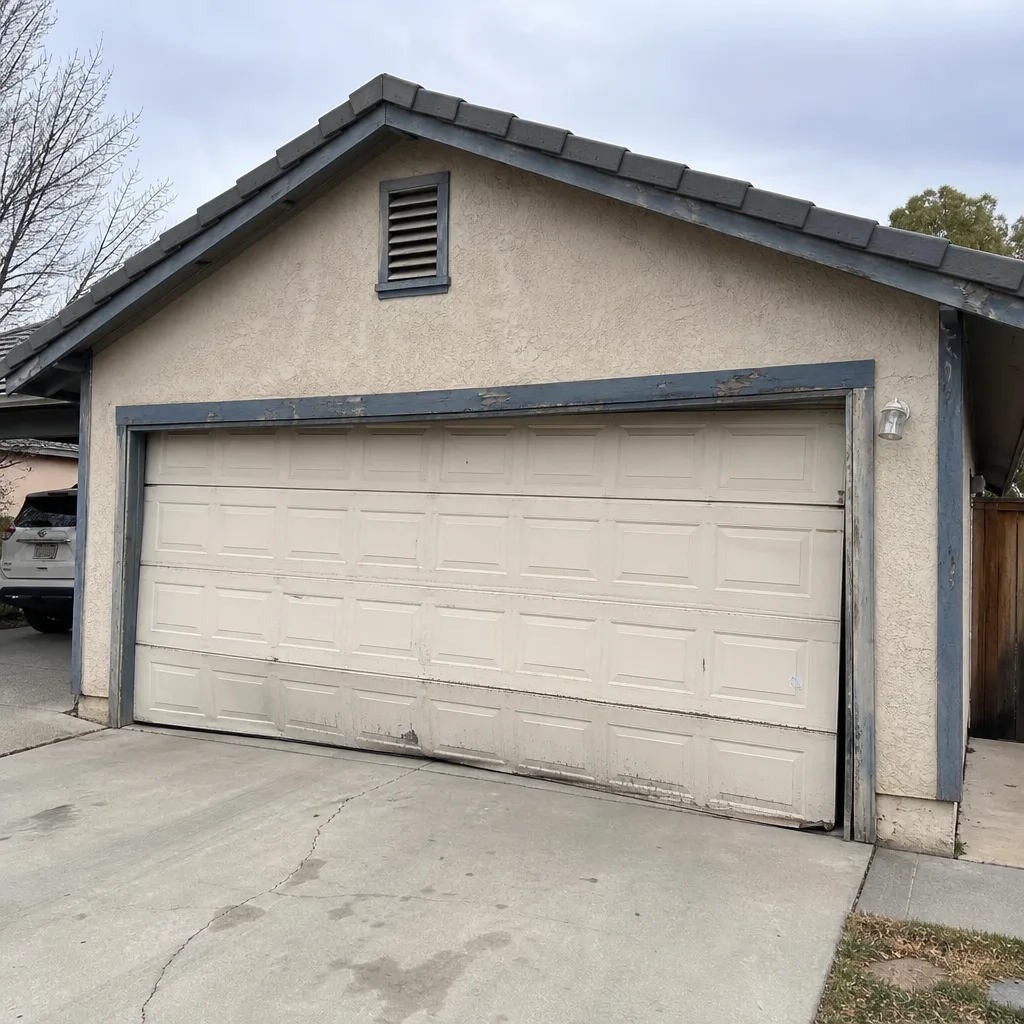
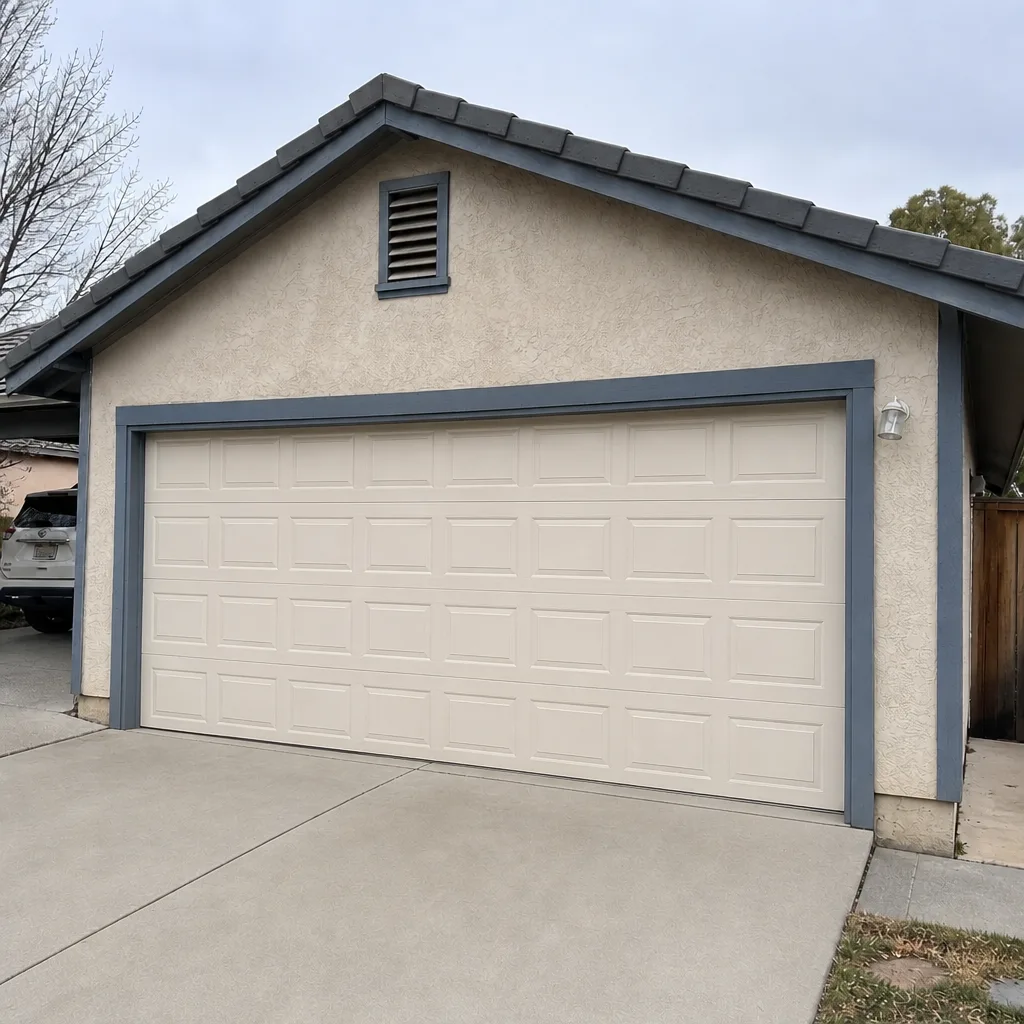
See the difference
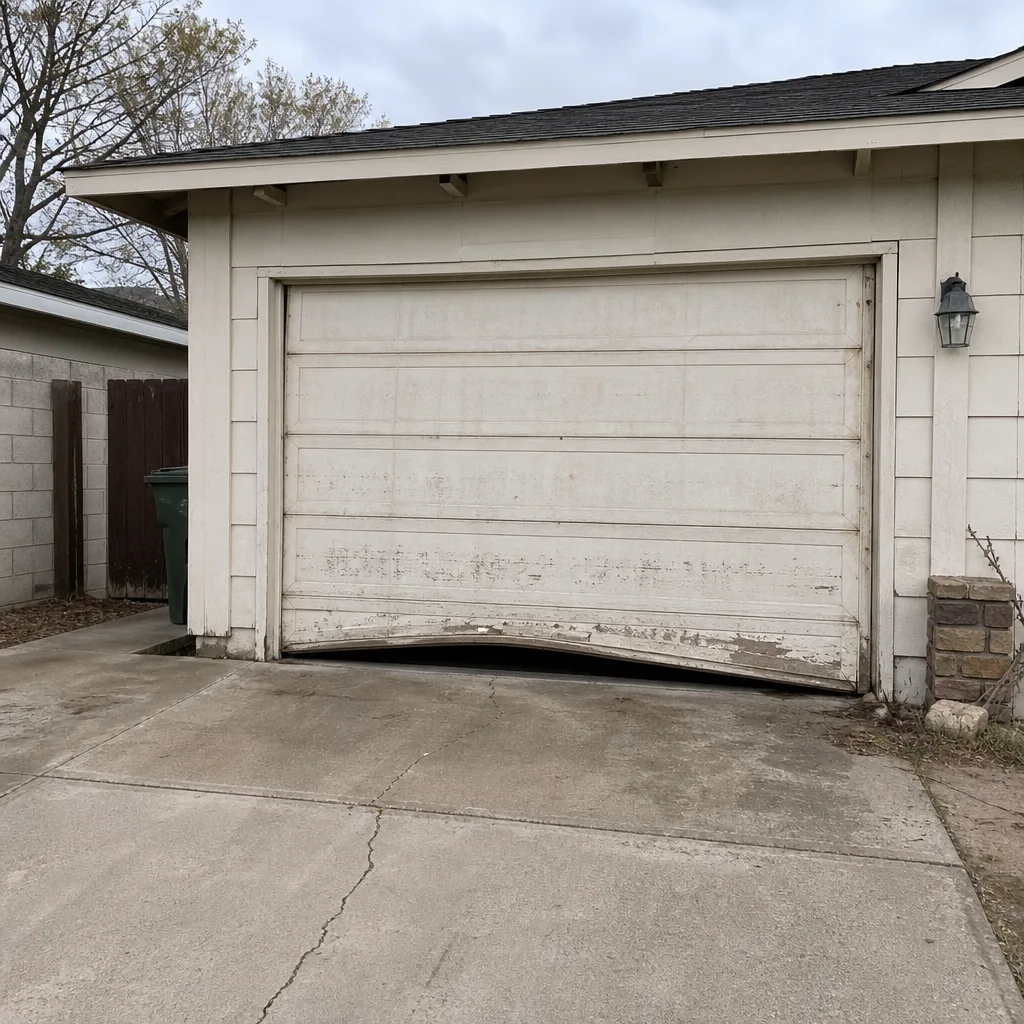 Before
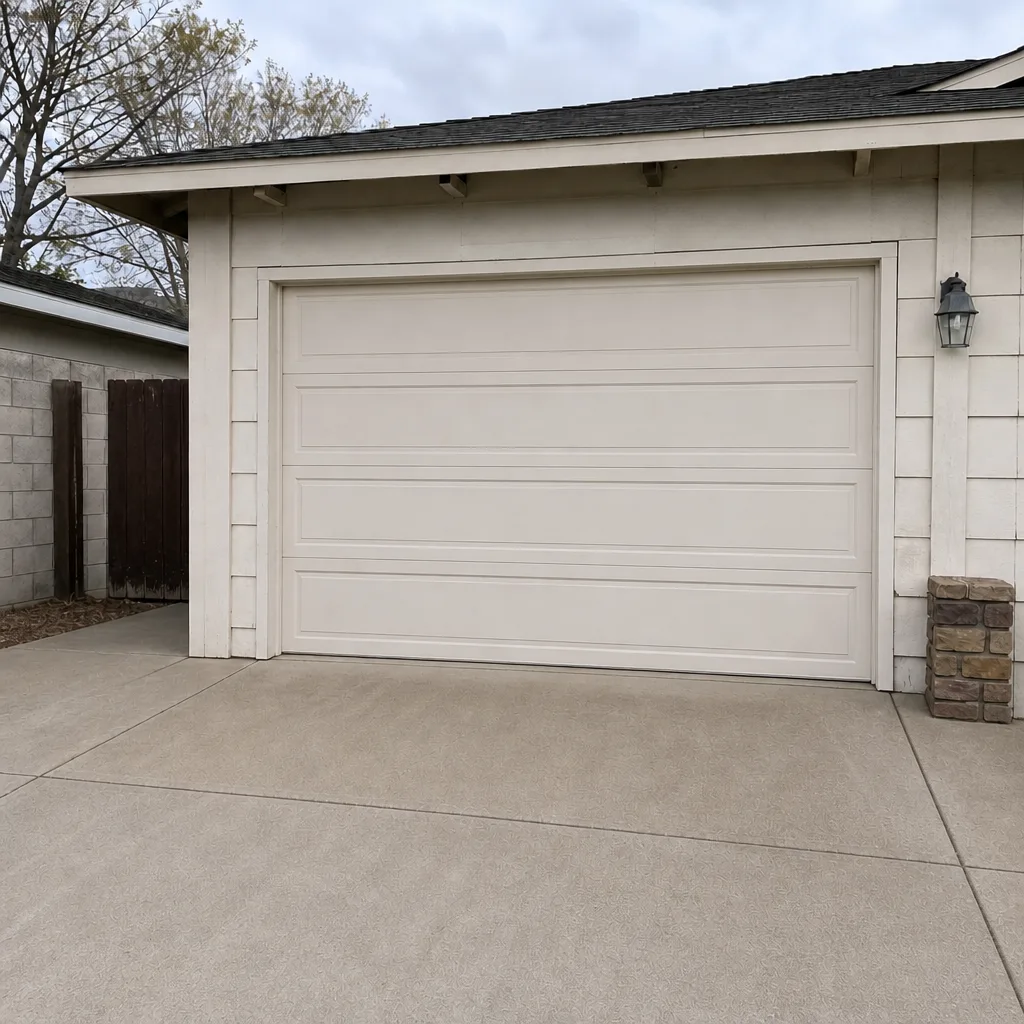 After
 Before
 After
 Before
 After
When to Call a Professional
Some things are a phone call, and some things are a phone call now. Call us if a spring has snapped, the door is off its tracks, the cables are slack or off their drums, the door has dropped on someone’s hand or foot, or a door is stuck open at night and you can’t secure it yourself. Those are real emergencies, and in Enterprise we answer the phone around the clock. Call us in the morning for a door that’s noisy, sluggish, or opening slightly crooked – those are scheduled repairs, and they’re much cheaper before the spring fails. If you’ve never had the door serviced and it’s more than five years old, book a tune-up this month and get ahead of the next wind event. Otto’s Garage Door offers free estimates in Enterprise – call (833) 620-7107. Otto’s Garage Door Enterprise home has the full menu of what we do.
Frequently Asked Questions
Most emergency repairs in Enterprise run between $180 and $420 for common problems like a snapped spring, an off-track door, or a sensor fault, plus an after-hours call fee if it’s overnight. Every price is quoted and agreed before any work starts, and the number on the phone is the number on the invoice. Call (833) 620-7107 for an exact quote – estimates are free.
Yes, for genuine safety and security emergencies – a stuck-open door, a stuck door with a car trapped inside, or a door that’s jumped the track. We aim to be there within a couple of hours during the day, and we come out overnight for anything that can’t wait until morning. Call (833) 620-7107 and we’ll tell you honestly whether it needs us tonight.
No. We quote on the phone and hold that number at the driveway. If we find something we didn’t expect, we stop, explain what it is, and get your yes before any additional work starts. The 90-Day Done Right Promise backs every job in writing.
Pull the red release cord hanging from the carriage on the rail, then lift the door by hand from the bottom section. Only pull the cord with the door fully closed, and don’t run the opener while the door is disconnected. Call (833) 620-7107 if it won’t re-engage after power comes back.
Almost always the safety sensor – either something is blocking the beam or one sensor has been knocked slightly out of alignment. Wipe both lenses and press each sensor firmly into its bracket, then try again. If it still fails, call (833) 620-7107 and we’ll schedule a look.
Yes. Our technicians are background-checked and carry up to 22 years of experience across all major brands. We’re locally owned and owner-operated with a published address and license number any homeowner can verify before we show up. Call (833) 620-7107 with any questions.
The Bottom Line
Emergency garage door prep in Enterprise is not complicated. Learn the red cord. Learn the sensor fix. Learn the safe sequence for a broken spring and the security steps for a stuck-open door. Put a fifteen-dollar bin of supplies in the garage. Keep Otto’s number on an index card taped inside the door. That’s it. Those five things cover every real emergency we’ve ever seen in this valley. When something breaks that isn’t on the list, call (833) 620-7107 and we’ll tell you the truth about whether it can wait until morning.
Contact
Otto’s Garage Door answers the phone around the clock – often Otto himself – and we quote on the call and hold that number when we get there. Locally owned and owner-operated since 2004, with upfront pricing, a free second opinion on any written estimate, no trip charge inside the home county, and a permanent 10% discount for seniors and veterans. Call (833) 620-7107 for a free estimate in Enterprise today.
Written by the team at Otto’s Garage Door Enterprise.