
Last updated November 17, 2026
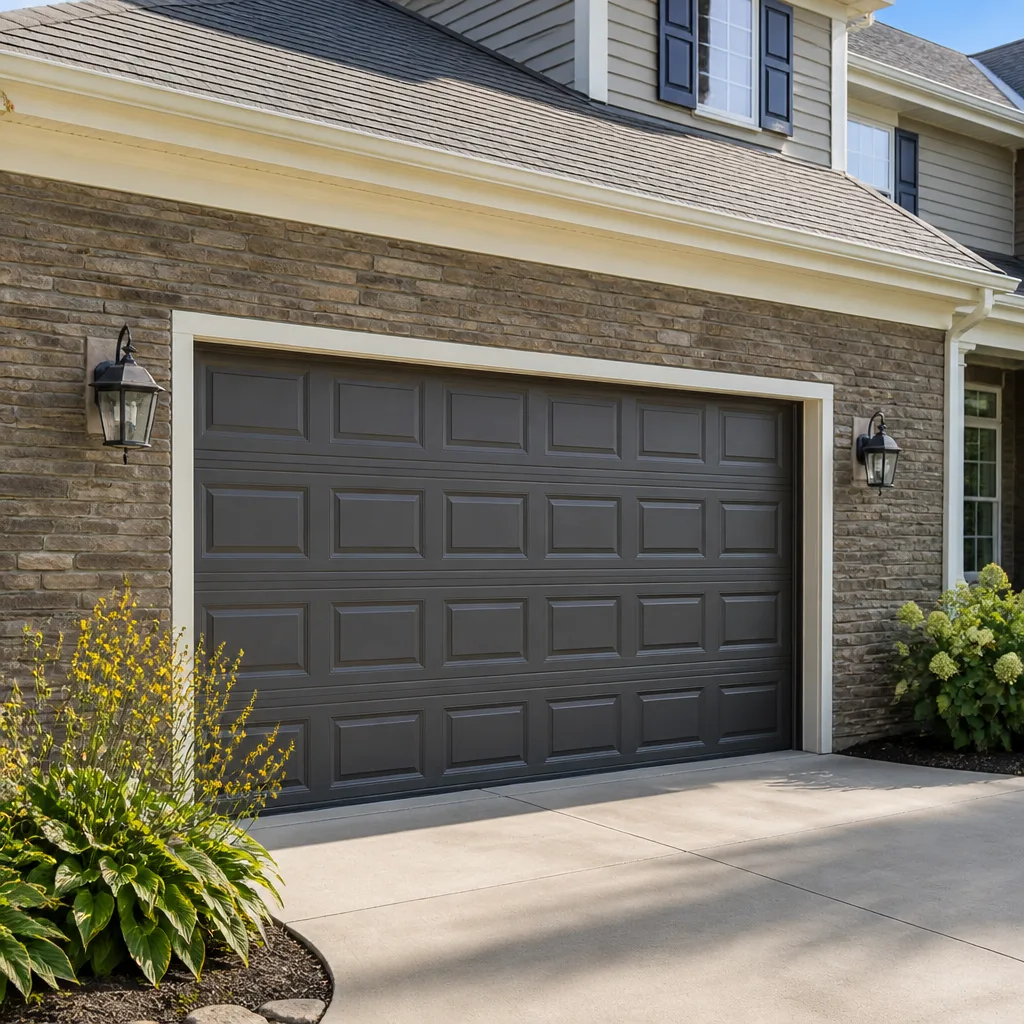 Raised-panel steel
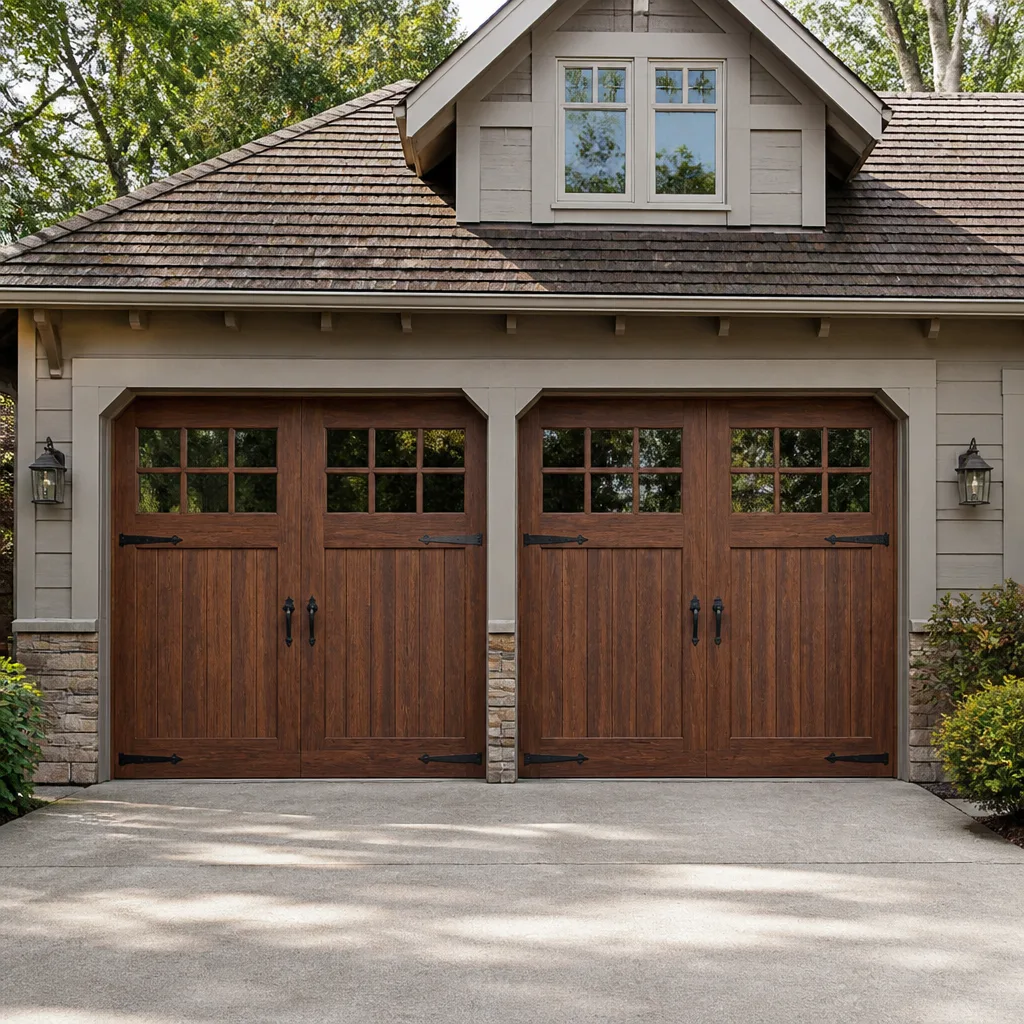 Carriage house
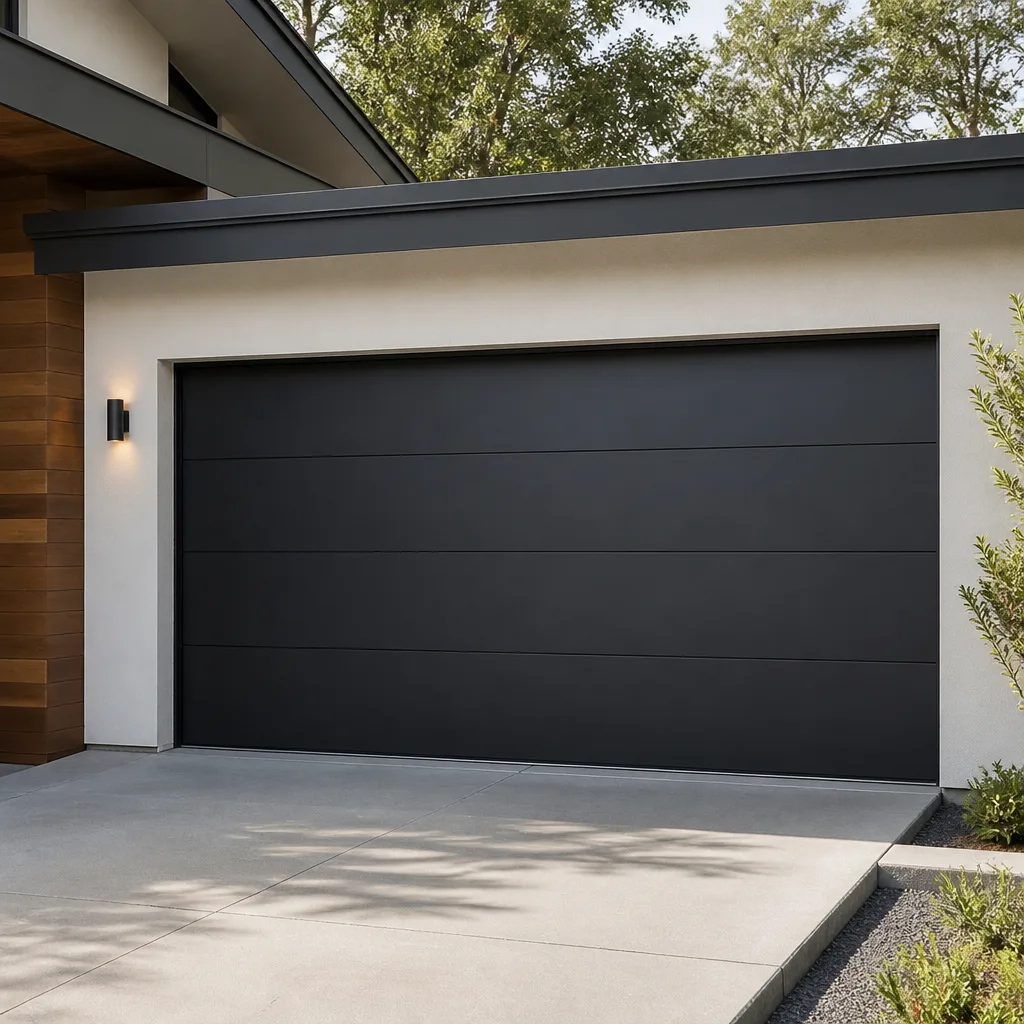 Modern flush
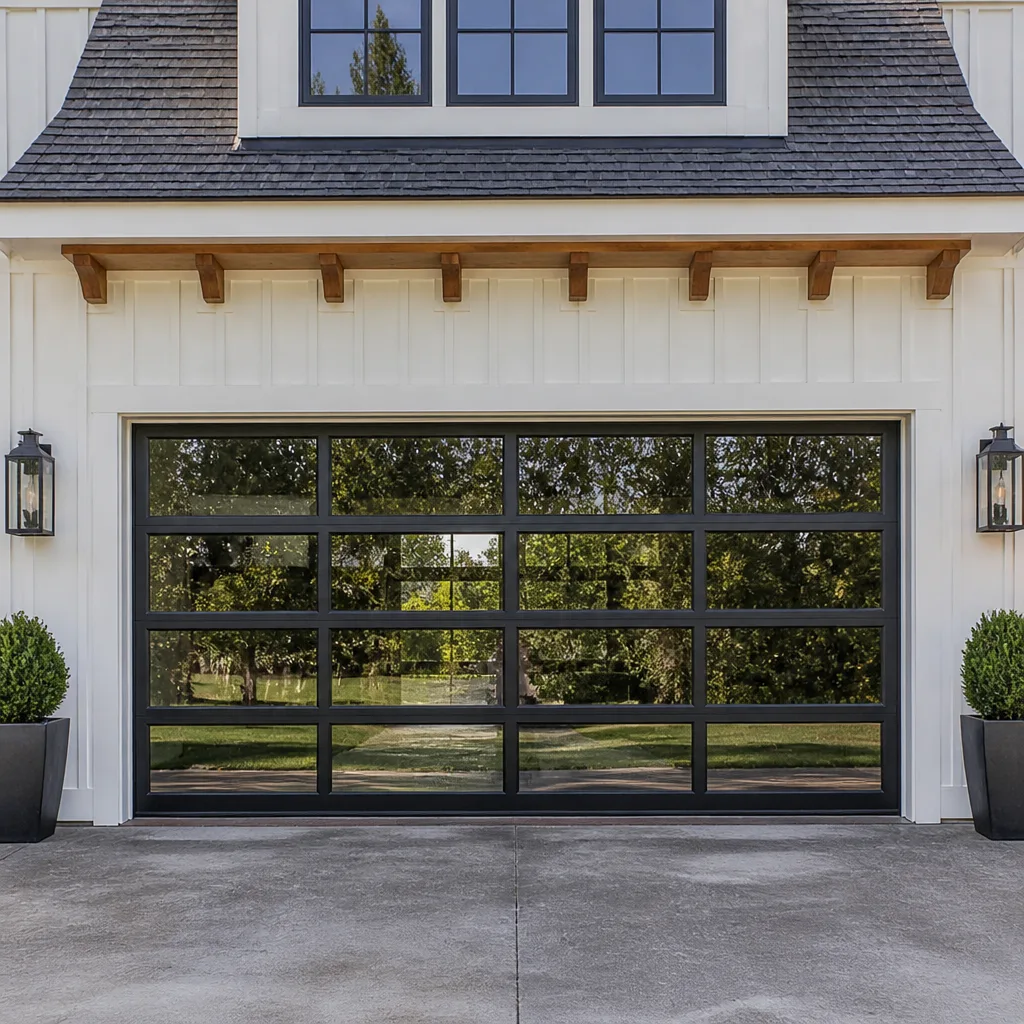 Full-view glass
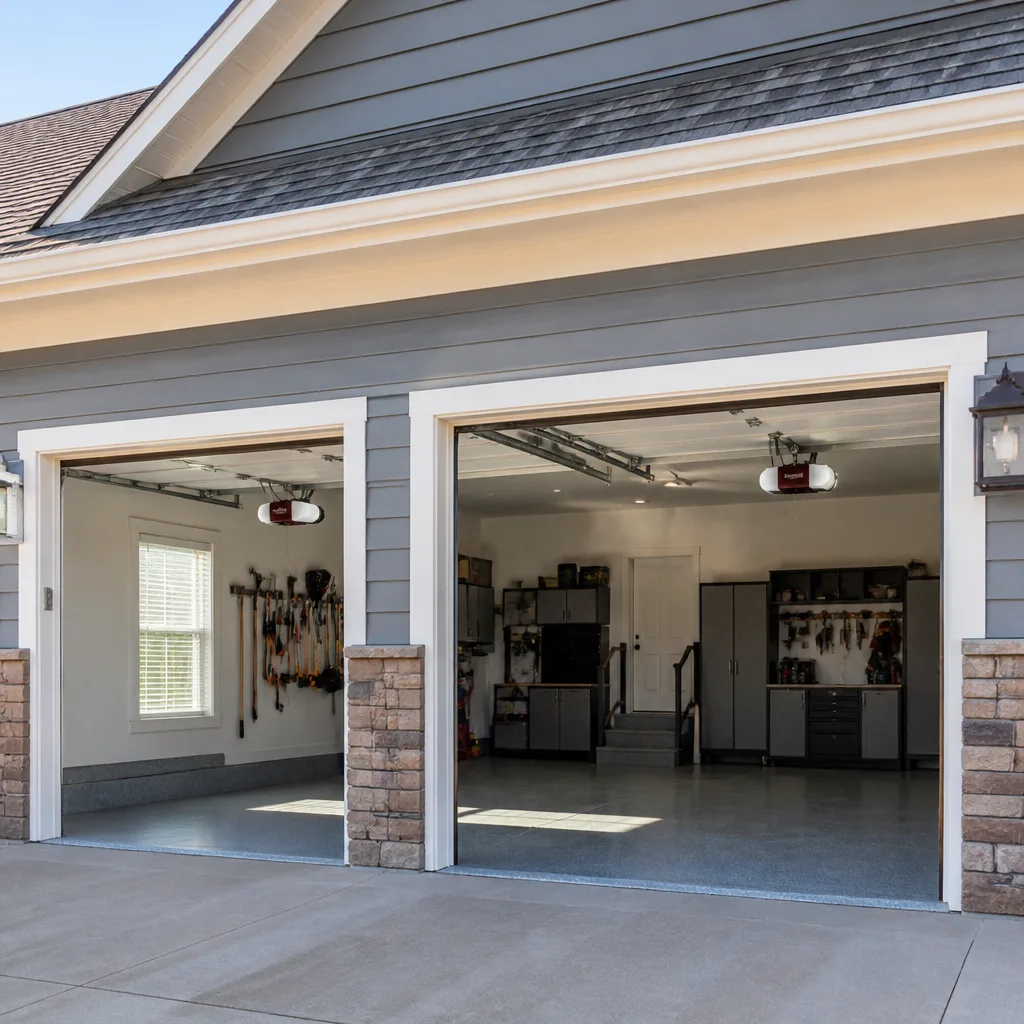 LiftMaster openers
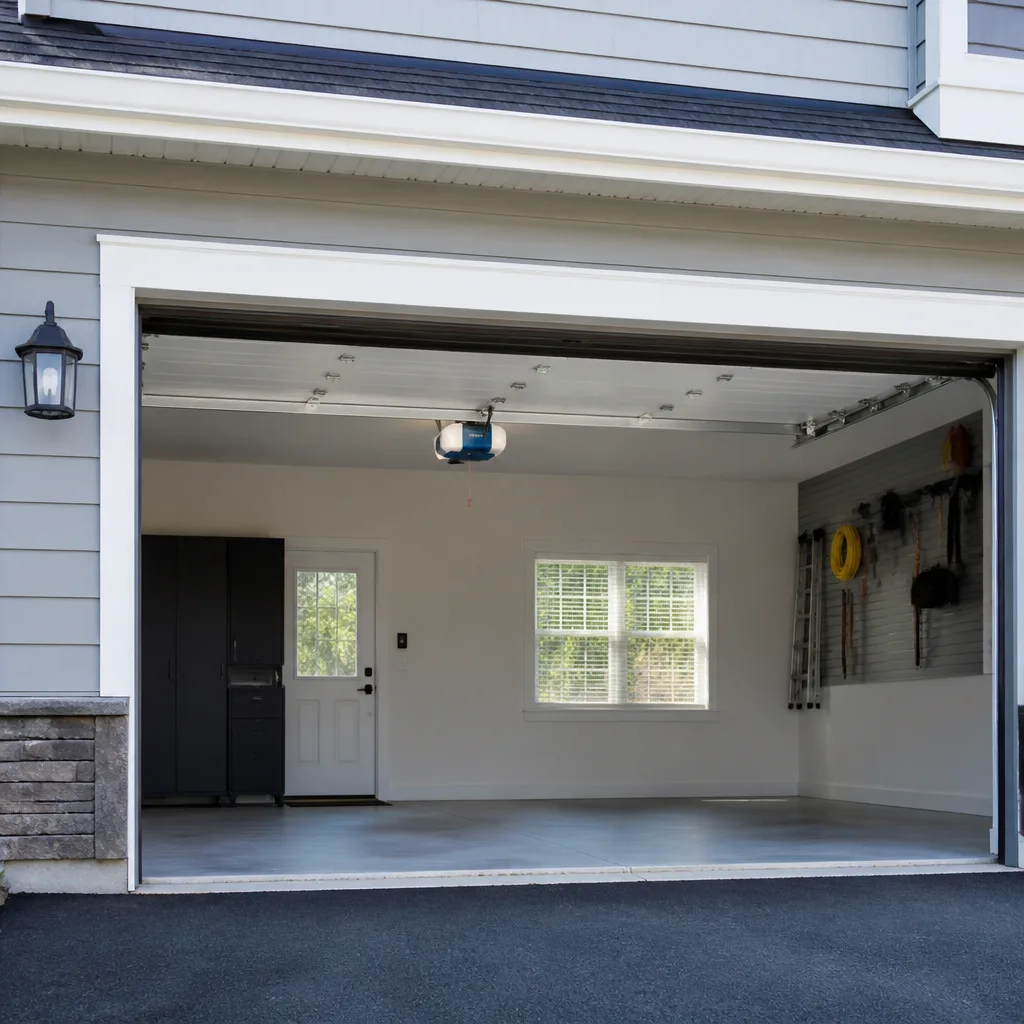 Chamberlain openers
Full 25-point door and opener safety check with every visit - springs, cables, rollers, tracks, and your LiftMaster or Chamberlain opener included
You get a price before we start. It does not change when the pro arrives.
Get your free estimateSeasonal Garage Door Care for Enterprise: Year-Round Homeowner’s Guide
The standard “winterize your garage door” advice tells you to check the weatherstripping for cold drafts. In Enterprise, the more important winter check is whether your opener’s logic board is recovering properly after three months of cooking at 120°F in a closed garage cavity, because cold-start failures spike here every November. That’s not a theory. It’s a pattern we see in the same neighborhoods, on the same brands, at roughly the same week each year. Enterprise doesn’t have four seasons. It has two brutal ones and two short transitions, and the care calendar that actually works here looks nothing like the one written for Ohio. What follows is the schedule we’d hand a homeowner in our own county.
Quick Answer
Garage door care in Enterprise runs on a heat calendar, not a cold one. Do your inspection and lubrication in April before the cavity crosses 100°F, watch the opener motor closely through July, and treat October as your highest-risk month because that’s when heat-stressed springs and boards finally quit. Test your manual disconnect every season, and inspect the panels after any high-wind event in the valley.
Styles & brands we work with
- Raised-panel steel
- Carriage house
- Modern flush
- Full-view glass
- LiftMaster openers
- Chamberlain openers
Table of Contents
- Why Enterprise Garage Doors Wear Differently
- April: Pre-Summer Prep Before the Cavity Hits 100°F
- July: Reading an Opener Motor That’s Been Running Hot
- October: The Highest-Failure Month in Our Log
- After a Wind Event: What to Inspect on a Tilt-Up Door
- The Seasonal Task Almost Every Guide Skips: The Manual Disconnect
- December Through February: The Short Transition
- March: The Reset Before the Heat Returns
Why Enterprise Garage Doors Wear Differently
Most garage door maintenance calendars are built around frost, ice, and salt. None of those are your problem. Your problem is sustained heat and a hard, dry swing in temperature between day and night. An attached garage here can hold 115°F to 125°F through the afternoon in July and August even when the outside air is a tolerable 105°F, because a closed cavity with a west-facing wall and a metal door acts like an oven. That heat cycles into the torsion springs, the opener motor, and the logic board on a daily basis for months. Metal expands, contracts, and expands again until something gives.
Add the valley wind. Enterprise sits in a basin where spring and fall gusts arrive with nothing to slow them down, and a single-panel tilt-up door is basically a sail bolted to a hinge. Older homes off the main roads still have plenty of those doors, and they take the brunt. If you want a deeper look at the repair side of all this, our Garage Door Repair in Enterprise page covers what each failure actually costs to fix.
Our technicians have up to 22 years of experience in this climate, and the takeaway is simple: your door is stressed hardest in the heat, not the cold. Plan around that and you’ll get years more out of it.
April: Pre-Summer Prep Before the Cavity Hits 100°F
April is the single best window of the year to touch your door, because the cavity is still in the 80s and anything you adjust will hold through the summer. This is the month to catch the parts that fail first when temperatures climb.
The two components most likely to fail once the garage crosses 100°F are the torsion springs and the opener’s logic board. Springs lose tension as they heat, and a spring that was marginal in March will sag noticeably by June. The logic board on a LiftMaster or Chamberlain unit is the second one, because the board sits in the warmest part of the housing and heat is what kills capacitors first.
Here’s the pre-summer checklist we walk homeowners through in April:
- Rubber and weatherstripping. Press a fingertip into the bottom seal. If it’s hard or cracked, it won’t seal against wind or dust all summer. Replace it now, not in August.
- Hinges and rollers. Test each roller for flat spots and lift the door a foot by hand to feel for grinding. A dry hinge in a hot cavity gets stiff fast.
- Lubrication. A silicone-based or lithium grease on hinges, rollers, and the torsion shaft, not on the springs themselves. Keep it off the tracks.
- Balance test. Disconnect the opener, lift the door halfway, and let go. A balanced door stays put. One that drops is telling you the springs are tired.
- Door hardware torque. Check the bolts on the hinges and the top bracket. Heat expansion loosens them over a summer.
If your springs are already near the end of their life, April is the month to plan the swap instead of the month it snaps and traps your truck inside. For a new door, spring replacement is a scheduled job, so get a free measure and written price ahead of the heat. Our Garage Door Installation in Enterprise page walks through that process.
July: Reading an Opener Motor That’s Been Running Hot
By July your opener has been cycling in a hot cavity for three months. The question every homeowner asks us in mid-summer is whether their straining opener is dying or just being slow. Here’s how to tell the difference.
An opener that’s giving up usually shows three signs together: it runs noticeably longer than it used to before the door moves, the motor housing is hot to the touch after a single cycle, and the light flickers or the unit beeps without moving. Those point to a failing capacitor or a board that’s overheating. An opener that’s just slow in the heat usually still moves smoothly, doesn’t overheat on one cycle, and only feels sluggish after the third or fourth use in an afternoon, when the cavity hits its peak.
What to look at in July:
- The motor housing temperature. Warm after one cycle is normal in July. Hot enough that you pull your hand away is not.
- The safety reverse. Put a 2×4 flat on the floor under the door and close it. The door should reverse on contact. If it doesn’t, stop using the opener until it’s adjusted.
- The force settings. If someone has cranked the force adjustment up to compensate for a hot, tight door, that’s masking a real problem. It should be reset by someone who knows the unit.
- Battery backup. If your opener has one, test it in July. Heat degrades backup batteries faster than anything else in the unit.
If the opener is straining, the problem is almost never the opener. It’s usually the door, the springs, or the track. Our Garage Door Opener Repair & Installation in Enterprise page has the diagnostic details, and a Genie or LiftMaster unit that’s been running hot for years is often cheaper to replace than chase.
October: The Highest-Failure Month in Our Log
October is the month we get the most calls, and it surprises people every year. The heat is breaking, the nights are cooler, and that first cool morning is when the spring that survived all summer finally lets go. Here’s the mechanic behind it: a spring that’s been cycling at 120°F all summer has lost more tension than you can see by eye, and the first real temperature drop of the season puts it past its limit. The door comes down hard, or the cable jumps, or the opener burns out trying to lift a door it can’t move.
Two things predict a winter breakdown, and both are checkable in October:
- A door that’s out of balance. Disconnect the opener and try the halfway test again. If the door doesn’t hold position, the springs are done and the next cold snap may finish them.
- An opener that’s been running hot all summer. If the logic board is already marginal, the first cold-start in November is when it fails to recover. That’s the November spike we mentioned up top, and it’s almost always set up in August.
If your door is out of balance, or your opener shows any of the July overheating signs, get a professional assessment in October before the cold mornings arrive. A door is 200 pounds riding on two springs, and a failed spring can snap a cable across the garage. This is not a component to test by hand.
After a Wind Event: What to Inspect on a Tilt-Up Door
Enterprise gets serious wind in spring and fall, and the homes that take damage first are the older ones with single-panel tilt-up doors. That style is common in the older blocks of town, and a tilt-up door is one big flat panel with no hinge relief, so a gust loads the whole thing at once. After any high-wind event, inspect these before you cycle the door again:
- Panel alignment. Stand inside the garage, close the door, and look down each side. A single-panel door that’s twisted or bowed out of the frame won’t track right and will chew the hinges.
- Hinge and pivot play. Grab a hinge and wiggle it. Any movement beyond a hair means the wind has worked a fastener loose.
- Track straightness. Run a straightedge down the vertical track. A bend from wind load will grab the rollers and stall the door.
- The bottom seal and wind stops. The seal on a tilt-up door takes a beating and often folds during a gust. If it’s torn, the next wind event will push right through it.
- The opener’s limit settings. A door knocked off its travel points will over-travel and hit the stops, and that’s how the opener gets ruined without anyone touching it.
If a panel is bent or the door no longer sits square, don’t keep cycling it with the opener. That’s how a bent-panel problem becomes a whole-door problem, and the sooner it’s corrected the cheaper it is. Our Otto’s Garage Door Enterprise home page links to the full range of repair services if you’re not sure what you’re looking at.
The Seasonal Task Almost Every Guide Skips: The Manual Disconnect
Here’s the seasonal task most guides skip entirely, and it’s the one nobody wants to learn during a power outage. Every opener has a manual release, usually a red cord hanging from the trolley or a lever on the rail. That release is what lets you lift the door by hand when the power is out or the opener has failed. If you’ve never used it, you don’t know whether it works, and a stuck release in an outage means a car sealed in the garage and a door you can’t move.
Test it once per season, and specifically after the spring and fall wind events and before the summer heat. Here’s the test:
- Close the door fully and disconnect the opener with the release cord or lever. You should feel it pop free.
- Lift the door by hand. If it’s too heavy to move, your springs are weak and you’ve found a problem early.
- Reconnect the trolley and run the door through a full cycle. Make sure it re-engages and travels cleanly.
- Write the date on a note near the release, so the next person in your house knows when it was last tested.
Never stand under the door while testing or holding it up, and never put your hands near the springs or cables. If the door is heavy enough that you can’t lift it, that’s the signal to call a professional rather than force it. We answer the phone around the clock in Enterprise for exactly this reason, including when a spring lets go at nine at night and your vehicle is sealed inside.
December Through February: The Short Transition
Enterprise winters are short, but they’re the season when the wear from the summer finally shows. November is the cold-start month: the first cool mornings are when an opener logic board that’s been cooked all summer fails to boot, and when a heat-weakened spring finally gives. If your door made it through October, spend a little time in December on the simple things.
Winter is the season for the bottom seal and the door’s contact with the ground. Check the seal for cold-weather cracking, look at the gap under the door, and listen for any new rattle when your opener runs. If a Clopay or Amarr door has started to squeak or shudder, it’s usually a dry hinge or a roller that’s gone flat, not a serious failure. A door tracks better in the winter after a quick lubrication of the moving parts. If you’ve been meaning to get a second opinion on a quote before spring, our standing free second opinion on any written estimate is the cheapest hour you’ll spend all winter.
March: The Reset Before the Heat Returns
March is the month to close out the winter and set up the summer, and it’s the last cool-weather window before the cavity starts climbing. Re-test the manual disconnect, re-run the balance test, and look at the weatherstripping and the bottom seal again. This is also the natural time for a full safety check: safety reverse, photo-eye alignment, and the force settings. If you’re weighing a replacement door against another season of repairs, March is the calm month to get a written price, because installation is a measured, ordered, scheduled job and the summer backlog fills fast. A well-maintained door can last fifteen years or more, and the calendar above is most of the reason why.
Common Mistakes to Avoid
- Treating summer like the danger season and winter like the safe one. In Enterprise the failure month is October, and the cold-start failures spike in November. Plan around heat and transition, not cold.
- Lubricating the springs. People do it because it feels right, but grease on a torsion spring attracts grit and causes problems. Keep it on the hinges and rollers only.
- Cranking up the opener force to compensate for a hot, tight door. That’s masking a door problem with an opener setting, and it burns out the motor.
- Ignoring the manual disconnect until the power is out. A release that’s never been tested is a mystery exactly when you need it. Test it every season.
- Cycling a bent tilt-up door after a wind event. The opener will try to force a door that’s no longer square, and a bent panel becomes a whole-door replacement.
- Running a door that’s out of balance. A door that doesn’t hold position halfway is telling you the springs are dying. Wait for the cold snap and it may fail with your car inside.
See the difference
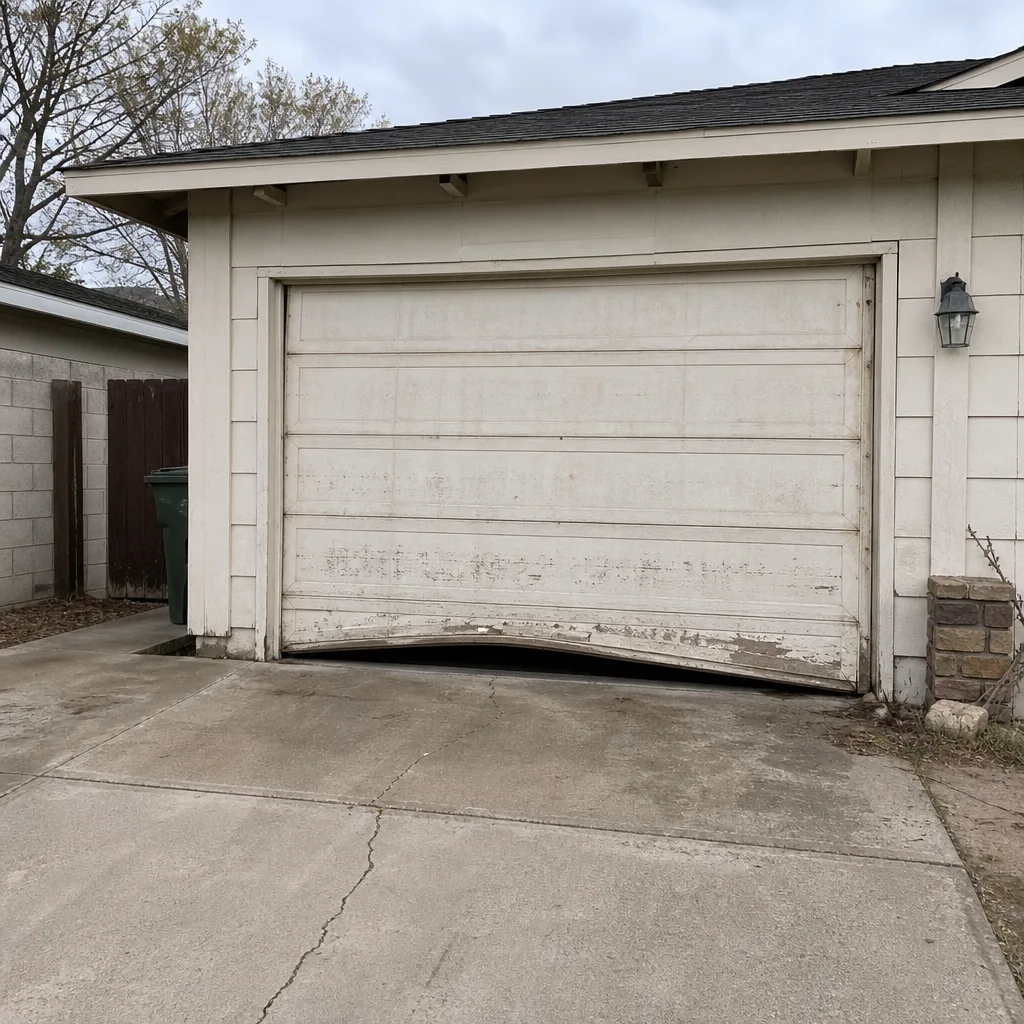 Before
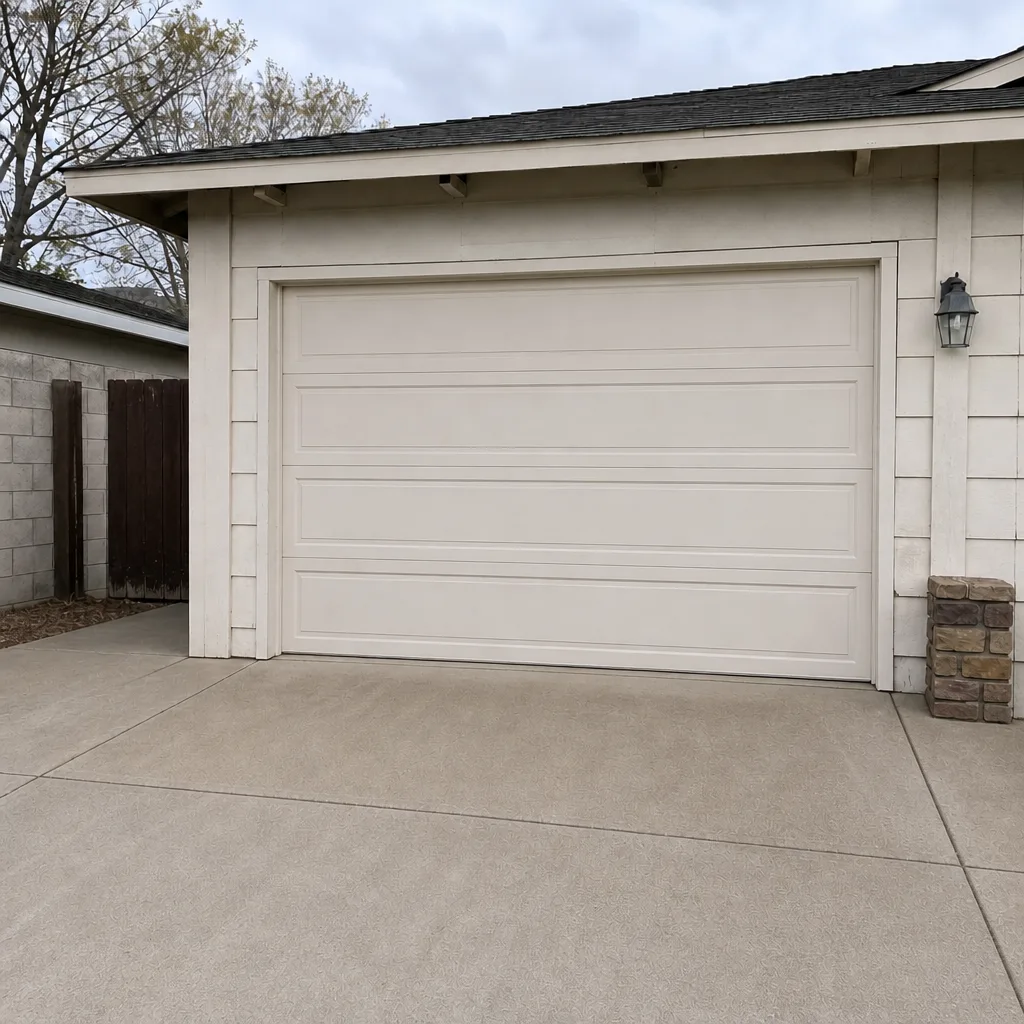 After
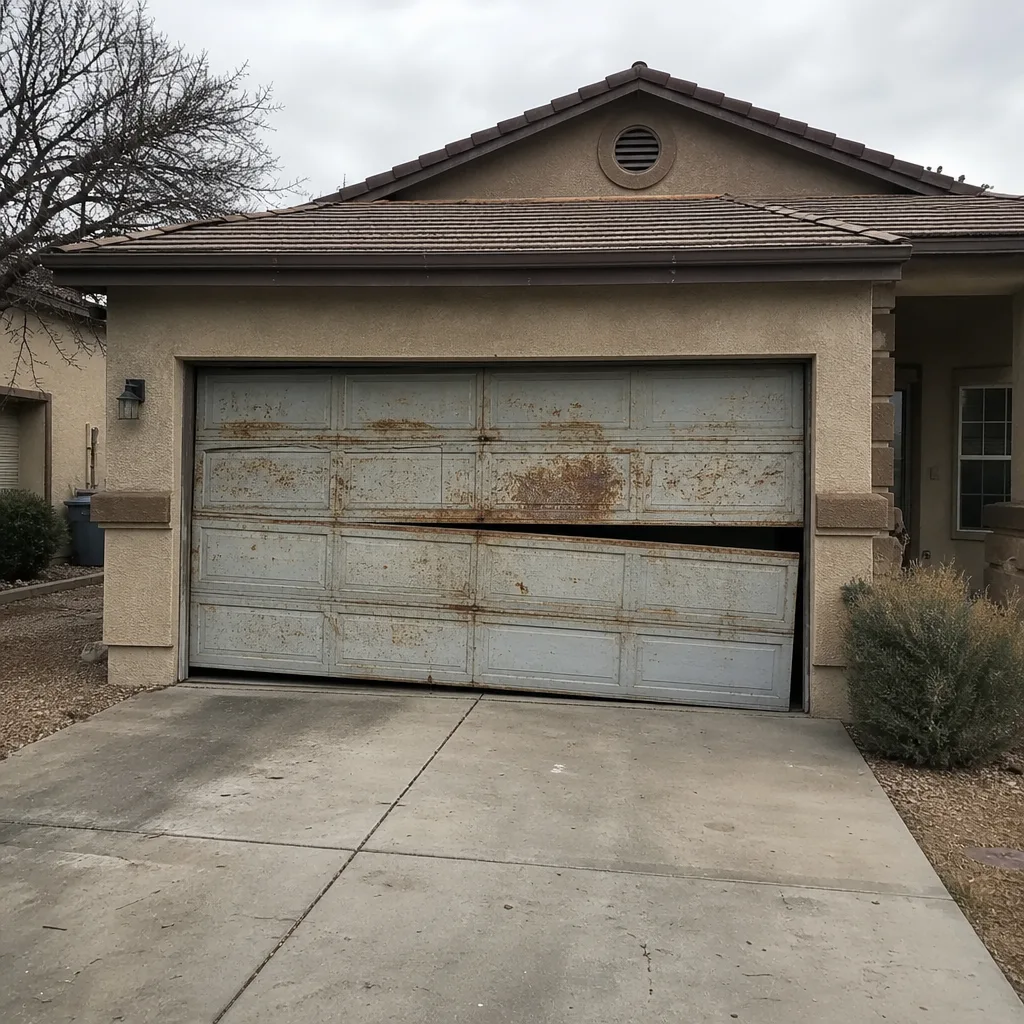 Before
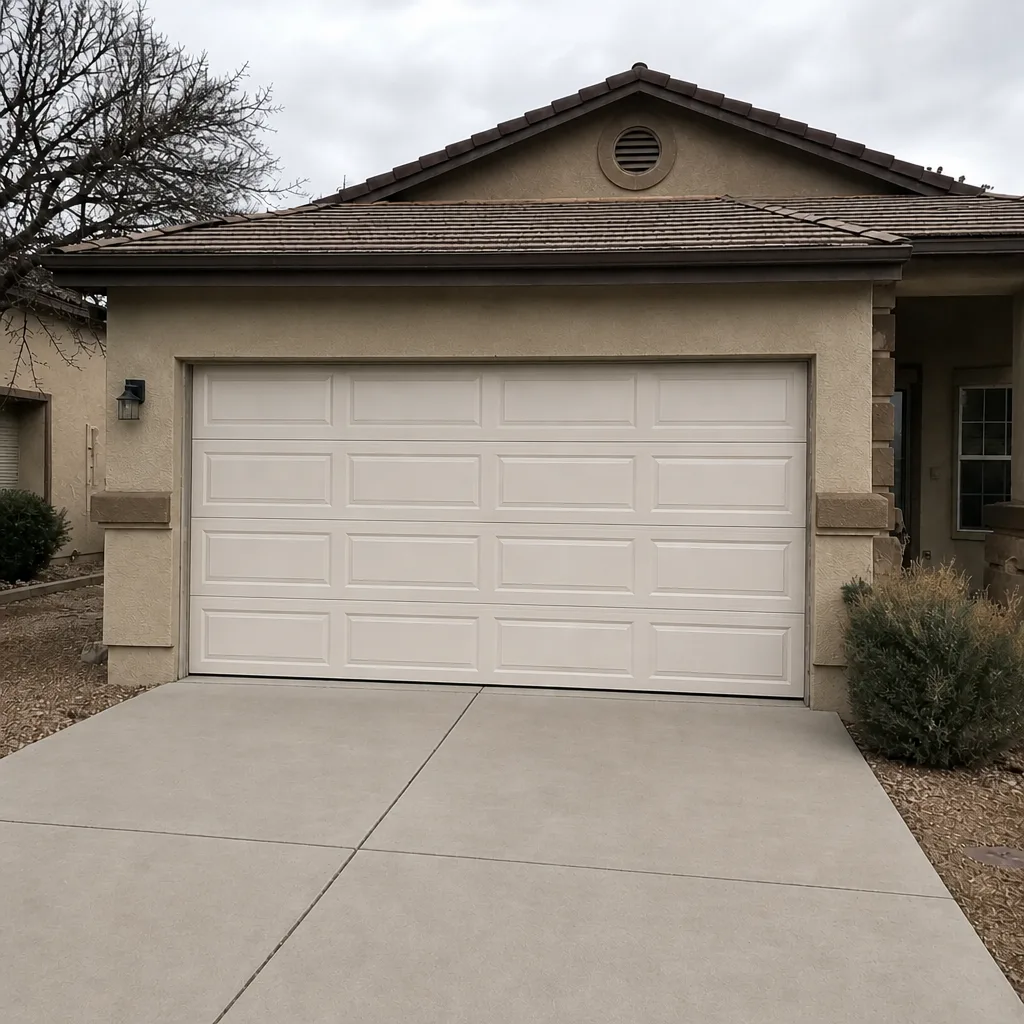 After
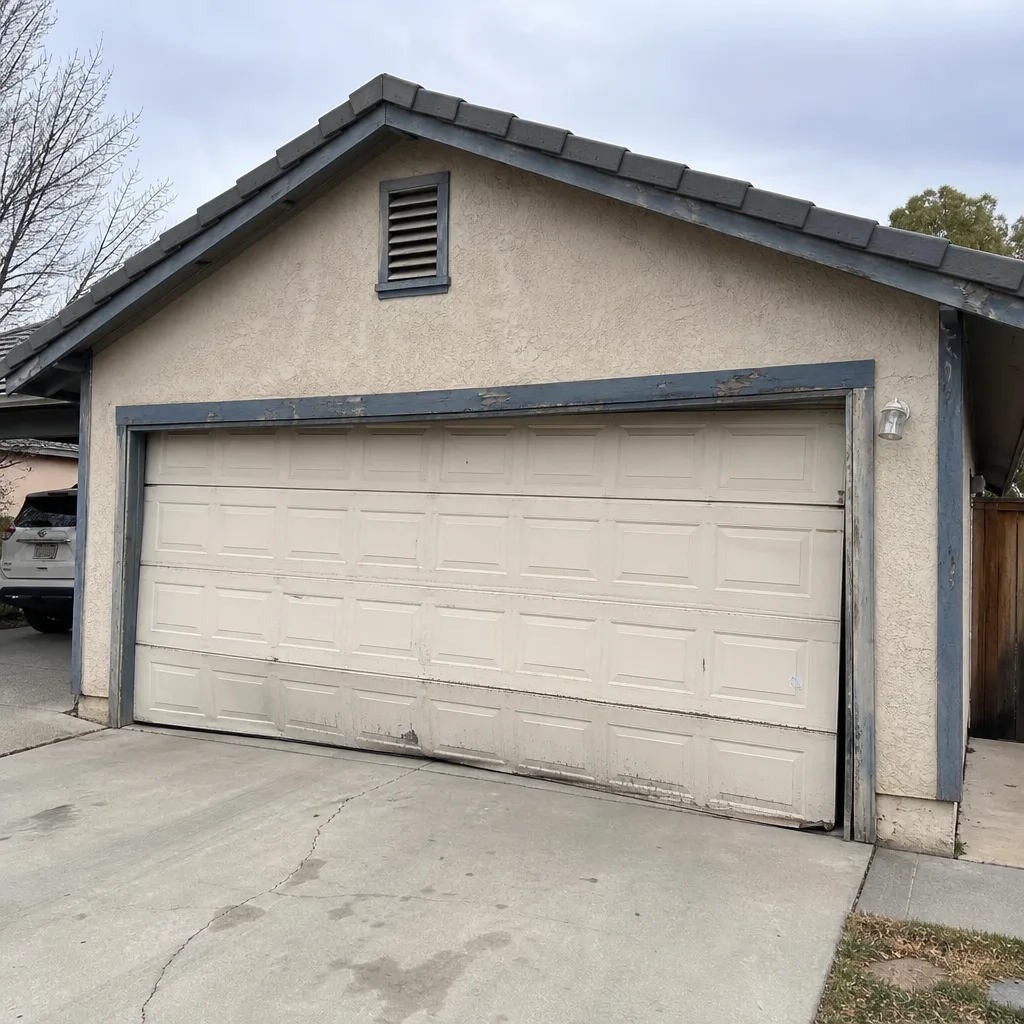 Before
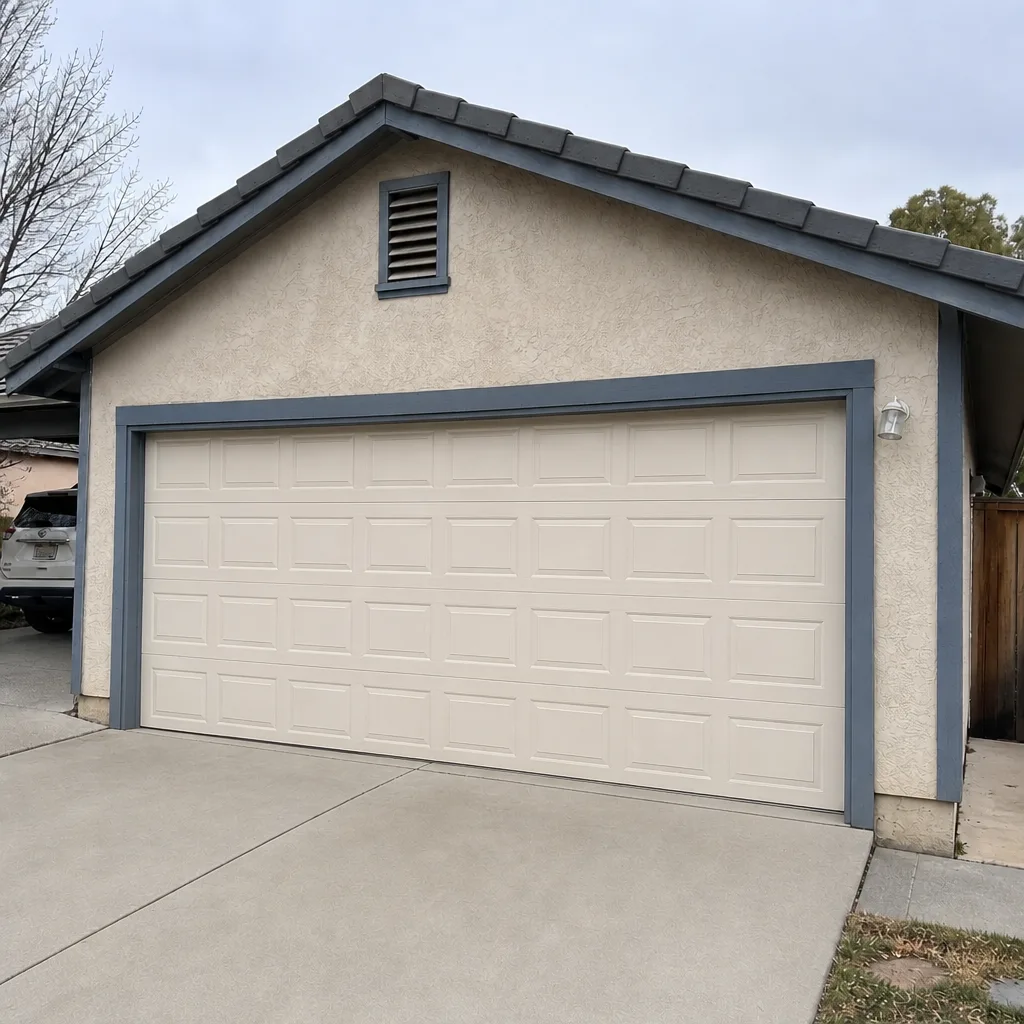 After
When to Call a Professional
Call us when the door is out of balance, when a spring has broken or a cable has gone slack, when a panel is bent or the door won’t sit square in the frame, or when the opener shows the overheating signs from July. Also call if the safety reverse doesn’t work or the release won’t re-engage. Those are the jobs where a trained person matters, and the garage door springs and cables are exactly the parts you shouldn’t touch yourself. Otto’s Garage Door Enterprise offers free estimates in Enterprise, and you can reach us any time at (833) 620-7107. The price we quote on the call is the price at the door.
Frequently Asked Questions
Twice a year works well here: a full check in April before the heat and again in October before the transition to winter. Test the manual disconnect every season, and inspect after any high-wind event. In our experience that schedule catches most problems before they cost you a spring or an opener. Call (833) 620-7107 if you’d rather have us walk through it with you.
Because the damage builds up over the summer and shows in October. Springs lose tension in sustained heat, and the first cool mornings of fall are what push a heat-weakened spring past its limit. The cold-start opener failures spike in November for the same reason. Call us for a free estimate if your door is out of balance.
An opener that’s dying overheats after a single cycle, runs noticeably longer than it used to, and may flicker or beep without moving. One that’s just slow in July still moves smoothly and only feels sluggish during peak afternoon heat. If the door is straining, the problem is almost never the opener. Call (833) 620-7107 for a straight answer.
Check panel alignment on a tilt-up door, hinge play, track straightness, the bottom seal, and the opener’s limit settings. If the door is bent or won’t sit square, don’t keep cycling it. Call us and we’ll tell you whether it’s a panel fix or a full replacement.
Yes, with the door closed, and with no one standing under it. Never put your hands near the springs or cables while testing. If the door is too heavy to lift by hand after you release it, that’s a sign your springs are weak, and it’s time to call a professional rather than force it.
No, a second opinion on any written estimate is free, and there’s no trip charge inside our county. We’ll look at what another outfit quoted and tell you what we’d charge and why. Call (833) 620-7107 and we’ll set it up.
The Bottom Line
Enterprise garage door care is a heat calendar, not a winter calendar. Do your inspection and lubrication in April, read the opener motor carefully through July, treat October as the high-risk month, inspect after every wind event, and test the manual disconnect each season. Handle the balance test and the safety reverse yourself, and call us for anything involving springs, cables, bent panels, or an opener that’s been running hot. The door is the one thing on your house that gets used twice a day and almost never gets looked at, so put the schedule somewhere you’ll see it. Then you’ll spend your money on maintenance instead of repairs.
When you’re ready for a free estimate or a second opinion, call Otto’s Garage Door Enterprise at (833) 620-7107. A live person answers, the price is quoted before we come, and the 90-Day Done Right Promise is on every invoice in writing.
Written by the team at Otto’s Garage Door Enterprise.