

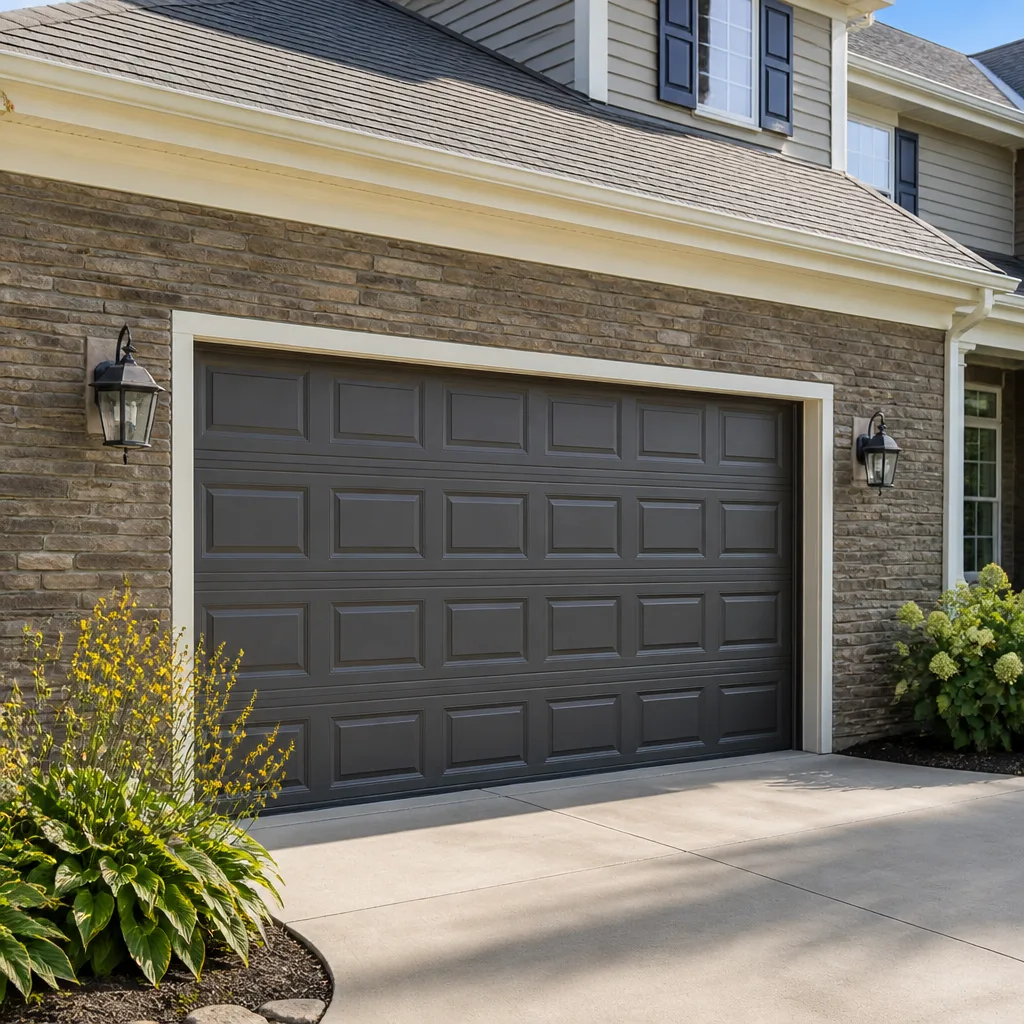
 Raised-panel steel
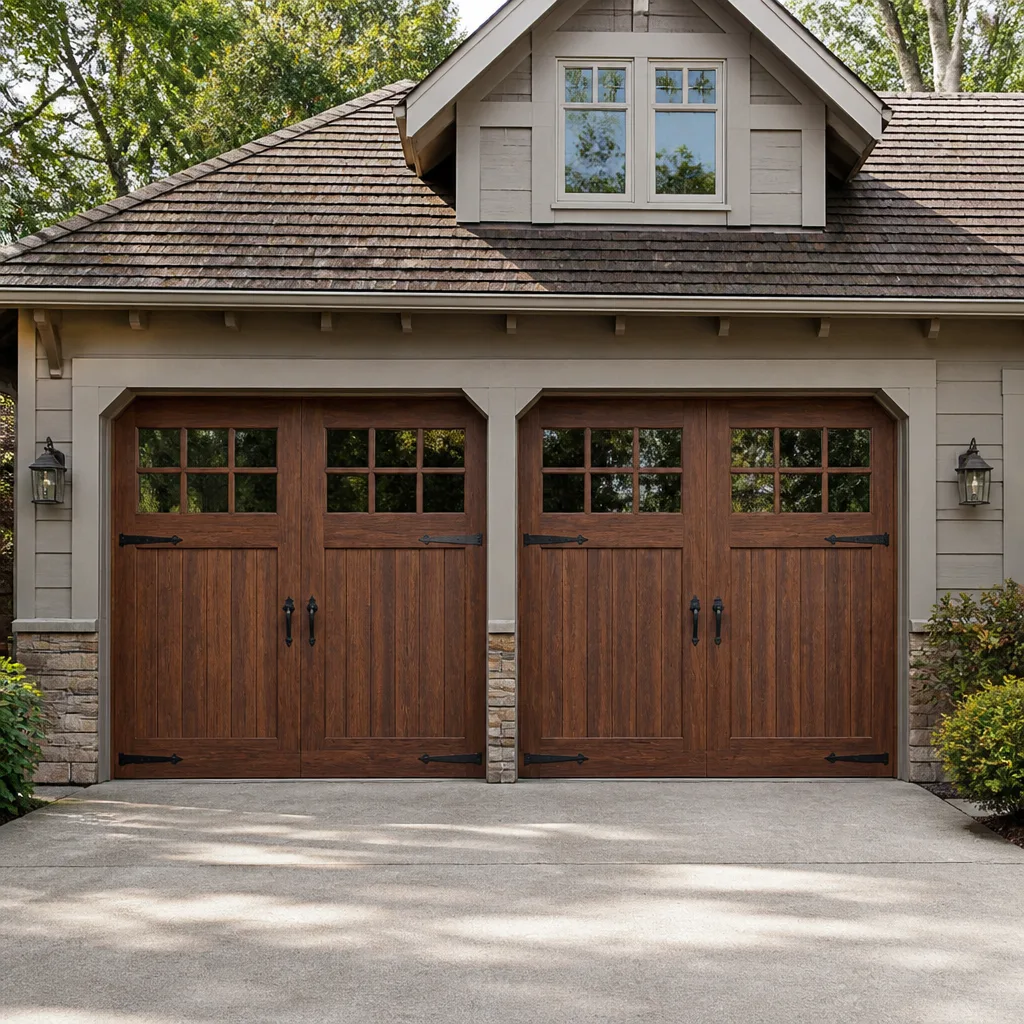 Carriage house
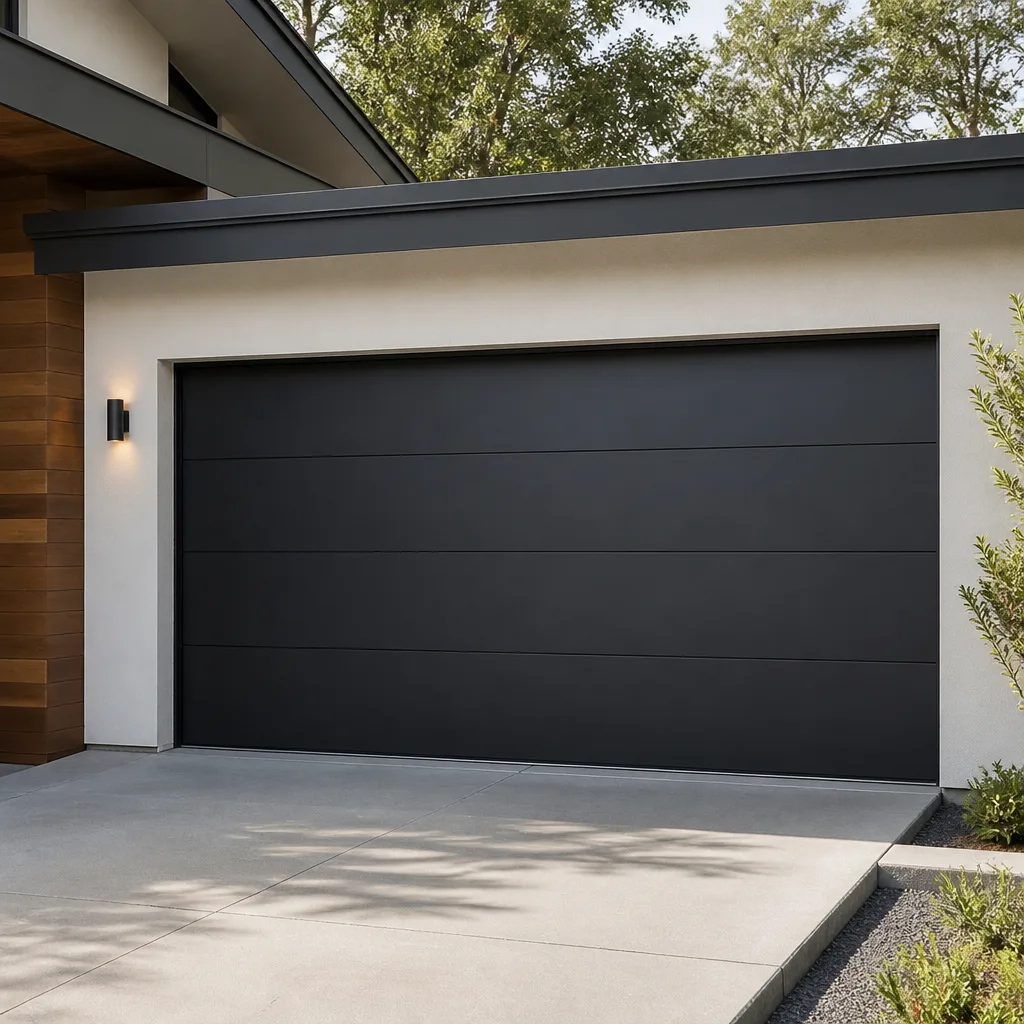 Modern flush
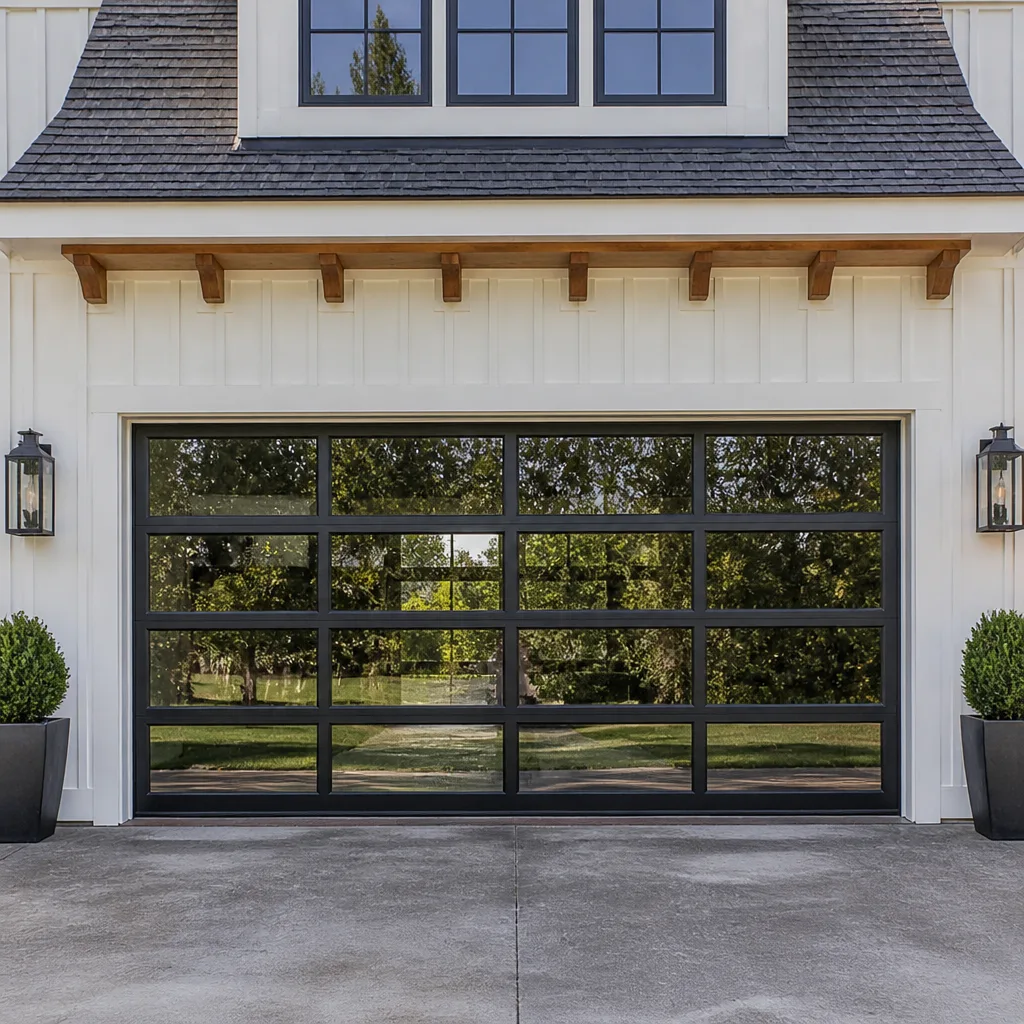 Full-view glass
 LiftMaster openers
 Chamberlain openers
Full 25-point door and opener safety check with every visit - springs, cables, rollers, tracks, and your LiftMaster or Chamberlain opener included
You get a price before we start. It does not change when the pro arrives.
Get your free estimateCraftsman Roller Replacement: The Enterprise Owner’s Guide
We install Craftsman-compatible rollers in Enterprise for $110 – $220, and most jobs are done the same day you call. Your opener lifts a door that rides on rollers, and when they flatten out or seize, the whole door starts complaining. Most Enterprise owners figure it out from the noise: a grinding or scraping sound as the door goes up, or a door that jerks and sways like it’s on a rough track. Rollers are the part that goes quietly about its work until it doesn’t, and the change happens over months, so the sound sneaks up on you. For the price of a decent lunch out, you stop the racket and get your door back.
Key Takeaways
- Roller replacement in Enterprise runs $110 – $220 installed, parts and labor.
- Same-day service is often possible; we quote on the phone and hold that price at the door.
- Craftsmanrollers come in several sizes, so we match yours to your door’s track and hinge style.
- We’re an independent shop, not affiliated with Craftsman.
Which Craftsman Models This Applies To
Rollers are among the most universal parts on a garage door, so chances are your Craftsman door uses one of the standard sizes we keep on the truck. Craftsman sectional doors and openers both show up across a range of older and newer homes here, and the roller itself is rarely tied to the opener model. What matters is matching the roller to the door’s weight, its track profile, and the hinge style. The common Craftsman roller sizes are 2-inch and 3-inch nylon or steel, and the longer 3-inch roller often shows up on heavier double-car doors to spread the load across the track. A shorter roller on a heavy door wears faster and starts rumbling sooner.
The reliable way to identify your roller is to look at the rail above and beside the door. If you can read the part number off the hinge or the door label, that’s ideal. If not, we measure the roller diameter and the track’s inner profile. For an older Craftsman door, aftermarket rollers from quality suppliers often outlast the OEM part, especially the no-bearing steel rollers that were common on older doors. The upgrade is a nylon or sealed-bearing roller that spins freely, stays quiet, and shrugs off dust and grit. We stock the common sizes and will tell you honestly if your door needs something special.
Styles & brands we work with
- Raised-panel steel
- Carriage house
- Modern flush
- Full-view glass
- LiftMaster openers
- Chamberlain openers
Signs Your Craftsman Roller Replacement Is Failing
Rollers don’t fail overnight; the noise and motion changes build slowly, which is why owners are often surprised when we point them out. Watch for these:
- Grinding or squealing as the door travels: A worn bearing or a roller that has gone flat on one side drags instead of rolling, and the metal-on-metal contact makes that sound. If it’s loud enough to hear from the driveway, the roller’s dry.
- Door sways or shimmies on the way up: One or two bad rollers make the door rock in the track. The rest of the rollers carry the load unevenly and start failing too.
- Visible flat spots or cracks on the roller: Look at the rollers along the door’s edge. A flat spot means the roller has stopped turning and is being dragged. A cracked wheel means it’s ready to shatter.
- Loose or wobbling roller stems: The roller should sit snug in its hinge. Wobble means the stem is worn or the hinge is loose, and both need attention before the door jumps track.
- The door feels heavy or the opener strains: As we say, if the opener is straining, the problem is almost never the opener. A bad roller adds friction the opener has to fight through, and over time it wears the opener out too.
In Enterprise, dusty desert air and heat work against rollers in a particular way. Grit gets into the bearing, the grease dries out, and what would last years in a milder climate starts to bind faster here. We see more dry, noisy rollers on doors that face the sun all afternoon. If you hear the door complain on a hot day, that’s your cue.
See the difference
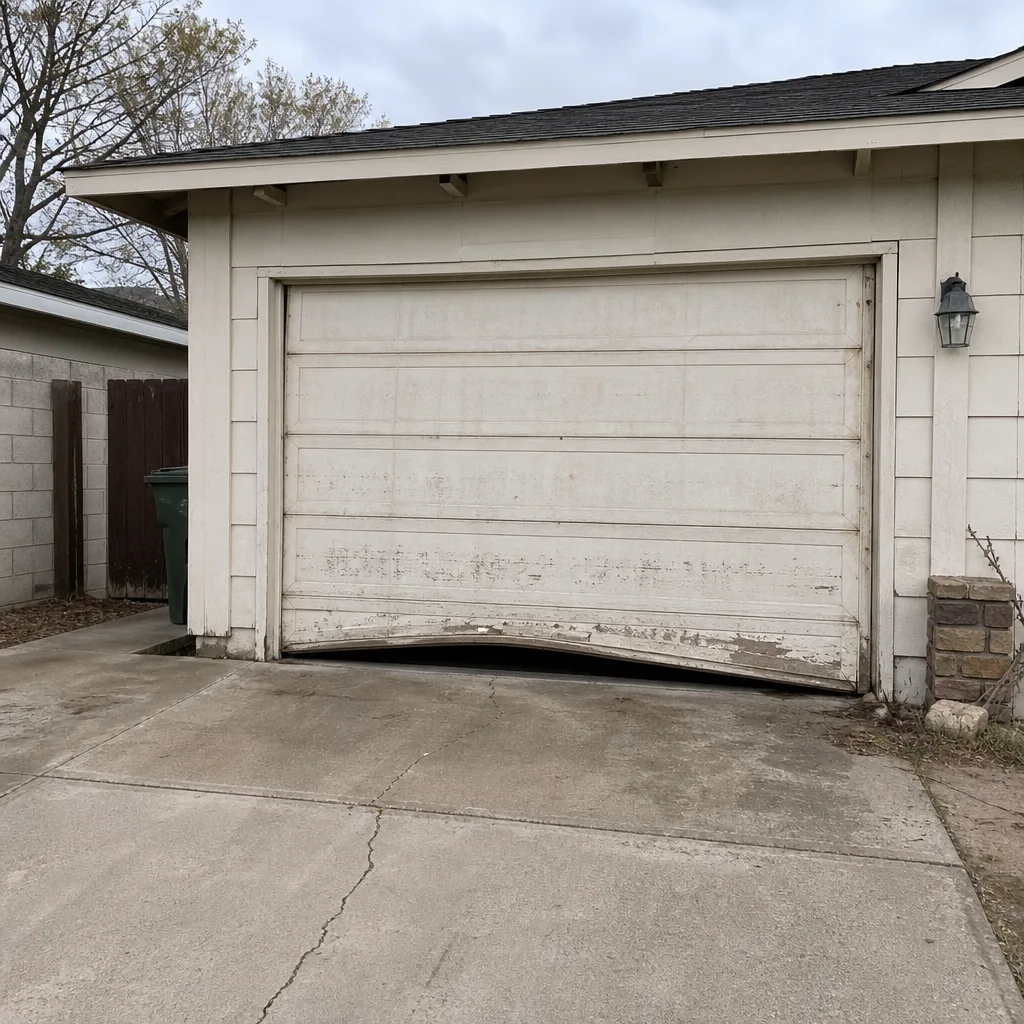 Before
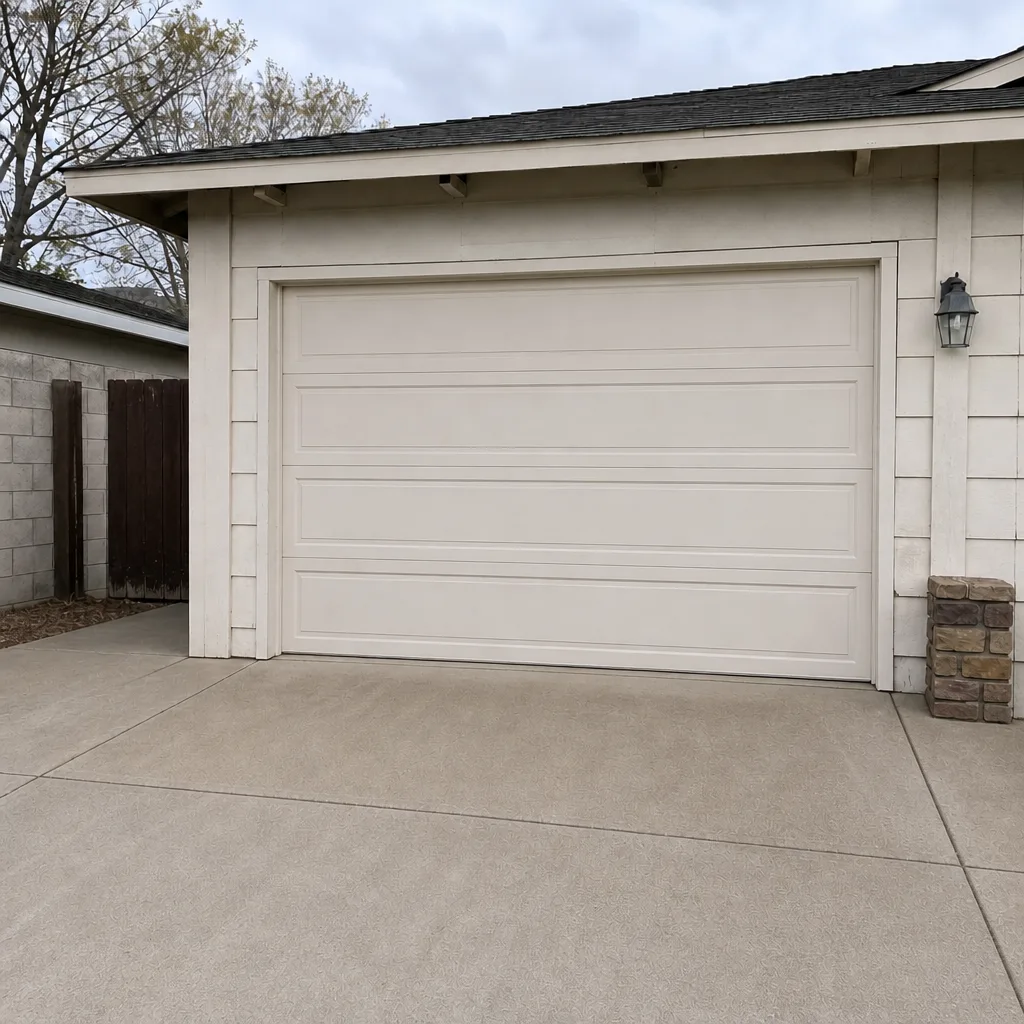 After
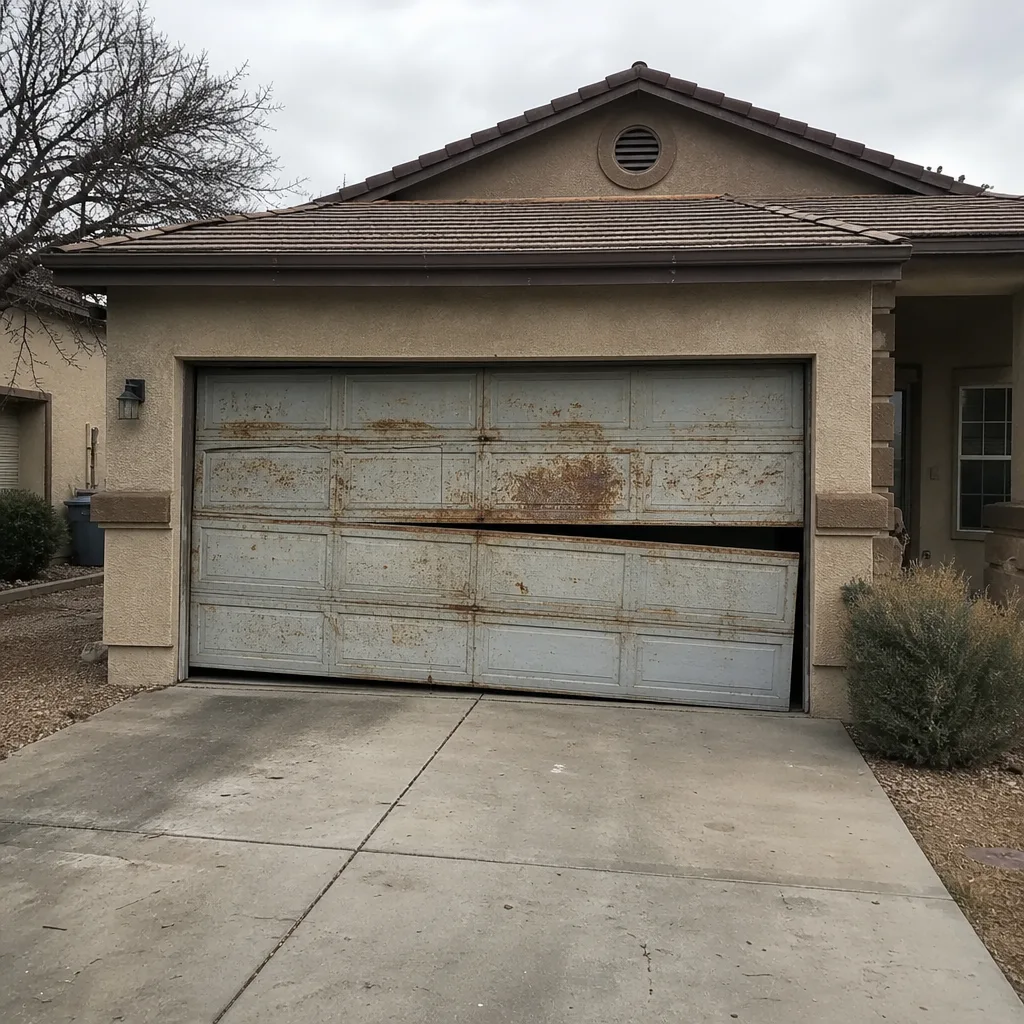 Before
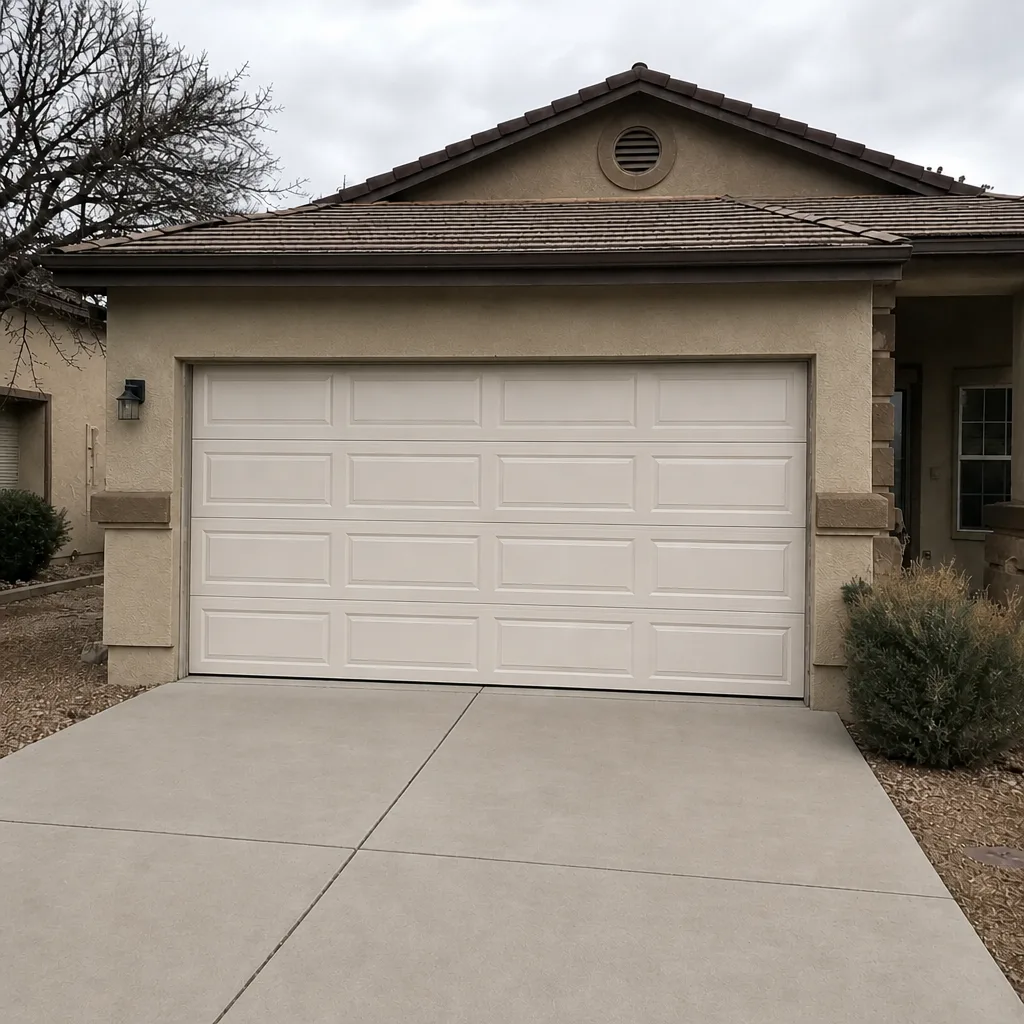 After
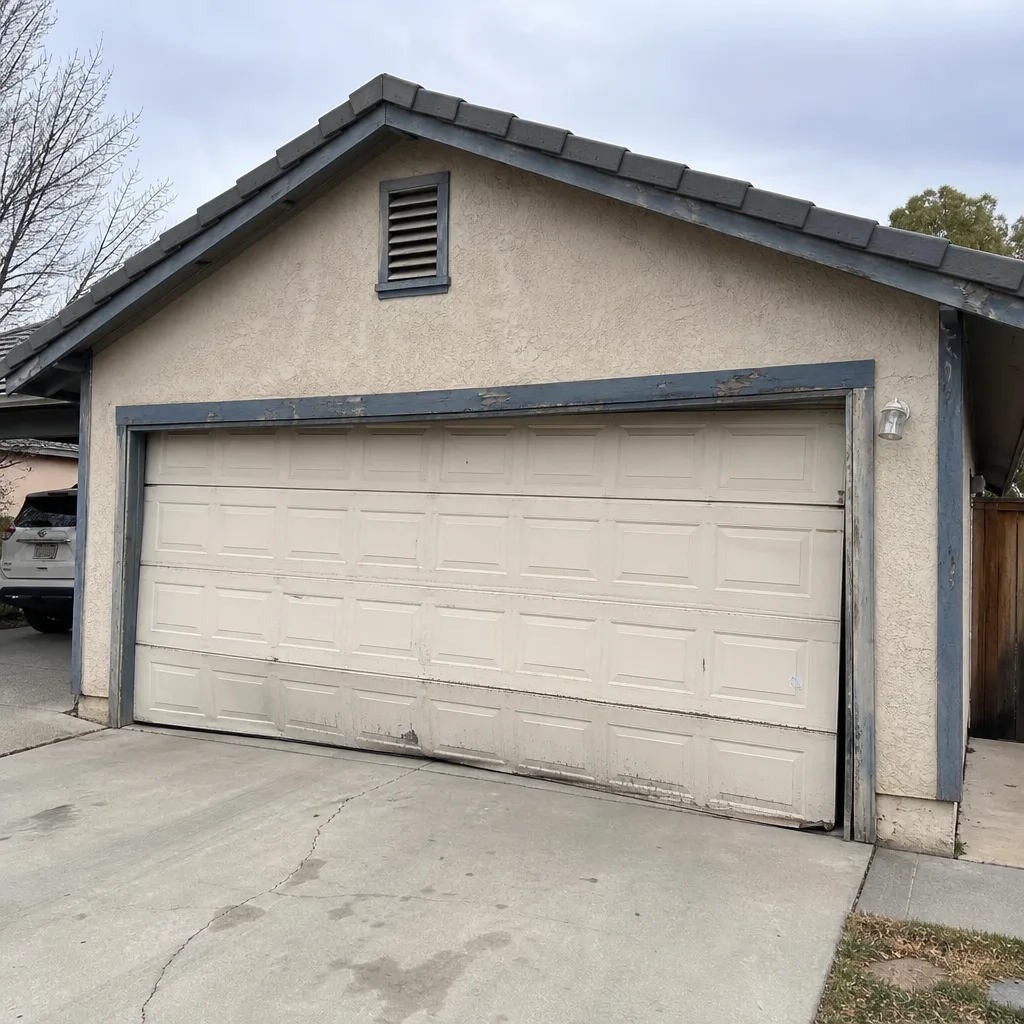 Before
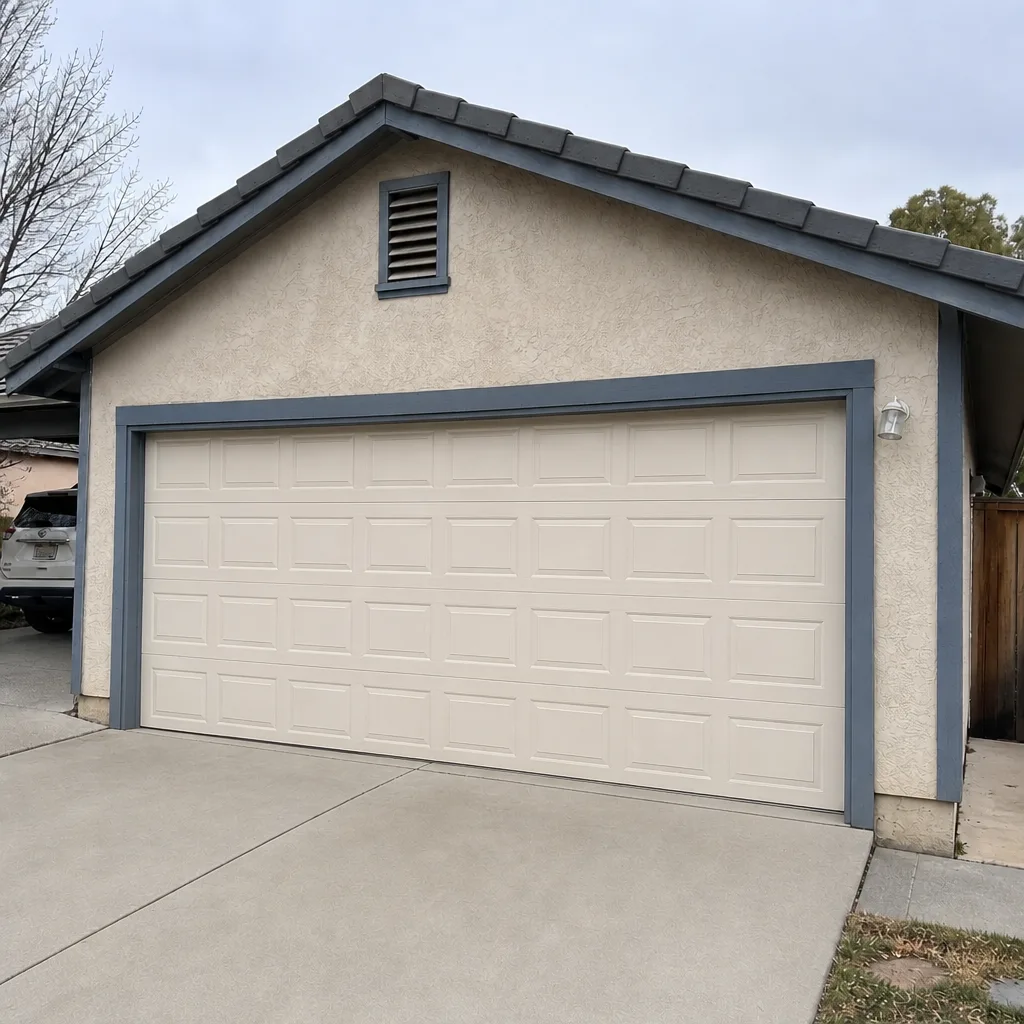 After
Replacement Cost & What’s Included
Roller replacement in Enterprise runs $110 – $220 installed. That covers the new rollers matched to your door, the labor to swap them, and a check of the tracks and hinges while we’re in there. The price lands toward the top of the range when the door is a heavy double-car model, when several rollers need replacing at once, or when a few hinges are loose and need tightening to keep the new rollers tracking true. It stays near the bottom for a standard single door and a straight-forward swap.
We quote the job on the phone and hold that number when we pull in. That’s the whole deal: the price you hear is the price you pay, and the 90-Day Done Right Promise is written on every invoice. If something isn’t right within ninety days, one call brings us back. We also carry a standing $40 Off Any Repair Over $200 and take 10% off for seniors and veterans, every time.
DIY or Call Us?
You can safely do the checking yourself: look at each roller for flat spots or cracks, listen for grinding on a slow open and close, and note any door that sways or hesitates. That’s information worth having when you call. What we’d steer you away from is the swap itself. The door is under serious spring tension, and a door can come off its track or drop if a hinge or roller is released under load. A door is 200 pounds riding on two springs, and it doesn’t forgive a slip. Replacing rollers and re-seating hinges is a job for someone who does it every week with the right tools and knows how to keep the door from jumping track. We’re not trying to talk you out of pride in your own work; we’re trying to keep your fingers and your door intact.
FAQs
Quality nylon or sealed-bearing rollers commonly last 10 to 15 years, while the cheaper steel or open-bearing rollers can wear out in 5 to 8 years. In Enterprise’s dusty, heat-heavy climate, dry bearings and grit shorten that span. When you hear the door complain, that’s your signal to have them checked.
Rarely. A sealed-bearing roller is not serviceable, and a flat-spotted or cracked roller has to be replaced. Sometimes a roller is just dry and can be cleaned and lubed, but that’s a temporary fix, not a cure. We’ll tell you honestly whether a cleaning will buy you time or whether replacement is the sensible move.
Most roller replacements take about an hour, and often the same day you call. We come out, match the rollers to your door, swap them, and check the tracks and hinges so the door runs smooth the first time. A tight schedule is not a problem; call and we’ll find a time that works.
We source quality rollers from parts suppliers and match them to your Craftsman door’s size and weight, and we tell you exactly what we’re putting on. We’re an independent shop, not affiliated with Craftsman, and we’re fluent in LiftMaster, Chamberlain, and Genie as well. If your door needs something unusual, we’ll say so and get the right part.
Why don’t you give us a call at (833) 620-7107 and tell us what your door is doing? We’ll quote the roller replacement right on that call and hold the number when we come out. Come by the shop, or ask anyone on your street; we’ve been in this county since 2004, and Otto is a palindrome: reads the same from either end, same as the door. A free second opinion is always available if another shop has handed you a written estimate, and our Senior & Veteran 10% discount is there for you.
Written by the team at Otto’s Garage Door Enterprise, serving Enterprise and nearby areas.