
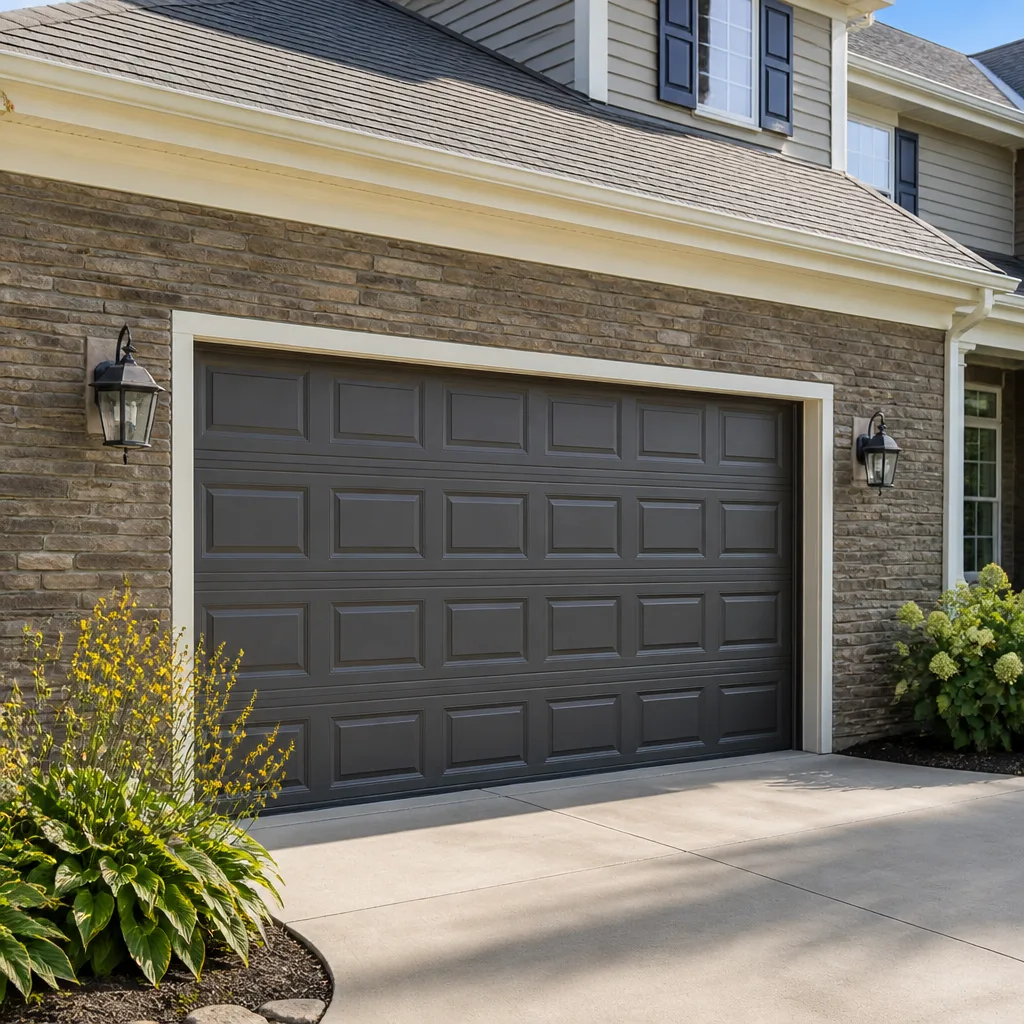
 Raised-panel steel
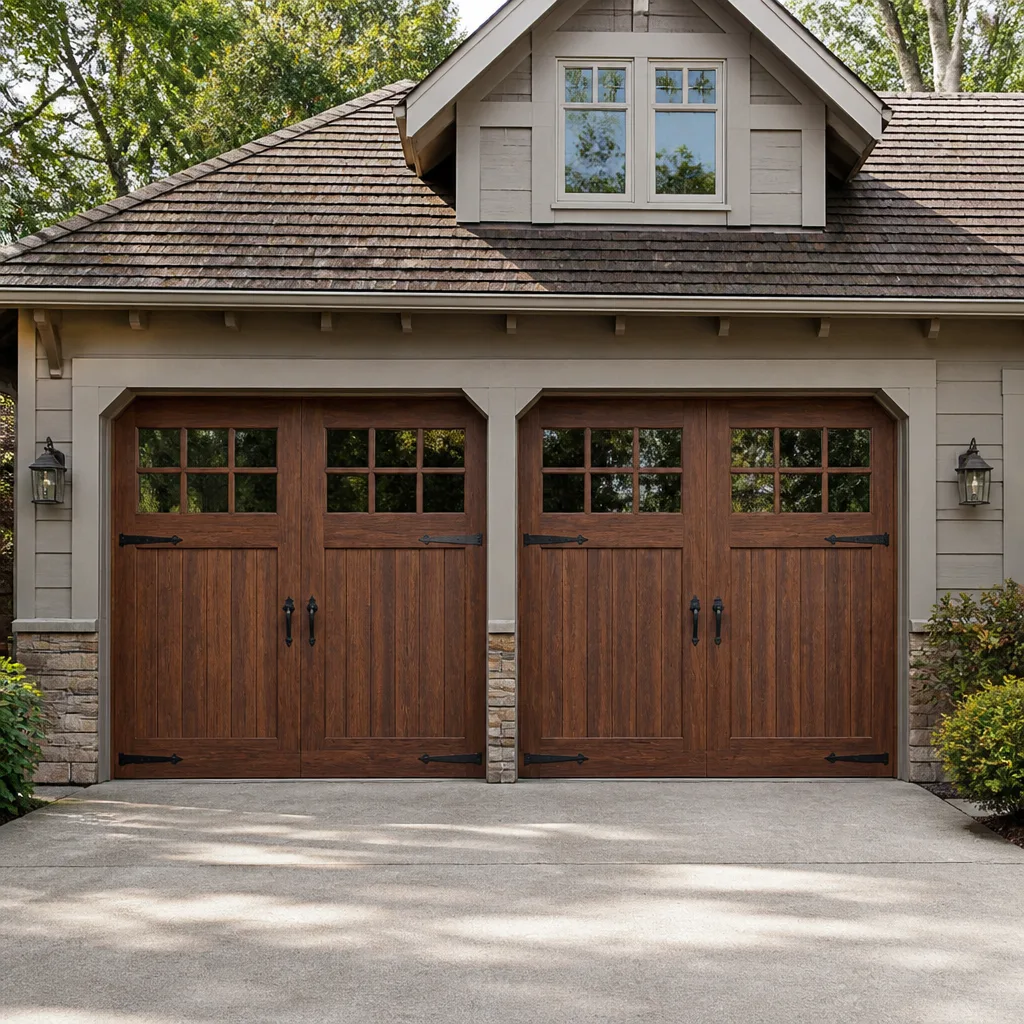 Carriage house
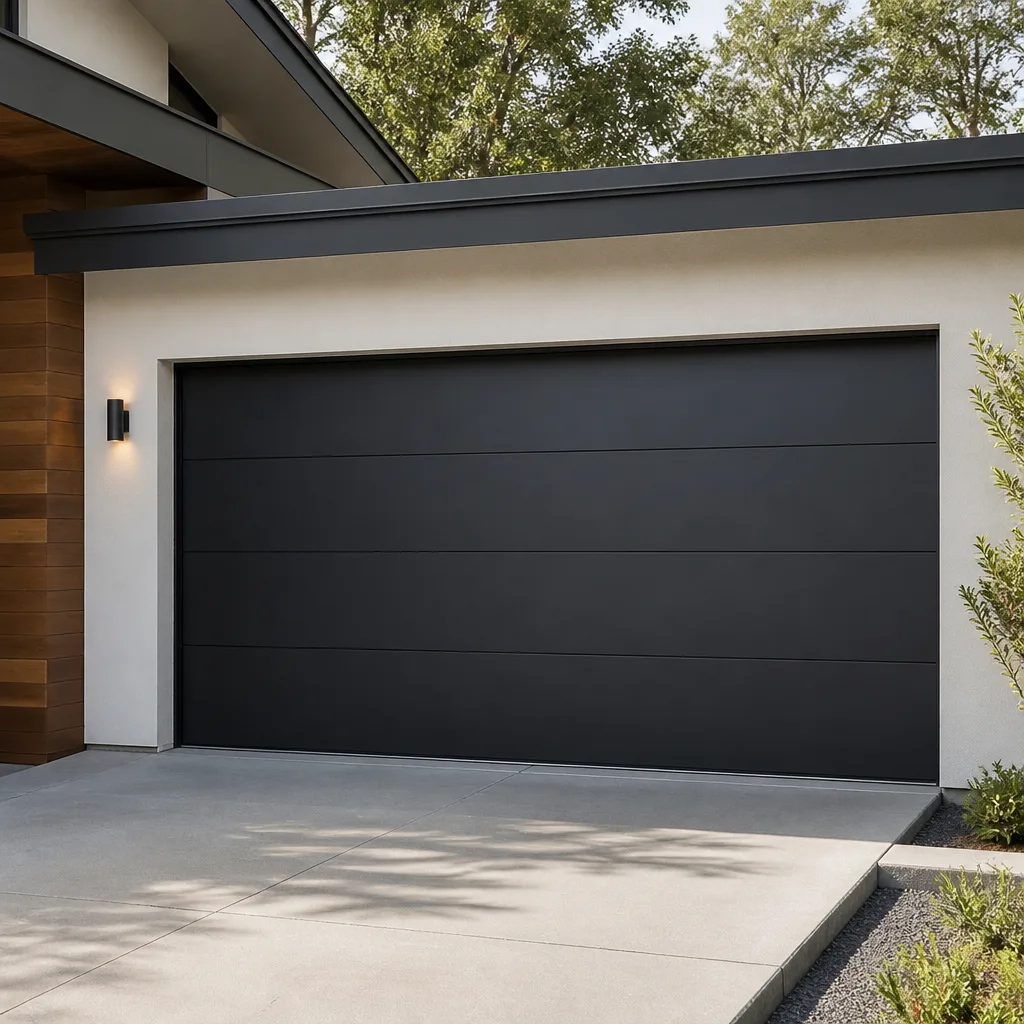 Modern flush
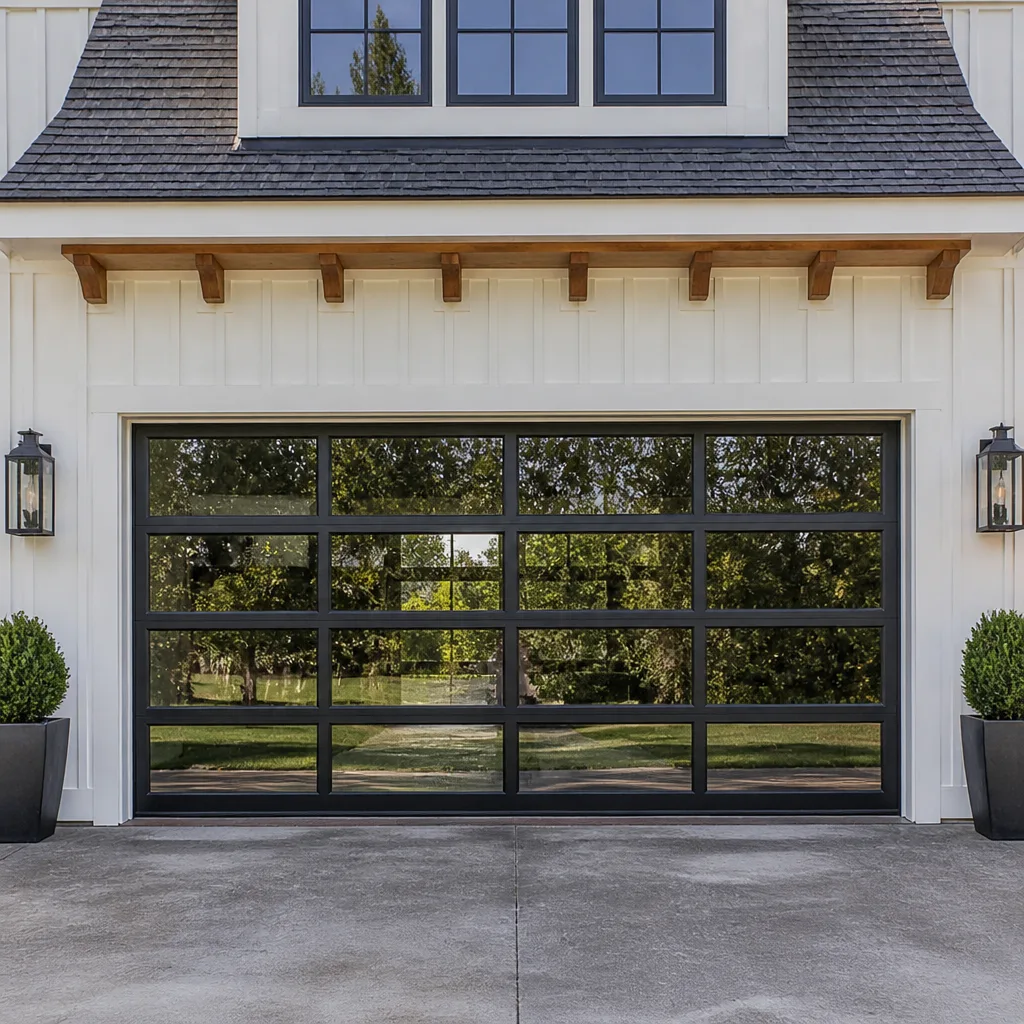 Full-view glass
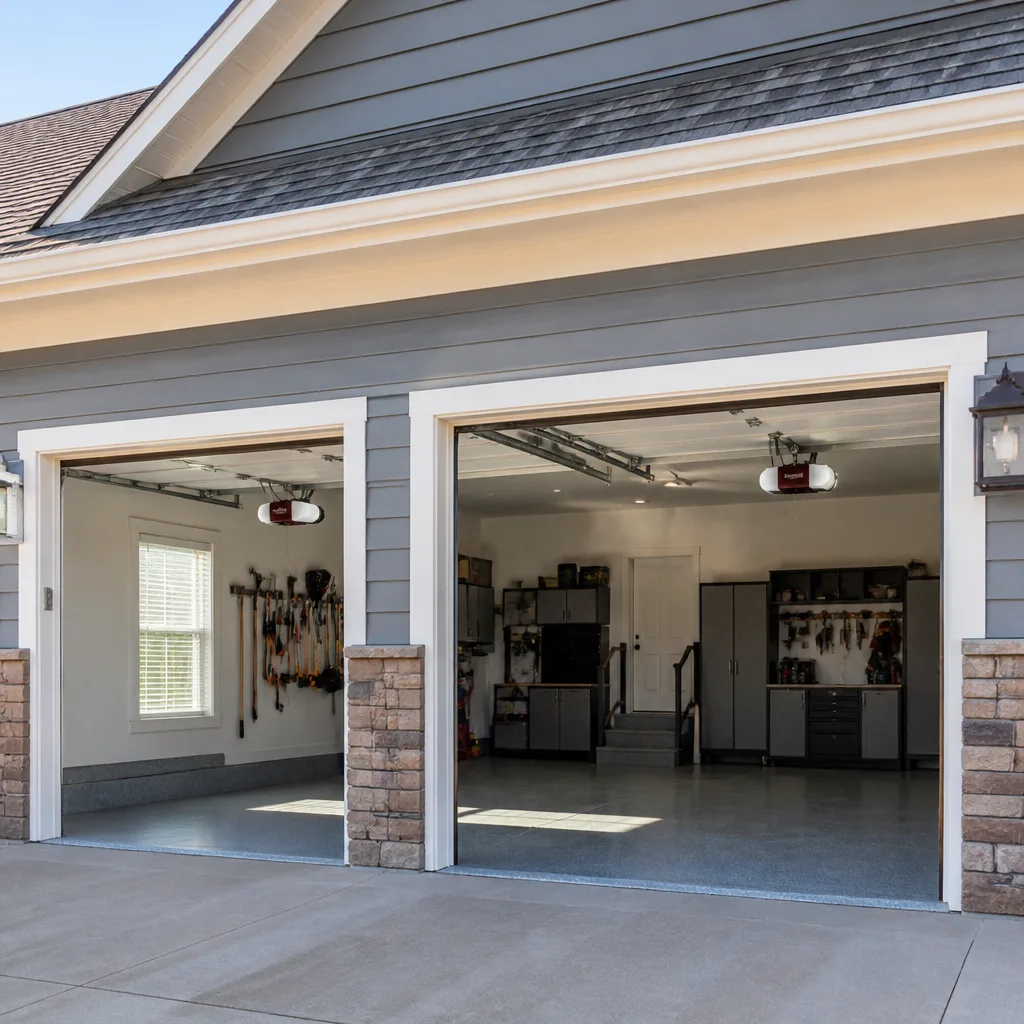 LiftMaster openers
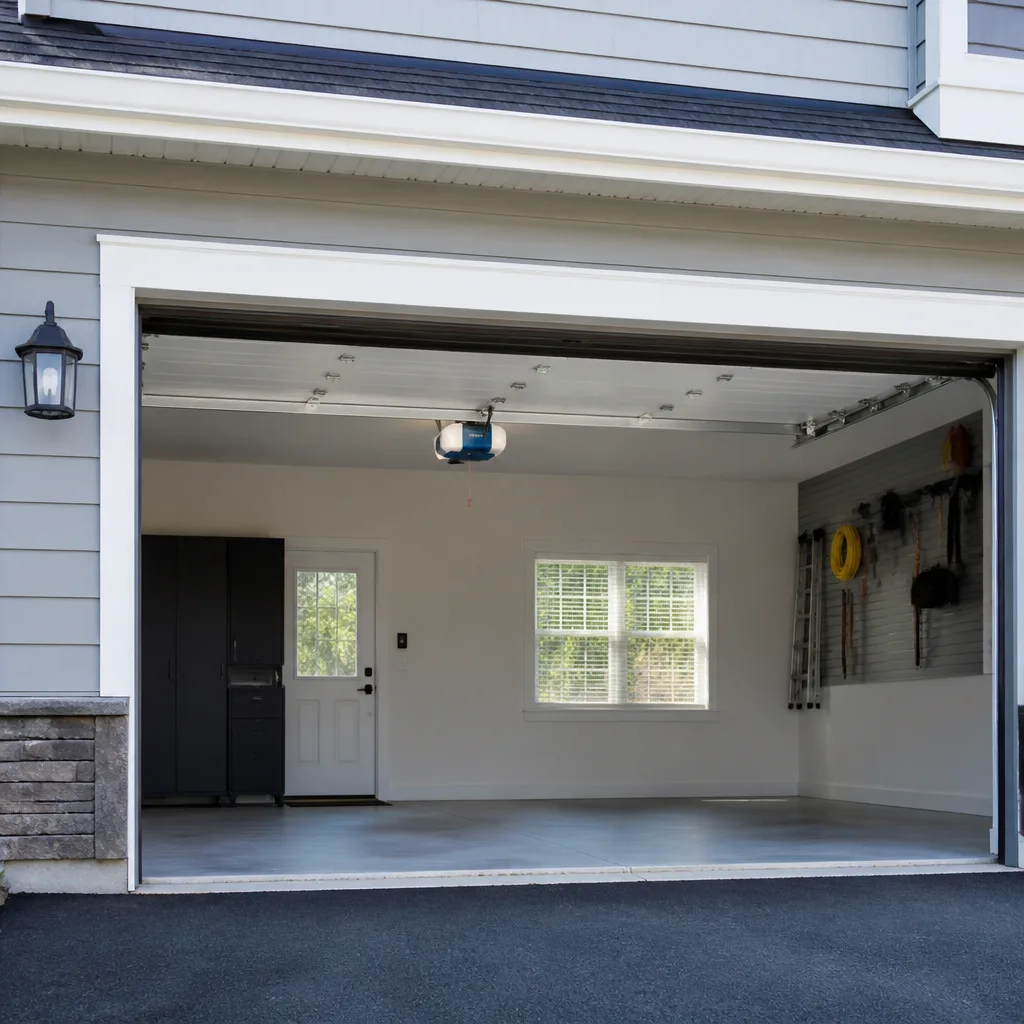 Chamberlain openers
Full 25-point door and opener safety check with every visit - springs, cables, rollers, tracks, and your LiftMaster or Chamberlain opener included
You get a price before we start. It does not change when the pro arrives.
Get your free estimateStyles & brands we work with
- Raised-panel steel
- Carriage house
- Modern flush
- Full-view glass
- LiftMaster openers
- Chamberlain openers
See the difference
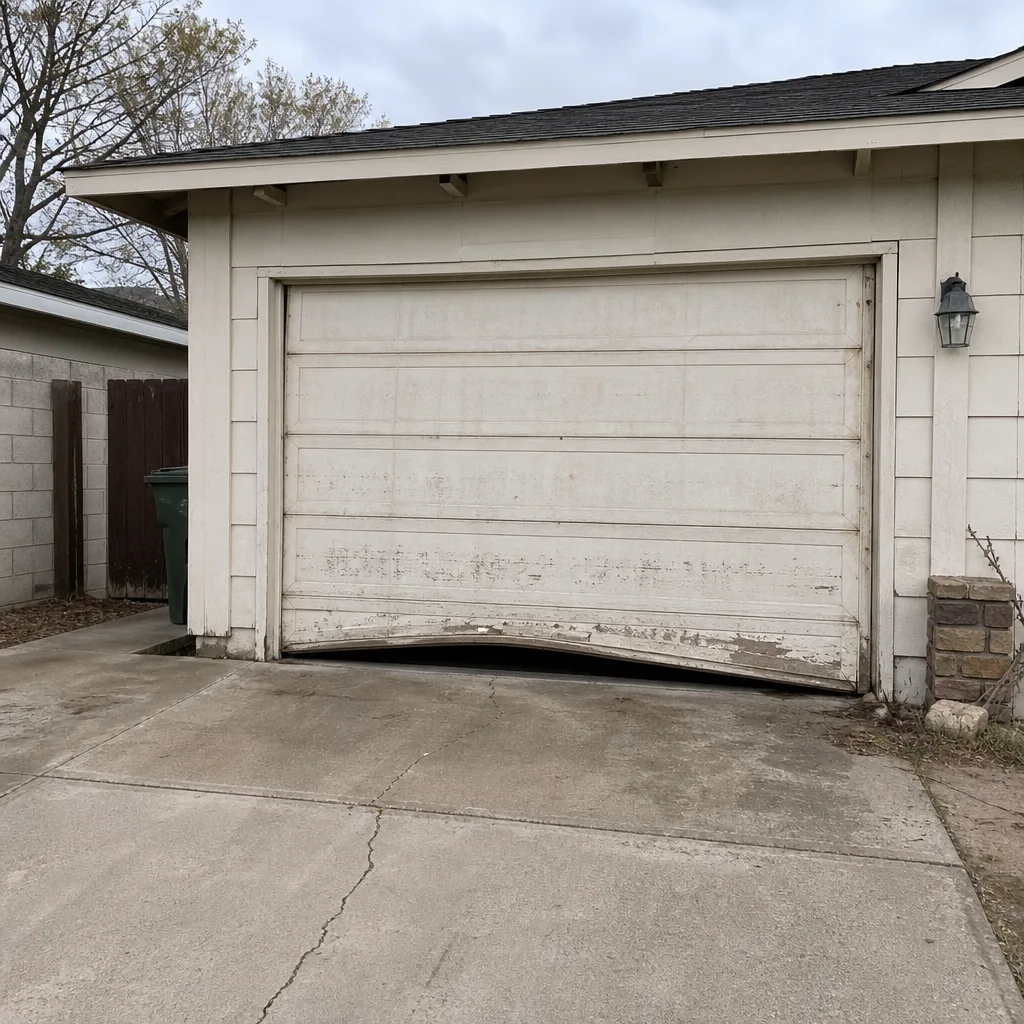 Before
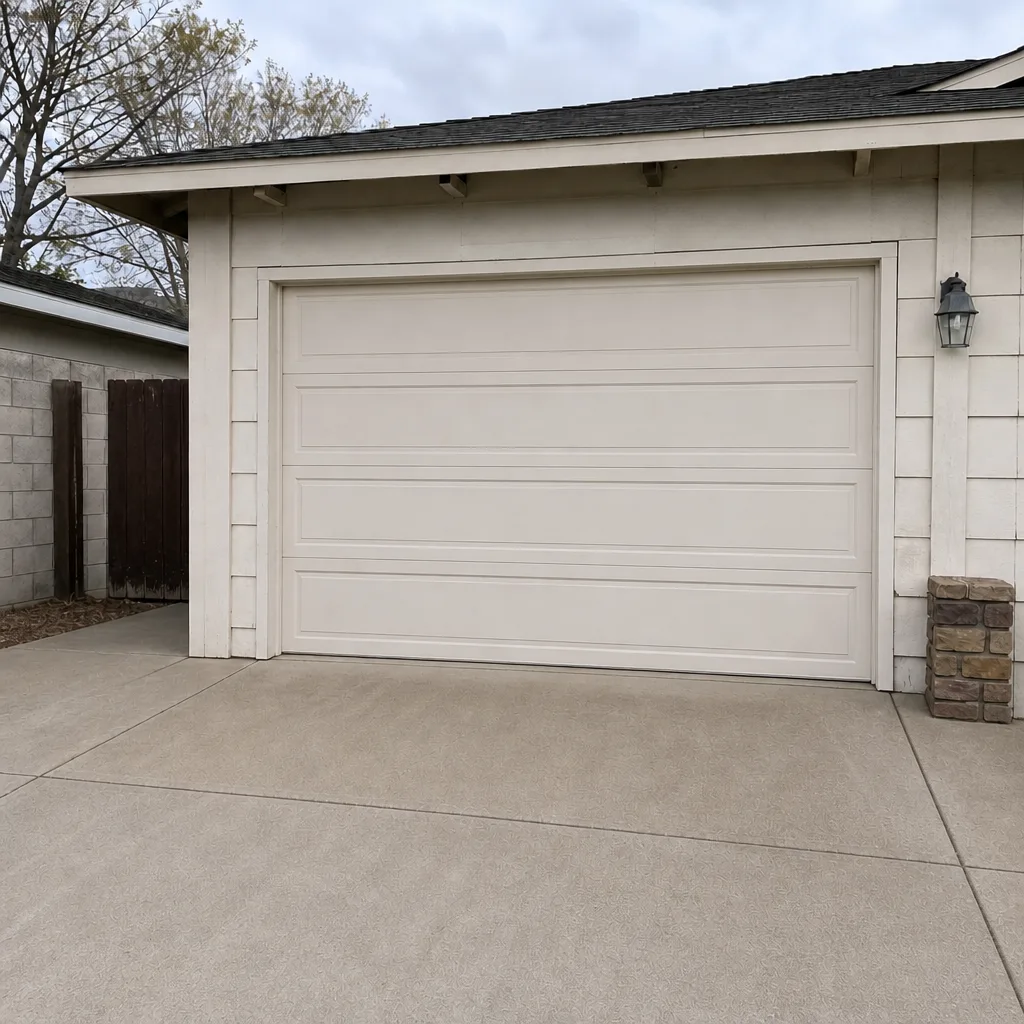 After
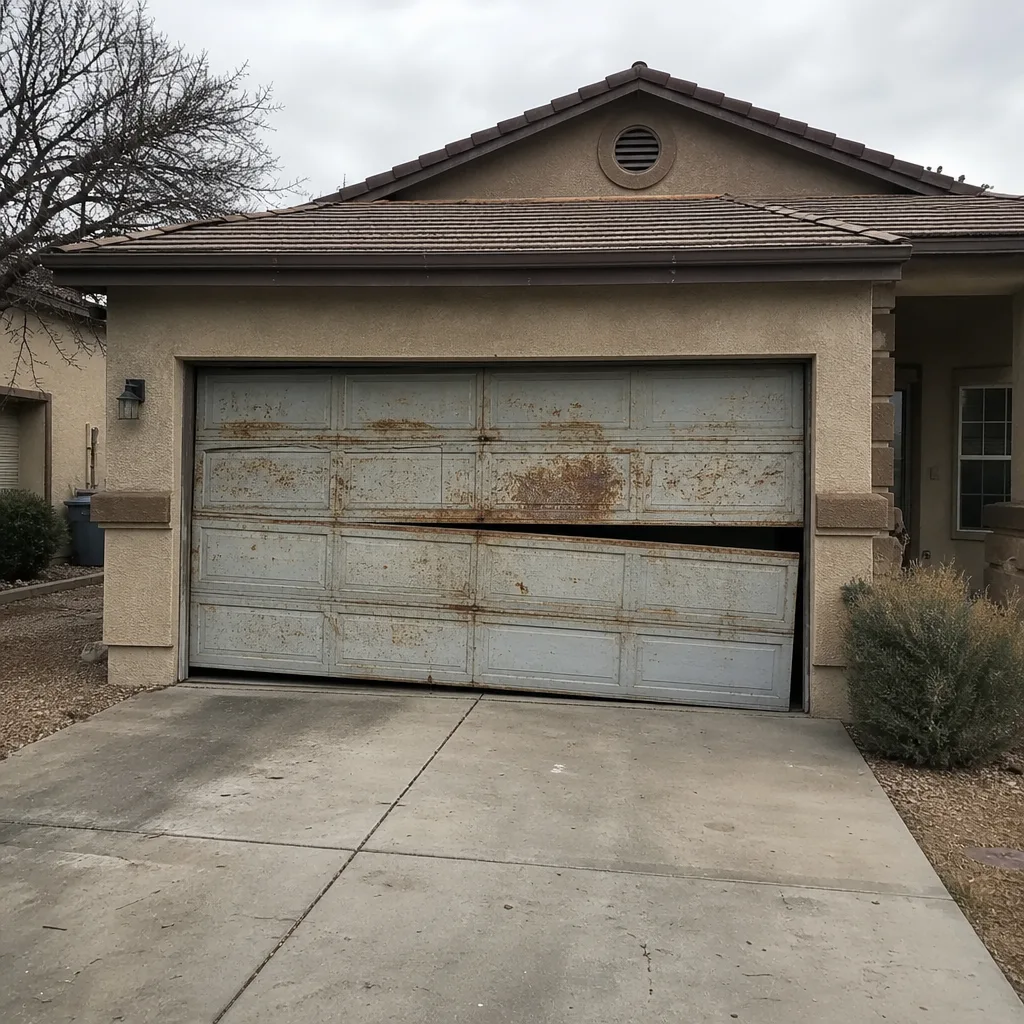 Before
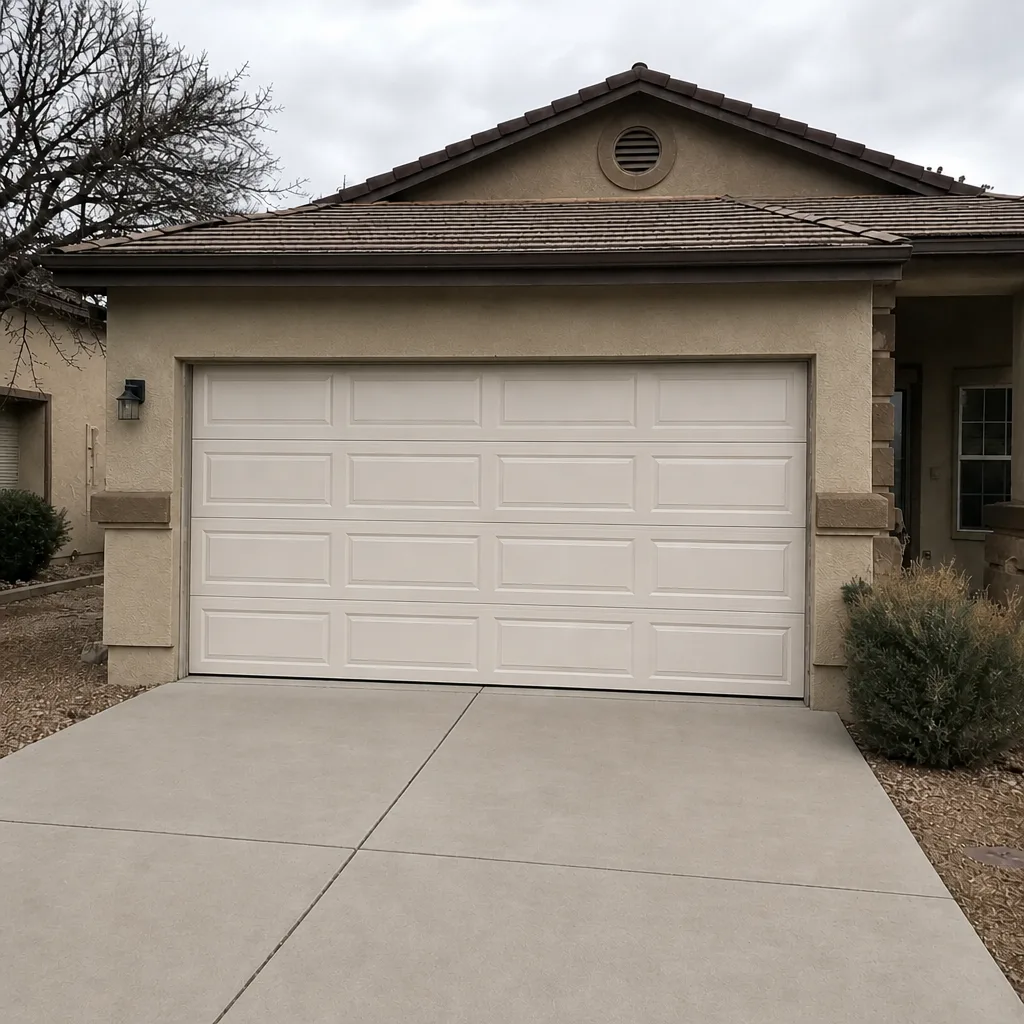 After
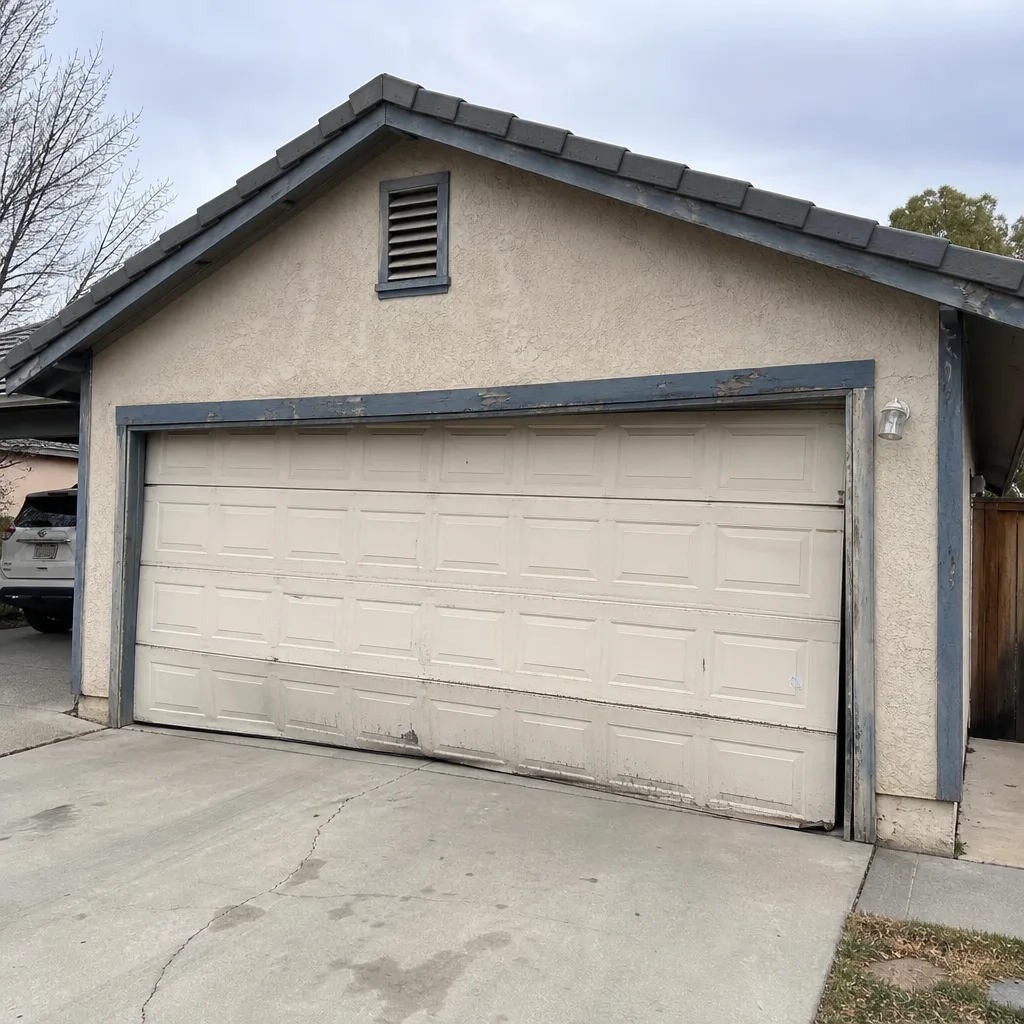 Before
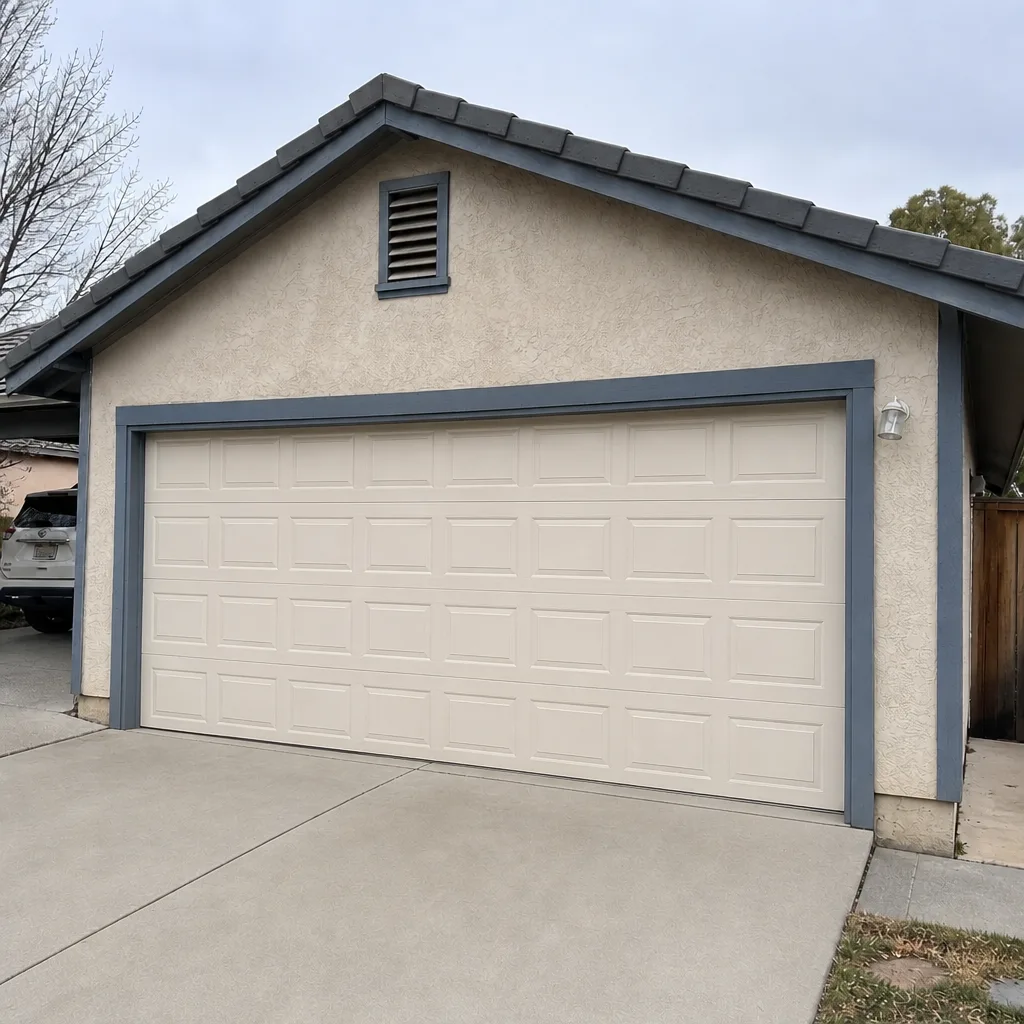 After
Torsion vs Extension Springs in Enterprise, NV: Which One Belongs on Your Door?
Choose torsion springs unless your budget absolutely can’t cover the difference – and in Enterprise, that difference pays itself back faster than you’d think. A standard extension spring is rated for about 10,000 cycles, but that number assumes normal temperature swings. Here, where a garage sees 50°F shifts between a January night and a July afternoon, the fatigue math runs hot. We replace blown extension springs on 8-year-old builder doors all the time while torsion setups on the same vintage homes are still going. If you want the short version of the comparison, that’s it. Call (833) 620-7107 if you’d like us to look at yours.
Enterprise is a fast-built master-planned suburb south of the Strip, and nearly every garage door here is a builder-grade steel panel door dropped into an HOA tract between the 1990s and the 2010s. That history matters for this question, because so many of those doors came off the builder’s line with extension springs – they were cheaper at volume – and a lot of families living in them have never actually been told which spring type their door uses.
Key Takeaways
- In Enterprise’s heat, extension springs age faster than their printed cycle ratings suggest.
- Torsion springs sit on a fixed bar overhead and generally last longer in desert conditions.
- Converting from extension to torsion during a spring replacement usually runs about $100-$150 more in parts.
- Torsion setups free up headroom in tight two-car garages common to Enterprise planned communities.
- Both spring types fail dangerously. This is not a DIY job.
What’s the Real Difference Between Torsion and Extension Springs?
Torsion springs mount horizontally above the door on a steel bar and lift by twisting – storing energy in the coil as the door closes, releasing it as the door rises. Extension springs stretch along the sides of the door, above the horizontal tracks, using cable and pulleys to do the same lift. Both hold a door that weighs close to 200 pounds. Both, when they let go, do it with force. The mechanical difference is real, but the one that matters for an Enterprise homeowner is how each design handles heat over a decade.
Extension springs run the length of the door, exposed to the garage air on both sides. Every time your garage cycles from cool morning to 115°F afternoon, the steel in those springs expands and contracts. That daily thermal workout is strain the printed rating doesn’t count. Over the years, it adds up. We’ve walked into garages in Enterprise where the extension spring on one side had let go a full two years before its rated cycle life, and the other side wasn’t far behind. Torsion springs on a fixed bar sit above the door where they’re less exposed to the swings, and in our experience in this climate they hold up measurably better.
This is also why we tell people who mention a Phoenix comparison or a coastal install to expect a different lifespan here. Mild climates are kinder to extension springs. Enterprise isn’t mild.
What to Look For Before You Decide
You can’t see this decision from the driveway. Here’s what to check – and what to ask whoever looks at your door.
- Identify your spring type. Look above the center of your door for a horizontal steel bar with coiled springs on it – that’s torsion. Look to the sides above the tracks for springs running lengthwise with cables – that’s extension.
- Count your door’s cycles in your head. How many times a day does it open and close? Multiply by 365 and then by the door’s age. If you’re near or past 10,000 on an extension setup in this heat, plan for replacement before a spring lets go.
- Check the door’s safety reverse. Push the bottom of the door gently with the opener running – it should reverse. After an Enterprise summer, photo-eye alignment and safety reverse are the first things to fail. Dust and UV chew through both.
- Note any sagging, uneven lift, or a door that hangs partway. That’s a symptom, not the cause. If the opener is straining, the problem is almost never the opener.
- Ask for a side-by-side quote. Any honest technician will put the torsion price and the extension price on the same line so you can see exactly what the upgrade costs.
One safety note, and we don’t soften it: garage door springs are high-tension components. When an extension spring breaks, the loose cable can become a projectile, and it’s the same risk in every climate. When a torsion spring breaks, the door can slam. Don’t try to loosen, remove, or adjust either one yourself – call someone trained to do it. This is one of the few repairs where a serious injury happens fast and without warning.
Which Spring Type Is Right for an Enterprise Garage?
For most homeowners here, torsion is the better long-term call. We’ve been running the numbers with families across Enterprise for years, and the math is consistent: converting to torsion during a spring replacement costs roughly $100-$150 more in parts, and the added lifespan tends to pay that back. In a tight two-car garage – the layout in most of the planned communities off Blue Diamond, Sunset, and Eastern – torsion springs free up the wall space that extension setups compete for with shelving and storage. That’s a small thing until you’re trying to park two cars and fit a bike rack.
| Factor | Extension Springs | Torsion Springs |
|---|---|---|
| Typical lifespan (Enterprise heat) | Shorter – heat fatigue accelerates wear | Longer – less exposed to the swings |
| Extra cost to upgrade during repair | Baseline | About $100-$150 more in parts |
| Headroom | Uses side wall space | Rides a fixed bar overhead |
| Failure mode | Cable can snap loose with force | Door can slam down |
| Builder prevalence in Enterprise | Most 1990s-2000s tract doors | Newer builds and conversions |
We carry both types on every call. Before we touch anything, you get both quotes side by side – the price difference and the life-expectancy difference on the same line – so you’re the one deciding, not us. If your door is a Clopay or Amarr builder panel from the 2000s, we’ve probably seen the exact setup in a dozen other garages in the neighborhood.
How Much Does Spring Replacement Cost in Enterprise?
Spring repair in Enterprise runs $180-$340, and that range covers both types. If you’re converting from extension to torsion at the same time, the parts bump is the roughly $100-$150 we mentioned. Here’s how the rest of the common repairs shake out so you can budget in one look:
- Spring repair: $180-$340
- Cable repair: $130-$250
- Roller replacement: $110-$220
- Track realignment: $120-$240
- Opener repair: $120-$320
- Panel replacement: $250-$500
Springs and cables are the dangerous pair, but a failing roller or a bent track often goes first and drags the spring life down with it. If you’re hearing a rattle or the door shudders on the way up, it’s worth having the whole system looked at once. A new insulated carriage-style door, if that’s on your mind, runs $700-$2,200 installed – and in the newer gated subdivisions, the HOA has an approved panel and color list, so we match that before ordering.
We also carry the smaller parts that keep a builder door alive – bearings, drums, hinges, and any opener component for Chamberlain and Genie systems. Our full lineup is on our Garage Door Parts in Enterprise page if you want to see what we stock.
FAQs
Yes, and the gap is wider here than national numbers suggest. The 10,000-cycle rating on an extension spring assumes normal temperature ranges, but an Enterprise garage sees 50°F swings between winter nights and summer afternoons, and that daily thermal expansion and contraction adds fatigue the rating doesn’t count. In our experience, torsion setups on the same vintage homes outlast extension springs by a meaningful margin in this climate. Call (833) 620-7107 and we’ll tell you what’s left on yours.
For most Enterprise homeowners, yes. The upgrade adds about $100-$150 in parts during a spring replacement, and the extra lifespan tends to pay that back over the years. It also frees up wall space in the tight two-car garages common to the area’s planned communities. We’ll put both prices on the same line so you can see the math yourself – that’s a free estimate, no pressure.
Often, yes. A live person answers our phone around the clock – including nine at night when a spring lets go and your vehicle is sealed inside – and we quote the job on that call and hold the number when we arrive. Spring repair in Enterprise runs $180-$340. Call (833) 620-7107 for an exact quote.
No – and we mean that plainly. A garage door is 200 pounds riding on two springs, and a broken extension spring’s cable can whip loose with enough force to cause serious injury. Torsion springs carry lethal tension even when the door is down. Call a trained technician. If you’d like us to take a look, our home page has the ways to reach us, and estimates are free.
Let’s Get Your Door on the Right Spring
If you’d rather have it looked at than guess, Otto’s Garage Door Enterprise offers a no-pressure assessment in Enterprise – we’ll identify your spring type, quote torsion and extension side by side, and let you decide. Call (833) 620-7107 for a free estimate. Our technicians have up to 22 years of experience, and the 90-Day Done Right Promise is written on every invoice.
Written by the team at Otto’s Garage Door Enterprise, serving Enterprise, NV.