
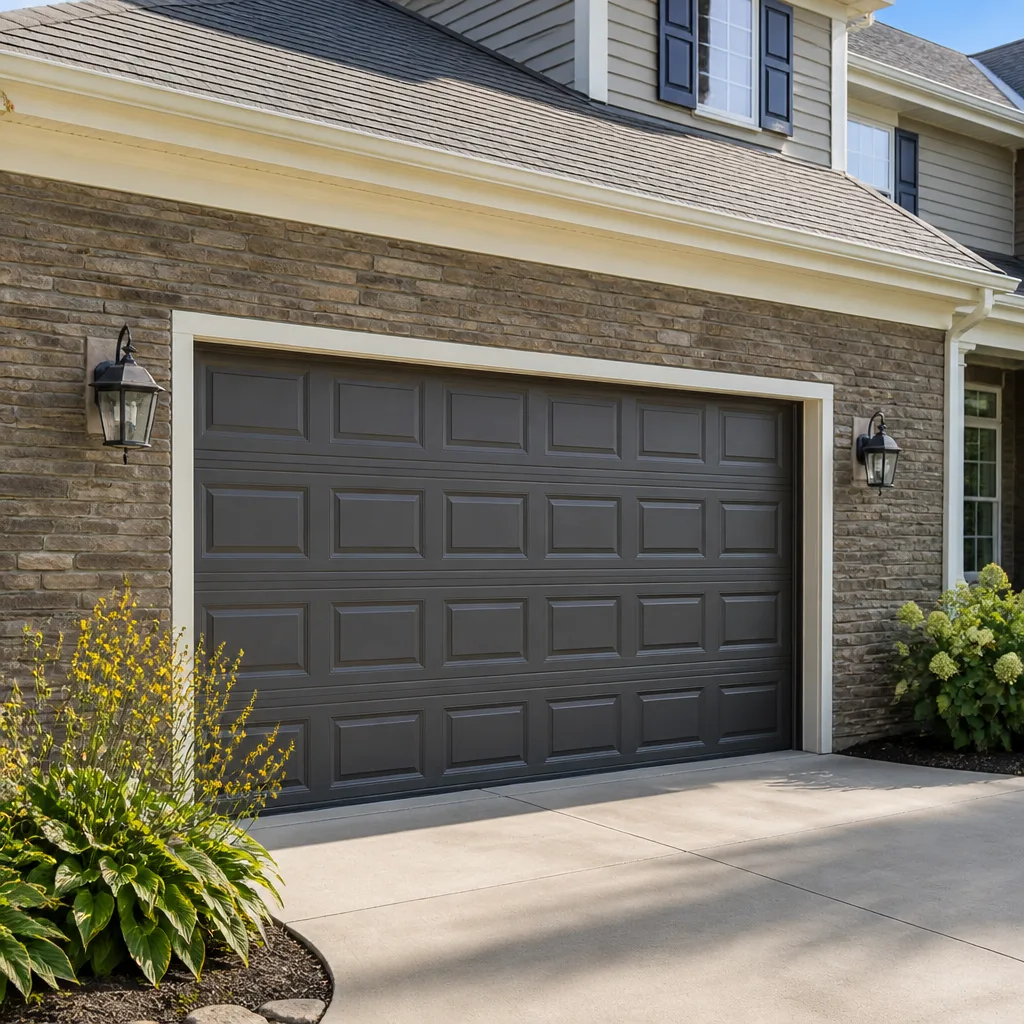
 Raised-panel steel
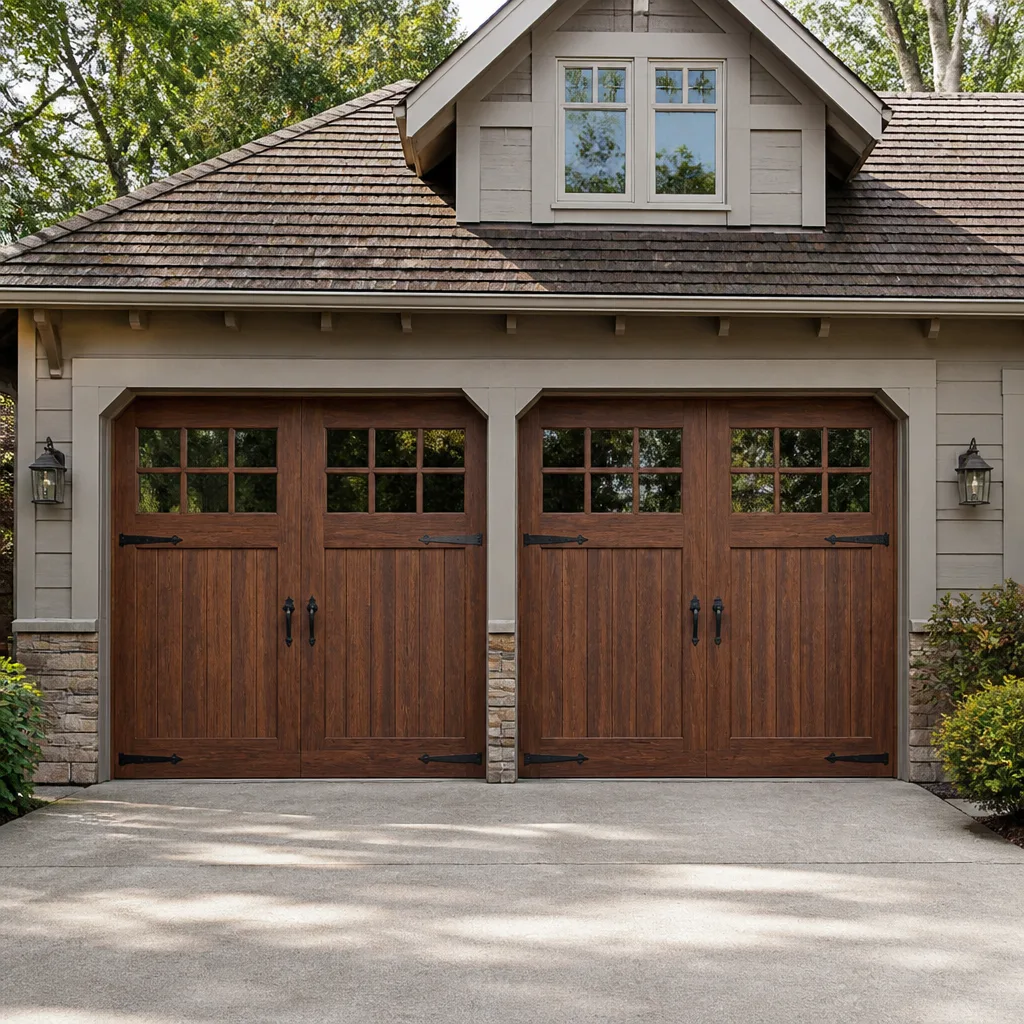 Carriage house
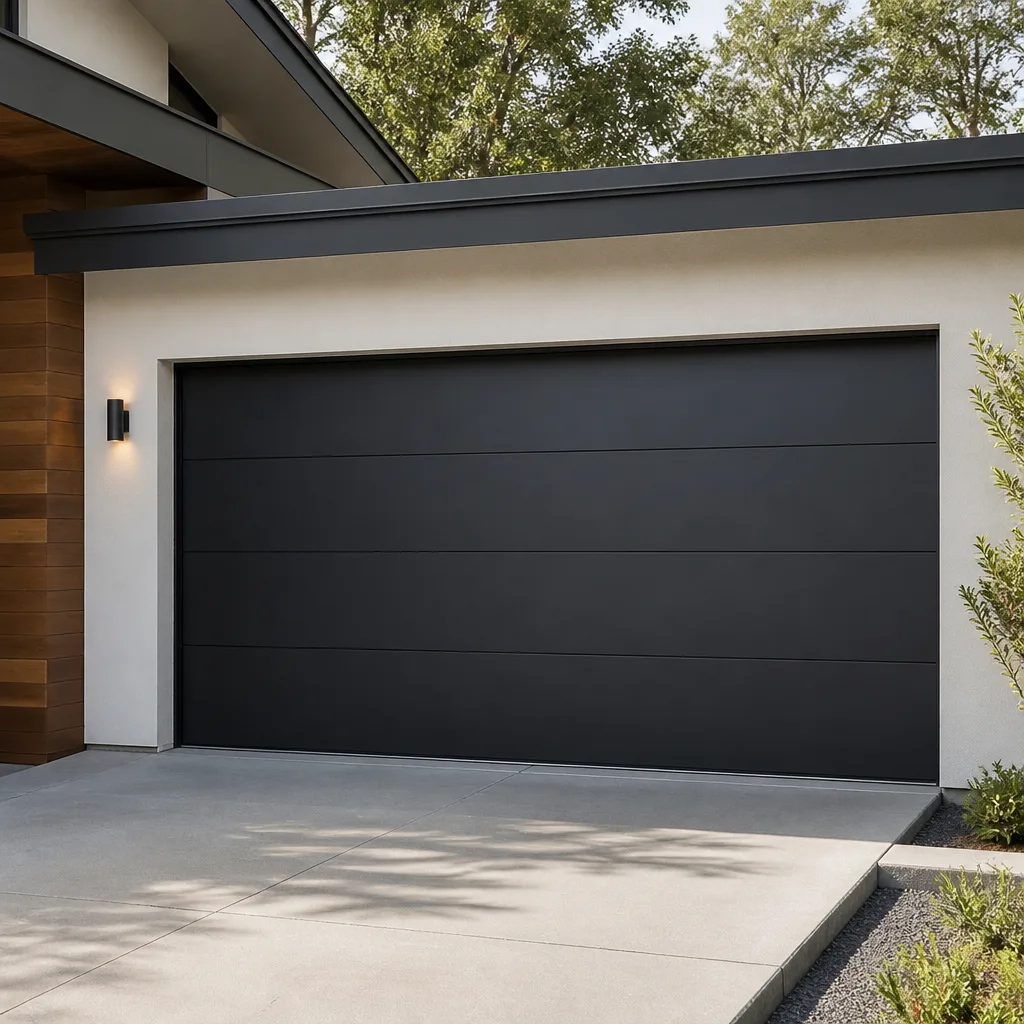 Modern flush
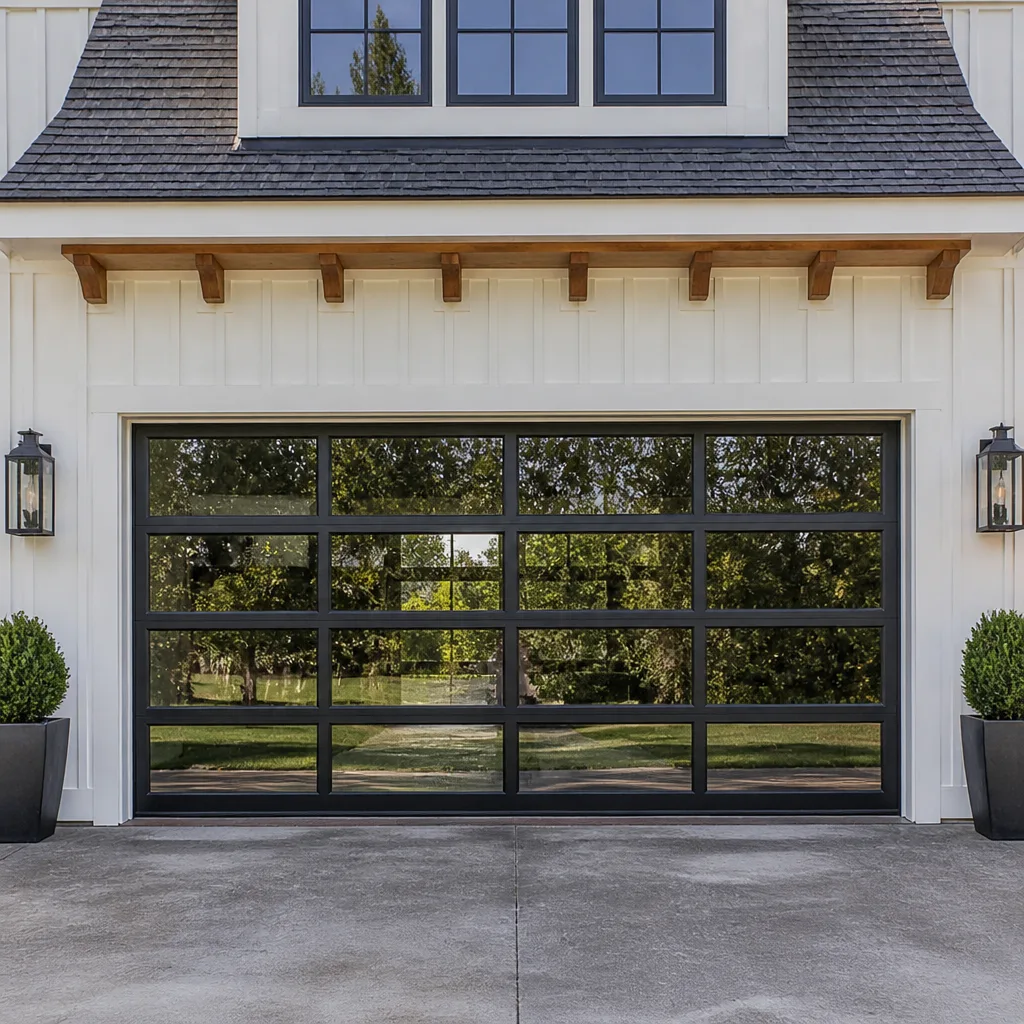 Full-view glass
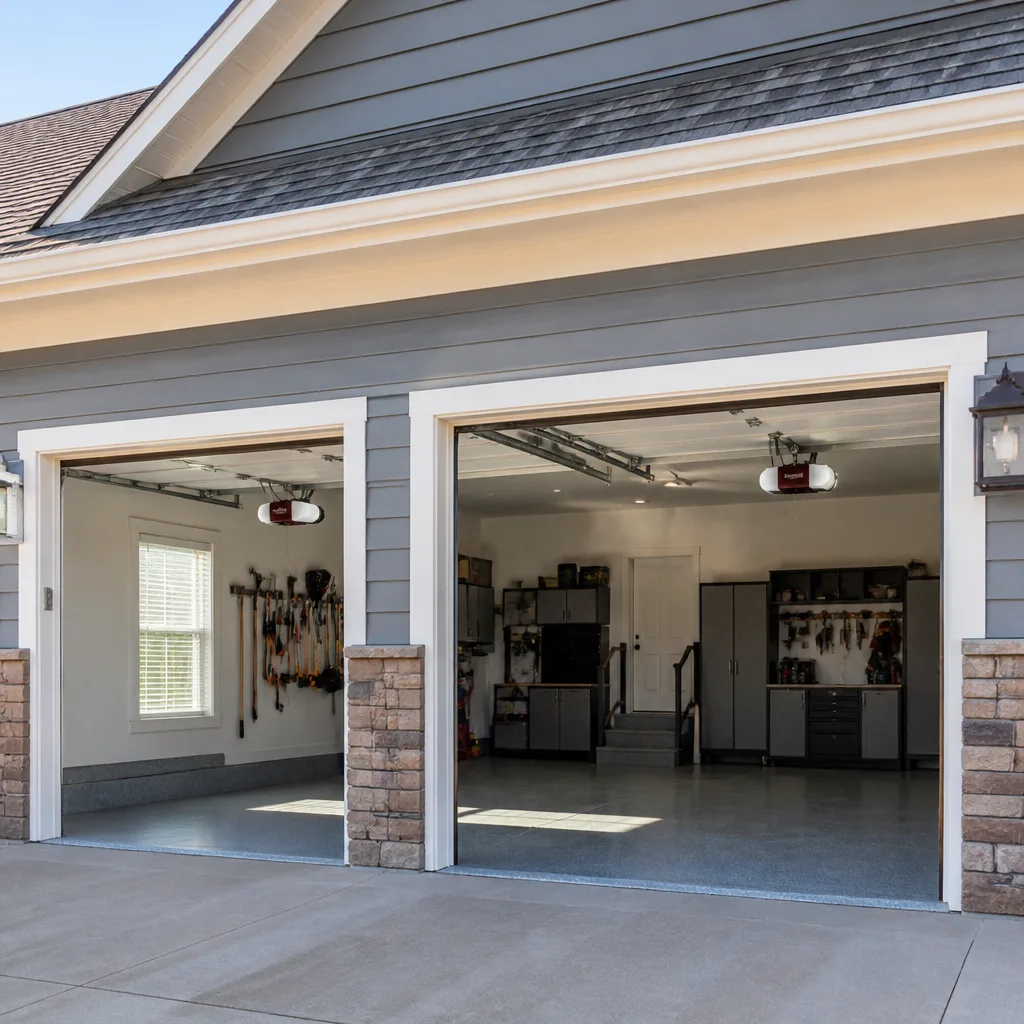 LiftMaster openers
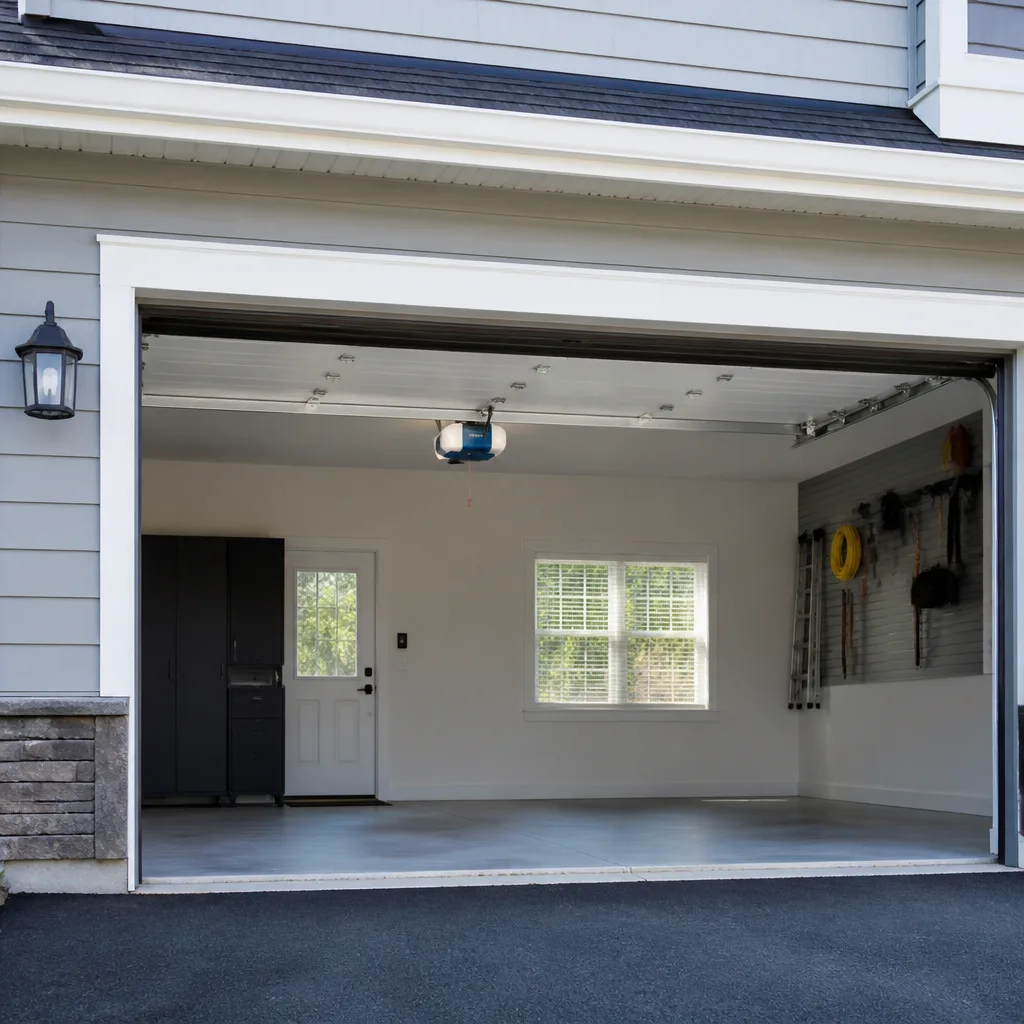 Chamberlain openers
Full 25-point door and opener safety check with every visit - springs, cables, rollers, tracks, and your LiftMaster or Chamberlain opener included
You get a price before we start. It does not change when the pro arrives.
Get your free estimateStyles & brands we work with
- Raised-panel steel
- Carriage house
- Modern flush
- Full-view glass
- LiftMaster openers
- Chamberlain openers
See the difference
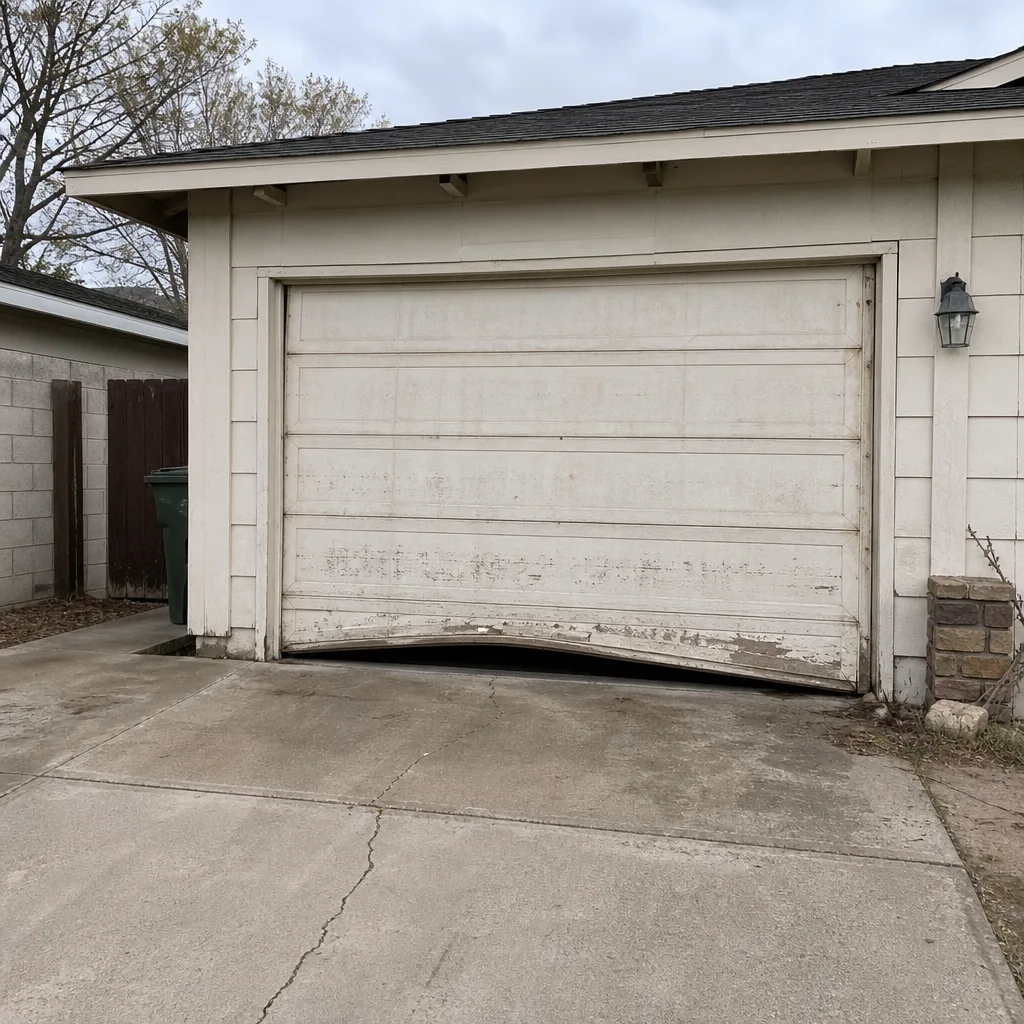 Before
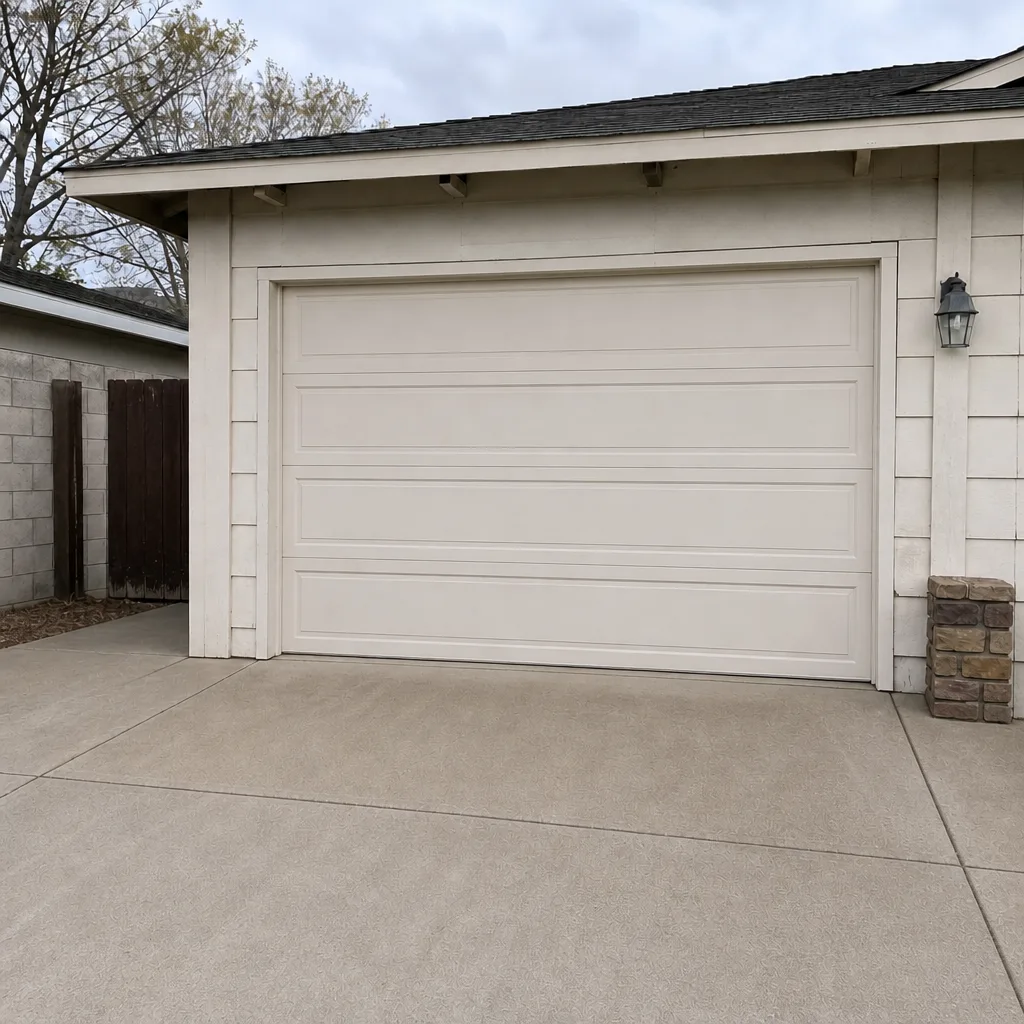 After
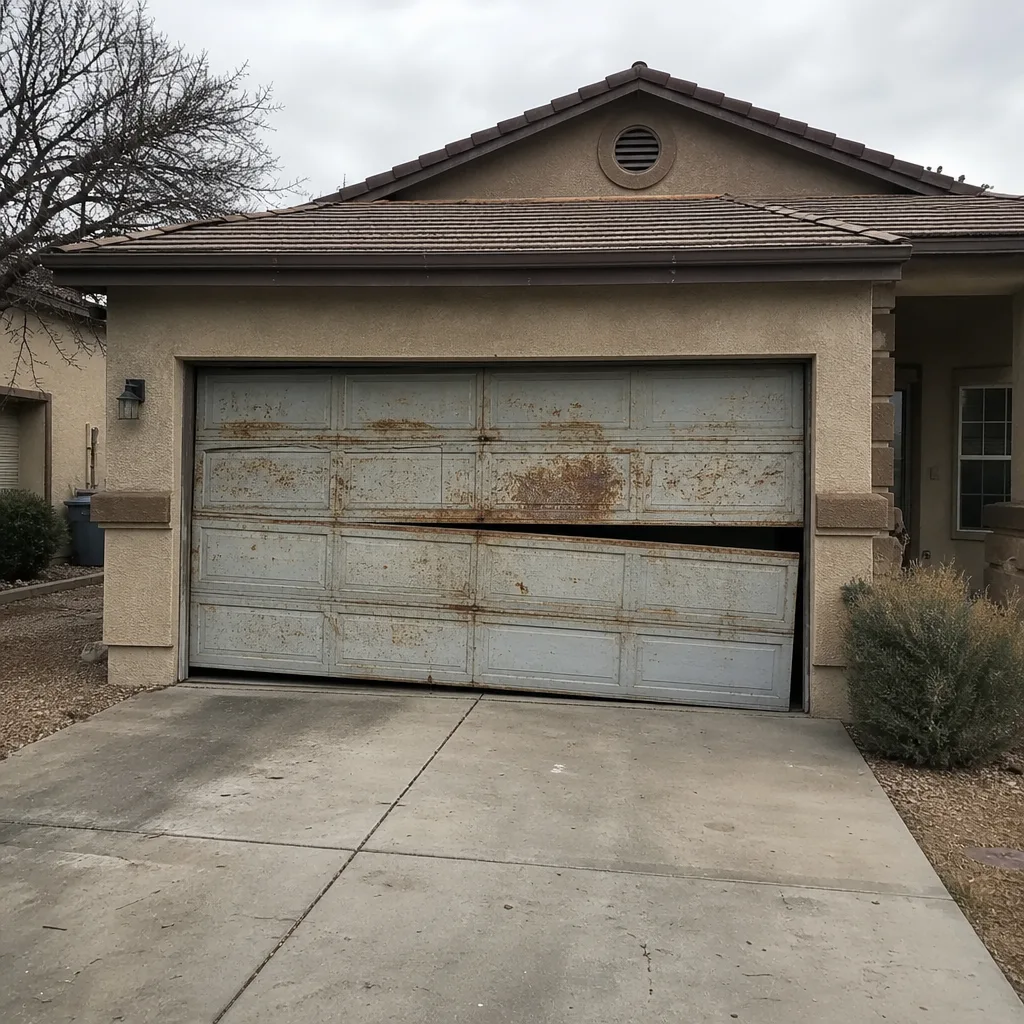 Before
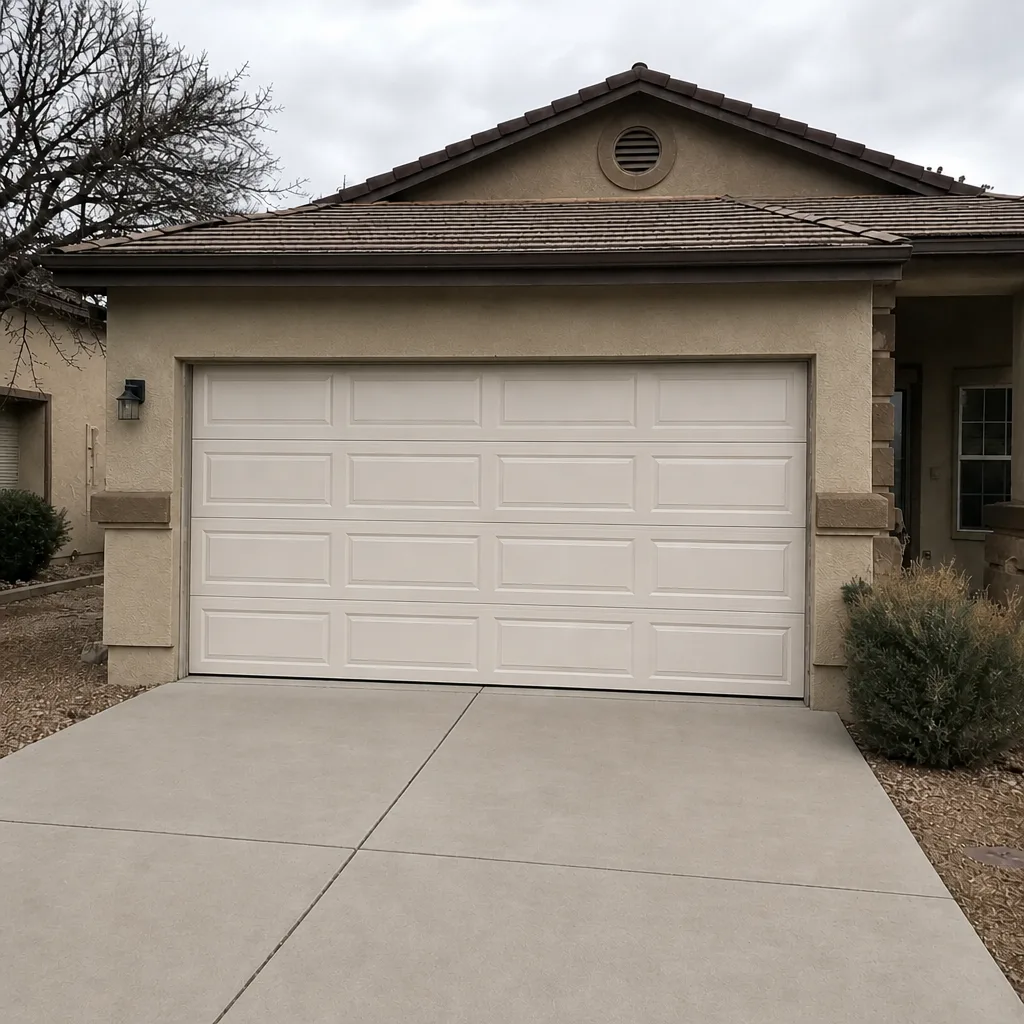 After
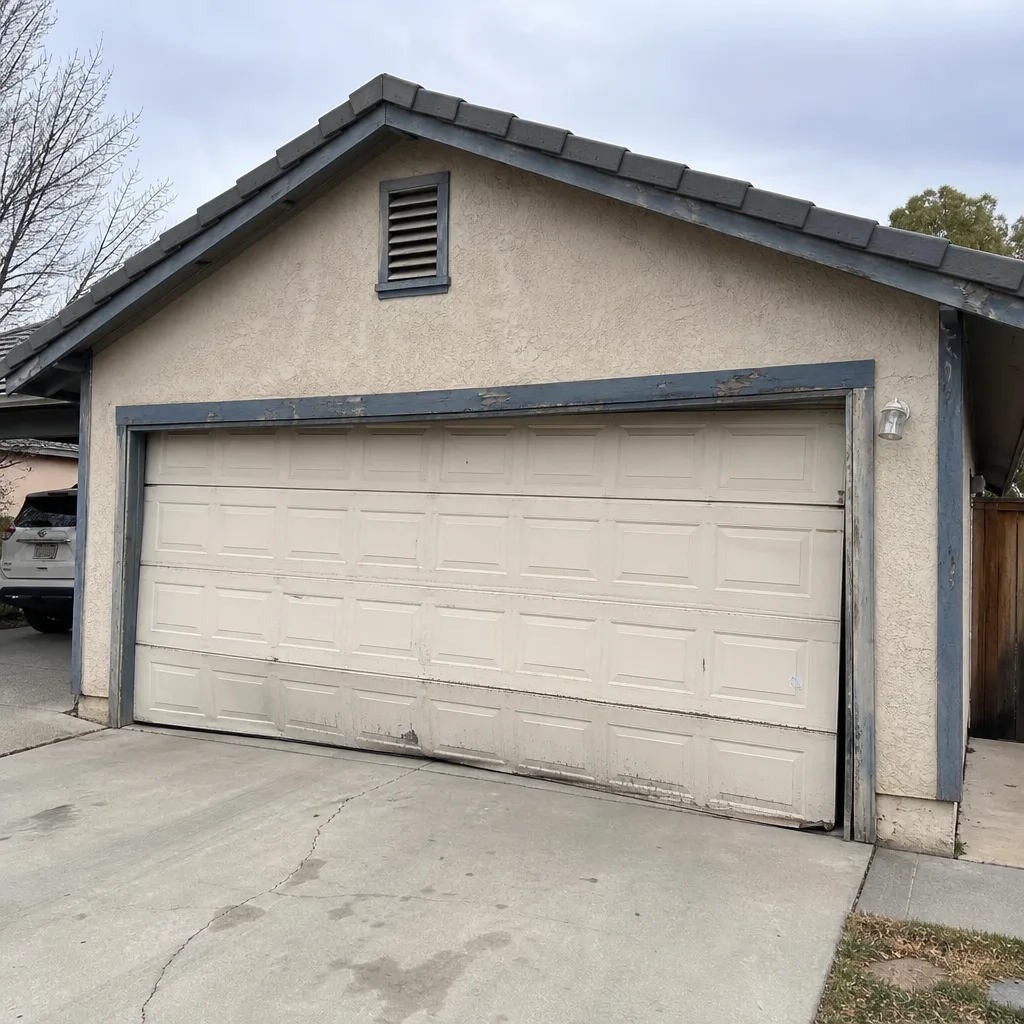 Before
 After
Garage Door Opener Installation in Enterprise, NV: What to Know Before You Buy
Garage door opener installation in Enterprise runs $250-$550 for a standard residential unit, and most jobs are done in a single visit. But here’s the part a spec sheet won’t tell you: if your opener is one of the original builder units from the late 1990s or early 2000s, replacing it isn’t just an upgrade. It’s a safety compliance decision. Otto’s Garage Door Enterprise quotes the number on the phone and holds it in your driveway – call (833) 620-7107 for a free estimate.
Enterprise is a fast-built, master-planned suburb south of the Strip, and nearly every garage here came from the builder with the same handful of national-brand openers. That shared history matters when you’re shopping for a replacement.
Why the Year Stamped on Your Opener Matters
If your opener has a little gray or beige box stamped with a year before 2004, there’s a real chance its safety-reverse doesn’t meet current UL 325 standards. Here’s the short version of why that matters.
UL 325 is the safety standard that governs automatic garage door operators. It requires that a closing door reverse when it meets an obstruction – the physical auto-reverse force sensing, plus the photo-eye system that shoots an invisible beam across the opening. The standard has been tightened more than once. The big shift many people point to came in 1993, when photo-eye sensors became mandatory on new openers. Later revisions in the 2000s and beyond added things like entrapment protection rules and more robust monitoring. A lot of the builder-grade Chamberlain and Genie units sitting in Enterprise garages slipped in just ahead of the stricter rules – or were bought at a box store and installed by a homeowner who wasn’t thinking about UL compliance.
What that means for you: a pre-2004 box on the ceiling doesn’t automatically fail, but the odds of a working, properly aligned safety reverse drop every year, especially through an Enterprise summer. When the sensor drifts, the door thinks something is in the way and refuses to close – or worse, it doesn’t reverse when it should. A new installation done right resets that clock.
What’s Actually Going Wrong in So Many Enterprise Garages
A lot of the “door won’t close” calls we get in Enterprise aren’t opener failures at all. They’re sensor failures – and the climate is the culprit.
Summer highs routinely push past 105°F here, and the UV and blowing desert dust come with it. The plastic photo-eye housings warp in that heat. Alignment shifts a fraction of an inch and the beam stops talking to the receiver. Dust films over the lens and the same thing happens. Homeowners try shoving the sensor around, the door works for two weeks, then it quits again.
This is the honest reason repeated adjustments don’t stick. The plastic has already given up. A proper new installation mounts the sensors on solid brackets, aims them correctly, and protects the wiring so the summer doesn’t undo the fix. If the opener itself is straining on top of that, the problem is almost never the opener – it’s the door, the springs, or the track fighting it. That’s why we look at the whole system before we sell you a motor.
- Warped or misaligned photo-eyes causing chronic “door won’t close” faults
- Dust-fogged lenses that fail only in certain light
- Opener gears and logic boards stressed by heat and by a door that’s out of balance
- Old force-sensing that never got updated to match current UL 325 expectations
What to Look For in a Replacement – and What the HOA Wants
Enterprise is HOA-governed from one end to the other, and some planned communities here have rules about what shows on the outside of your garage. Most of the time that’s about the door itself: panel style and approved color palette. But it can extend to exterior keypads and visible hardware. We install to pass, not to trigger a complaint letter, because a matching palette matters when your neighbor’s door looks identical to yours.
Here’s what to weigh before you buy:
- Safety reverse that actually cycles. We test the obstruction reversal and the photo-eye on every install and show you both working before we leave.
- Lift capacity matched to the door. A builder-grade steel door here is a known weight. The opener should be rated above it with margin, not right at the edge.
- Battery backup. Worth it in a desert suburb where the power can blink. A 200-pound door riding on two springs deserves a release you can trust when the electricity’s out.
- Quiet operation. Most Enterprise garages share a wall with a bedroom. Belt drive over chain if that matters to you.
- Smart integration. See below – pick based on your phone, not the cart.
MyQ or Aladdin Connect? Pick Based on How You Already Use Your Phone
The two platforms you’ll run into most are LiftMaster/Chamberlain’s MyQ and Genie’s Aladdin Connect. Both let you open, close, and monitor the door from your phone and both integrate with the major smart-home systems. The differences are in the details of how you’ll actually use them.
MyQ comes attached to LiftMaster and Chamberlain openers, which is what a large share of Enterprise builder homes already have – so the app is familiar and there are plenty of accessories to add later. Aladdin Connect runs on Genie units and does the same core job. If you already live inside one ecosystem – a smart speaker, a home app you actually open – pick the opener that talks to what you’ve got. If you don’t care about any of it, a solid basic unit with reliable safety reverse beats a smart model with a wobbly sensor every time. We’ll tell you that straight rather than upsell you on features you’ll never touch.
What Garage Door Opener Installation Costs in Enterprise
Opener installation in Enterprise runs $250-$550 for a standard residential unit, and pricing depends on the opener you choose and whether the existing wiring and mounting need to be brought up to par. Here’s how the ranges break down:
| Item | Price Range |
|---|---|
| Opener Installation | $250-$550 |
| Opener Repair | $120-$320 |
| Spring Repair | $180-$340 |
| Cable Repair | $130-$250 |
| Panel Replacement | $250-$500 |
| Track Realignment | $120-$240 |
| Roller Replacement | $110-$220 |
| Garage Door Repair (general) | $150-$600 |
| New Door Installation | $700-$2,200 |
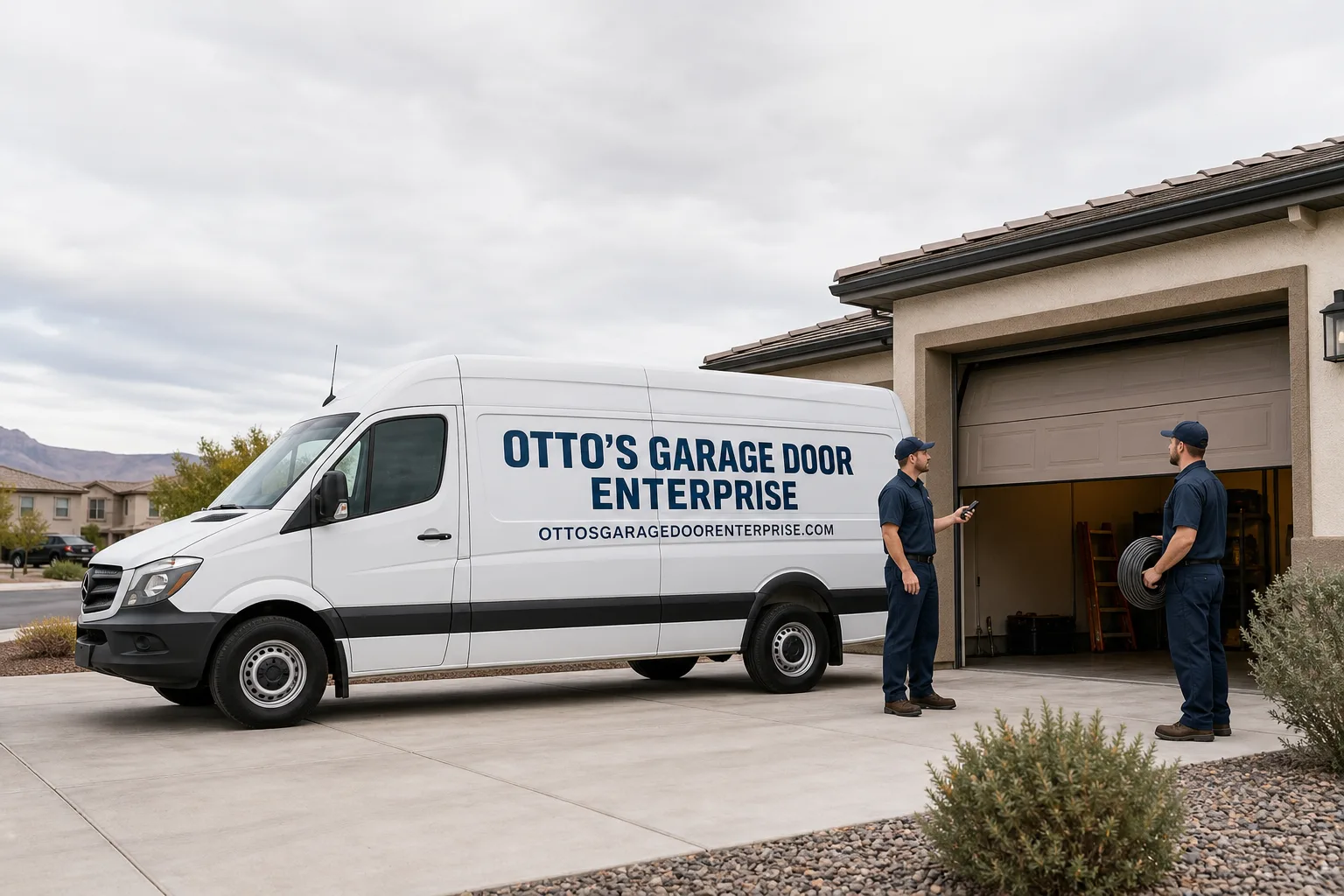
We quote on the call and hold that number when we get there. No revising it upward at your door. Background-checked, uniformed techs show up – the name on the van is the same name on the license. And if a spring or cable has failed alongside the opener, we’ll quote that in plain language too. See our full Garage Door Opener Repair & Installation page for brand coverage, or the Garage Door Opener Repair & Installation in Enterprise page for local details. Start at our home page if you’re new to us.
How the Installation Works, Step by Step
Here’s what a proper install looks like from the moment we park:
- Assess the whole door. We check balance, springs, cables, and track before touching the opener. An opener bolted to an out-of-balance door will fail early.
- Remove the old unit. We take down the old motor and outdated hardware and inspect the mounting points and wiring.
- Mount and align. The new rail, motor, and brackets go up square, and the sensors get solid mounts that won’t warp in the heat.
- Program and test. Remotes, keypad, and any smart module get paired, then we run the safety reverse and photo-eye test in front of you so you see it work.
- Walk you through it. How the manual release works, what to watch for, and the 90-Day Done Right Promise written on the invoice before we go.
FAQs
Opener installation in Enterprise typically costs $250-$550 for a standard residential unit, depending on the opener and whether wiring or mounting needs updating. Call (833) 620-7107 for an exact quote – estimates are free and we hold the number at your door.
Often yes. Most standard opener swaps are done in a single visit, and a live person answers the phone around the clock to quote the job and get you scheduled. If we can get out today, we’ll tell you on that call – call (833) 620-7107.
It’s the sensors most of the time in Enterprise, not the opener. Heat warps the photo-eye housings and dust fogs the lenses, so the door reads an obstruction and stops. We can test the reversal and alignment on a free estimate and tell you whether you need a repair or a replacement – call (833) 620-7107.
Repair wins when the unit is fairly recent and the fault is a sensor, gear, or logic board – opener repair runs $120-$320 versus $250-$550 to replace. But if your opener predates the 2004 safety updates and has a history of failing reverse tests, replacing it is the safer money. Call (833) 620-7107 and we’ll give you a straight recommendation.
Get It Done Right the First Time
If your Enterprise opener is showing its age, don’t wait for a service failure to force the decision. Call Otto’s Garage Door Enterprise at (833) 620-7107 for a free estimate, a price we hold at the door, and a 90-Day Done Right Promise in writing. Live person, every call.
Written by the team at Otto’s Garage Door Enterprise, serving Enterprise, NV.
What Our Customers Say
"Opener finally died after about eighteen years. He gave me two prices, told me which one he would put on his own house and why, and did not push the expensive one at all."
- Travis Mundy"Seventy nine years old and living on my own, and I will admit I was nervous about who was coming. He handed me his card with his own name on it before he even looked at the door. His license number is right on it."
- Carol Lindqvist"Keypad stopped working and I assumed the worst. It was the batteries and a reprogram, took him ten minutes, and he would not charge me for it. Told me to call him when it is something real."
- Anita Chaudhary