
Last updated November 17, 2026
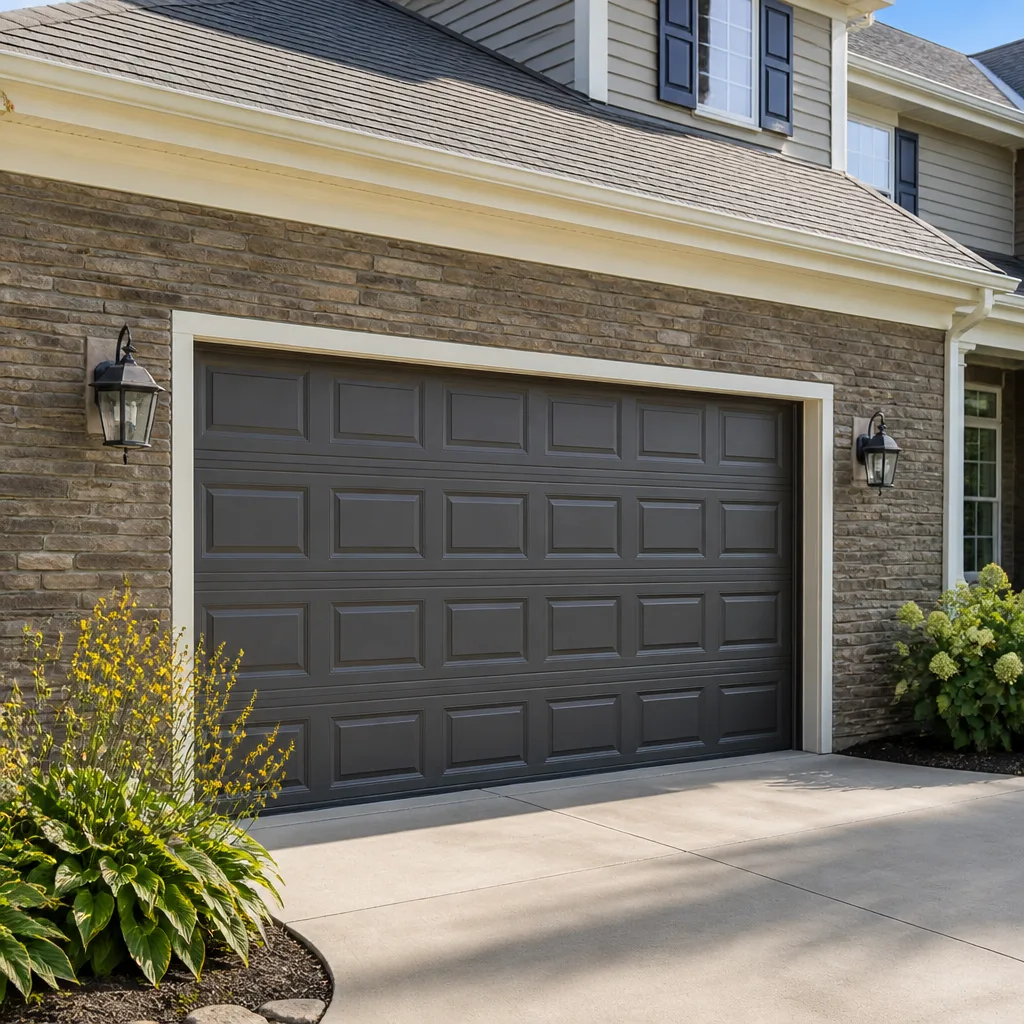 Raised-panel steel
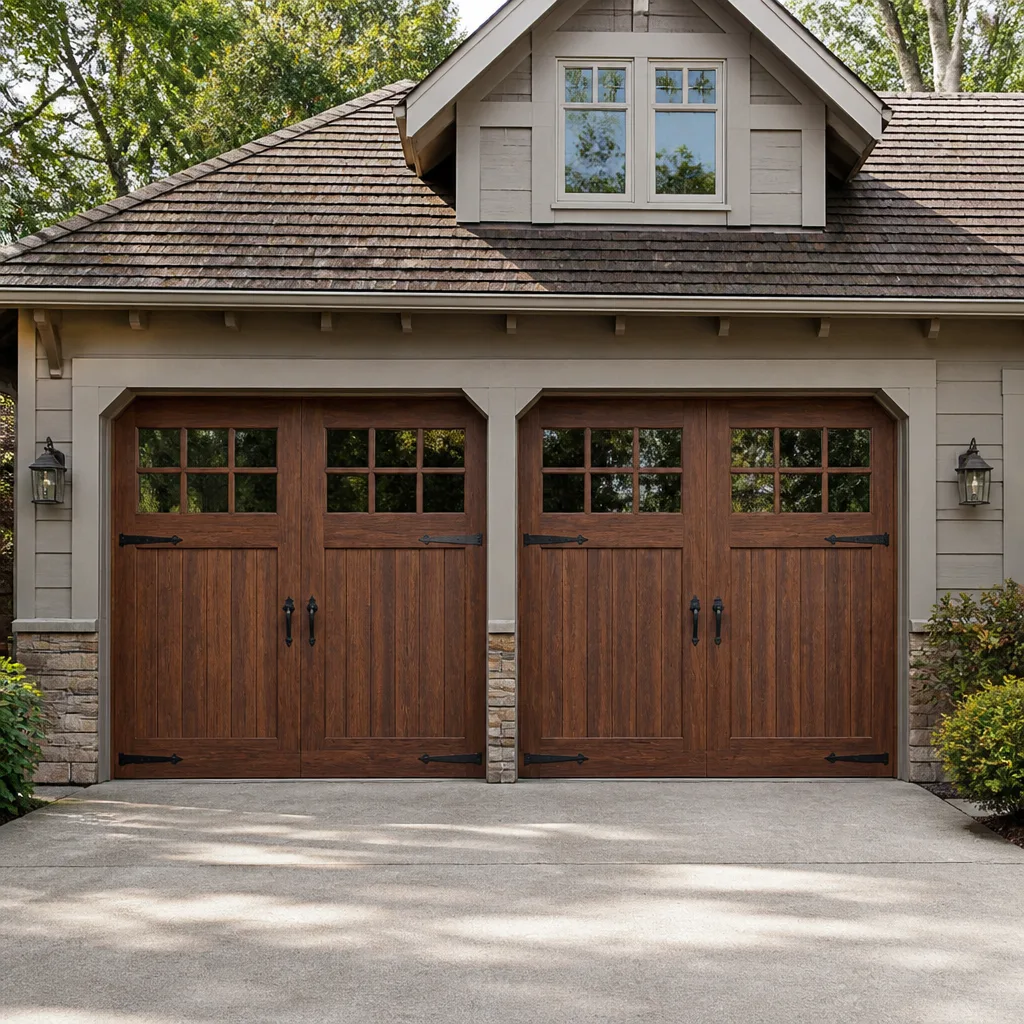 Carriage house
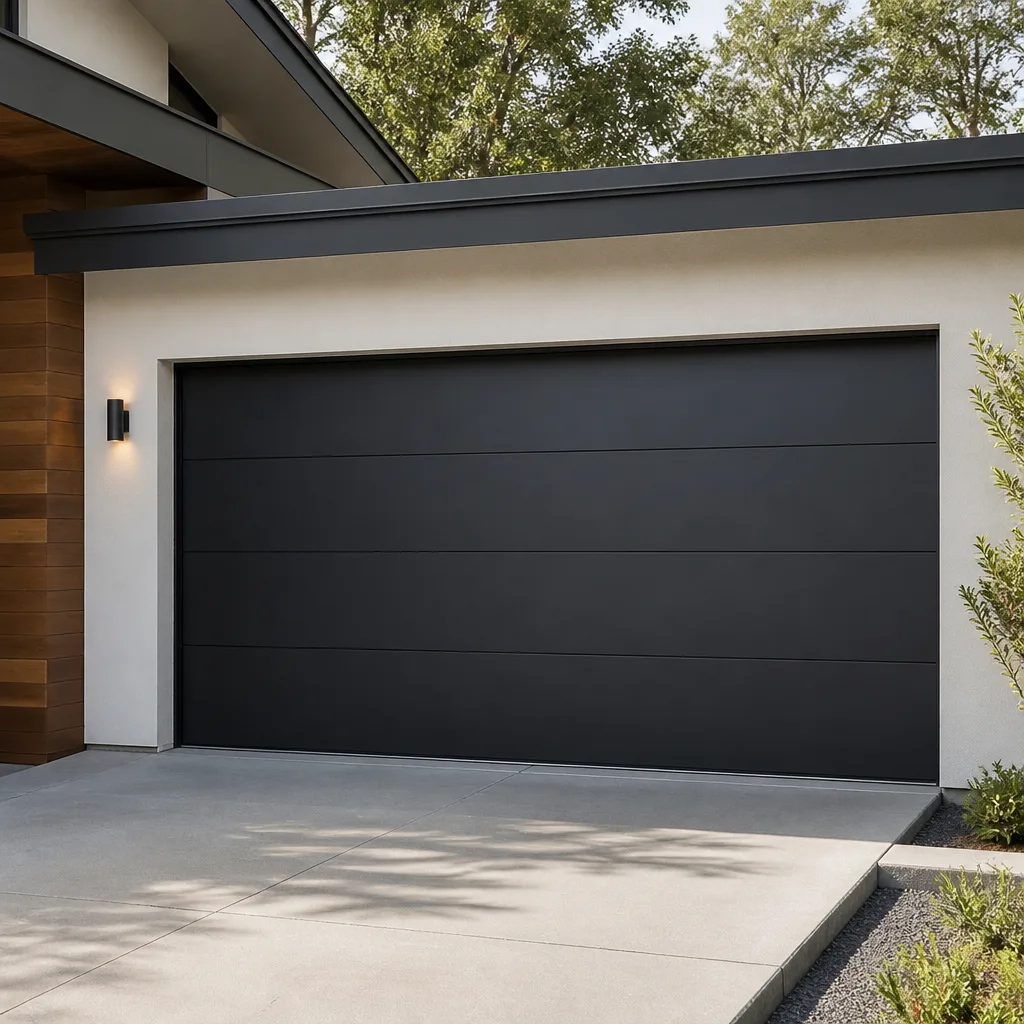 Modern flush
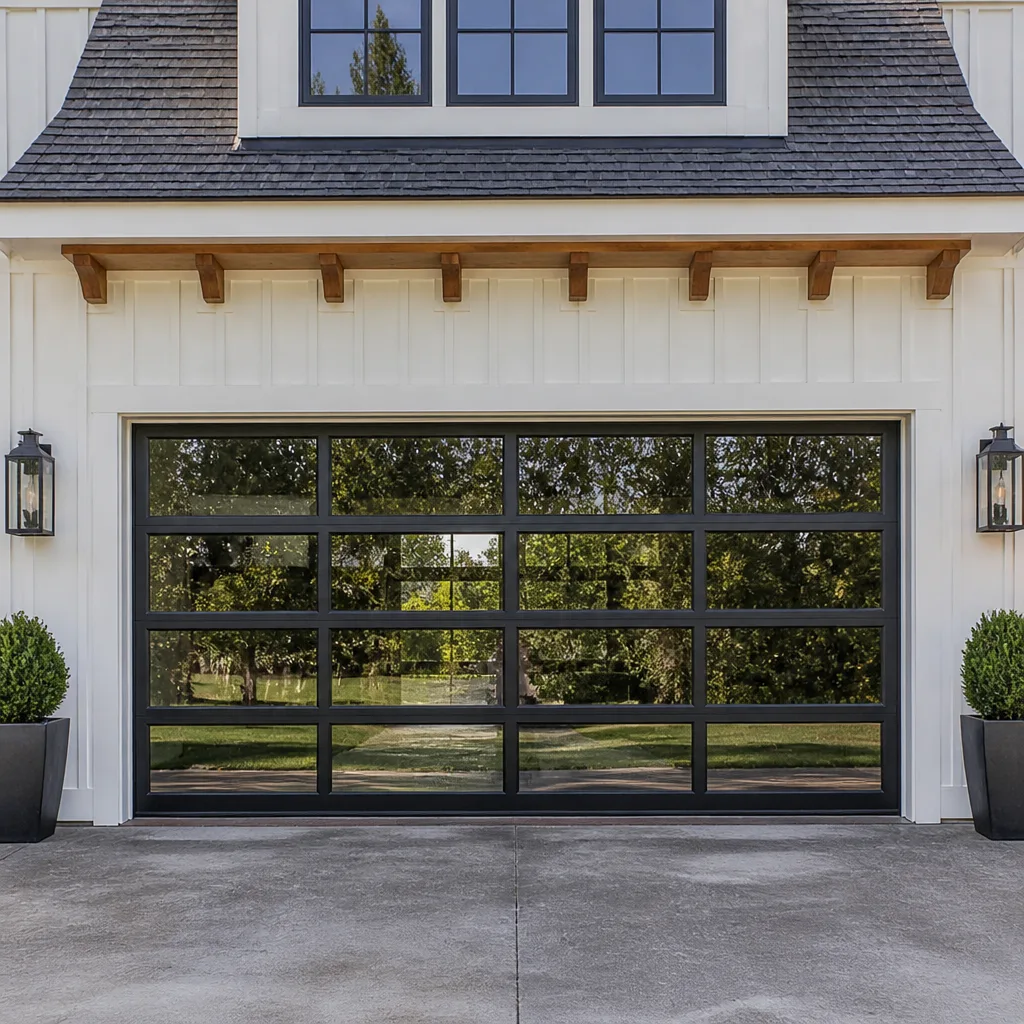 Full-view glass
 LiftMaster openers
 Chamberlain openers
Full 25-point door and opener safety check with every visit - springs, cables, rollers, tracks, and your LiftMaster or Chamberlain opener included
You get a price before we start. It does not change when the pro arrives.
Get your free estimateEmergency Garage Door Warning Signs Every Homeowner Should Know
Our emergency calls follow a pattern. Nine times out of ten, the homeowner mentions something odd they noticed last Tuesday. A little shimmy when the door came down. A pop that wasn’t there before. A remote that needed two clicks instead of one. The emergency wasn’t random. It was scheduled, and the door sent a reminder nobody read. In our experience around Enterprise, the difference between a planned repair and a midnight call is almost always a warning sign that got ignored for two weeks. This guide names those signs plainly, so you won’t mistake them for normal door noise again.
Quick Answer
The warning signs that matter most are a door that suddenly feels heavy, a loud bang from the torsion bar, a cable that looks frayed or has jumped its drum, and an opener that hesitates or reverses on its own. Any one of these means stop using the door and get it looked at before it fails completely. Most emergency calls we handle could have been routine repairs two weeks earlier.
Styles & brands we work with
- Raised-panel steel
- Carriage house
- Modern flush
- Full-view glass
- LiftMaster openers
- Chamberlain openers
Table of Contents
- The Sounds That Mean Schedule a Repair vs. Stop Right Now
- Visual Signs of Cable and Spring Failure You Can Spot Without Tools
- Why a Door That Just Started Feeling Heavy Is a Spring Warning
- Opener Warning Signs: Hesitation, Reversal, and Remote Lag
- The Signs That Mean Stop Using the Door Immediately
- The Two-Minute Monthly Check We Recommend
- Why Enterprise Heat and Desert Dust Speed Up Wear
The Sounds That Mean Schedule a Repair vs. Stop Right Now
Garage doors make noise. That’s normal. What you’re listening for is a change in the noise, not the noise itself. A door that has hummed along at the same pitch for years and suddenly sounds different is telling you something. Here’s how we sort the sounds on our calls.
Sounds that mean schedule a repair this week:
- A rhythmic squeak or squeal as the door travels up or down. Usually dry rollers or a hinge that needs lubrication. Annoying but not urgent. Get it on the calendar.
- A grinding rumble that wasn’t there before, especially near the top of the travel. Often a roller that’s flat-spotted or a track that’s out of alignment.
- A soft clunk when the door hits the floor. Usually a bottom seal or a slightly loose track bracket. Worth a look before it turns into something worse.
Sounds that mean stop using the door right now:
- A loud bang from above the door, like a firecracker or a shot. That’s usually a torsion spring breaking. A door is 200 pounds riding on two springs. Respect it. Don’t touch it, don’t try to lift it, call us.
- A metallic snap followed by a door that won’t lift. That’s a cable letting go. The door is now unsupported on one side and can come down crooked and hard.
- Any grinding that gets louder as the door moves and is paired with the door moving unevenly. Stop. Something is about to fail.
We hear these sounds on calls all over Enterprise, from the older homes near the river to the newer builds out toward the foothills. The pattern is the same: the bang is almost never the first sign. It’s the last one.
Visual Signs of Cable and Spring Failure You Can Spot Without Tools
You don’t need to know how a torsion system works to spot a cable or spring that’s about to fail. You just need to know where to look. This is a look-only inspection. Don’t touch, don’t spray, don’t adjust. Just look.
- Look at the cables on each side of the door. They should be taut, smooth, and sitting neatly in the groove of the drum at the top. A cable that’s frayed, kinked, or has jumped out of the drum is a stop-using-the-door sign.
- Look at the springs above the door (the horizontal coil if you have a torsion system, or the long springs along the sides if you have extension springs). Torsion springs that have a visible gap in the coil, or that look like a piece snapped off, are broken.
- Look at the bottom brackets, where the cables attach at the bottom corners. If a cable is hanging loose or the bracket looks bent, don’t run the door.
- Look at the tracks. They should be straight and parallel. A track that’s bent outward or has a visible kink is a problem. So is a track with a gap where the roller sits.
- Look at the hinges between panels. Rust, cracks, or a hinge that looks pulled away from the panel are warning signs, especially on older doors.
If any of those look wrong, stop. A cable under tension can do serious damage in a fraction of a second, and this is not a job for a homeowner with a wrench and a Saturday afternoon. Call us and we’ll tell you what we’re seeing.
For a closer look at what a proper repair involves, see our Garage Door Repair in Enterprise page.
Why a Door That Just Started Feeling Heavy Is a Spring Warning
This one gets ignored more than any other sign, and it’s the one that most reliably precedes a failure. If your door used to lift easily by hand and now feels like it’s fighting you, the springs are losing tension. They don’t fail all at once. They weaken, and the door gets heavier, and then one day the spring breaks and the door won’t move at all.
Here’s what we tell homeowners: if you can lift the door by hand and it feels noticeably heavier than it used to, you’re probably within 30 days of a spring failure. In our experience, that’s the window when the repair is cheap and easy. After the spring breaks, you’re looking at an emergency call, a door that’s stuck down (or worse, stuck up), and a vehicle trapped inside.
How do you test it safely? With the door closed, pull the manual release cord on the opener (the red handle) so the door is disconnected, then lift the door by hand about a foot. It should feel light, like lifting a kitchen chair. If it feels heavy, or if it won’t stay up when you let go halfway, the springs are done. Reconnect it, don’t run it, and call us.
We’ve seen this exact pattern on doors all over Enterprise, from the older Craftsman openers on the west side to the newer LiftMaster setups near the newer developments. The spring doesn’t care what brand of opener is attached to it. It fails on its own schedule.
Opener Warning Signs: Hesitation, Reversal, and Remote Lag
If the opener is straining, the problem is almost never the opener. That’s one of the first things we tell people on the phone. The opener is the messenger, not the cause. But the opener does give you specific warnings that are worth reading.
- Hesitation at the start. You press the button, the opener hums for a second before the door moves. That’s usually a sign the door is binding or the springs are weak and the opener is working harder than it should.
- Reversal without obstruction. The door goes down, then stops and reverses for no reason. Could be a misaligned safety sensor, could be a logic board on its way out, could be a door that’s binding and triggering the safety reverse. Worth a professional look.
- Remote lag or intermittent response. You have to press the button twice, or get closer, or hold it. Usually a battery, but on older openers it can be a sign the logic board is failing.
- Straining sounds during travel. A groaning or grinding from the opener itself, especially on a Chamberlain or Raynor unit, usually means the gear or the drive is worn. That’s a repair, not a replacement, in most cases.
- The door stops halfway and won’t finish. Often a travel limit switch that’s drifted or a door that’s binding. Stop running it until we’ve looked at it.
If your opener is showing two or more of these at once, it’s time for a service call. We handle Garage Door Opener Repair & Installation in Enterprise and can usually tell you on the phone whether it’s a repair or a replacement.
The Signs That Mean Stop Using the Door Immediately
Some signs are a “schedule a repair” sign. Some are a “stop right now” sign. Here’s the short list of the ones that mean stop.
- A loud bang from the torsion bar followed by a door that won’t lift. The spring is broken. Do not try to lift the door by hand, and do not let anyone stand under it.
- A cable that’s hanging loose or has jumped the drum. The door is unsupported on one side. It can come down crooked and hard.
- A door that’s visibly crooked or off its tracks. If one side is higher than the other, or a roller is out of the track, stop. Running it can bend the panels and turn a repair into a replacement.
- The door comes down and doesn’t stop when it hits an object. That’s a safety reverse failure. It’s a serious hazard, especially if you have kids or pets. Stop using the door until it’s fixed.
- A spring that’s visibly snapped or has a gap in the coil. Stop. Don’t touch it. Don’t try to wind it. Call us.
We say this on every call because it matters: a garage door is the largest moving object in most homes, and it’s under constant tension. The springs and cables are not a DIY project. We’ve seen what happens when they let go while someone is standing under them, and it’s not worth the risk to save a service call.
The Two-Minute Monthly Check We Recommend
This is the check we recommend to every homeowner we visit in Enterprise. It takes two minutes, once a month, and it catches most of these signs before they turn into an emergency call. Put a reminder on your phone. Do it the first Saturday of the month.
- Look at the cables on both sides. Taut, smooth, in the drum. Any fraying, kinking, or slack is a problem.
- Look at the springs. Any visible gap, snap, or heavy rust is a stop sign.
- Run the door and listen. Anything new, louder, or rhythmic compared to last month?
- Test the safety reverse. Put a roll of paper towels under the door and close it. The door should reverse on contact. If it doesn’t, stop and call us.
- Lift the door by hand with the opener disconnected. It should feel light. If it feels heavy, the springs are on their way out.
- Check the balance. Open the door halfway by hand and let go. It should stay put. If it drifts down or up, the springs are out of balance.
That’s it. Two minutes a month, and you’ll catch most of the signs that turn into emergency calls. If something looks off, call us and describe it. We can usually tell you on the phone whether it’s a “schedule it for next week” or a “don’t run it again” situation.
Why Enterprise Heat and Desert Dust Speed Up Wear
Garage doors in Enterprise take a beating that doors in milder climates don’t. The summer heat bakes the lubricant out of the rollers and hinges, so metal-on-metal contact happens sooner. The desert dust works its way into the tracks and the drum, and it acts like sandpaper on the cables. And the temperature swings between day and night put constant stress on the springs.
What that means practically: a spring that might last ten years in a milder climate can fail sooner here, and a cable that would last a decade somewhere else can fray in six or seven years in Enterprise. We see it on calls all the time. The doors that get a monthly check and a yearly lubrication last noticeably longer than the ones that don’t.
If you’re not sure when your door was last serviced, that’s a good reason to call. We can look at the springs, the cables, and the opener and tell you what’s left on them. We count spring cycles the way you count tire miles, and we’ll tell you what’s left on yours.
For a new door or a full replacement, our Garage Door Installation in Enterprise page covers what to expect. And for anything else, the Otto’s Garage Door Enterprise home page is the place to start.
Common Mistakes to Avoid
- Ignoring a door that “just started feeling heavy.” That’s the single most reliable warning sign of a spring about to fail, and in our experience it usually precedes a failure within 30 days. Don’t wait for the bang.
- Running the door after a loud bang. A bang from the torsion bar usually means a spring has broken. Running the opener on a broken spring can burn out the motor and bend the panels.
- Trying to fix a cable or spring yourself. These parts are under extreme tension. We’ve seen serious injuries from homeowners trying to adjust a cable. Call a professional.
- Spraying lubricant on the cables or springs. Lubricant belongs on the rollers, hinges, and the track, not on the cables or the springs. Lubricant on a cable can attract dust and speed up wear.
- Assuming the opener is the problem. If the opener is straining, the problem is almost never the opener. It’s usually the door, the springs, or the tracks. Replacing the opener won’t fix a door that’s binding.
- Skipping the monthly check because “it’s working fine.” The signs that matter most are the ones you only catch by looking. The door doesn’t always announce a failure until it happens.
- Letting a national outfit quote one price on the phone and bill another at the door. Ask for a written quote before any work starts. We quote on the call and hold the number when we get there, and the price doesn’t change between the phone and the driveway.
See the difference
 Before
 After
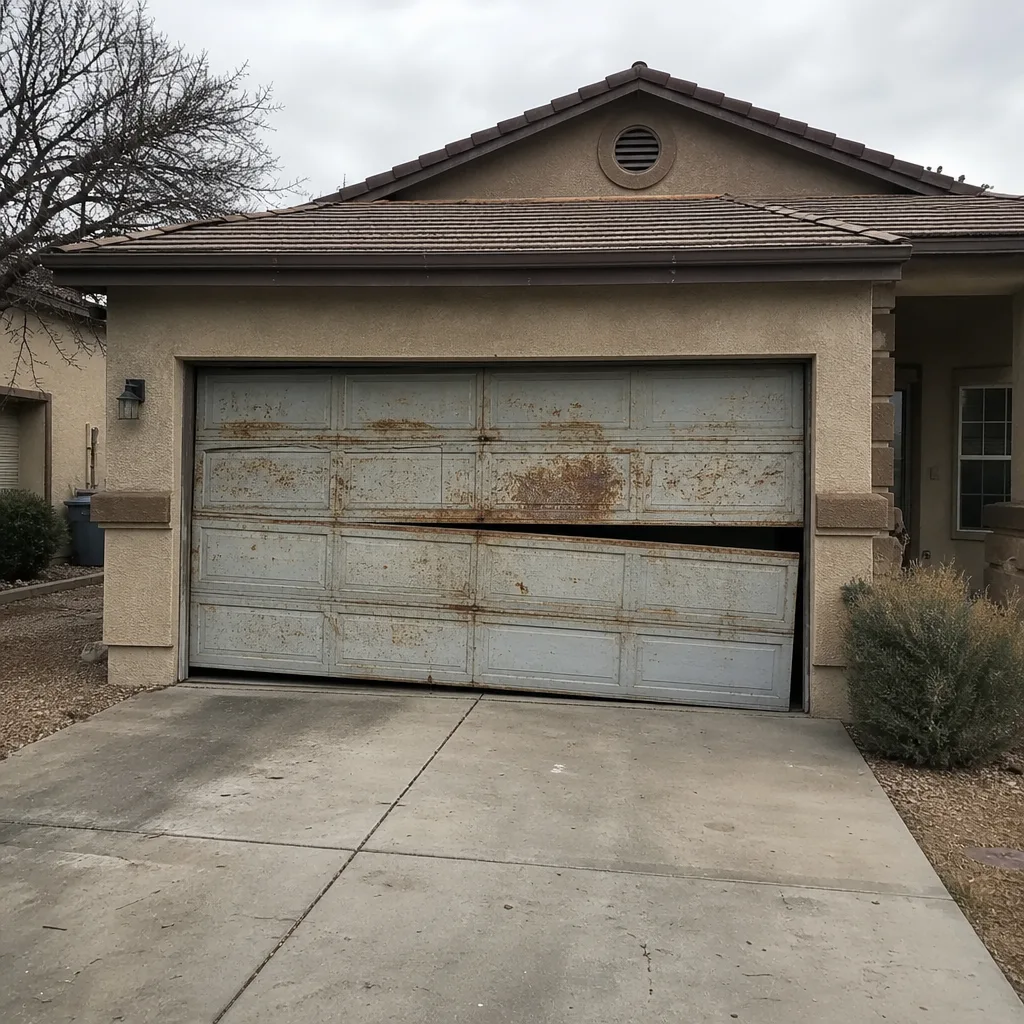 Before
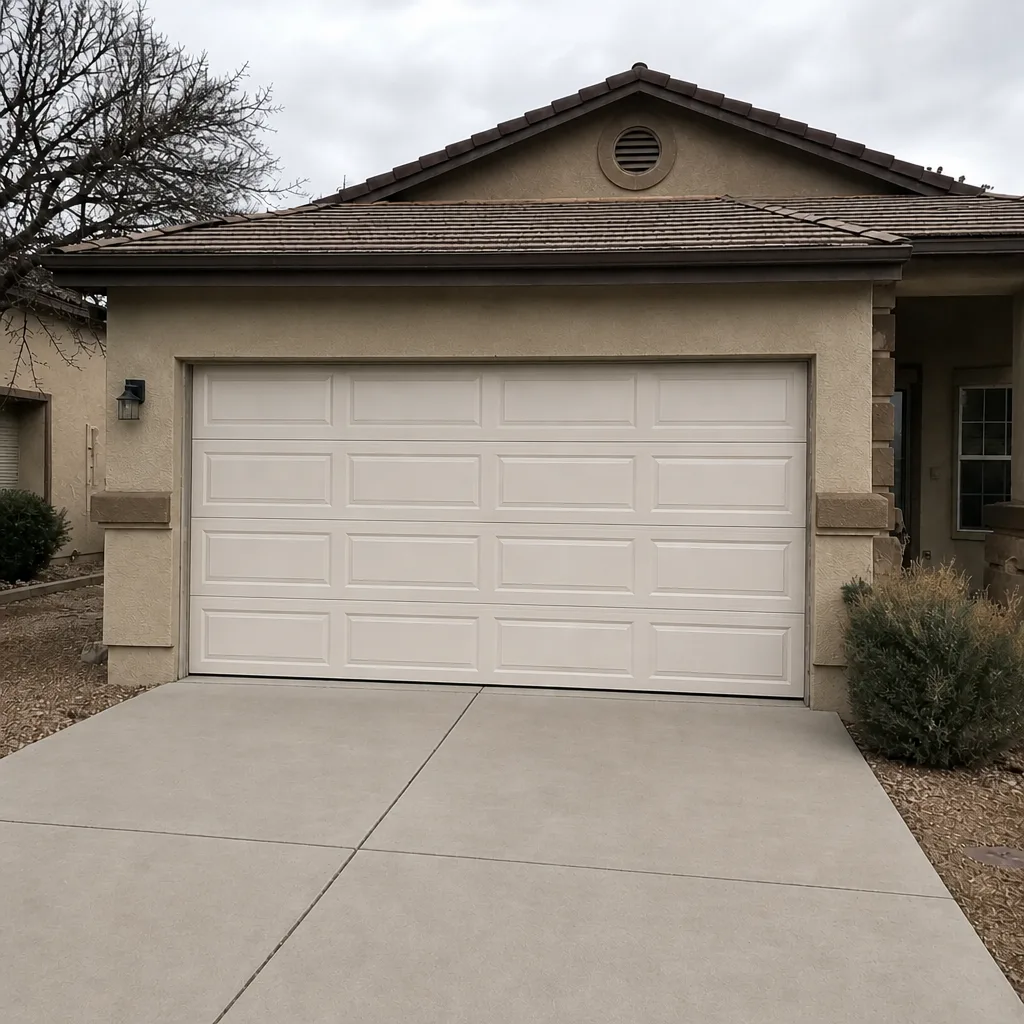 After
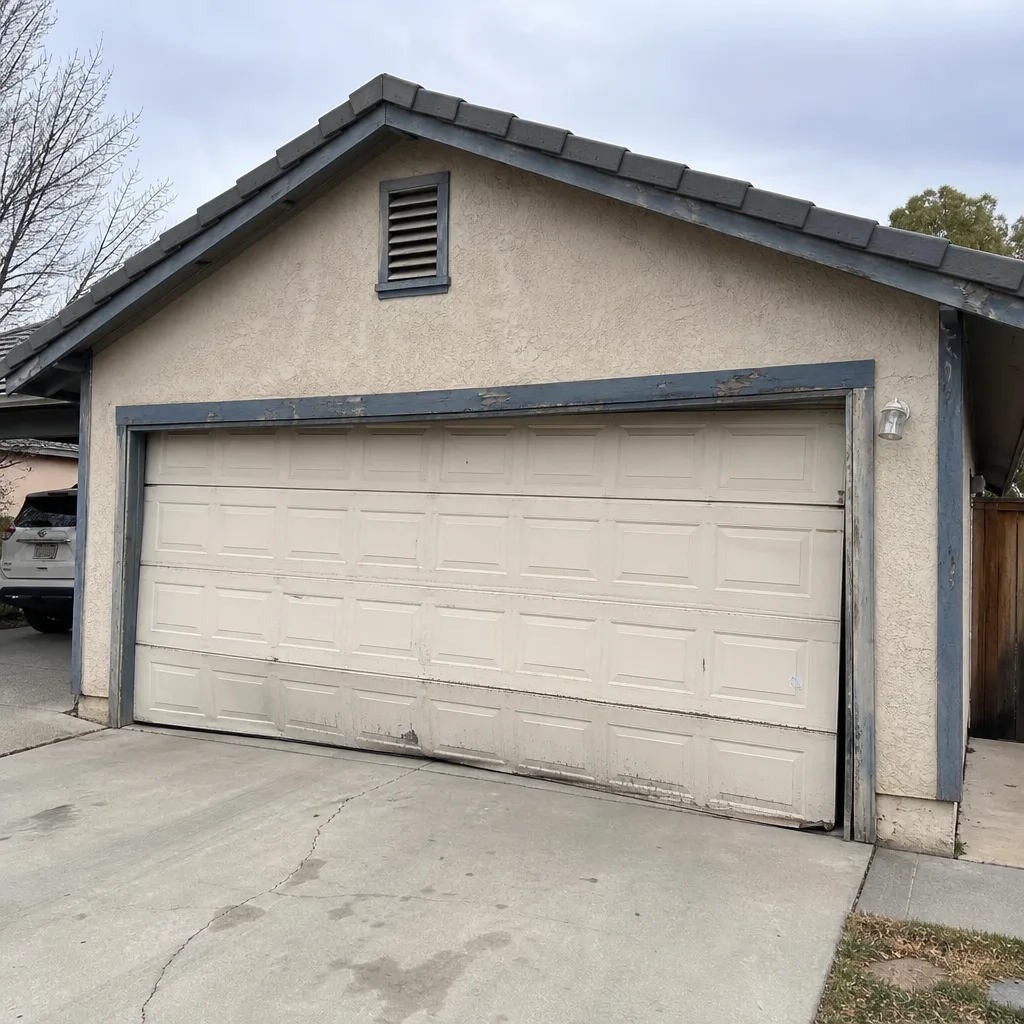 Before
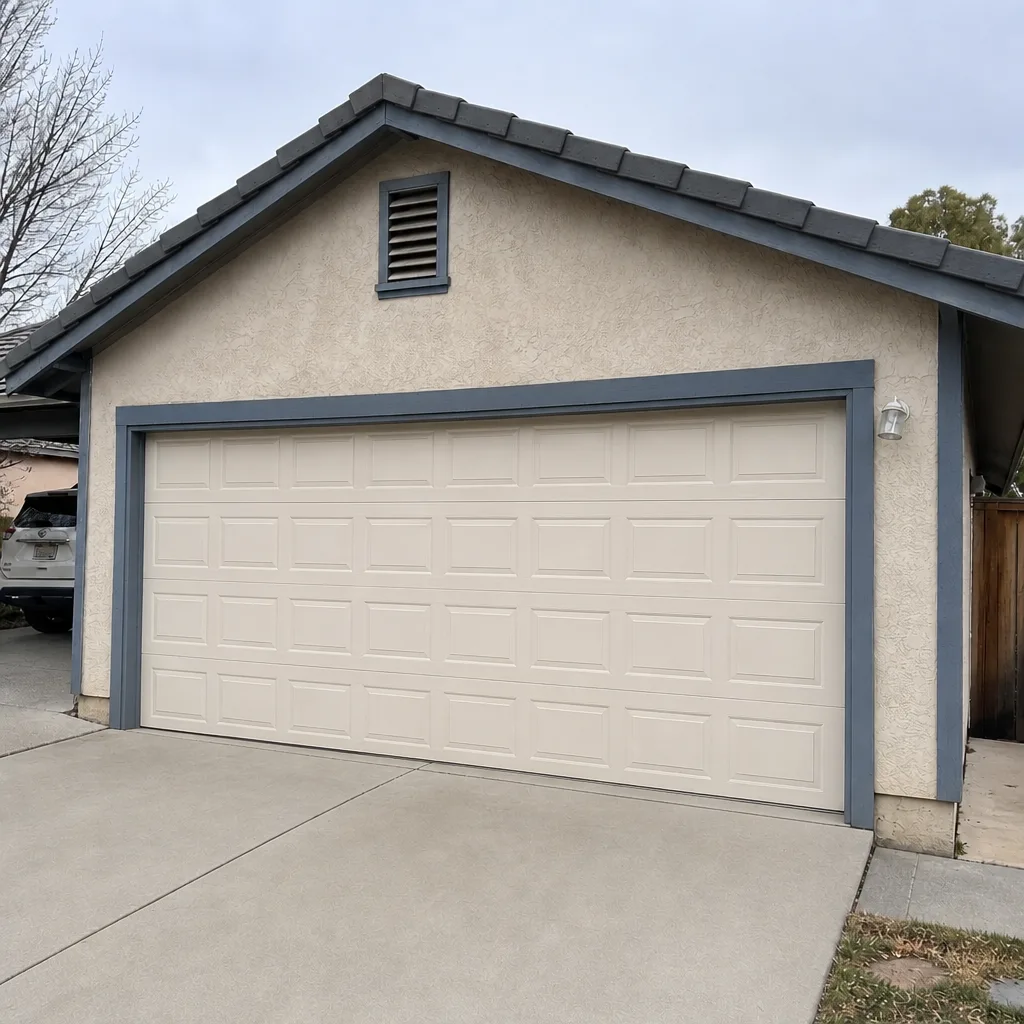 After
When to Call a Professional
Call us if you hear a loud bang from the torsion bar, if a cable looks frayed or has come off the drum, if the door feels heavy when you lift it by hand, if the door reverses without obstruction, or if a spring has visibly snapped. Those are the “stop using the door” signs, and they’re worth a same-day call. Call us if the door is squeaking louder than usual, if the opener is hesitating, or if you’re just not sure what you’re looking at. A spring or cable that’s about to fail is not a job for a homeowner, and a door that’s off its tracks can turn a repair into a replacement if you keep running it. Otto’s Garage Door Enterprise offers free estimates in Enterprise. Call (833) 620-7107 and we’ll tell you what we’re seeing and what it’ll cost before any work starts.
Frequently Asked Questions
The most reliable first sign is a door that suddenly feels heavier when you lift it by hand. In our experience, that usually means the spring is on its way out within about 30 days. A close second is a visible gap in the torsion coil or a door that drifts down when you open it halfway and let go. Call (833) 620-7107 if either shows up, and we’ll give you a free estimate.
No. A loud bang from the torsion bar usually means a spring has broken, and running the opener on a broken spring can damage the motor and the door panels. Stop using the door, don’t try to lift it by hand, and call us. We’ll come out and tell you what’s wrong.
Once a month is enough for most homes in Enterprise. The check takes about two minutes: look at the cables, look at the springs, run the door and listen, test the safety reverse, and lift the door by hand to check the weight. That catches most of the signs that turn into emergency calls.
A door that feels heavier is almost always a sign the springs have lost tension. Springs weaken before they fail, and the added weight is the door telling you it’s time for a service. Don’t wait for the bang. Call (833) 620-7107 and we’ll check the springs and tell you what’s left on them.
No. Cables are under extreme tension, and a cable that lets go can cause serious injury in a fraction of a second. We’ve seen what happens when homeowners try to adjust a cable on their own. Call a professional. It’s a repair, not a DIY project.
Yes, for emergency repairs. If a spring has broken, a cable has snapped, or the door is stuck, call (833) 620-7107 and we’ll get someone out. We answer the phone around the clock, and we quote on that call and hold the number when we get there. Free estimates on routine repairs too.
The Bottom Line
The emergency call you don’t want is almost always a warning sign you overlooked two weeks earlier. A door that feels heavy, a cable that looks frayed, a bang from the torsion bar, an opener that hesitates, or a door that reverses on its own are all signs that something is about to fail. The two-minute monthly check catches most of them before they turn into a midnight emergency. If something looks off, call us. We’re local, we’re owner-operated, and the price we quote on the phone is the price you’ll see at the door. Otto’s Garage Door Enterprise. Call (833) 620-7107 for a free estimate.
Written by the team at Otto’s Garage Door Enterprise.