
Last updated November 17, 2026
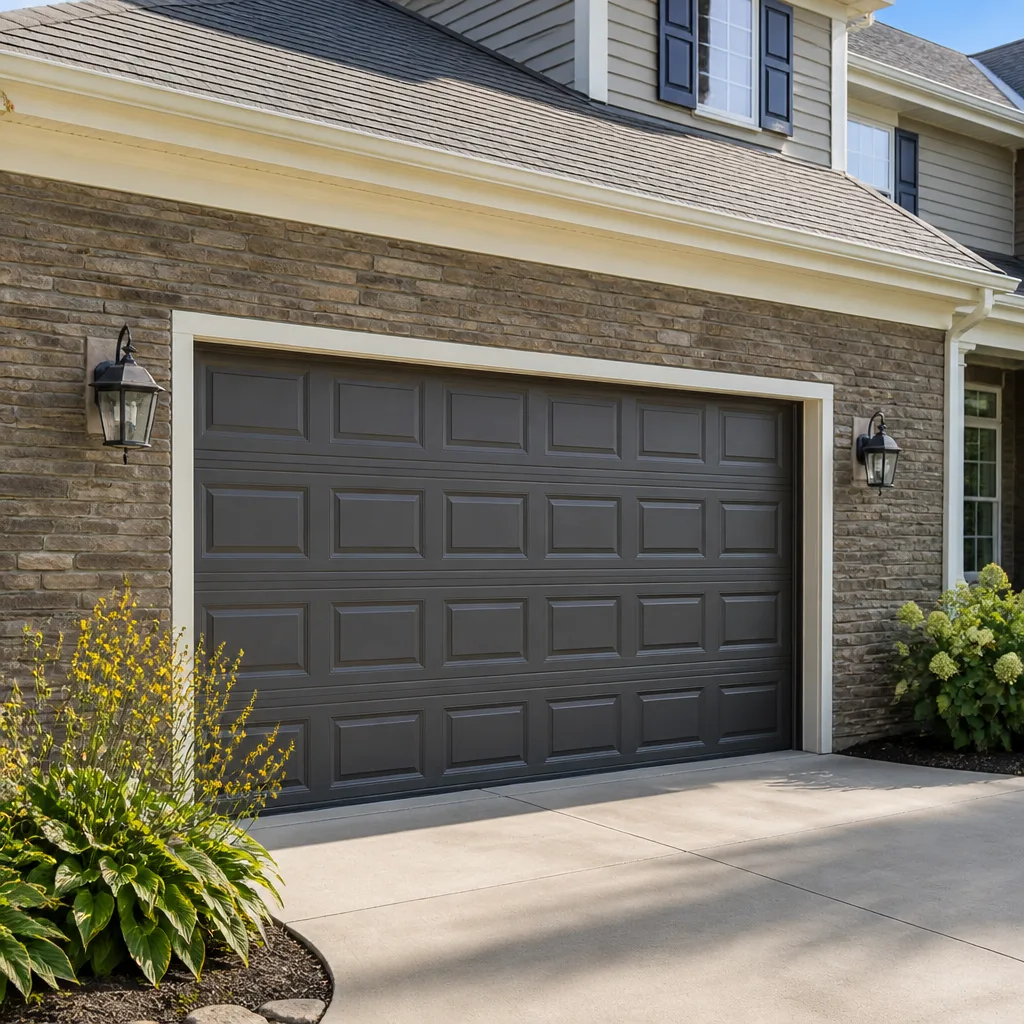 Raised-panel steel
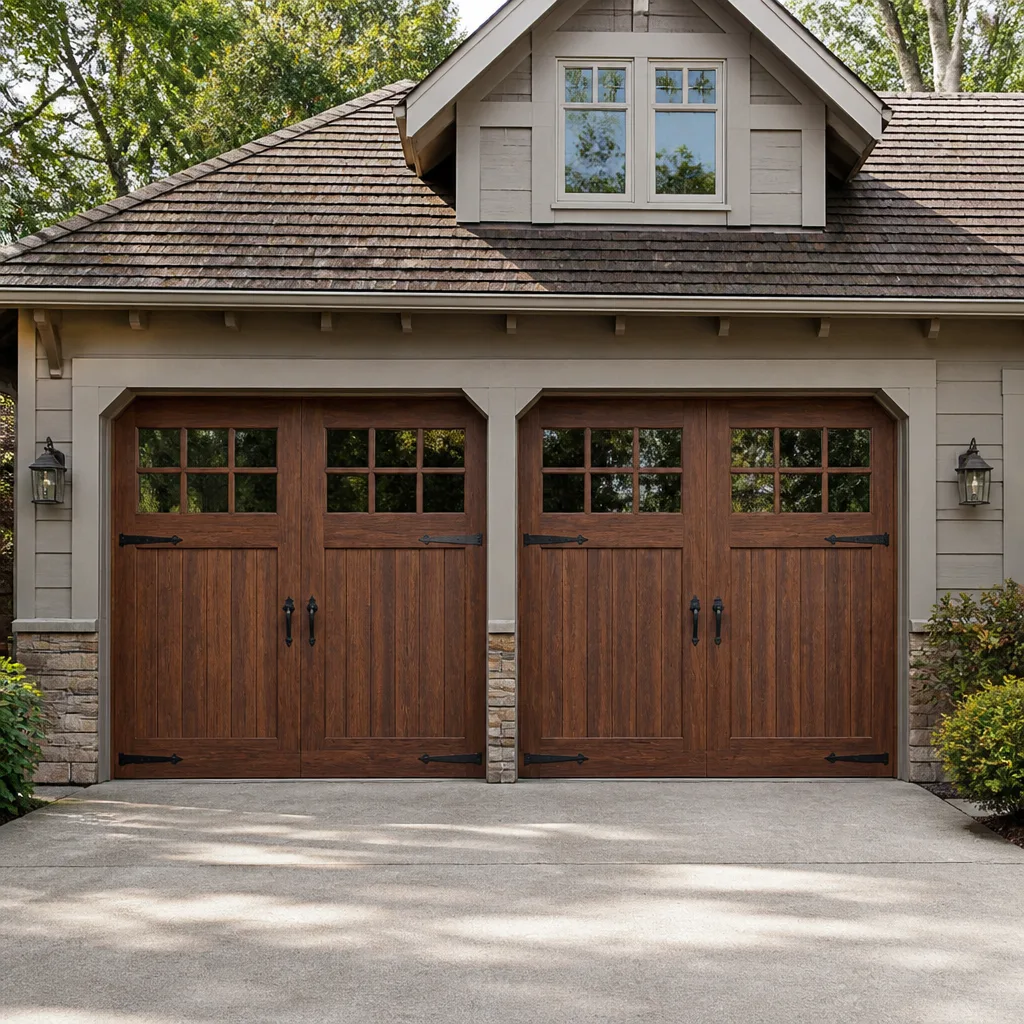 Carriage house
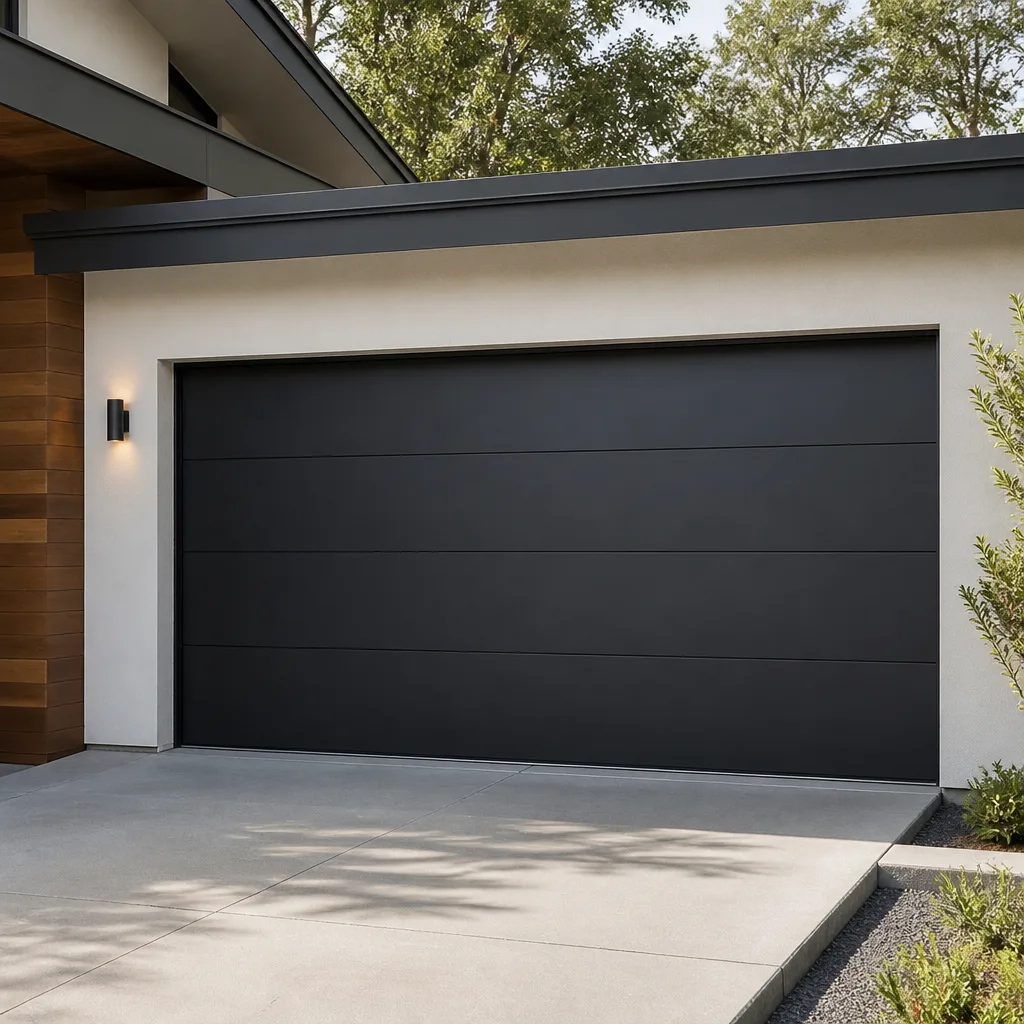 Modern flush
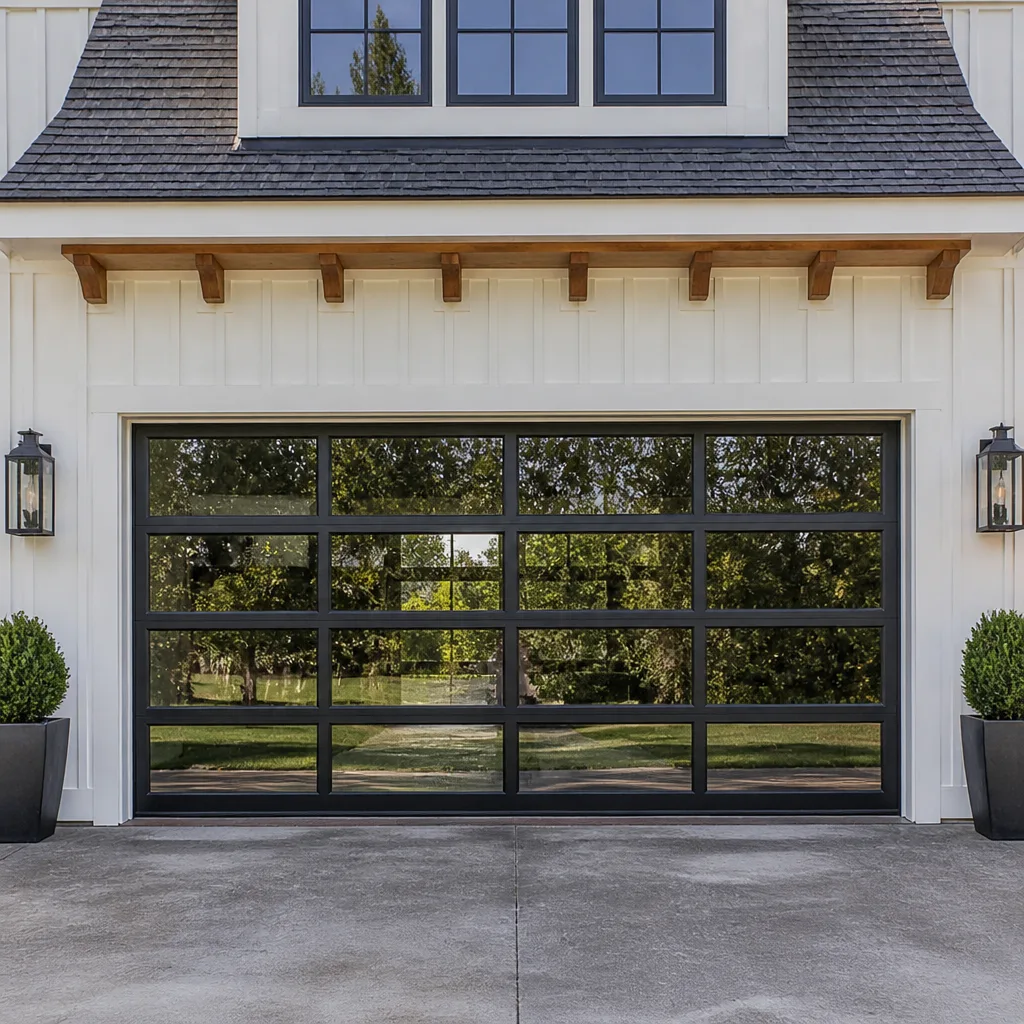 Full-view glass
 LiftMaster openers
 Chamberlain openers
Full 25-point door and opener safety check with every visit - springs, cables, rollers, tracks, and your LiftMaster or Chamberlain opener included
You get a price before we start. It does not change when the pro arrives.
Get your free estimateEmergency Garage Door Maintenance Schedule: What to Do and When
The door that quits on you at midnight usually had a warning sign the week before, right after that windstorm you forgot about. In our experience, most garage door emergencies aren’t random. They’re the bill for a check nobody ran after a storm, a power surge, or a bumper that kissed the bottom panel. This guide isn’t a calendar you’ll ignore. It’s an event-triggered habit: what to look at, and exactly when, so a door in Enterprise fails on your schedule instead of the worst possible one. You’ll get the 60-second monthly check, the post-storm and post-outage routines, and how to log it all so a warranty or insurance claim later holds up.
Quick Answer
Emergency garage door maintenance is a habit, not a calendar. Run a 60-second visual check once a month, then run specific checks after four events: a windstorm, a power outage or surge, any vehicle contact with the door, and the seasonal shift into summer heat or winter cold. Log each check with a date and a note. Most failures that turn into emergencies show a sign in the week before, and these event-triggered checks are how you catch it.
Styles & brands we work with
- Raised-panel steel
- Carriage house
- Modern flush
- Full-view glass
- LiftMaster openers
- Chamberlain openers
Table of Contents
- Why event-triggered checks beat a calendar
- The monthly 60-second visual
- After a storm: what to check
- After a power outage or surge: the 30-second opener test
- After a vehicle or impact: the honest look
- Seasonal readiness in Enterprise: summer heat and winter seals
- How to document checks for warranty and insurance
- Red flags that mean stop and call
Why event-triggered checks beat a calendar
A date on a calendar tells you nothing about the state of your door. Springs wear by cycles, not by months. A door that ran 40 times this winter is in a different place than one that ran 400 times, and no schedule knows the difference. What does tell you something is an event. Wind loads the panels and twists the track. A power surge sends a spike into a logic board. A bumper to the bottom section bends a hinge you’ll never see from the driveway. Each of those events leaves a mark, and the mark is your maintenance prompt.
We’ve seen this play out across Enterprise for years. A homeowner rides out a hard windstorm in the valley, notices nothing, and then two weeks later the door binds halfway up because a roller jumped the track when the door flexed. The door didn’t fail on the day it broke. It failed on the day of the storm, quietly. Between the summer heat that bakes the seals and the desert wind that loads the panels, a door here takes more punishment than one in a milder climate. The habit of checking after events, and logging it, is what separates a door that lasts from one that ambushes you.
This page walks through each check in plain terms. Some of it you do yourself in a minute. Some of it, like anything involving the springs and cables, you leave to someone trained for it. Know which is which before you start.
The monthly 60-second visual: catching most problems early
Most developing problems announce themselves before they cause an emergency. A monthly walk-around catches a large share of them, and it takes about as long as waiting for coffee to finish. Do it in daylight, door closed, no one standing under it.
- Look at the springs. Torsion springs sit on a bar above the door. Extension springs run along the sides. Look for a visible gap in a spring, a stretched coil, or rust flaking off. A gap can mean a broken spring. Don’t touch it. Note it and call.
- Run the door and watch the track. Open it fully and close it. Watch both sides. Look for a roller that pops out of the track, a bend, or a wobble that wasn’t there last month.
- Listen. A healthy door is fairly quiet. Grinding, squealing, or a bang at the start of travel is a message. If the opener is straining, the problem is almost never the opener; it’s usually balance, rollers, or a tired spring.
- Check the safety reverse. Put a piece of wood or a brick flat on the floor in the door’s path and close it. The door should reverse on contact. If it doesn’t, stop using the door and call.
- Check the photo-eye alignment. Look at the two small sensors near the floor on either side. Are the lights solid? If one blinks, the beam is blocked or misaligned. Clear the path and recheck.
That’s the whole routine. One minute, once a month. It’s the check most homeowners skip and later regret, and it’s the foundation the event-triggered checks build on.
After a storm: what to check specifically
Wind is the quiet culprit. A strong gust loads the panels, flexes the door, and can nudge a roller out of a track or bend a hinge slightly. You may never see the moment it happened. What you’ll see two weeks later is a door that binds or drags on one side. Run these checks within a day or two of a hard windstorm, before the small bend becomes a jammed door.
- Do a full open-and-close and watch both tracks. Look for any roller that’s climbed off the track or a hinge with a visible kink.
- Check the bottom seal. Wind and blowing grit drive into the bottom seal. A seal that’s torn or pulled loose lets in water and dust and stresses the door. This matters more in Enterprise, where dust and wind come as a package.
- Look at the panels. Small dings are cosmetic. A panel that’s bent far enough to bind against its neighbor is a problem that gets worse with every cycle.
- Check for debris in the track. Twigs, grit, and blown leaves collect there. A swept track runs smoother and lasts longer.
- Test the balance. Disconnect the opener (pull the release handle, door closed) and lift the door halfway by hand. It should hold roughly where you let go. If it drops or flies up, the springs need attention, and that’s a call.
If you run those and the door still drags, the safest move is to have someone look before you force it. A door is 200 pounds of steel riding on two springs. Respect it.
After a power outage or surge: the 30-second opener test
A power surge is a quiet killer of opener logic boards. When the grid comes back on, the spike can find the opener’s control board and fry it, and you won’t know until the remote doesn’t work or the door moves in jerks. The fix is a short test right after the lights come back on. Thirty seconds can save you a service call.
- Press the wall control once. Does the opener respond promptly, or is there a lag or a stutter? A healthy LiftMaster or Chamberlain logic board responds the same as always.
- Run a full open and close. Watch for hesitating, jerking, or the door stopping short. That’s a logic board or limit-switch symptom.
- Test the remote. If the wall control works but the remote doesn’t, start with the battery before assuming the worst.
- Test the safety reverse and photo-eyes again. Surges can scramble the settings that make the reverse work. Confirm they still do.
If the opener is dead after a surge, the board is often the reason. On many LiftMaster and Chamberlain models the logic board is replaceable, which is far cheaper than a new opener. In our experience, homeowners who run this 30-second test right after a storm-related outage catch a fried board early and avoid driving into a dead door a week later. A Craftsman or Raynor unit is worth the same quick look. If the test fails, don’t keep pressing the button; call.
After a vehicle or impact: the honest look
Backing into a door is more common than homeowners admit, usually a bumper to the bottom panel or a mirror to a moving door. The visible dent is the least of it. The real question is what the impact did to the tracks, hinges, and rollers upstream of the dent. A slightly bent track will chew through rollers for months before it jams for good.
- Open and close slowly and watch the whole path. Any hesitation, wobble, or pop means a track or hinge is bent.
- Look at the hinges where the panels meet. A hinge is designed to flex, but a bent one throws off the whole door.
- Check the bottom bracket and the cable where it attaches. This is where a small hit can start a big problem. Look, don’t touch.
- Note the date and the damage in writing. If it turns into an insurance claim, a dated note and a photo taken right after the hit carry weight.
If the door still runs smoothly after a light bump, you’ve likely dodged it. If it binds, squawks, or the bottom bracket looks bent, stop using the door and get it looked at. Cables under load are dangerous, and that’s a trained-technician job, not a driveway job. Our Garage Door Repair in Enterprise team exists for exactly this situation.
Seasonal readiness in Enterprise: summer heat and winter seals
Enterprise sits in a punishing climate for garage doors. Summer heat bakes the bottom seal and drives metal to expand. Winter cold contracts it. The two seasonal checks below are the ones that matter most here, and each takes a few minutes.
Pre-summer: spring tension and lubrication
Before the heat settles in, look at the springs for rust and stretch, and apply a garage-door-specific lubricant to the hinge points, rollers, and pivot points (not the tracks). Dry or stiff metal strains the opener. If the door has grown noticeably harder to lift by hand than last year, the springs are telling you something. Note it and have the balance checked before summer works them hard.
Pre-winter: seal integrity
Before cold weather arrives, run your hand along the bottom seal for cracks and gaps. A split seal lets cold air and water in, and water freezing under the door stresses the bottom panel. Check the side and top weatherstripping too. In this county, wind-driven dust and grit find every gap, and a seal that’s ready for winter keeps the door running smoother all year. If a LiftMaster or Chamberlain opener has to work harder against a stiff, cold door, it wears faster.
When a seasonal check turns up something beyond lubrication or a seal, that’s where a professional look pays for itself. Our opener repair and installation in Enterprise page covers the opener side of that story.
How to document checks for warranty and insurance
A dead door is stressful. A dead door you can’t explain after an insurance question is worse. Take two minutes to log every check and event, and you build a real history that answers questions in an emergency.
- Keep a simple log (a notebook or a note on your phone) with the date, what you checked, and what you saw. “April 3 – monthly check, one loose bottom seal, otherwise fine.”
- Photograph anything that looks wrong, date-stamped if your phone does that. The photo before and after a repair is worth more than a memory.
- Keep every invoice and the written estimate. When a warranty question comes up, the dated paperwork from your last repair is the proof you need.
- Log impacts and storm events the day they happen, not later. “Windstorm March 14, door ran fine after.” That single line can settle many an insurance back-and-forth.
The service history also tells the next technician exactly what the door has been through. That’s the whole point of a documented habit.
Red flags that mean stop and call
Some symptoms are cosmetic. Others are stop-and-call, and getting the line between them wrong is how a small repair becomes an emergency. Stop opening and closing the door, and call someone trained, if you see any of the following:
- A visible gap in a torsion spring, or a spring that’s suddenly stretched. Springs are under extreme tension and can cause serious injury. Never try to adjust or replace them yourself.
- A frayed, slack, or loose cable. Cables under load can snap. This is a trained-technician job, every time.
- The door comes down unevenly, hangs off one side, or drops when you let it go. That’s a balance or spring issue, and the answer isn’t to force it.
- A bent track the door can’t run smoothly through. Forcing it chews up rollers fast.
- The opener strains, groans, or stalls and the remote stops working. The opener is telling you the door is fighting it, and the fix is upstream.
Respect the door. It’s 200 pounds of steel riding on two springs and two cables. When in doubt, don’t force it. Call. That’s the safest habit on the whole page.
Common Mistakes to Avoid
- Skipping the post-storm check. Wind is the leading cause of a quiet problem that shows up as a jammed door two weeks later. Run the checks the same week as the storm.
- Ignoring the opener after a power outage. A surge can fry a logic board and you won’t know until the remote does nothing. Thirty seconds of testing right after the power returns catches it.
- Greasing the tracks. A common mistake. Lubricant on the tracks collects grit and makes the door drag; grease the hinges and rollers instead, and keep the tracks clean and dry.
- Forcing a door that’s off balance. Pulling or pushing a door that binds wears the opener and can stress a cable. Stop and get it looked at.
- Forgetting the Enterprise heat and dust. Seals and springs take more punishment here than homeowners expect. Adjust the periodic check around the seasonal shift, not a single date you pick in spring.
- No records. Untracked checks and lost invoices make a warranty or insurance question harder to win. Log it the day it happens.
- DIY on springs and cables. The most dangerous mistake on the list. A door is 200 pounds riding on two springs. Respect it and leave the springs and cables to a trained technician.
See the difference
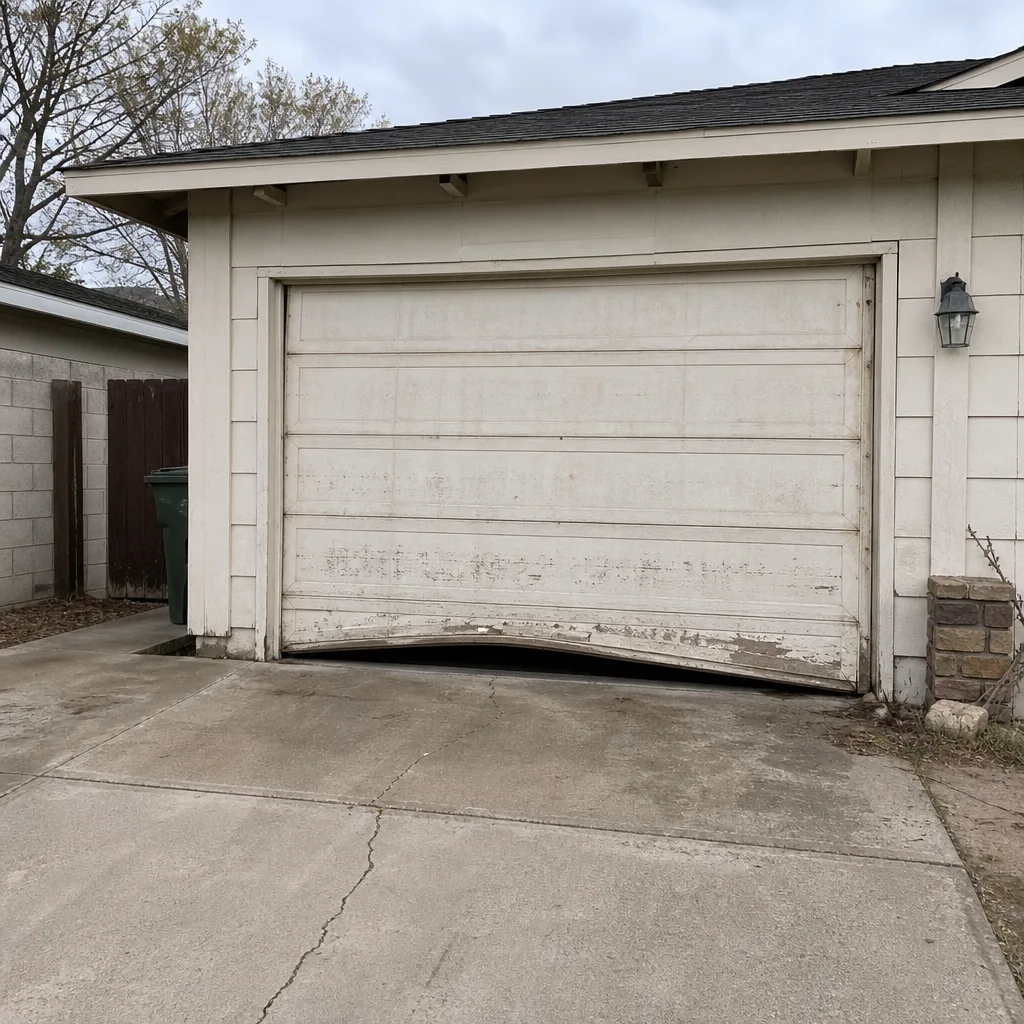 Before
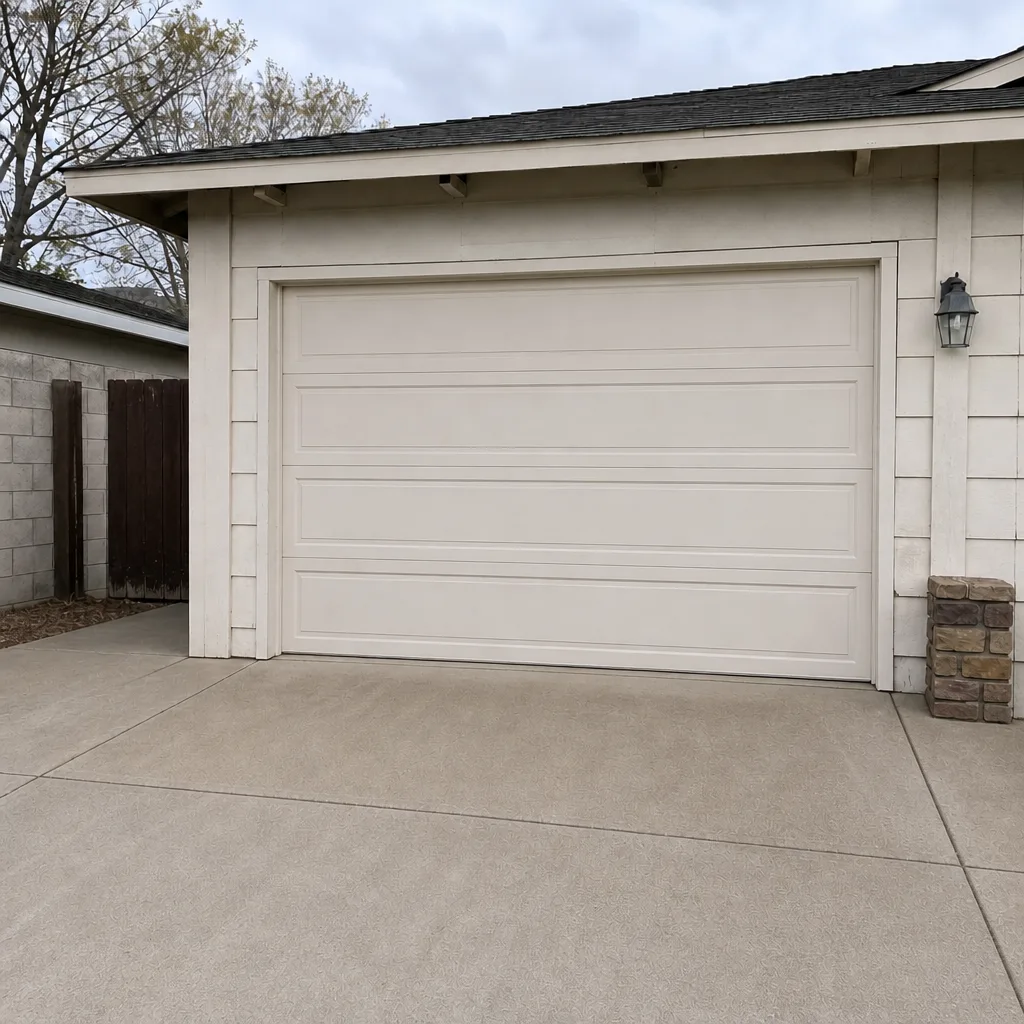 After
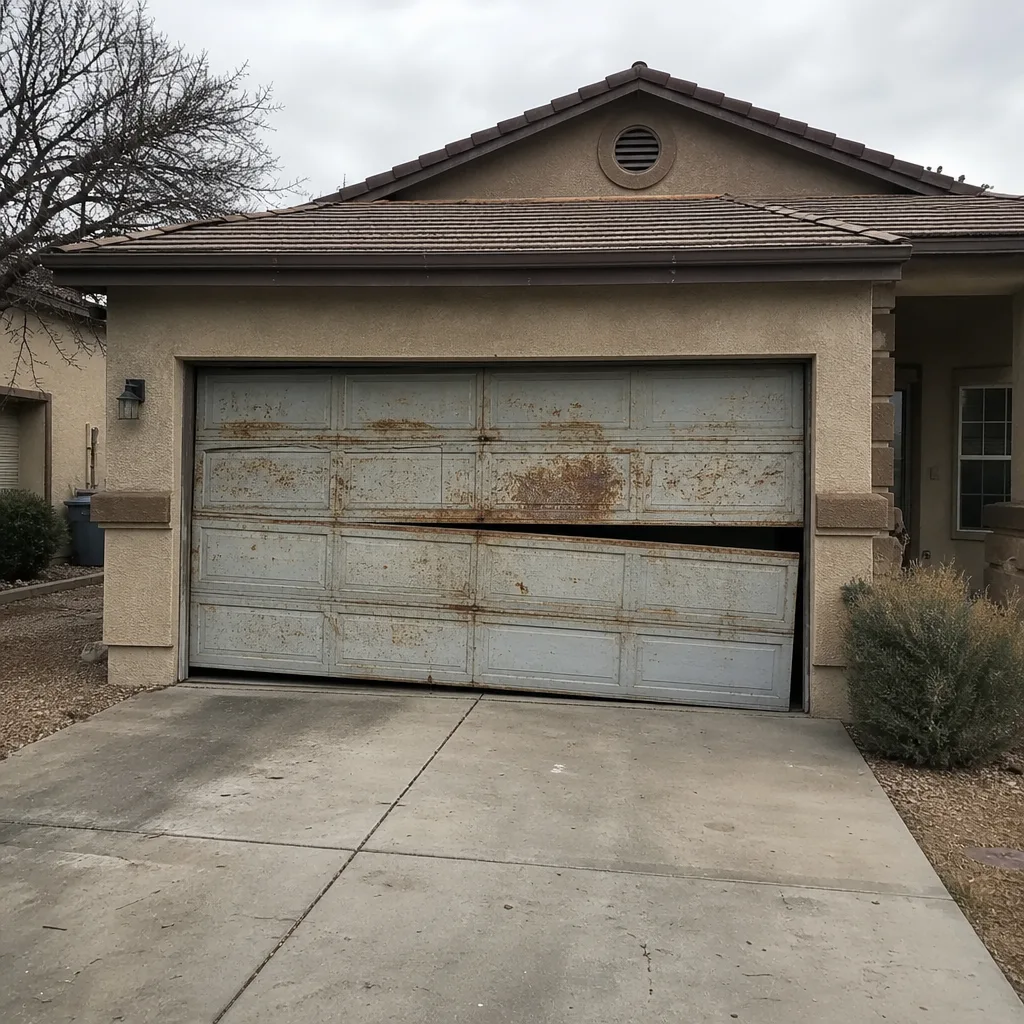 Before
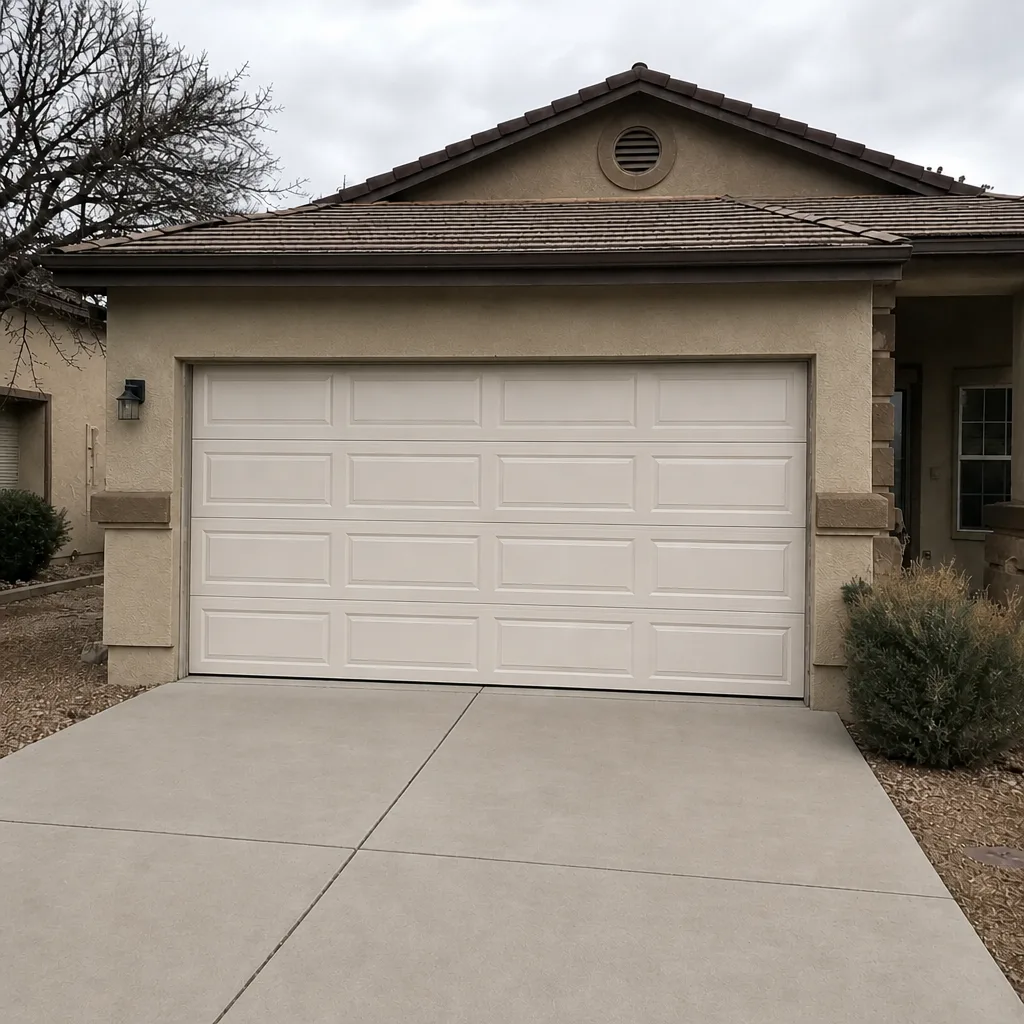 After
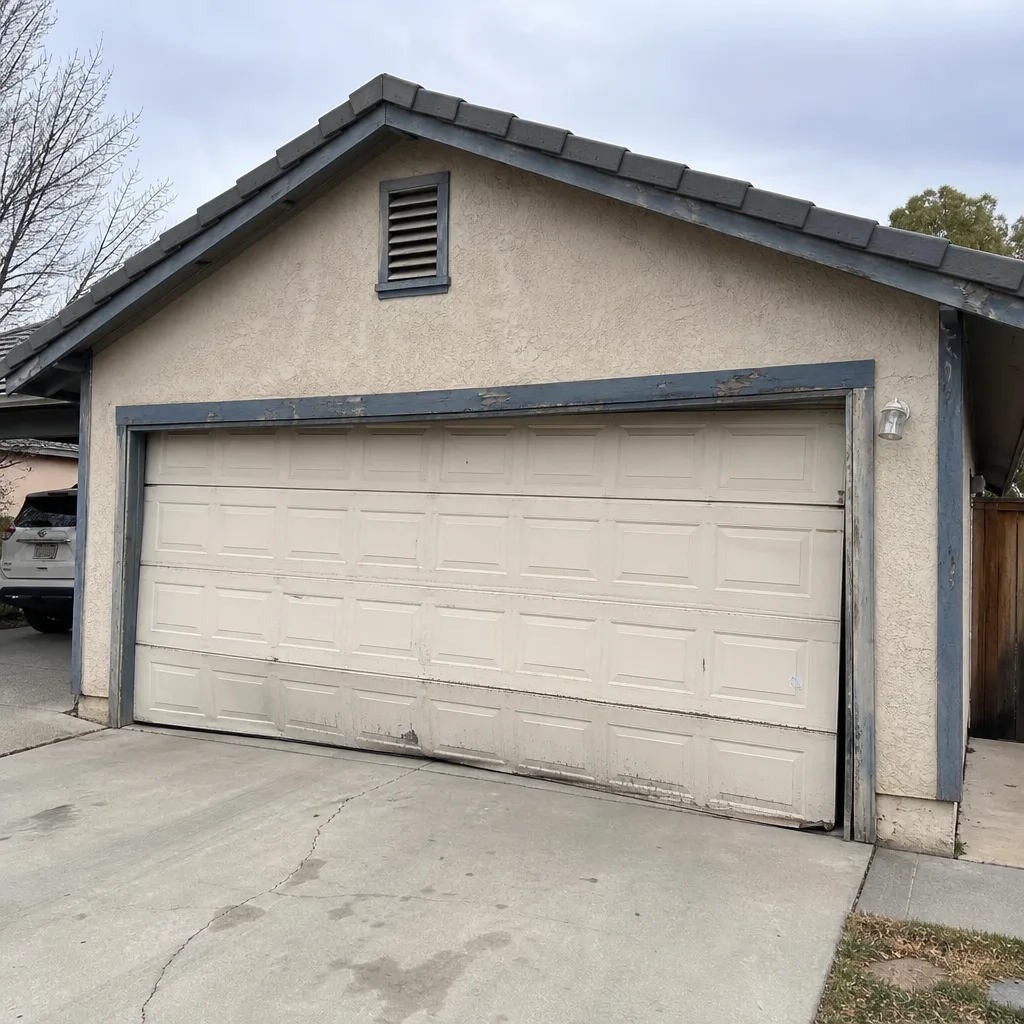 Before
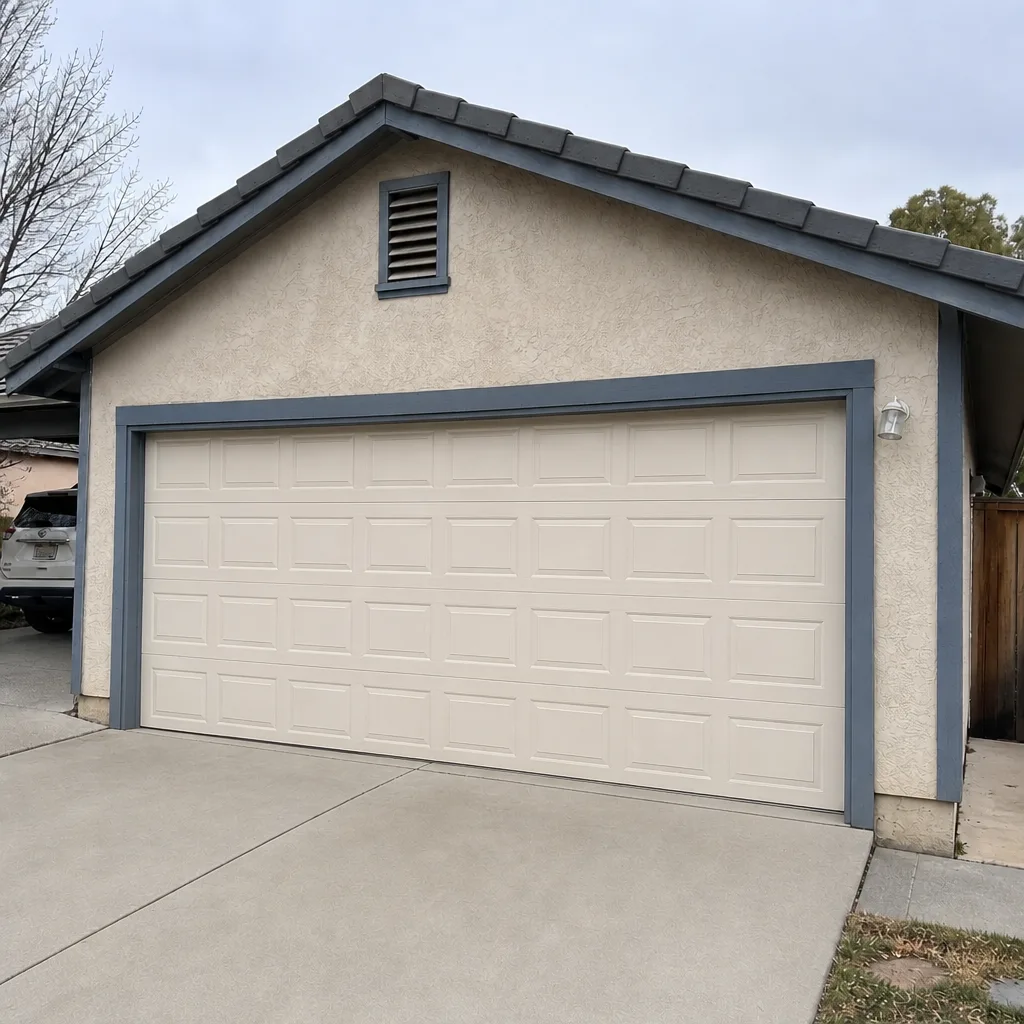 After
When to Call a Professional
Most of the checks on this page you can run yourself in a minute. A handful you shouldn’t. Call a professional if a spring has a visible gap or is stretched, if a cable is frayed or loose, if the door won’t stay balanced when you lift it by hand, if the opener strains or dies after an outage, or if the door won’t run smoothly through a track after an impact. Those are the situations where forcing it turns a repair into an emergency, and where a trained technician keeps you safe. Otto’s Garage Door Enterprise offers free estimates in Enterprise. Call (833) 620-7107 and we’ll tell you straight what the door needs.
If you’re weighing a repair against a new door, our Garage Door Installation in Enterprise page walks through what to consider before you decide. And when you’re ready to talk it through, start at the Otto’s Garage Door Enterprise home and we’ll point you to the right place.
Frequently Asked Questions
Open and close the door fully and watch both tracks for a roller that’s jumped off or a bend, then check the bottom seal for gaps and tear, and test the balance by hand. Wind flexes the door and can nudge a roller out of its track, so catching that early prevents a jammed door later. If anything binds, call us at (833) 620-7107 for a free estimate.
Yes. A surge can reach the opener’s logic board and damage it, and you often won’t know until the remote stops working or the door moves in jerks. Run a 30-second test right after the power comes back: press the wall control, run a full open and close, and test the remote and safety reverse. If it hesitates or the door stalls, stop and call before you keep pressing the button.
Do the 60-second visual once a month, and give the springs an extra look before summer heat sets in, plus after any storm or impact. Enterprise heat and desert dust wear springs and seals faster than a milder climate, so the seasonal and event-triggered checks matter more than a fixed annual date. If you see a gap or stretch, don’t touch it. Call.
You can clean the tracks, but don’t grease them. Lubricant in the tracks collects grit and makes the door drag. Lubricate the hinges, rollers, and pivot points with a garage-door-specific lubricant instead, and keep the tracks clean and dry. If the door still drags after that, the problem is usually balance or the springs, and that’s a call.
Yes, a real history helps. A dated log of your monthly checks plus photos and invoices after each repair answers the questions that come up after an emergency. In our experience, homeowners with written records settle warranty and insurance questions far more easily than those who have to reconstruct events from memory. Log it the day it happens, not later.
No. Otto’s Garage Door Enterprise offers a free second opinion on any written estimate, and there’s no trip charge inside the county. If another technician told you the whole door needs replacing after a storm or a bump, bring us the written estimate and we’ll give you a straight read. Call (833) 620-7107 to set it up.
The Bottom Line
The door that quits on you at midnight usually doesn’t come out of nowhere. It comes out of a check nobody ran. The whole habit fits into minutes: a 60-second visual once a month, specific checks after a storm, a power outage, or an impact, and seasonal looks at the springs before summer and the seals before winter. Log every one with a date, because the history pays off in a warranty or insurance question. Leave the springs and cables to a trained technician, every time. A door is 200 pounds riding on two springs. Respect it, check it after the events, and it fails on your schedule, not at 2 a.m. If a door in Enterprise is telling you something, call (833) 620-7107 for a free estimate.
Written by the team at Otto’s Garage Door Enterprise.