
Last updated November 17, 2026
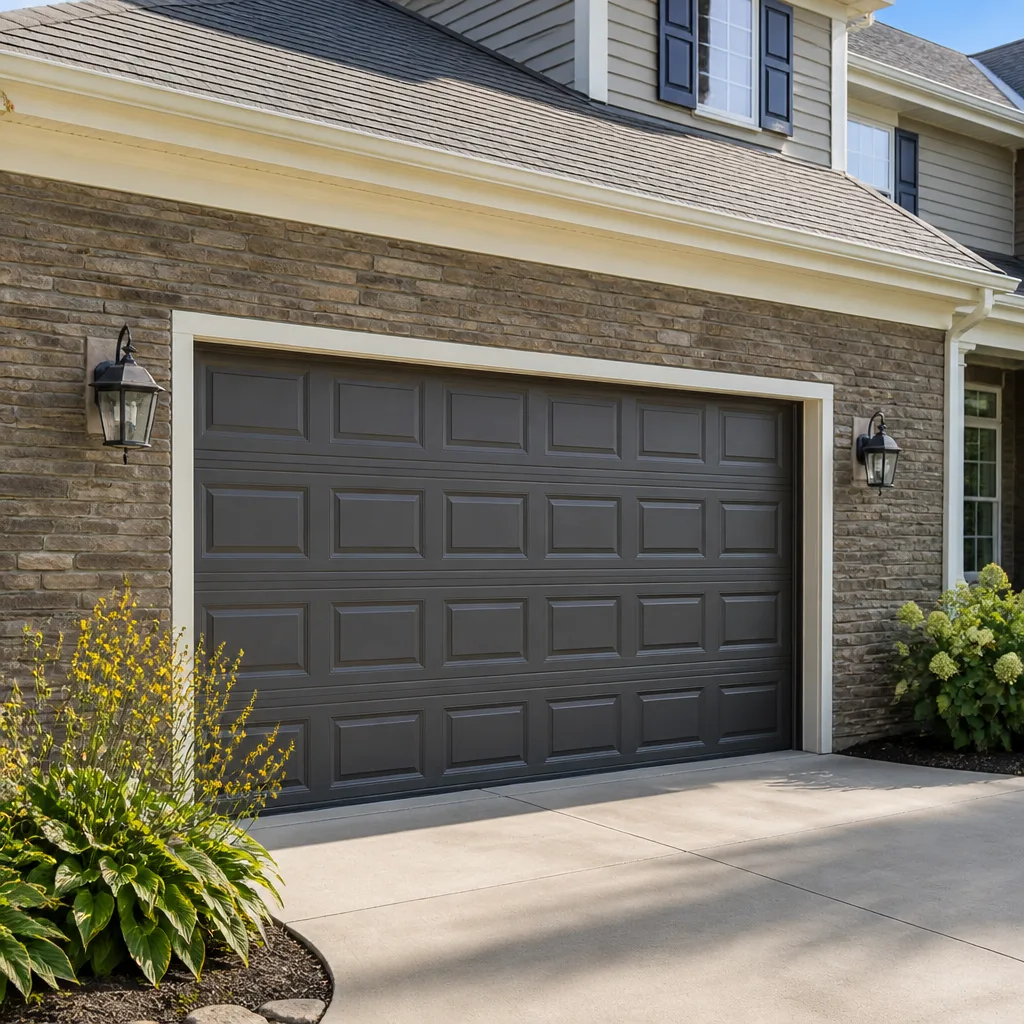 Raised-panel steel
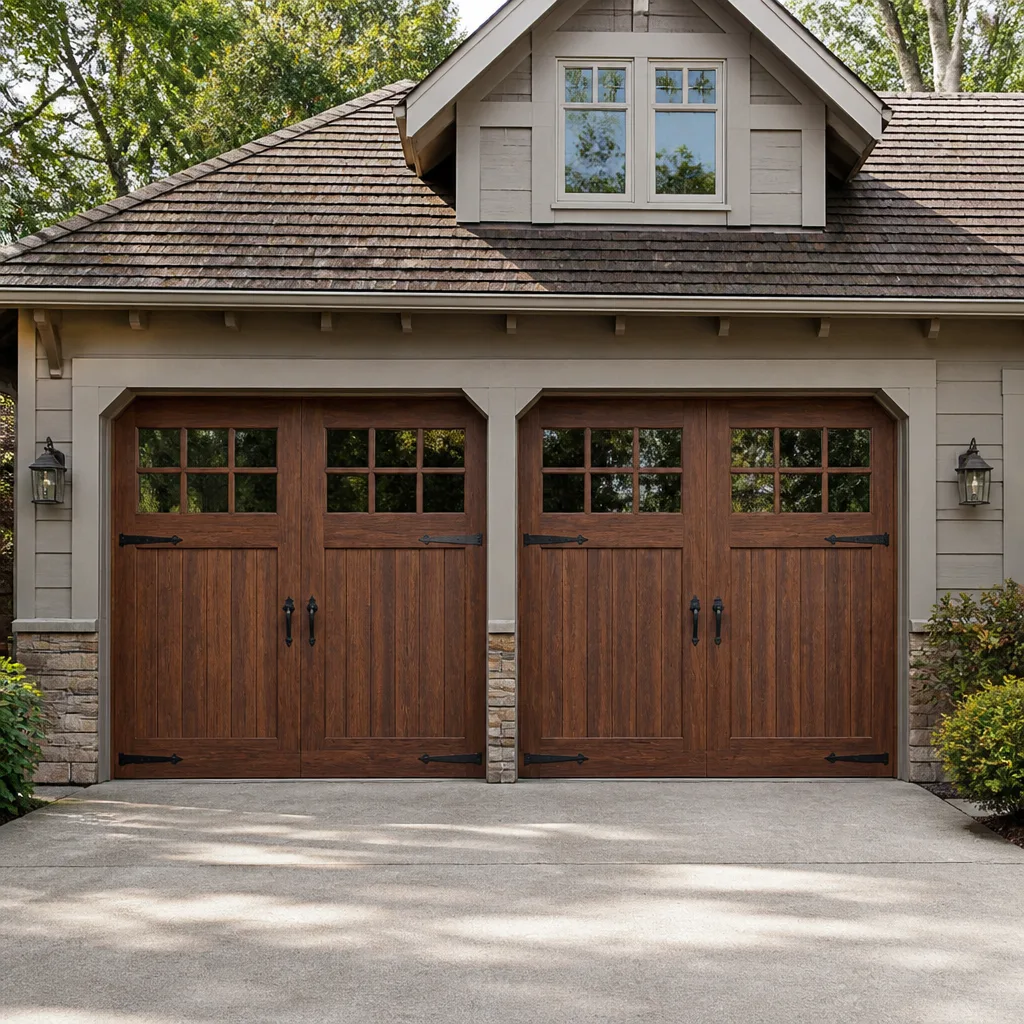 Carriage house
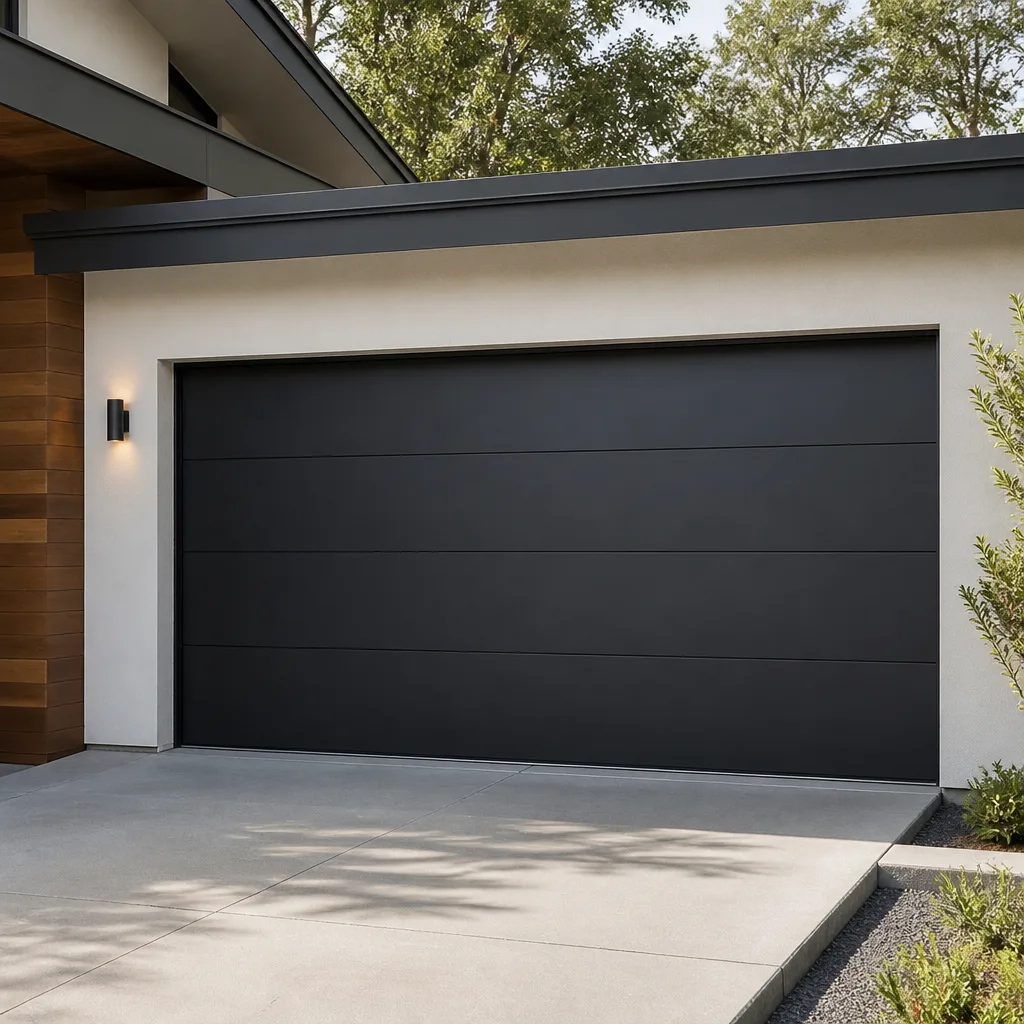 Modern flush
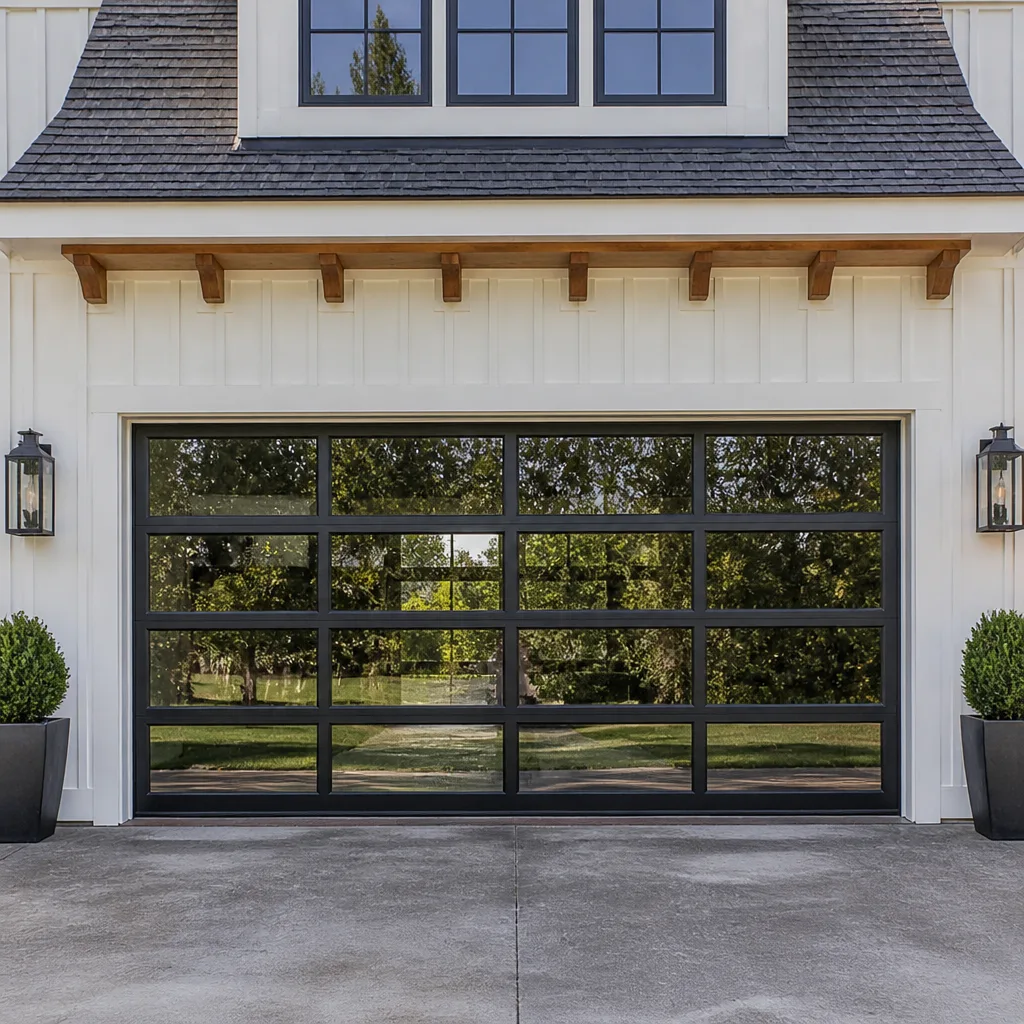 Full-view glass
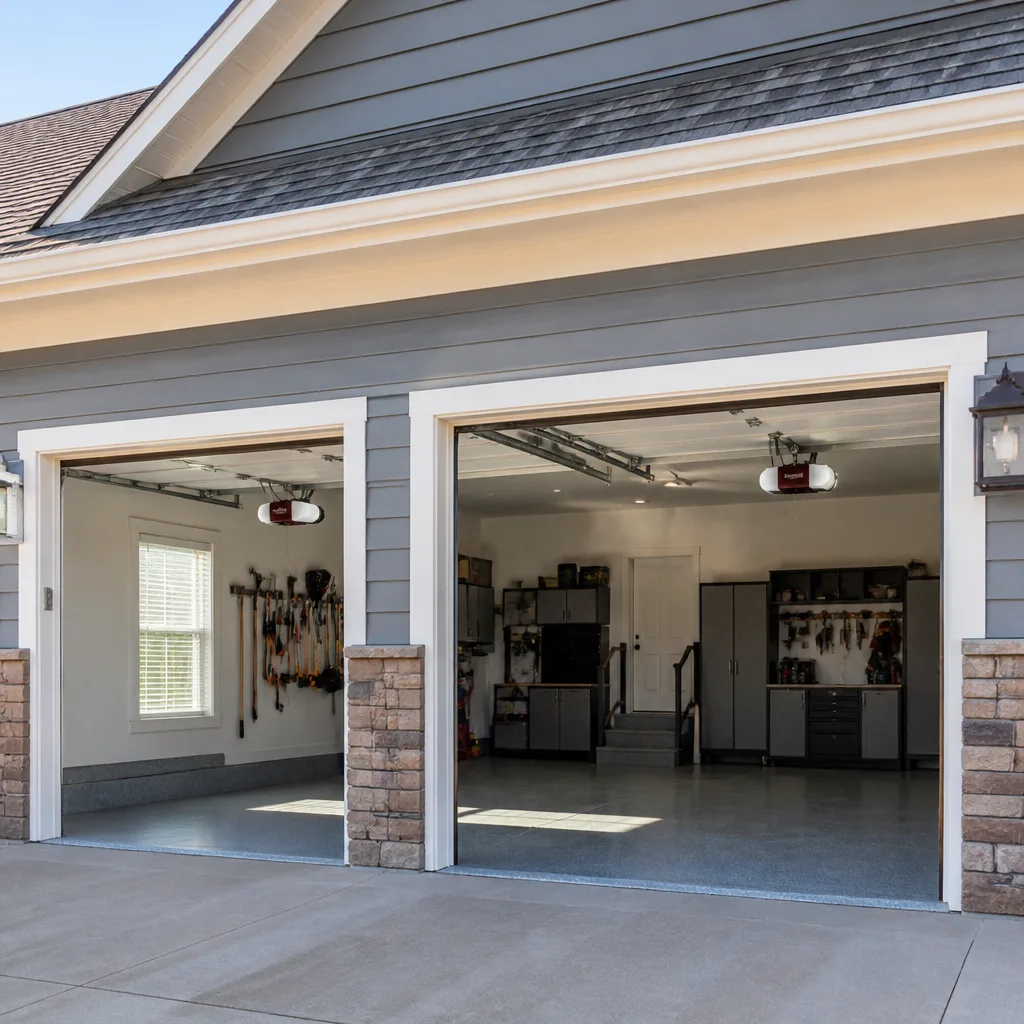 LiftMaster openers
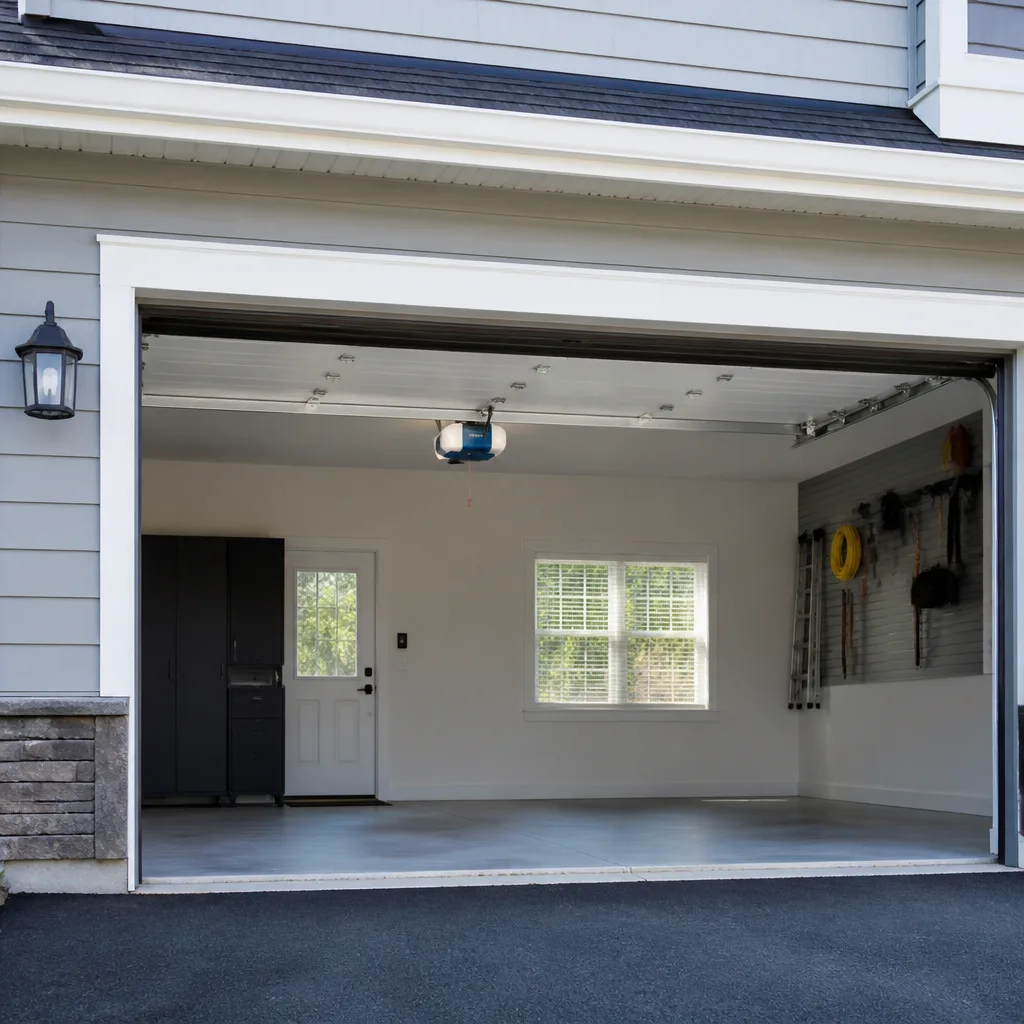 Chamberlain openers
Full 25-point door and opener safety check with every visit - springs, cables, rollers, tracks, and your LiftMaster or Chamberlain opener included
You get a price before we start. It does not change when the pro arrives.
Get your free estimateEmergency Garage Door Troubleshooting: Common Problems and How to Fix Them
Before we drive out to a “broken door,” we ask three questions on the phone. About one in four times, the homeowner fixes it themselves in the next ten minutes. That’s not a sales pitch going sideways – it’s what actually happens when you slow down and check the simple stuff first. A garage door is a 200-pound slab riding on two springs, and most “emergencies” we hear about in Enterprise come down to a misaligned sensor, a tripped breaker, or a lock button someone bumped. This guide walks you through the checks we run before we ever turn the key, the three questions that sort a real problem from a false alarm, and the hard stops where you should put your hands in your pockets and wait for a pro.
Quick Answer
Most emergency garage door problems fall into one of three buckets: a safety sensor knocked out of alignment, an opener that lost power or tripped its internal breaker, or a door that’s physically jammed on its track. Check the sensors, the breaker, and the manual release before you call anyone – those three fixes solve roughly 30% of the calls we get. If you see a snapped spring, a frayed cable, or a door hanging crooked off its track, stop and call a professional. Spring and cable work is where people get hurt.
Styles & brands we work with
- Raised-panel steel
- Carriage house
- Modern flush
- Full-view glass
- LiftMaster openers
- Chamberlain openers
Table of Contents
- The Three Questions We Ask on the Phone
- Safety Sensor Troubleshooting That Actually Works
- Is It the Opener, the Door, or the Track?
- Stuck Halfway, Stuck Down, or No Response at All
- Hard Stops: When to Put Your Hands Down
- Why Enterprise Doors Fail the Way They Do
- Common Mistakes to Avoid
- Frequently Asked Questions
The Three Questions We Ask on the Phone
When you call Otto’s Garage Door Enterprise at nine at night with a door that won’t budge, the person who answers isn’t reading from a script. We ask three questions, and each one eliminates a whole category of problem before we ever load a truck. This is the same triage we’ve done for homeowners across Enterprise for years, and it’s why we can often tell you over the phone whether it’s a ten-minute fix or a job that needs a technician on site.
Question one: Does the opener make any sound at all when you press the button? If it hums or clicks but the door doesn’t move, the motor is trying and something is holding it back – usually a jammed track, a broken spring, or a door that came off its rollers. If it’s dead silent, you’re looking at a power issue, a dead remote battery, or a logic board that gave up. Those are three very different fixes.
Question two: Is the door all the way down, all the way up, or stuck somewhere in the middle? A door stuck fully closed is usually a sensor or opener problem. A door stuck halfway is almost always mechanical – a spring, a cable, or a bent track – and that’s the one where we tell people to stop pressing buttons.
Question three: Do you see a light blinking on the opener, and how many times does it blink? Modern openers from LiftMaster, Chamberlain, and Genie use blink codes the way a car uses a check-engine light. The number of flashes points to a specific fault. This one question saves us a trip more often than any other.
Answer those three and we can usually tell you whether to grab a ladder or grab your keys and go get dinner while we handle it. Call Garage Door Repair in Enterprise if you want that triage live – a person picks up around the clock.
Safety Sensor Troubleshooting That Actually Works
The two small eyes at the bottom of your door tracks are the photocell safety sensors, and they cause more “my door won’t close” calls than anything else. If the door goes up fine but refuses to come down, or comes down a foot and reverses, start here. This is the fix that works without a technician about a third of the time.
The alignment check. Each sensor has a small LED. One should glow steady, and the other should be steady or flickering when nothing is in the way. If one is dark or blinking, the beam between them is broken. Look for anything physically in the path – a rake, a bike tire, a recycling bin the wind pushed over, a clump of leaves. Then look at the sensors themselves: are they pointed at each other, or did one get bumped? A gentle nudge back into line often restores the beam.
The blink pattern. On most LiftMaster and Chamberlain units, the opener’s main light flashes a set number of times, pauses, and repeats. That count is the diagnostic code. Two flashes is a sensor obstruction, four or five usually points to a travel limit or logic issue, and ten often means something is blocking the door’s path of travel. Check your opener’s manual or the sticker on the back panel – the code is printed right there.
The cardboard-block test. This is the one people forget. Cut a piece of cardboard about a foot tall, hold it in the beam’s path, and press the wall button. A properly working door reverses immediately, and the opener light flashes. If it closes anyway, the sensors are dead or bypassed and the safety system is compromised. That’s not a troubleshooting problem anymore – that’s a call-us-now problem.
Sun glare is a real culprit in Enterprise during the summer. Late afternoon sun hitting a sensor dead-on can blind it, and the door won’t close until the shade moves in. If your door only misbehaves certain hours of the day, that’s what’s happening.
Is It the Opener, the Door, or the Track?
Here’s the thing most guides skip: the fix is completely different depending on which of these three parts is actually broken. Sending a homeowner to reset an opener when the track is bent wastes an evening and sometimes damages the door. So sort it before you touch anything.
It’s the opener if: you hear the motor running but the trolley (the carriage on the rail) doesn’t move, the wall button and remotes both fail but the manual release works fine, or the opener light blinks a diagnostic code. A snapped drive belt or a stripped gear inside the opener is common on units that are 10 to 15 years old, and no amount of pressing buttons will fix it. If the opener is straining to lift the door, the problem is almost never the opener itself – it’s usually worn springs making the door heavier than the motor expects. Pull the manual release, lift the door halfway by hand, and let go. A door in good health should stay put. If it drops, the springs are tired and the opener is being asked to do work it shouldn’t be doing.
It’s the door itself if: the door is visibly crooked, one side is higher than the other, a panel is dented or separating, or the door hangs up in the same spot every cycle. Crooked means a cable or roller issue. Hanging up means a bad hinge or a worn roller.
It’s the track if: you can see a dent or a bend, usually where a car tapped it or a ladder fell against it. Look along the vertical and horizontal rails. A track out of true will bind the rollers and make the door groan or stop. This is a job for a technician – forcing a bent track back by hand rarely holds and can throw the door off its alignment. If you suspect the opener is the issue, our Garage Door Opener Repair & Installation in Enterprise page covers the diagnostic side in more detail.
Stuck Halfway, Stuck Down, or No Response at All
These three situations want three different responses. Treat them as separate decision trees.
Stuck halfway open
- Stop pressing the button. Repeated cycles on a jammed door strain the opener and can snap a cable.
- Look at the springs and cables before anything else. A broken spring is usually obvious – there’s a two-inch gap in the coil – and a loose cable will be hanging slack off its drum.
- Do not try to close the door by hand. A door stuck halfway can drop the second the tension lets go.
- Call us. This is the scenario where we’d rather have a technician on site than talk you through it.
Stuck fully down
A door stuck closed is usually the least dangerous and the most fixable. Check that the manual release cord hasn’t been pulled (that disconnects the door from the opener and leaves it dead to the remote). Check your breaker panel for a tripped circuit. Try the wall button instead of the remote – if the wall works and the remote doesn’t, you need a battery, a reprogram, or a new remote, not a repair.
Won’t respond at all
Dead silence across remotes and the wall button points to power. Test the outlet the opener plugs into with a lamp. If the outlet is dead, check the breaker. If the outlet works but the opener is silent, you’re looking at a logic board or a failed capacitor. That’s an opener repair, not a door repair.
Hard Stops: When to Put Your Hands Down
There are a handful of symptoms where troubleshooting ends and expert help begins. We’re direct about this because we’ve seen what happens when someone ignores it.
- A broken spring. That coil over your door or the torsion bar above the header is under hundreds of pounds of tension. It is not a DIY repair, and a spring that lets go under a homeowner’s wrench can break a wrist or a jaw. Back away.
- A snapped or slack cable. Cables hold the door’s weight in tension alongside the springs. A frayed cable is one cycle from snapping.
- A door hanging crooked or off its track. Don’t run the opener. Don’t force it. A door that comes out of the track can fall.
- The opener runs but the door doesn’t move, and the chain or belt is still moving. Something in the trolley or drive has failed and the opener is trying to lift a dead weight.
- Repeated reversing with nothing in the path. Your safety system has failed. The door can close on a child or a pet.
The garage door is the largest moving object in most homes, and the springs and cables are where the danger lives. Respect that and let a trained technician handle it. This is the kind of work our garage door repair team handles every week in Enterprise, and it’s the reason we keep our hands off the springs and use the right tools.
Why Enterprise Doors Fail the Way They Do
Enterprise isn’t the desert postcard people imagine. The valley heat is brutal – triple digits from June through September – and that cycles every spring, roller, and bearing hundreds of thousands of times under thermal stress. We see spring failures show up in waves every spring when the first genuinely hot week hits, because a tired spring that limped through winter finally gives up when the temperature spikes and the metal loses a bit of its tension margin. The dust and wind-blown grit in this part of the valley also wear rollers and hinges faster than you’d see in wetter climates, and a dry roller will start squealing long before it actually fails. That’s useful information – a squealing door is telling you something. If your door has been getting louder over a few weeks, that’s not normal wear, that’s a warning. We count spring cycles the way you count tire miles, and on a door that’s 15 years old with an unknown history, the springs may already be near the end of their rated life. In Enterprise, we regularly see spring failures after a cold-snap warm-up cycle, when the temperature swings 40 degrees in a week. That’s the door’s version of a stress test.
Common Mistakes to Avoid
- Pressing the opener over and over to “unstick” a door. If the door is jammed, each cycle strains the opener motor and stretches the cables. One try, then stop and inspect. We’ve replaced openers in Enterprise that burned out from a homeowner’s tenth press.
- Trying to bend a twisted track back by hand. A bent track almost never stays put once it’s been forced, and the door can jump off its rollers mid-cycle. Leave it to a technician with the right alignment tools.
- Ignoring a blinking sensor light. A blinking sensor is telling you the safety system is compromised. Dismissing it because “the door works fine most days” is how people get a door that closes on a bike tire or a kid.
- Pulling the manual release without knowing the door will drop. On a door with a tired spring, releasing the trolley lets the full weight of the door come down at once. Pull it, and be ready to hold 200 pounds – or don’t pull it.
- Calling a national outfit that quotes one number on the phone and another at the door. This is the one that bites hardest. Get a written quote before any work starts, and make sure the person on the phone is the one who’ll be at your house. That’s why we quote on the call and hold that number at the door.
- Skipping the annual checkup. A five-minute tune-up – tightening bolts, lubricating rollers, checking spring tension – catches most of these emergencies before they happen. Ask about it when you call.
See the difference
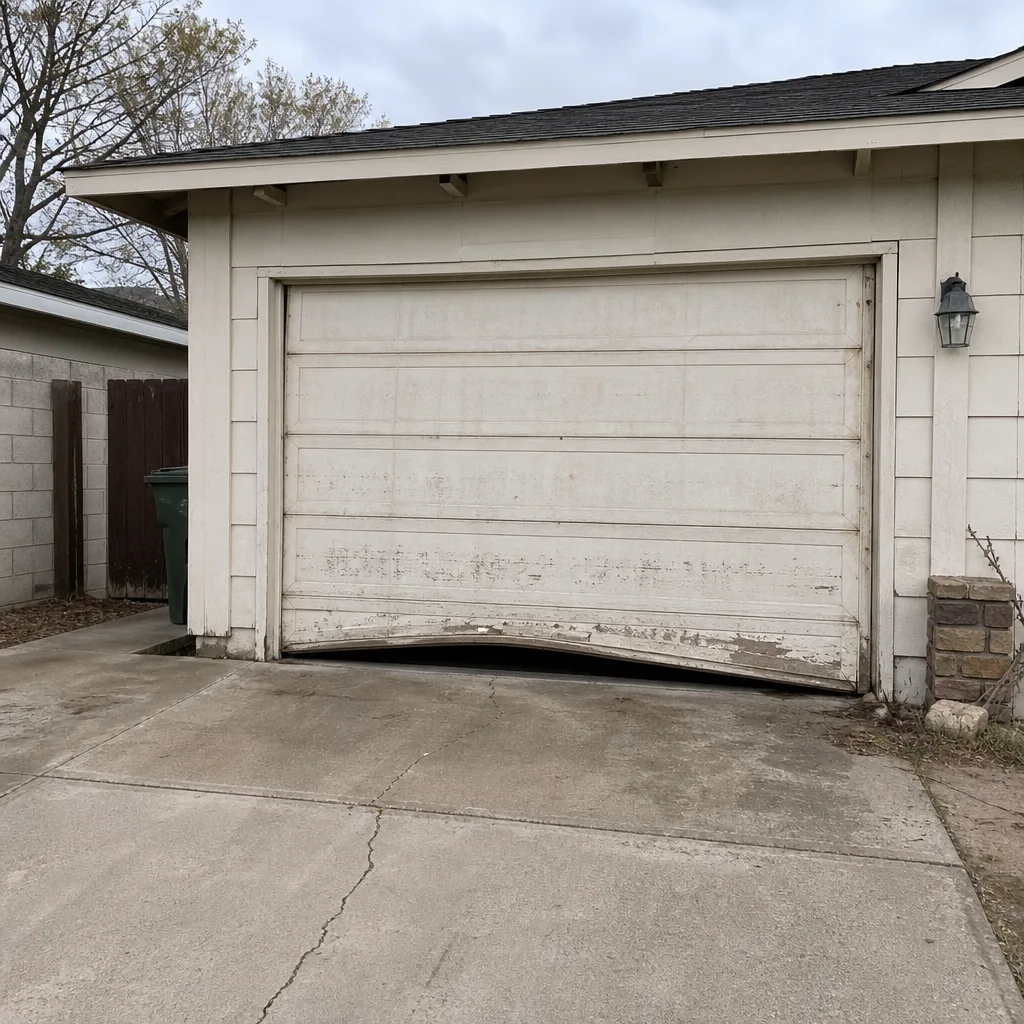 Before
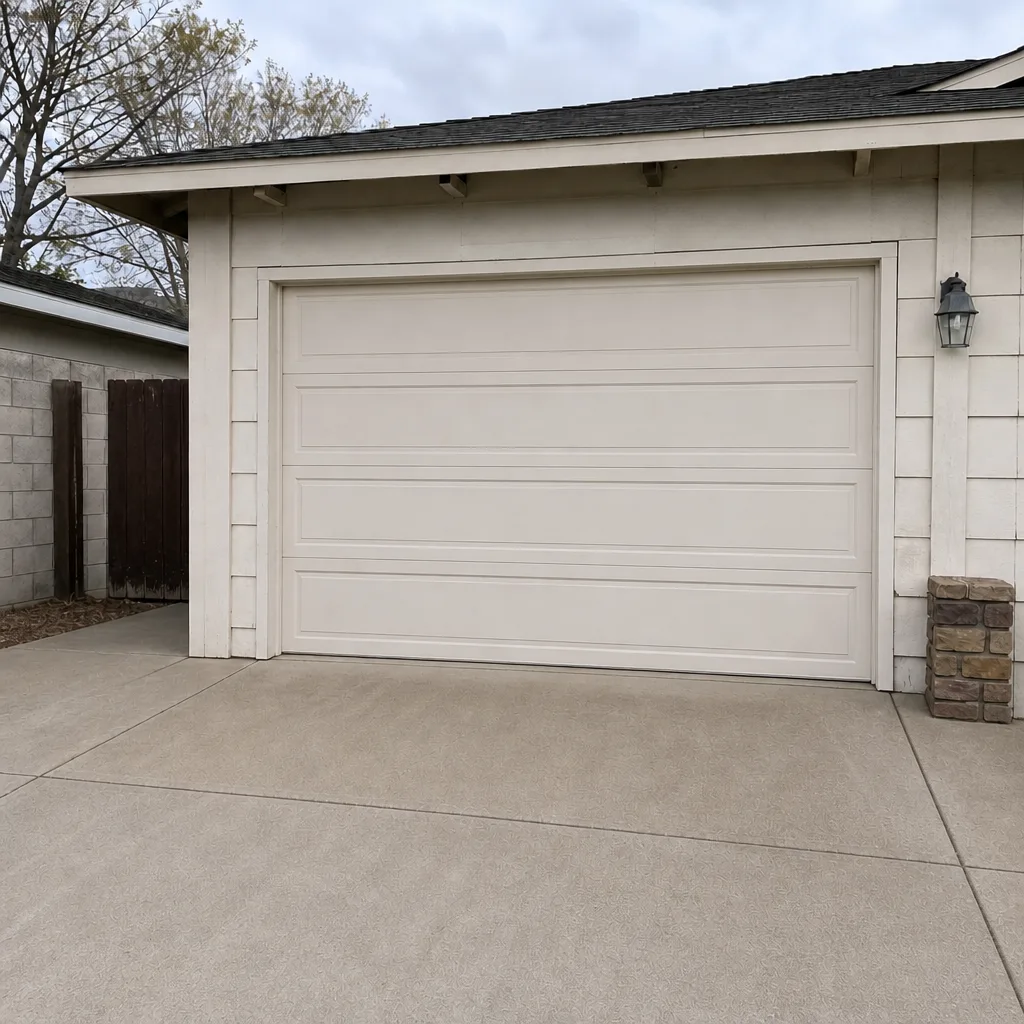 After
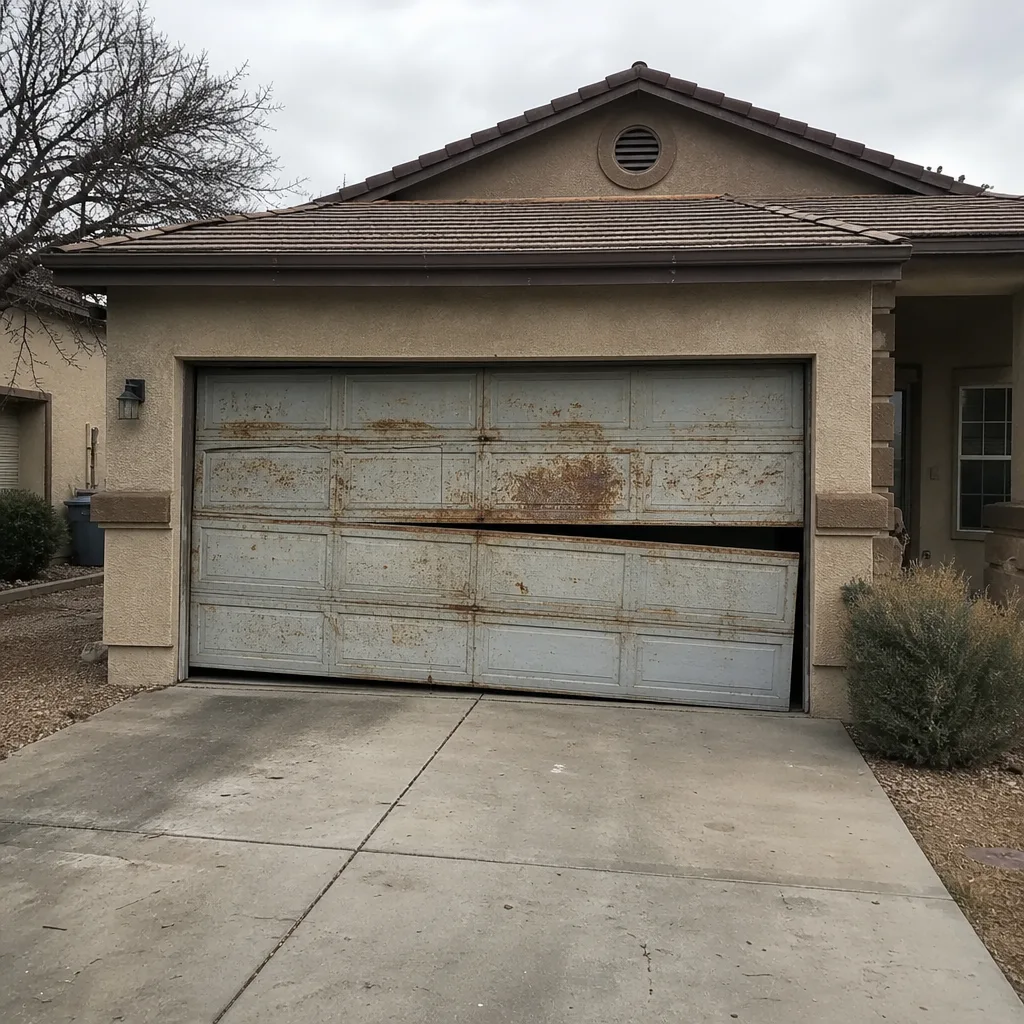 Before
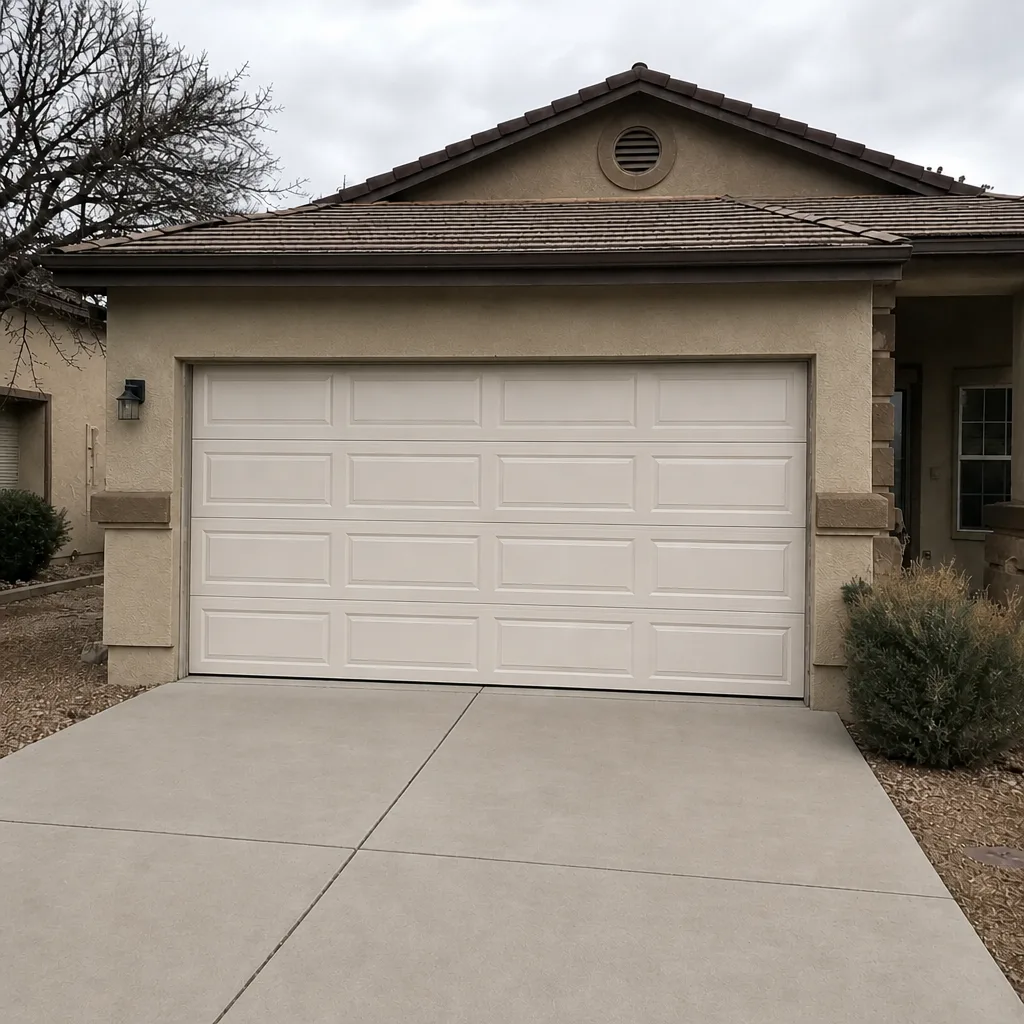 After
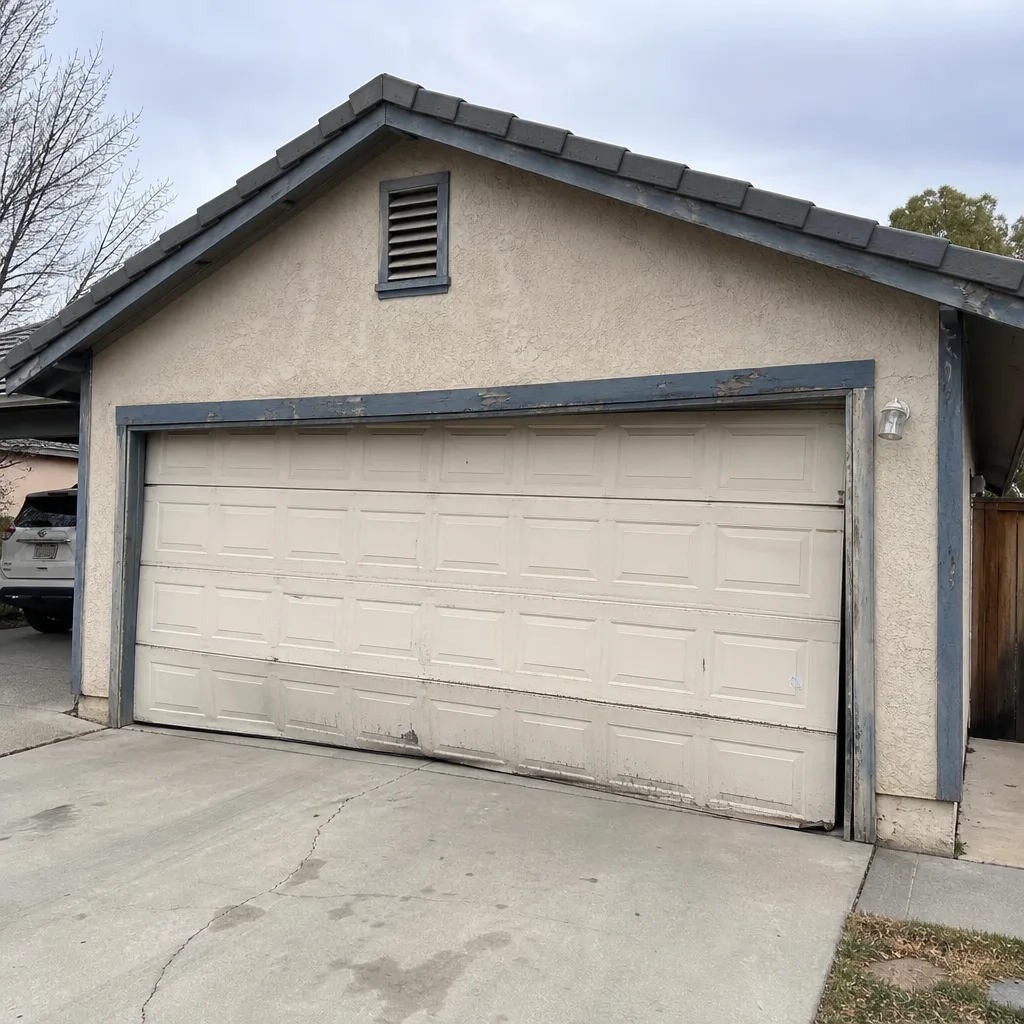 Before
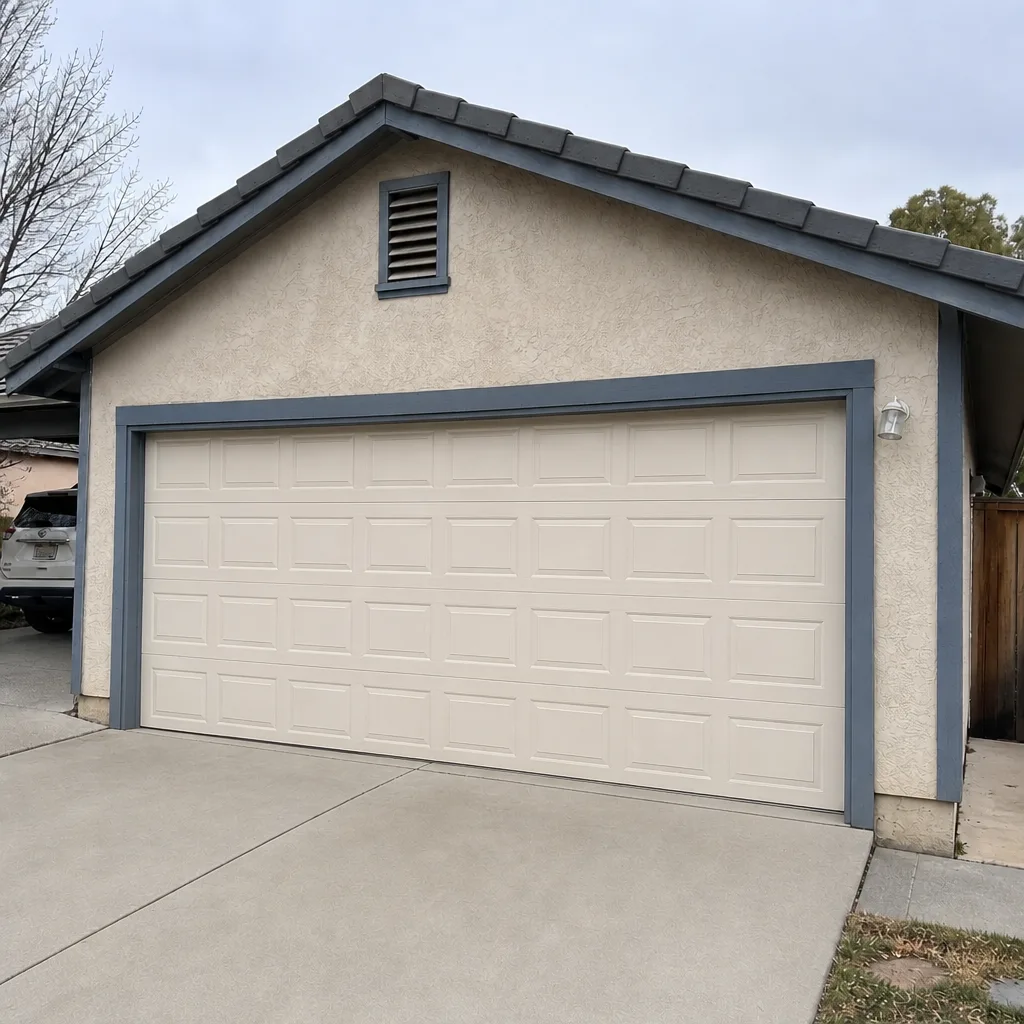 After
When to Call a Professional
Call a professional the moment you see a broken spring, a frayed cable, a door hanging off its track, or an opener that runs while the door sits still. Call when the safety sensors fail the cardboard-block test and won’t come back. Call when a door reverses for no reason, when it’s grinding or popping, or when it’s been getting louder for weeks and you can’t explain why. And call if the door is stuck halfway and you can’t see an obvious cause – that’s a door you shouldn’t touch. Otto’s Garage Door Enterprise offers free estimates in Enterprise, with a live person answering around the clock and a written 90-Day Done Right Promise on every job. Call (833) 620-7107 and we’ll sort it over the phone or get a technician to you.
Frequently Asked Questions
You can safely handle sensor alignment, remote batteries, breaker resets, and clearing obstructions from the door’s path – those solve about a third of the calls we get. Spring, cable, and track work is not DIY, full stop. If the problem involves tension or the door hanging crooked, put your hands down and call.
Nine times out of ten it’s the safety sensors. One sensor is out of alignment, blocked by debris, or blinded by sun glare. Check that both sensor LEDs are lit and steady, clear anything in the beam’s path, and nudge a misaligned sensor back into line. If the door still won’t close, call (833) 620-7107 – estimates are free.
It depends on the failure. A sensor adjustment or remote reprogram is a small service call. A spring replacement is a bigger job because spring work is skilled labor with real risk. The number that matters is the one you get in writing before any work starts – we quote on the phone and hold that number at the door, and a $40 discount applies to any repair over $200.
The blink pattern is a diagnostic code. Count the flashes between pauses, then check the label on the opener or your manual. Two flashes usually means a sensor obstruction, ten often means something blocking the door’s path, and higher counts point to travel limits or a logic issue. The code tells you which system to look at first.
Yes. A torsion spring holds hundreds of pounds of tension, and a broken one can whip with enough force to cause serious injury if you’re in the way. Never try to remove, replace, or adjust a spring yourself. That’s one of the few jobs where we insist on a trained technician, every time.
For an emergency – a door that won’t close, a spring that snapped, a car trapped inside – we do our best to get to you promptly, and a live person answers the phone around the clock. For a new door or a scheduled install, we schedule a measure and a written quote, because that work depends on parts and lead time. Either way, call and we’ll tell you straight.
The Bottom Line
Most garage door emergencies aren’t emergencies once you know what you’re looking at. Check the sensors, the breaker, and the manual release before you pick up the phone – that solves about a third of the calls we get. Sort the problem by asking whether it’s the opener, the door, or the track, because the fix is completely different for each. And treat springs, cables, and off-track doors as hard stops. If you get stuck between a check and a call, we’re happy to talk it through. Otto’s Garage Door Enterprise answers the phone around the clock, quotes in writing, and stands behind every job for 90 days with the 90-Day Done Right Promise. Call (833) 620-7107 for a free estimate, or reach out through our Garage Door Installation in Enterprise page if you’re ready for a new door rather than a fix.
Written by the team at Otto’s Garage Door Enterprise.