
Last updated November 17, 2026
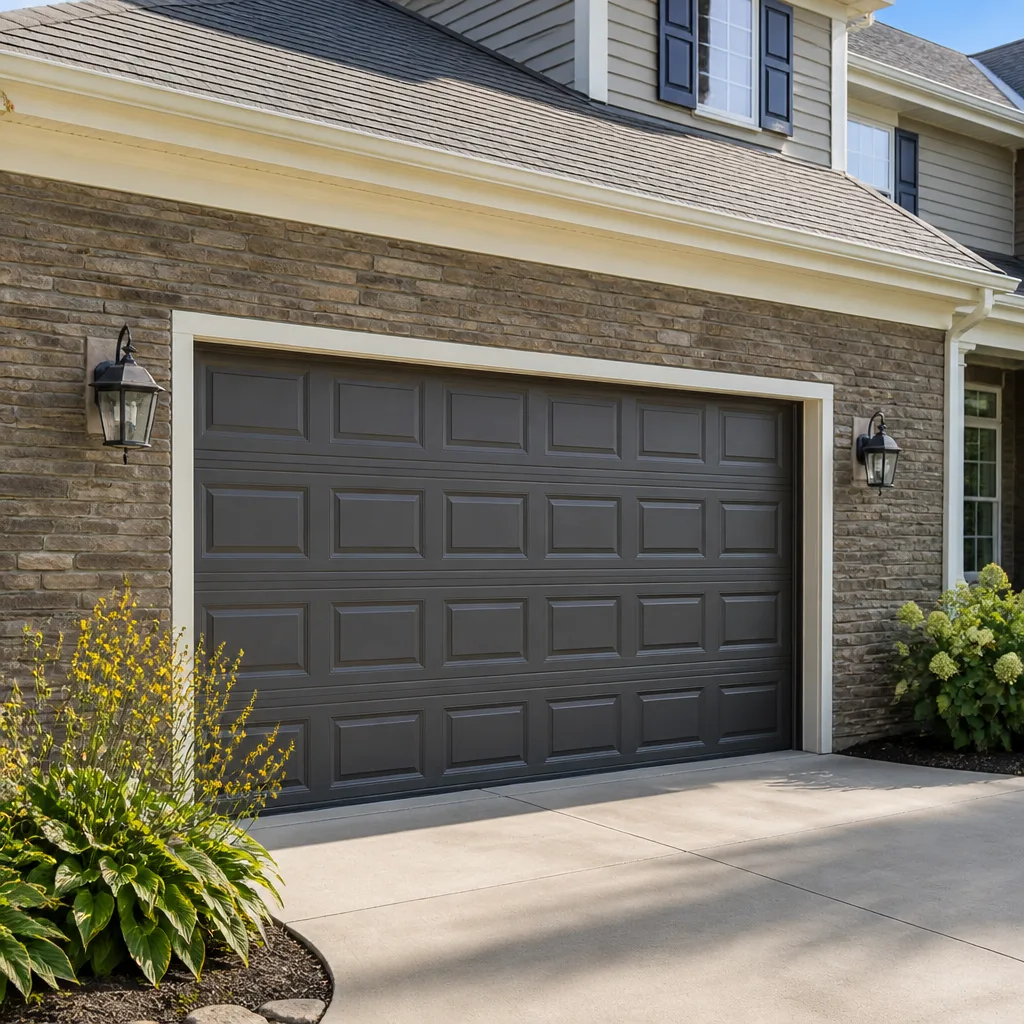 Raised-panel steel
 Carriage house
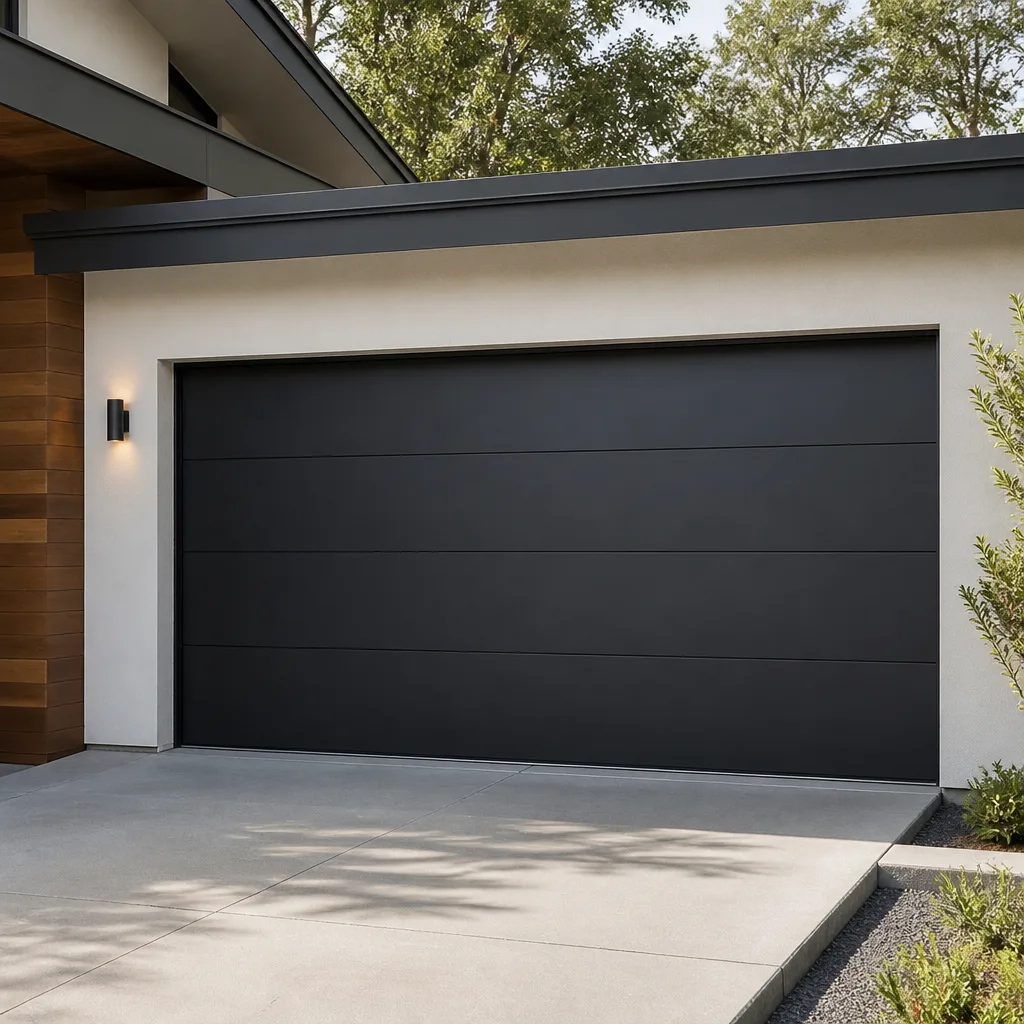 Modern flush
 Full-view glass
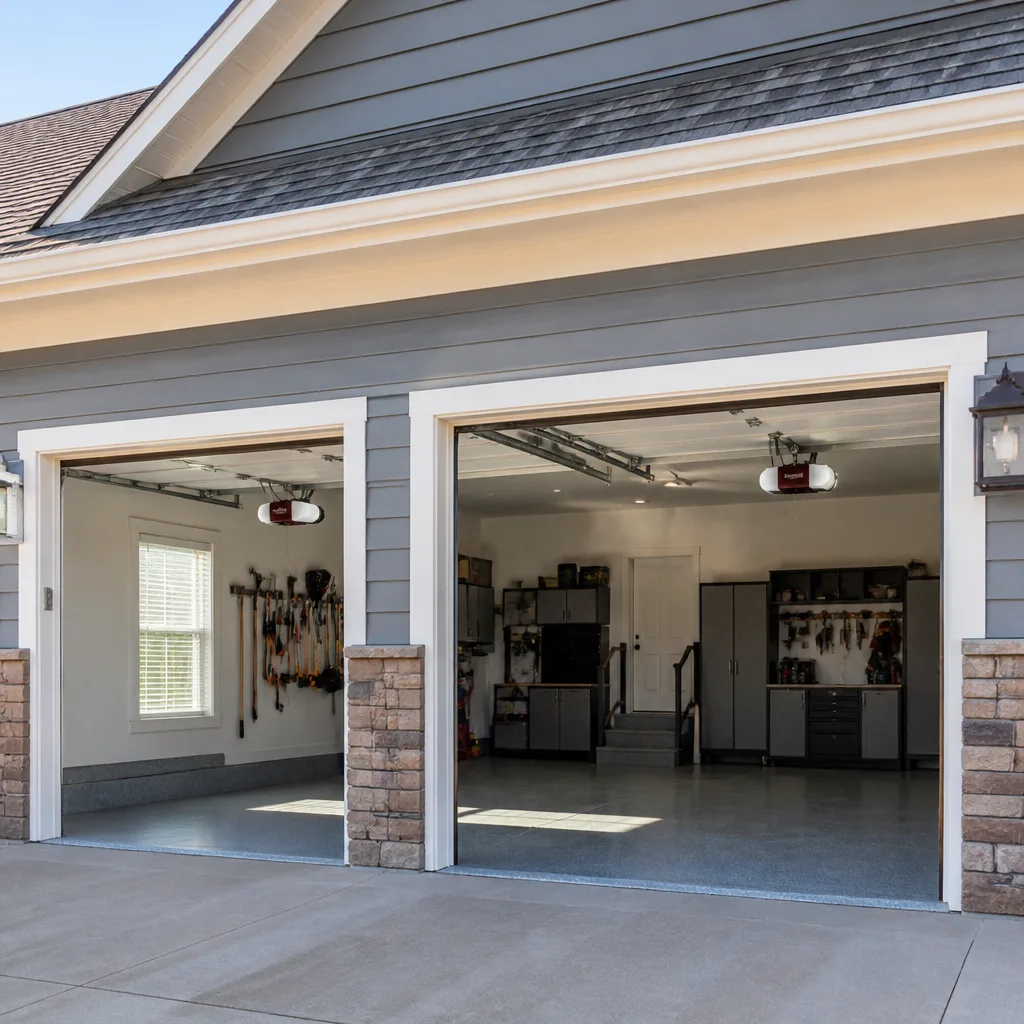 LiftMaster openers
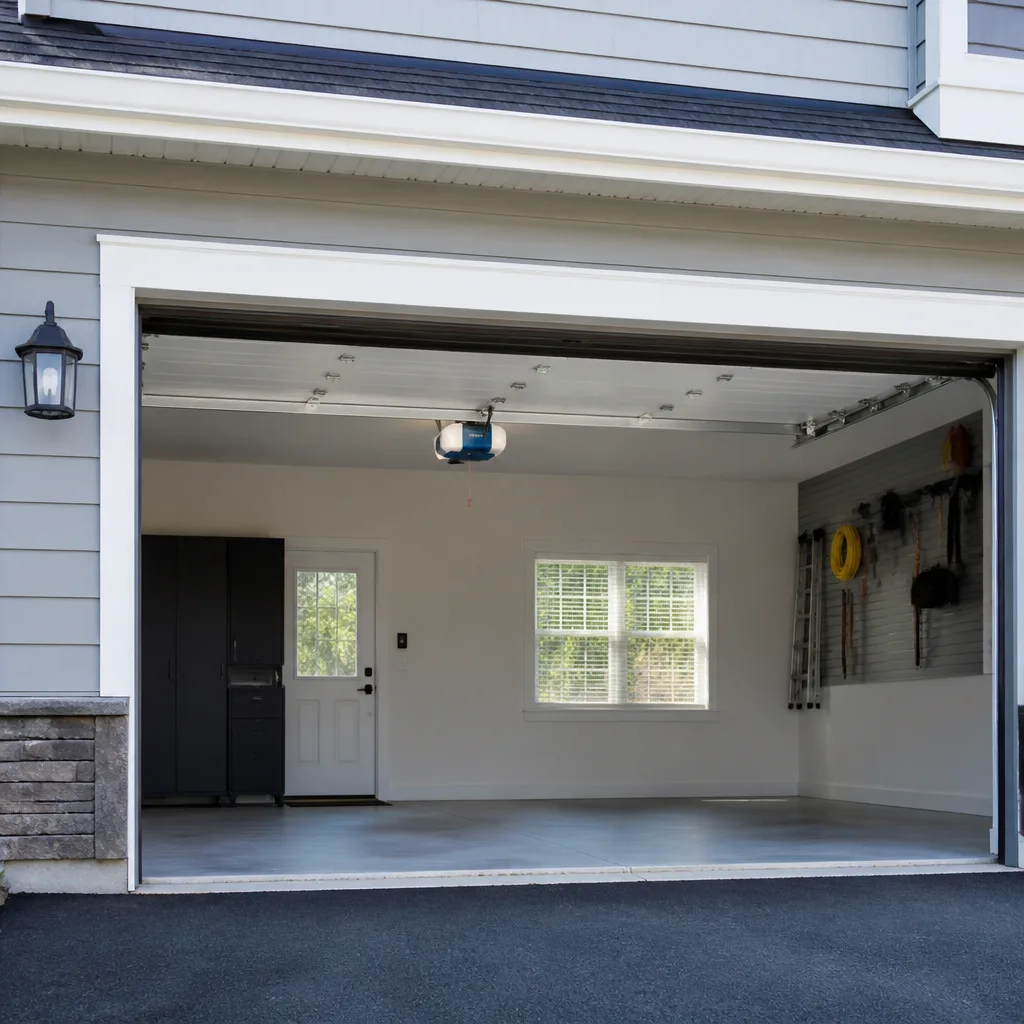 Chamberlain openers
Full 25-point door and opener safety check with every visit - springs, cables, rollers, tracks, and your LiftMaster or Chamberlain opener included
You get a price before we start. It does not change when the pro arrives.
Get your free estimateGarage Door Installation Warning Signs Every Homeowner Should Know
A homeowner in Enterprise called us because her brand-new door “just started grinding.” It was six weeks old. The installer had set the spring tension wrong from day one, and she had no idea what a correctly installed door was supposed to feel like. That’s the trouble with bad installation: it doesn’t announce itself when the crew pulls out of the driveway. It shows up months later as a snapped spring, a panel that’s drifted out of square, or a gap at the floor that pours desert dust into your garage every time the wind kicks up over the McCullough Range. This guide walks you through what to test before the van leaves, what to watch for in the first month, and which paperwork red flags mean you should get a second set of eyes on the job.
Quick Answer
The clearest installation warning signs are a door that’s too heavy to lift by hand, uneven gaps along the floor seal, jerky or inconsistent travel speed, an opener that fails the reversal test, and loose anchor bolts. If any of those show up in the first 30 days, the install needs correcting, not adjusting around. In Enterprise and the surrounding valley, heat cycling makes sloppy work show itself faster than almost anywhere else in the country.
Styles & brands we work with
- Raised-panel steel
- Carriage house
- Modern flush
- Full-view glass
- LiftMaster openers
- Chamberlain openers
Table of Contents
- The Five Tests to Run the Day Installation Finishes
- What Improper Spring Tension Looks Like in Motion
- Gaps and Alignment Problems That Appear After the First Week of Nevada Heat
- Paperwork and Warranty Red Flags
- Your 30-Day Post-Install Checklist (No Tools Needed)
- Why Enterprise Installations Fail Differently
- Common Mistakes to Avoid
- When to Call a Professional
The Five Tests to Run the Day Installation Finishes
This is the window most homeowners miss. The crew is still there, the door is still under their labor warranty, and fixing something takes twenty minutes instead of a return visit. Run these five checks before anyone drives away.
- Manual lift weight. Disconnect the opener (pull the release cord) and lift the door by hand to about waist height. A properly balanced door should feel light, maybe 10 to 15 pounds of effort, and it should stay put when you let go at halfway. If you’re grunting, the springs aren’t set right. A door is 200 pounds riding on two springs. Respect it.
- Gap uniformity at the floor seal. Lower the door and walk the full width with a flashlight. The bottom seal should touch the floor evenly, no visible daylight, no spots where the rubber is crushed flat while other sections barely touch. A 1/4-inch gap at one corner is a draft, a dust channel, and often a scorpion highway.
- Travel speed consistency. Run the door up and down with the opener twice. It should move at a steady pace, no lurching, no pauses, no spots where it seems to catch and then hurry. Speed changes mid-travel mean the track is out of plumb or a roller is binding.
- Reversal sensitivity. This one matters for safety with kids and pets. Place a roll of paper towels or a 2×4 flat on the ground under the door and close it. The door should reverse on contact. If it keeps pressing down, the opener’s force limit is set too high, and that’s a same-day fix.
- Anchor bolt tightness. Grab the vertical track near the middle and give it a firm shake. It shouldn’t move. Loose lag bolts into the framing are one of the most common shortcuts we see, and they let the whole door walk out of alignment over a season.
If any of those five fail, ask the installer to correct it before they leave. That’s exactly the kind of thing our Garage Door Installation in Enterprise process builds into the walkthrough, because a five-minute test beats a five-week headache.
What Improper Spring Tension Looks Like in Motion
Spring tension is the heart of the whole system, and it’s also the part most homeowners can’t see. Torsion springs sit on a shaft above the door; extension springs run alongside the tracks. Either way, they’re sized to the door’s weight, and when they’re set wrong the whole door misbehaves in ways that look like other problems.
Here’s the tell. Disconnect the opener, lift the door to halfway, and let go. A correctly balanced door stays there, hovering. A door with too little tension free-falls to the ground. A door with too much tension wants to shoot up on its own. Both are wrong, and both put strain on the opener, the panels, and the springs themselves.
- Free-fall on release means the springs are undertensioned. The opener is doing the lifting, and it wasn’t built for that. It’ll burn out the motor or strip the gear inside a year.
- Self-rising door means overtensioned springs. The door is being pushed past its stops, the panels flex, and the cables take loads they weren’t spec’d for.
- Grinding or popping in motion often means the spring wind count was off, or the cables were set with the door in the wrong position. That’s the grinding the Enterprise homeowner heard six weeks in.
This is where we have to say it plainly: torsion springs are under extreme tension, and adjusting them without the right winding bars and training is genuinely dangerous. We’ve seen serious injuries from homeowners who thought it looked easy on a video. Leave the spring work to someone trained for it. If you suspect a tension problem, call us and we’ll check it, and our Garage Door Repair in Enterprise team handles the correction without drama.
Gaps and Alignment Problems That Appear After the First Week of Nevada Heat
Enterprise sits at high desert elevation, and the summer swing between a 60-degree morning and a 100-degree afternoon is brutal on anything that expands and contracts. A door installed in cool weather and never re-checked will show its weak spots within about seven to ten days of real heat.
What shows up in that first hot week:
- Daylight at the top corners. The header seal lifts as the framing moves. It usually means the top seal wasn’t cut to the right length or wasn’t tacked down properly.
- A panel that looks low on one side. The door has shifted off-level, usually because the track wasn’t anchored to a stud, or the studs themselves move more than the installer planned for.
- A gap that opens on one side only as the day heats up. This is the classic thermal bow. It can be a real problem or a track adjustment, but you can’t tell without a level on the track.
- A whistle or draft under the bottom seal during wind. The bottom rubber may have hardened in the sun faster than expected, or the door sits a fraction of an inch high.
Dust intrusion is the giveaway most people notice first. In Enterprise, when the wind comes across the valley, a door with a poor seal lets the grit pour in under the bottom and into the corners of the garage. If you’re sweeping up dust every weekend that you didn’t sweep before the new door, the seal or the alignment needs correcting. Same goes for the opener side: if the door is binding slightly, the opener motor strains, and heat makes it worse. Our Garage Door Opener Repair & Installation in Enterprise work almost always starts by checking the door’s balance before touching the motor, because if the opener is straining, the problem is almost never the opener.
Paperwork and Warranty Red Flags
The van pulls away, and all you have is a receipt. In our experience, the paperwork is where cheap or rushed installations hide, because the crew that cut corners in the field usually cut them on the invoice too. Here’s what to insist on before you pay.
- A written labor warranty. The door manufacturer’s warranty covers the door. It doesn’t cover the installer’s work. You want the labor terms in writing, with a number of days on it. Ours is the 90-Day Done Right Promise, printed on the invoice, and it holds whether the problem shows up on day three or day eighty-nine.
- Model numbers on the invoice. The door model, the spring size, the opener model. If the receipt just says “installation,” you can’t verify what got put on your house, and a warranty claim gets hard fast. Ask for the specific numbers.
- The brand named in writing. Whether it’s a LiftMaster opener, a Clopay door, or a Raynor panel, the paperwork should say so. If it doesn’t, that’s a question worth asking before you sign the check.
- A physical business address and a license number on the document. You should be able to verify who did the work without a phone tree. If the paperwork only shows a PO box or an out-of-state phone number, that’s a red flag.
- A receipt that itemizes parts and labor separately. If it doesn’t, you have no way to tell whether the spring you were charged $400 for was a $45 spring or a $120 one.
One more: the warranty card for the door itself. Register it. Most manufacturers require it within a set window, and skipping it can void coverage years later when a panel delaminates. That’s a five-minute task now versus a fight later.
Your 30-Day Post-Install Checklist (No Tools Needed)
You don’t need a garage full of tools to keep an eye on a new installation. Here’s a walkthrough you can run yourself once a week for the first month, five minutes per pass, and it’ll catch nearly every problem while the labor warranty is still good.
- Week 1: The flashlight gap check. At dusk, with the garage lights off, stand inside and look at the closed door’s perimeter. Any daylight is a seal problem. Note where it’s brightest.
- Week 1: Listen. Open and close the door once, slowly, and just listen. Steady hum from the opener is normal. Grinding, clicking, or a panel rattling means something’s off.
- Week 2: The release-and-hover test. Disconnect the opener and lift the door halfway. It should stay put. If it drops or rises on its own, the springs need attention. Then re-engage the opener by running it once.
- Week 2: Visual track inspection. Look down the length of each vertical track. It should be straight and parallel to the frame. A visible kink or bow is a track issue, not a door issue.
- Week 3: The reversal test again. Run the paper-towel test to confirm the safety reverse still works. Force limits can drift after a few weeks of settling.
- Week 3: The roller check. With the door closed, look at the rollers in the tracks. They should turn freely by hand if you nudge them. Worn or seized rollers grab the track and cause grinding.
- Week 4: The bolt check by hand. Grab the vertical track and gently push and pull. No movement should be possible. A bolt that’s backed out shows up as a wobble. Call it in and get it snugged.
Then keep a simple note on the calendar once a month: open, close, listen, look at the gap. Most installations that fail in the first year fail within the first ninety days, and if you catch it inside that window, the installer should fix it for free.
Why Enterprise Installations Fail Differently
We’ve worked on doors across this valley long enough to know that the same installation that would last a decade in a coastal climate can fail inside ninety days out here. The reasons are specific to Enterprise, and they’re worth knowing because they change what you watch for.
The first is thermal swing. Door panels are steel or aluminum or wood, and they all move with heat. Out here, the door faces west and bakes for three hours in the afternoon, then cools by 40 degrees overnight. That cycle repeats a hundred and fifty times a summer. If the track was anchored to something that doesn’t hold, or the bottom seal was cut short, the door will tell you within the first heat wave. The second is dust. Wind-blown grit gets into roller bearings and track grooves and stays there. A door with cheap rollers will start grinding within a year, and the fix is usually to swap the rollers, not the whole door. The third is the bottom seal itself. The sun’s UV levels out here chew through a cheap rubber seal faster than most manufacturers expect, so a seal that should last five years may go stiff and crack in two or three.
If something in your new door is off, it’s worth having someone check it who knows what the local climate does. We see it every week. Call Otto’s Garage Door Enterprise at (833) 620-7107 and we’ll take a look.
Common Mistakes to Avoid
- Paying before the walkthrough test. Once the check is cashed, the incentive to come back and fix a small thing disappears. Run the five tests first, then pay.
- Trusting a “lifetime warranty” with no written terms. Ask for it in writing with a defined coverage period. If it’s on the invoice, it’s a warranty. If it’s verbal, it’s a hope.
- Ignoring a small gap because “it’s just a little draft.” In Enterprise, that gap becomes a dust channel every time the wind comes over the valley, and it usually grows as the heat cycle works the seal loose.
- Not testing the manual release. A door that won’t lift by hand is a door you can’t get out of in a power outage, and it’s a door whose springs were set wrong.
- Skipping the manufacturer warranty card. It’s a five-minute task that protects you for a decade. Most homeowners never do it.
- Assuming the opener brand means the installation was good. A premium LiftMaster or Chamberlain opener mounted on a door with bad balance will fail anyway, because the opener isn’t the problem.
- Ignoring the first grinding noise. A grind today is a stripped gear or a snapping cable in six weeks. Catching it early is the difference between a tune-up and a repair bill.
When to Call a Professional
Some things aren’t a DIY check. If your door free-falls when you release it from halfway, stop using it and call. If you see a broken spring (a gap in the coil), don’t run the door at all, because the opener is now lifting 200 pounds of dead weight. If a cable has come off its drum or is frayed, don’t touch it. If the door has come off one track and is hanging crooked, don’t try to lift it back in. And if you’re getting paperwork that doesn’t match what was installed, or a crew that won’t put the labor warranty in writing, get a second opinion from someone who will. Otto’s Garage Door Enterprise offers free estimates in Enterprise, and the phone is answered by a live person. Call (833) 620-7107 and we’ll tell you straight what you’re looking at.
See the difference
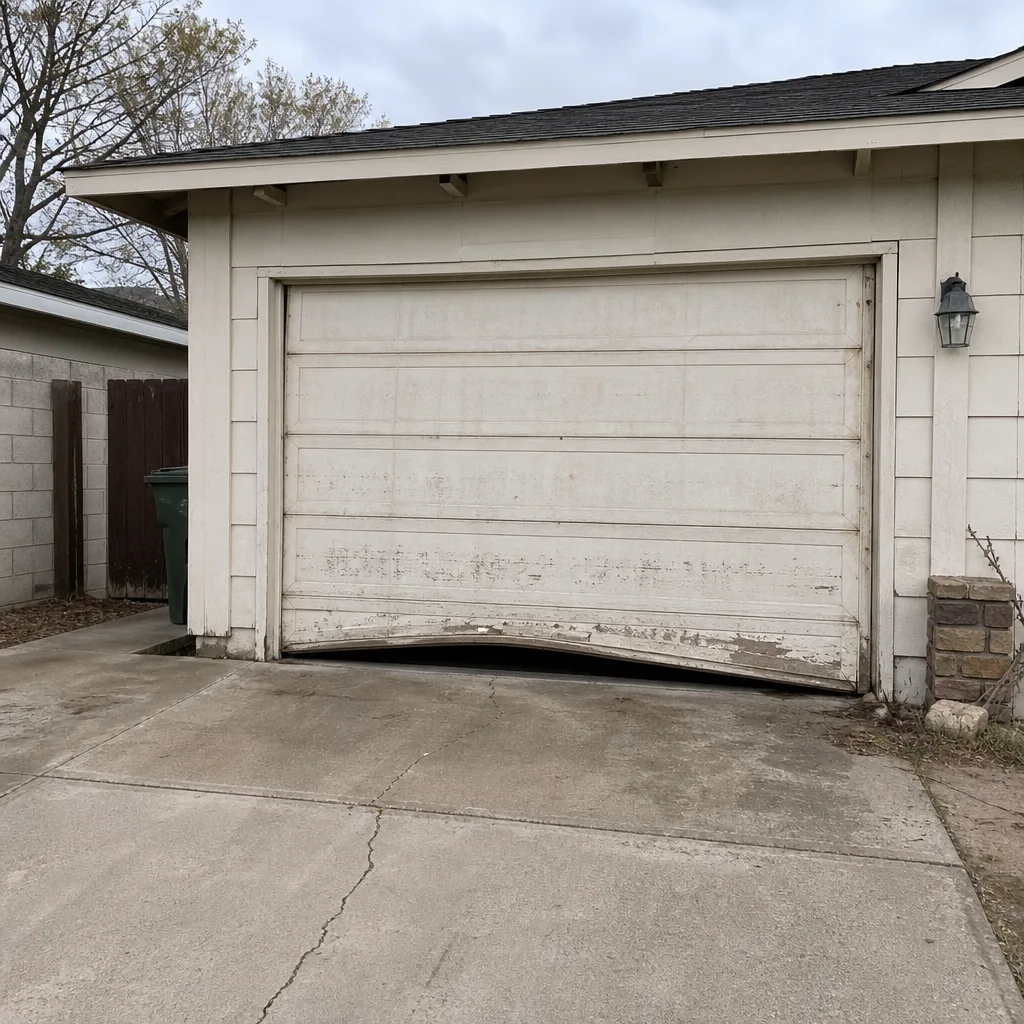 Before
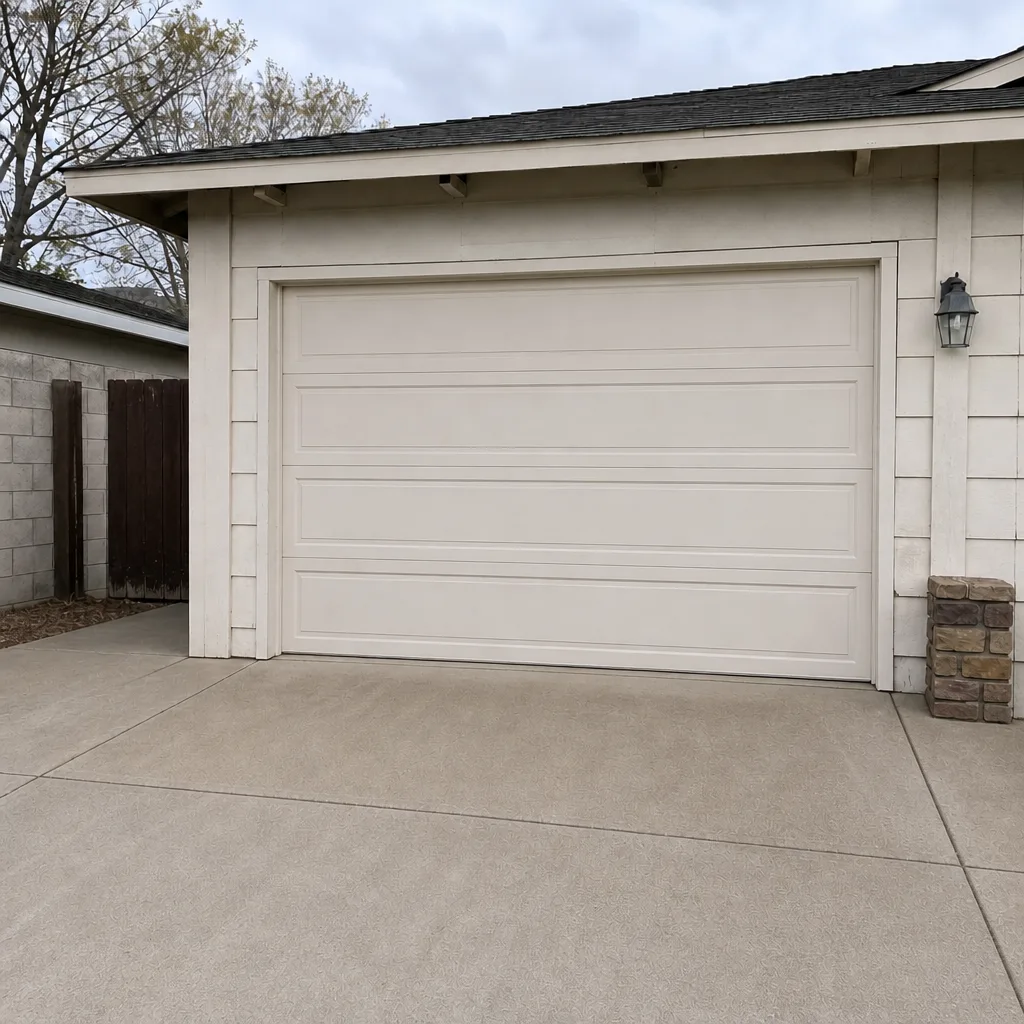 After
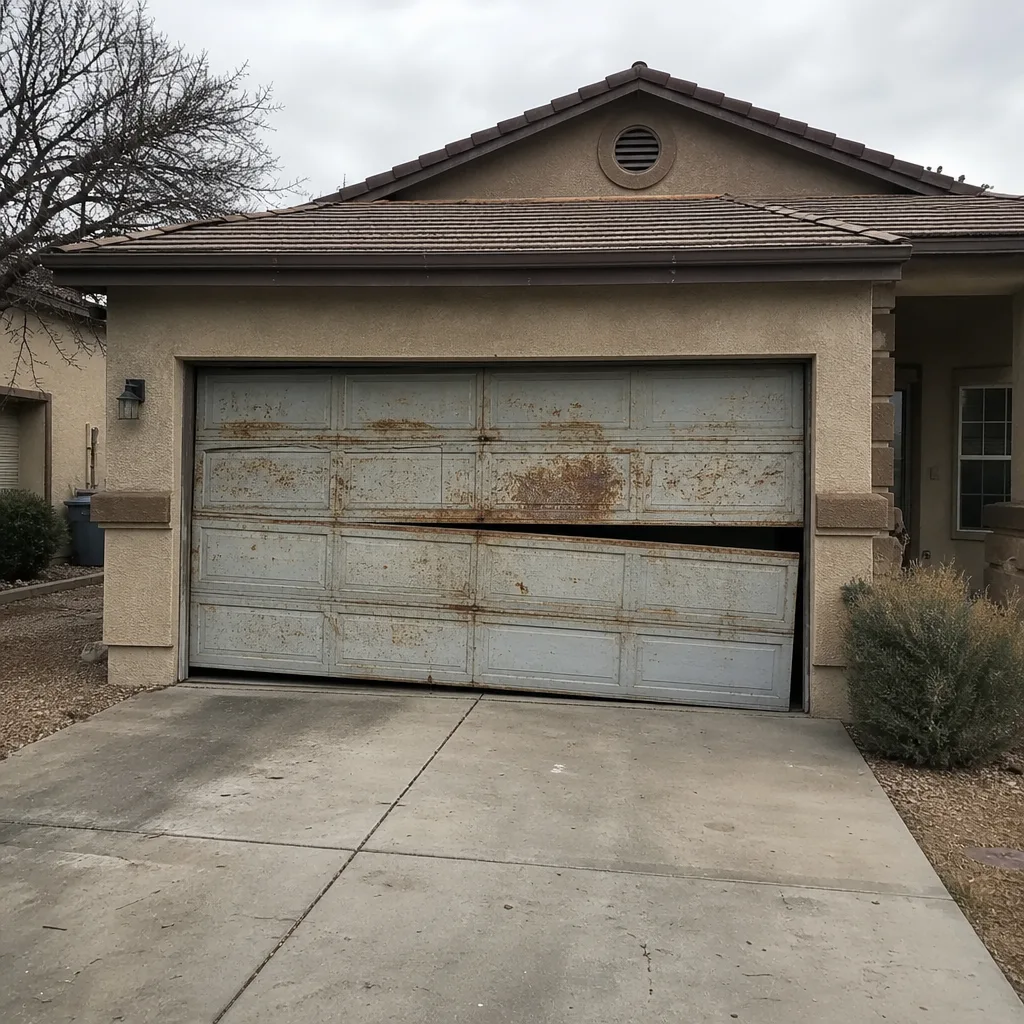 Before
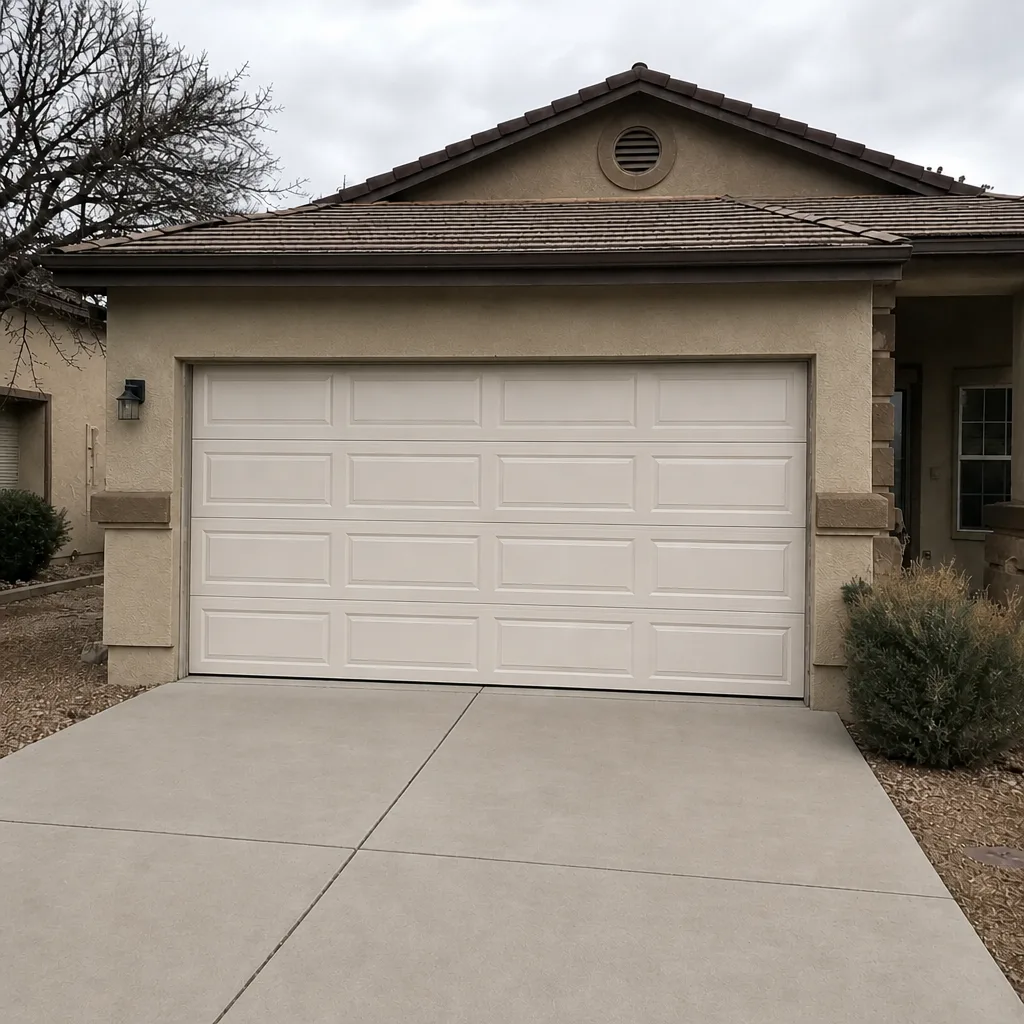 After
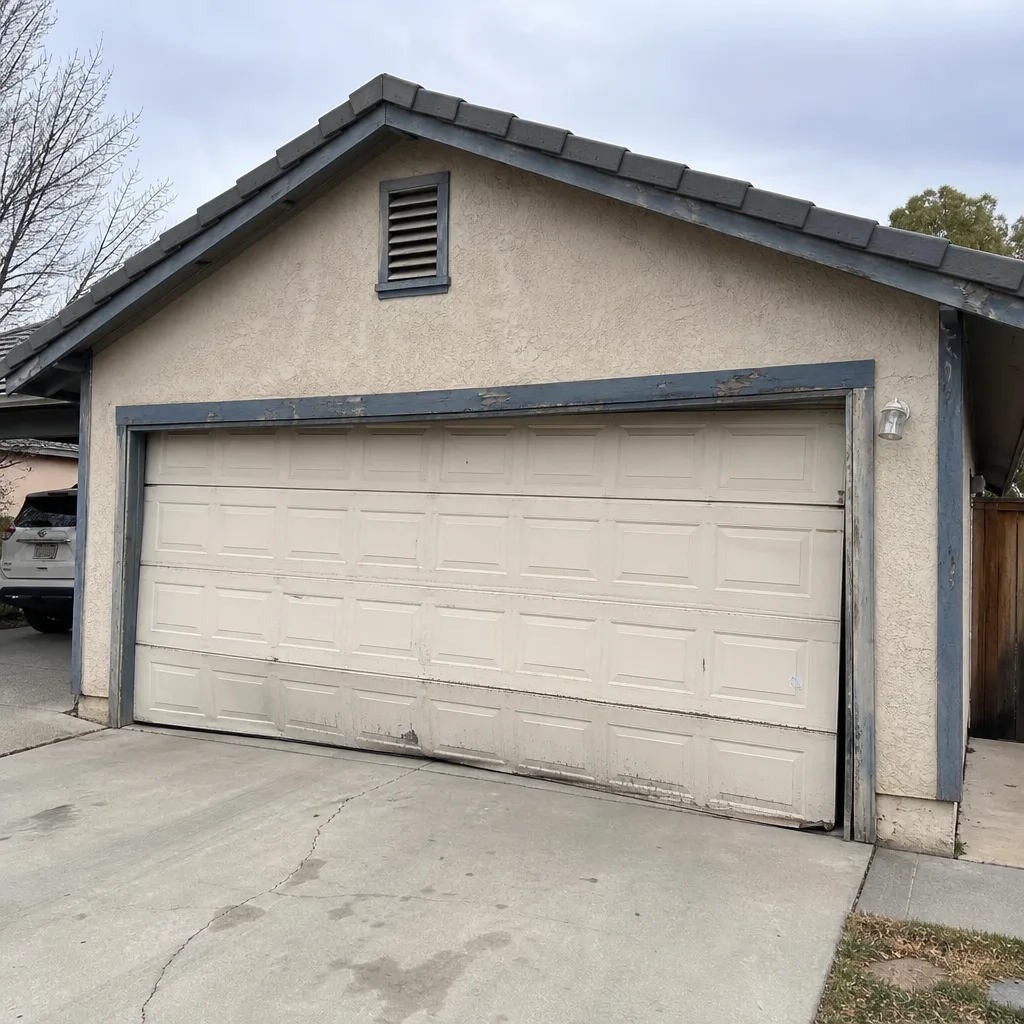 Before
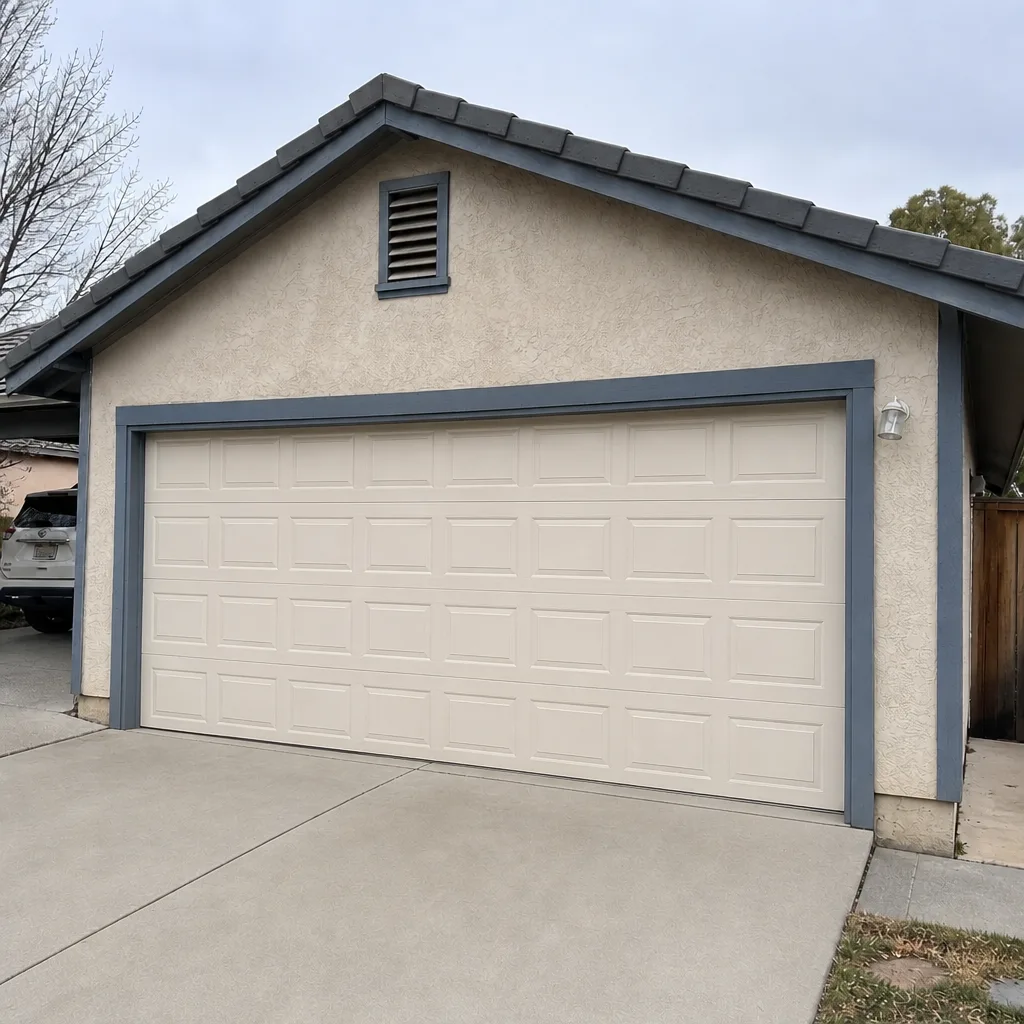 After
Frequently Asked Questions
The same day, before the crew leaves. Run the manual lift test, the floor gap check, the travel speed check, the reversal test, and the anchor bolt shake test while the installers are still on site. Anything that fails should be corrected under the labor warranty that day, not logged for a callback.
Grinding on a new door almost always traces to spring tension set wrong, a roller that’s binding in the track, or a track that’s out of plumb. The door itself isn’t the problem in most cases. Call for a check while the labor warranty is active, and don’t keep running it in the meantime. If you’re in Enterprise, call (833) 620-7107 and we’ll take a look.
Yes. A correctly balanced door, disconnected from the opener, should hover at the halfway point with light effort and no drift. If it drops to the floor, the springs are undertensioned. If it rises on its own, they’re overtensioned. Either way, don’t adjust torsion springs yourself; that’s a trained-professional job.
A written labor warranty with a defined coverage period, model numbers for the door, opener, and springs, the brand names in writing, an itemized parts and labor breakdown, and the installed company’s physical address and license number. If any of that is missing, ask for it before you pay. A receipt that just says “installation” isn’t enough.
Usually within the first heat wave, which in Enterprise means the first ninety days after installation. The temperature swing between afternoon and overnight works on the door fast, and most alignment and seal problems show up within two to four weeks. That’s why the 30-day checklist matters: it catches problems inside the labor warranty window.
Sometimes, yes. If the bottom rubber has a small compressed section, a homeowner can often swap a section of seal or adjust a retainer. But if the gap opens and closes with the heat, or appears on one side only, the door is out of level or the track is off, and that’s a professional correction. Call (833) 620-7107 for a free estimate and we’ll tell you which it is before anyone touches a tool.
The Bottom Line
Bad installation hides, then shows up three months later as a grinding door, a snapping spring, or a gap that lets the desert in. You can catch it early. Run the five tests the day installation finishes, watch for the heat-cycle gaps in the first two weeks, insist on written labor warranty and model numbers, and use the 30-day checklist to spot problems inside the warranty window. If something’s off, get it looked at before the warranty runs out. A good installation is a handshake that lasts. If you want to know what your door is doing, our team at Otto’s Garage Door Enterprise home is one call away.
Call Otto’s Garage Door Enterprise at (833) 620-7107 for a free estimate in Enterprise. We’re locally owned and owner-operated, the phone’s answered around the clock, and the price we quote is the price at the door.
Written by the team at Otto’s Garage Door Enterprise.